View all
4 more images
Forthing Taikon first drive: new energy, new drive
Words: Andrew Sluys
You’d run out of fingers quickly if you tried to count all the brands that have launched in New Zealand over the last year or so. But to keep things simple, we’re looking at the most recent, as it just landed last week.
The history of Forthing seems to differ depending on where the information comes from, but it’s hardly a newcomer. You can trace the brand’s roots back over 70 years to a company that manufactured agricultural equipment. In 2003, the brand started to produce commercial vehicles such as buses and taxis, and in 2016, it formed the brand we know as Forthing today.
It is owned by Donfeng Motor Group (another recent entry to the New Zealand market), and offers a range of SUVs and sedans around the world.
But wait, there’s more
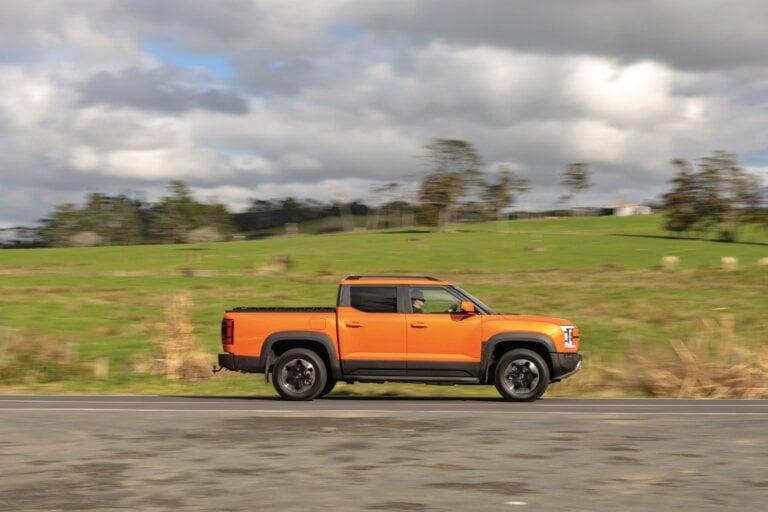
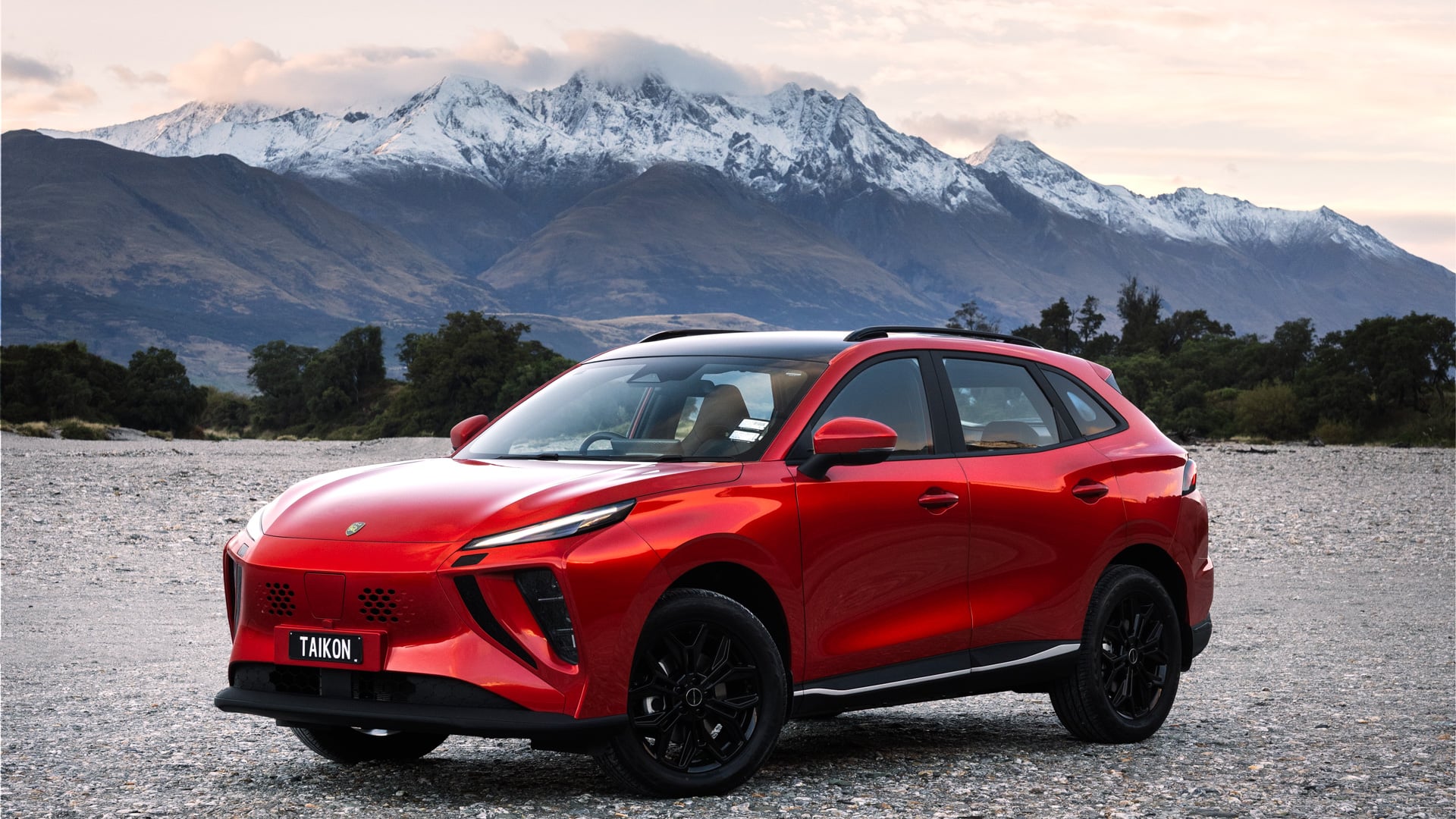
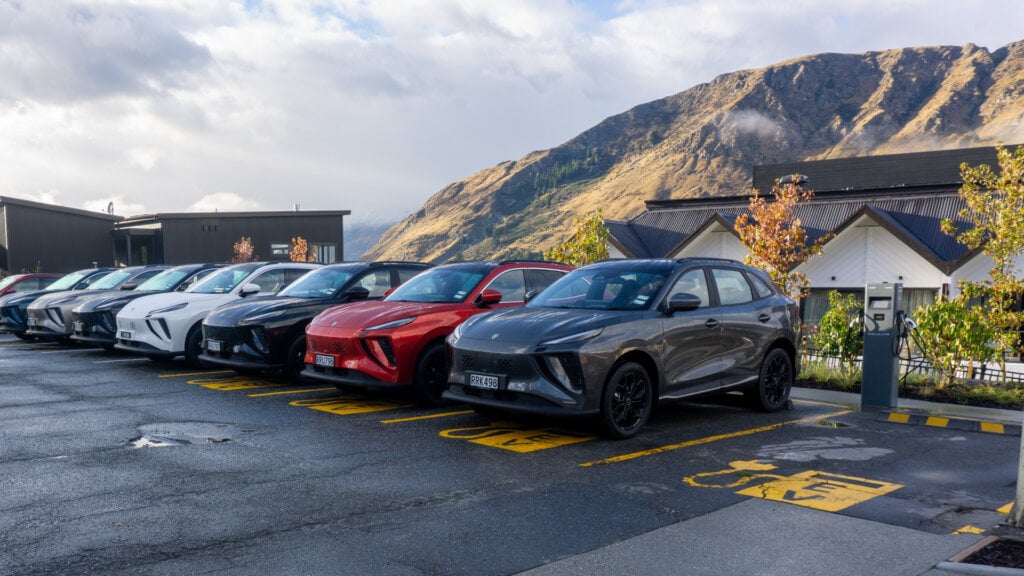
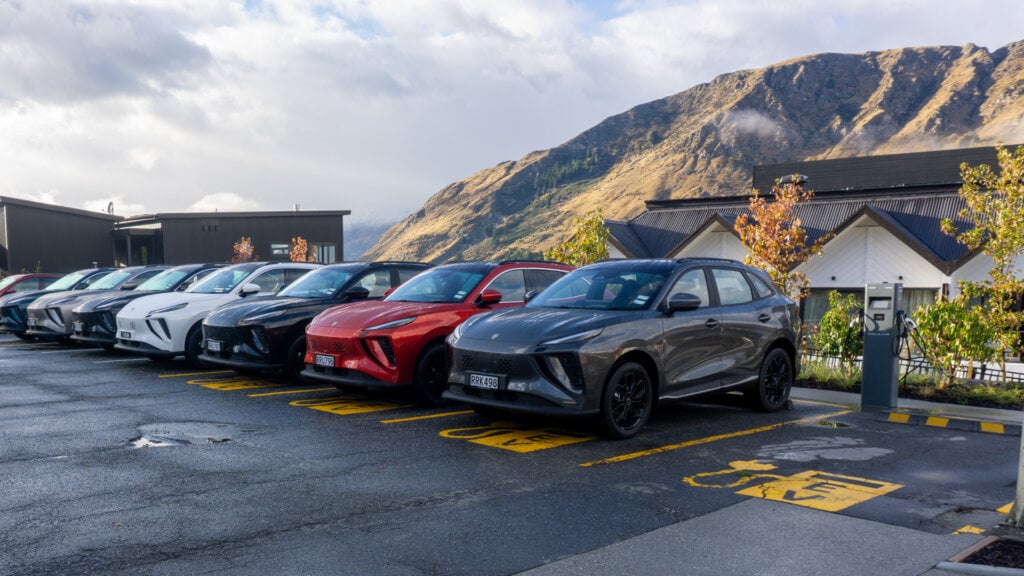
Forthing has launched in New Zealand with just one SUV on offer — the Taikon.
Despite this modest, single-model launch, Todd Groves, the General Sales Manager revealed plans to expand the range within the coming year.
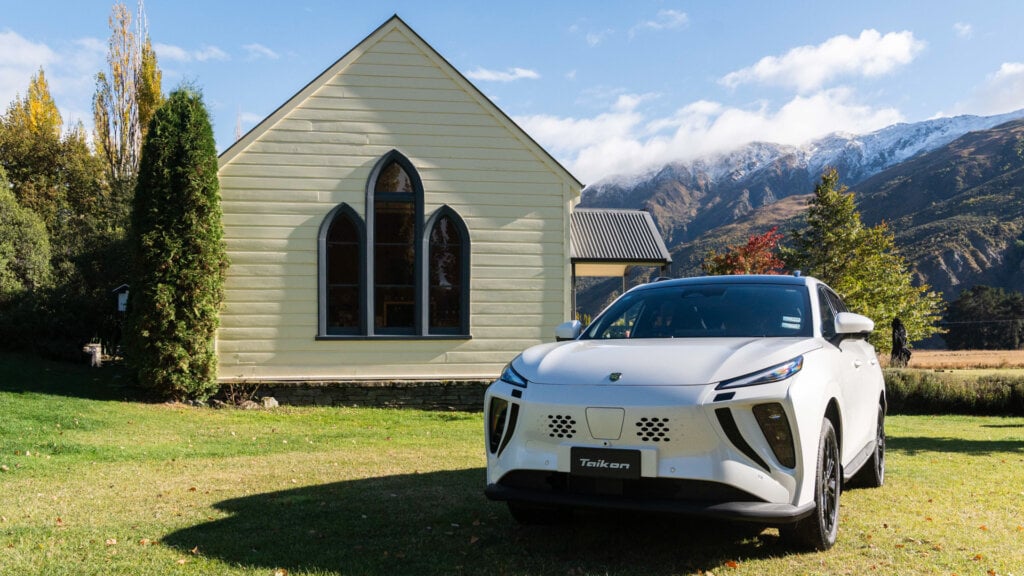
Groves mentioned there will be two new models this year, with more coming in early 2027, all based on the Taikon’s EMA platform.
Similar to other Chinese brands, the Taikon nameplate will serve as a sub-brand going forward, with numbers distinguishing different models.
One SUV, two options
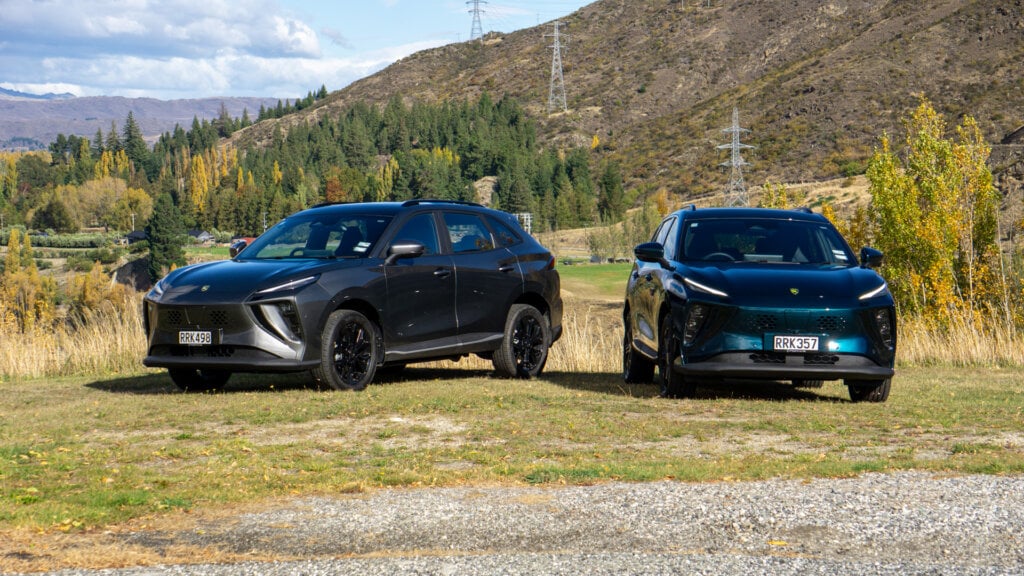
Globally, the Taikon is available with four powertrain options. There’s a hybrid, a plug-in hybrid, a super hybrid, and a pure electric version. Given New Zealand’s current fuel predicament, it’s little surprise to see Forthing New Zealand has decided to go with the latter two options, as they are the most fuel efficient.
The electric Taikon is powered by a 64kWh battery, which is paired with an electric motor on the front axle. This motor produces 150kW and 240Nm.
It has a WLTP-rated electric driving range of over 400km, and with a maximum DC charge rate of 120kW, it can be charged from 30 to 80 per cent in 30 minutes.
The Taikon Super Hybrid is a bit more complicated, as it’s technically still an EV, but it uses a petrol engine to recharge the battery. These range extending systems are nothing new, but are having their time in the spotlight as more and more motorsists look to maximise their dollars at the petrol pump without going fully electric.
It features a 1.5-litre turbocharged four-cylinder petrol engine that’s connected to a generator. This generator sends charge to a 32kWh battery, which powers the 120kW/240Nm electric motor on the rear axle. It’s rated to an electric-only range of 183km, and as for a full hybrid range? It should do around 1000km comfortably.
Facing fierce competition
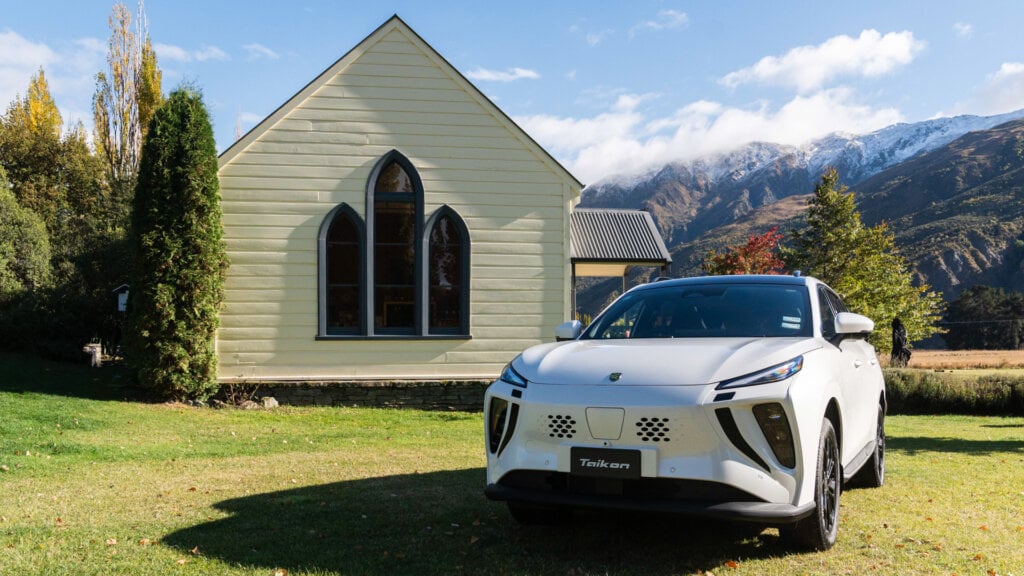
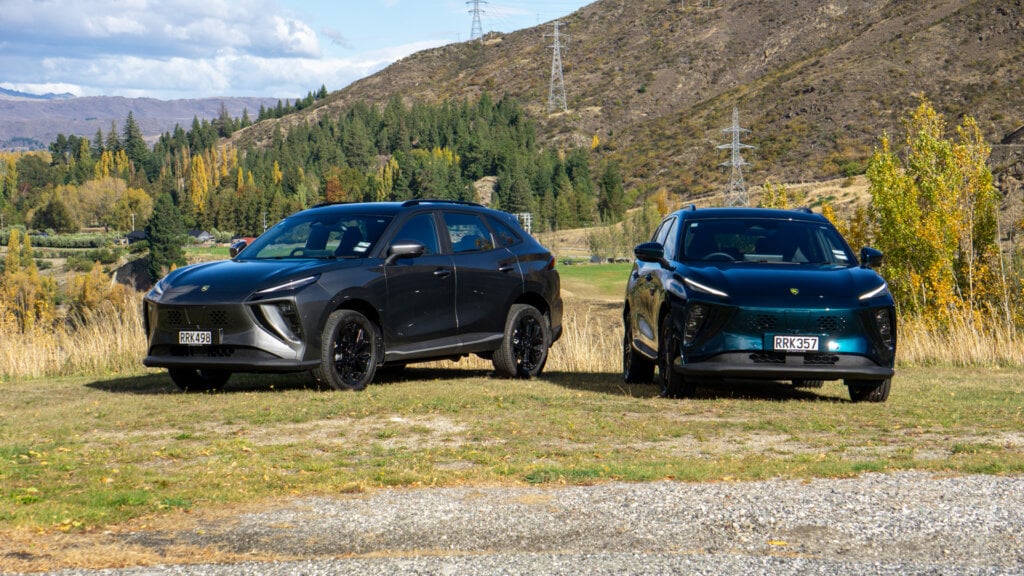
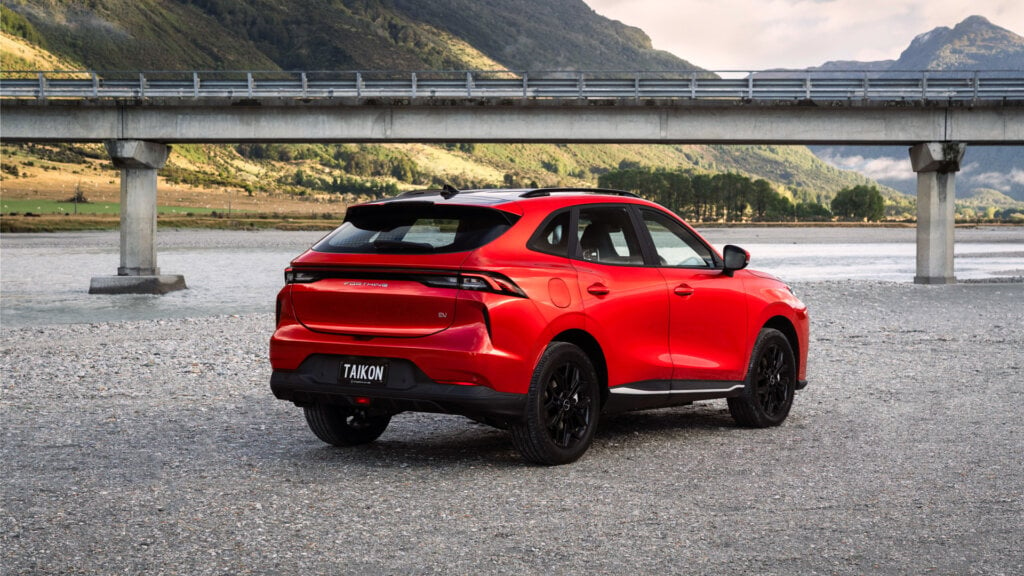
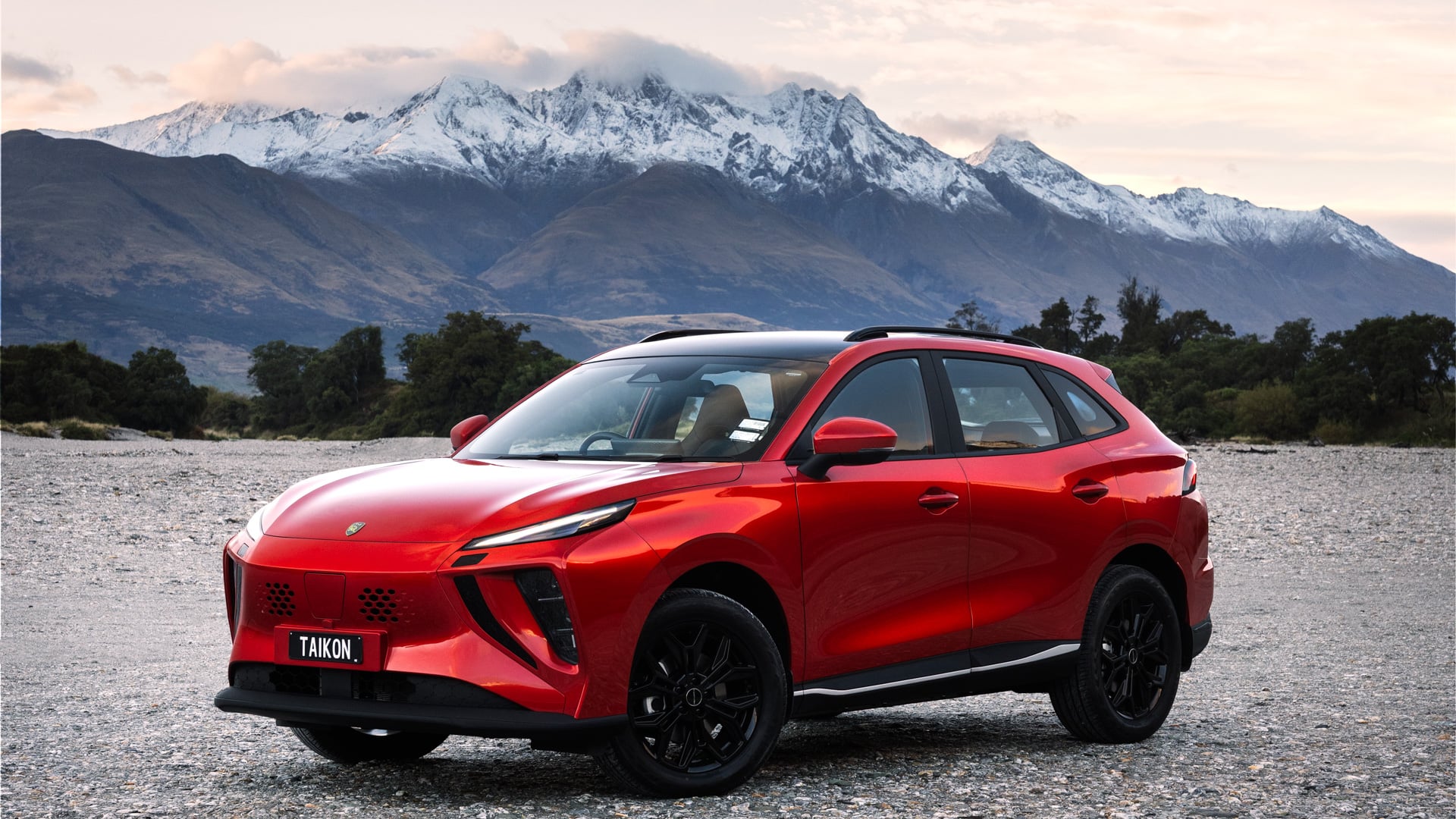
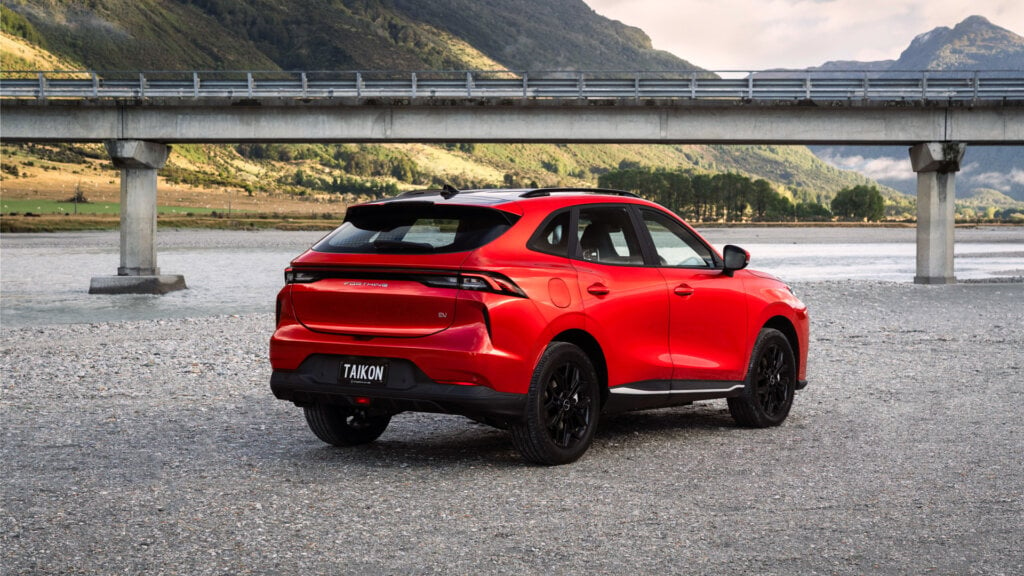
At 4.6-metres long, 1.8-metres wide, and 1.7-metres tall, the Taikon is almost exactly the same size as a Toyota RAV4. As you’ll know the RAV4 has become the benchmark of the mid-size SUV segment, and that’s where the Forthing is set to compete.
During the launch presentation, Todd Groves mentioned that there are around 9,000 new registrations of mid-size SUVs each year, making it NZ’s most lucrative new vehicle segment. In saying this, it is also the most competitive segment in New Zealand, with almost every single manufacturer offering something.
With this in mind, Forthing New Zealand is pretty confident that the Taikon’s price point will be enticing enough to lure customers from more tried and tested legacy brands.
In New Zealand, the Taikon Super Hybrid Luxury is the entry point to the range at $39,990. Opting for the higher-spec Exclusive model will cost $44,990.
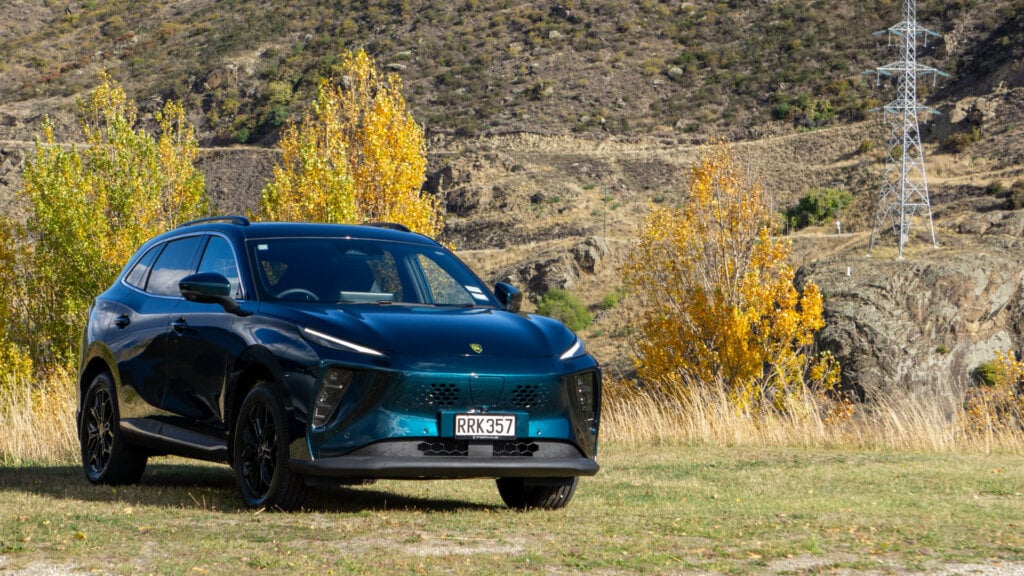
The entry-level Taikon EV Luxury is a bit more expensive at $42,990, and it’s the same story for the Exclusive at $47,990.
At this price point, the Super Hybrid is $10,000 cheaper than the cheapest RAV4 hybrid, and the Taikon EV is an impressive $15,000 less than the cheapest RAV4 PHEV.
On the inside, the Taikon’s cabin is well appointed with an impressive list of standard features.
The seats are covered in a faux leather material, and all variants makes use of electric adjustment. There’s also a massaging driver’s seat in Taikon models.
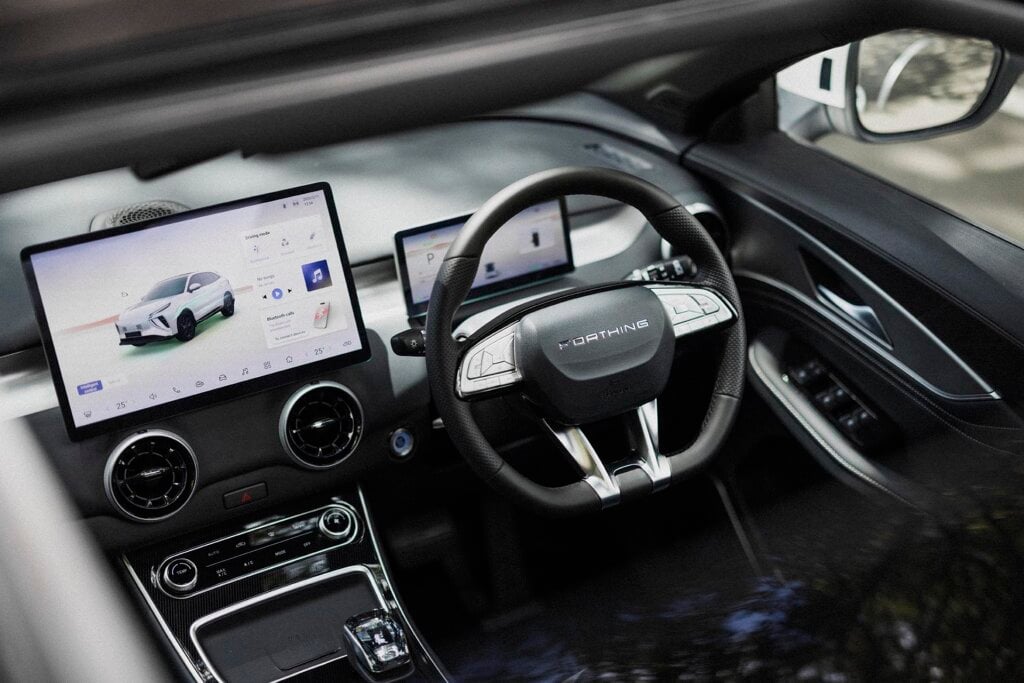
The 14.6-inch infotainment display gets wireless Apple Carplay and Android Auto connectivity, it also runs well with its own operating system, which is a bonus. There’s an 8.8-inch digital cluster behind the steering wheel.
While the cabin is spacious for the most part, the seating position in both rows is quite high, which compromises head room. You wouldn’t want to be spending a lot of time in the second row if you’re over six feet tall.
Other highlights on the higher spec model include a panoamic sun roof and a wireless phone charger.
Alongside the retail value proposition, Forthing NZ is also backing these new vehicles with a seven year, 200,000km vehicle warranty, plus an eight year, 200,000km battery warranty.
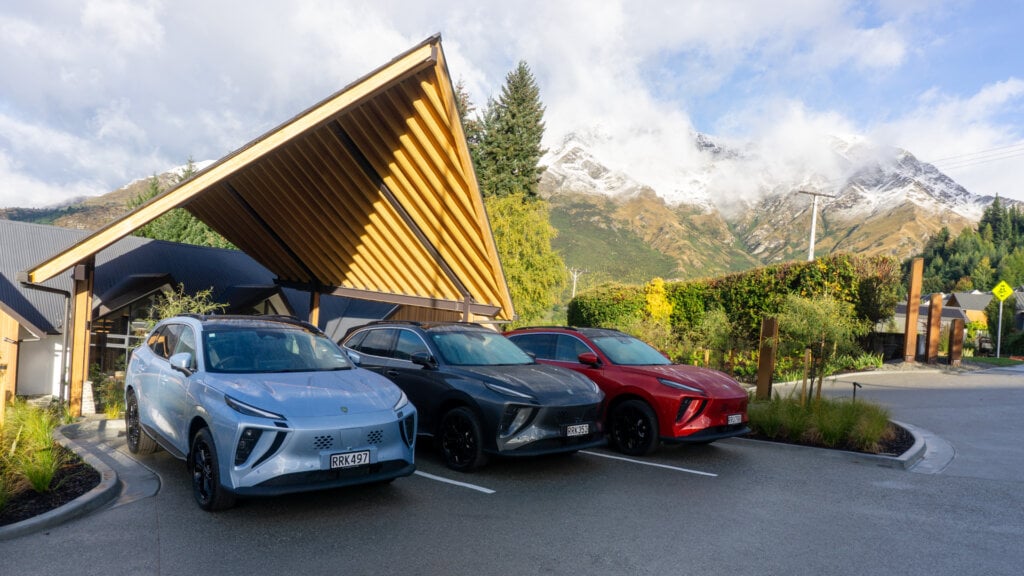
So while this all looks good on paper, how does the Taikon stack up on New Zealand roads?
An adequate encounter
Considering its price point, I had my expectations managed for the Taikon on the road, and these modest expectations were met.
As is the case with a lot of new Chinese vehicles, the ride offered is very soft. On one hand, this makes for a very comfortable ride, but on the other hand, it means body control is at a minimum. This shouldn’t be a concern for the majority of mid-size SUV owners, but given its sporty aesthetic, I had hoped the Taikon would be a better performer in the twisty stuff.
The same goes for the powertrain in the Super Hybrid. It’s enough to get along, but don’t expect to be blitzing past anyone in uphill passing lanes, as once you get past 50km/h, the acceleration dips off.
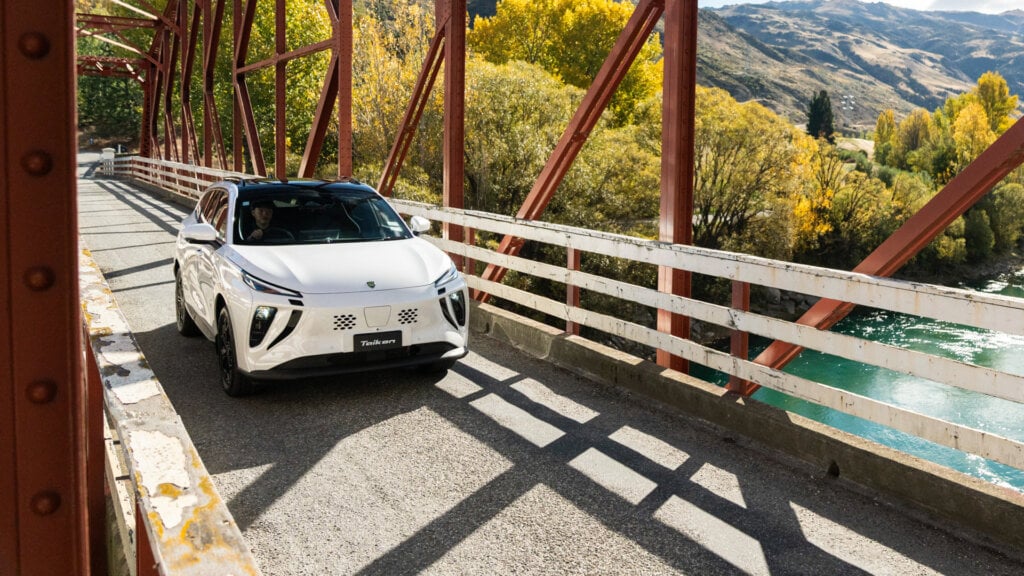
As for the performance of the EV? Entertaining is a word I’d use. The Taikon’s basic traction control system does its best to handle the heavy helping of torque at the front wheels, but it will still light them up if you aren’t careful. It might have been the tyres we were using during the launch drive, but accelerating out of low speed corners and roundabouts is an interesting experience. This is something owners will probably get used to, but those lead-footed drivers among us might end up with a bit more tyre wear than expected.
Also, Forthing New Zealand claims the Taikon is capable of “one pedal driving”, which is nothing new in the EV world, but it’s a tall claim for this car. It’s one of the most mellow one pedal systems I’ve encountered, and would go as far as to claim it hasn’t been tuned properly. The brake pedal also has a strange feeling to it.
Interestingly, the Taikon models offered at launch haven’t been ANCAP tested, and are being sold with a five-star VSRR rating. Forthing New Zealand mentioned that they are planning to get the cars tested, but only when it is updated with a driver monitoring camera, and an e-call system. Once these systems are present, the Taikon will have a far better chance of securing a five-star rating.
As a whole, Forthing’s entry into the New Zealand market with the Taikon is a competitive one. It’s not beating the Toyota RAV4 at its own game, but with a significantly lower price point, the comparison is basically moot.
As is the case with any of these new brands, the biggest question surrounds reliability, but given Forthing’s seven-year warranty and significant parts stock on hand, they’ve taken steps to future-proof the brand.