View all
7 more images
2026 JAC T9 PHEV First Drive: refining the workhorse
Words: Dave Mcleod
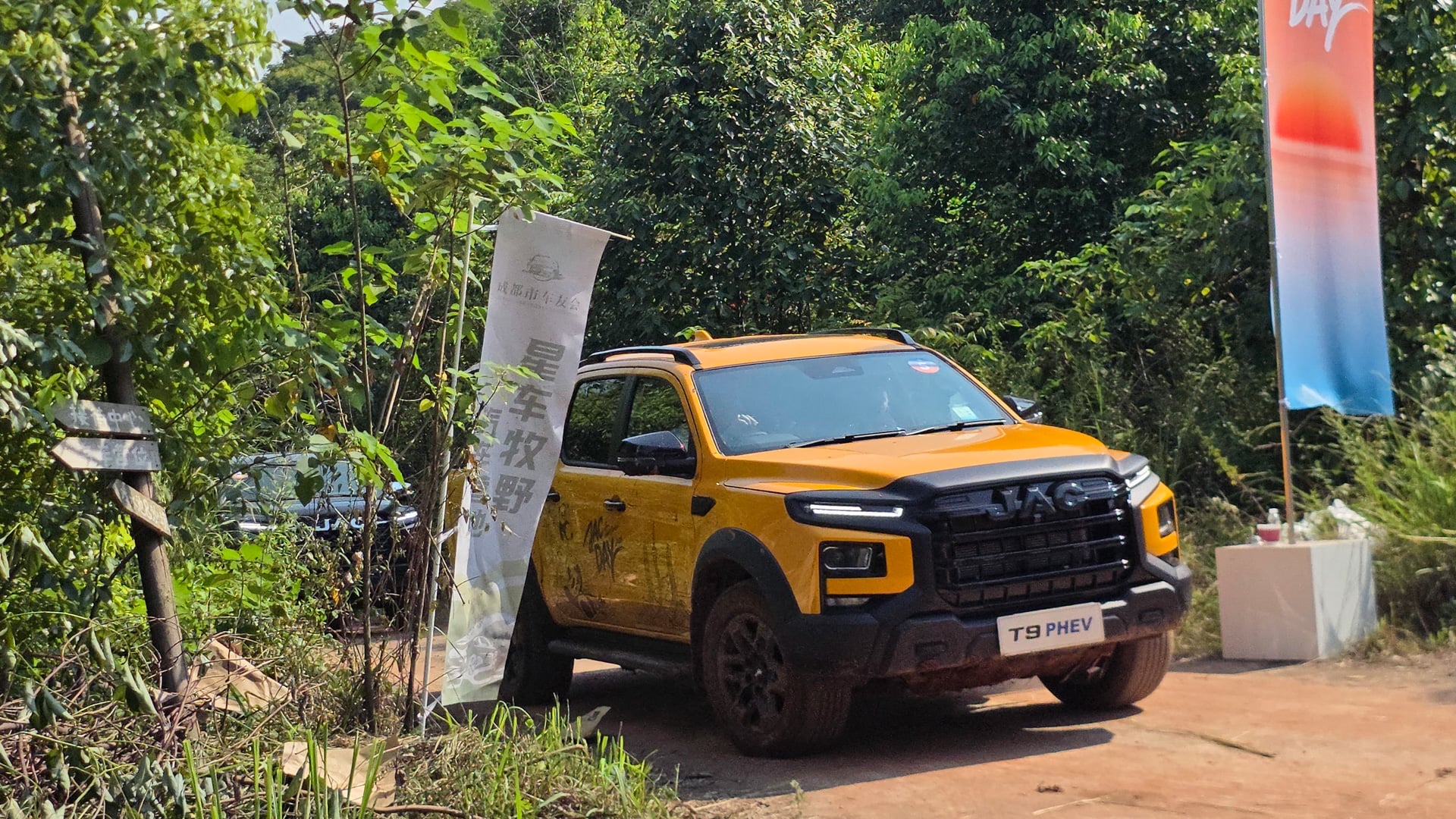
Having already made headway in the NZ ute market with the T9, JAC Motors is upping the ante by adding a PHEV powertrain to their range. And to prove this isn’t just greenwashing, they invited us to some challenging off-road terrain in Chengdu, China, to see if it was up to the brief of combining practicality with modern electric innovation.
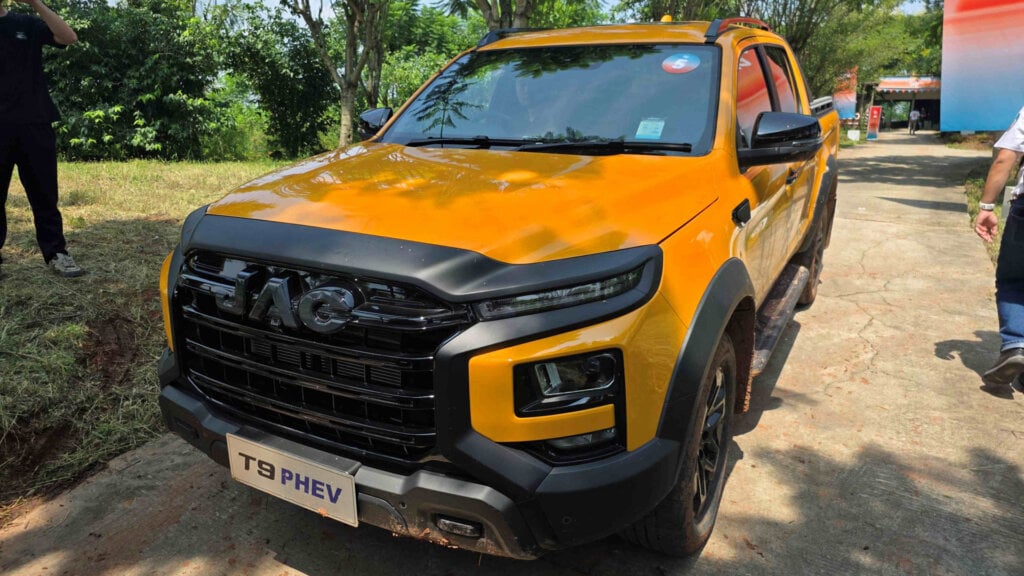
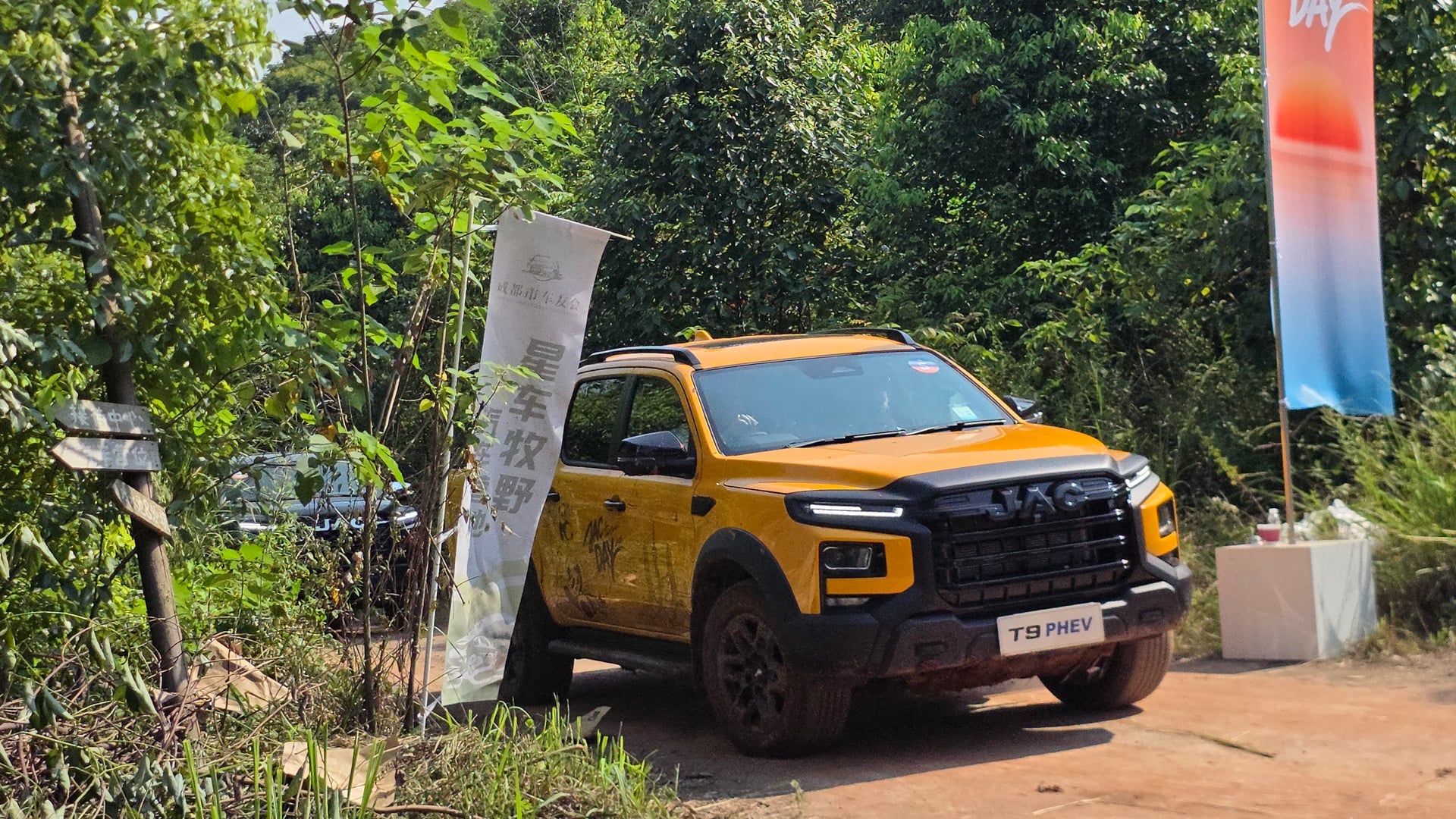
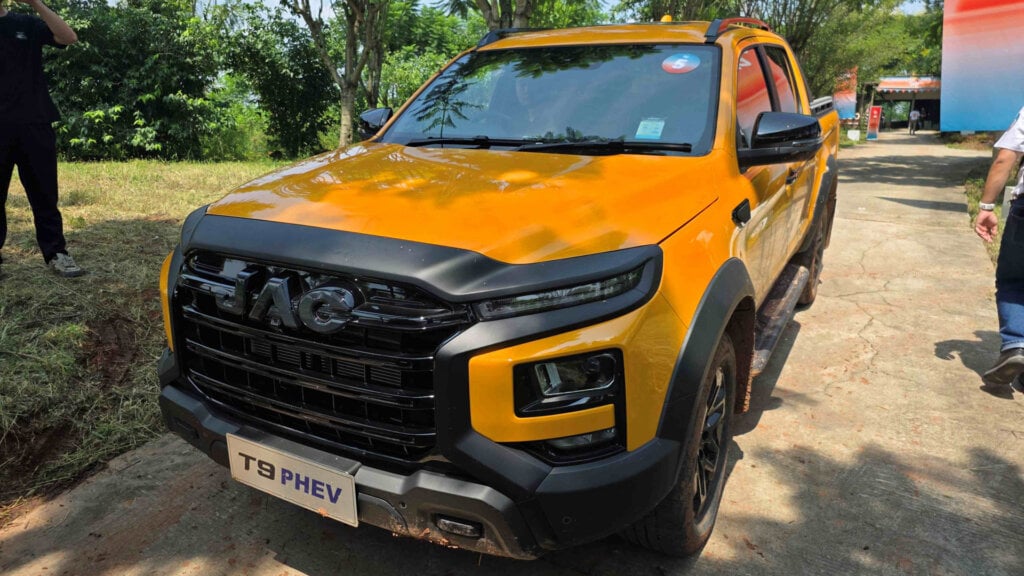
When it comes to looks, the T9 PHEV maintains the broad-shouldered, chunky aesthetic that has made the conventional T9 easily recognisable on New Zealand roads. JAC has kept the proportions that show off the ute’s genuine work-focused heritage, and rejected the temptation to make it look like something designed merely to visually impress.
However, there are some subtle refinements that signal that this is an evolved iteration. Responding to market feedback from places like New Zealand, JAC has incorporated meaningful improvements that elevate the everyday experience.
The introduction of telescopic steering adjustment is particularly noteworthy; while it may sound minor on paper, the practical difference is substantial. For taller drivers especially, the ability to properly position the steering wheel relative to your body translates directly into improved ergonomics and reduced fatigue during longer drives. Additionally, an easier-to-use tailgate and planned cosmetic updates (such as replacing the embossed JAC tailgate with a modern black badge) show that JAC is paying attention to the details that matter.
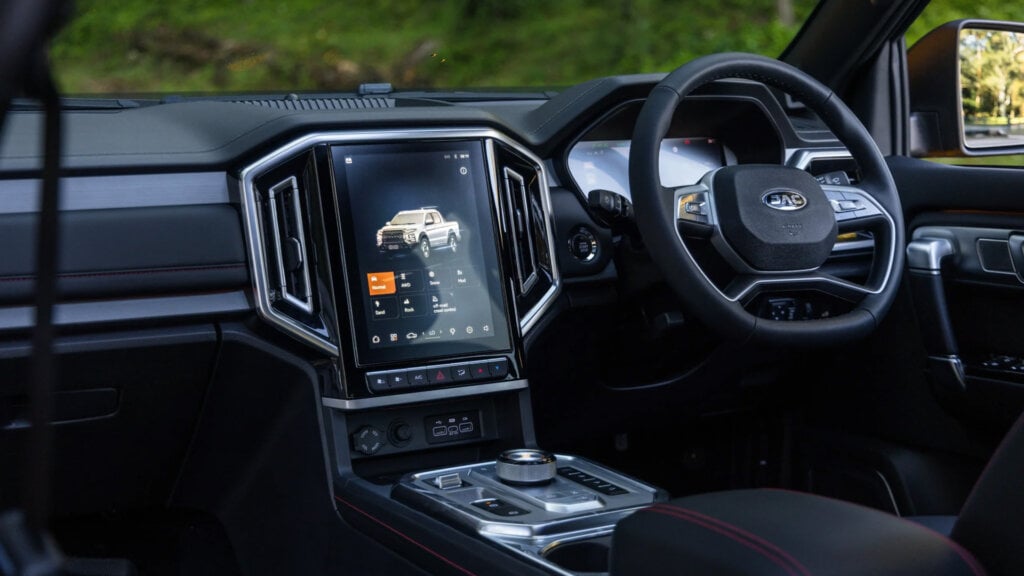
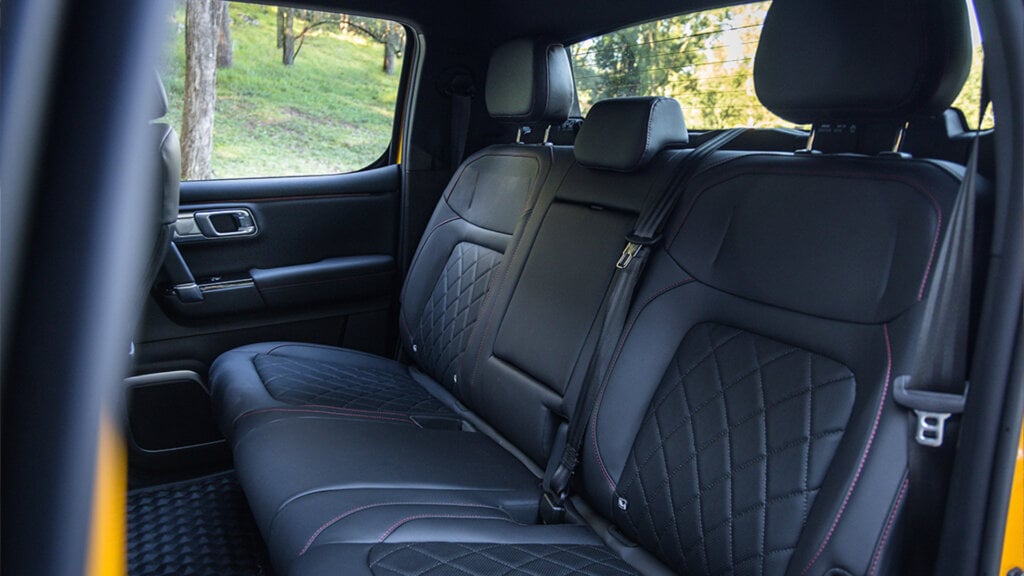
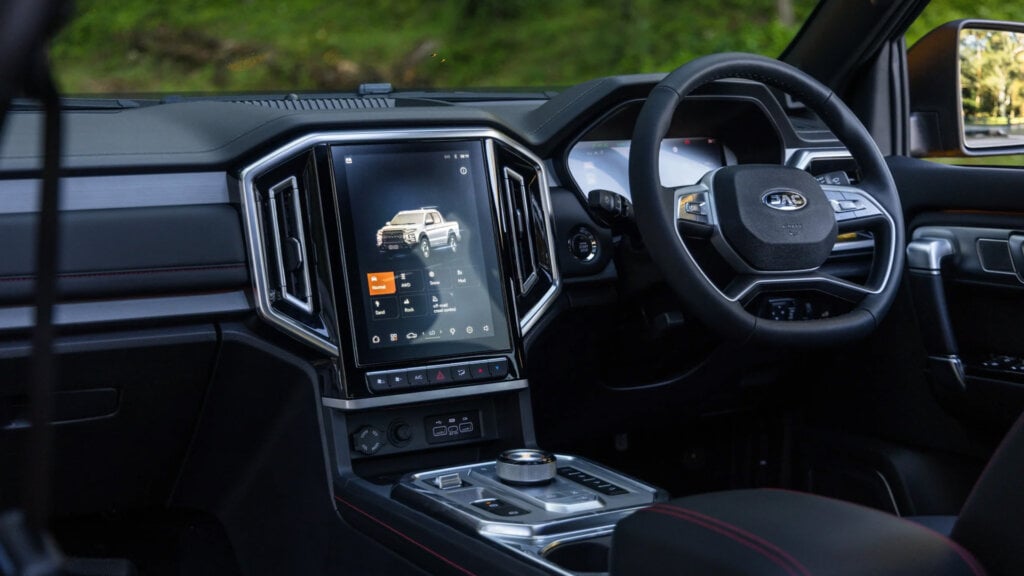
Step inside the T9 PHEV, and you’re greeted by a cabin that minimises over-complexity. The layout is straightforward and intuitive, requiring no engineering degree to operate, retaining physical controls positioned exactly where you’d expect them and all complemented by large digital displays that convey easy to read driving information.
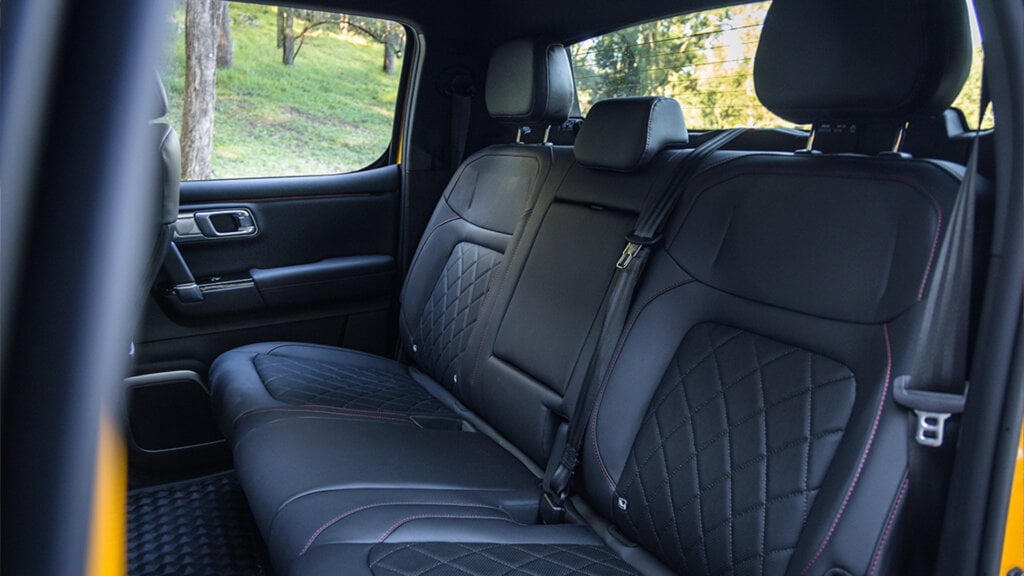
This simple design philosophy extends throughout the cabin, creating an environment that feels both contemporary and reassuringly conventional. For a vehicle transitioning traditional ute owners into the world of hybrid and electric technology, this ‘approachability’ I believe is invaluable.
It’s well insulated too, with the cabin remaining quiet and serene, even under acceleration, and a stalked contrast from the familiar diesel rattle that long-time ‘uters’ might expect.
The T9 PHEV’s infotainment system equally exemplifies the user-centered design. Rather than burying essential functions in nested menus, JAC has created displays that provide the information you genuinely need when it matters most, ideal for when you’re mentally engaged with tricky off-road terrain, but kinda handy when driving around the concrete jungle too I assume.
Of note is the surround-view camera system, it proved genuinely valuable away from paved roads. Being able to visualise what’s happening around the vehicle, (and critically, where the wheels are positioned relative to ruts, rocks, and slippery terrain) instilled considerably more confidence while navigating the challenging Chengdu landscape.
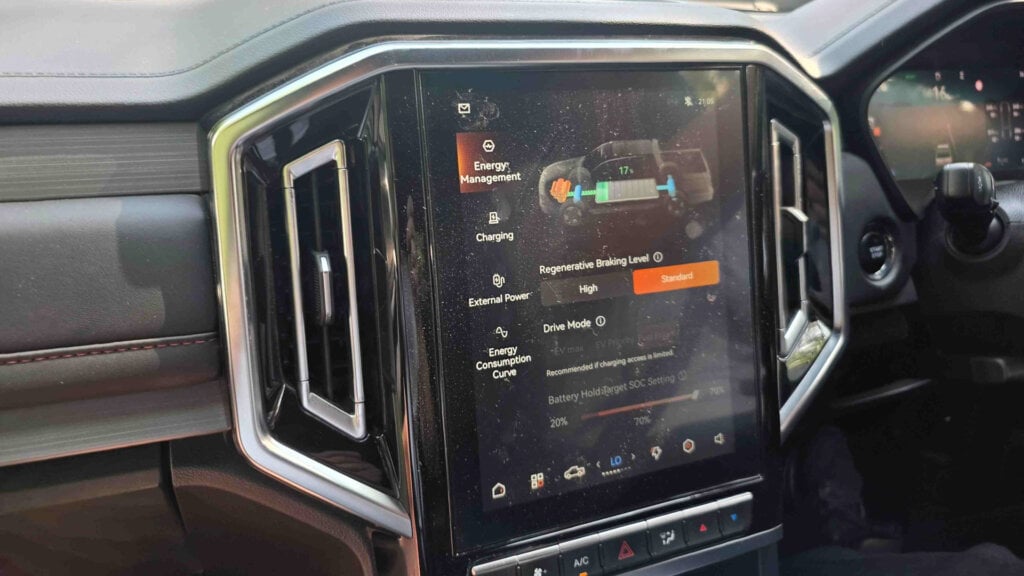
Of course, being a PHEV, JAC has added a comprehensive energy management tab to the infotainment set up. This interface allows drivers to monitor energy flow, configure battery recharge levels, and adjust regenerative braking parameters, all without requiring constant attention. The system’s configurability means that newcomers to PHEV technology can easily set up preferences once and then ignore the technical details (should they wish), allowing the vehicle’s electronics to handle the complexity while you focus on driving.
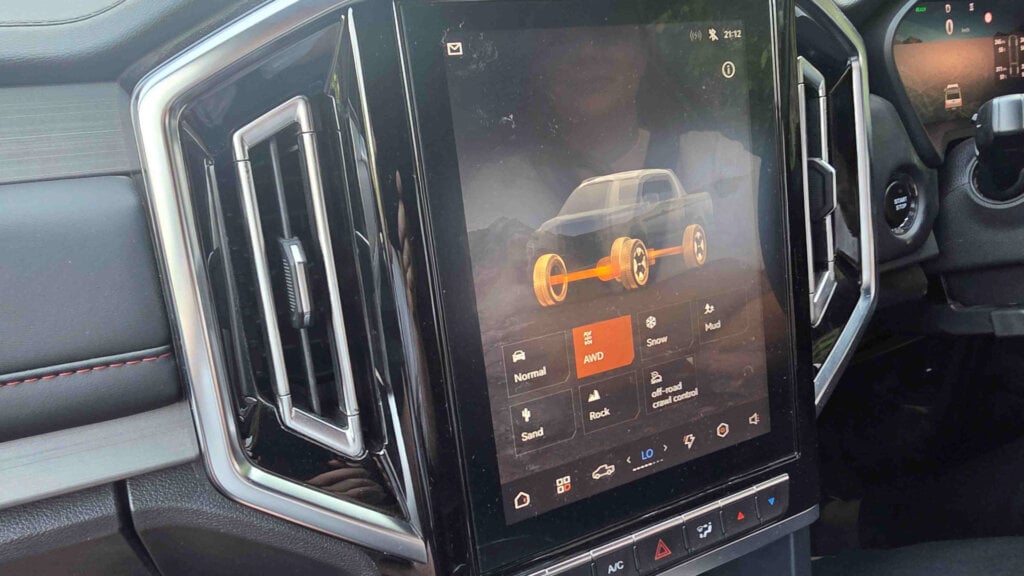
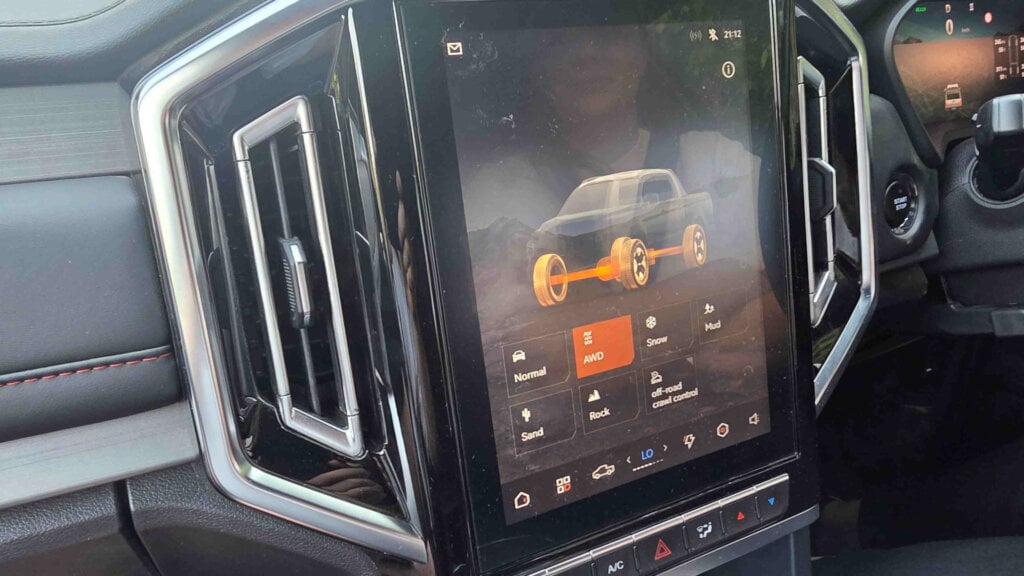
The drive-mode controls epitomise the PHEV ute’s simplicity. When venturing onto the unsealed stuff, you just press the off-road button, and the electronics activate their full arsenal of capability. As a driver the job becomes pretty straightforward, steer, select your line, and manage throttle input. This is precisely what makes the T9 PHEV accessible to drivers of varying experience levels; you don’t need to be an off-road expert to look like one.
The mechanical heart of the T9 PHEV is a substantial departure from traditional diesel ute formula. JAC has replaced the conventional diesel engine with a 2.0-litre petrol engine paired with dual electric motors and a 31.2kWh battery pack. The topline figures are genuinely impressive, a combined system output of approximately 360kW and a massive 674Nm of combined torque.
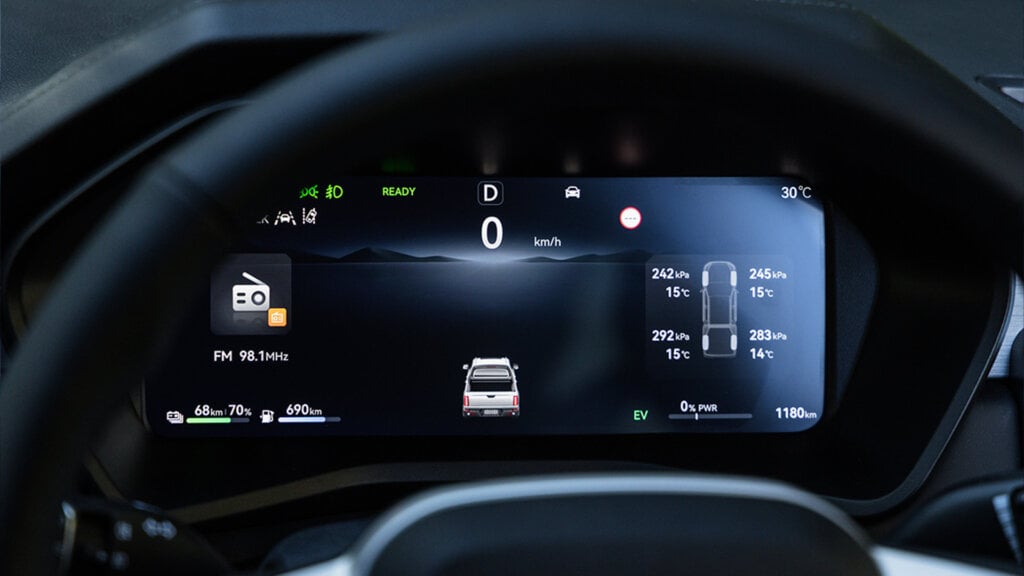
The battery provides approximately 105km of pure electric driving range, while total hybrid range extends to an impressive 1,005km (both NEDC figures). However, the real sophistication lies in the intelligent integration of the electric motors into the drivetrain architecture.
The dual-motor setup features one electric motor driving the front axle and another providing rear-wheel drive, connected through a purpose-designed four-speed transmission. This configuration allows the T9 PHEV to maintain genuine working capability, it can tow 3.5 tonnes, carry loads exceeding 900kg, and venture confidently into challenging terrain.
The electric motors provide instant torque availability too, there’s no waiting for a diesel engine to spool up or a transmission to find the correct ratio. Apply throttle, and the response is immediate and modulated.
The four-wheel-drive system exemplifies how digital systems can enhance mechanical capability. Rather than relying on conventional mechanical connections between front and rear axles, the system uses electric motors and control electronics to determine optimal power distribution in real-time.
From the driver’s seat, this is elegantly simple, point the vehicle where you want to go and manage throttle input. The system handles the rest, and for situations demanding more aggressive intervention, front and rear locking functions remain available.
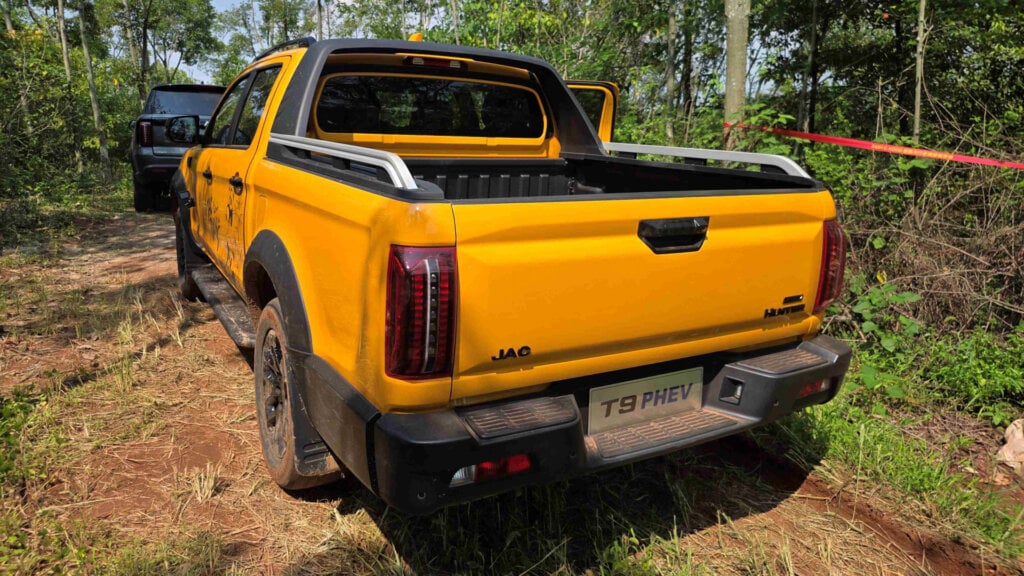
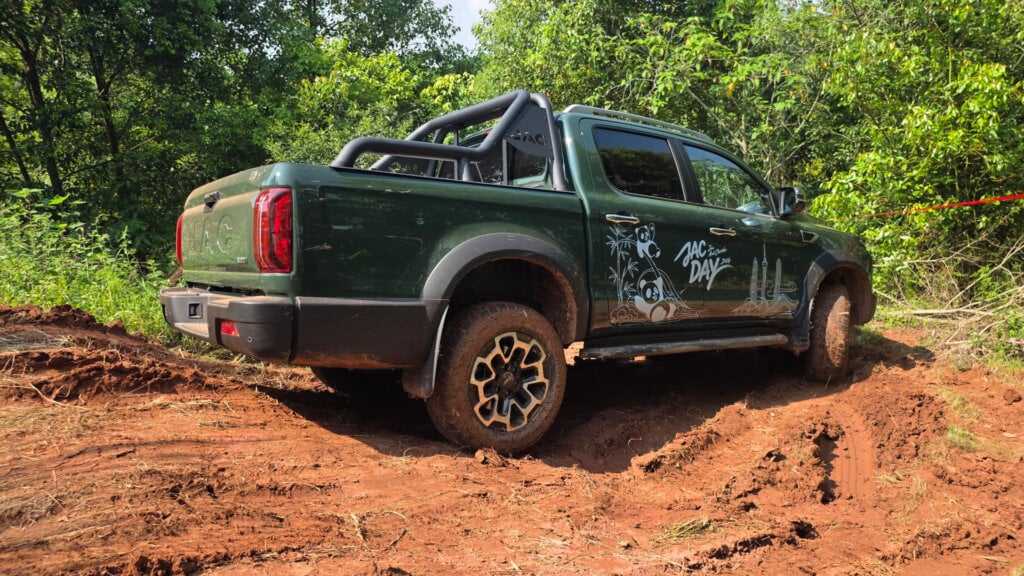
Testing the T9 PHEV on wet, slippery red mud and clay revealed the genuine capabilities of this hybrid architecture. On terrain where a conventional diesel powertrain might encourage wheel spin, the T9 PHEV simply progressed forward with composed determination. As I said, the immediacy of electric torque makes throttle control remarkably effective on slippery surfaces; instead of bullying the terrain with a large engine, the T9 PHEV delivers torque smoothly and precisely, exactly what slippery surfaces demand.
Even equipped with road tyres (with minimal tread depth), the electronic all-wheel-drive system maintained forward progress through ruts, muddy sections, and slippery climbs that appeared treacherous but posed no genuine challenge.
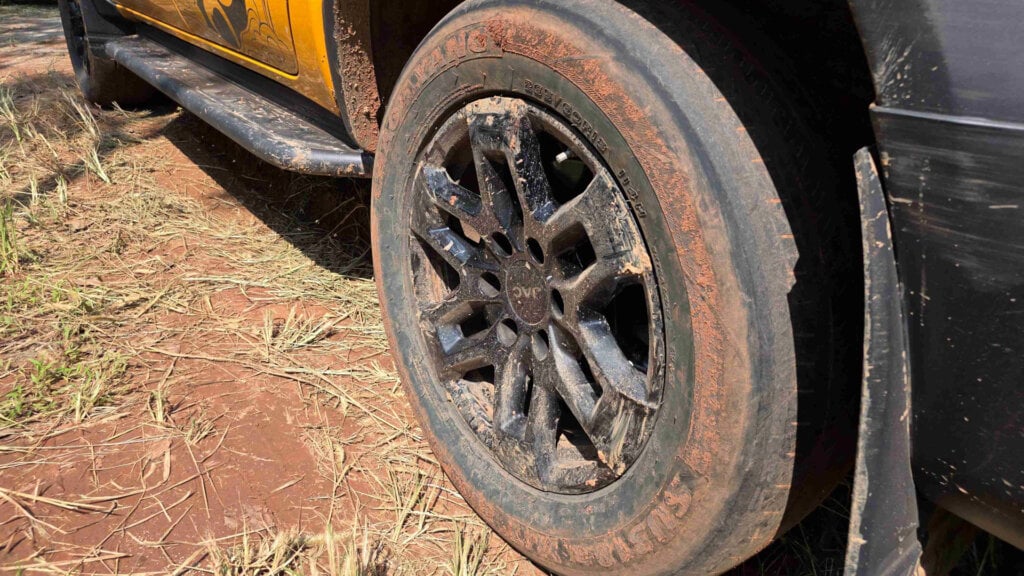
Neither the electronic locking system nor the crawl mode required use, showing just how effectively the standard systems managed the task at hand.
An unexpected benefit was the ute’s smaller turning circle. Despite sharing the fundamental platform with the conventional T9, the PHEV felt noticeably easier to maneuver, particularly beneficial in the course’s tight sections and sure to be valuable for daily urban navigation and car park maneuvering.
Beyond the rough stuff, acceleration impressed with an immediacy impossible for the diesel version to match. Press the throttle and the T9 PHEV responds instantly, delivering substantial torque without turbo lag. On the final winding sections of track, this responsiveness bordered on rally-car-like, transforming a working truck into something genuinely entertaining, exactly what the T9 PHEV achieves while maintaining its fundamentally practical nature.
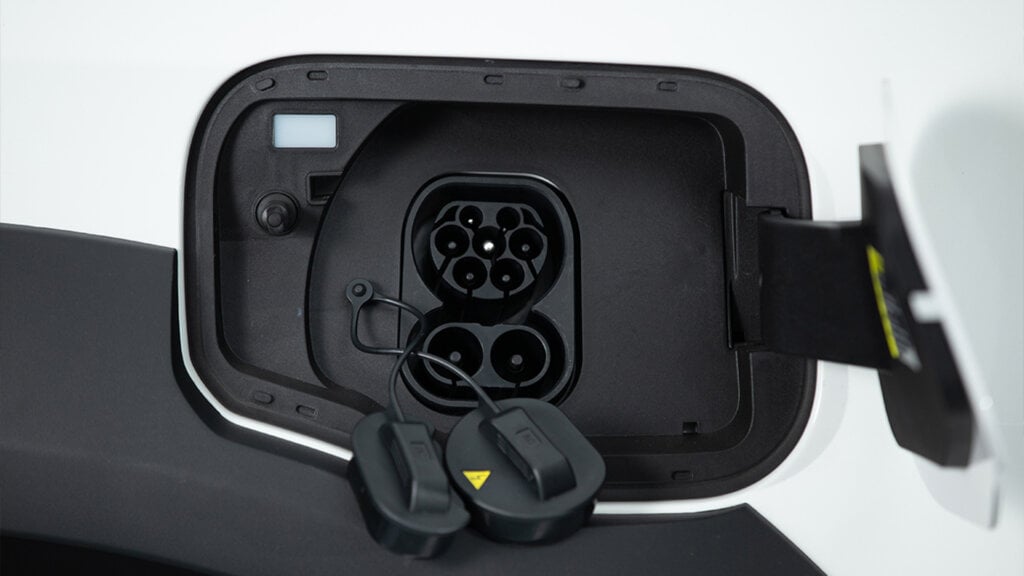
One last thing, the intelligent battery management system reflects a genuine understanding of how plug-in hybrid utes operate in real-world conditions. In automatic mode, the T9 PHEV maintains approximately 20 percent battery charge, preserving electric power reserves for when instant assistance and all-wheel-drive capability prove most valuable. You can also adjust this strategy depending on anticipated demands, retaining more charge before hitching a trailer or planning extended driving requiring electric assistance.
Final thoughts
The JAC T9 PHEV is a serious reinterpretation of a modern utility vehicle. It retains the practicality, durability, and work-focused design philosophy of the conventional T9, but layers sophisticated electric technology atop this proven foundation. The 360kW output and 674Nm torque represent serious numbers for any ute, yet the most impressive aspect is its accessibility. The electronics quietly manage complex systems, all you need is steering inputs, proper line selection, and throttle control.
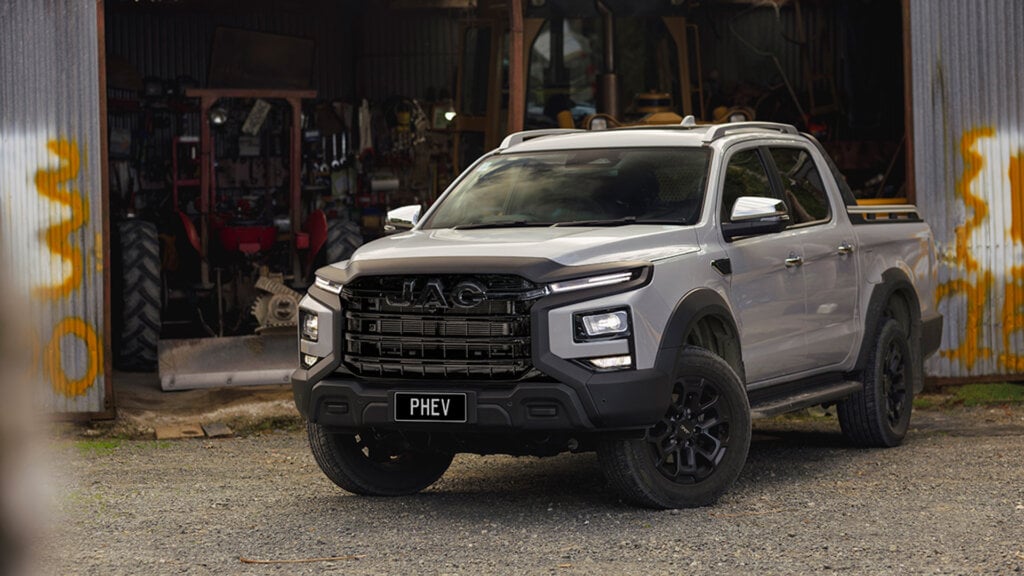
For New Zealand, where practical vehicles must balance genuine capability with modern efficiency expectations, the T9 PHEV represents a genuinely compelling proposition. I’m looking forward to testing it on the tarmac now.