View all
2026 Range Rover Velar Dynamic SE P400E Review
Words: Andrew Sluys | Photos: Andrew Sluys
Buyers are spoilt for choice when it comes to powertrains as we find ourselves at the crossroads of fossil fuels and battery power. With petrol, diesel, hybrid, plug-in hybrid, and electric, there’s a lot to consider. And with factors like looming road user charges for all vehicles, it’s also never been harder to pick a winner.
A few years ago, the answer seemed obvious as plug-in hybrid vehicles offered the best of both worlds; electric drive around town with petrol power back up for longer journeys. But with petrol getting more expensive and the entry point for electric vehicles dropping, are PHEVs still a good option?
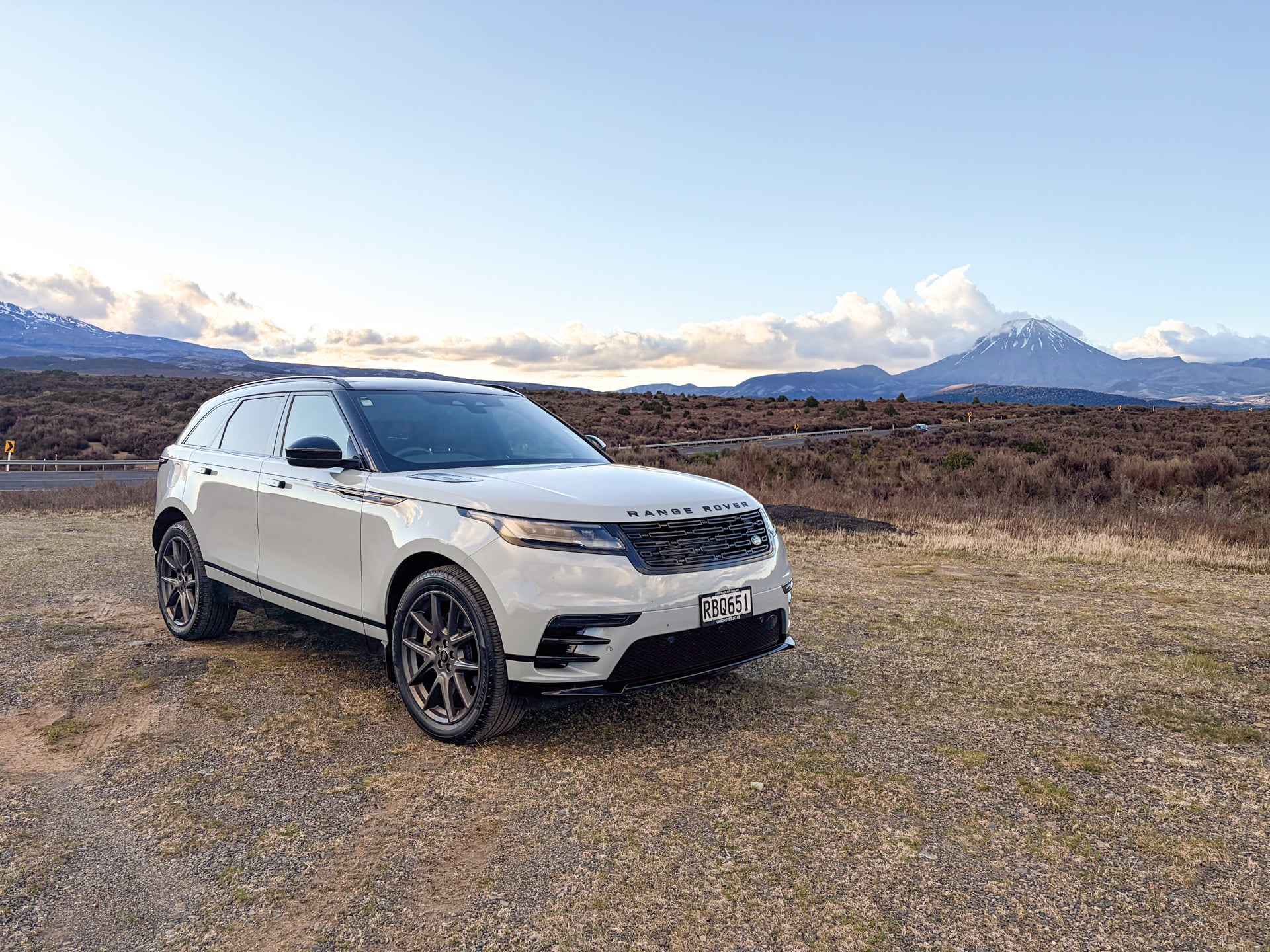
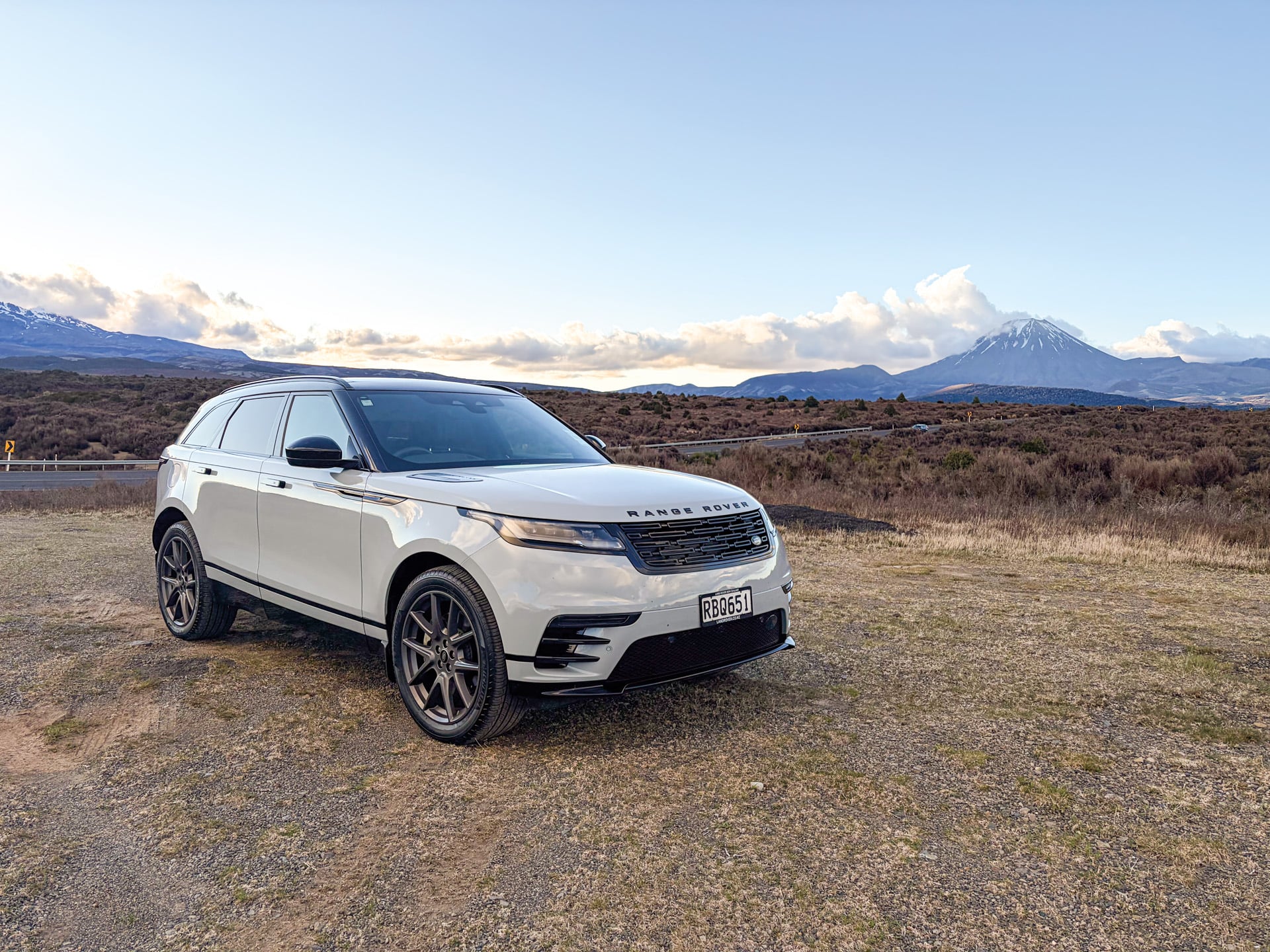
To test this, we got our hands on the new Range Rover Velar P400e. Starting at around $150,000 plus whatever options tickle your fancy, it isn’t a vehicle for penny pinchers, but no one likes spending more than they have to at the pump, no matter your tax bracket.
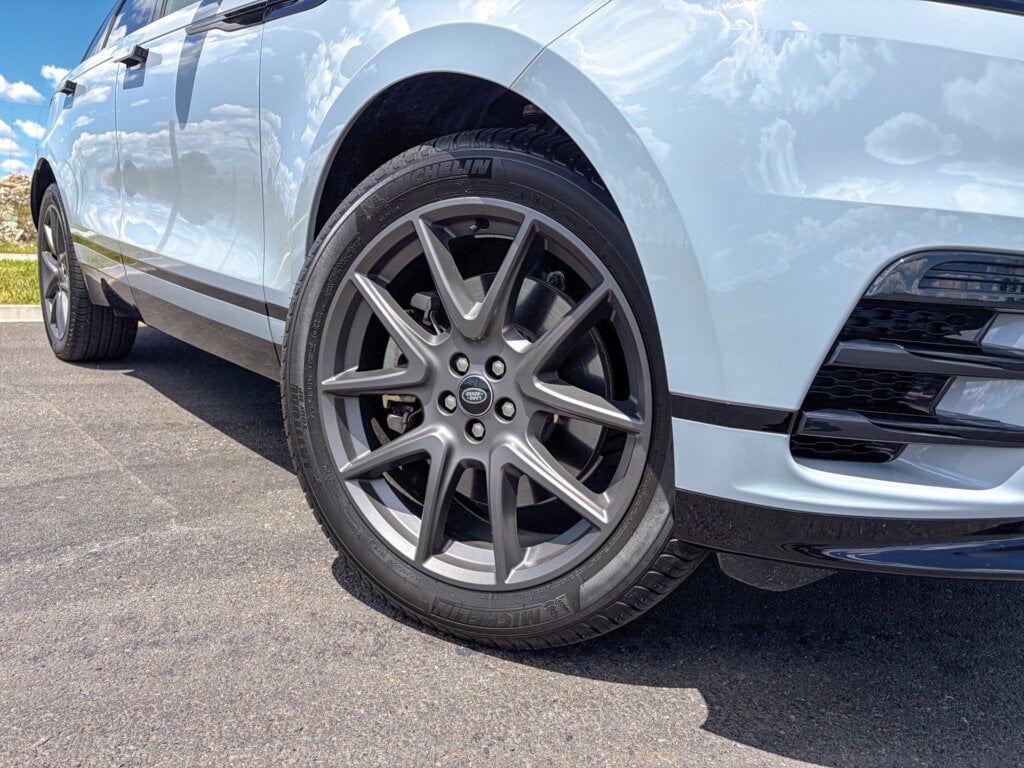
This SUV pairs a 2.0-litre turbopetrol with an electric motor and a 19kWh battery. Combined, this system produces 297kW and 640Nm, helping it to 100km/h in 5.4 seconds.
It can be DC fast charged (50kW max) while home AC charging to 100 per cent takes around eight hours, or 2.5hrs with a wall box.
According to Land Rover, this system is good for 50km of pure electric range, which we saw on each full charge.
For urban areas, this is adequate, and if you recharge every night, fuel bills will be low. This obviously changes if your commute is more than 50km, or you’re embarking on a road trip. The fuel consumption when the battery is depleted is even more important than the EV range when it comes to running costs.
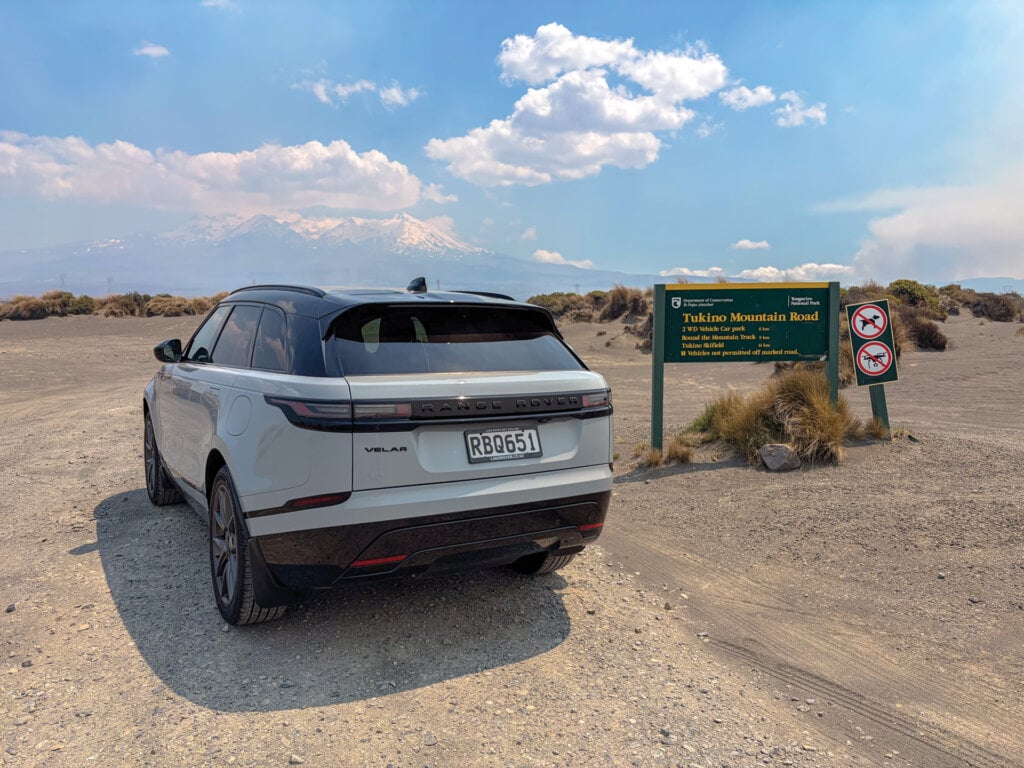
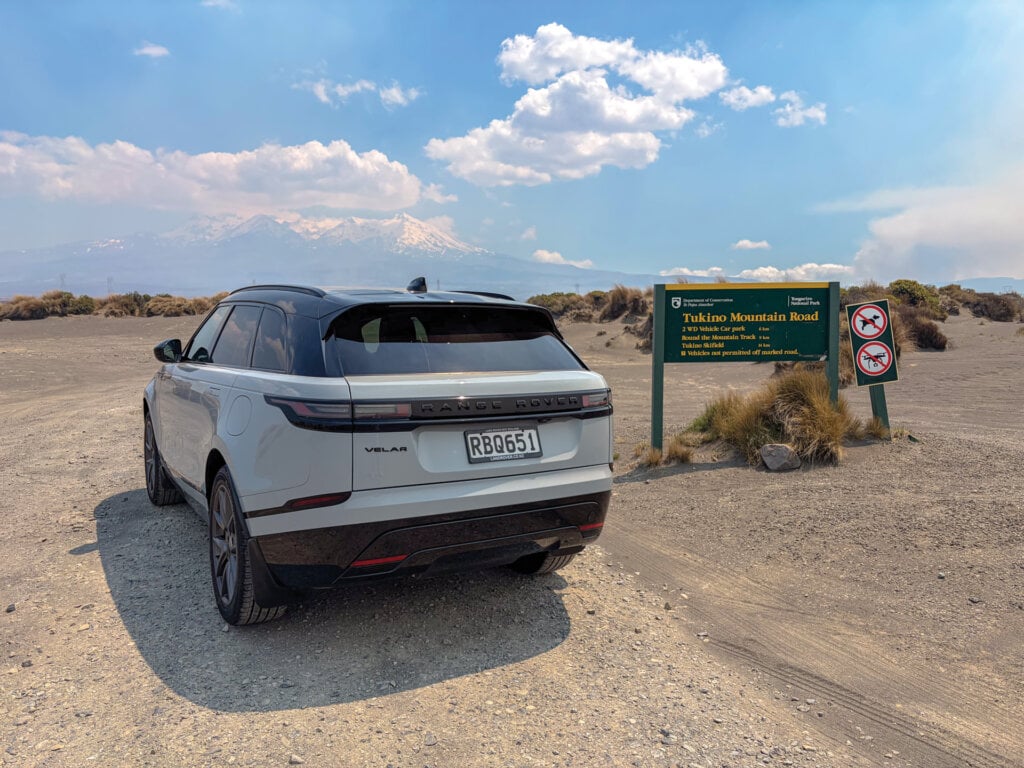
A decent trip through the North Island was in order to properly assess this Velar P400e. Throughout the 370km drive from Hamilton to Palmerston North, this Velar showed its true colours. Setting out in ‘Hybrid’ mode, we let the vehicle decide how to use the stored electrical energy. It was very keen to do so, the battery depleting within the first 50km. Following this point, it was up to the hybrid system to try and keep fuel use at a reasonable level. We saw the consumption spike to 9.0L/100km, though settled back to 8.0, but not the mid-seven figures we were hoping for.
At 8.0L/100km, it’s better than the Velar P400, with its V6 mild hybrid system that’s rated to 9.1l/100km, but it isn’t a significant improvement. It’s a price to pay for carrying around a battery that probably weighs around 200kg.
So while I wasn’t blown away by the fuel economy offered by this Velar PHEV, the driving dynamics of this SUV are worth writing home about. Despite wearing a Land Rover badge, it’s likely that this Velar is the least off-road friendly in the stable. And that’s not necessarily a bad thing, as I doubt many buyers are wanting to veer off the beaten track. Beneath its exterior, this SUV shares its underpinnings with the Jaguar F-Pace, which is known for its athletic ability in the twisty stuff. Though the Velar is not quite as potent, it’s still an impressive machine in the corners. By selecting the Dynamic mode on the central screen, the Velar puts aside its comforts and comes alive. The steering gets a fair weight to it, feeling reasonably direct while the suspension loses its tendency to lumber. And the electric motor on the front axle does wonders to pull the SUV out of tight corners. It’s never going to deliver a hair-raising ride like other more performance-focused SUVs, but it’s genuinely impressive considering what it’s trying to be.
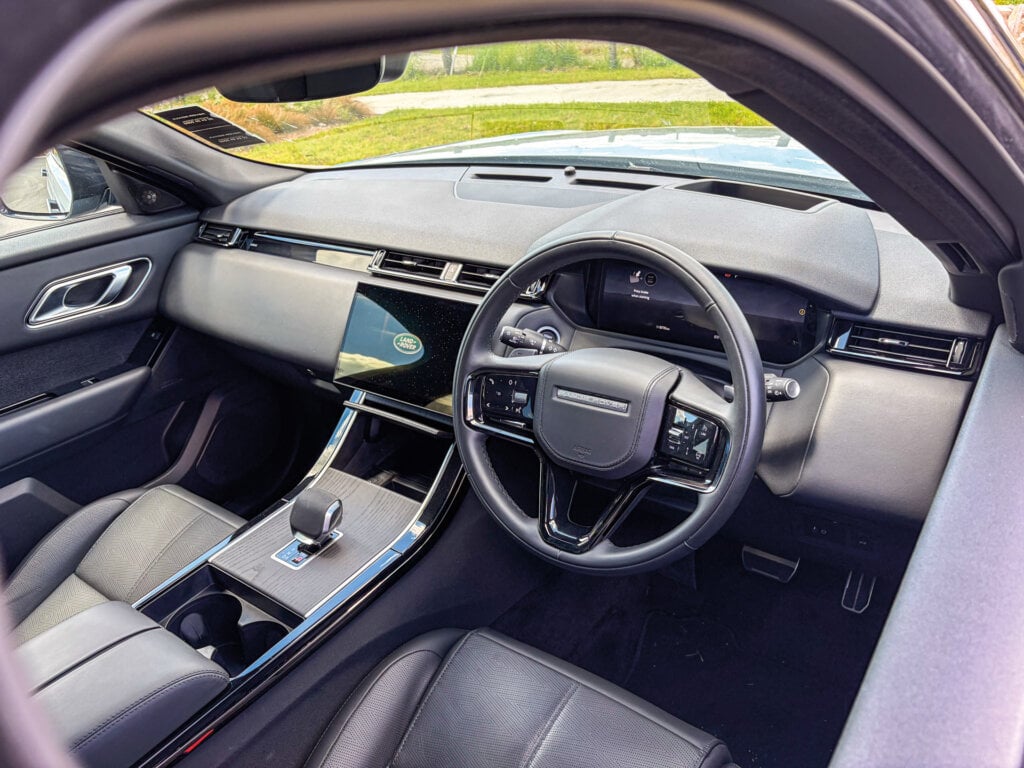
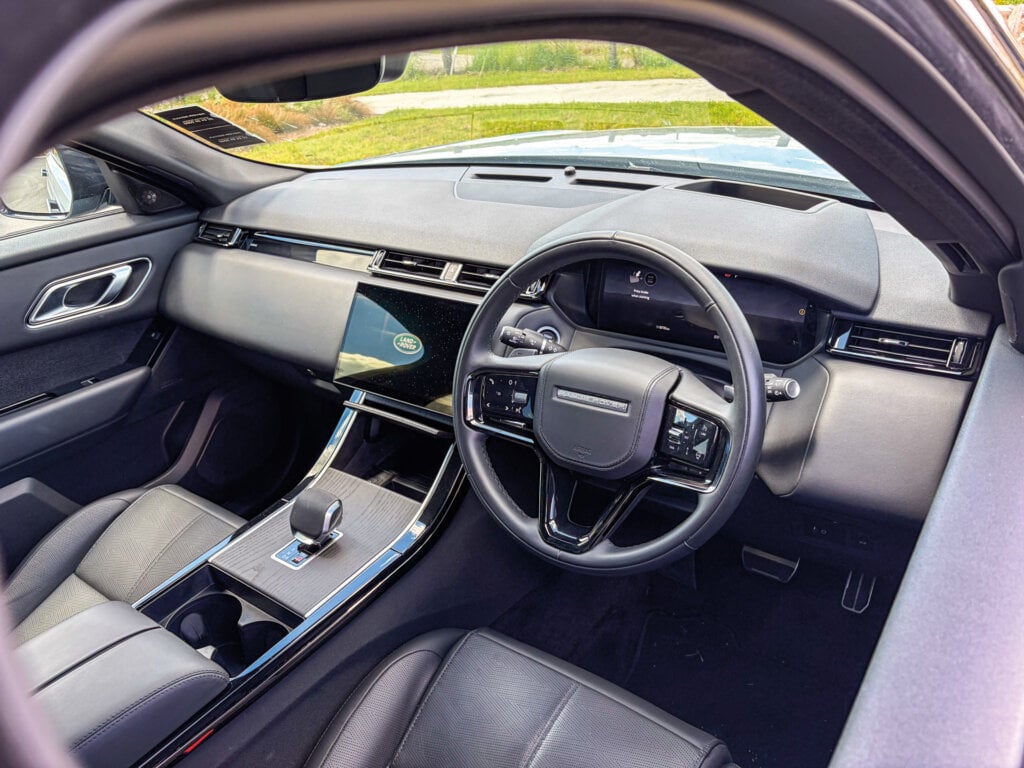
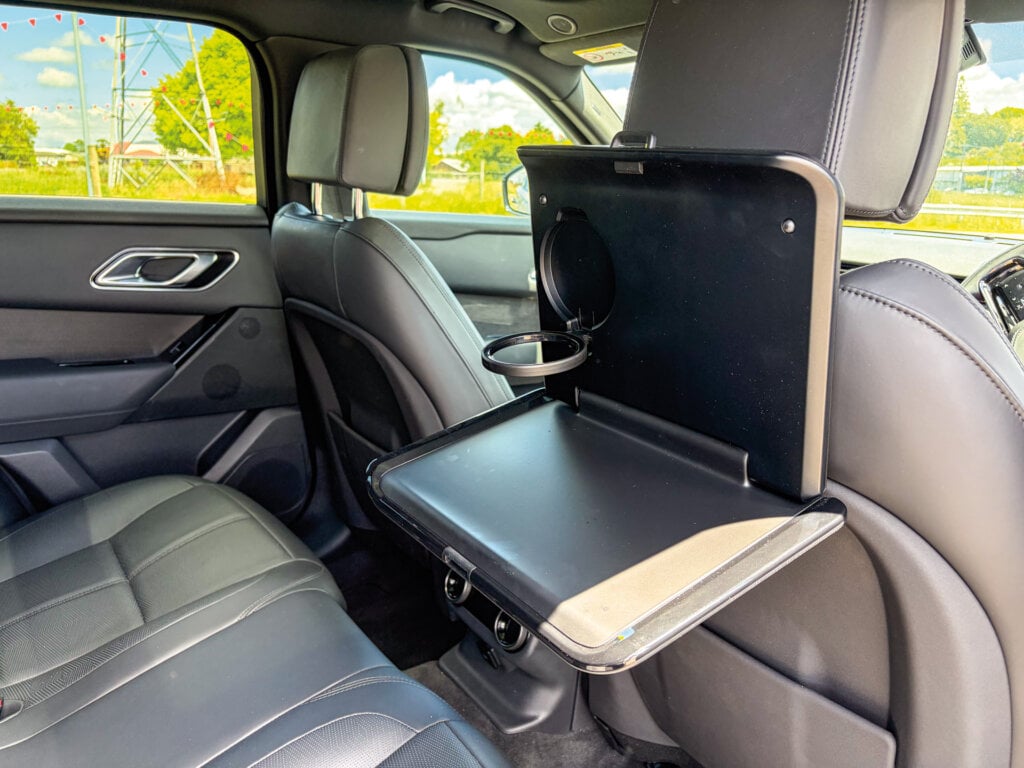
On the inside, the Velar is an impressive exercise in minimalist styling. Gone is the InControl TouchPro Duo system, replaced with a simple 11.4-inch curved display. This system is powered by the Pivi Pro 2 operating system, which works great, but also supports wireless Apple Carplay and Android Auto connectivity. A wireless phone charger comes standard and features a handy sliding hatch to hide it. Other highlights include the head-up display, heated/ventilated front seats, and an eleven-speaker Meridian sound system. Offered exclusively in a five-seat configuration, there is adequate room for passengers in the second row, although the middle seat has to contend with a large transmission tunnel.
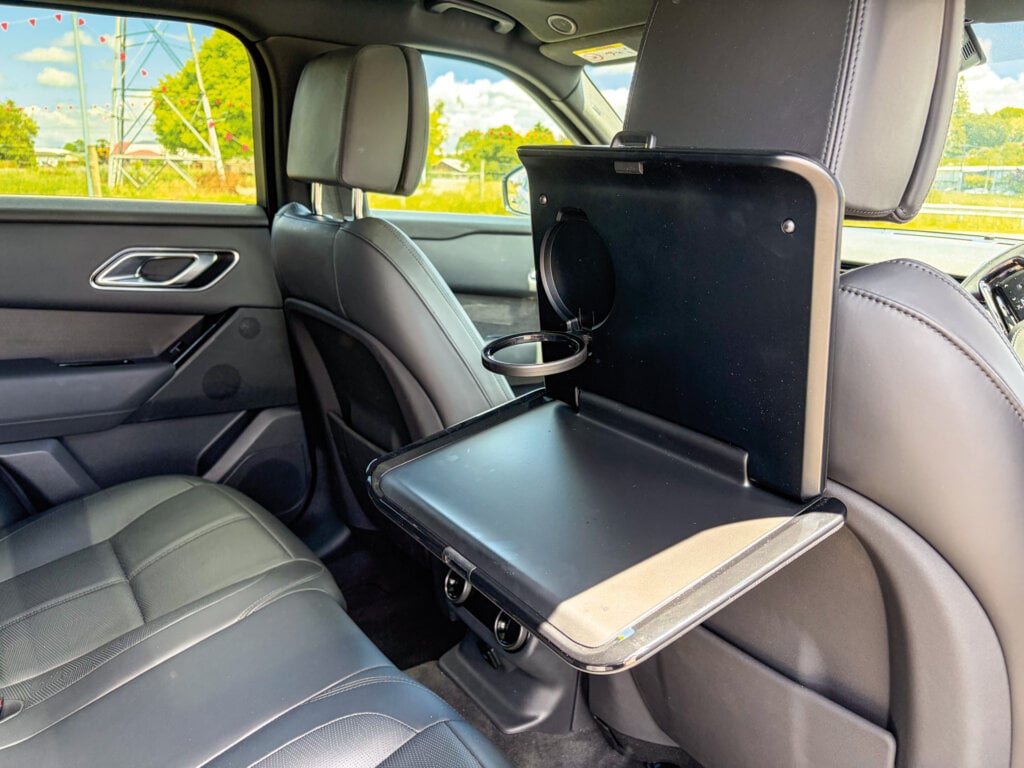
As a whole, this Range Rover Velar P400e is an impressive offering. It seems to be a jack of all trades that doesn’t seem to be particularly amazing in any single area. Buyers looking for the most fuel-efficient PHEV should look elsewhere, but those who want a luxurious SUV that can operate on battery power for the majority of its time on the road should certainly consider it.
The interior is minimalistic, yet lavish, offering a sense of elegance from its sparsity. The technology works well, save for the haptic touch pads on the steering wheel which are annoying at times. The driving dynamics offered by this Velar are impressive, and demonstrate the refinement of Jaguar Land Rover vehicles perfectly.
Range Rover Velar Dynamic SE P400e
$146,900 / 1.9L/100km / 43g/km
0-100 km/h 5.4s
Engine 1997cc IL4 / DI / T
Hybrid output 297kW / 640Nm
Drivetrain 8-speed auto, AWD
Weight (claimed) 2205kg