View all
16 more images
2026 Tesla Model Y Performance Review
Words: Richard Edwards | Photos: Alex Schultz
The quickest family SUV you can buy still knows how to hustle. But at $100,900, does it justify the premium?
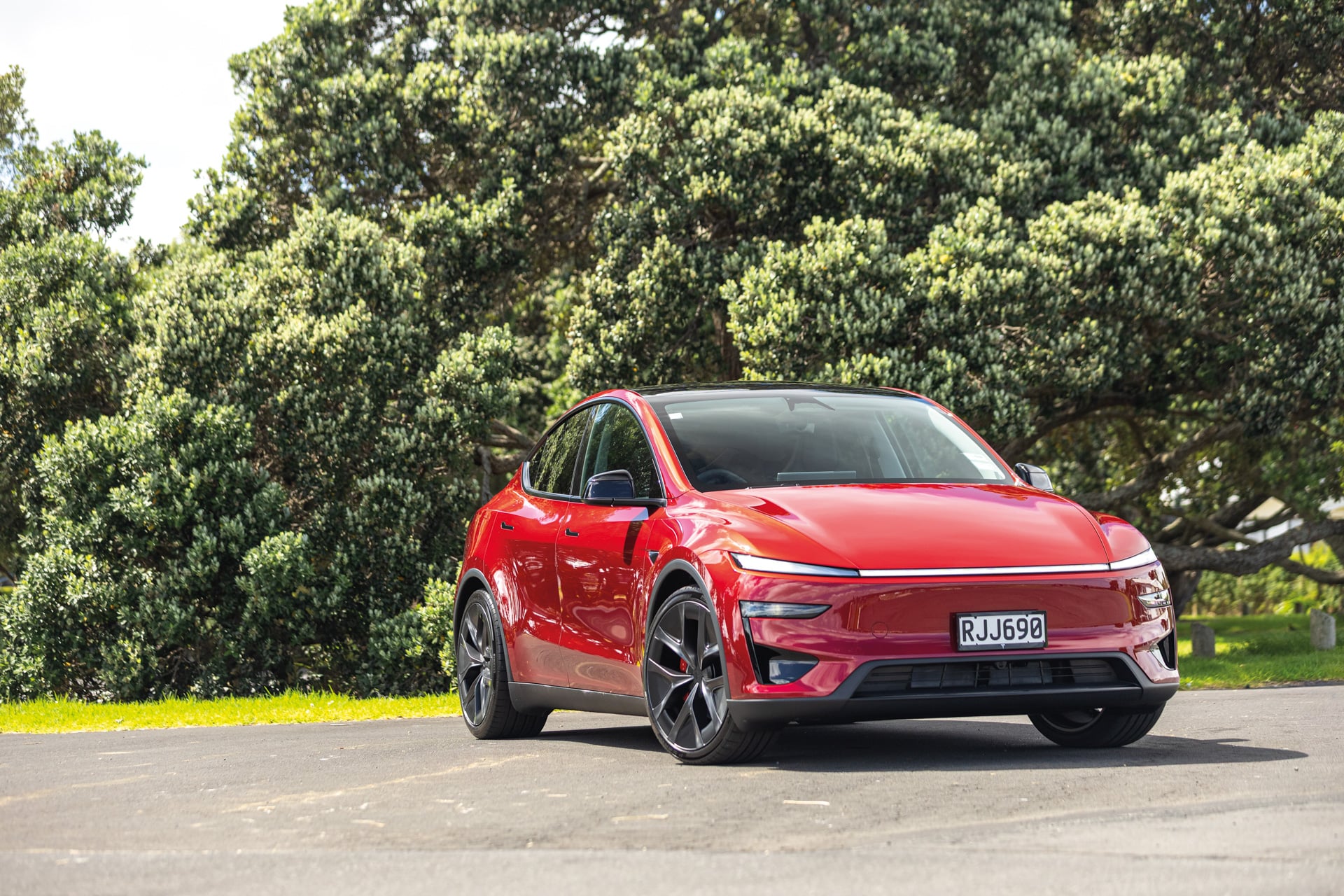
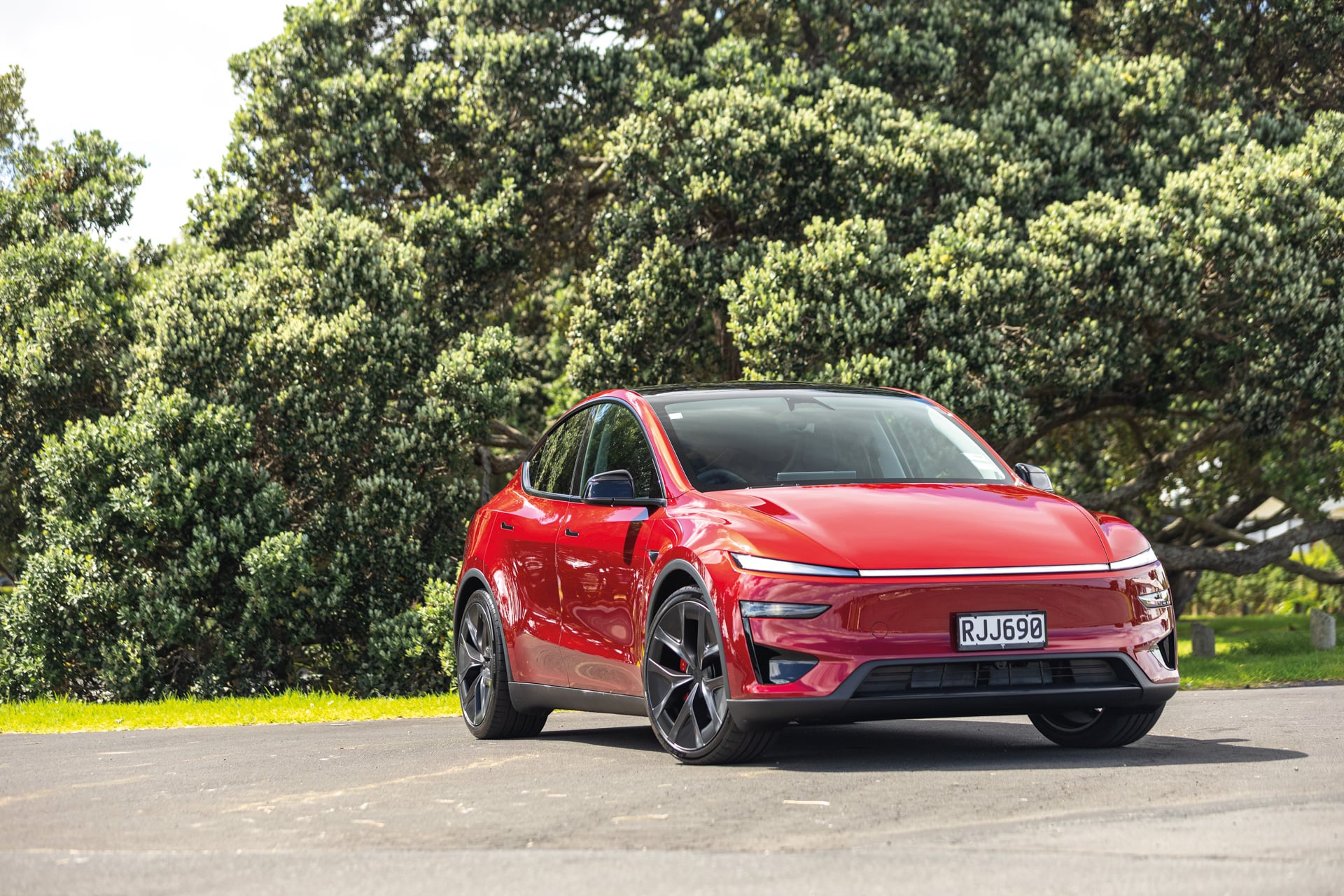
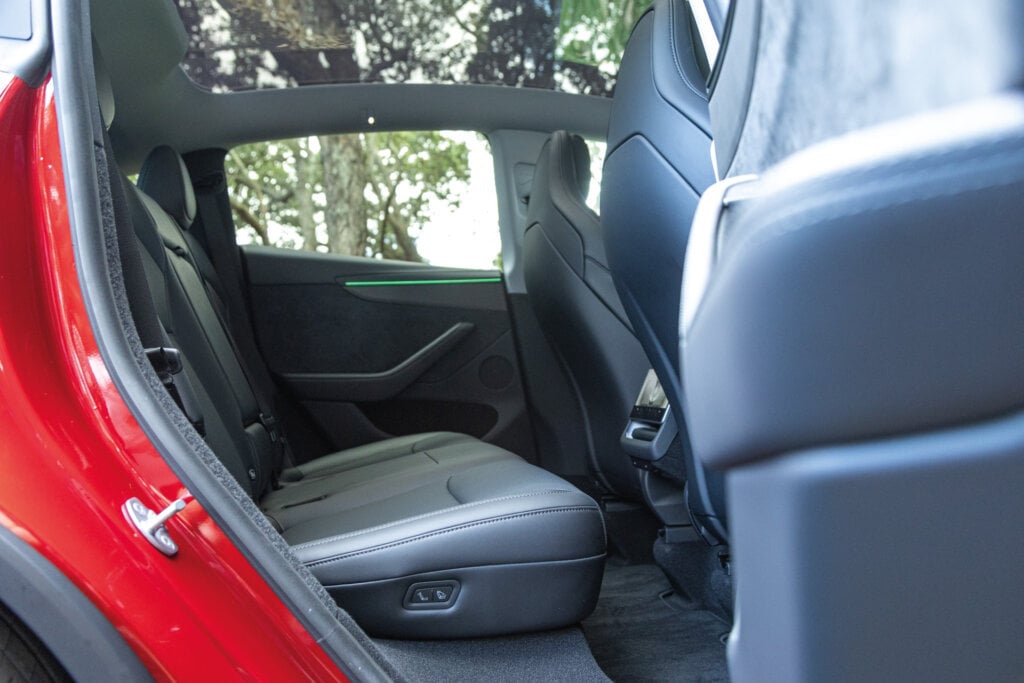
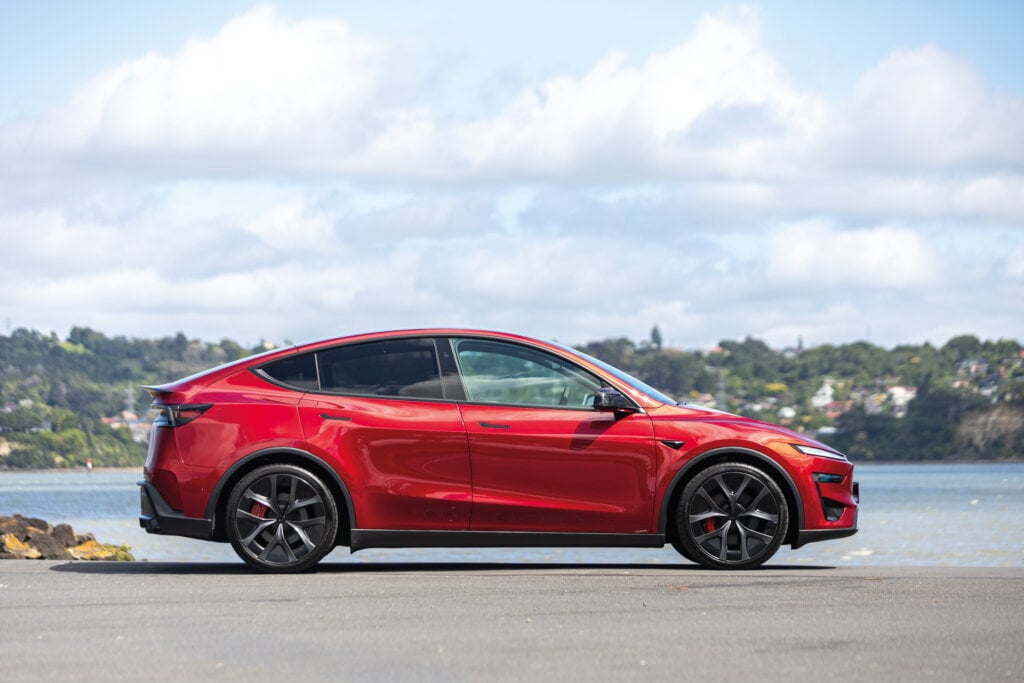
Tesla’s quickest SUV has finally landed in New Zealand, and at $100,900 it faces a market that’s moved on since the Model Y first arrived. Chinese rivals are circling with sharper pricing and flashier interiors. The Performance’s response? Hit 100km/h in 3.3 seconds while still offering 854 litres of boot space. Nothing else this practical goes this hard.
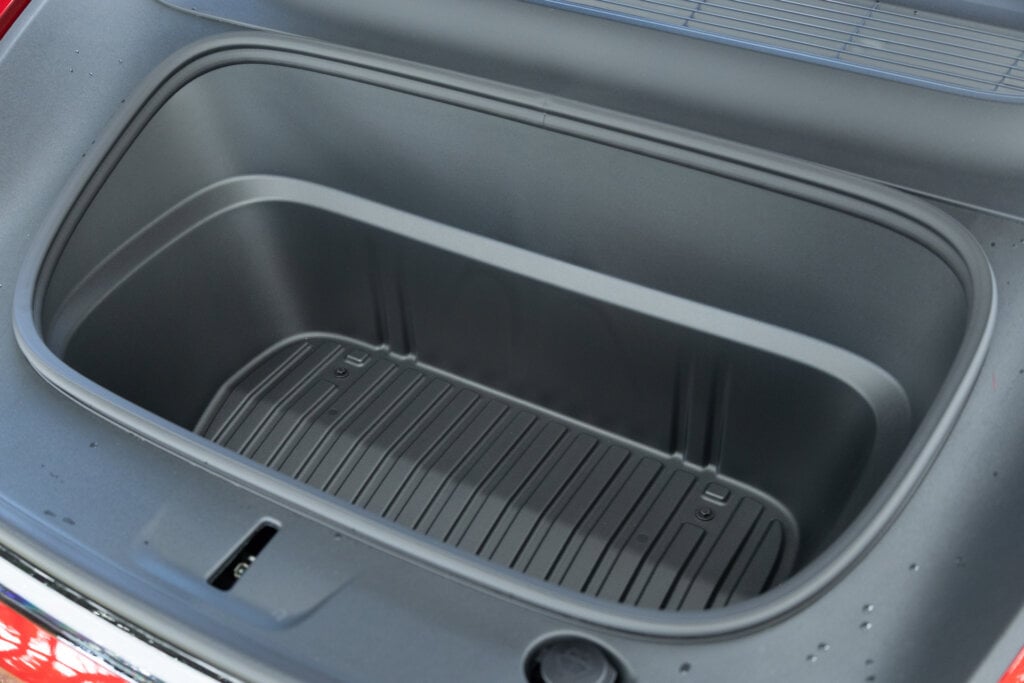
And there’s a 117-litre frunk for the charging cables or muddy boots you’d rather keep separate.
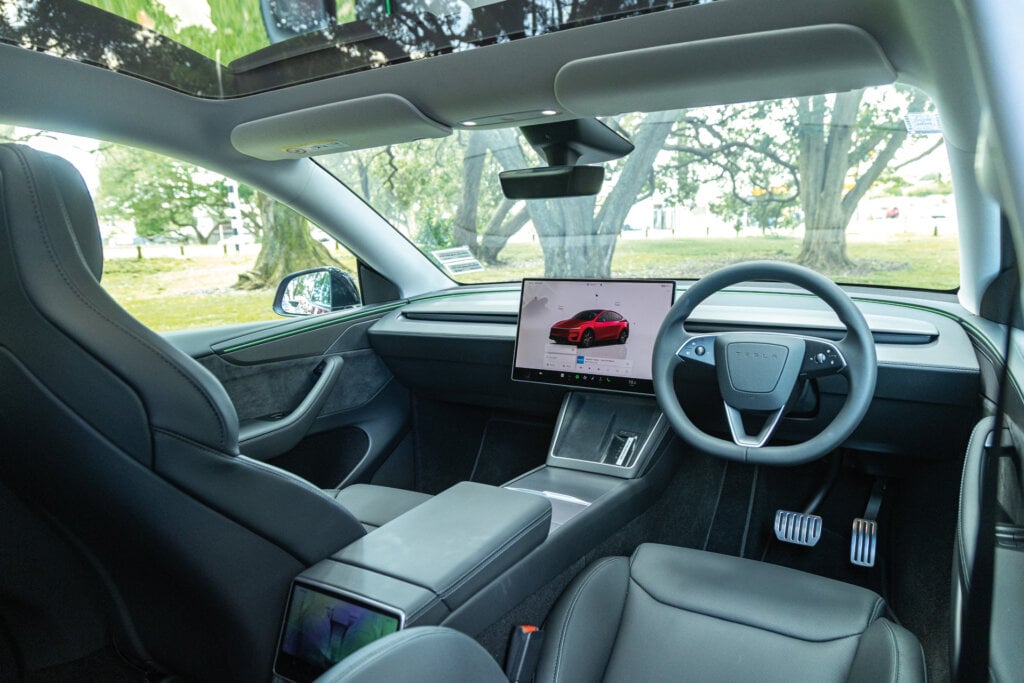
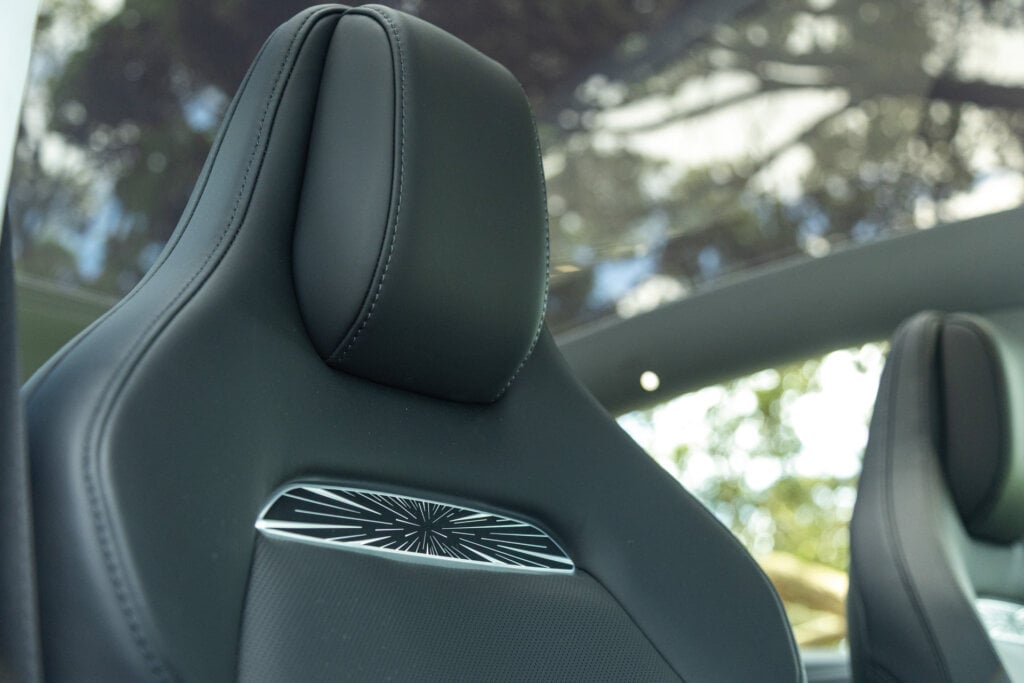
The first thing that actually makes an impression inside isn’t the minimalist dash or that divisive screen. It’s the seats. The new Performance pews are properly supportive with extendable under-leg support, though they’re more long-haul comfort than bucket-seat grip. For a sizable motoring writer they work well enough, offering decent support without the aggressive bolstering that becomes tiresome after an hour.
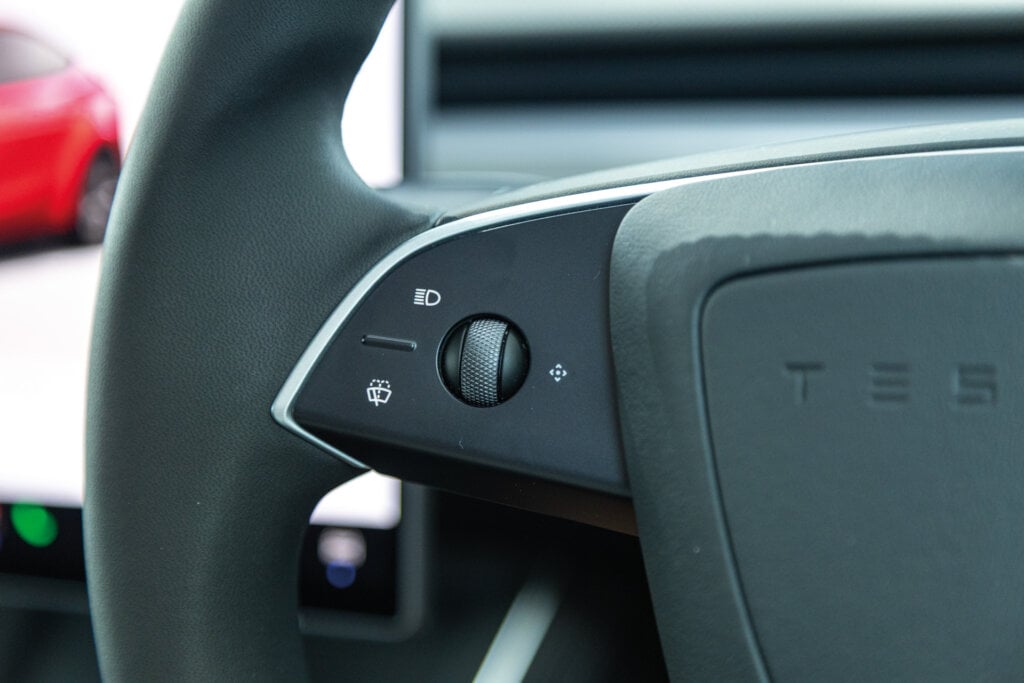
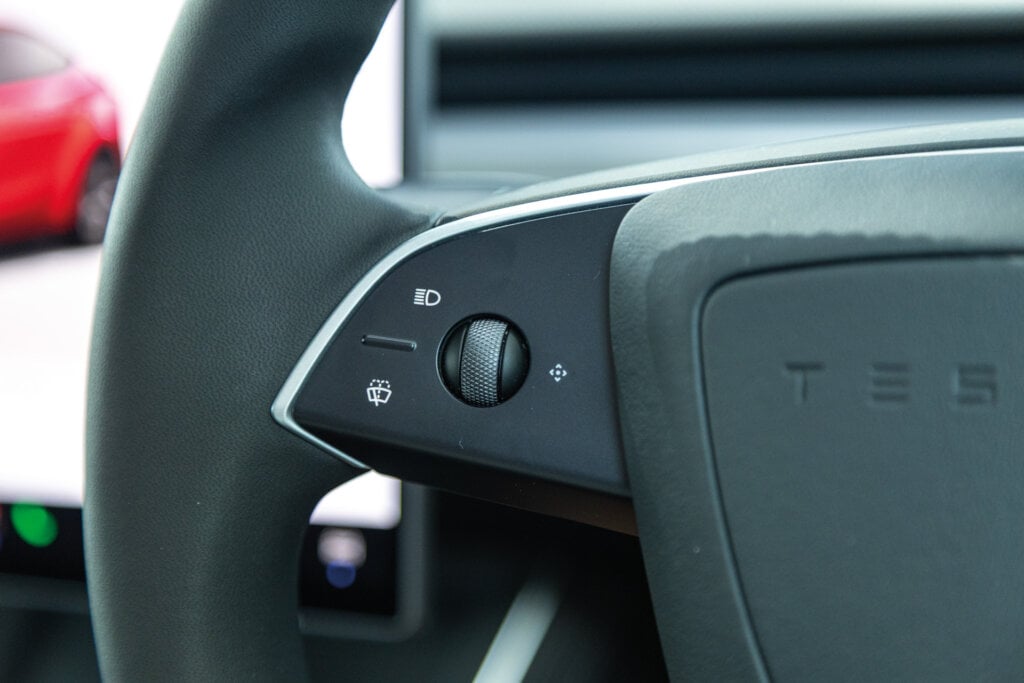
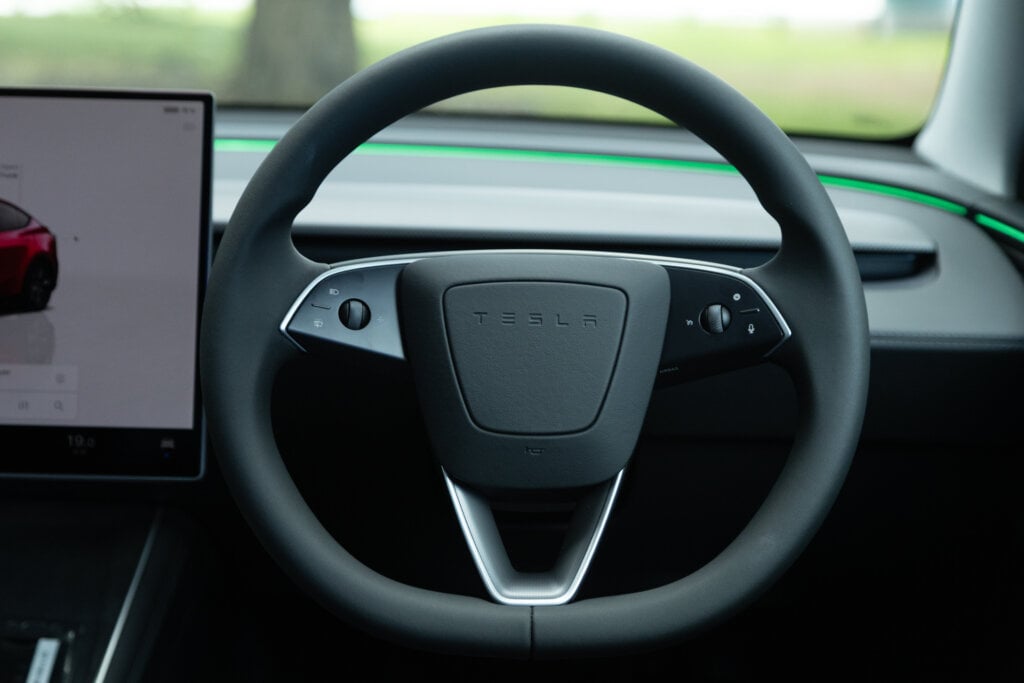
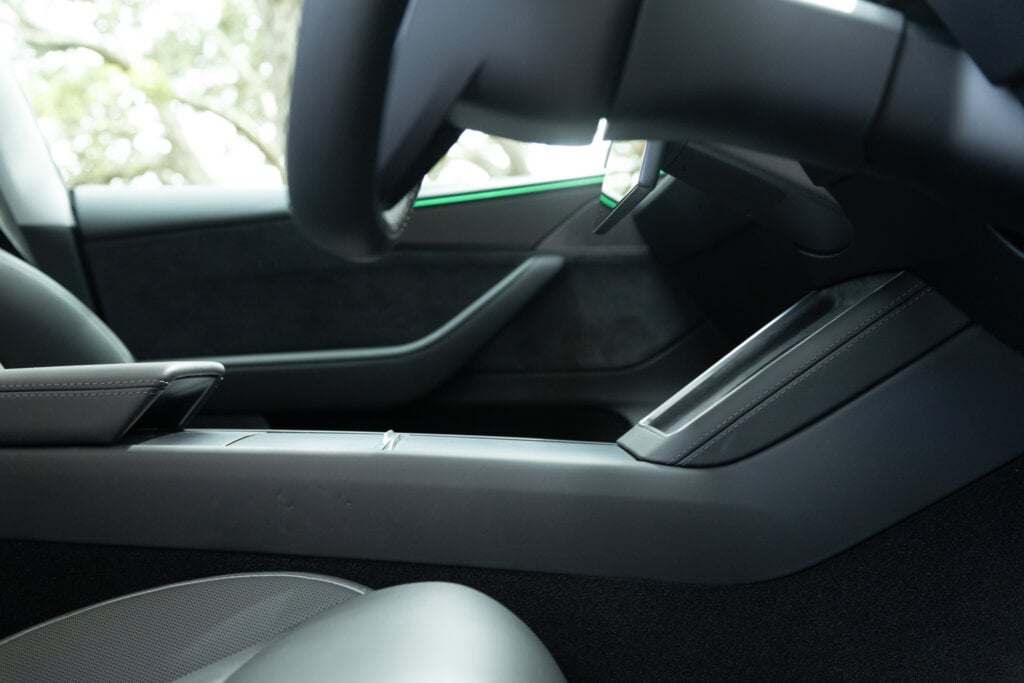
Beyond that, it’s Tesla as usual. And that’s no bad thing. The cabin remains clean and logically laid out, with the Performance scoring a larger 16-inch screen boasting 80 per cent more pixels than the standard 15.4-inch unit. But the interior no longer feels like it arrived from the future. The Chinese contingent has caught up, and in some cases sailed past, for interior wow factor. Where the Model Y once seemed a generation ahead, it now feels simply contemporary.
Strewth, it shifts
Press the accelerator and none of that matters. Tesla quotes 0-100 in 3.3 seconds from its pair of Performance 4DU motors producing 343kW, fed by an 83kWh NCM battery pack. Tesla doesn’t officially quote capacity, but that’s the number. Unlike the Chinese-built RWD and Long Range variants, the Performance ships from Tesla’s Berlin Gigafactory, though in practice you’d struggle to spot any difference in build quality.
What’s particularly impressive is how it achieves that number. In Insane mode, accessed via Standard, Sport and Track drive settings, the Model Y Performance gathers pace in a surprisingly civilised manner. None of the neck-snapping violence of older Teslas. It’s linear, repeatable, and lacks any sense of strain. Numbers alone don’t convey the experience though. What matters is how effortlessly it does it, again and again.
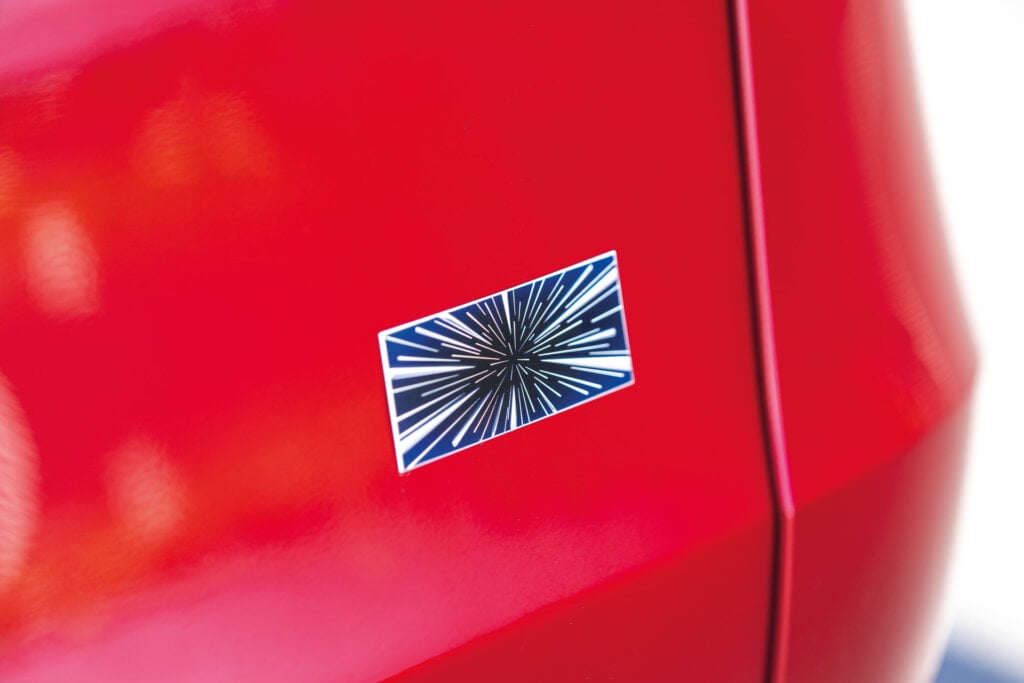
It’s quicker off the line than a Porsche 911 GT3, BMW M5 or Audi RS 6, all at a fraction of the cost. Top speed is quoted at 250km/h for those who find themselves on an unrestricted autobahn.
We’ve driven the Zeekr 7X and Xpeng G6 on the same roads. Both are impressive in their own right but they feel heavier, more laboured in their responses. The Tesla doesn’t. It feels light on its feet, urgent, keen. That sense of immediacy is what separates the Model Y Performance from the growing field of fast electric SUVs.
Firm, and your family will know it
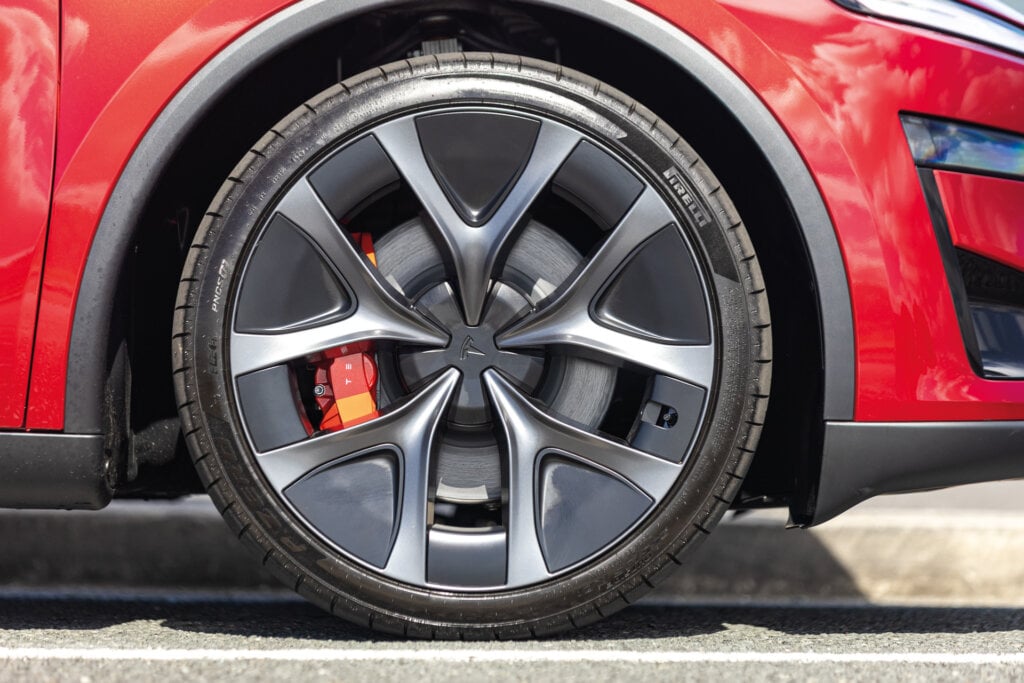
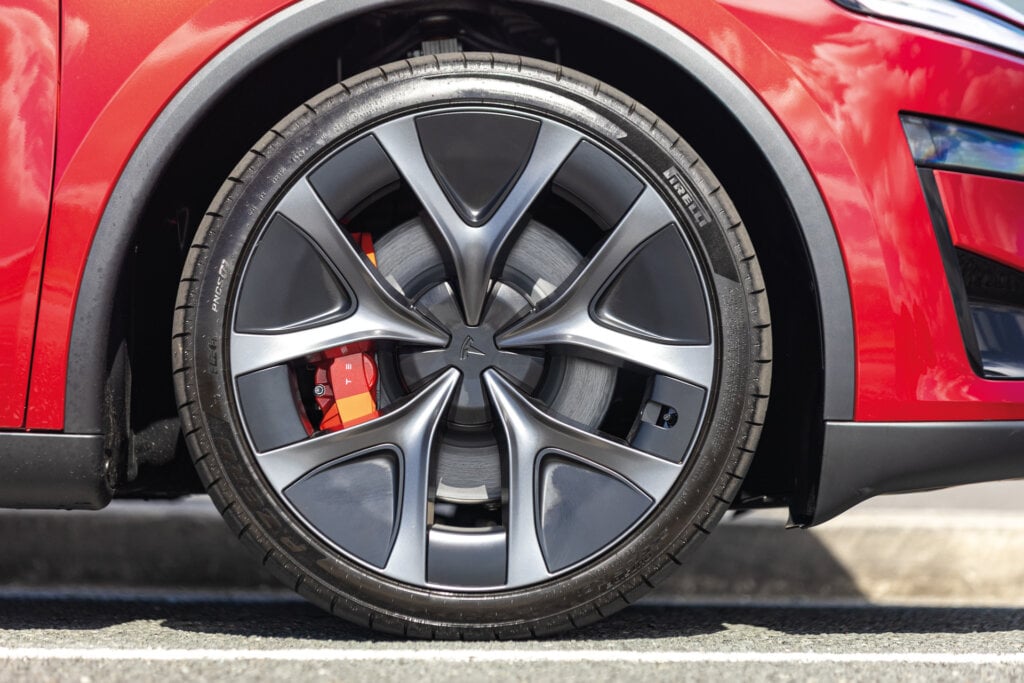
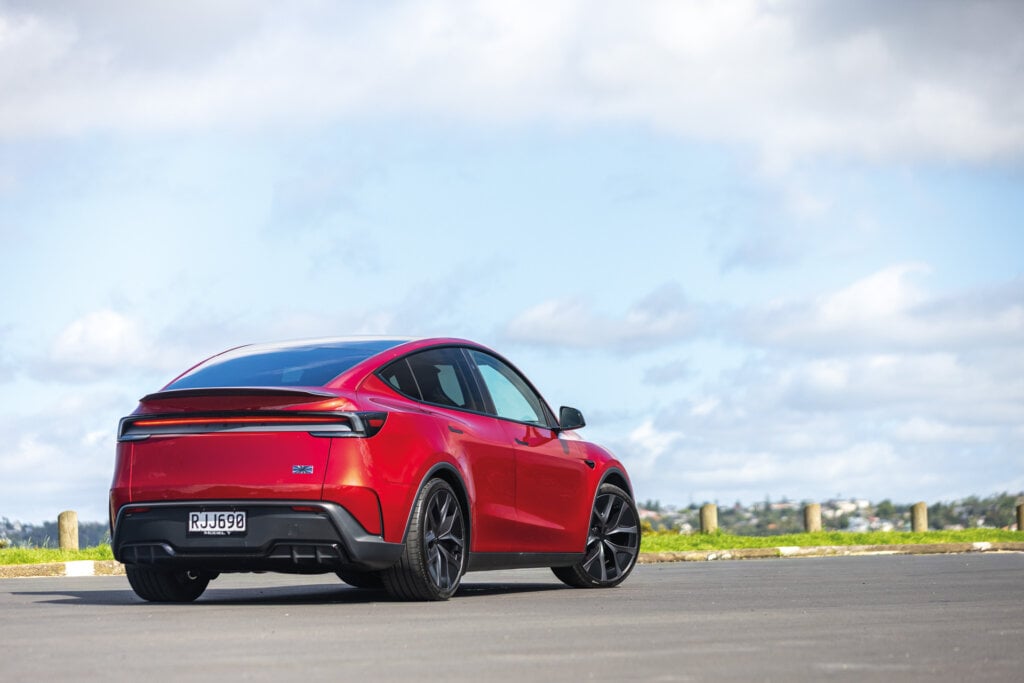
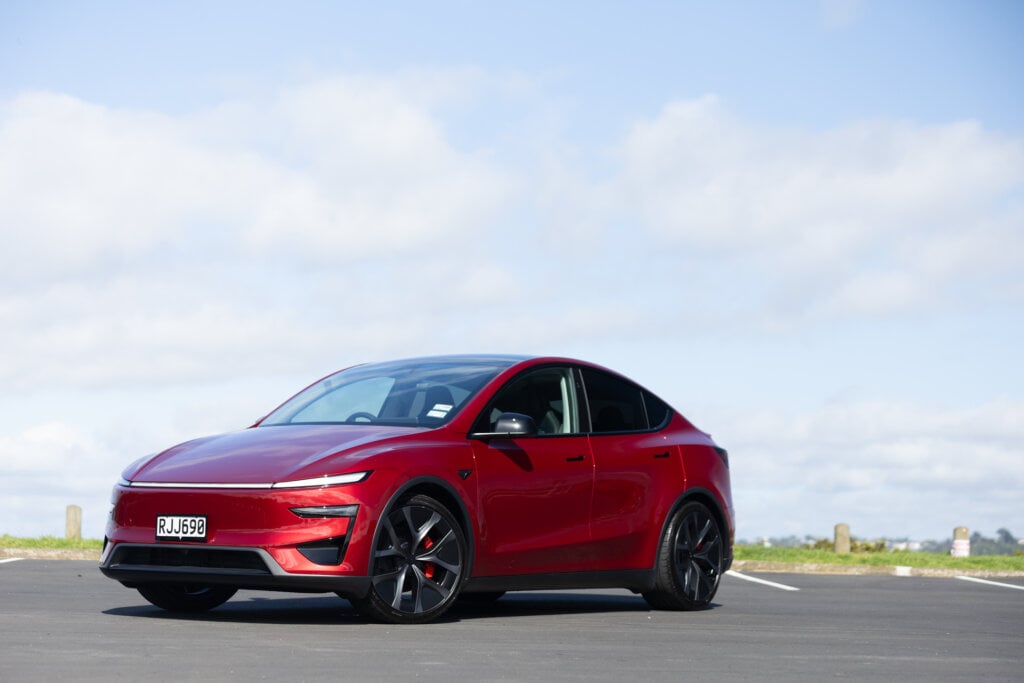
Tesla has clearly stiffened things up for the Performance variant. The chassis gets new springs, stabiliser bars and bushings, along with adaptive damping designed in-house that adjusts in real-time to driver and road inputs. There’s the same hardware fitted to the Model 3 Performance, retuned to suit the heavier Y. Those 21-inch Arachnid 2.0 forged wheels wear staggered rubber, and the red brake calipers add visual punch, though the hardware is carried over from the standard AWD. The upgrade here is cosmetic.
The result is less roll, more composure, a stronger sense the chassis is working with you rather than reacting to you. It’s certainly taut. You’ll know about the sharper bumps around town, and passengers may comment.
It stops short of the Model 3 Performance’s uncompromising edge, but only just. This is a firm car that rewards smooth roads and protests coarse chip. There’s a firmness to the low-speed ride that’s noticeable. Not punishing, but your family will know they’re in a performance car whether they asked for it or not. The spread between drive modes is narrower than you’d expect. Don’t bank on Comfort mode transforming it into a wafter.
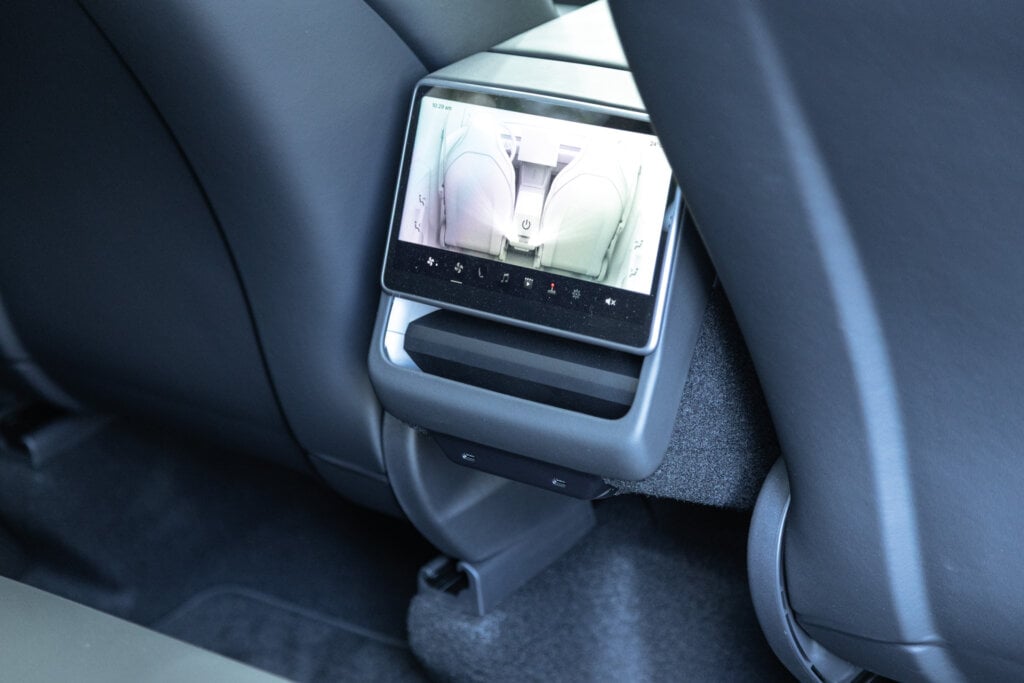
Best in short bursts
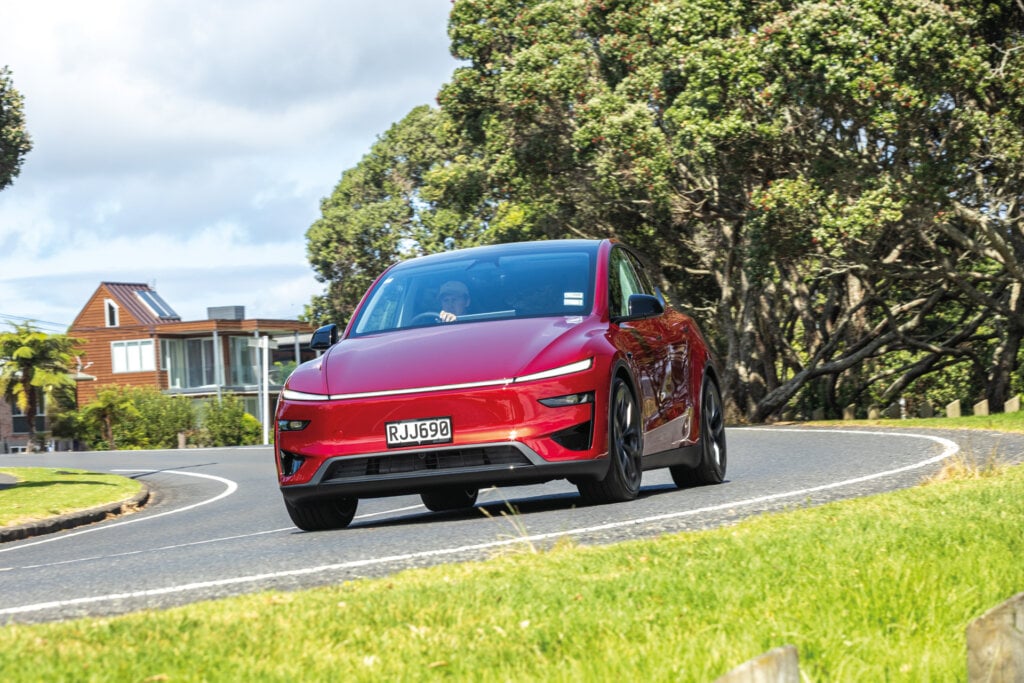
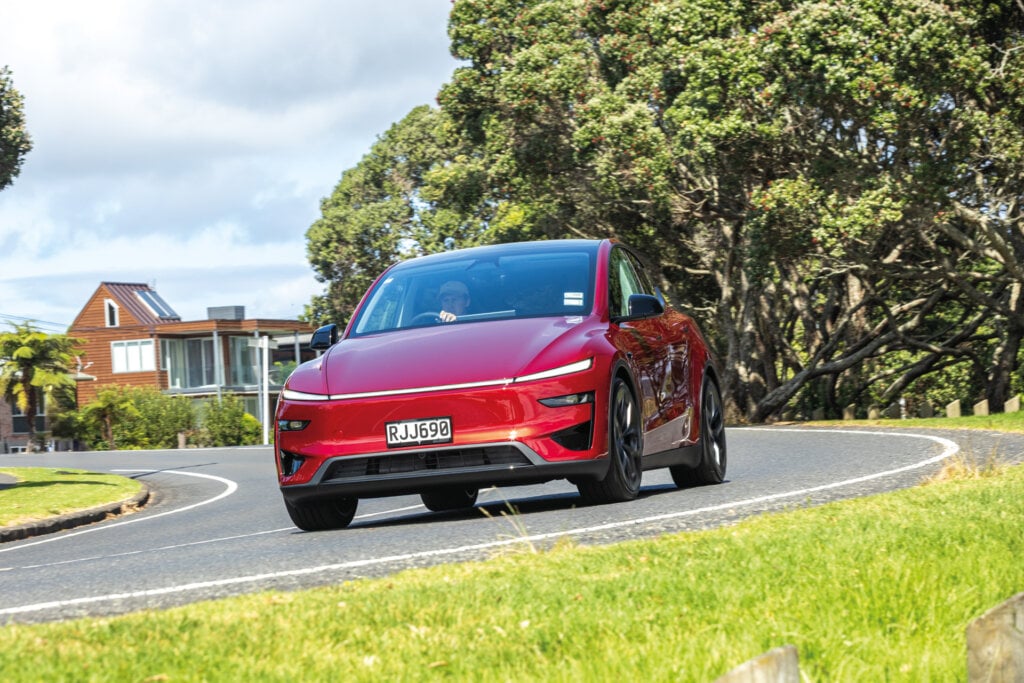
The Model Y Performance does encourage you to push on. The grip is immense, the stability systems well judged, and the car feels planted even when driven briskly. But we’re not talking Lotus levels of communication here. The steering is precise but numb. Accurate without much feel.
This works best in what might be called squirt and hold on mode. Short bursts of acceleration, decisive overtakes. That’s where it shines.
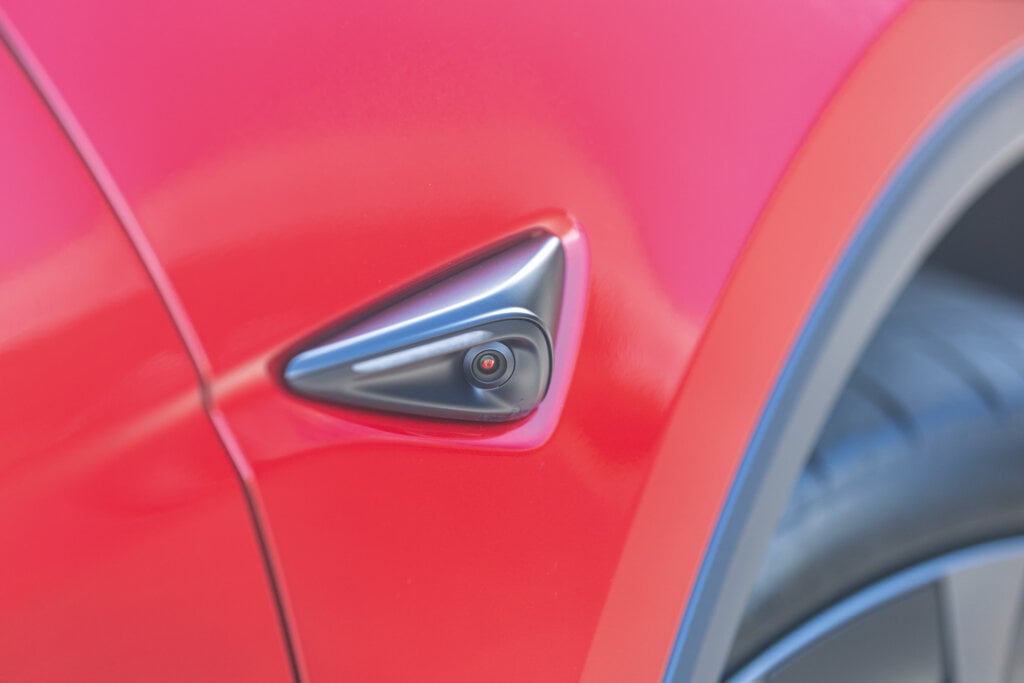
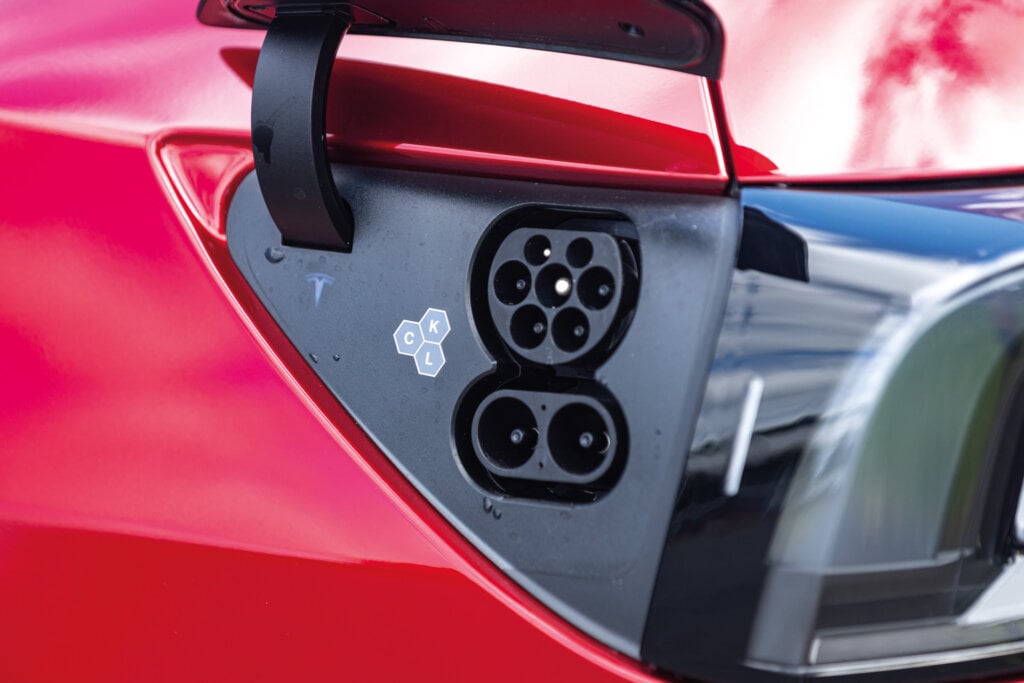
On a tight, technical set of corners, something softer like the Leapmotor C10 AWD or BYD Sealion 7 can actually be more engaging.
The Tesla is far quicker, far more capable in absolute terms, but also more neutral and controlled. That will suit some drivers perfectly. Others may find it a touch clinical.
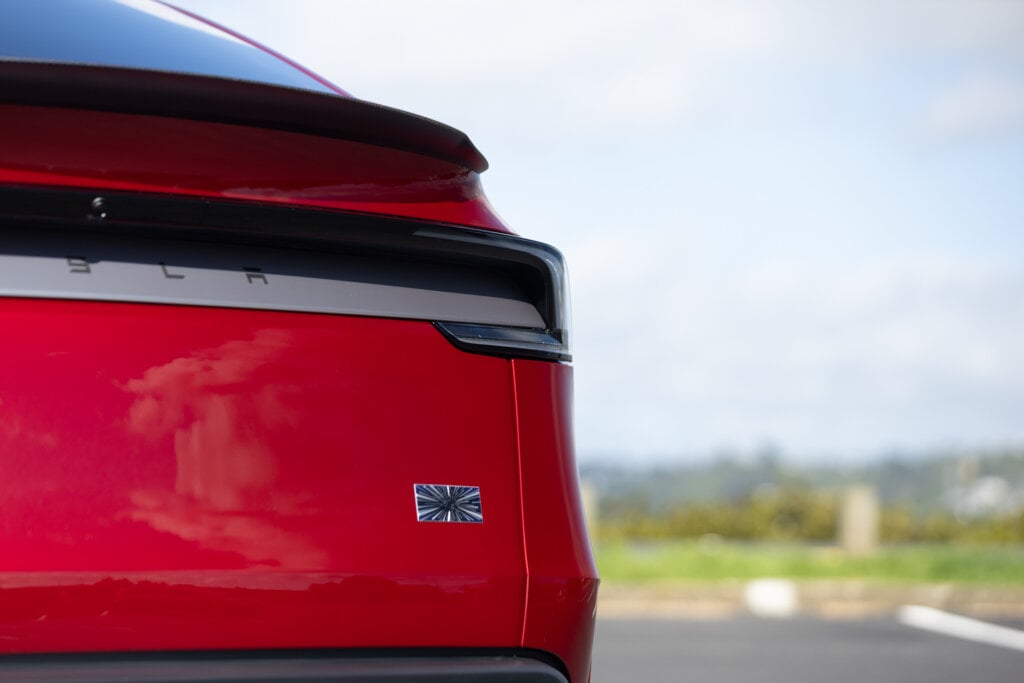
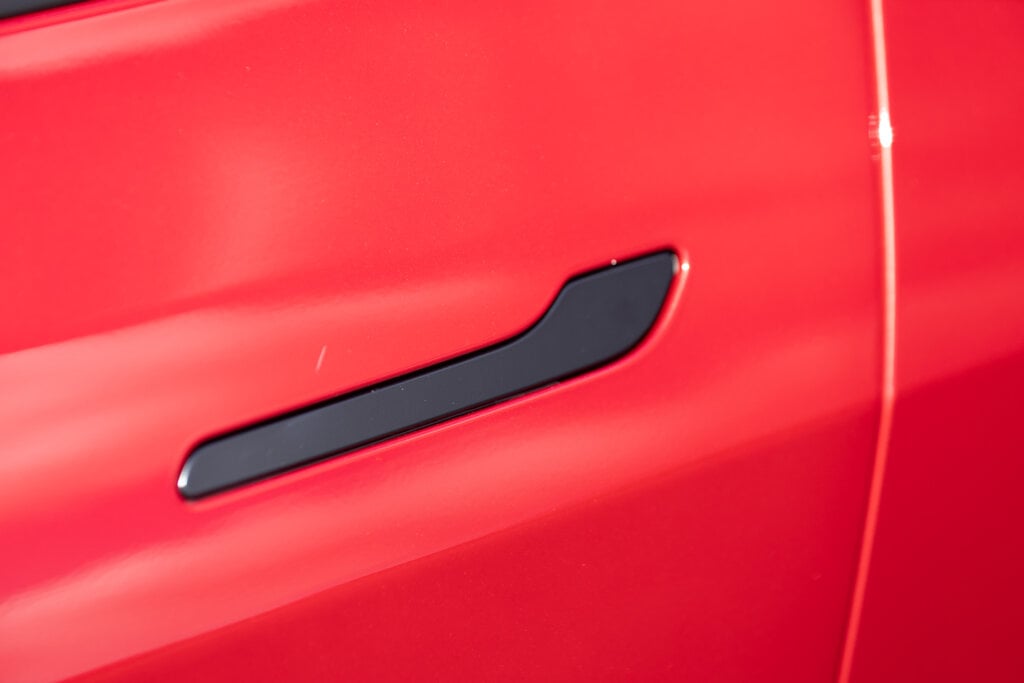
There’s no escaping that the Model Y Performance lacks the character of a great ICE performance car. No soundtrack, no mechanical drama, no sense of working through gears. But that doesn’t automatically make it inferior. It simply makes it different. Tesla’s performance philosophy is about efficiency and effectiveness, not emotion. The delivery is smooth, linear, relentless. Once you accept that on its own terms, the experience becomes easier to appreciate.
Despite the extra grunt, range remains respectable at 580km WLTP. Settle into a more relaxed driving style and energy consumption drops back to sensible levels. The range penalty for choosing the Performance isn’t severe in real-world use, provided you’re not constantly exploiting its full capability. You still won’t see that 580km with too many 3.3-second motorway on-ramp runs, of course.
The value question
And this is where the Model Y Performance becomes more divisive. At $100,900, it’s a hefty $23k more than the Long Range AWD. That buys you 1.3 seconds to 100km/h, loses just 20km of range, and admittedly looks rather cool doing it. Some consolation: Tesla recently extended the warranty to five years with unlimited kilometres. Still short of the seven years most Chinese rivals offer, but closing the gap.
The competition is circling. The Zeekr 7X Performance AWD starts at $94,990, makes 475kW and does 0-100 in 3.8 seconds with 615km of range. The Xpeng G6 Performance lands at $73,990.
On paper, both also trump Tesla for charging speed. 800V architecture allowing 450kW-plus, while the Model Y Performance tops out around 250kW. In practice, it’s a null point. Tesla’s Supercharger network remains the gold standard: more locations, better reliability, and the route planner simply works. Plug in, walk away, no app juggling or payment faff. The rivals are improving, but Tesla’s charging ecosystem is still the one to beat.
Neither is as sharp to drive overall, but they’re significantly better value, offering strong performance, generous equipment and compelling pricing.
If brutal, hardcore EV performance is the goal, the Model 3 Performance at $84,900 arguably makes more sense. It’s sharper, more focused, more overtly performance-oriented. The Model Y Performance sits in a more ambiguous space. A very fast SUV that still has to justify its premium.
The Full Self-Driving exception
The one clear exception is Tesla’s Full Self-Driving capability. Even in its supervised form, which has proven more capable than the sceptics predicted, it remains a genuine usability advantage for those who do a lot of kilometres. No rival comes close to matching the integration or ambition of the system. At close to five-figures it was a stretch, but under the new subscription model it is very palatable.
But that raises an awkward question. If you’re buying the Model Y for its ability to take the strain out of long-distance driving, to manage traffic and motorway miles with minimal effort, why choose the Performance? If you’re going to let the car do much of the driving, the extra performance begins to look like overkill.
Model Y Performance Verdict
The 2025 Model Y Performance is an impressive piece of engineering. It’s astonishingly quick, capable in corners, and more usable day-to-day than its numbers suggest. Though that firmness means usable comes with caveats if you’re regularly traversing rougher roads. It’s the sophistication of the chassis tune that elevates this beyond a straight-line party trick, even if comfort takes a hit.
But at $100,900, value is increasingly contested. Its appeal is narrow but clear. If you’re a Tesla loyalist who wants the ultimate Model Y, this is it. If you want the best-driving fast EV SUV and can live with the firm ride, it makes a compelling case. If you want maximum value, or emotional engagement, or a supple daily driver, the answer may lie elsewhere.
Tesla Model Y Performance
$100,900 / 16.2kWh/100km / 0g/km
0-100 km/h 3.3s
Motor output 343kW
Max torque 741Nm
Battery 83.0kWh
Range 580km
Drivetrain Single-speed auto / AWD
Front suspension Wishbones / swaybar
Rear suspension Multilink / swaybar
Turning circle 12.1m (2.2 turns)
Front brakes Ventilated discs
Rear brakes Ventilated discs
Stability systems ABS, ESP, TV
Safety AEB, ACC, BSM, LDW, RCTA, ALK, AHB
Tyre size f-255/35R21 r-275/35R21
Wheelbase 2890mm
L/W/H 4796 / 1920 / 1611mm
Track f-1636mm r-1622mm
Luggage capacity f-116L / r-854-2158L
Tow rating 750kg (1600kg Braked)
Service intervals Variable
Warranty 5yrs / Unlimited km
ANCAP rating ★★★★★ (2025)
Weight (claimed) 2033kg