View all
38 more images
2025 Zeekr X AWD and 009 AWD Review
Words: Richard Edwards | Photos: Alex Schultz
While the 7X has been grabbing headlines, the first wave of the Zeekr invasion is already here. We drive the hyper-value Zeekr X and the palatial 009 to see if this new premium player can walk the walk.
It feels like we’ve been talking about the “Chinese Invasion” for a decade now, usually with a mix of trepidation and curiosity. We’ve seen the budget players arrive and we’ve witnessed the tech-heavy disruptors land with software that dazzles and confuses in equal measure. But 2026 might just be the year the battle lines are redrawn for good.
Enter Zeekr
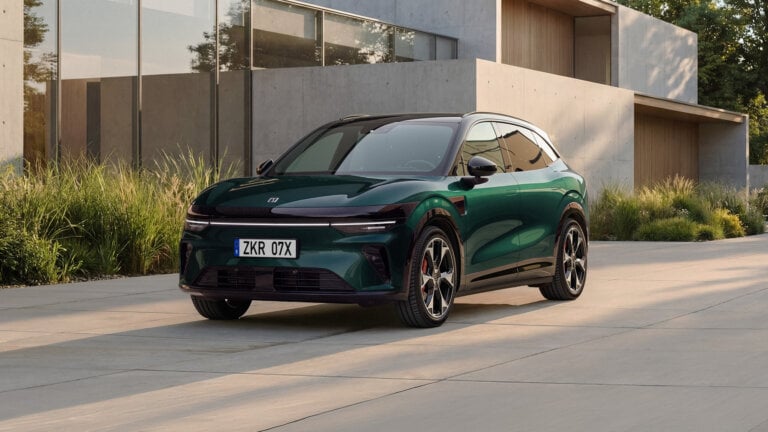
If you haven’t heard the name, you’re about to hear it a lot. This isn’t just another startup throwing spaghetti at the wall to see what sticks. Zeekr is the latest jewel in the Geely crown, sitting alongside Volvo, Polestar, and Lotus in a portfolio that is increasingly looking like an automotive ‘Greatest Hits’ album. It shares its DNA, and its platforms, with cars we already know and respect.
The brand’s arrival carries extra weight thanks to who is holding the keys. Zeekr is being handled by NordEast Distributors, a branch of the Giltrap Group. That’s a significant vote of confidence; when the people who sell Lamborghini, Aston Martin, and Bentley decide to pick up a Chinese EV brand, you know it’s not just another flash in the pan.
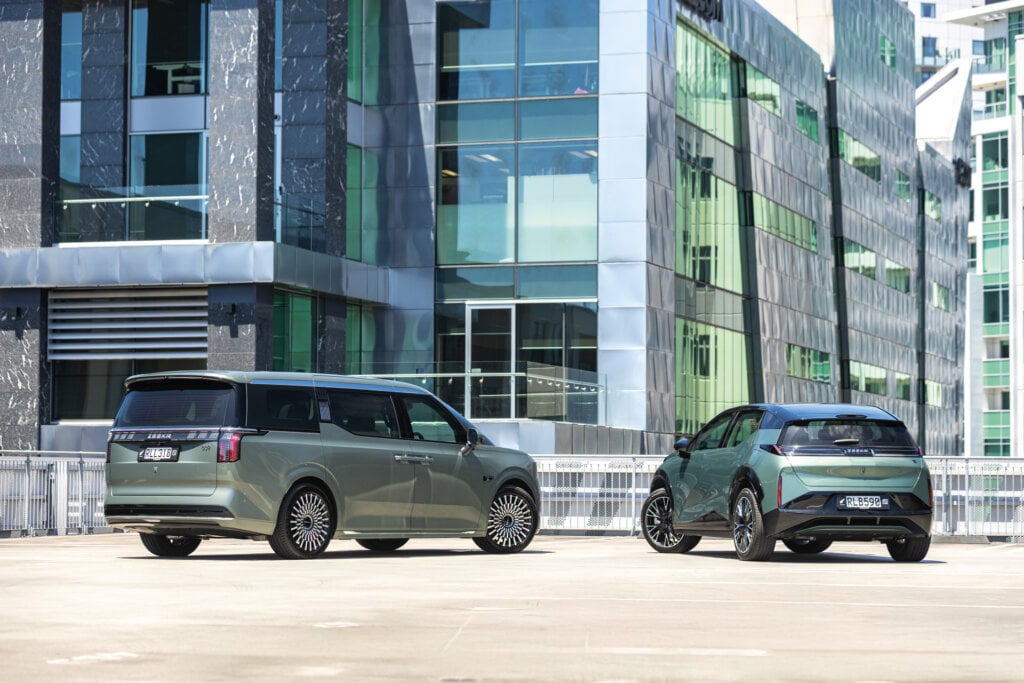
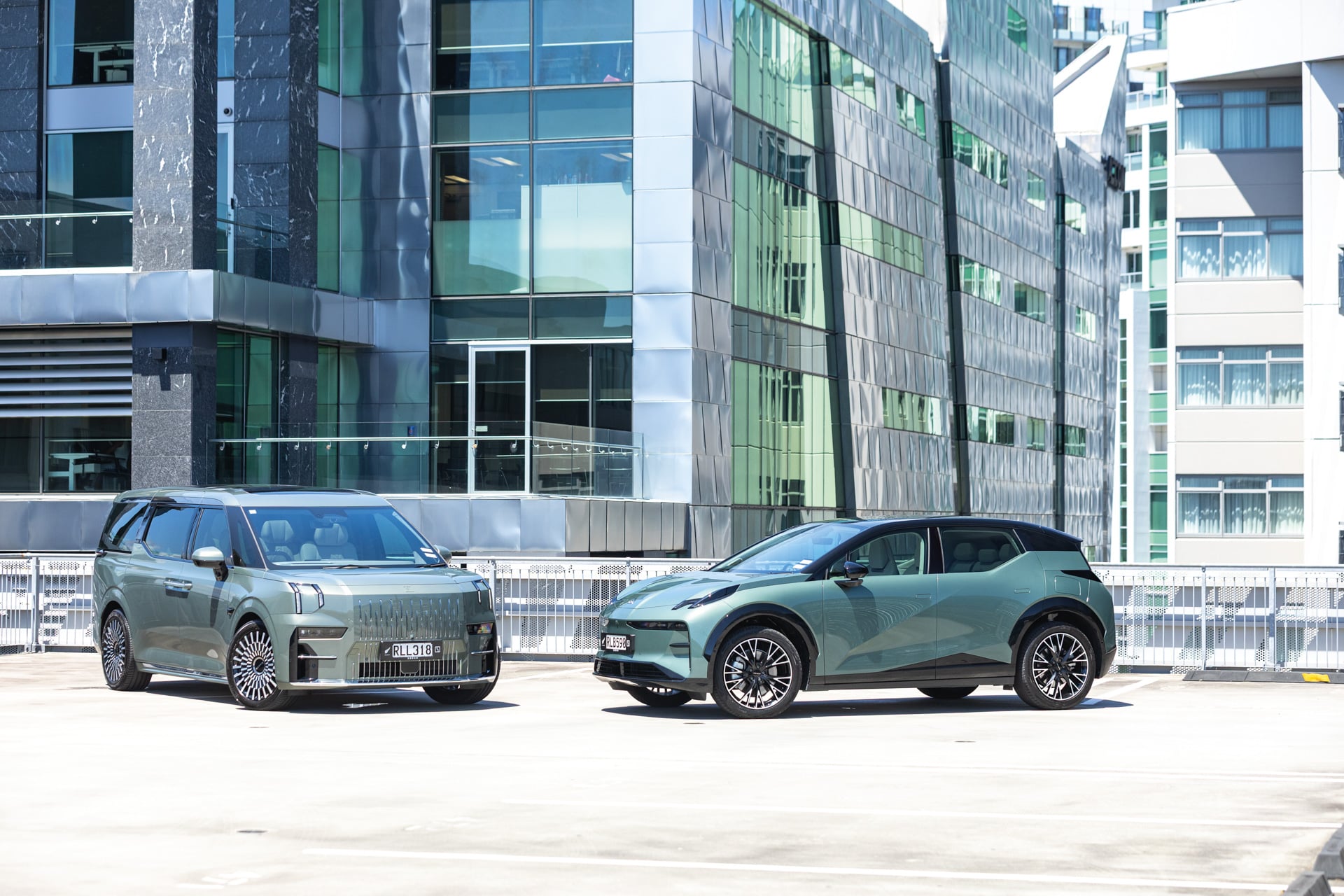
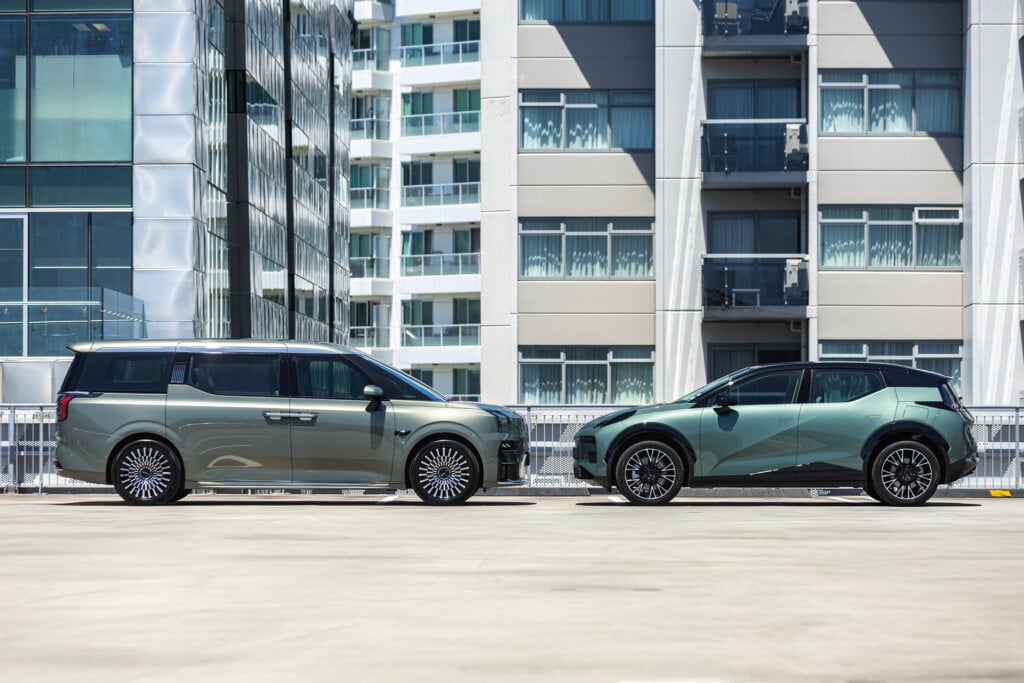
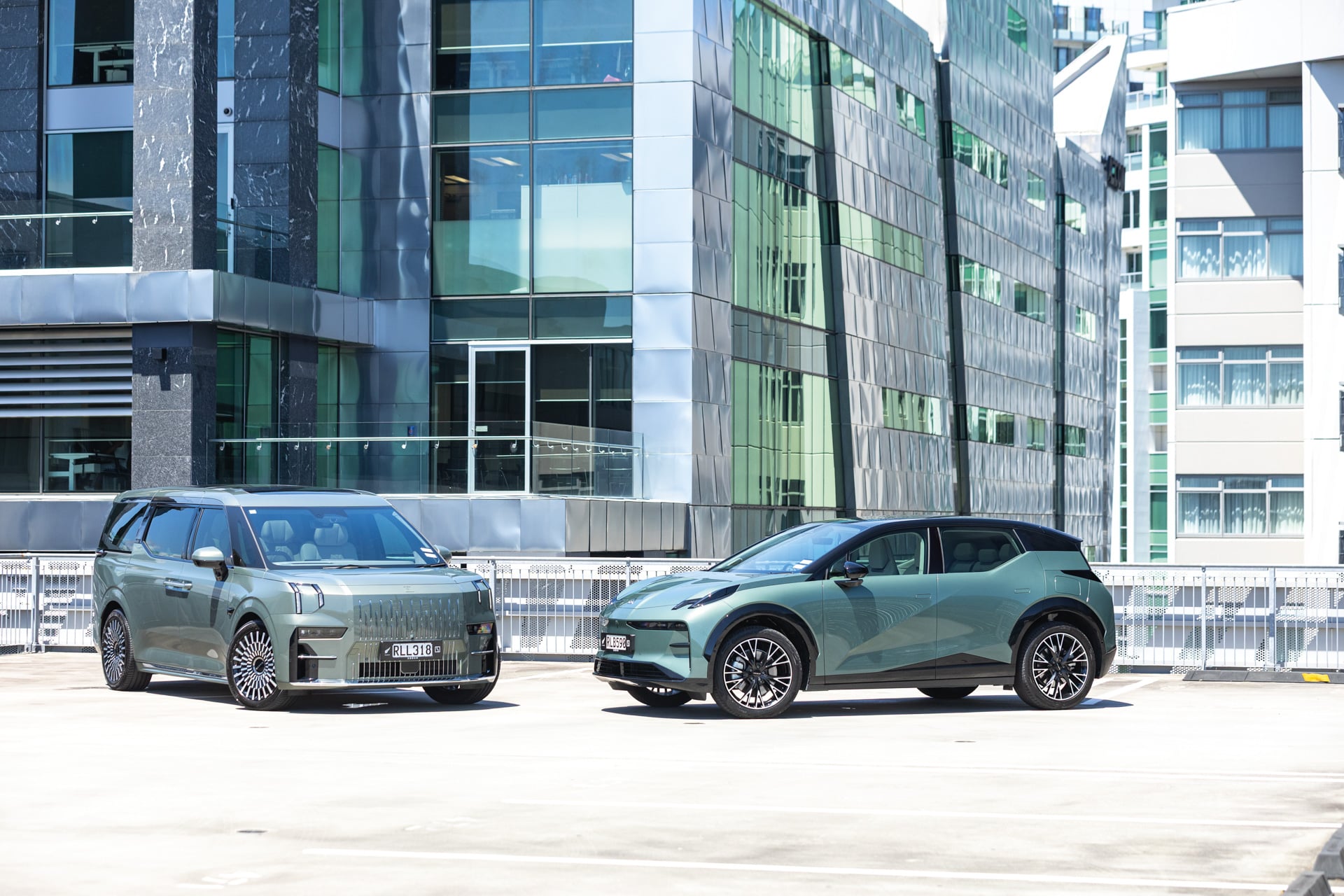
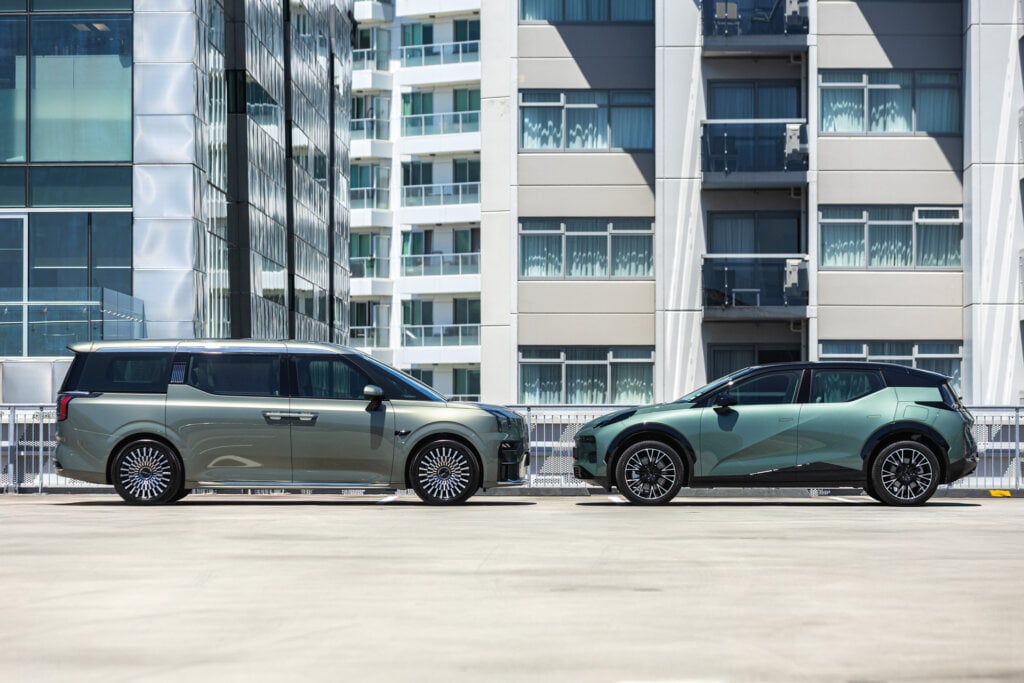
While the internet has been buzzing about the upcoming 7X SUV, a direct shot across the bow of the Tesla Model Y that promises to be the volume seller, the launch strategy for NZ is decidedly more eccentric. It’s actually the compact X crossover and the brutalist 009 MPV that are spearheading the local assault. It’s an odd couple strategy: a compact performance SUV for the masses, and a six-figure luxury lounge for the VIPs.
The X grabs the volume and the attention with a price tag that seems like a typo, while the 009 establishes the brand’s ceiling, proving they can do luxury just as well as the Germans. It sets a perimeter of “Accessible Performance” on one side and “Uncompromised Luxury” on the other, leaving a very comfortable space in the middle for the 7X to land later.
We spent time with both to see if the substance matches the hype.
Zeekr X: The X-Factor
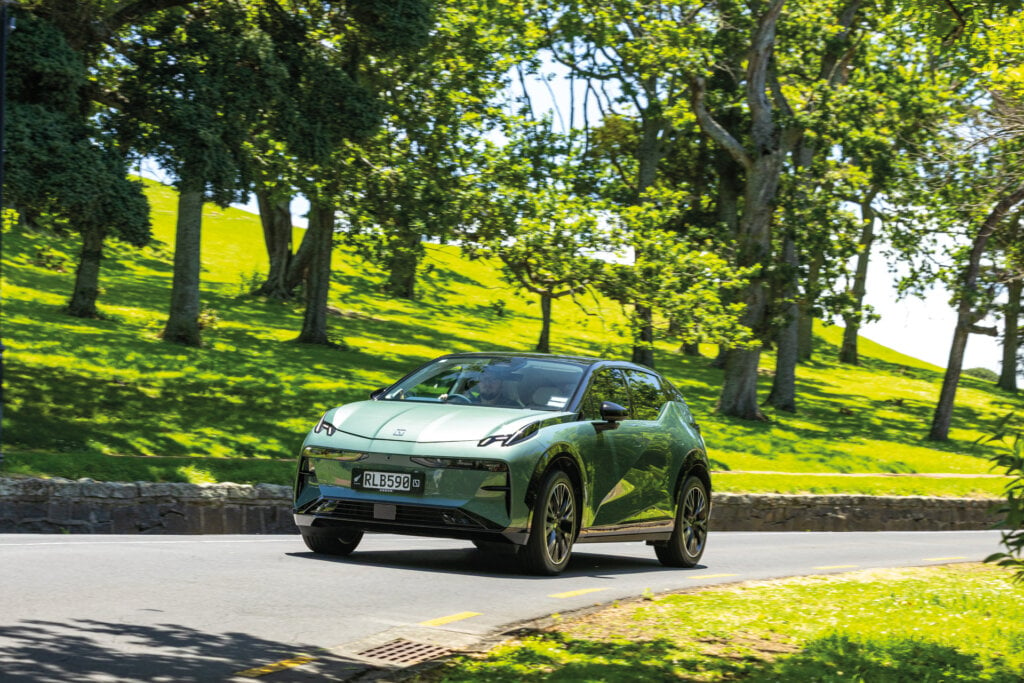
If I told you one of the best value performance cars of 2025 was a medium-sized electric SUV, you’d probably check my temperature. But at $69,990 for the top-spec AWD model we’re driving here, the Zeekr X is exactly that. This isn’t just “good for the money.” It’s a dual-motor pocket rocket with 315kW and 543Nm of torque, capable of hitting 100km/h in 3.8 seconds. To put that in perspective, you’re looking at entry-level Tesla Model Y money, but you’re getting Model 3 Performance-baiting acceleration.
Crucially, the range is accessible. It kicks off at $59,990 for the 200kW RWD model, stepping up to $63,990 for the mid-spec RWD with the ‘Convenience Package’. But the AWD flagship we have here is the undisputed performance hero of the lineup.
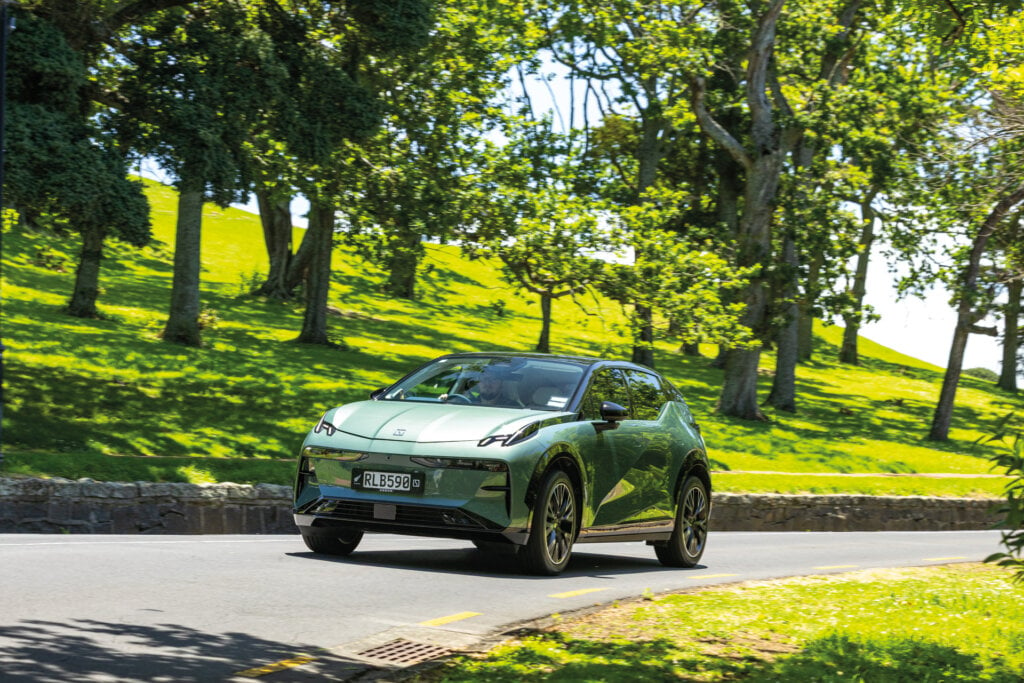
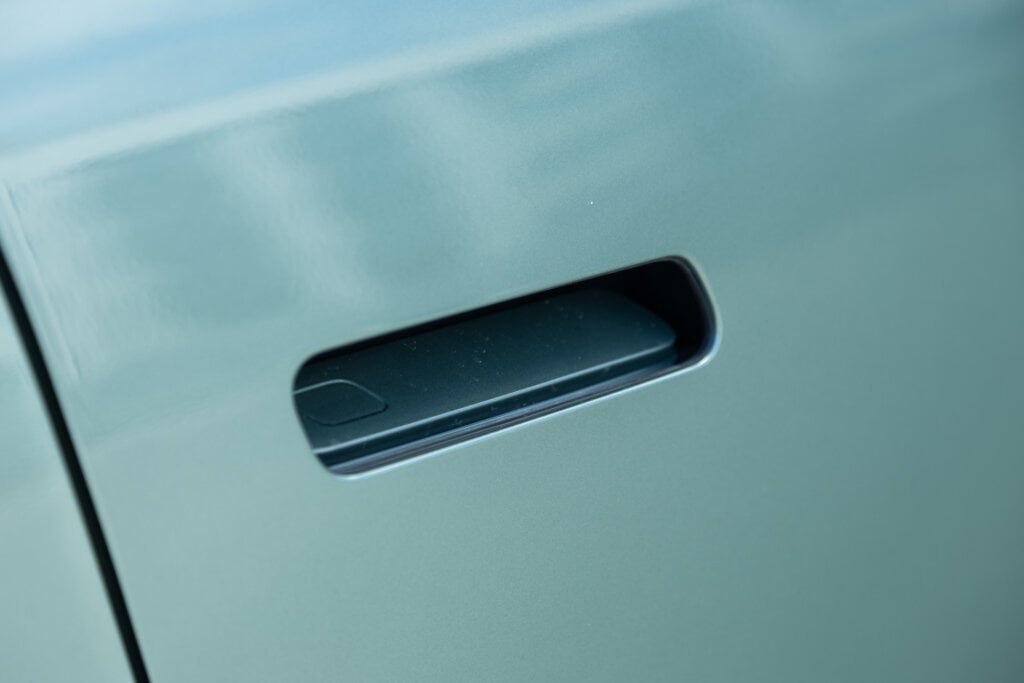
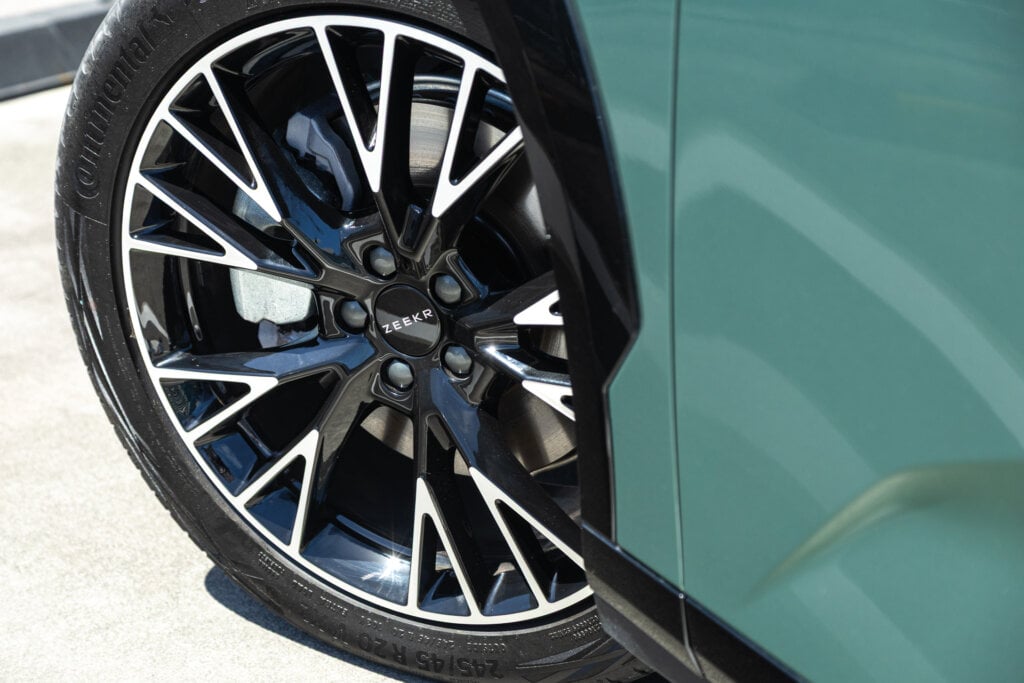
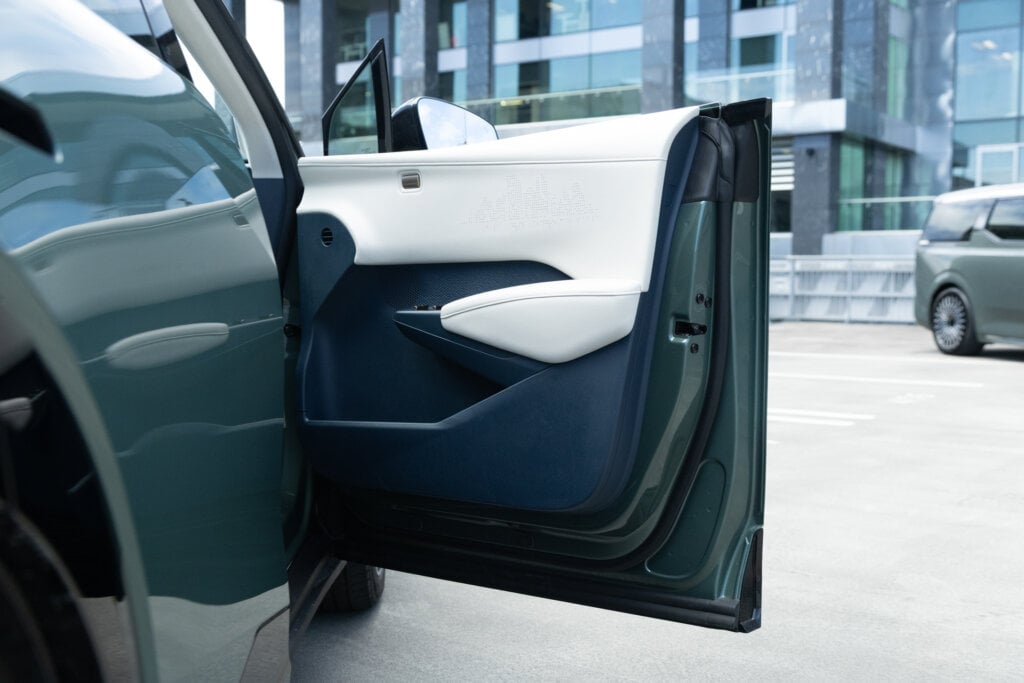
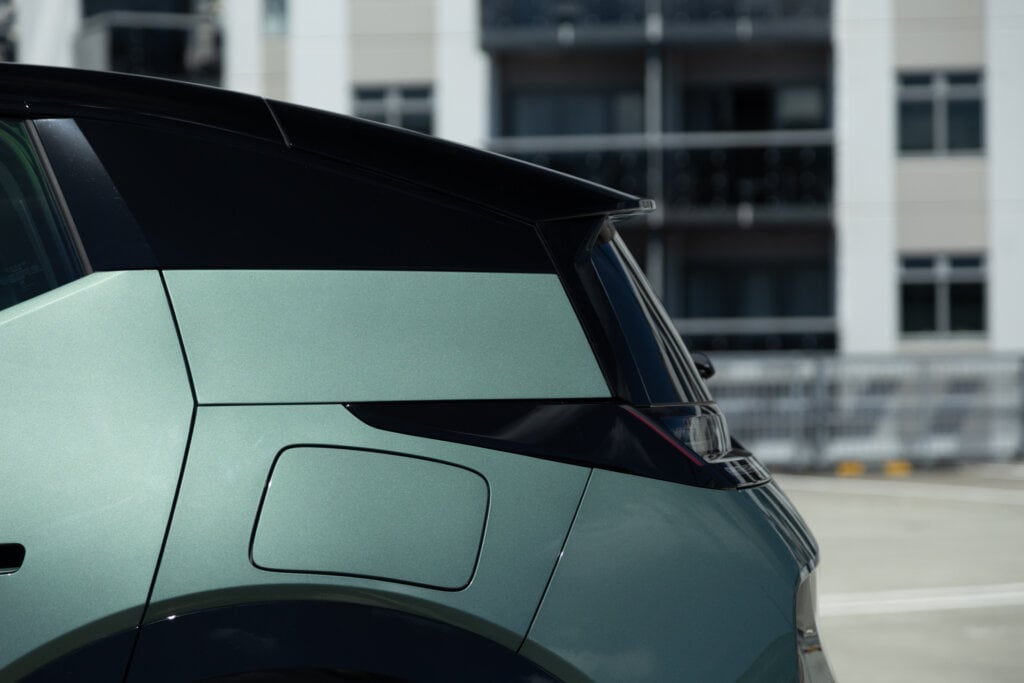
The styling is pure Zeekr, characterized by sharp creases and aggressive detailing. There are some party tricks, too, though some may test your patience. The door handles are hidden, but not in the pop-out way you might expect. Instead, the mechanism is recessed; you insert your hand into a void, a sensor detects it, and the frameless door pops open electronically. It’s undeniably sleek and aids aerodynamics, but it’s perhaps a case of form over function. My daughter struggled to figure it out, and it feels like a solution to a problem that didn’t exist.
Another quirk? The B-pillar houses a small screen, the “Intelligent B-Pillar”, that displays charging status when plugged in. It can show your state of charge and estimated time remaining to passersby. It’s a bit gimmicky, but it adds to the sense that this is a tech-forward product that wants to interact with you, even when you aren’t driving it.
Premium Digs
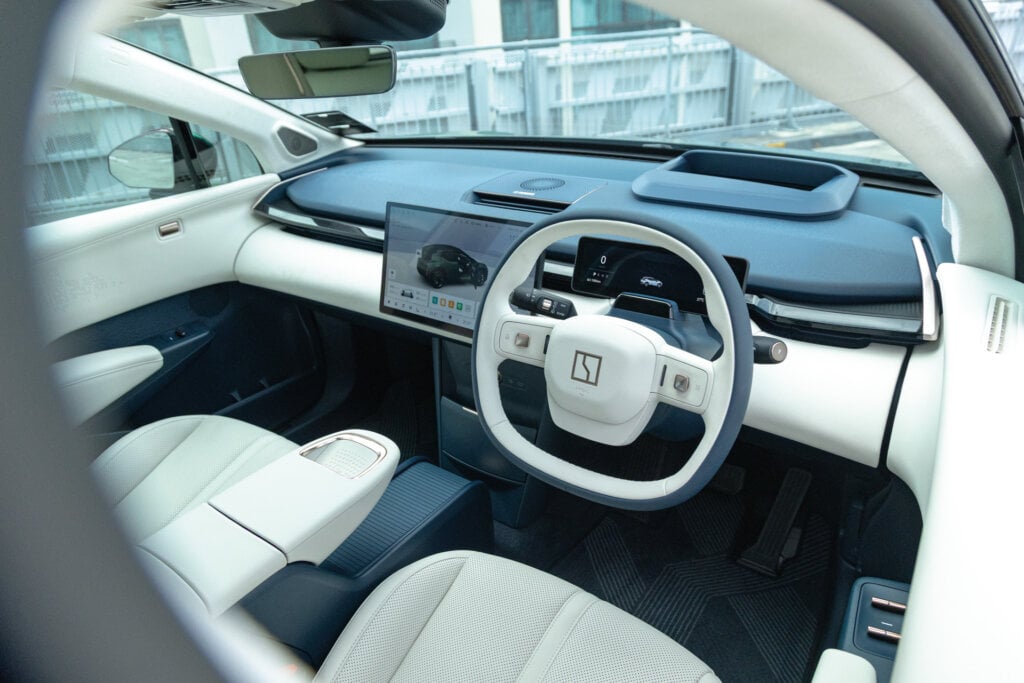
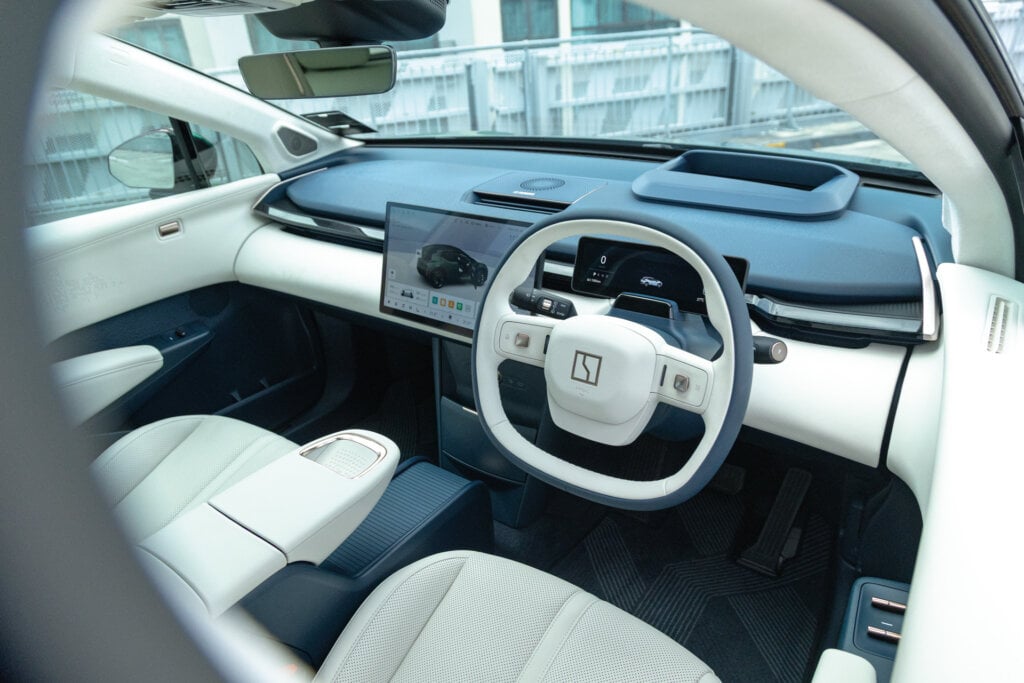
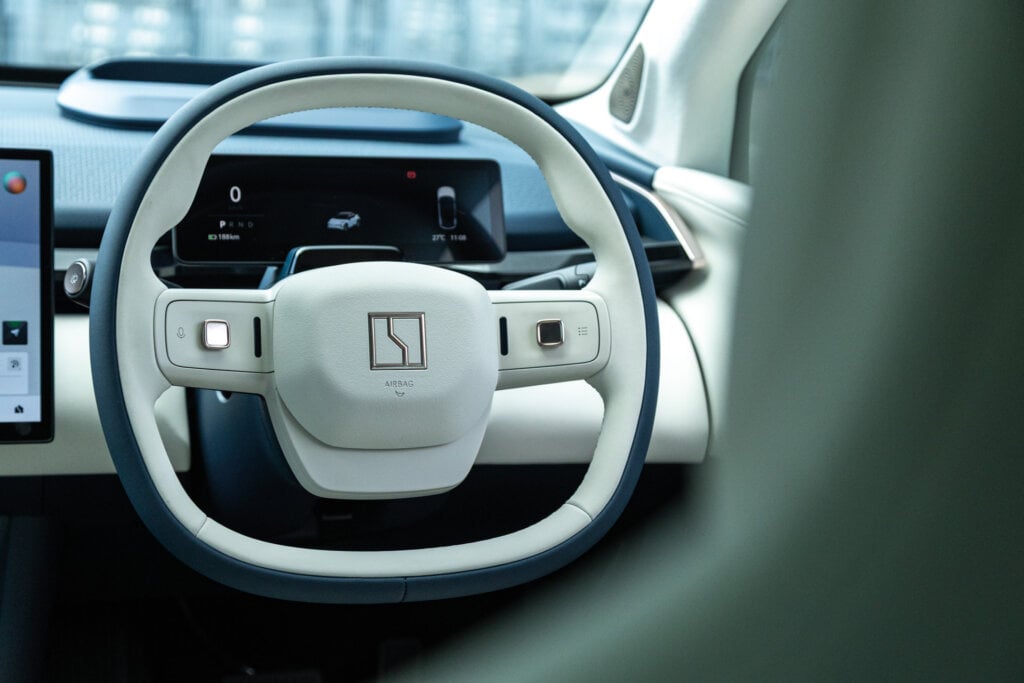
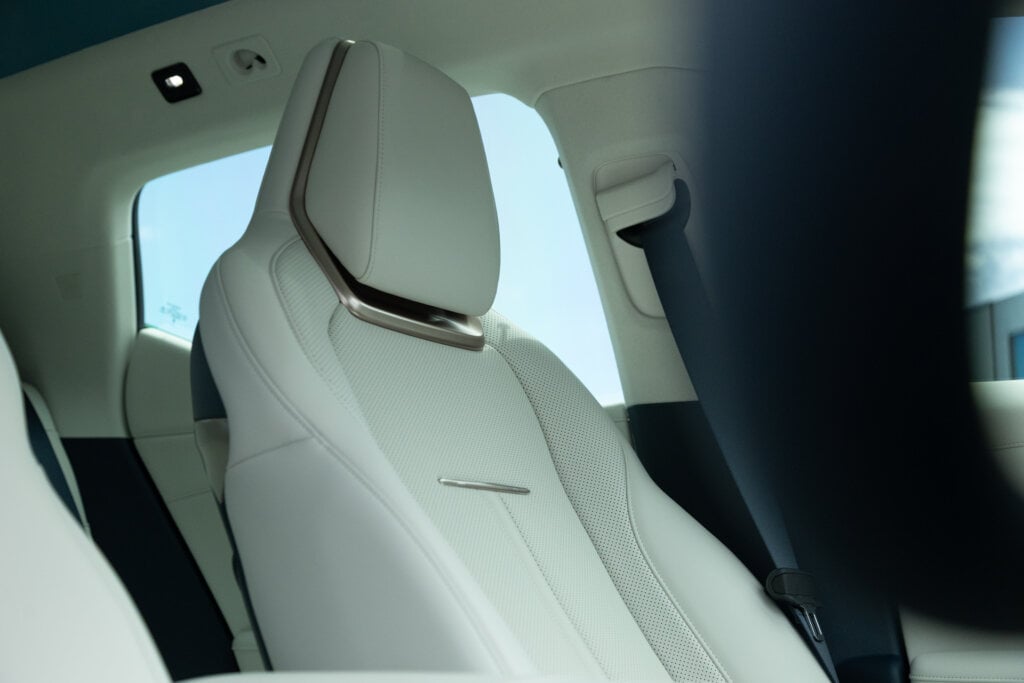
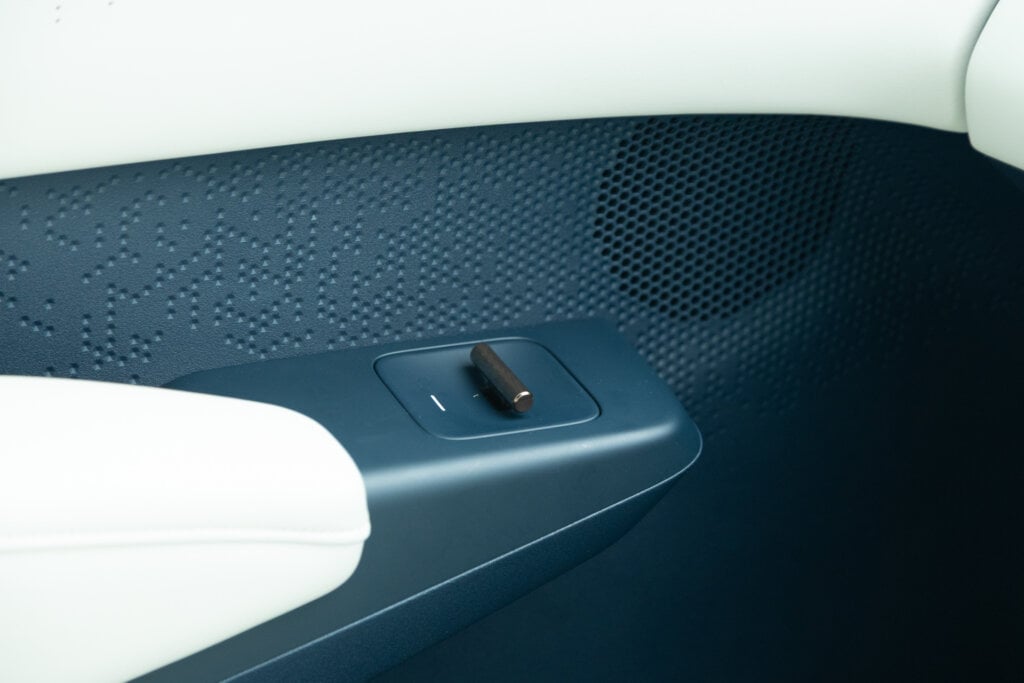
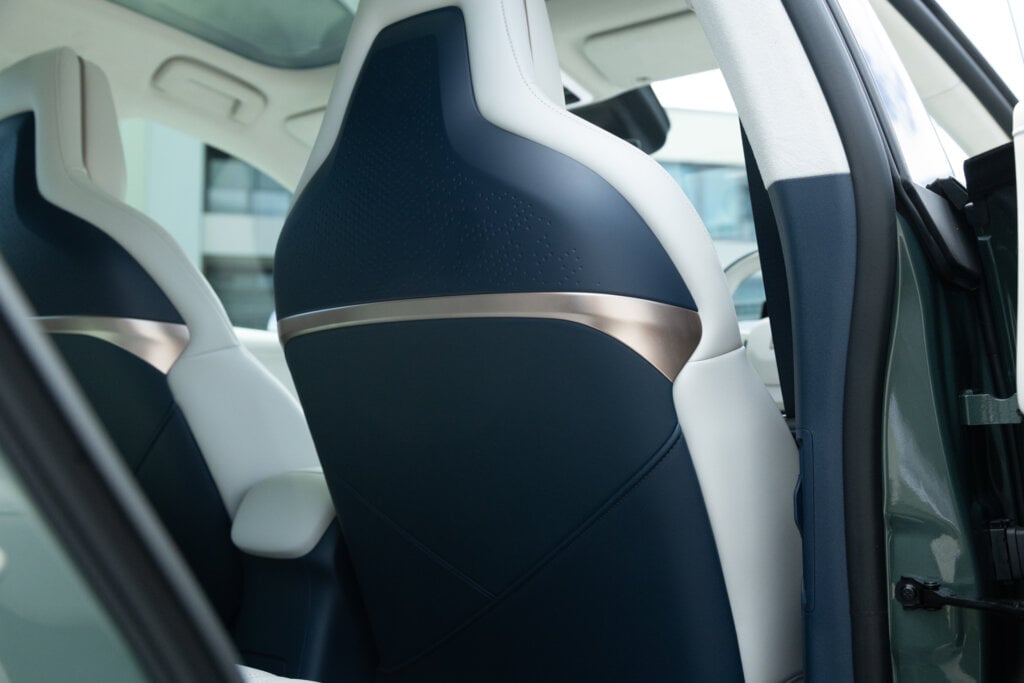
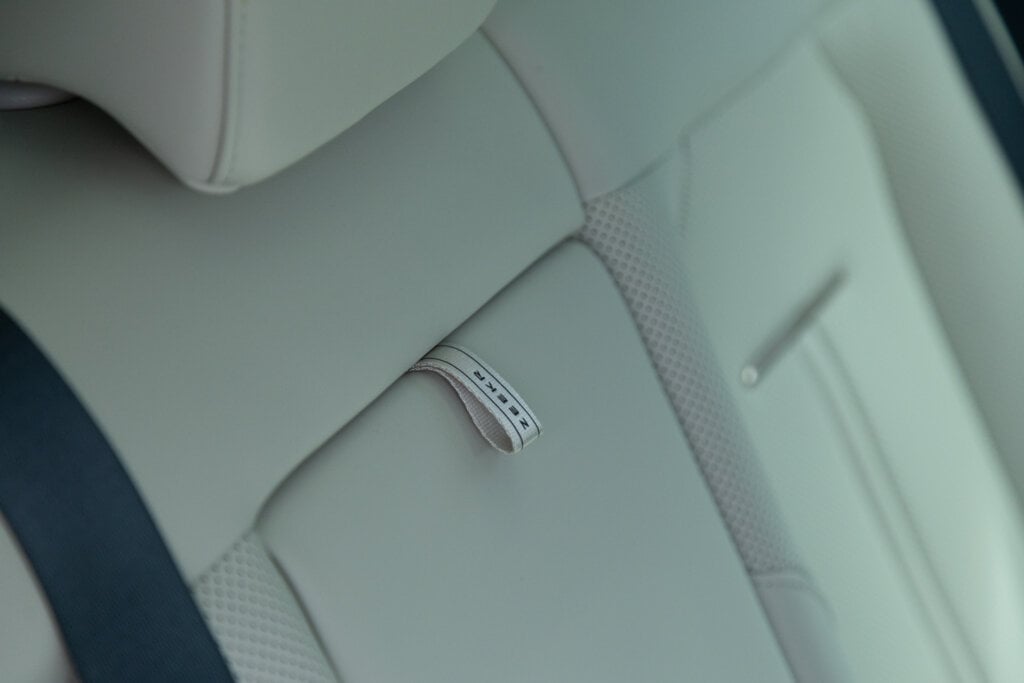
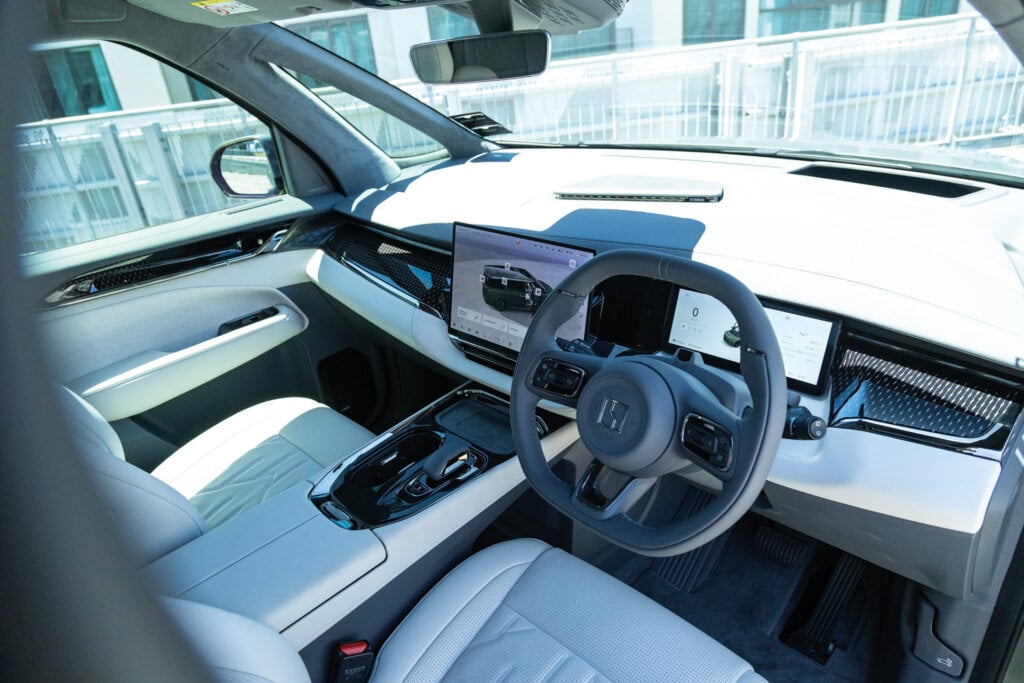
Step inside, and the “budget” comparisons vanish entirely. The interior of our test car, finished in a navy blue and creamy white two-tone, feels genuinely special. The materials are soft, the stitching is precise, and the ambient lighting is integrated behind the door veneers in a way that feels properly high-end. Known as “Ice Block” lighting, the LEDs pulse to the beat of your music, creating a nightclub vibe that somehow manages to stay just on the right side of tacky.
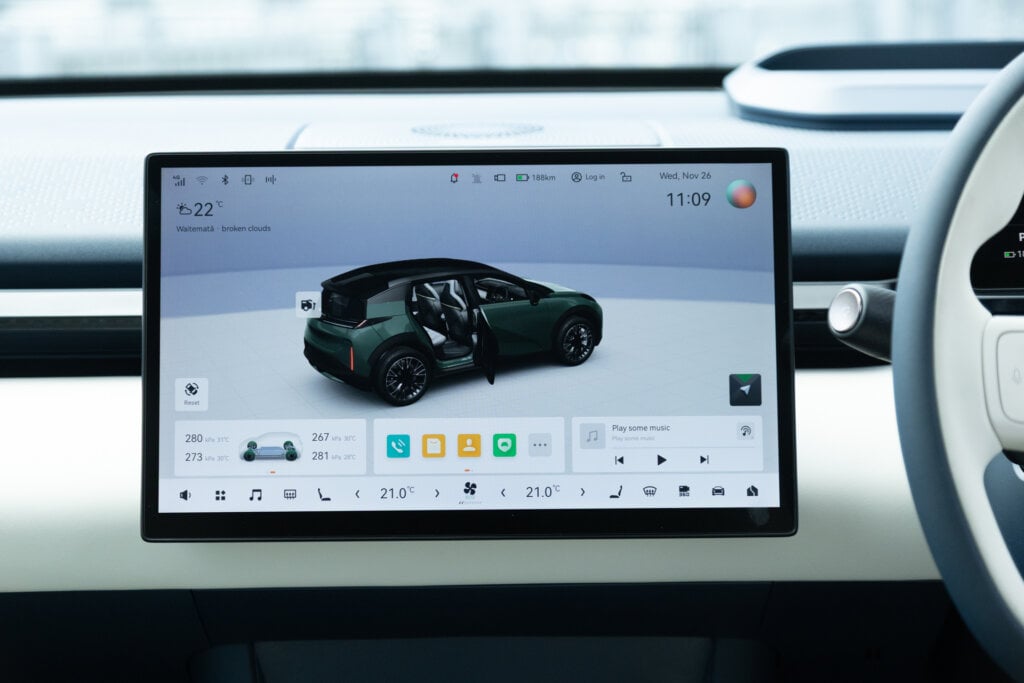
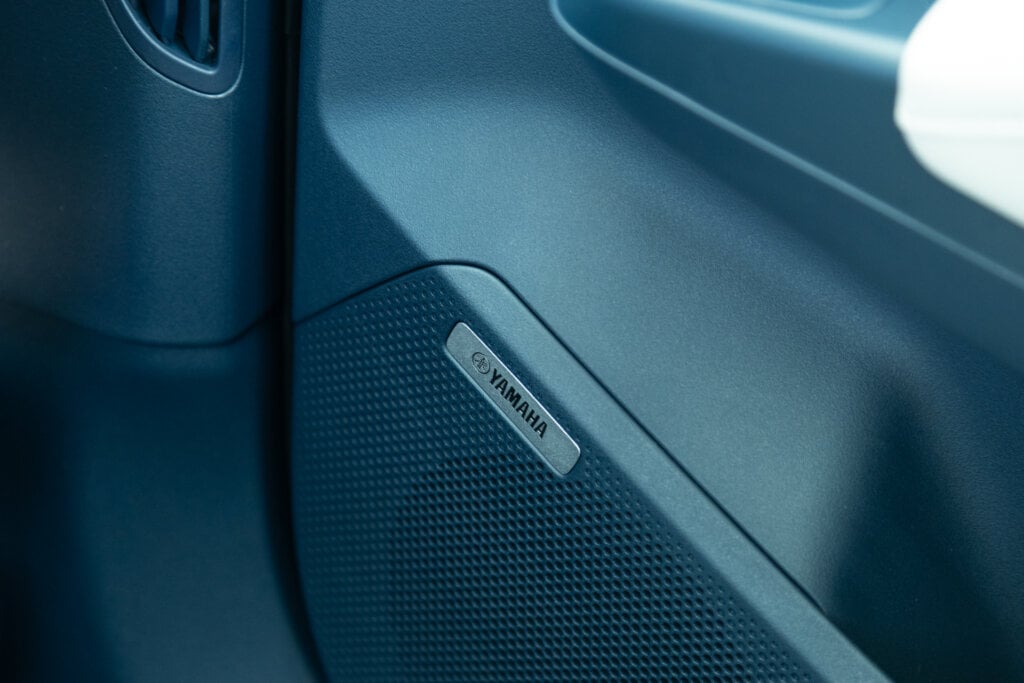
Speaking of music, the Yamaha sound system is a highlight. With 13 speakers, it delivers crisp, punchy audio that embarrasses some systems in cars costing twice as much. The central 14.6-inch touchscreen is responsive and controls almost everything. It’s packed with features, including a “Pet Mode,” a “Cinema Mode,” and even a “Rest Mode” for power napping while charging.
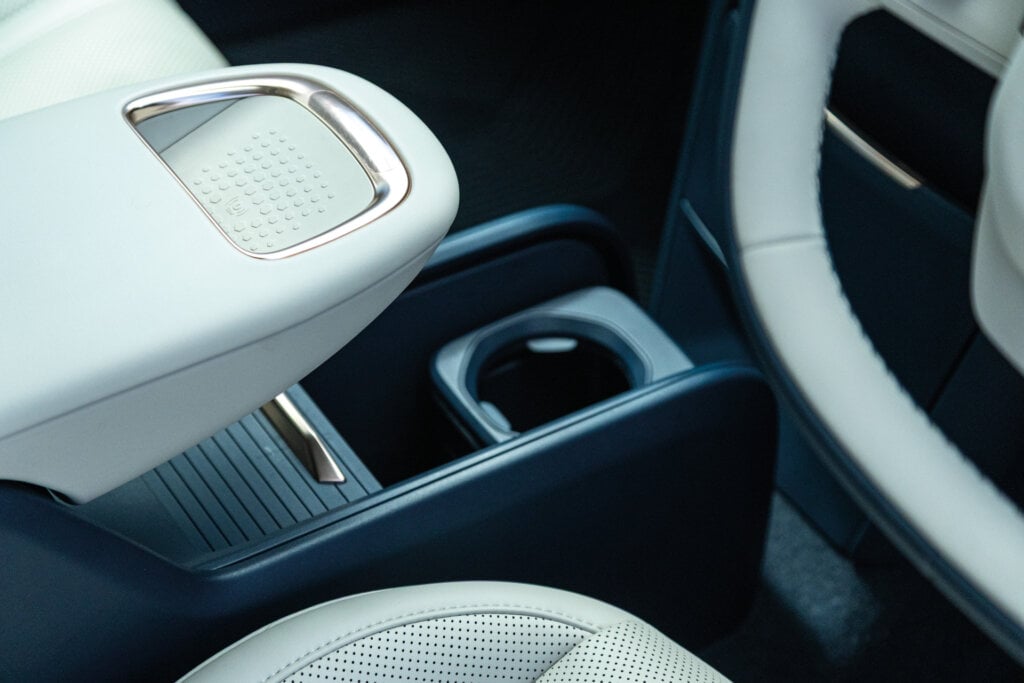
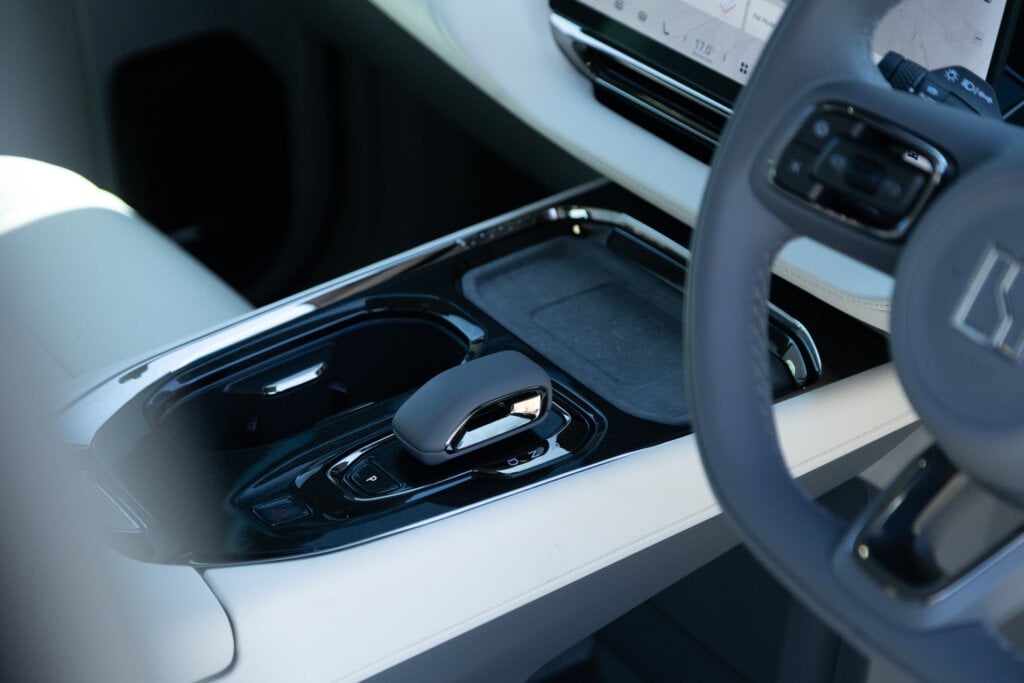
However, the cabin isn’t flawless. The “smart” wireless phone charger in the centre console is a velvet-lined slot that looks elegant but struggled to accommodate a large phone with a case on. It’s a tight squeeze (our iPhone Pro Max barely fit), and the design feels like it could trap grit, scratching your screen over time.
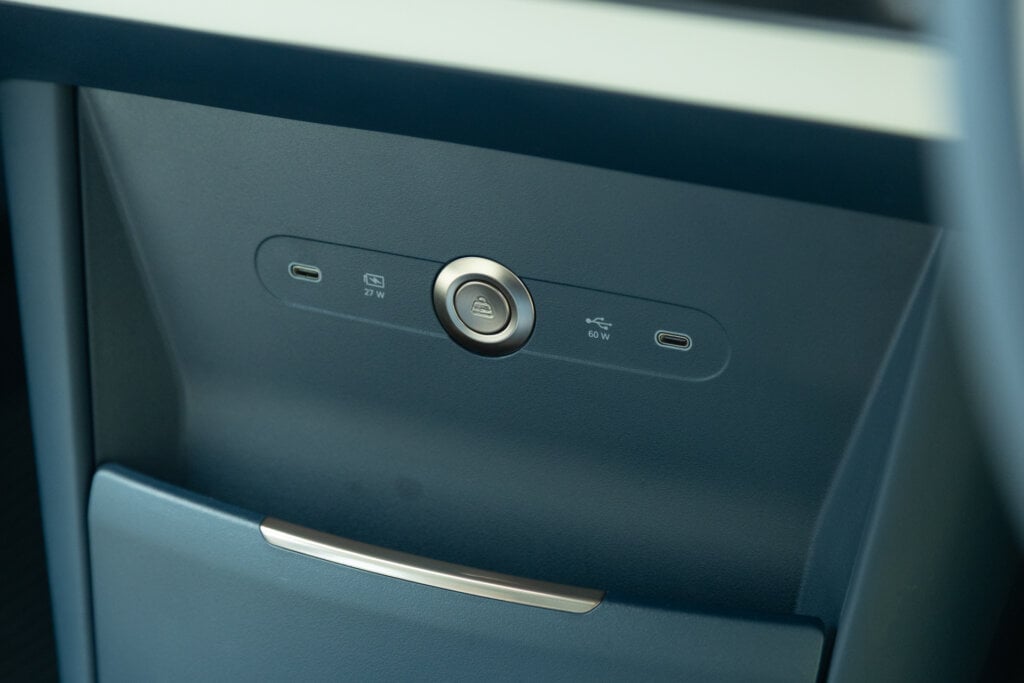
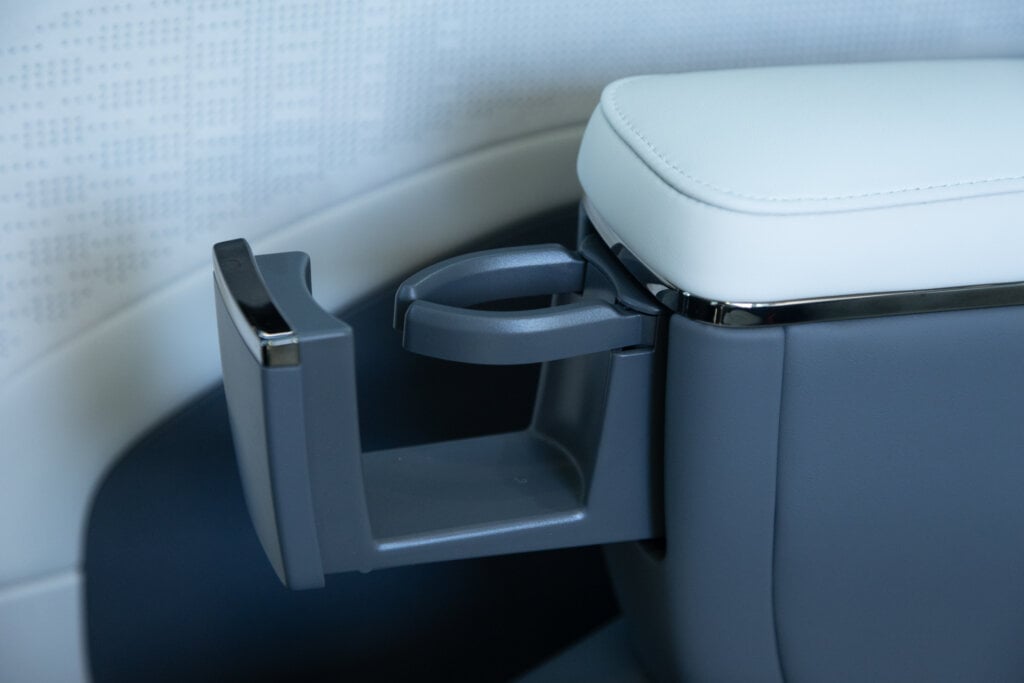
Storage is another mixed bag. There’s a deep central bin that is useful, but it lacks an obvious button to open it, leading to some awkward fumbling. Worse still, there is only one cup holder in the front. A second cup holder is supposedly there, but in practice, you’re juggling coffees or using the door bins.
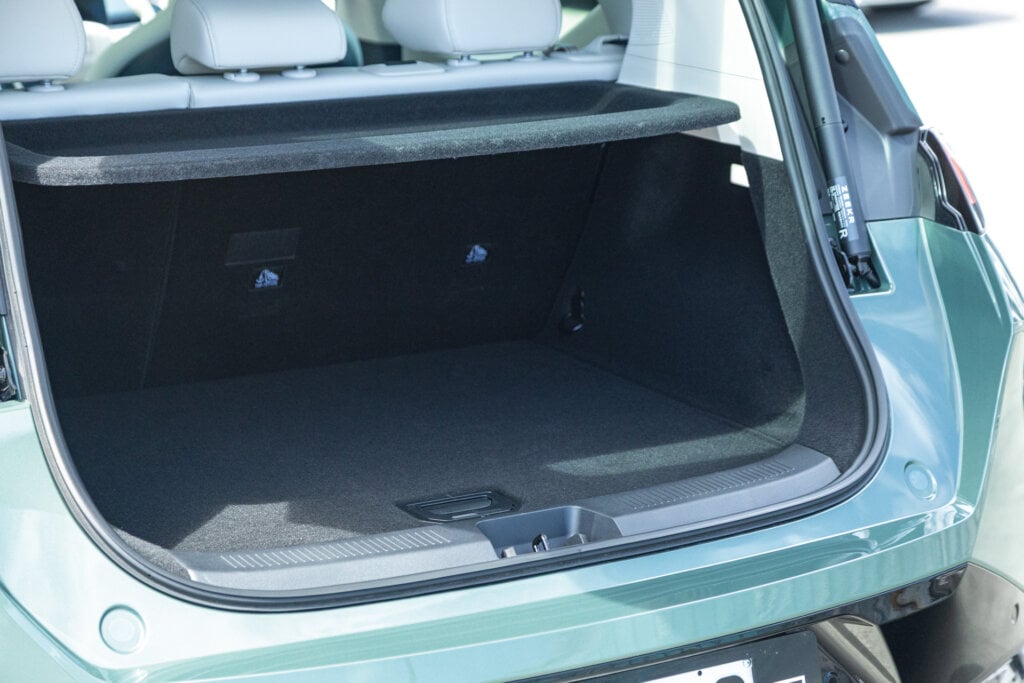
The boot offers a modest 362L, expanding to 1182L with the rear seats folded. It’s enough for the weekly shop, but it’s not class-leading. Thankfully, for those with active lifestyles, the Zeekr X is rated to tow up to 1600kg (braked), which is a very handy figure for a compact EV.
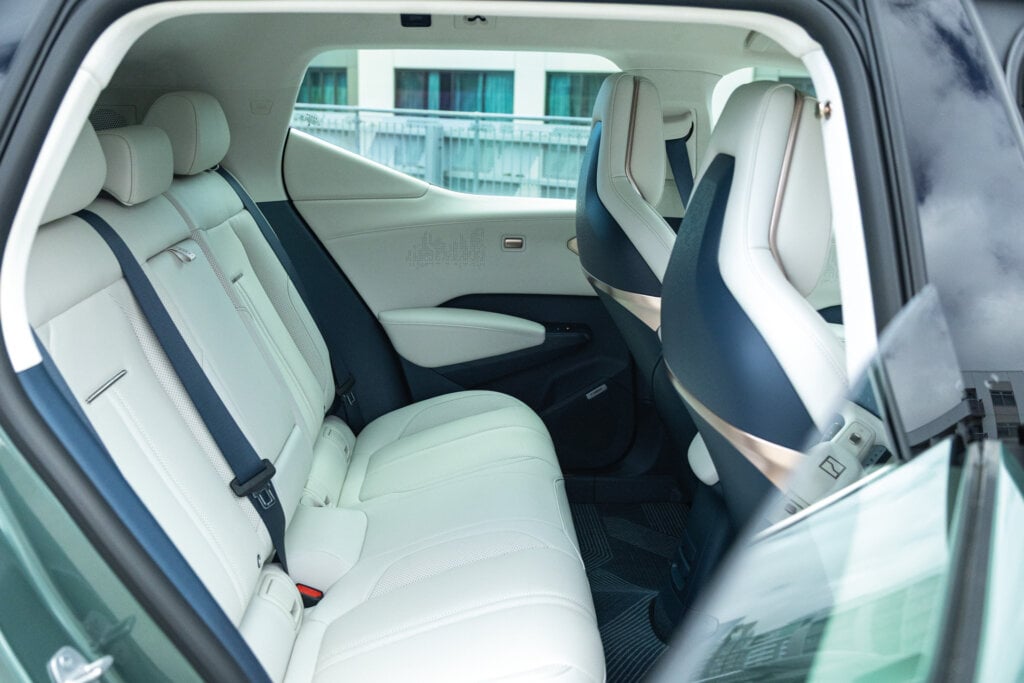
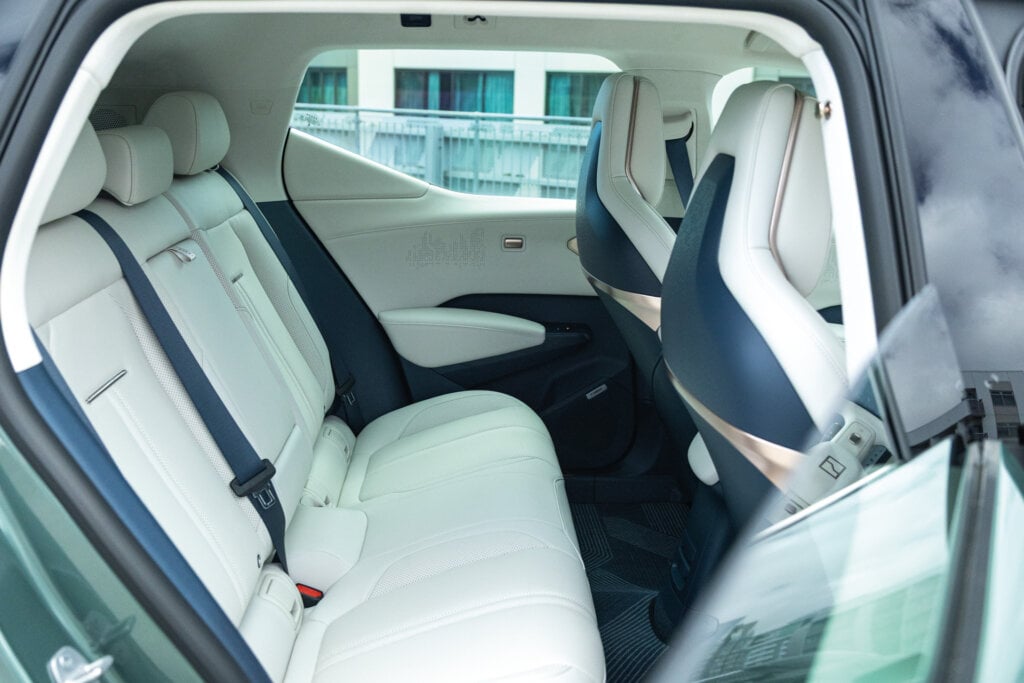
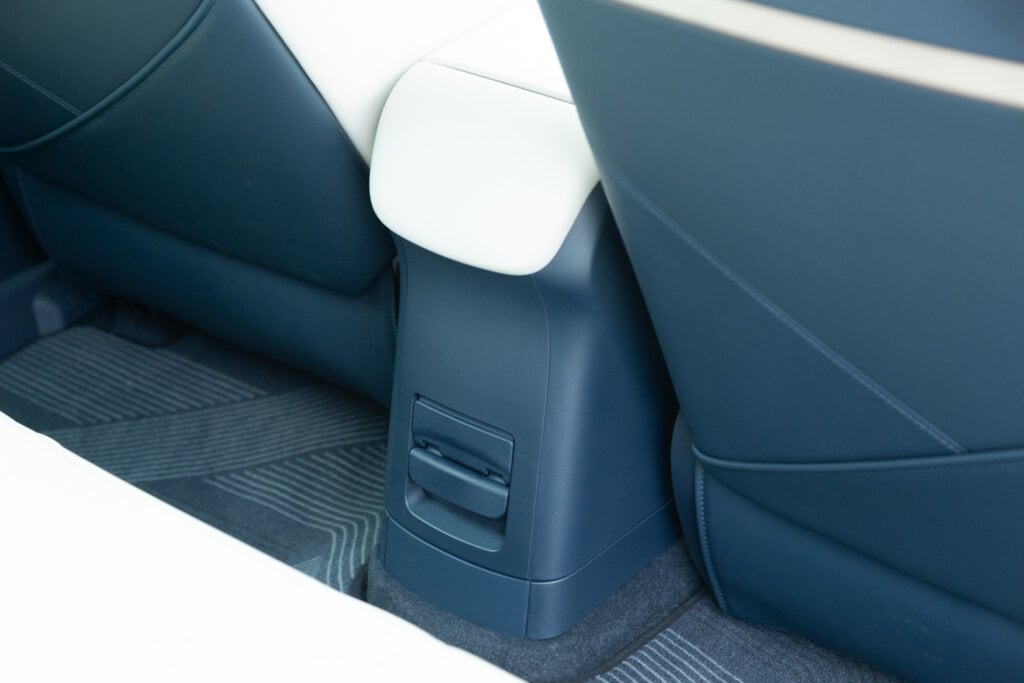
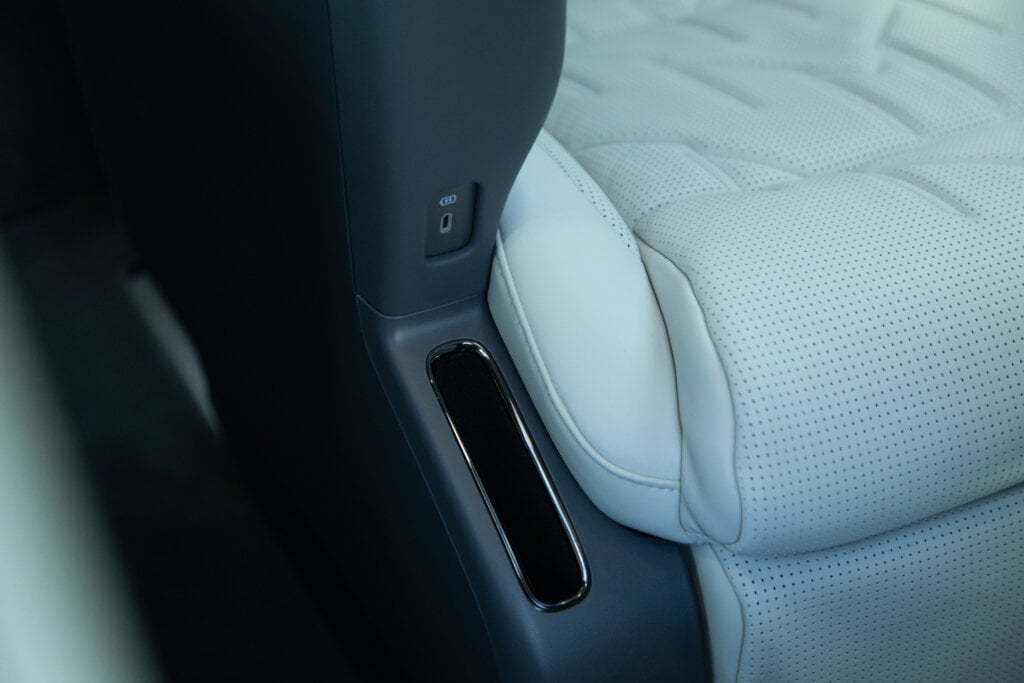
In the back, while legroom is decent and the expansive glass roof adds airiness, the lack of rear USB ports is a glaring omission for a family car in 2026. Kids with iPads will need to run cables from the front, which is hardly “premium.”
On The Road
But all is forgiven when you bury the throttle. The acceleration is violent, instant, and addictive. It squats and fires you at the horizon with the kind of ferocity that makes passengers grab the nearest handle. 3.8 seconds to 100km/h was supercar territory not so long ago, and in a compact crossover, it feels even faster. More impressively, it handles. The suspension is well-damped, soaking up urban bumps with a maturity that betrays its premium Geely underpinnings (it shares the SEA platform with the Volvo EX30). On New Zealand’s coarse chip highways, the nemesis of many EVs, it remains composed and relatively quiet.
It’s not a pure sports car; the steering is accurate but lacks genuine feedback. However, as a point-and-shoot weapon, it’s hilarious fun. You can adjust the regeneration via buttons behind the steering wheel, though the labelling on the wheel itself is a bit cryptic, requiring some muscle memory to master.
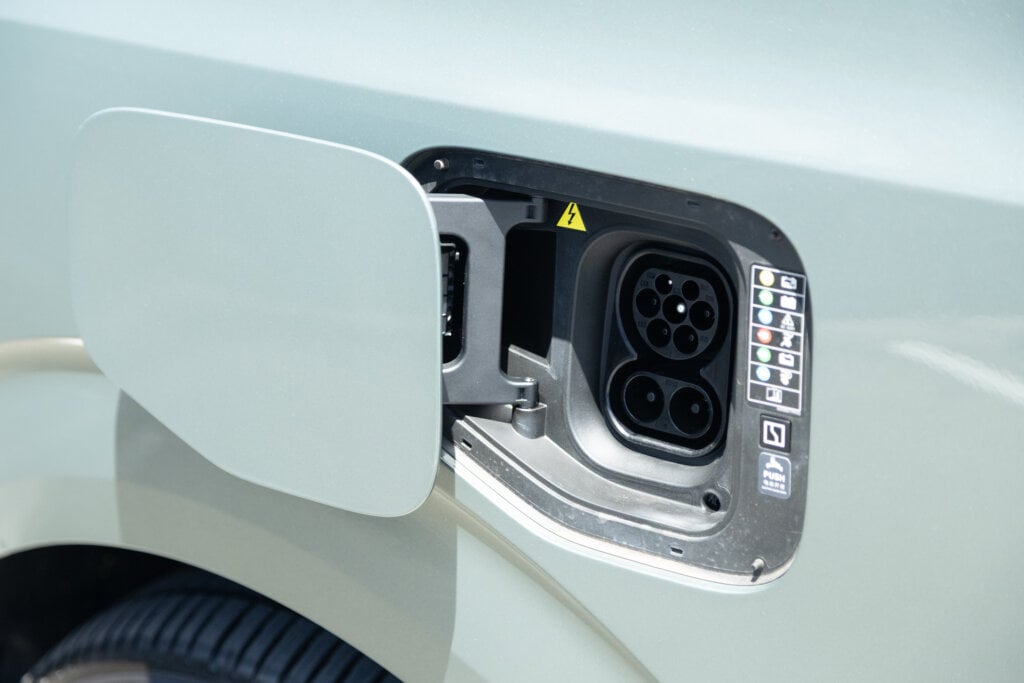
The 66kWh battery provides a WLTP range of 440km for this AWD model (RWD models push this to 470km). In the real world, expect around 350-360km if you’re enjoying that 315kW output. Charging is solid, with 150kW DC capability allowing a 10-80 per cent top-up in about 30 minutes. Helpfully, an 11kW AC onboard charger is standard, speeding up home charging if you have a wallbox.
Verdict
The Zeekr X isn’t perfect. The boot is small (362L) and the frunk is a “very, very small” 21L tray that will struggle to hold a charging cable. The storage is quirky, and the efficiency could be better. But at this price point, it’s a game-changer. It offers European build quality, supercar acceleration, and a distinct personality for the price of a mundane commuter.
Zeekr 009: Private Jet for the Road
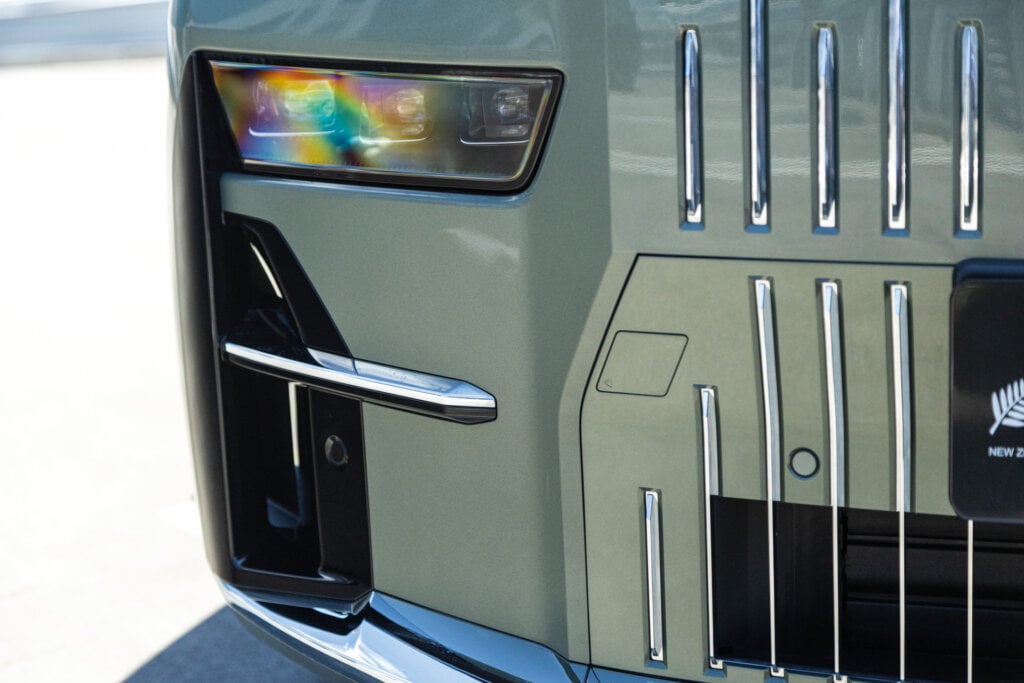
If the X is the rebellious teenager, the 009 is the CEO. This is a vehicle that doesn’t just enter a room; it occupies it. At over 5.2 metres long and weighing nearly 2.9 tonnes, the 009 is a monolith. The front grille, a massive, illuminated slab of chrome that Zeekr calls the “Spring of Light”, is divisive. Some will call it gaudy; others will love the sheer audacity of it. To our eyes, it looks like a Rolls-Royce Phantom that’s been reimagined for a Cyberpunk future.
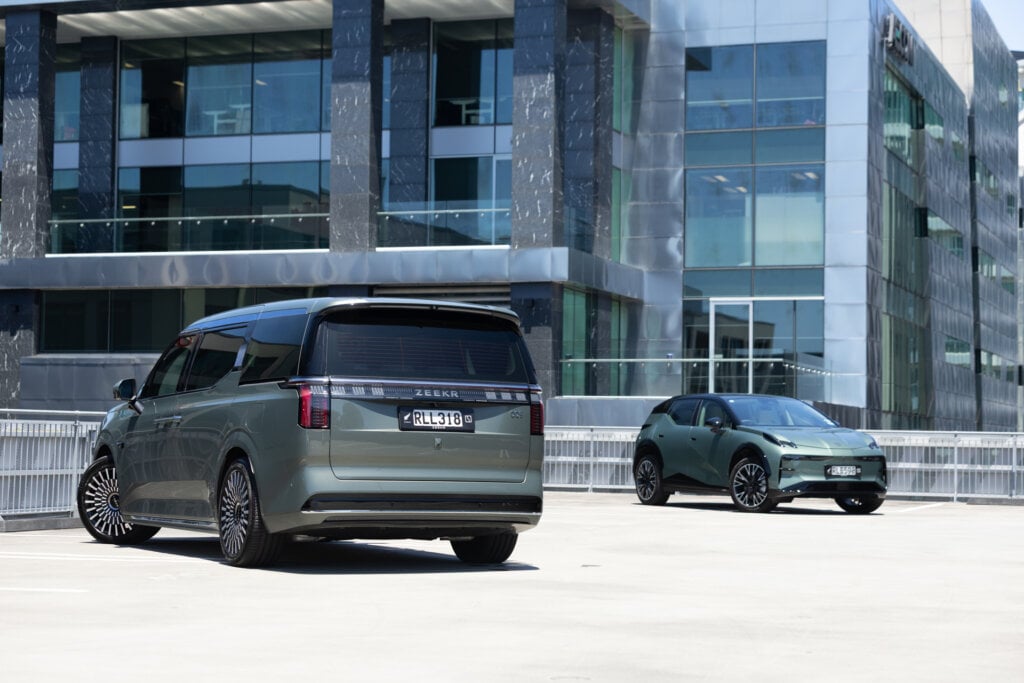
We tested the 7-seat AWD version, priced at $149,990. That’s a lot of money for a “van”, but Zeekr isn’t pitching this against the Kia Carnival. This is hunting the Mercedes-Benz EQS and BMW i7. For those demanding absolute luxury, a 6-seat version with “aviation” style second-row seats is available for $154,990.
First Class Cabin
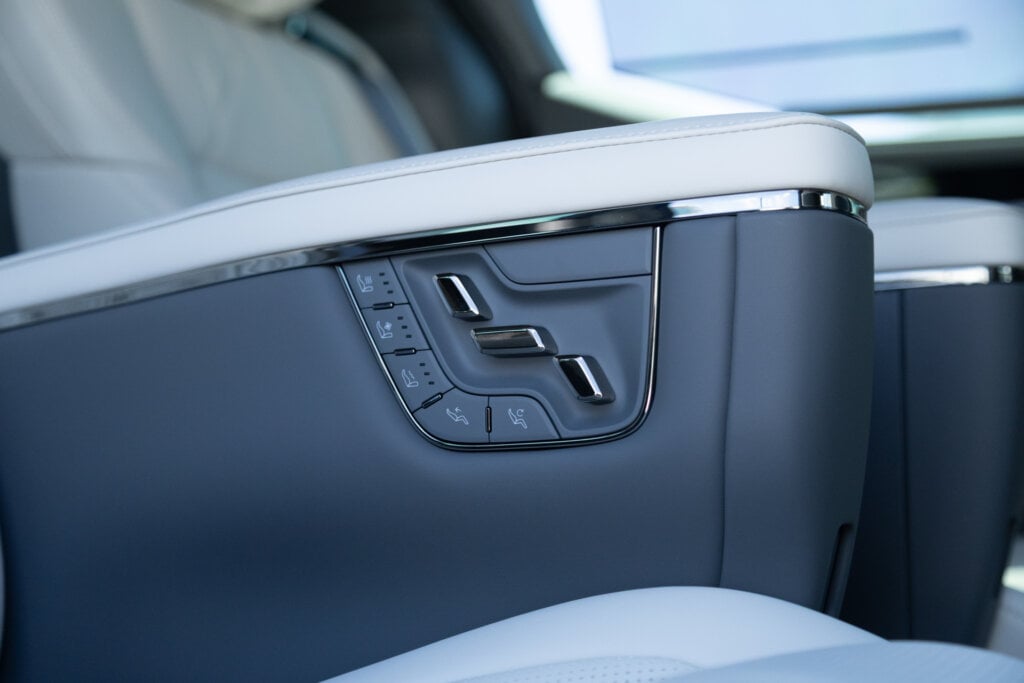
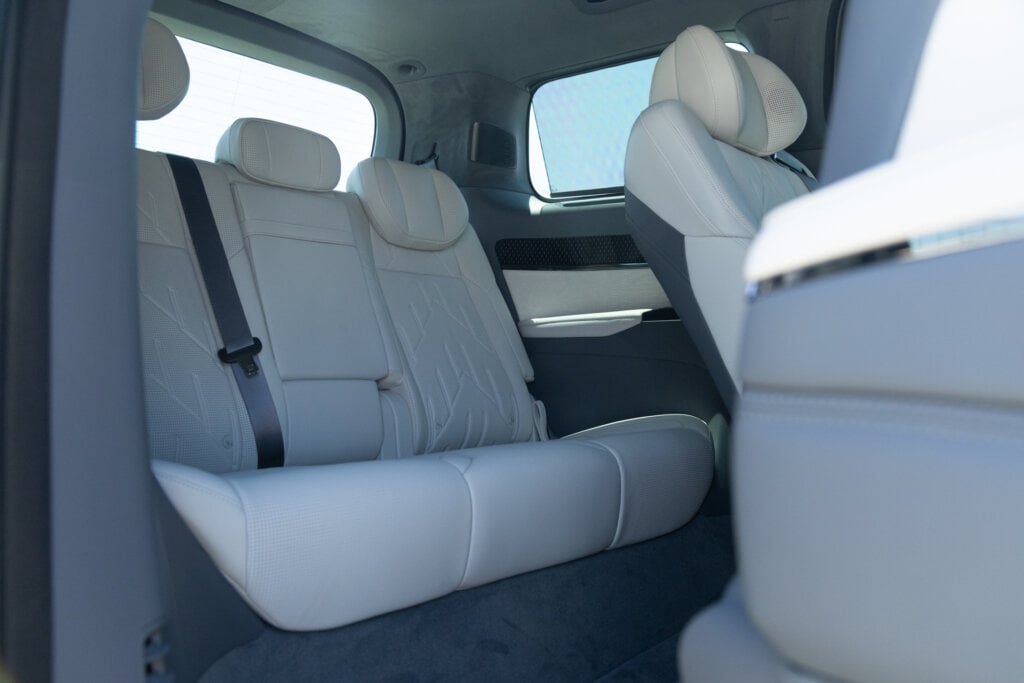
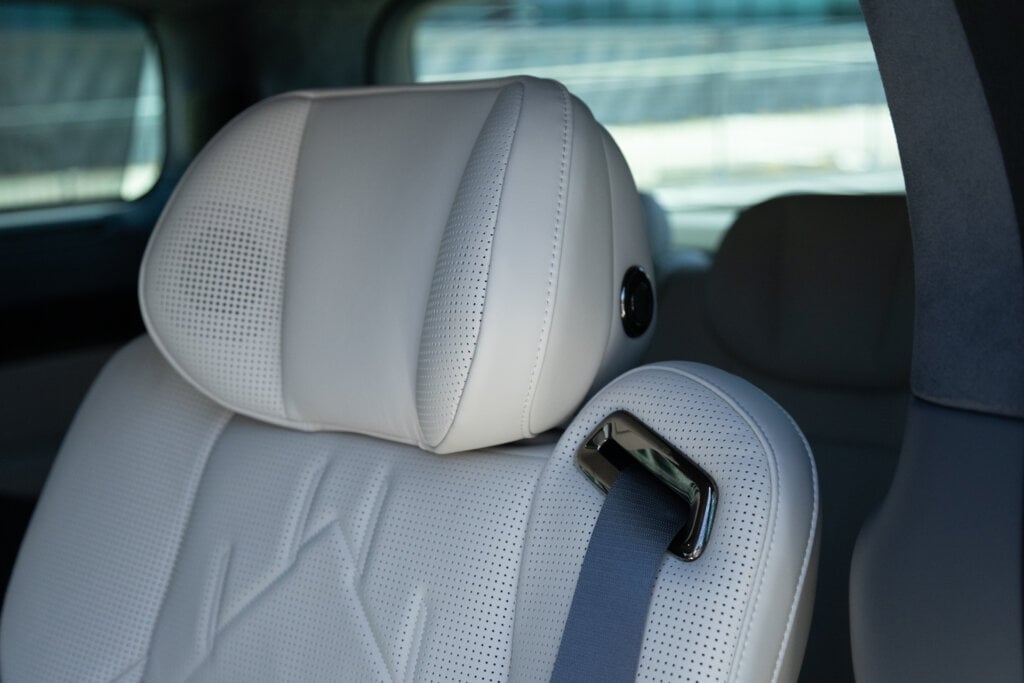
Inside, it’s cavernous. The “Sofaro” Nappa leather seats are, quite simply, mega comfy. They are heated, ventilated, massaging, and adjustable in more ways than you knew you needed. The build quality is exceptional; we drove over varied surfaces and heard zero rattles or squeaks, which is a massive achievement for a vehicle with this much open space and movable seating.
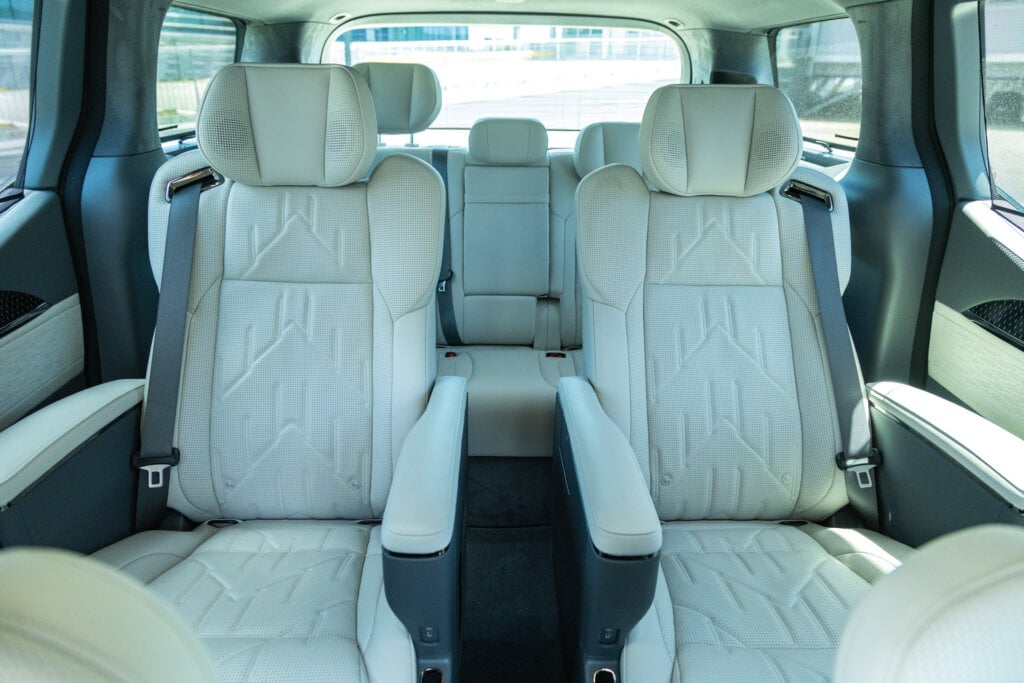
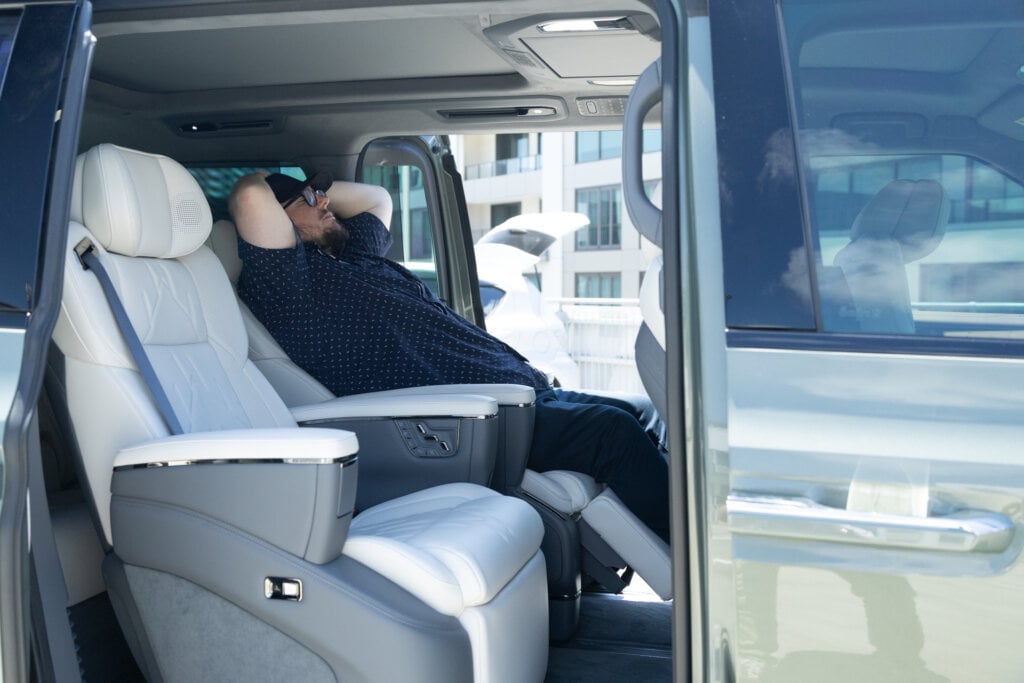
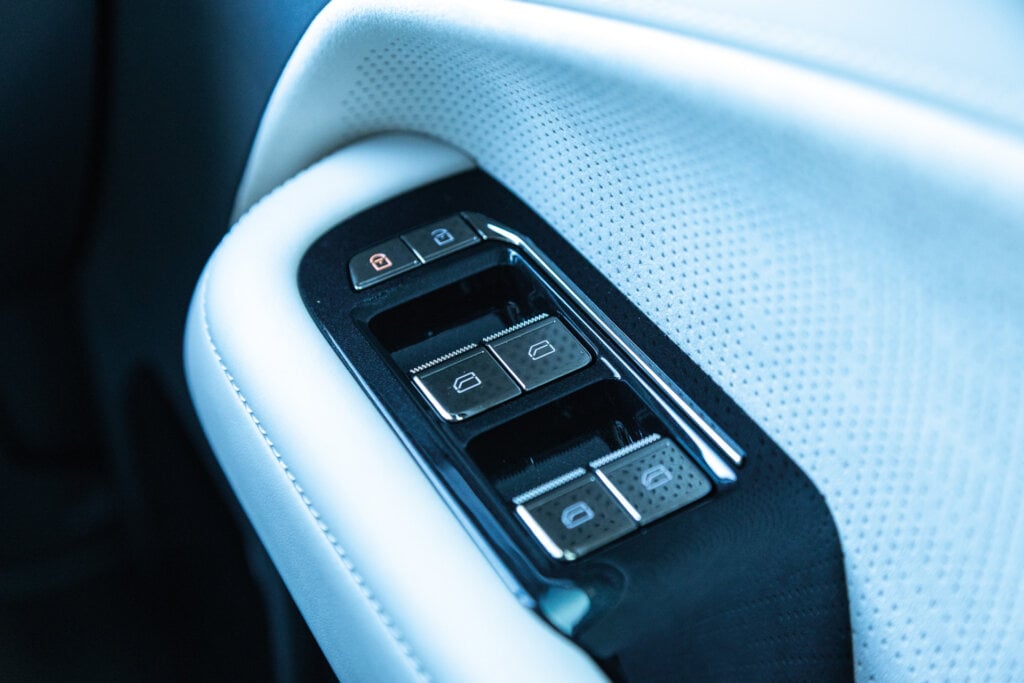
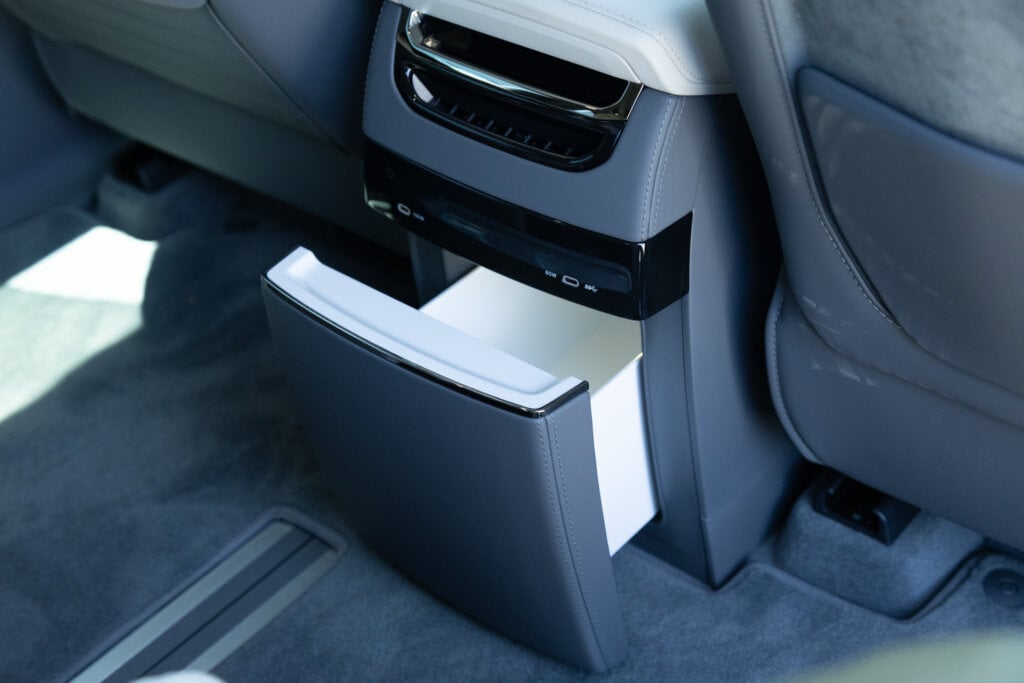
The second row is the place to be. Even in our 7-seat tester, the captain’s chairs slide and recline to offer a level of comfort that rivals international business class. There’s a 17-inch OLED screen that folds down from the roof for entertainment, perfect for keeping the VIPs (or the kids) distracted. The doors feature “Smartbar” screens that allow passengers to control climate, windows, and sunshades without having to ask the driver.
There are cameras everywhere, including one in the rear cabin that lets you check on the passengers. Interestingly, you can’t view this live while driving. It feels like a safety feature designed for privacy that ironically defeats the parenting use-case of checking if the toddler has dropped their toy.
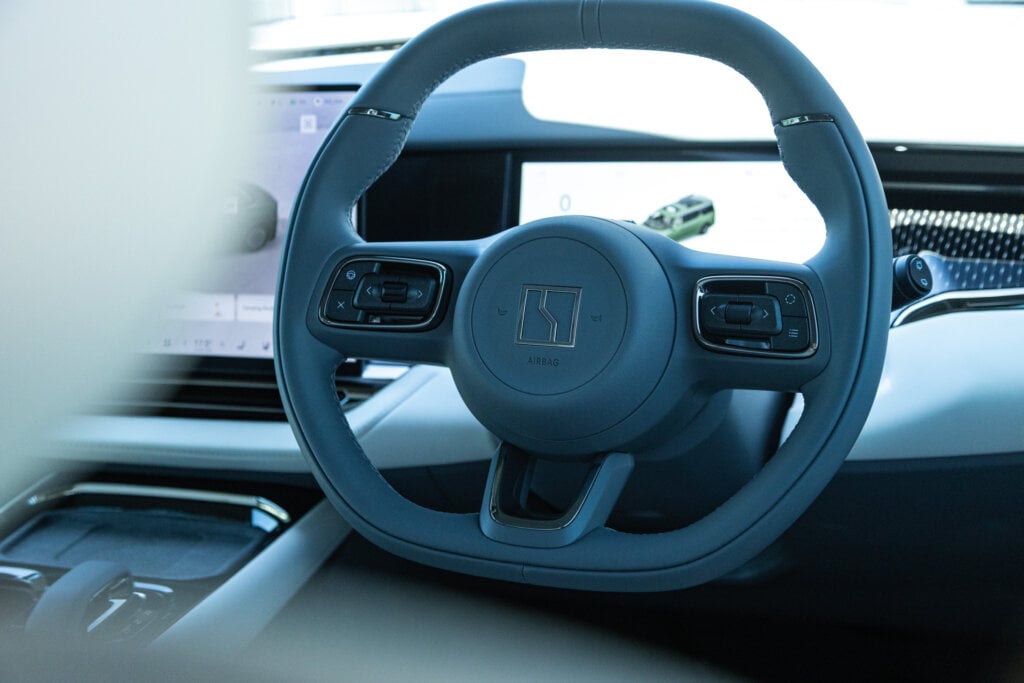
Tech-wise, it’s loaded. The front features a 15-inch OLED screen and a massive 35.95-inch AR Head-Up Display that projects navigation and speed clearly onto the windscreen. However, we did encounter some software gremlins. Apple CarPlay crashed a couple of times during our test, and the implementation feels a bit tacked-on compared to the native system.
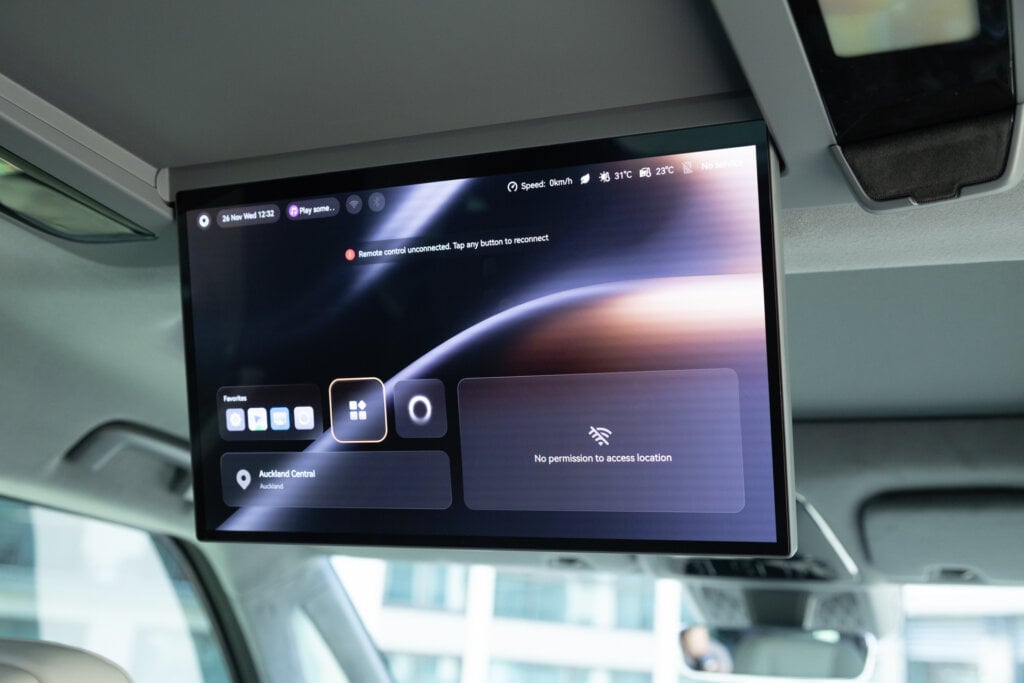
Regarding connectivity, our pre-production test vehicles were without a cellular connection, meaning we had to tether via our phones to stream content. However, Zeekr assures us that customer cars will arrive with full connectivity enabled. This will also unlock the Zeekr App, allowing owners to remotely control climate, locks, and check charging status, a must-have feature for a vehicle of this calibre.
The Drive
Driving something this size through a narrow suburban street is initially daunting. It feels big, really big, and squeezing into tight Auckland car parks requires a deep breath. Thankfully, the 360-degree camera system is superb, offering high-res views from every angle that make manoeuvring the beast manageable.
Once you’re out on the open road, the 009 defies physics. With 450kW and 693Nm on tap, it hits 100km/h in 4.5 seconds. It doesn’t feel “sports car” fast due to the sheer mass, but the surge of torque is relentless. It gathers speed with the inevitability of an avalanche.
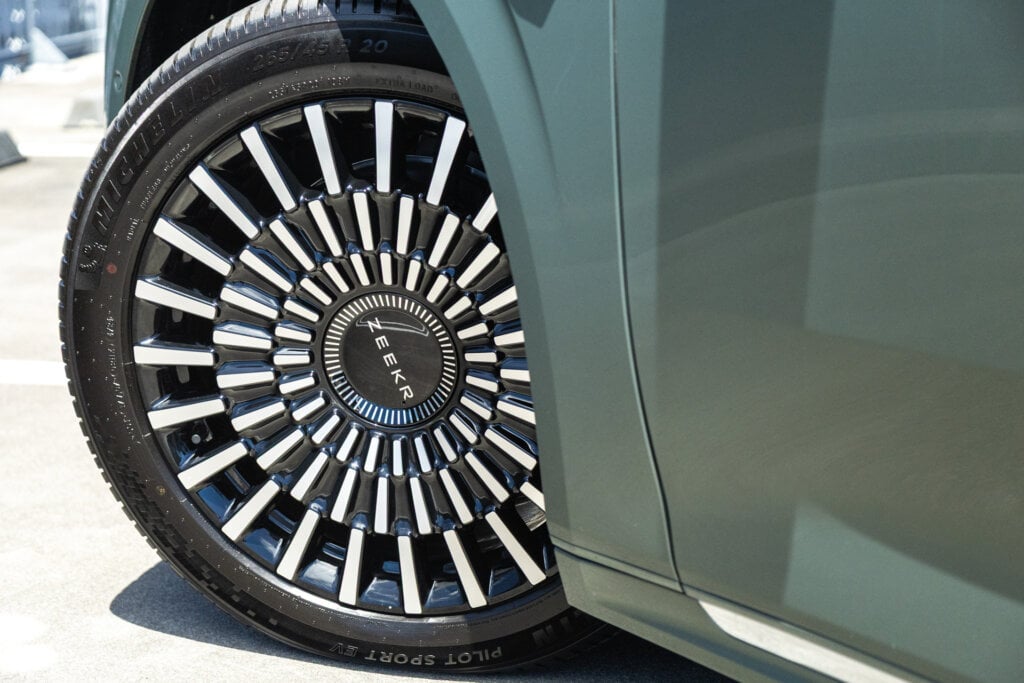
The air suspension (or “Magic Carpet” as Zeekr calls it) is the star of the show. It isolates the cabin from the road surface almost entirely. It does wallow a bit in corners (you can’t hide 2.9 tonnes of physics), but it stays surprisingly flat for a bus. It’s certainly more composed than a softly sprung SUV, though perhaps lacks the engagement of something like a Ford Transit (yes, really).
Efficiency was the biggest surprise. We expected it to guzzle electrons, but we averaged around 23kWh/100km. Given the massive 116kWh battery, that equates to a real-world range of around 450-500km (against a WLTP claim of 582km). That’s Auckland to Wellington with one quick stop, which is remarkable for a rolling lounge room.
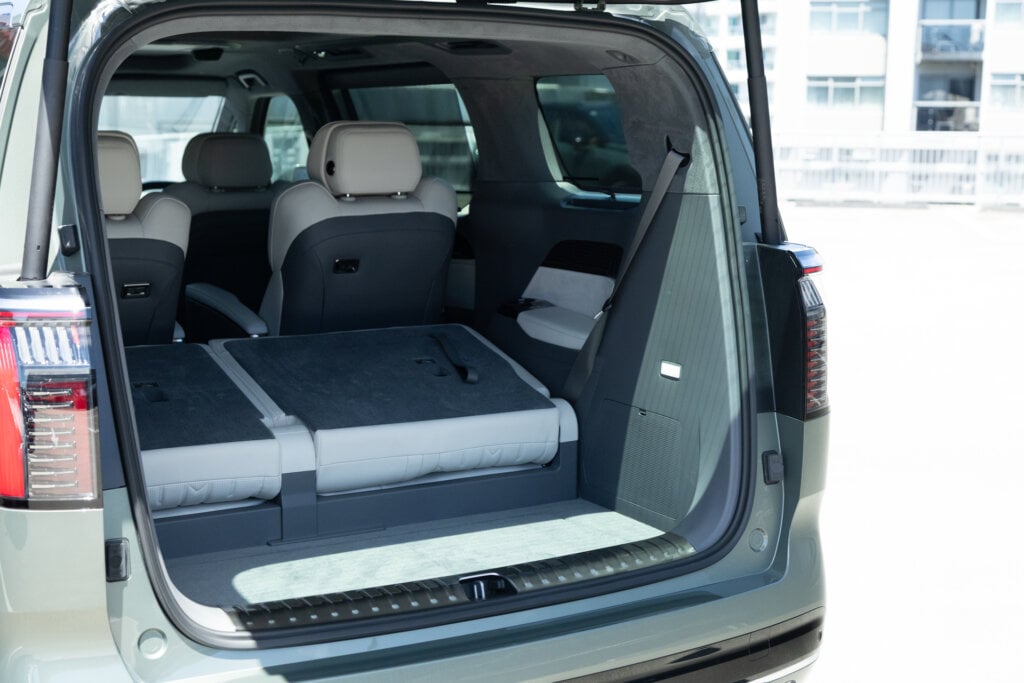
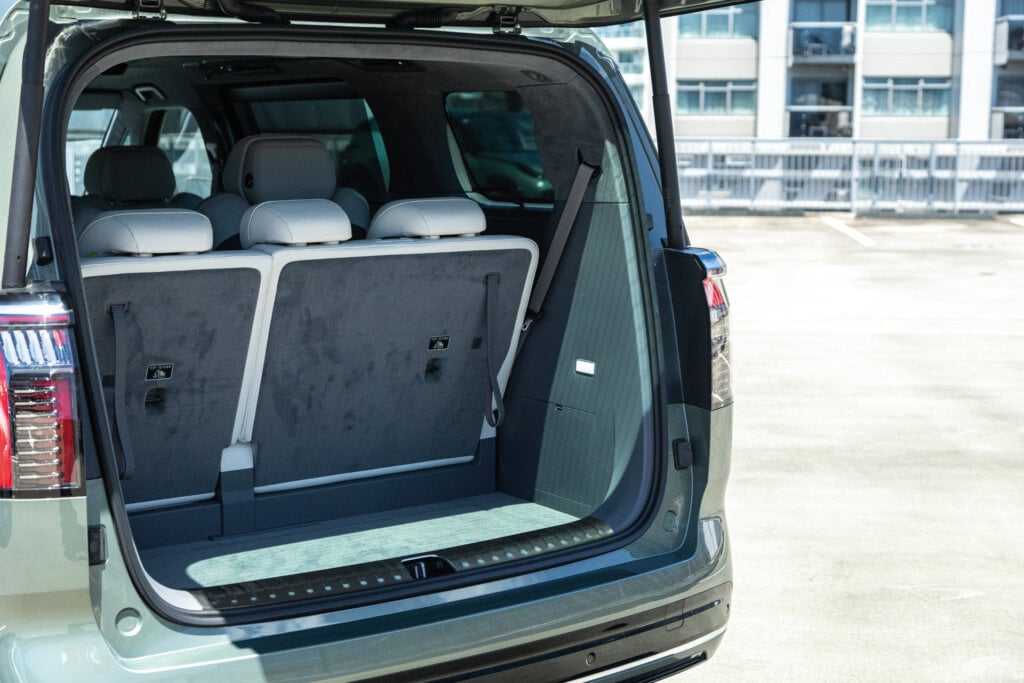
For those planning to haul more than just people, the 009 offers a massive 574L boot even with all seats up, expanding to nearly 3000L if you turn it into a cargo van. Towing capacity is rated at 750kg, which might not pull a horse float, but is sufficient for a small garden trailer or jet ski.
The only real dynamic letdown was the driver assistance. The lane-centering system felt “nervous” at low speeds, constantly making micro-corrections that made the car feel like it was sawing at the wheel. We turned it off in traffic, which is a shame as that’s where you want it most. At highway speeds, however, it settled down and proved a capable cruiser.
Verdict
The Zeekr 009 is a niche product, but it executes its brief brilliantly. It offers a level of passenger comfort that traditional luxury sedans simply cannot match, for significantly less money. If you value space and serenity over badge heritage, this is the new benchmark.
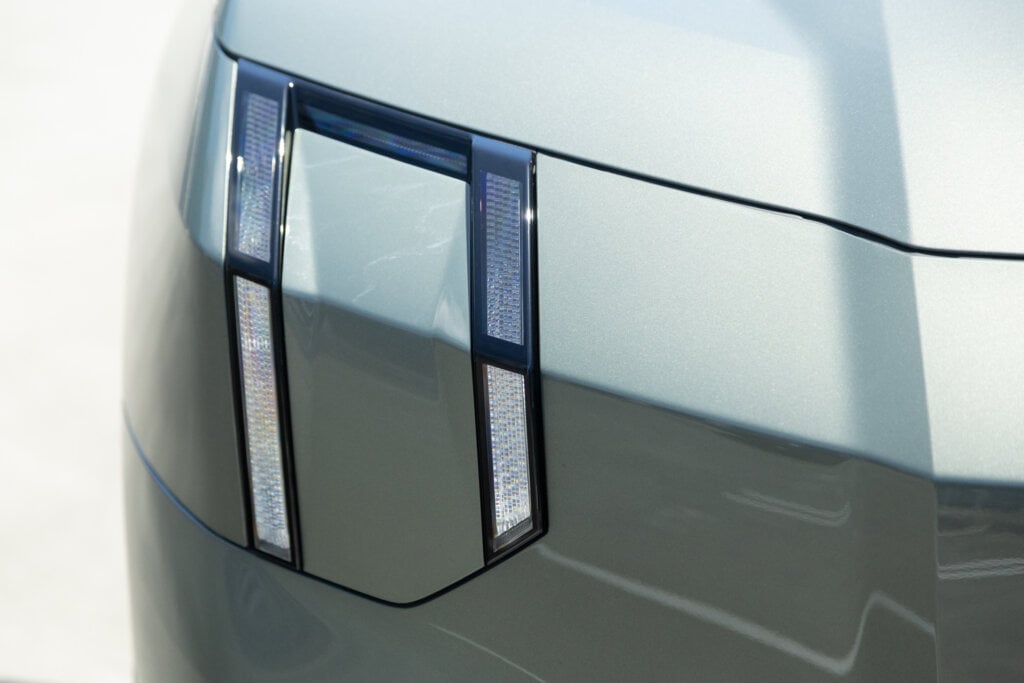
Zeekr 009 AWD
$149,990 / 22.2kWh/100km / 0g/km
0-100 km/h 4.5s
Motor output 450kW
Max torque 693Nm
Range 582km
Weight (claimed) 2970kg
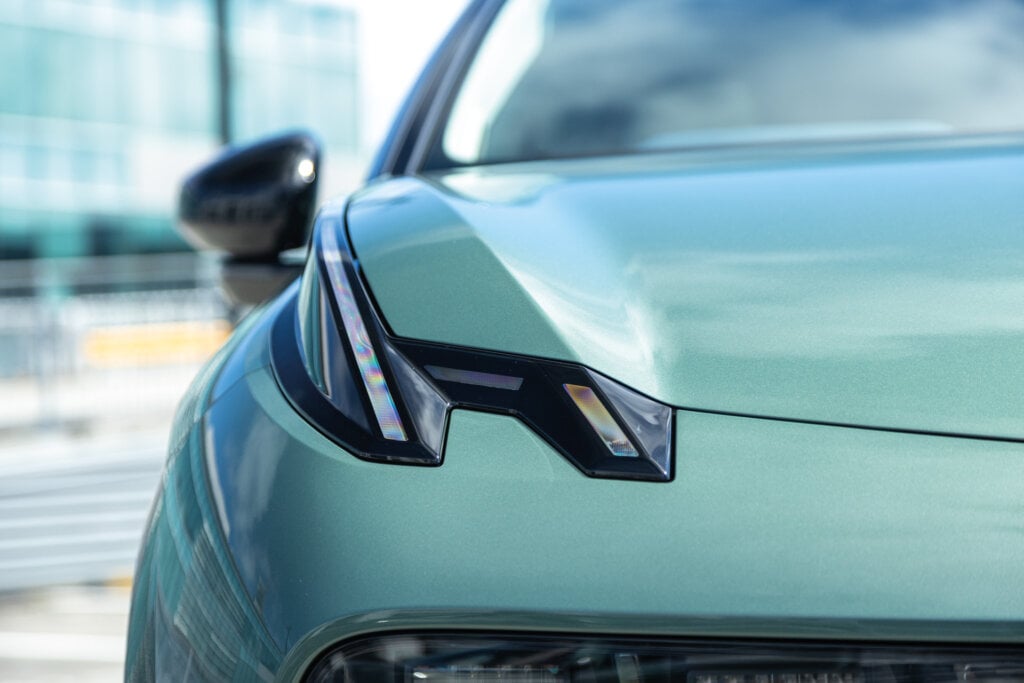
Zeekr X AWD
$69,990 / 17.2kWh/100km / 0g/km
0-100 km/h 3.8s
Motor output 315kW
Max torque 543Nm
Range 440km
Weight (claimed) 2035kg