View all
11 more images
2025 Audi Q5 TFSI quattro S line vs BMW X3 20 xDrive M Sport Review
Words: Kyle Cassidy | Photos: Alex Schultz
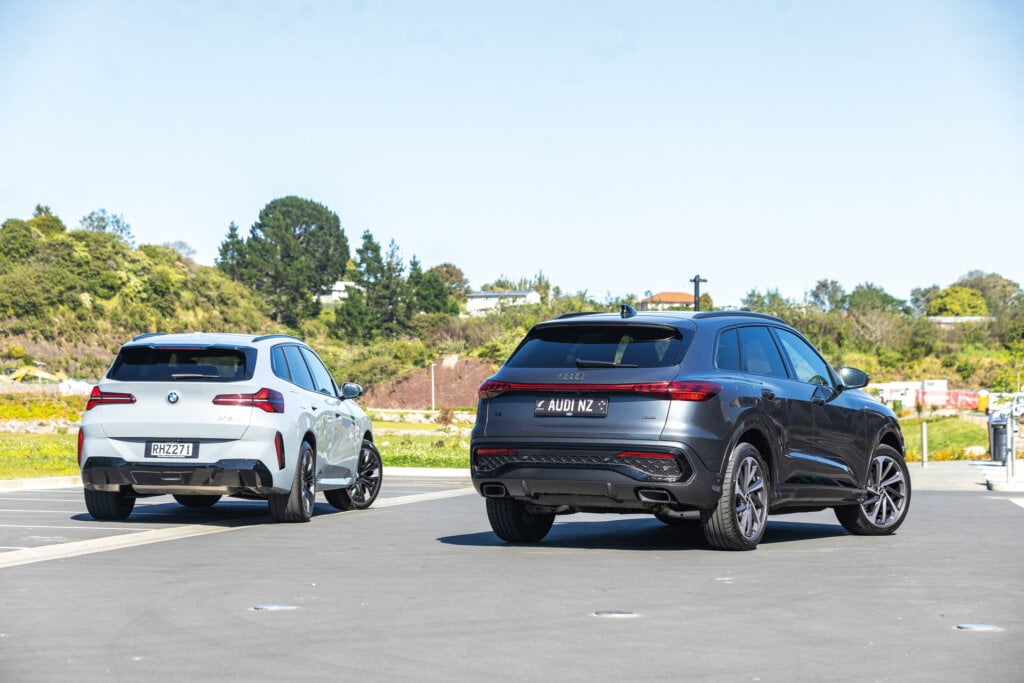
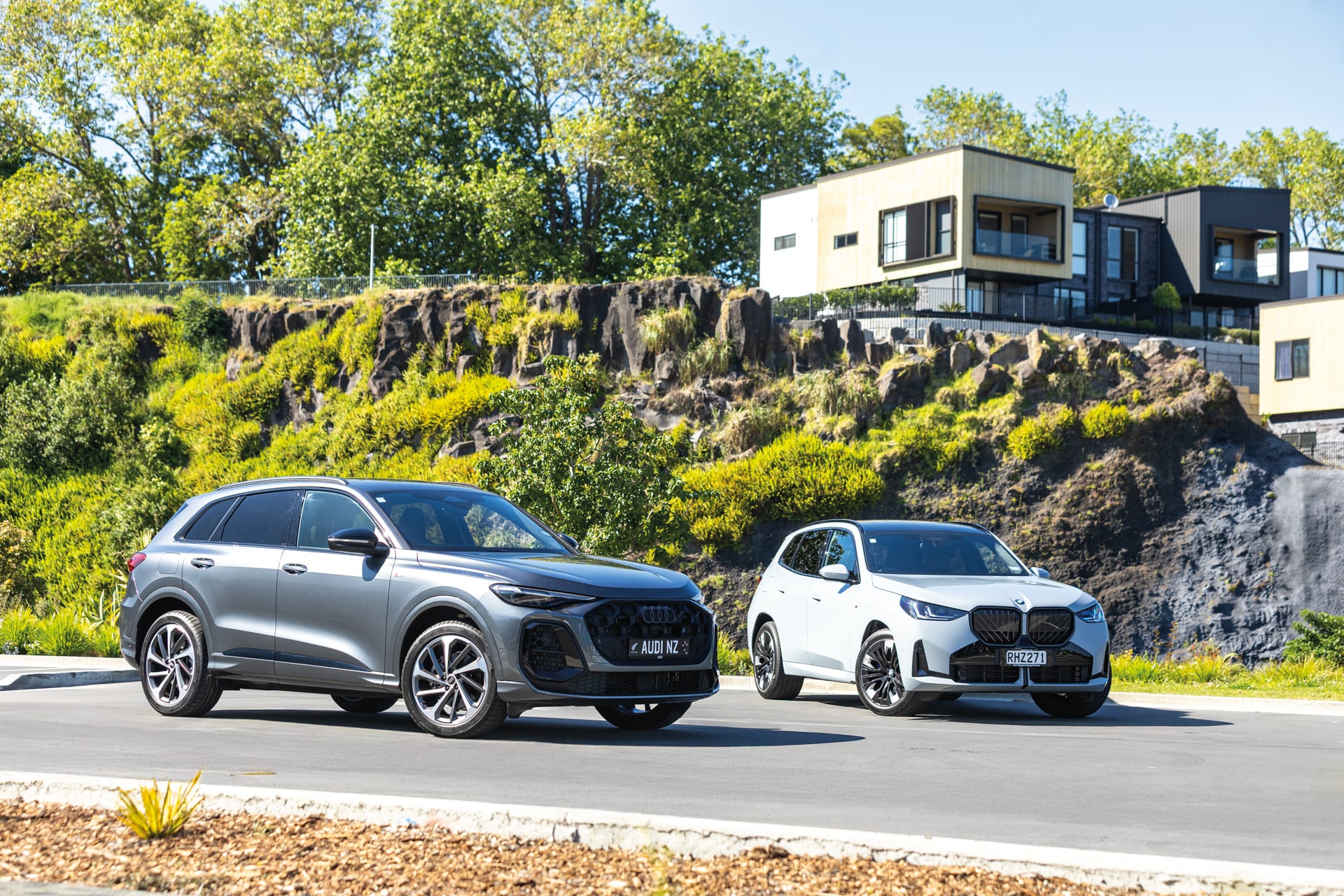
BMW and Audi compete in all the key market segments, none perhaps more vital than the ‘medium SUV’ battle ground. The Q5 has recently been updated, and here we compare it with the X3.
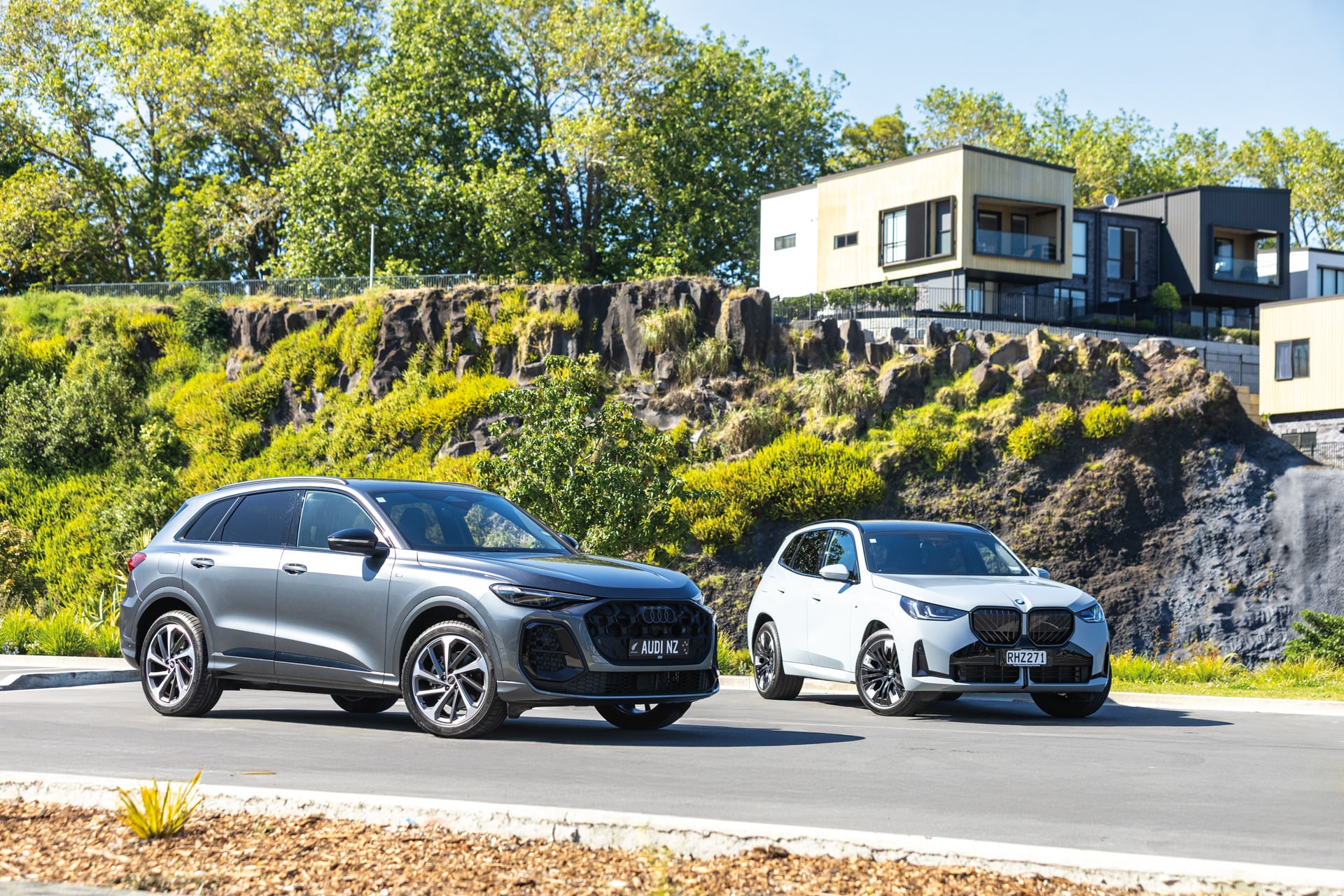
The mid-size SUV is a dominant force, often a manufacturer’s best selling model the world over. And so there is choice aplenty, even for those with more money to splash on something a little more premium. It’s been ages since an A4 (or A5 is it’s known now) or a 3 Series was the best selling model for either Audi or BMW as buyers turn their sights on the likes of the X3 and Q5 instead. These two are fresh in their model cycles, and being direct rivals, match up evenly on many aspects. But which is better?
Audi Q5 and BMW X3 – Evenly matched
Audi’s latest Q5 is a recent arrival, the entry level TFSI S line kicking off at $111,990. That’s for the 2.0 quattro with the sporty styling treatment. The only other option is the $150k SQ5, though we’d imagine the PHEV might be along soon. This 20 xDrive is the entry point to the X3 range, starting at $97,900, which is a handy advantage, allowing BMW buyers to tick up a few options. This one had the Enhancement and M sport packages, and few others, taking it to $112k. The Audi was fitted with $17k of options, though we’d forgo the $4k glass roof and you could live without the $6k MMI experience pro (head up display, more powerful USB chargers and the B&O sounds). Either way, the BMW enjoys a price advantage with a similar specification, warranty and scheduled servicing.
Most of the facts and figures overlay each other. Both are 4.7m long, and mechanically similar, each running a longitudinally-mounted 2.0-litre turbopetrol assisted with a 48v mild hybrid set up. The Audi has 150kW and 340Nm, with a 18kW and 230Nm motor (or Powertrain Generator) attached to the transmission, which can add its outputs for ‘short periods’ and enables electric driving at low speeds and more engine off time. The max output of the X3 20 is 153kW and 330Nm, BMW also integrating its 48v motor with the trans, helping out (briefly) with 200Nm and 13kW. Audi uses a seven-speed dual-clutch trans, the BMW with an eight-speed auto.
Each has a variable all-wheel drive system to help deploy the power. The BMW runs a rear drive bias while the Audi’s ‘Ultra’ system is an on-demand set up, the rear’s disengaged to save energy until AWD is really necessary. The fuel use claims are 7.1L/100km for the Audi, 7.6 for the BMW, while the 0-100 time is 7.2s for the Audi, 7.8s for the BMW.
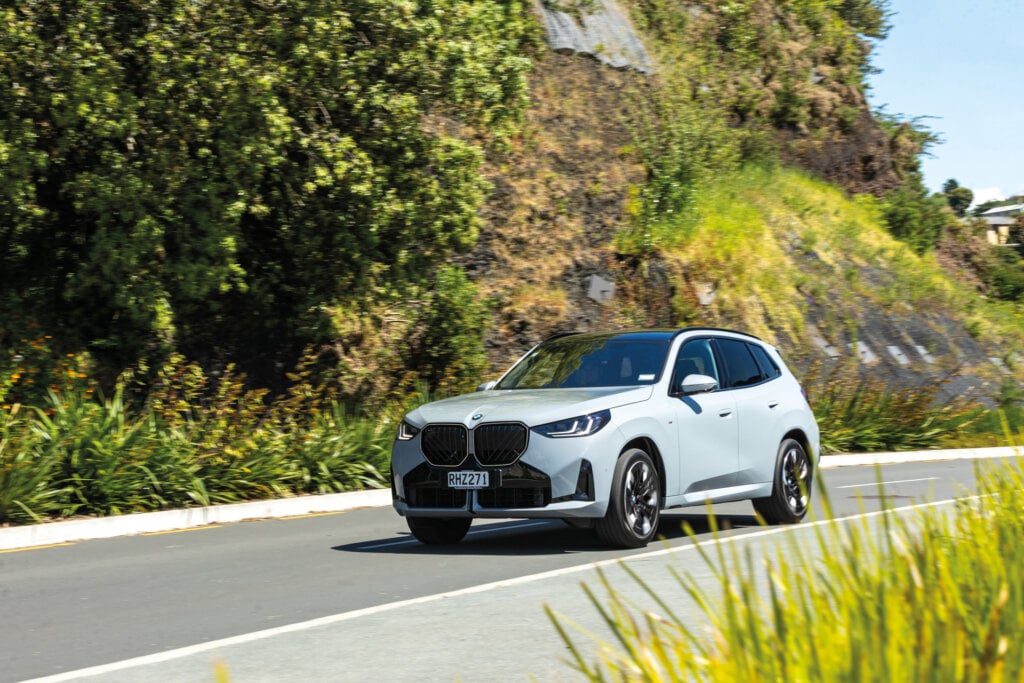
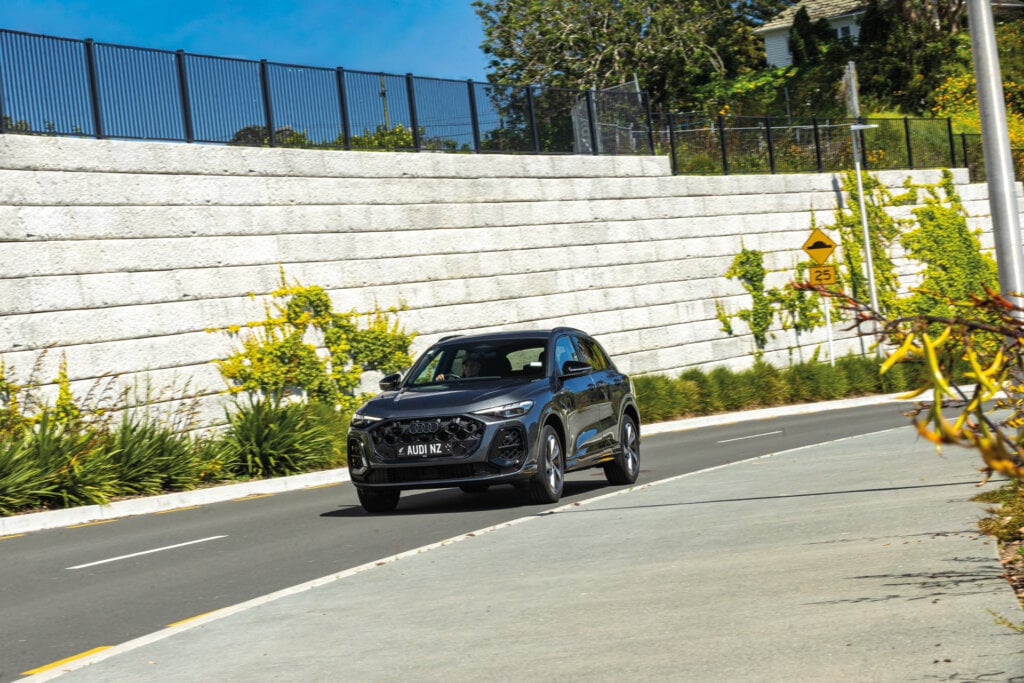
Styled for different tastes
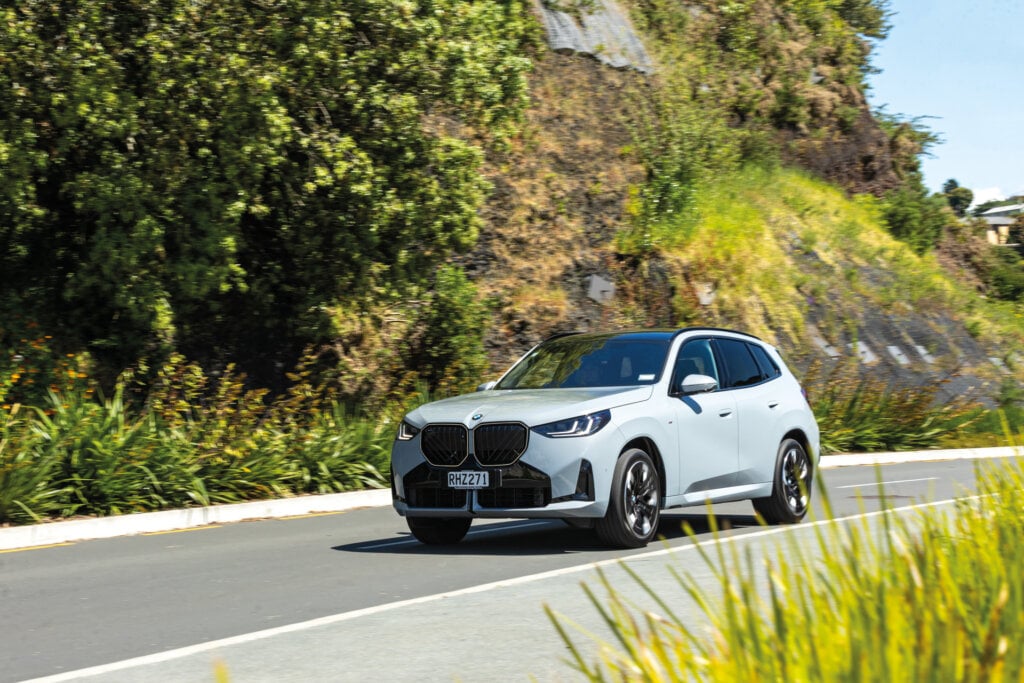
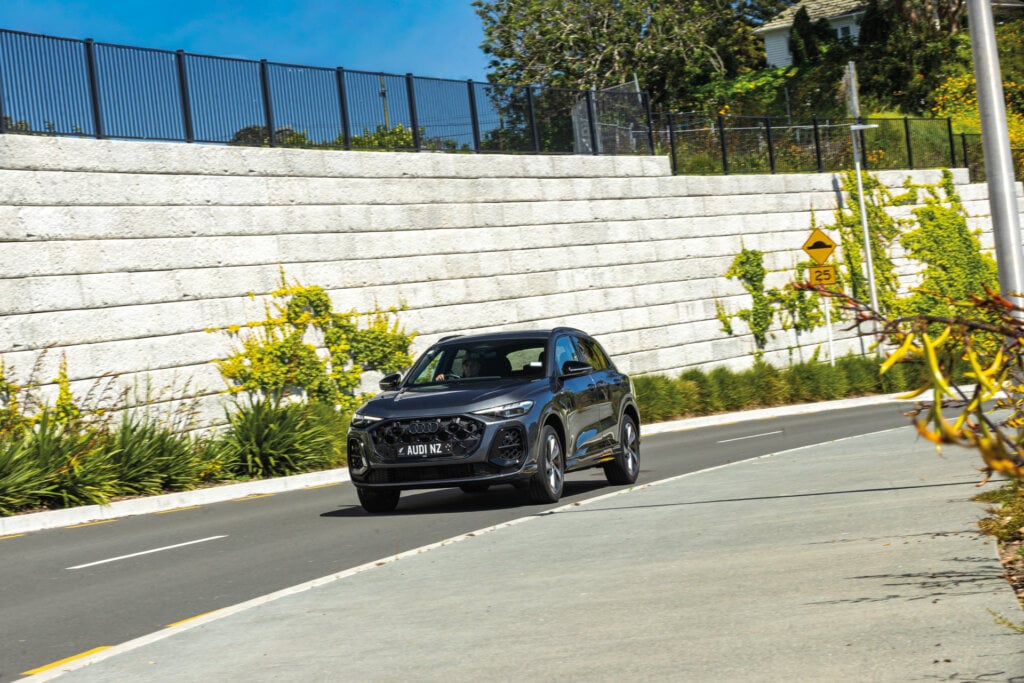
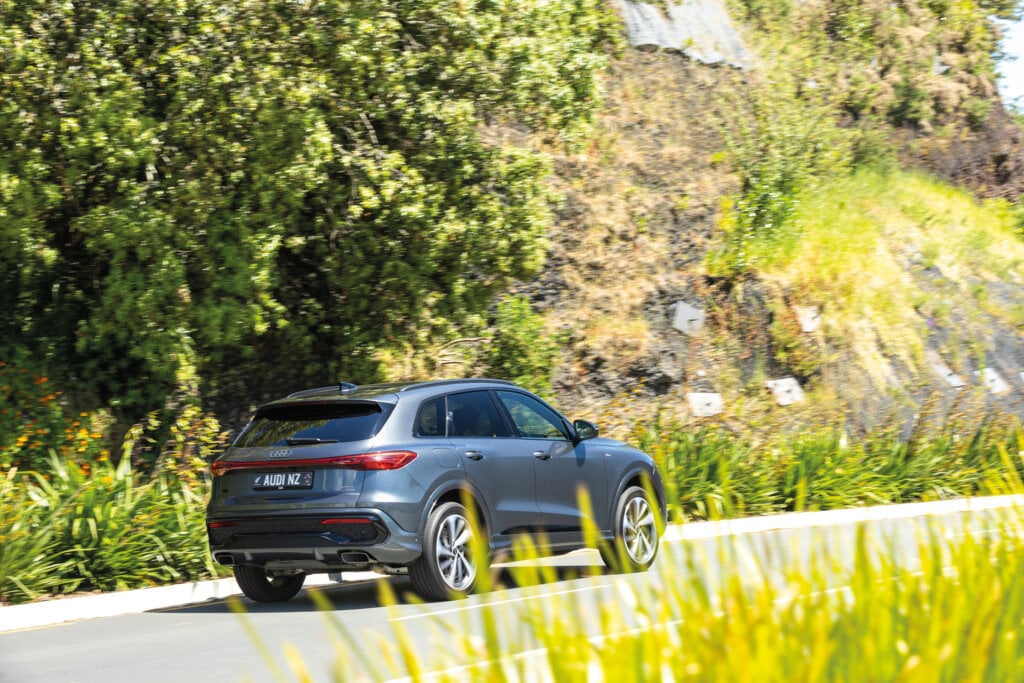
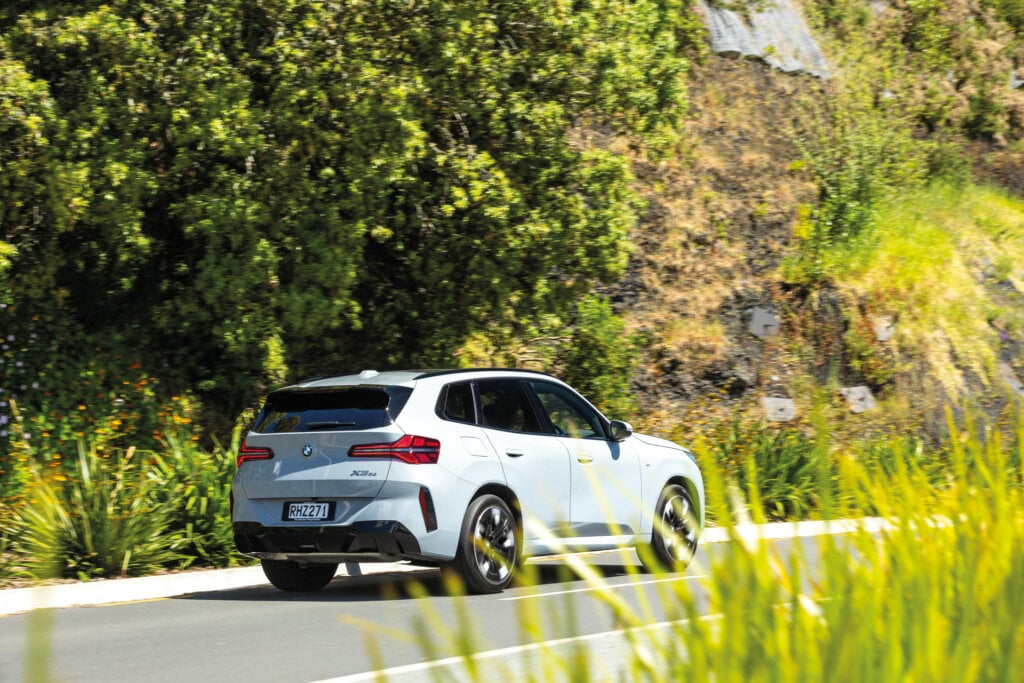
The X3 has the more arresting presence, especially front on; that big grille is something. Overall the Audi Q5 is more conservative, but not boringly so.
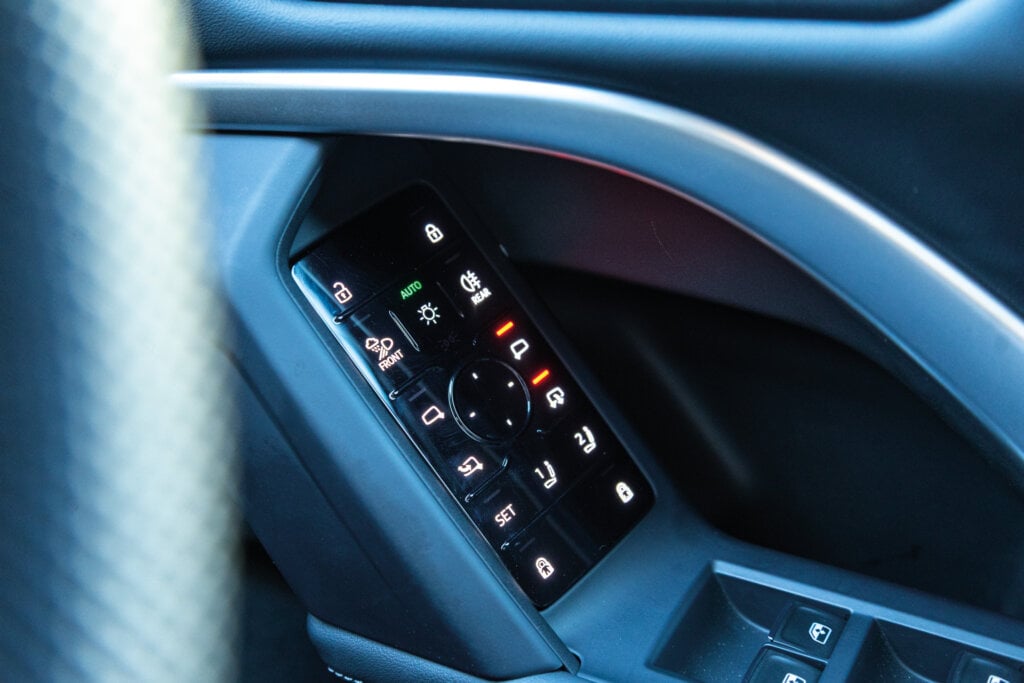
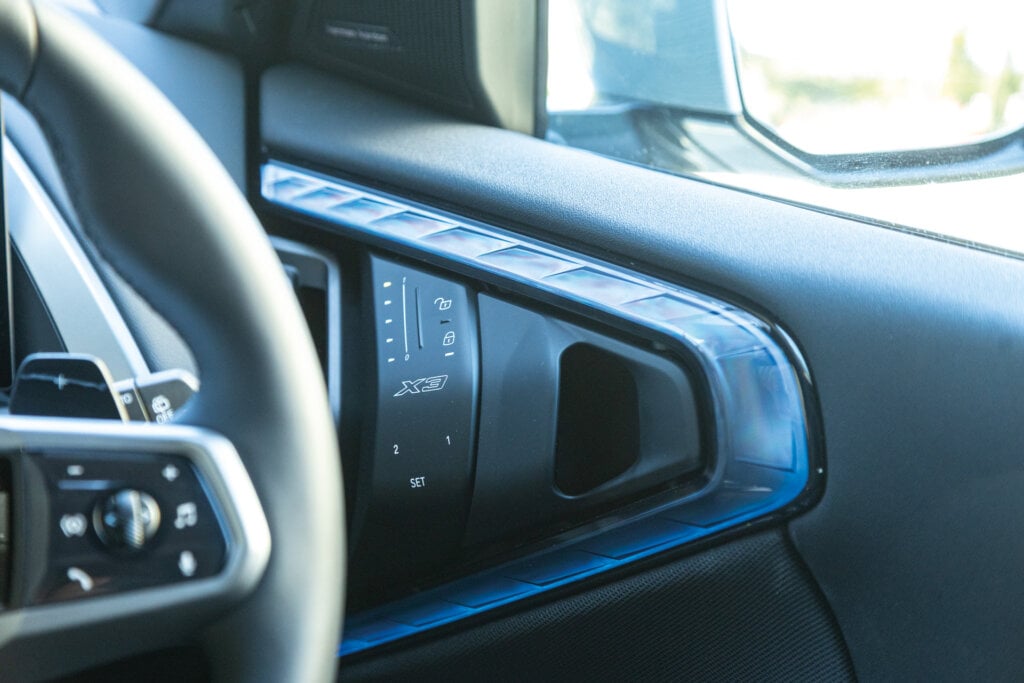
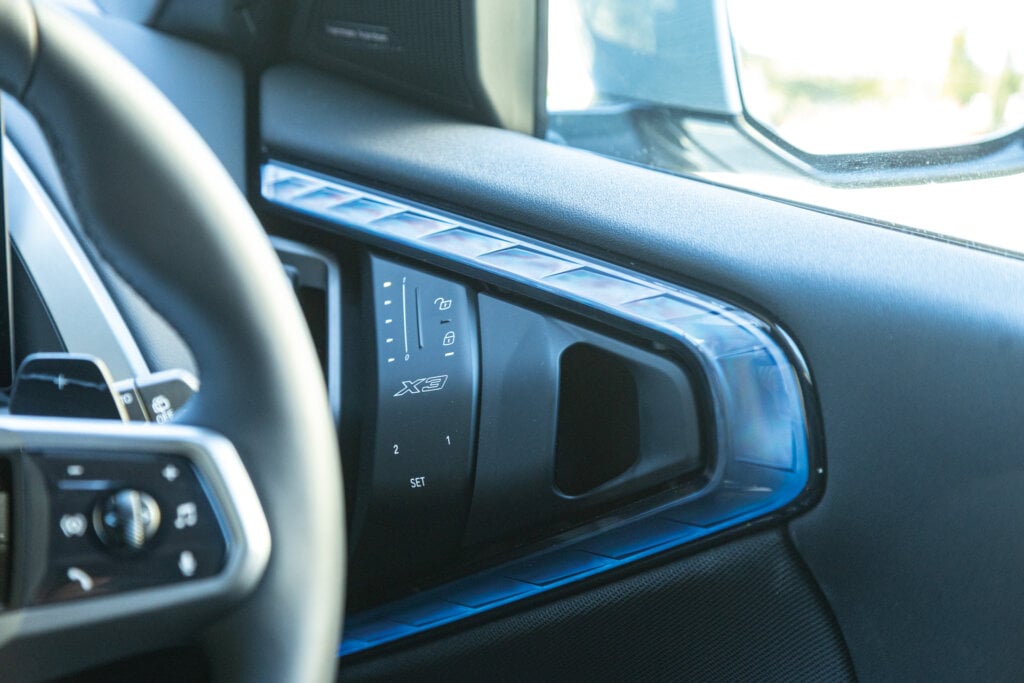
Like the exterior styling, the BMW sports more of an edge to its interior design ethos. Both have the usual big screen set up, the BMW’s more configurable (including its mood madness) and some fairly gaudy ambient lighting. Both could do with more luxuriously-lined surfaces to help make up for the abundance of plastics about. It would help raise the ambience/justify the ask, especially as mass market players get ever more sophisticated and better made. The X3 needs a knee pad on the edge of its centre console, and its door pockets are unlined while Audi needs to pare back the use of piano black plastic.
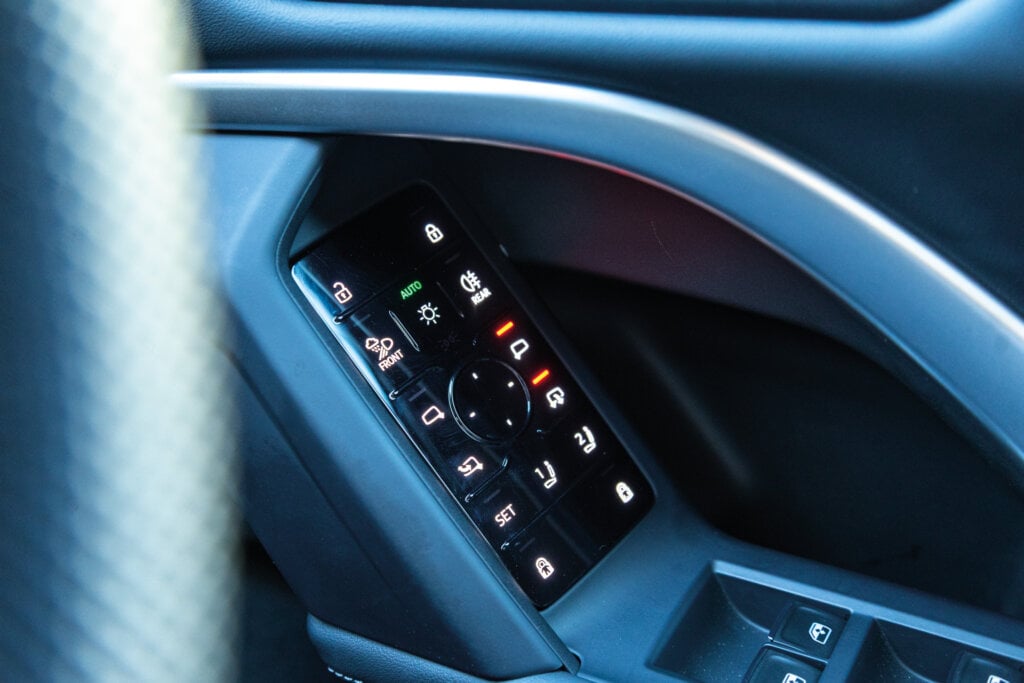
Both would benefit from real buttons for the air con, and bigger vents (the BMW’s system is noisy). The gear selector switch is placed on the console in both, while BMW sites the power up button there too for convenience, and the drive mode switch. You might find the seats a little more comfy in the Audi, well a little broader maybe, though both tend to toward firm. There’s more adjustment at the wheel of the BMW. The Audi’s touch buttons on the wheel look swish but aren’t as easy to use as the BMW’s.
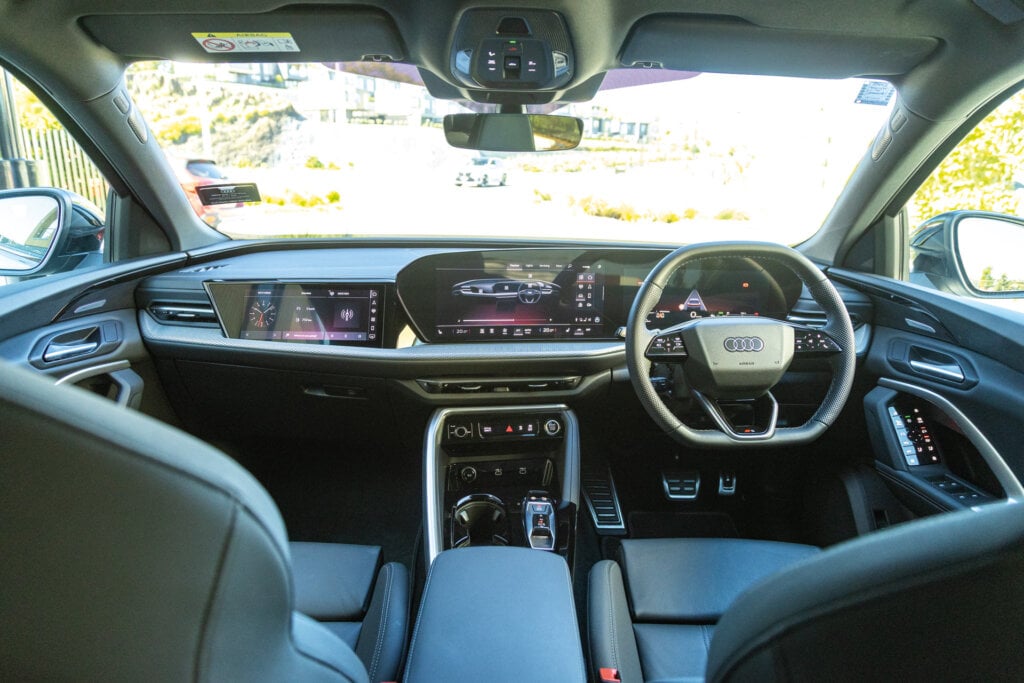
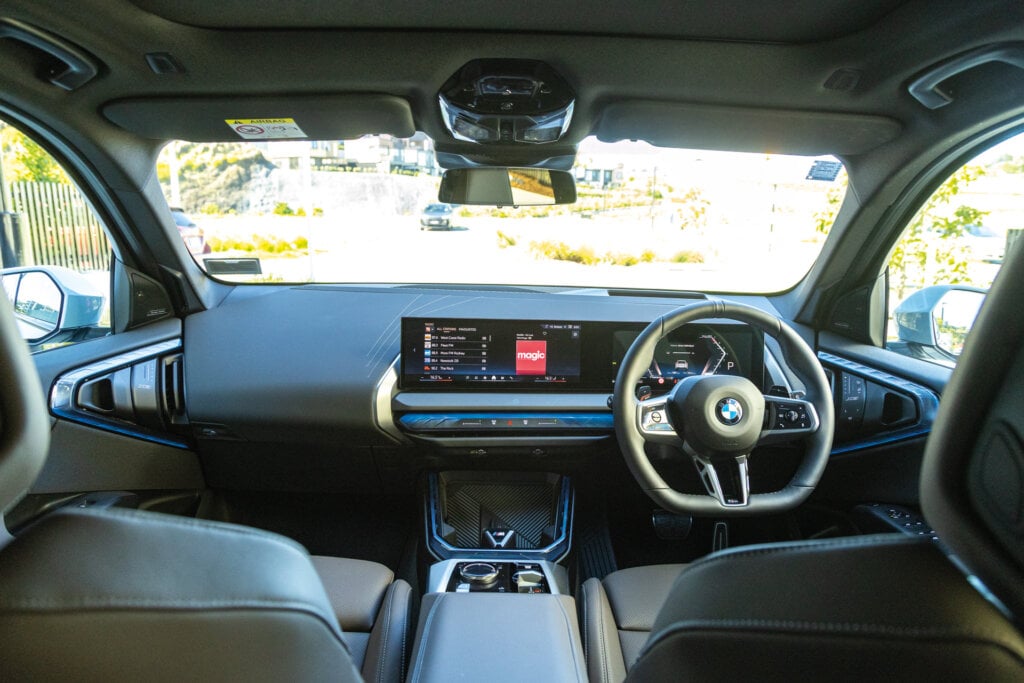
The device chargers and cup holders are in easy reach, while BMW persists with its iDrive controller on the console. But it’s easier to either poke away directly at the screen or use the voice assistant, which is pretty sharp these days. It can be preferable to delving into the menus, some of which are filled with countless/pointless widgets. The Q5’s system takes just a moment too long to swap between menus, but otherwise is logically arranged. Audi adds a third screen to the dash which also adds to the reflections in the cabin and is another surface smeared with finger prints.
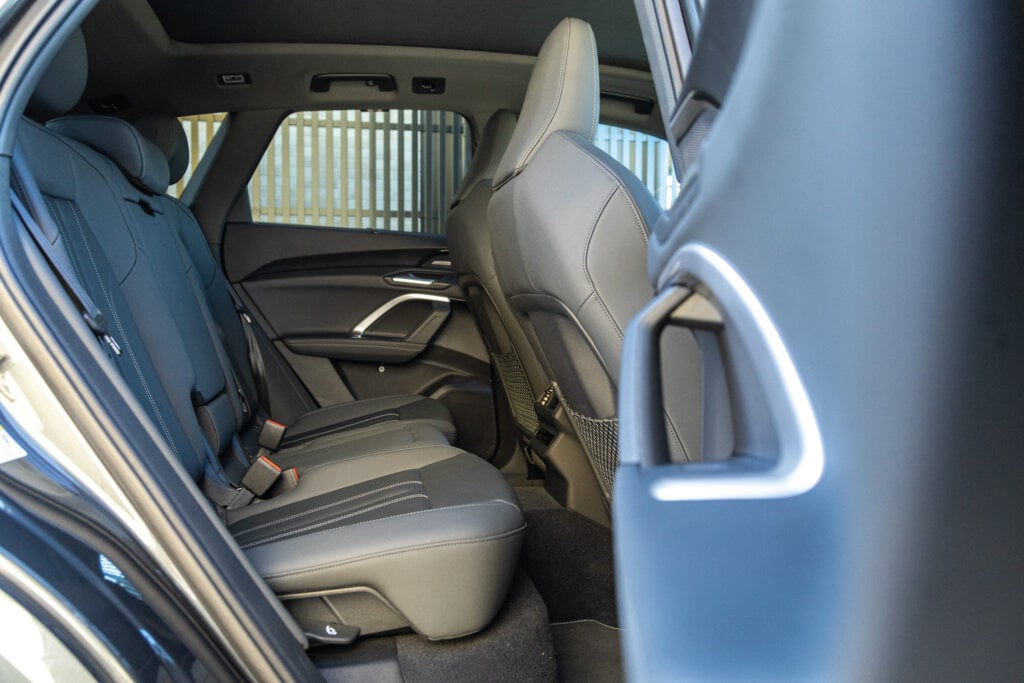
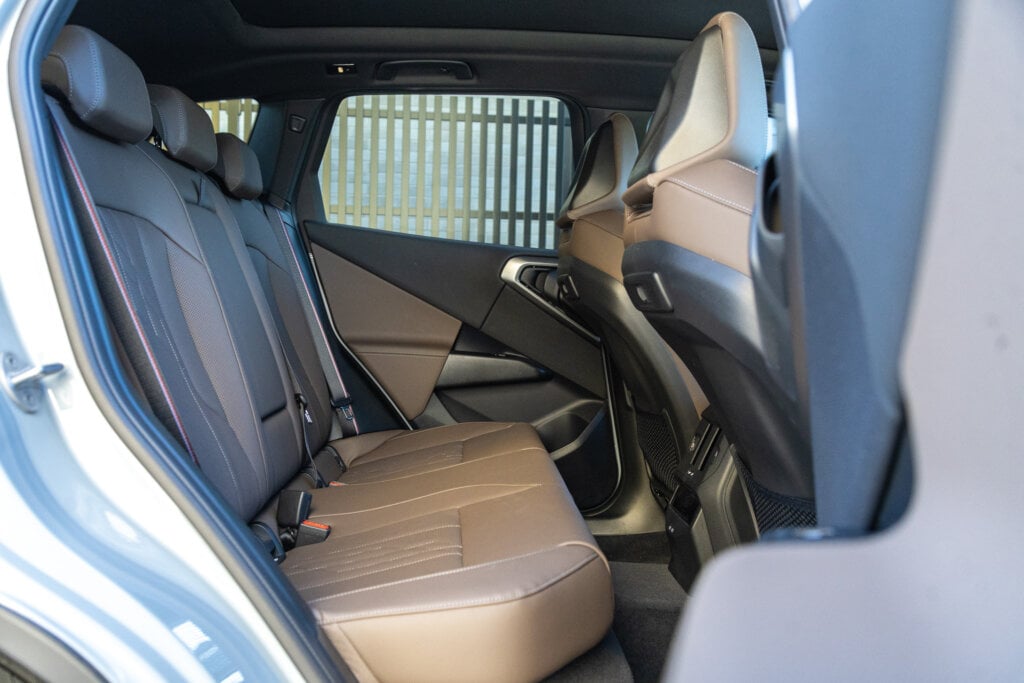
Rear seat passengers will find a relatively easy entry into both, and adequate rather than generous space for a pair of adults. Even three kids is a bit of a squeeze thanks to sizable transmission humps that foul foot space for the middle passenger. There’s perhaps a smidge more room in the BMW, while both have a pair of USB ports and air con controls. Audi’s bench is on a slider should you want a little more room in the boot and less leg space for passengers.
Access to the holds is via a powered tailgate, and they are all but equal in terms of length, width and height. And the volume provided is more than adequate for the task. Adding extra space is easier in the Audi thanks to remote levers while both have a 40-20-40 split folding mechanism, and each presents a reasonably flattish load length. The BMW has a temporary spare wheel, the Audi Q5 does not. Both can be optioned with a disappearing tow hitch, a $3k option for the Audi and $2600 on the BMW, both rated to a 2400kg braked.
Which drives better?
Town and around, the Audi is a tad more refined, the ride better at isolating noise and bumps. While the BMW isn’t hard riding, it’s more controlling, transmitting more road noise too. Each has a breezy steering weighting, the Audi with a slightly more abbreviated turning circle. And outward visibility is good, backed with decent cameras with surround views and self parking features.
With 48v assistance, neither suffers from turbolag down low, though the take up is more direct with the BMW’s auto; the Audi’s twin-clutch can slur when pulling away. However, neither feels underdone, with sufficient torque for the job. The Q5’s powertrain is more proactive at shutting the engine off at lower speeds and under light throttle applications, relying more on the motor. However, the way the system refires the engine isn’t always as seamless as you’d hope, occasionally creating a lag in response. As to fuel use, the BMW returned 8.7L/100km on test, the Audi 8.6.
Between them they have all the safety features and driver aids. None of them are annoying, all well trained. The Audi’s lane keeping can nudge you around on highways, but only once you’re right on the line, so it’s doing its intended job. The BMW’s assisted drive is handy on the motorway and some highways, keeping you centred in the lane, a feature the Audi lacks. Although the distance it keeps to the car in front is often too big, even set on its closest setting.
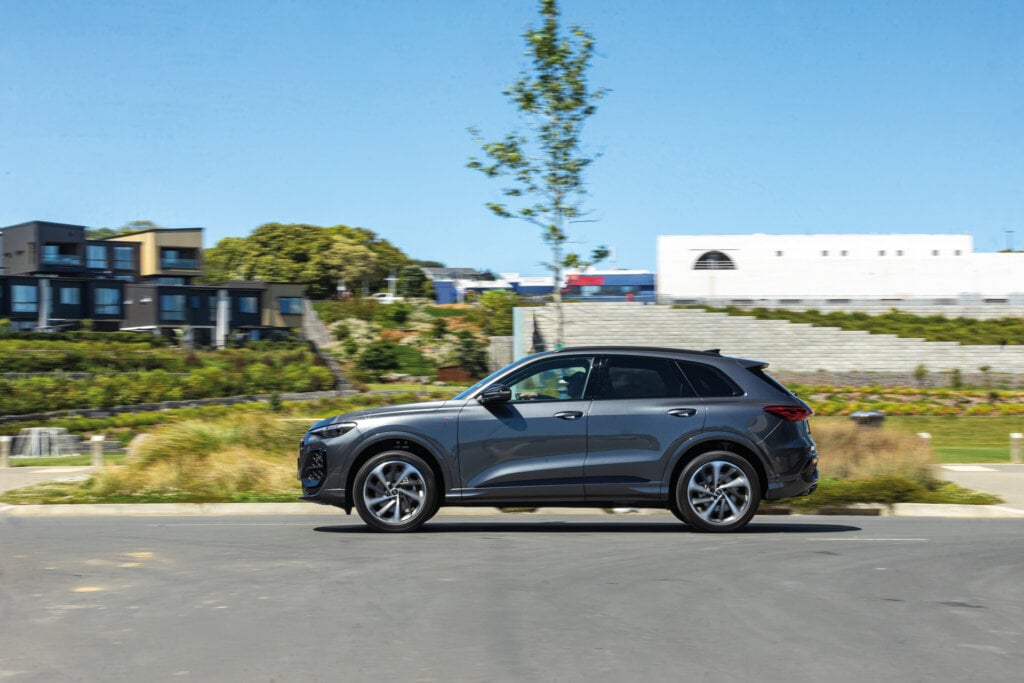
The new Q5 is a more dynamic machine than the previous model. It flows better, the turn-in crisp and is less interested in understeer. However, up against the X3, it’s out-pointed, though not soundly beaten. The BMW has more sensitive steering with a more fluid assistance. Both react accordingly in their Dynamic/Sport mode, the BMW adding extra control as its adaptive dampers stiffen. Yet it rounds the bends up well in normal mode too. It has the better balance in the turn, its rear torque bias helping it ace the exit. The Audi Q5 manages to keep a neutral feel through the curves, but feels like it relies more on brake nipping than the BMW to stave off understeer.
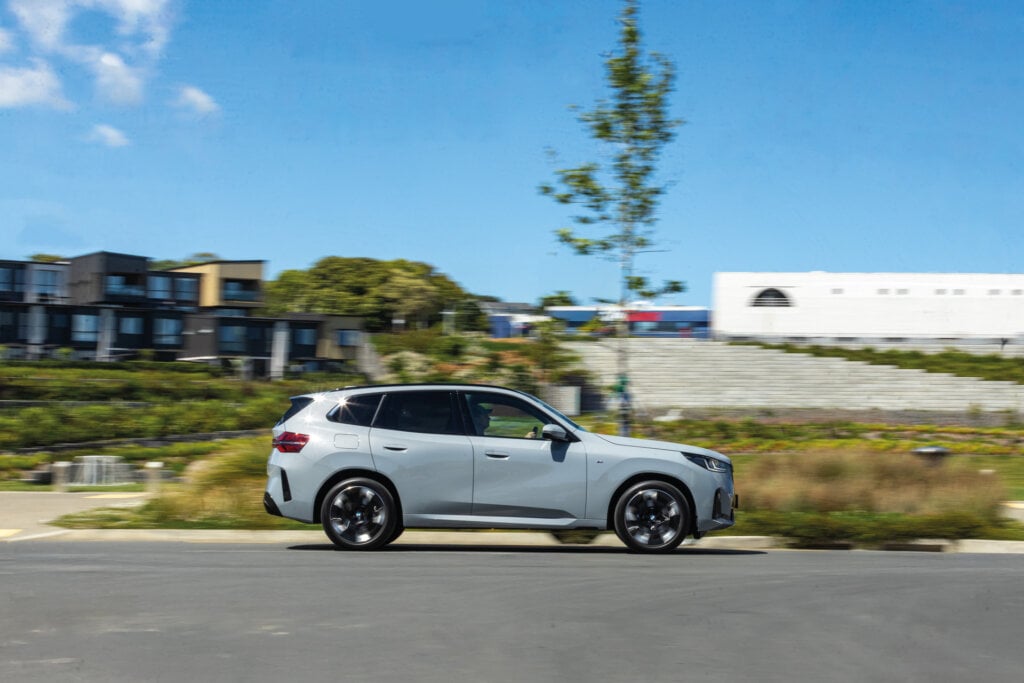
The BMW feels to have more energy to its mid-range, revs faster and you hear its four more. The transmissions are pretty even in terms of gear selection, making sure you’re in the right one without having to bother the paddles. In the BMW, if you want another layer of driver involvement, you can tap DSC Sport Plus, which gives both ends a little bit more breathing room to have a bit of fun with.
So the BMW then?
Well, if you can live with the styling both inside and out, it’s a sound package, and cheaper. Yet the Audi Q5 is not completely bested, matching the X3 in most regards. And you might just like that it’s a little more refined with more likeable styling.
BMW X3 20 xDrive M Sport
$97,990 / 7.6L/100km / 172g/km
0-100 km/h 7.8s
Ambient cabin noise 71.9dB@100km/h
Engine 1998cc / IL4 / T / DI
Max power 153kW@4400-6500rpm
Max torque 330Nm@1500-4000rpm
Drivetrain 8speed -auto / AWD
Front suspension Mac strut / sway bar
Rear suspension Multilink / sway bar
Turning circle 12.2m (2.2 turns)
Front brakes Ventilated discs
Rear brakes Ventilated discs
Stability systems ABS, ESP, TV
Safety AEB, ACC, BSM, LDW, RCTA, ALK, AHB
Tyre size f-255/45R20 r-285/40R20
Wheelbase 2865mm
L/W/H 4755 / 1920 / 1660mm
Track f-1636mm r-1681mm
Fuel capacity 65L
Luggage capacity 570-1700L
Tow rating 750kg (2400kg braked)
Service intervals Variable
Scheduled servicing 3yrs / unlimited km
Warranty 5yrs / 100,000km
ANCAP rating Not rated
Weight (claimed) 1855kg
Audi Q5 TFSI quattro S line
$111,990 / 7.1L/100km / 162g/km
0-100 km/h 7.2s
Ambient cabin noise 70.2dB@100km/h
Engine 1984cc / IL4 / T / DI
Max power 150kW@4300-6000rpm
Max torque 340Nm@2000-4000rpm
Drivetrain 7-speed TC / on-demand AWD
Front suspension Multilink / sway bar
Rear suspension Multilink / sway bar
Turning circle 11.9m (2.2 turns)
Front brakes Ventilated discs
Rear brakes Ventilated discs
Stability systems ABS, ESP, TV
Safety AEB, ACC, BSM, LDW, RCTA, ALK, AHB
Tyre size f/r-255/45R20
Wheelbase 2823mm
L/W/H 4717 / 1900 / 1649mm
Track f-1621mm r-1613mm
Fuel capacity 65L
Luggage capacity 520-1473L
Tow rating 750kg (2400kg braked)
Service intervals 24 months / 30,000km
Scheduled servicing 3yrs / 150,000km
Warranty 5yrs / 150,000km
ANCAP rating ★★★★★ (2025)
Weight (claimed) 1895kg