View all
9 more images
2026 DongFeng Vigo Review
Words: Richard Edwards | Photos: Alex Schultz
The Dongfeng Vigo lands with an impressive price tag, a versatile interior concept and a few surprise and delight features. Is it a genuine contender?
It’s a city car. It’s a camper van. It’s got an external speaker so you can yell at people from inside. The Dongfeng Vigo is trying to be a lot of things at once, and the remarkable part is how many of them it pulls off.
Starting at $37,990 on a launch special (rising to $39,990 once that expires, both plus on-road costs), the Vigo is the cheapest electric SUV on sale in New Zealand. But Dongfeng isn’t content with just being affordable. They want you to go camping in it, sleep in it, blast tunes from an external speaker while you watch the sunset. It’s a lot of ambition for not a lot of money, and after a few days living with it, most of that ambition actually lands.
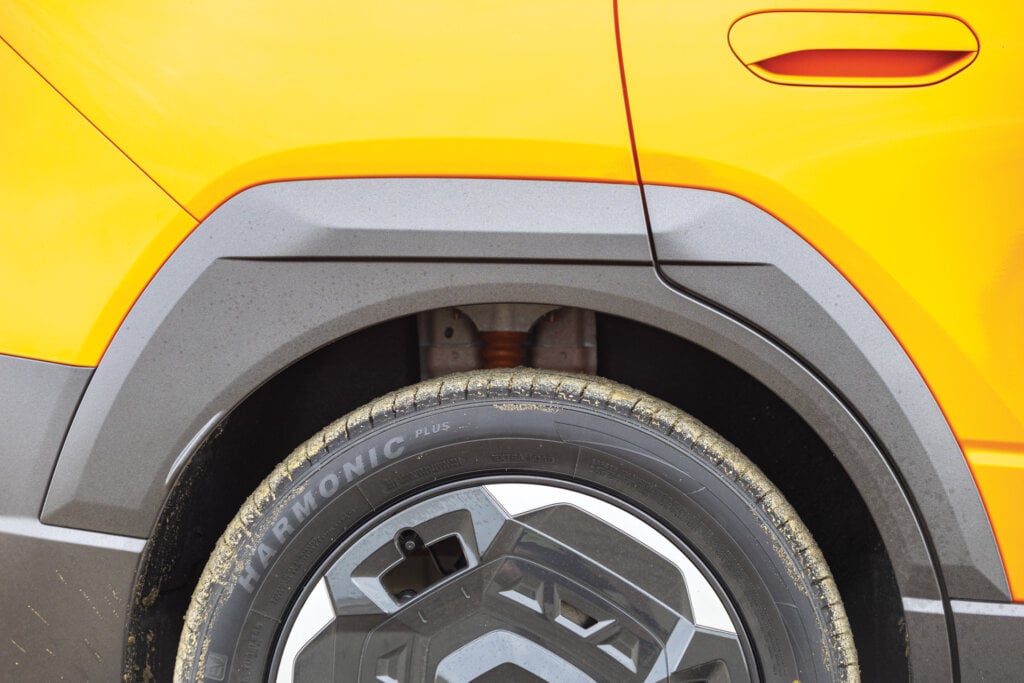
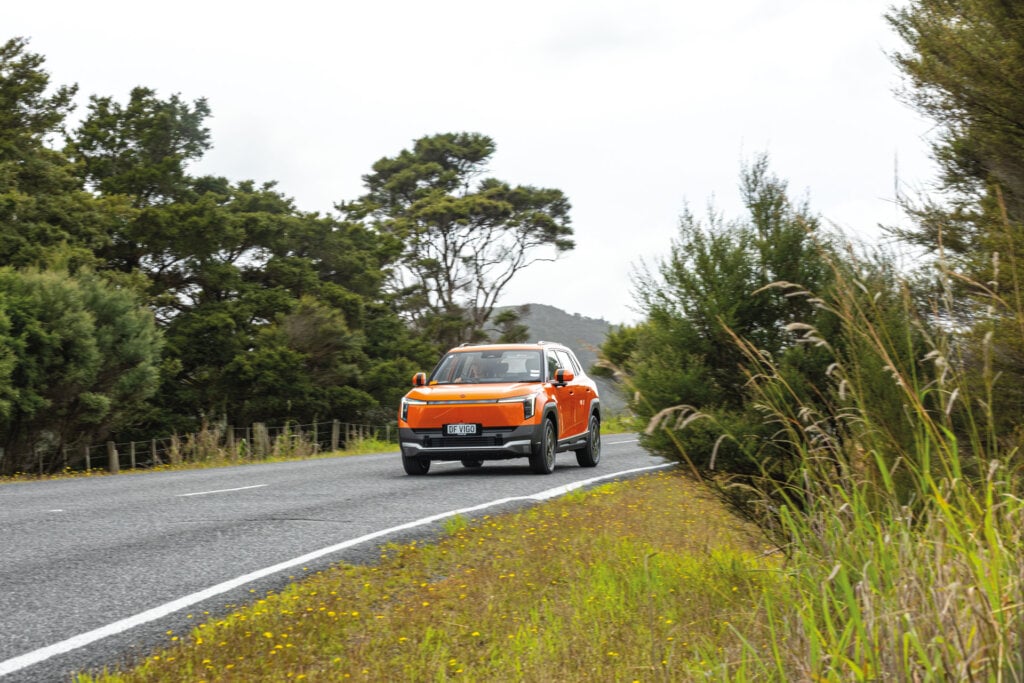
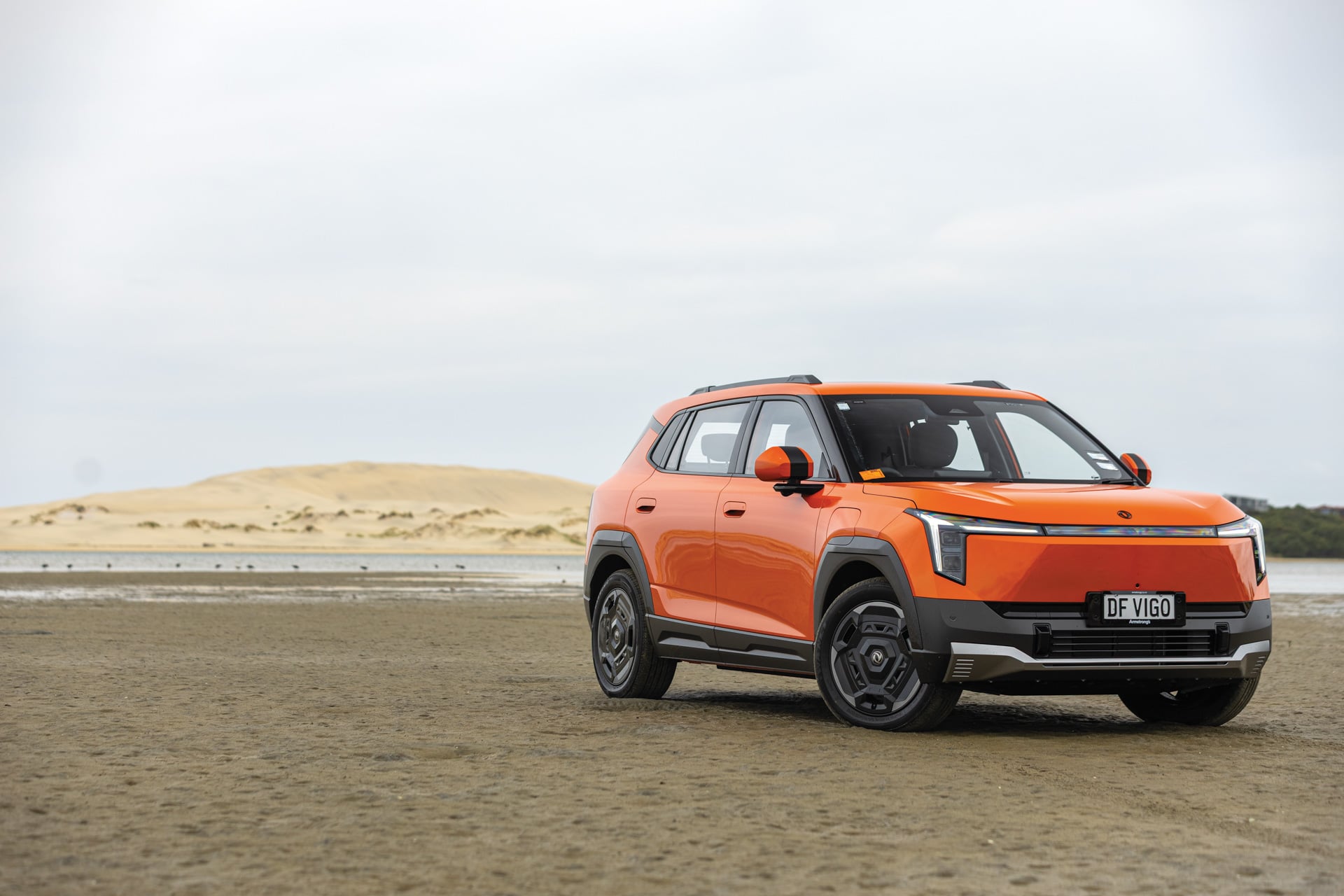
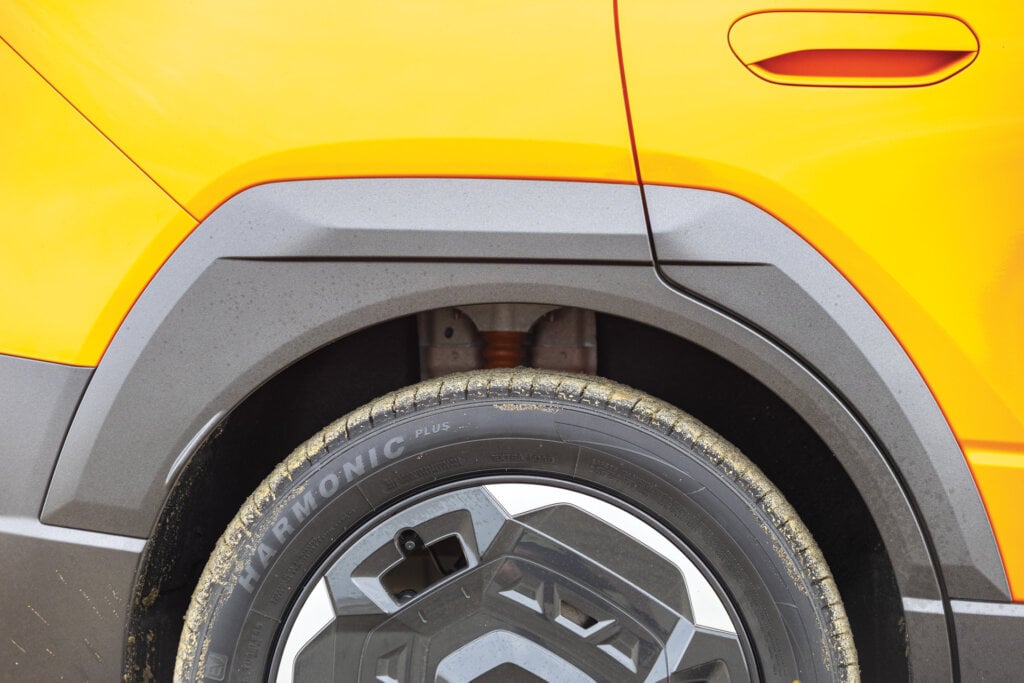
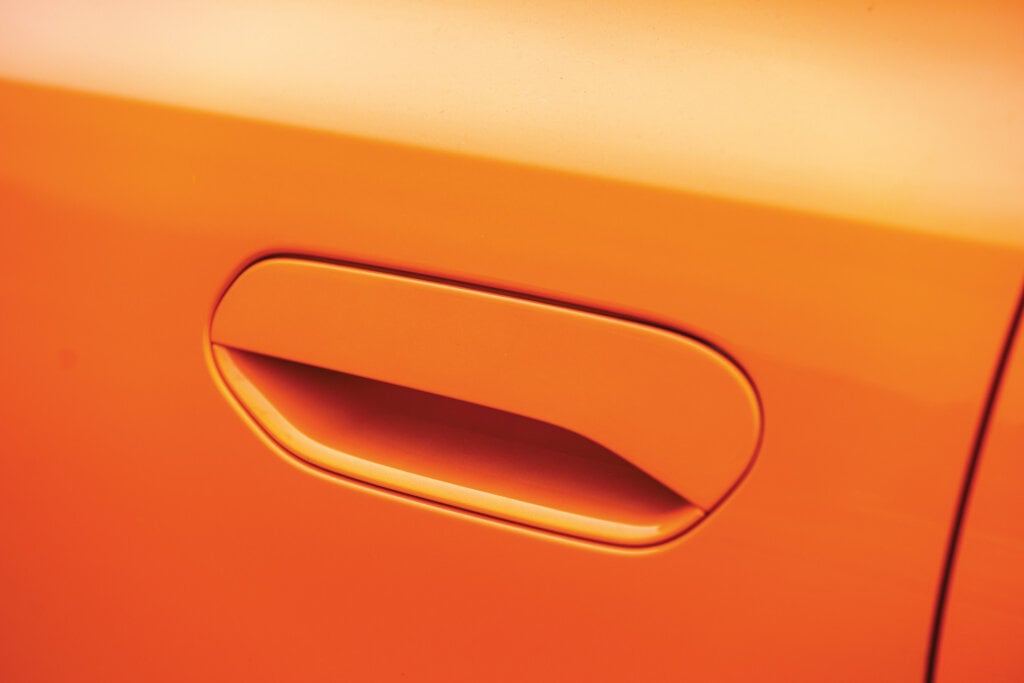
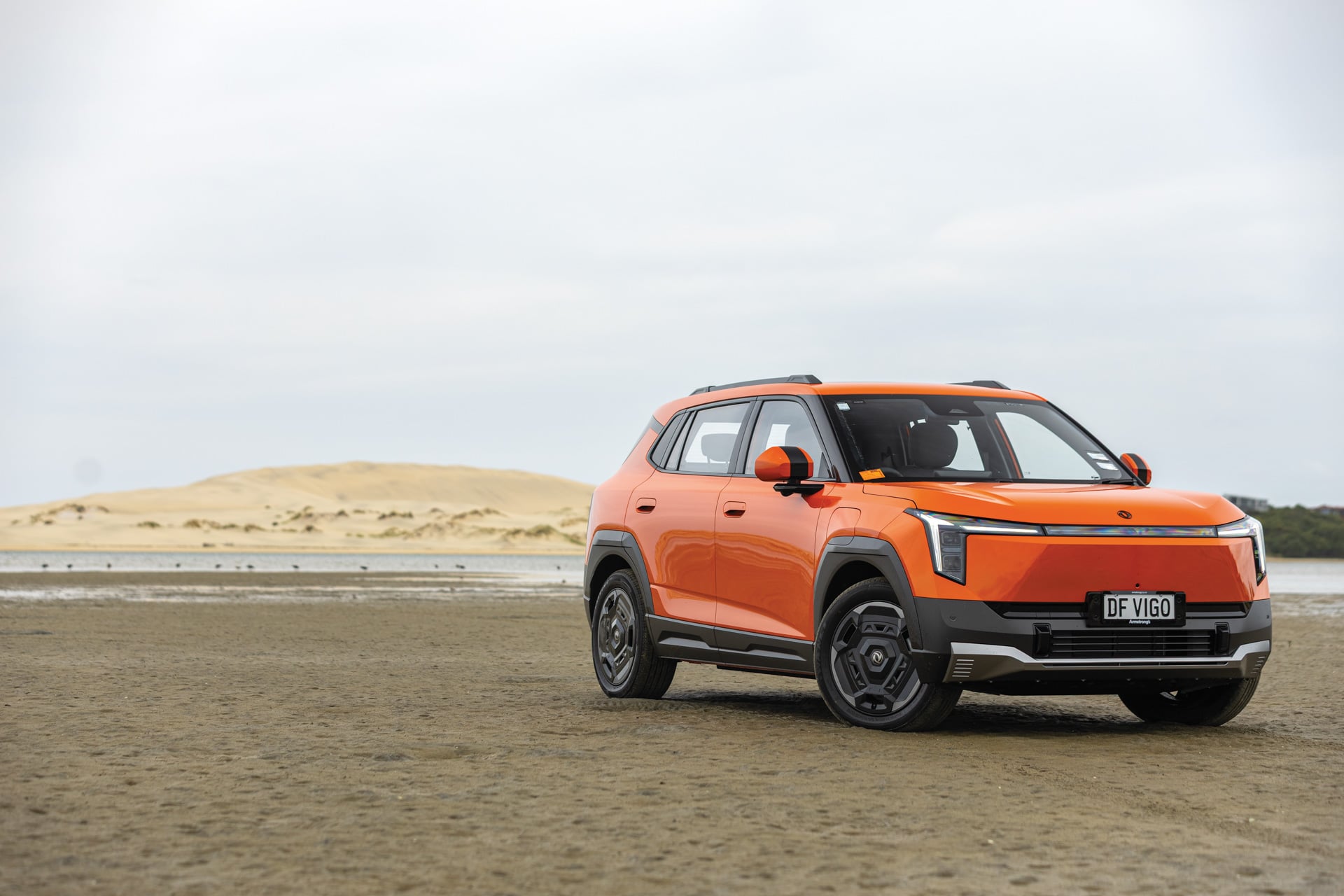
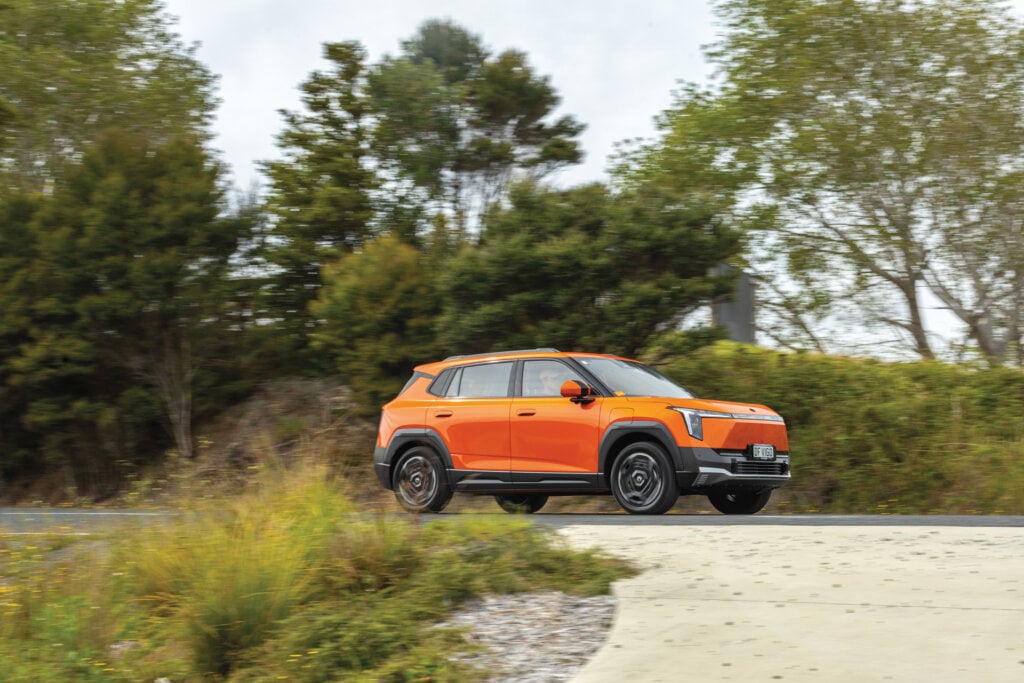
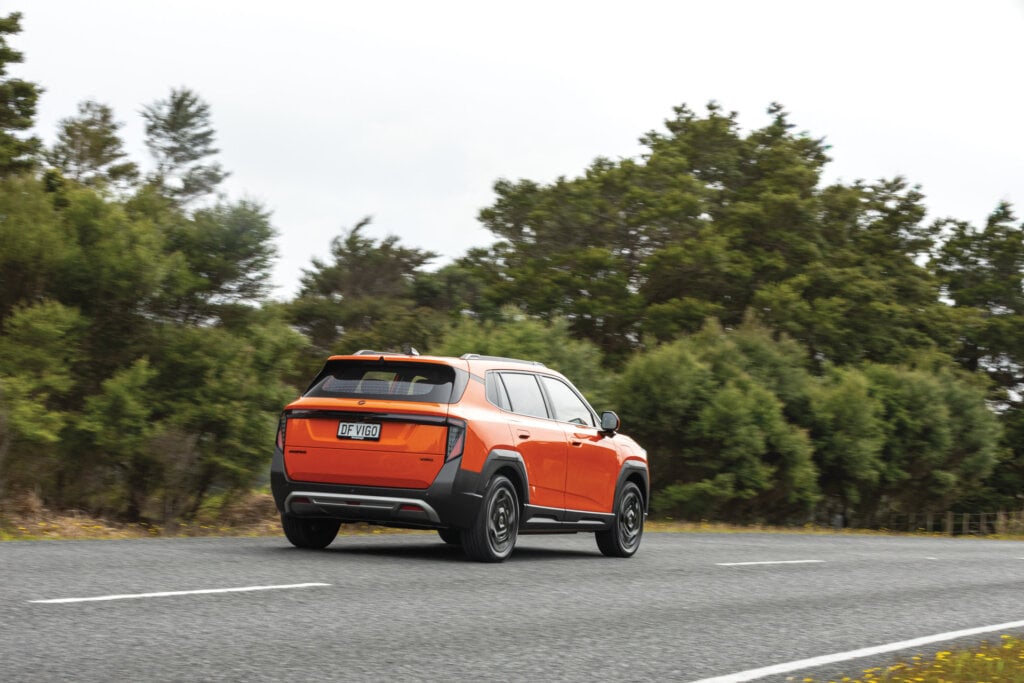
Credit where it’s due, the Vigo looks great. It’s chunky and upright, with squared-off wheel arches and a rugged black body cladding that feels textured and durable, almost like a Raptor coating. At 4306 mm long it’s compact, but there’s nothing meek about the way it sits on the road. The 18-inch alloys with their geometric design fill the arches well, distinctive LED lighting runs front and rear, and semi-concealed electric door handles work without making you fumble around looking for a hidden button. It’s a good-looking small SUV.
The lifestyle pitch
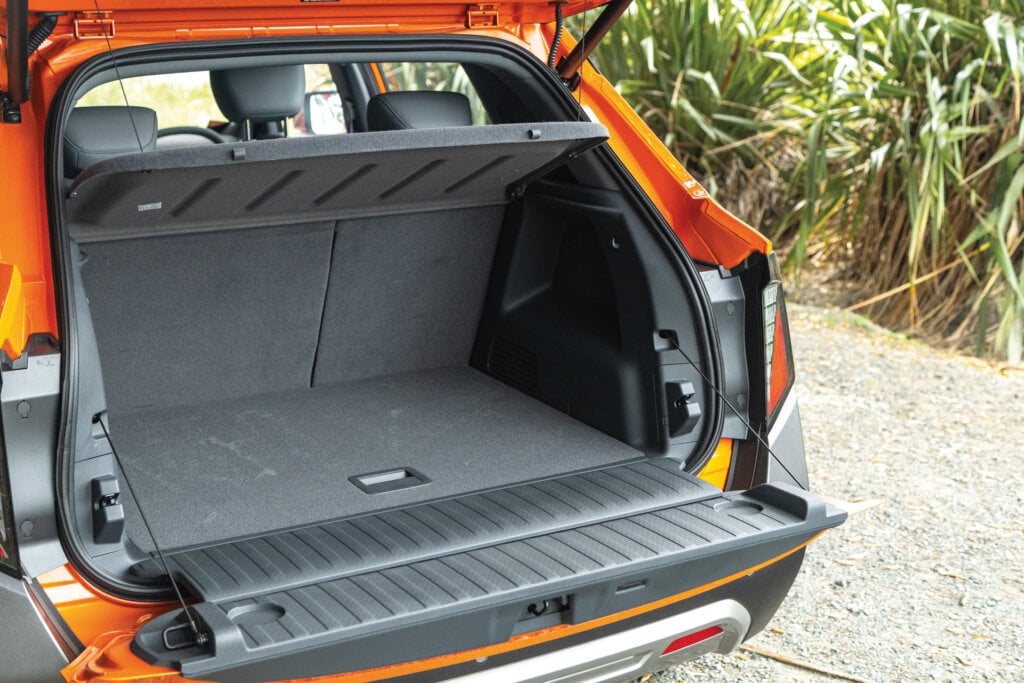
Open the split tailgate and you start to understand what Dongfeng is selling. The upper section lifts electrically (a $1500 option after the launch period), while the lower half drops manually to form a flat bench with a cup holder moulded in. Behind that sits 500 litres of boot space, easily the best in this class. Fold the 60/40 rear seats flat and you get just over two metres of clear floor. The front passenger seatback also folds flat, so whether you want a full-length sleeping platform or just somewhere to put your feet up during a lunch break, the seats accommodate. Dongfeng sells a purpose-built inflatable mattress ($440) that fits the load area perfectly.
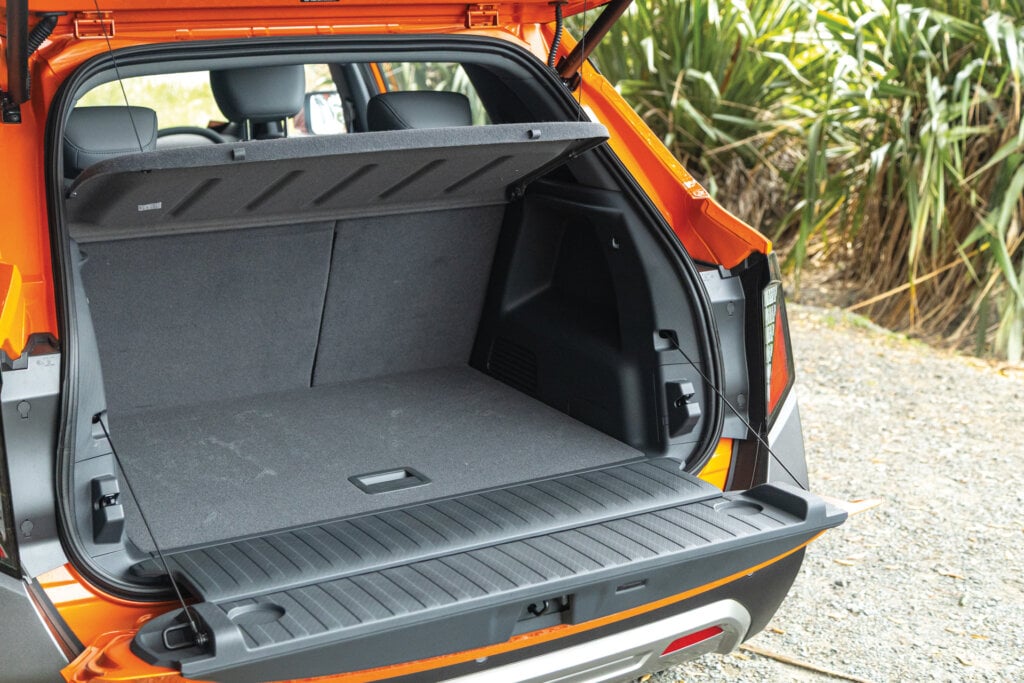
The camping tech goes deeper than just flat seats, though. A dedicated camp mode keeps the cabin at a comfortable temperature overnight while reserving enough charge to get you home in the morning. V2L (vehicle-to-load) capability means you can run a fridge, charge a laptop, or power lights from the car, and there’s a 12-volt outlet in the boot too.
The question, though, is whether most buyers would rather have a standard power liftgate for everyday loading than a split tailgate designed for tailgating at rugby games. We suspect the answer is the former, but the flexibility is nice to have.
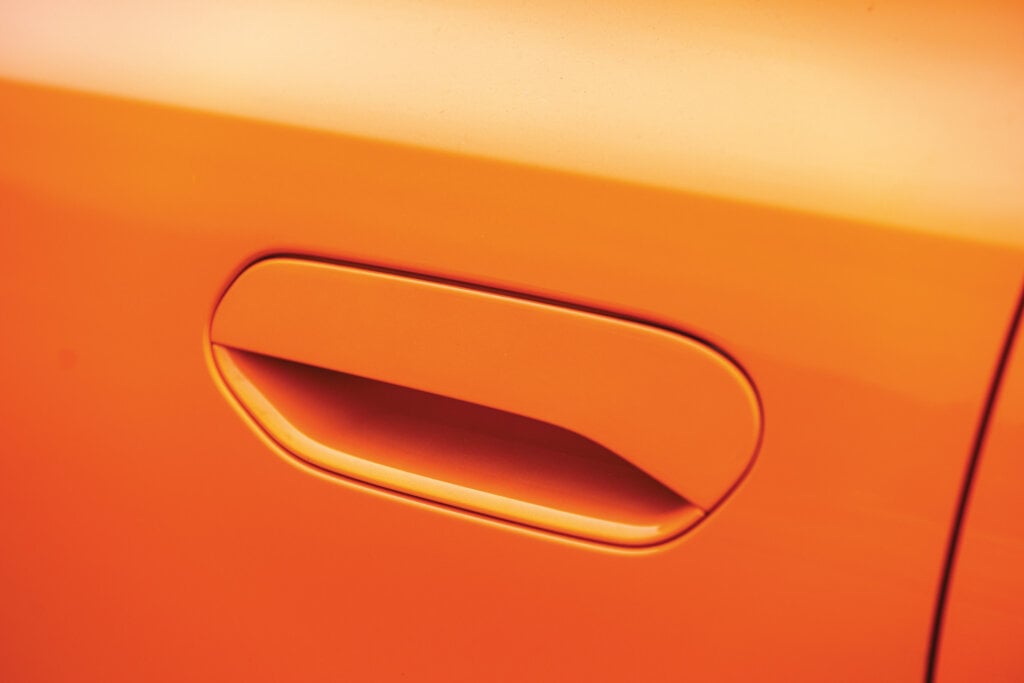
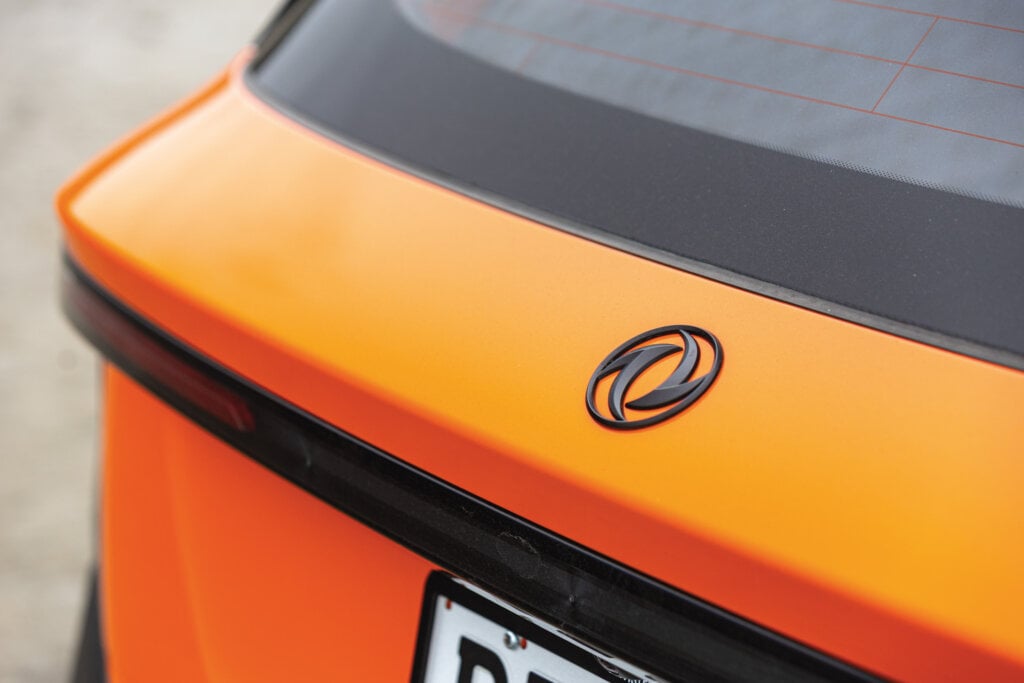
Our test car was the first Vigo in New Zealand fitted with the locally installed electric tailgate mechanism, and we did notice a door rattle from the rear during driving, along with some visible misalignment in the rear door trim. Dongfeng has since told us they’ve made changes to the fitment process following our drive. It sounds like an early-unit teething issue rather than a broader problem, but cast an eye over yours at delivery.
Inside story
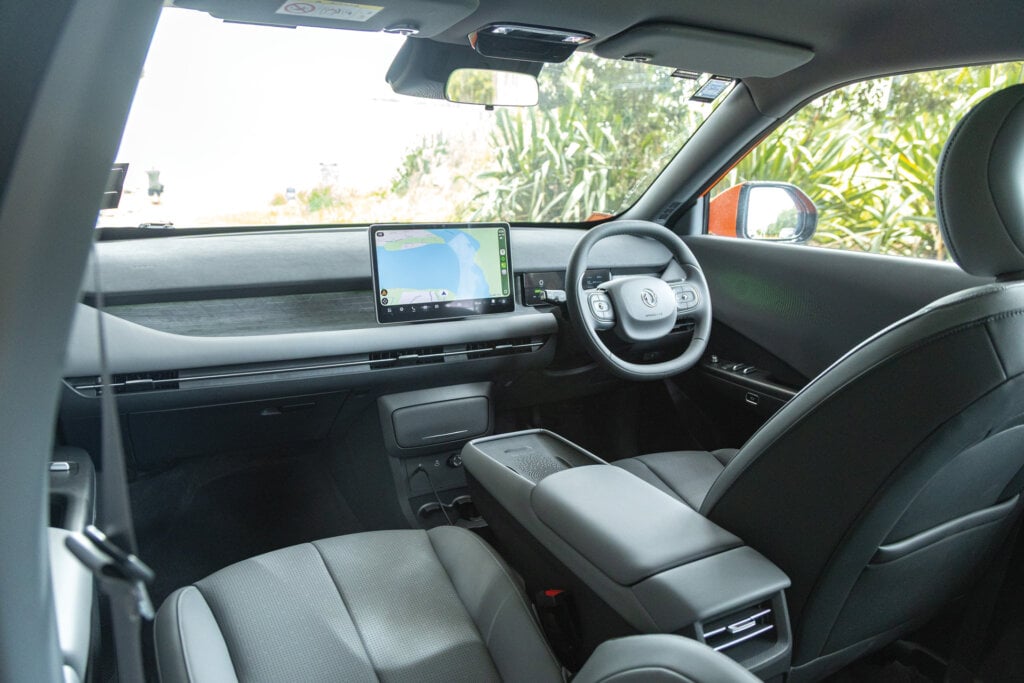
Other than some plastics that clearly note this is a $38,000 car, the cabin is surprisingly decent. There’s soft-touch material across the upper dashboard and some interesting textures throughout. A 12.8-inch touchscreen handles infotainment duties, and while the software isn’t the most refined visually, it works well enough. The 8.8-inch digital instrument cluster is actually really good, with clear graphics and easy-to-read energy consumption data.
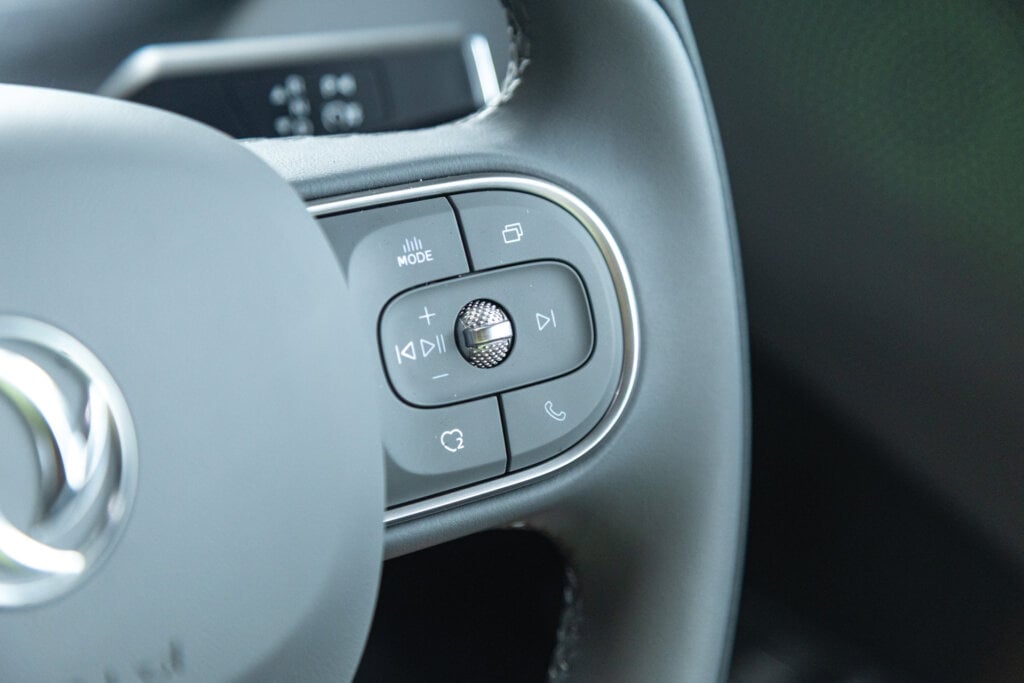
Wireless Apple CarPlay connects quickly and works well. Android Auto, however, is another story. There’s no native support; instead, Dongfeng offers an optional dongle for $299 that plugs into a USB-C port. It’s the same approach they used with the Box, and in 2026, it’s not good enough. Either build it into the system or include the dongle as standard. Charging Android users extra for basic smartphone connectivity is a bit cheeky.
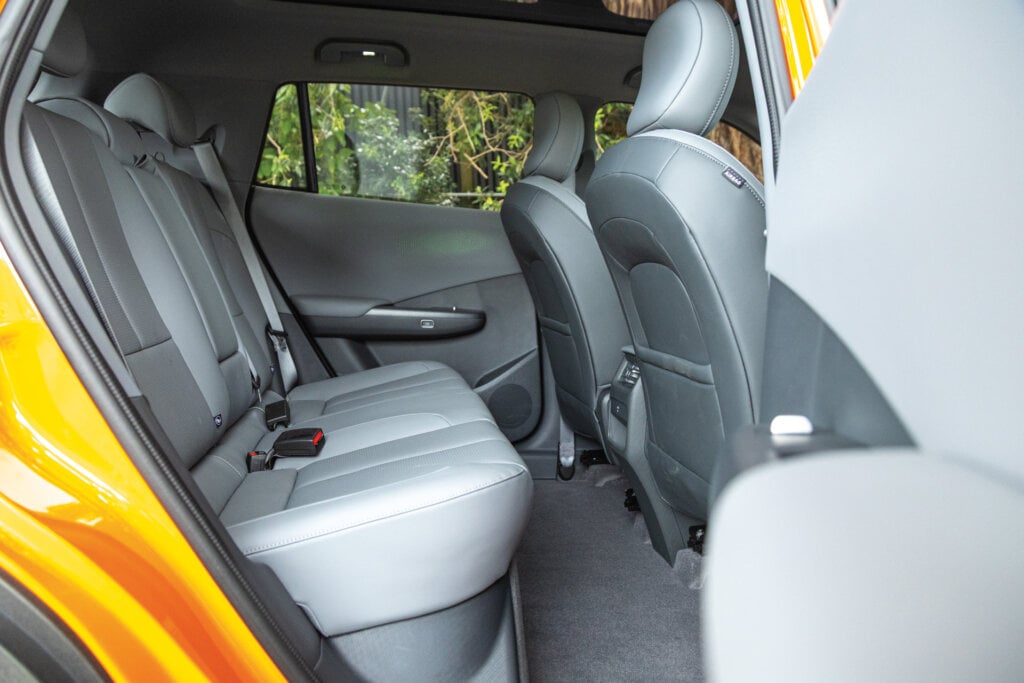
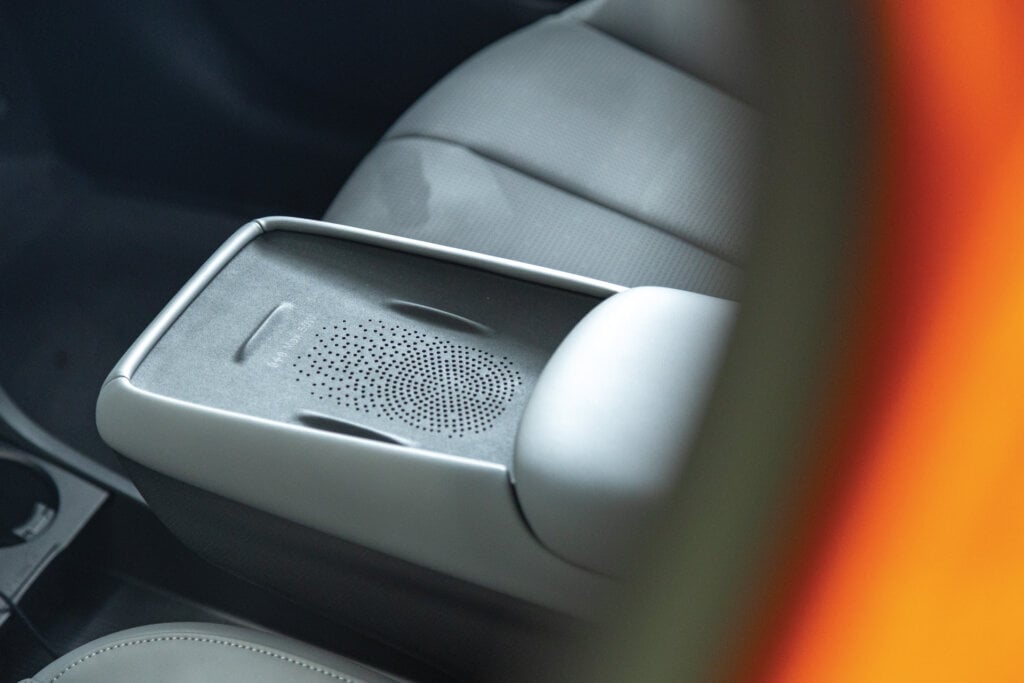
The driver’s seat is six-way power adjustable, heated, ventilated, and has memory, which is impressive kit at this price. Rear seat space is genuinely generous, with good legroom even behind a taller driver, a USB-C port, fold-down armrest, and ambient-lit speakers.
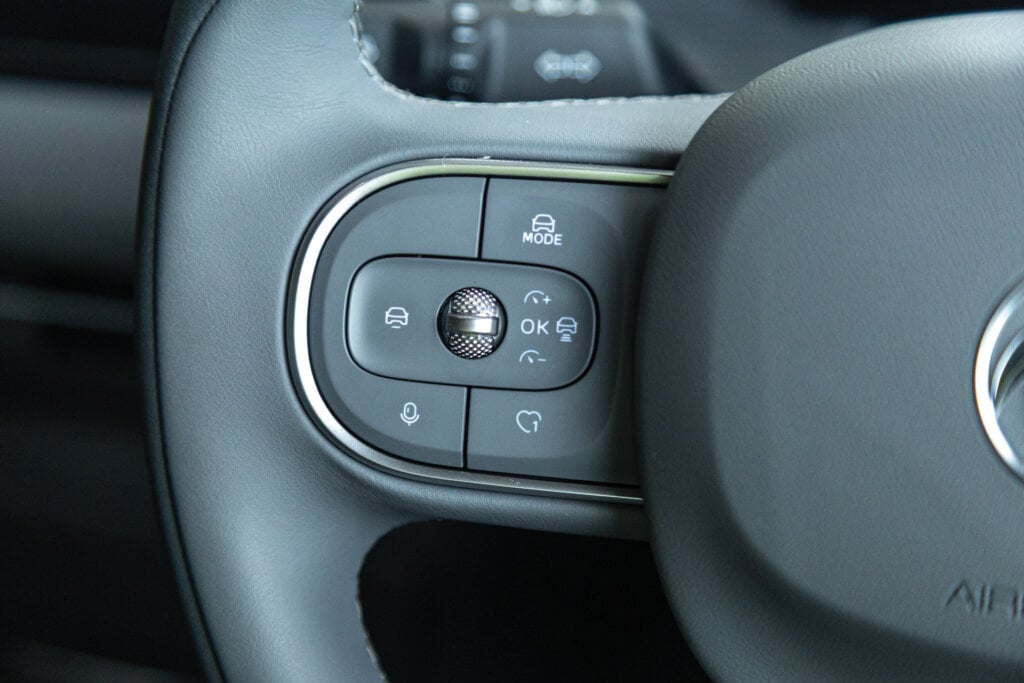
Where things get tricky is the steering wheel: tilt adjustment only, no reach, and not a lot of range. For taller drivers it compromises the driving position noticeably. One other observation: the car got very warm in the Auckland sun on an autumn day, with the dash and indicator stalks hot to the touch even underway with AC running. We’ve noticed similar with other Chinese-market vehicles and wonder whether the glass could benefit from better UV treatment for New Zealand conditions.
On the road
The Vigo’s 120kW motor delivers adequate performance. The 7.8-second sprint to 100 feels about right, and even in Eco mode you’re never caught napping. Around town the steering is nicely weighted and responsive, making it feel nimble through intersections. Push it on open roads and the comfort-biased suspension shows itself with noticeable body roll.
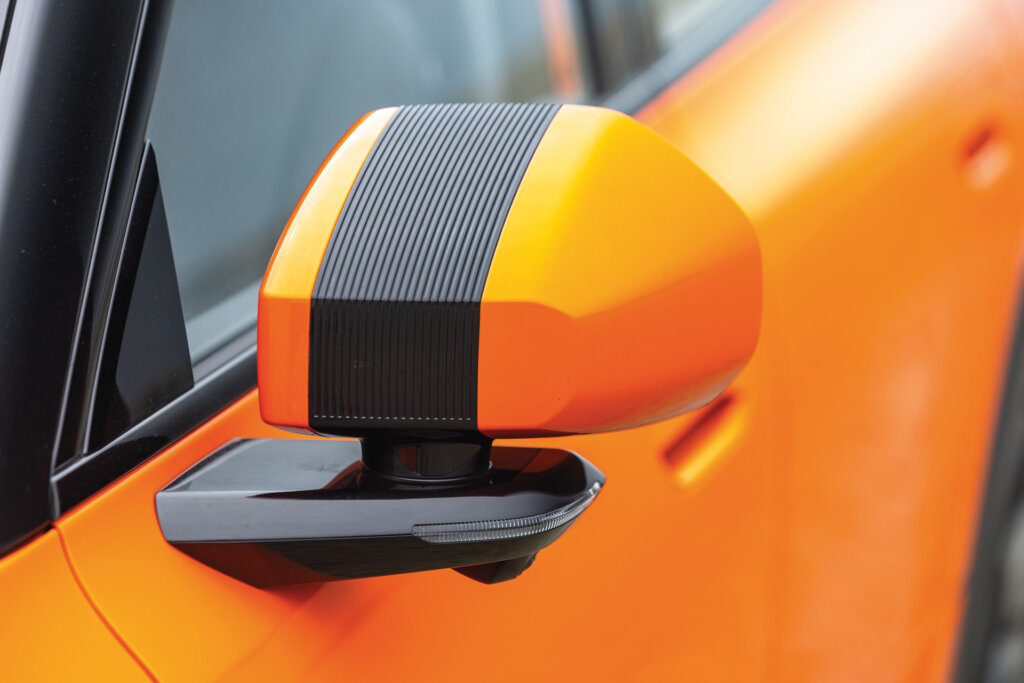
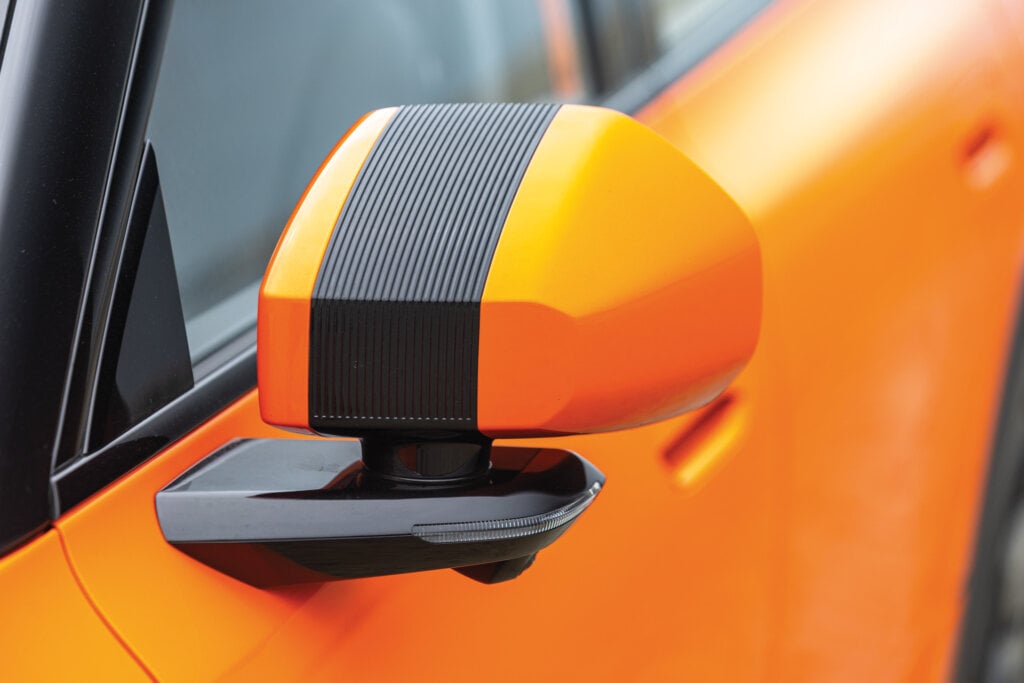
It’s not bad, just soft, and the torsion-beam rear axle prioritises absorption over agility. The Wanli tyres surprised us, though, with decent grip even in damp conditions. Road noise is a touch above average on the open road, with some intrusion from the wheel arches and a whisper of wind around the mirrors.
Efficiency sits around 12kWh/100km in town and 16kWh/100km on the motorway. That translates to a realistic 300 to 350km of mixed-use range from the 51.87kWh LFP battery. Highway work at 110 km/h pushes consumption up noticeably, so plan accordingly.
One disappointment: Dongfeng claims 167kW DC fast charging, but we couldn’t get above 82kW on a 300kW ChargeNet unit. The battery was warm and starting around 30 per cent. We’ll follow up, because if the full rate is achievable it would be outstanding for this price point.
Verdict
The Vigo is a genuinely likeable small electric SUV that delivers a surprising amount of space, kit, and lifestyle functionality for under $40,000. The camp mode and V2L are more than marketing fluff, the boot really is that practical, and the overall cabin quality steps above expectations. The limitations are real but understandable: no telescopic steering, the Android Auto dongle situation, and a need for a little more open-road refinement.
Here’s the catch, though. At the $37,990 launch price, the Vigo is terrific value. But once that special ends and you start adding the panoramic roof ($1,500), electric tailgate ($1,500), and a colour that isn’t white ($499), you’re creeping towards the mid-$40s before on-road costs, and the value equation shifts.
We’d expect Armstrong’s to have a play with the numbers before then, because at $38k this car makes a compelling case. At $45k, the competition gets a lot tougher.
Dongfeng Vigo
$39,990 / 17.3kWh/100km / 0g/km
0-100 km/h 7.8s
Motor output 120kW
Max torque 230Nm
Battery 51.9kWh
Range 340km
Drivetrain single-speed-auto / FWD
Front suspension Mac strut / swaybar
Rear suspension Torsion beam
Turning circle 10.4m (2.5 turns)
Front brakes Ventilated discs
Rear brakes Discs
Stability systems ABS, ESP
Safety AEB, ACC, LDW, ALK, AHB
Tyre size f/r-215/55R18
Wheelbase 2715mm
L/W/H 4306 / 1868 / 1654mm
Track f-1578mm r-1586mm
Luggage capacity 500-1040L
Tow rating 750kg braked
Warranty 6yrs / 200,000 km
ANCAP rating Not yet rated
Weight (claimed) 1572kg