View all
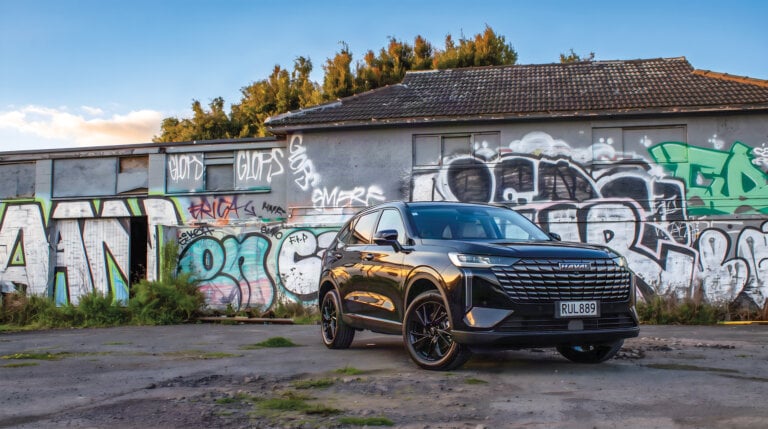
2026 GWM Haval H6 HEV 2WD Ultra Review
Words: Kyle Cassidy | Photos: Kyle Cassidy
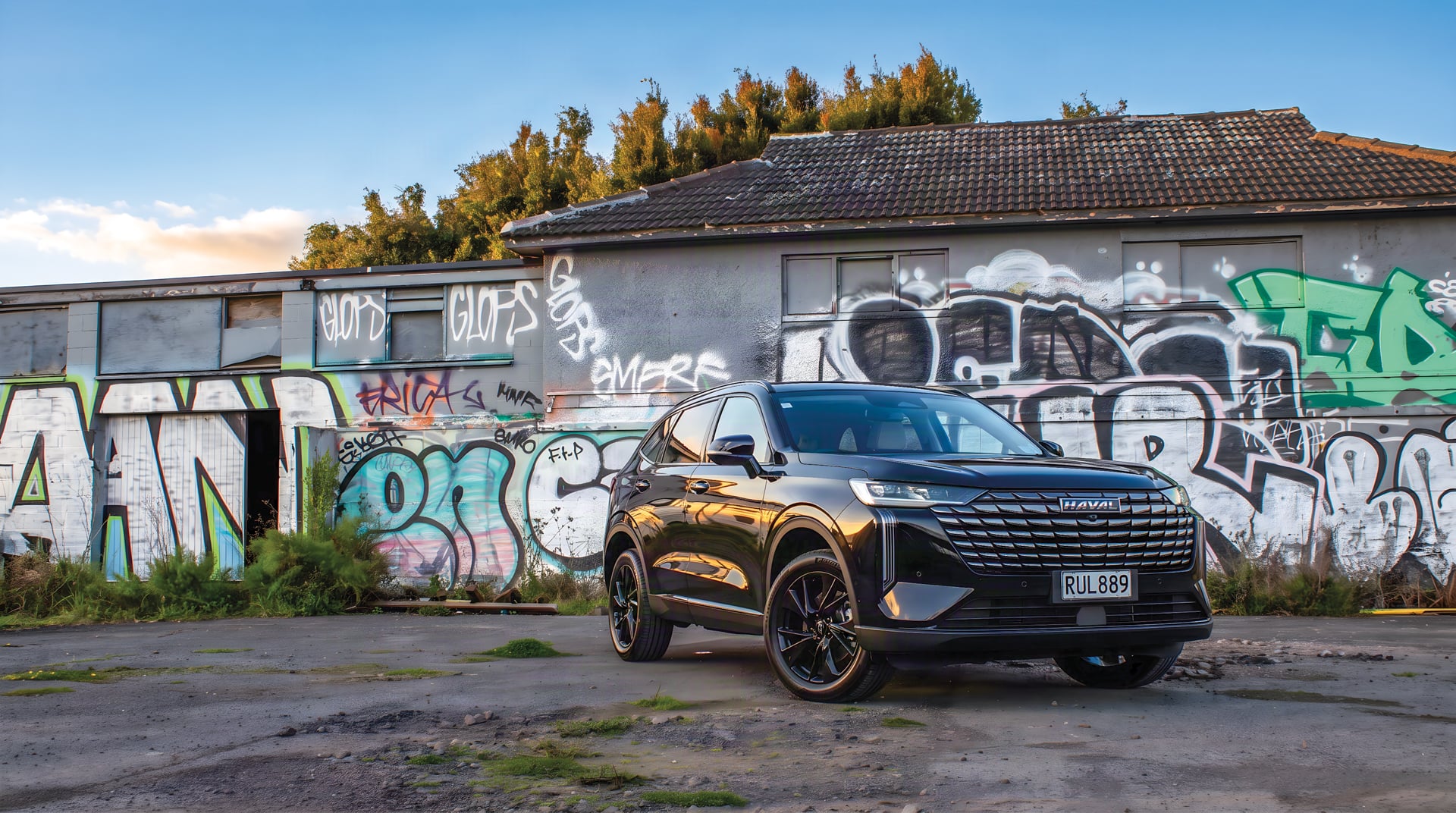
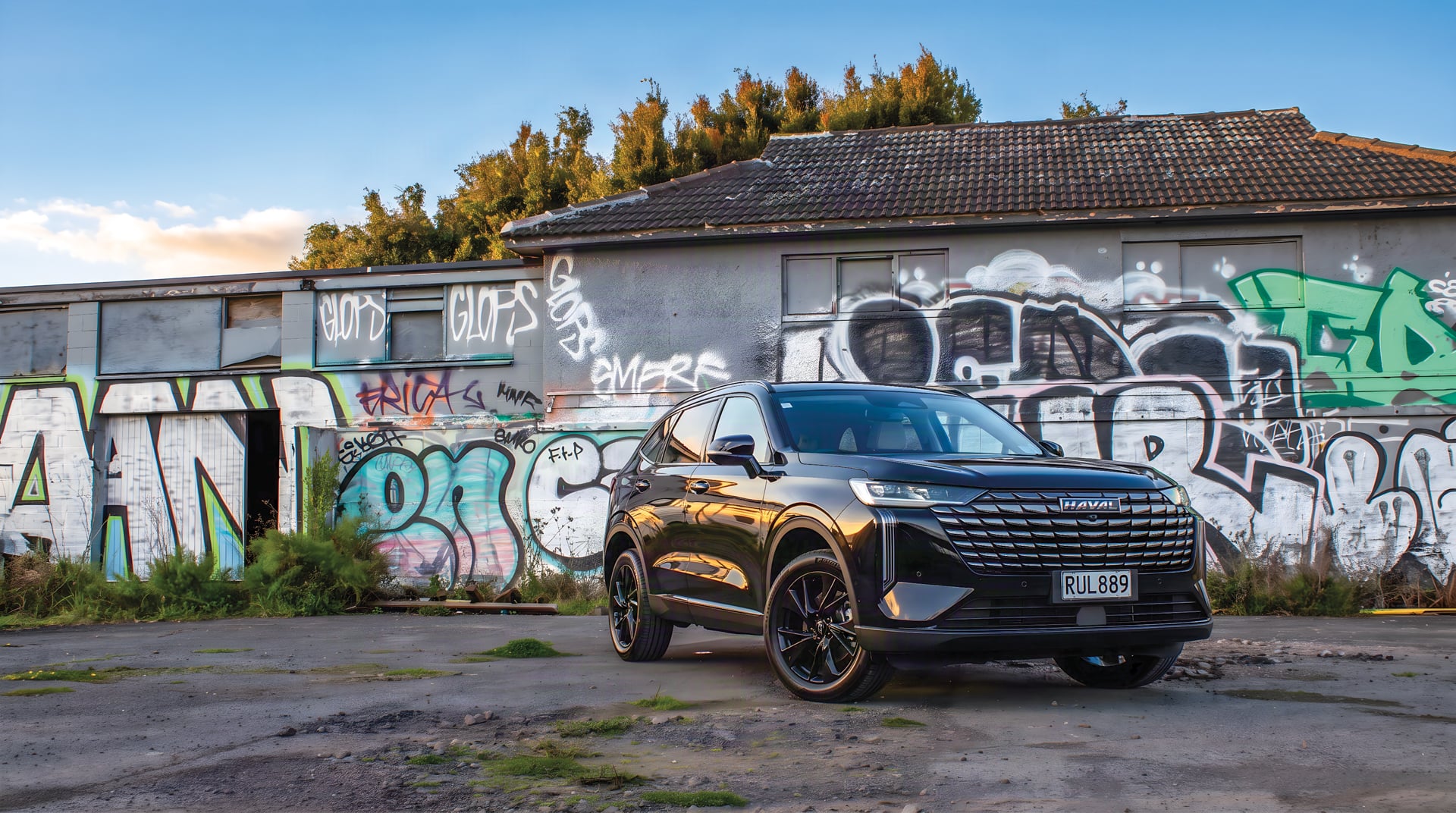
If you’re after a medium SUV, a hybrid should probably be on the shopping list. Petrol prices remain stubbornly high and, while they’re always quick to rise, they take their sweet time coming back down. GWM’s Haval H6 range offers self-charging and plug-in hybrids, with front- or all-wheel drive. Tested here is the Ultra HEV 2WD, priced at a tempting $45,990, considering its specification.
This is a hybrid of the ‘self-charging’ variety, with the battery topped up by the engine and regenerative braking. The motor helps improve performance while reducing fuel use. It’s the conventional hybrid approach, only Haval quotes more output than most. The 1.5-litre turbocharged petrol engine and electric motor produce a combined 179kW and 530Nm. That’s a healthy serving for a front-wheel-drive family SUV. At times, though, it’s all a little too much.
Tread on the throttle without much thought and the H6 will chirp its front tyres in the dry. Accelerating too keenly around a corner can make the inside tyre squeal, while damp roads bring wheelspin and axle tramp. You soon learn to go easy, but it would be better if the traction control acted before the tyres surrendered their grip. Once hooked up, however, the H6 gets along nicely. Its petrol and electric systems blend smoothly, with the engine starting and stopping without fuss.
GWM claims fuel consumption of 5.2L/100km, while we saw between 6.5 and 6.8L/100km on test. That doesn’t make it the most economical hybrid in the class, but six is still better than 10, which is what an SUV sans electrification is likely to return.
You’d buy the H6 HEV on price, space and equipment. The cabin is roomy, the specification generous
Petrol hybrids don’t currently pay road-user charges. The Government plans to move petrol vehicles onto RUC eventually, but no date or charging structure has been confirmed. Don’t let that deter you. The H6 HEV is cheaper than rival hybrids from Japanese brands and costs similar money to ICE-powered models such as the X-Trail.
This H6 has GWM’s AT-1 chassis tune, developed for ‘Australasian’ conditions under former Holden engineer Rob Trubiani. GWM has tampered with the dampers and steering calibration, bringing some improvements, although you shouldn’t expect miracles.
The ride feels a touch firmer than we remember, but it’s better controlled. Better still, it doesn’t crash into sharp bumps. It also deals with speed humps without bottoming out or rebounding awkwardly.
The steering remains light, even in Sport mode, but its assistance is more consistent. The H6 still understeers earlier than you’d hope, although that appears to be as much about the tyres as the chassis. It settles into an easy highway cruise, with road noise reasonably contained. A Toyota RAV4 Hybrid still has the more cohesive ride and handling package, however.
Low-speed refinement could be improved too. The brakes initially feel spongy, then rapidly pile on stopping force, making smooth parking manoeuvres tricky. The regenerative braking level can be adjusted, although the single-pedal mode is best avoided; it’s too jerky in stop-start traffic. The best hybrids blend regenerative and friction braking more convincingly.
The driver-assistance systems are well behaved now. Adaptive cruise works well enough, lane keeping isn’t overly intrusive and speed monitoring keeps watch without constantly sounding off. Reduce the sensitivity of a few systems and they work as hoped. Earlier GWM assistance packages were infuriatingly persistent and noisy, so the restraint is welcome.
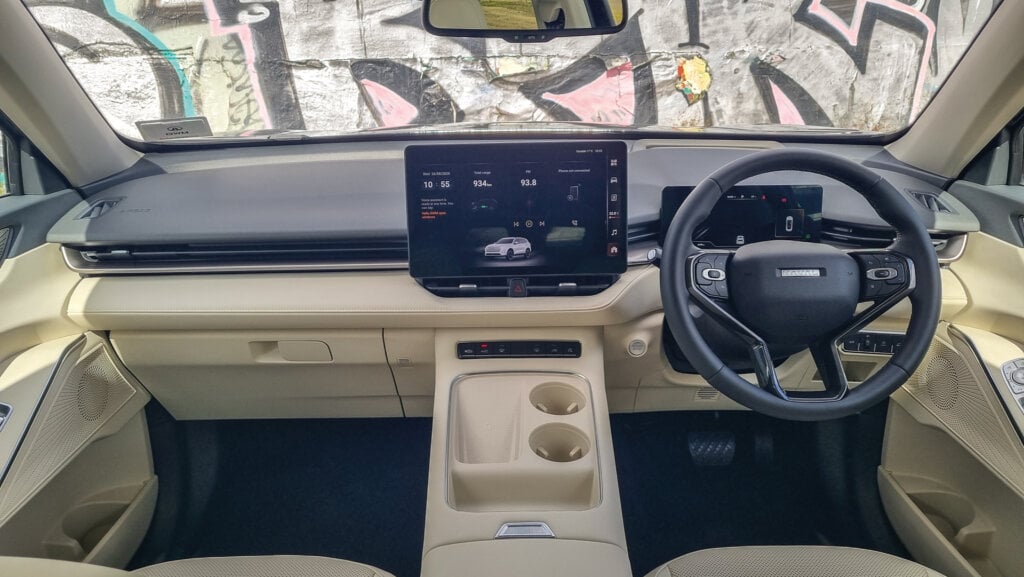
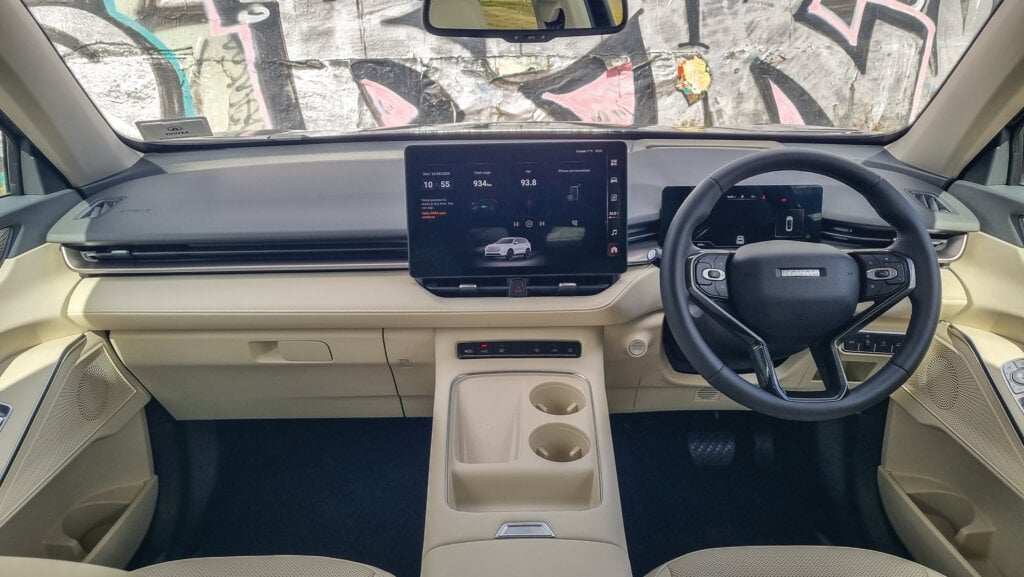
Our Ultra’s cream interior brightens the cabin and beats the usual coal-mine colour scheme, although you wonder how pristine it will look after 10,000km of family life.
There are only a few cabin buttons, but the large 14.6-inch touchscreen responds promptly and presents its menus logically enough. Moving the gear selector to the steering column also frees useful space in the centre console for your clutter.
The H6 is a useful family-sized wagon. Rear legroom is generous and even the centre position is workable. The boot offers 560 litres with the seats up, although the hybrid battery means there’s no useful underfloor storage. Towing capacity is rated at 1500kg braked.
Equipment levels will impress value-conscious shoppers. The Ultra has a heated steering wheel, heated and ventilated front seats, wireless charging, a panoramic roof, head-up display, powered tailgate and surround-view camera. There’s no integrated navigation, however, so your phone handles that through wireless Apple CarPlay or Android Auto. A seven-year, unlimited-kilometre vehicle warranty and eight years of cover for the hybrid battery add to the value equation.
You’d buy the H6 HEV on price, space and equipment. The cabin is roomy, the specification generous and the hybrid system provides easy performance while keeping fuel use in check. It doesn’t drive as well as the more expensive hybrid alternatives from Honda, Toyota and Nissan, however.
So, while it isn’t the most polished or economical hybrid SUV, at $45,990, backed by a long warranty and loaded with features, it offers plenty of value.
GWM Haval H6 HEV 2WD Ultra
$45,990 / 5.2L/100km / 120g/km
0-100 km/h 8.0s
Engine 1500cc IL4 / DI / T
Max power 110kW@5500rpm
Max torque 230Nm@1500-4000rpm
System output 179kW / 530Nm
Drivetrain DHT / FWD
Weight (claimed) 1720kg