View all
29 more images
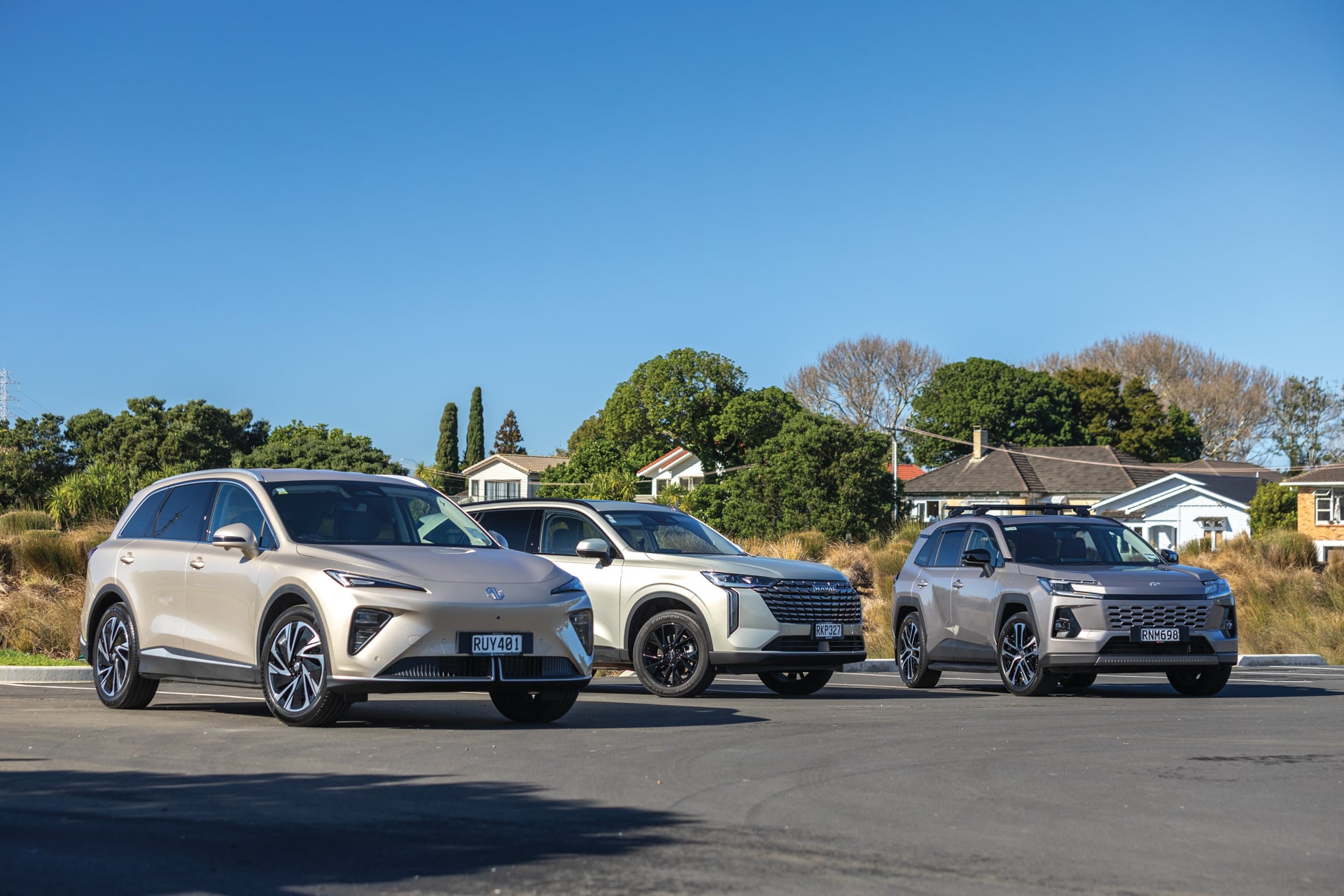
2026 GWM Haval H6 Ultra vs MGS6 Essence vs Toyota RAV4 Limited awd Review
Words: Kyle Cassidy | Photos: Alex Schultz
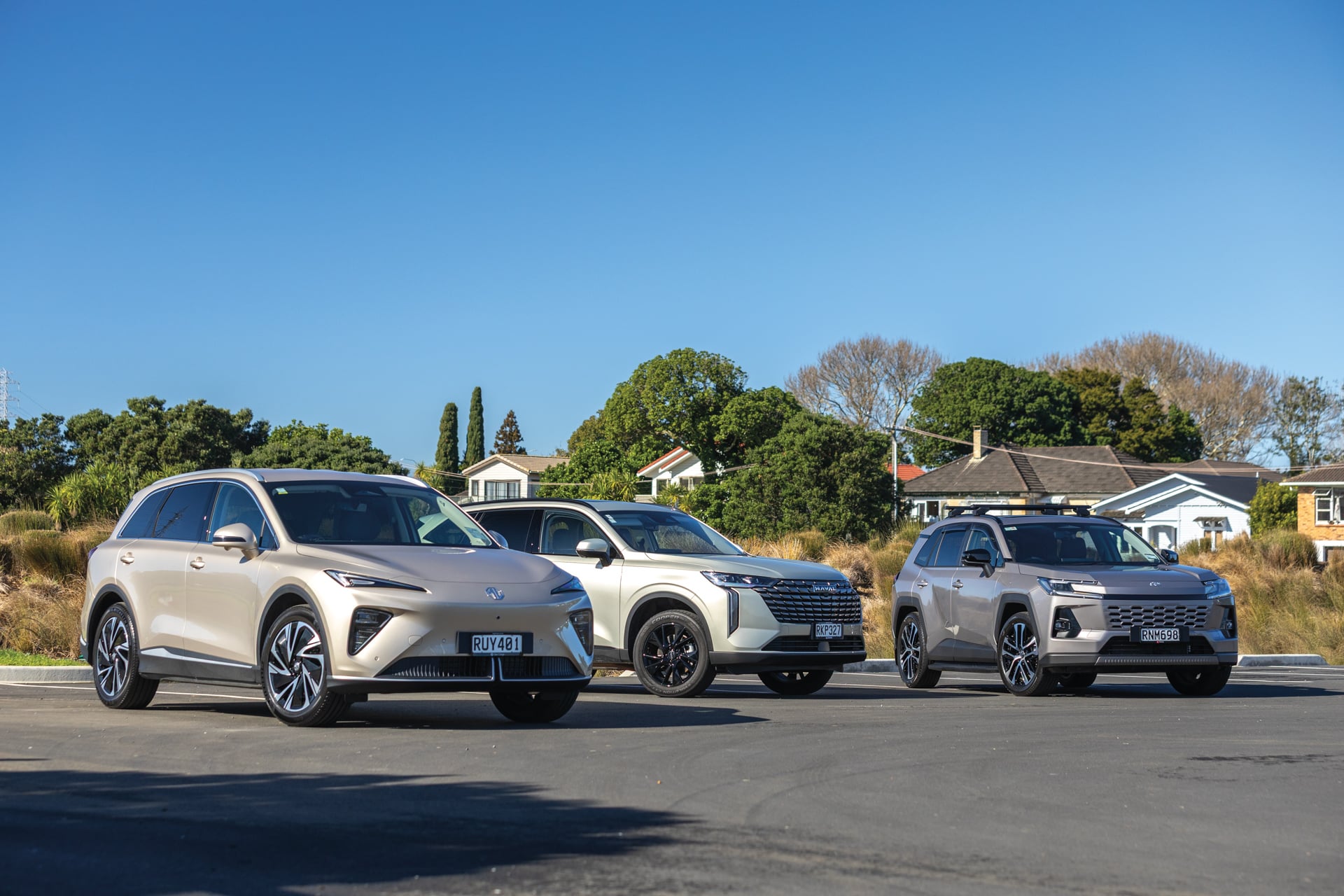
The Toyota RAV4 Hybrid, MGS6 EV and Haval H6 PHEV offer three very different answers to the electrified family-SUV question. Which one makes the most sense?
There was a time when choosing what powered your new family SUV was relatively straightforward. Petrol was the default, while diesel was often an option for those doing more mileage. Things are rather more complicated now.
Oilers have since exited the chat in the passenger-vehicle space, replaced by an expanding selection of mild hybrids, conventional hybrids, plug-in hybrids and fully electric vehicles. Even within those hybrid categories, manufacturers can take quite different approaches. Previously, there were few BEV options in the medium-SUV space, while now there are many, and some, mostly from China, sit at comparable prices to ICE and hybrid options; you no longer have to pay a premium to go electric.
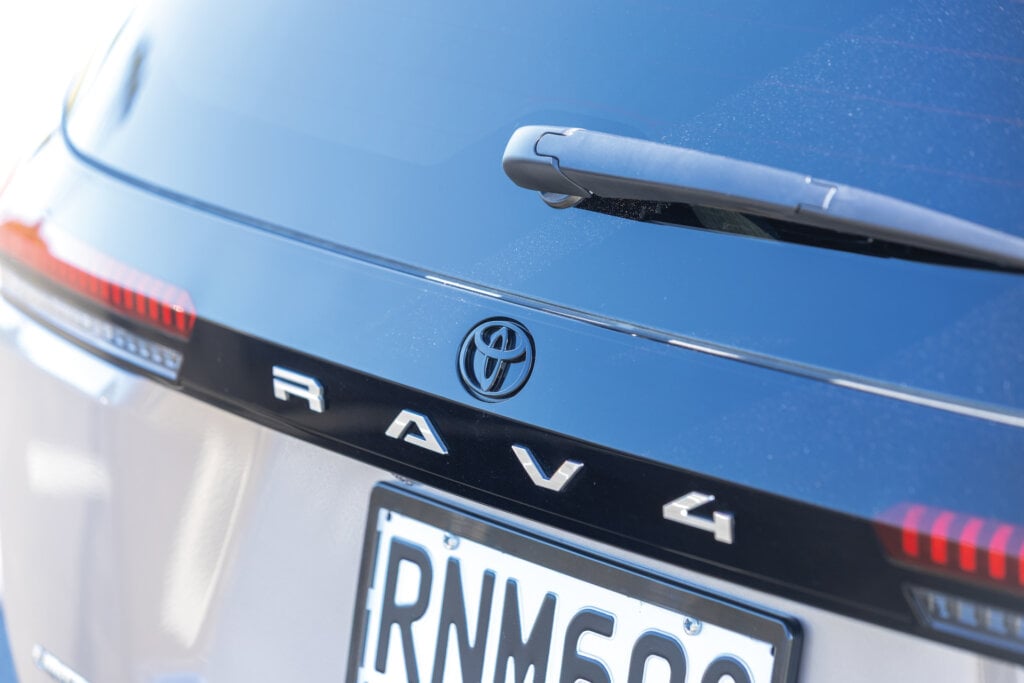
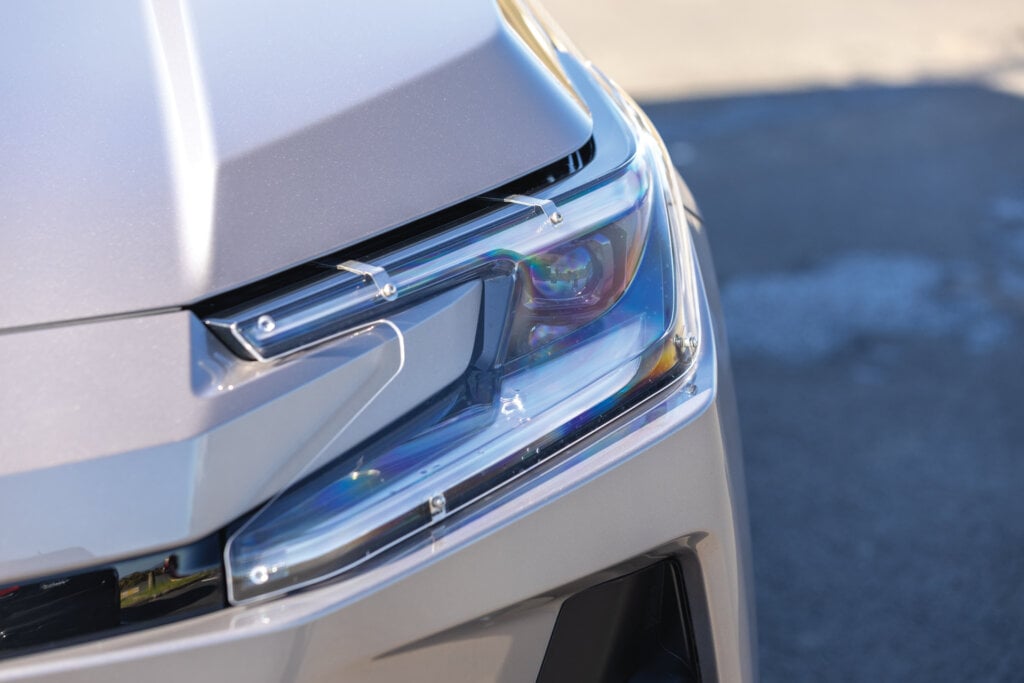
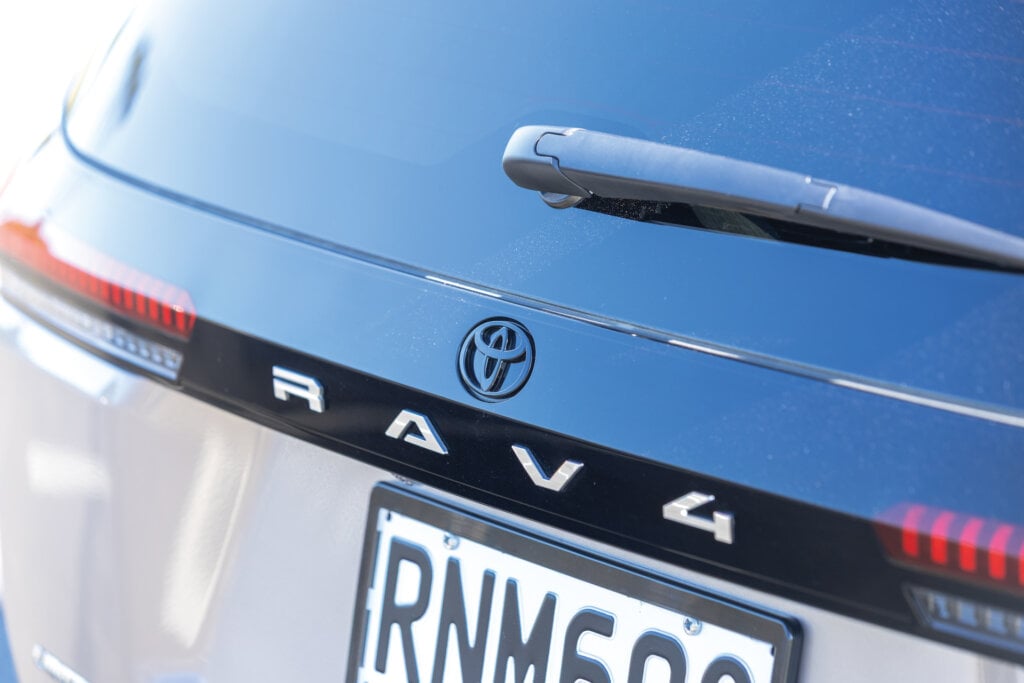
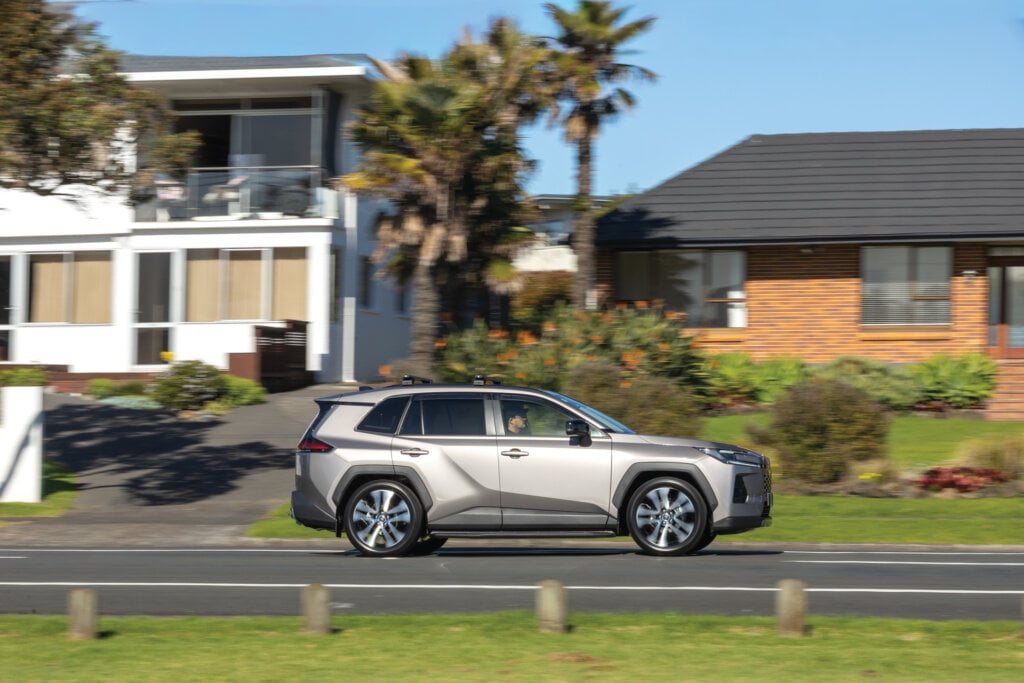
The bestseller in the medium-SUV space is the RAV4, which has just been renewed and is now available as both an HEV and PHEV, in front- and all-wheel-drive configurations. Being the country’s bestseller, it has a broad range of nine variants priced from $50,990 to $66,990. Here we have the Limited AWD, a pricey $65,990, representing the HEV brigade. It uses a conventional hybrid system and never needs plugging in. These have come to be known as ‘self-charging hybrids’.
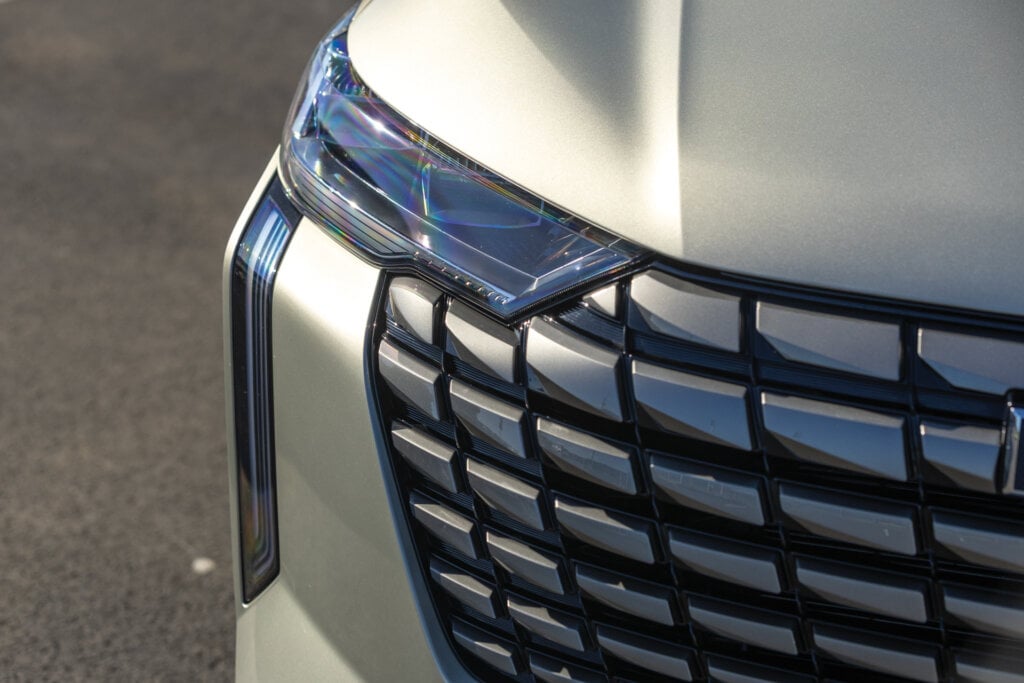
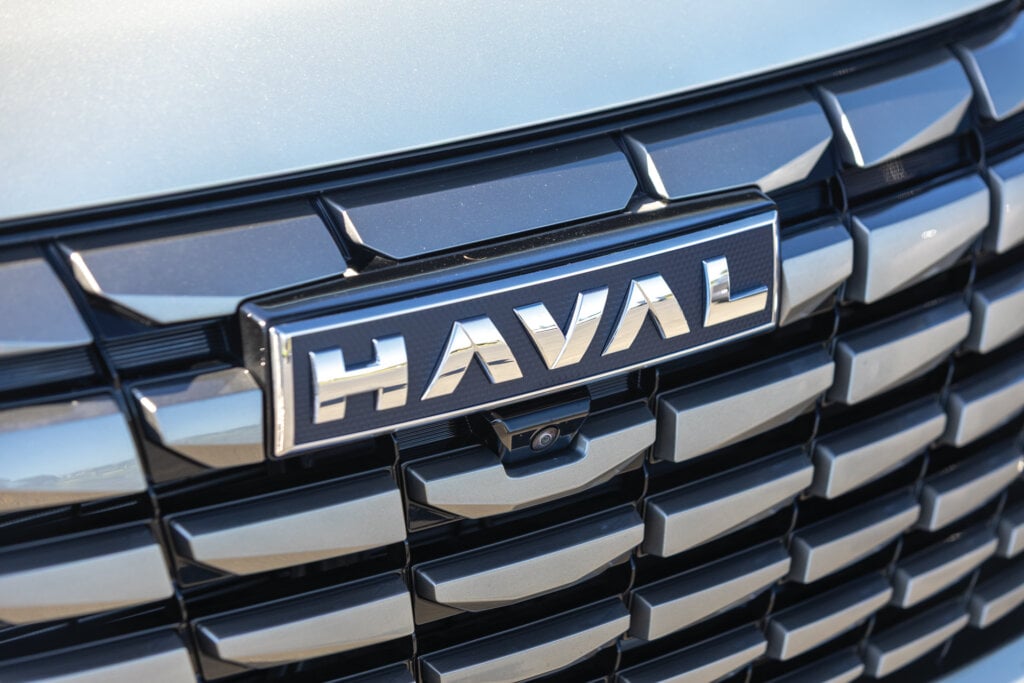
In the plug-in hybrid corner is the Haval H6 PHEV, which combines petrol and electric power with a battery large enough for meaningful EV running. The H6 is now regularly among New Zealand’s 10 bestselling vehicles. That’s thanks to a range that starts at $41k for a 2WD hybrid, while the AWD plug-in we have here is a relative bargain at $54k.
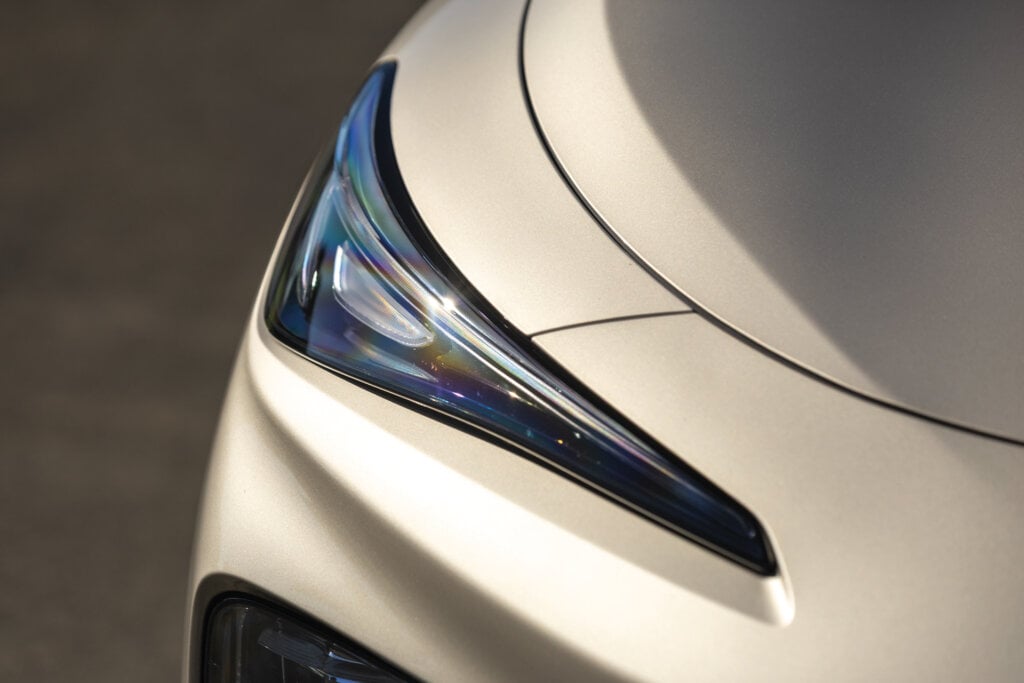
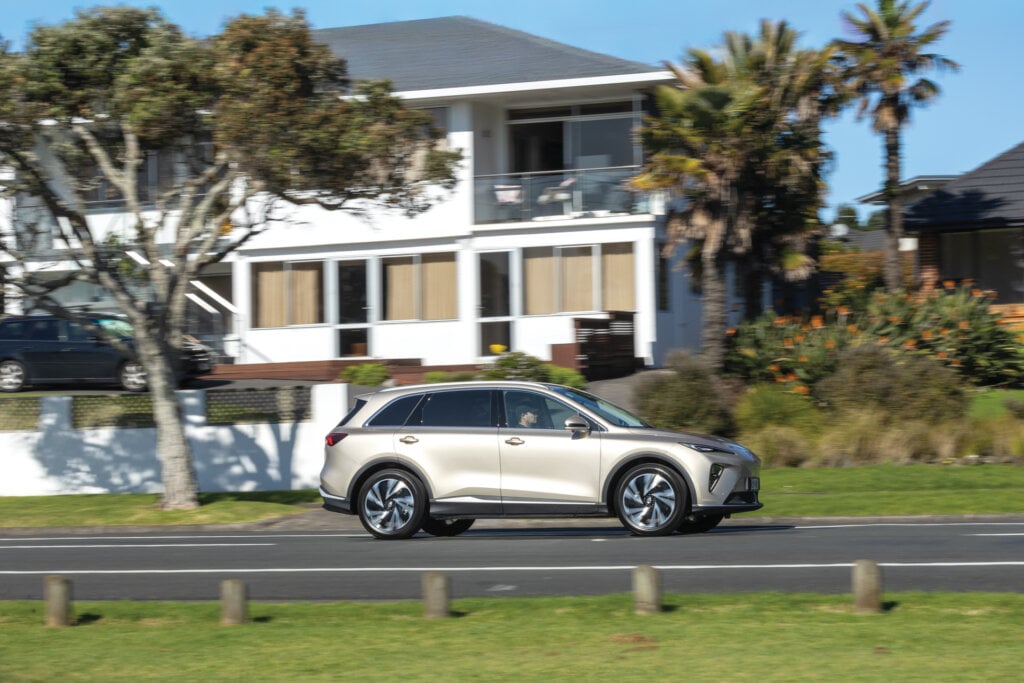
MG continues to grow its showroom presence with the arrival of the new S6, an electric five-seat family SUV starting at $56,990 for the RWD model we have here. As expected, it lands with an impressive specification sheet, both in terms of comfort and convenience features and its hardware numbers.
So we have three five-seat SUVs similar in size but different in many ways. The most established badge is the most expensive, the fully electric newcomer sits in the middle and the most mechanically complex contender is the cheapest. Weird, man.
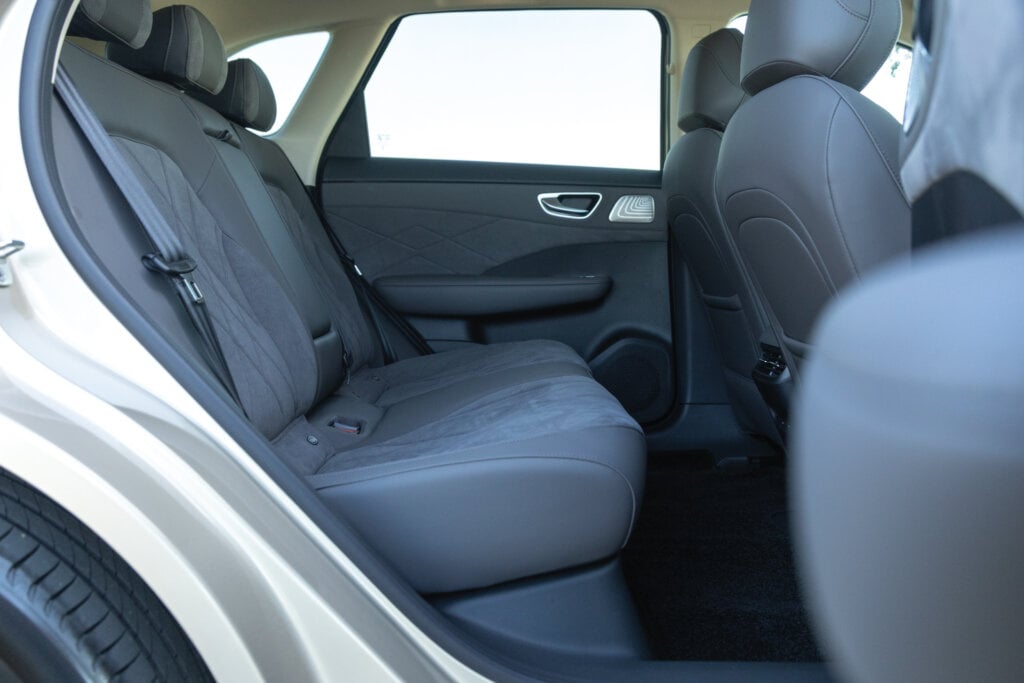
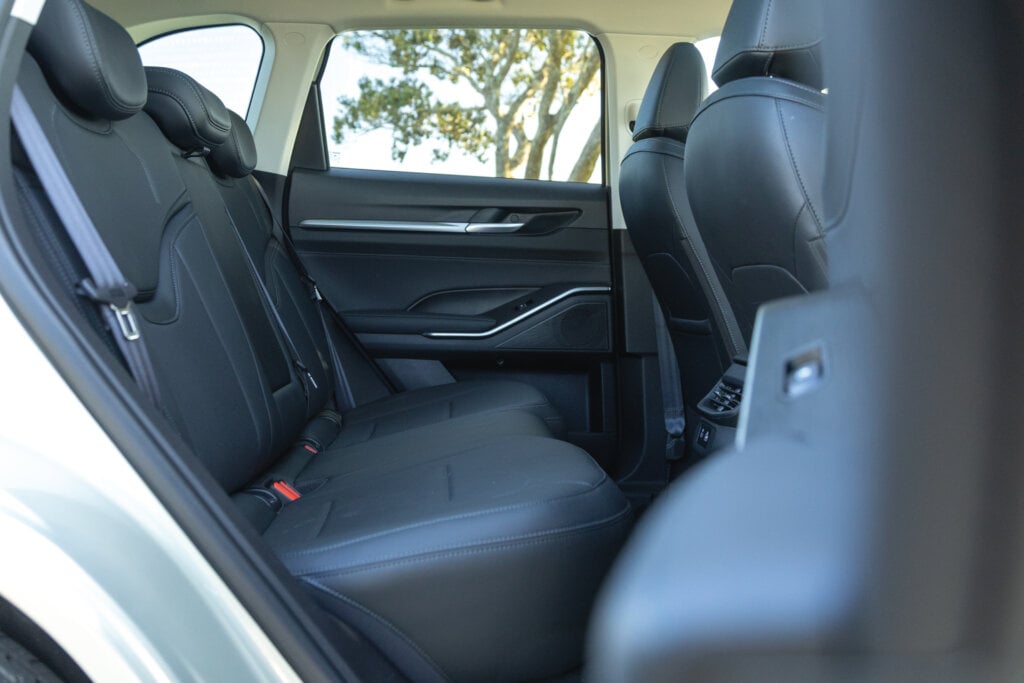
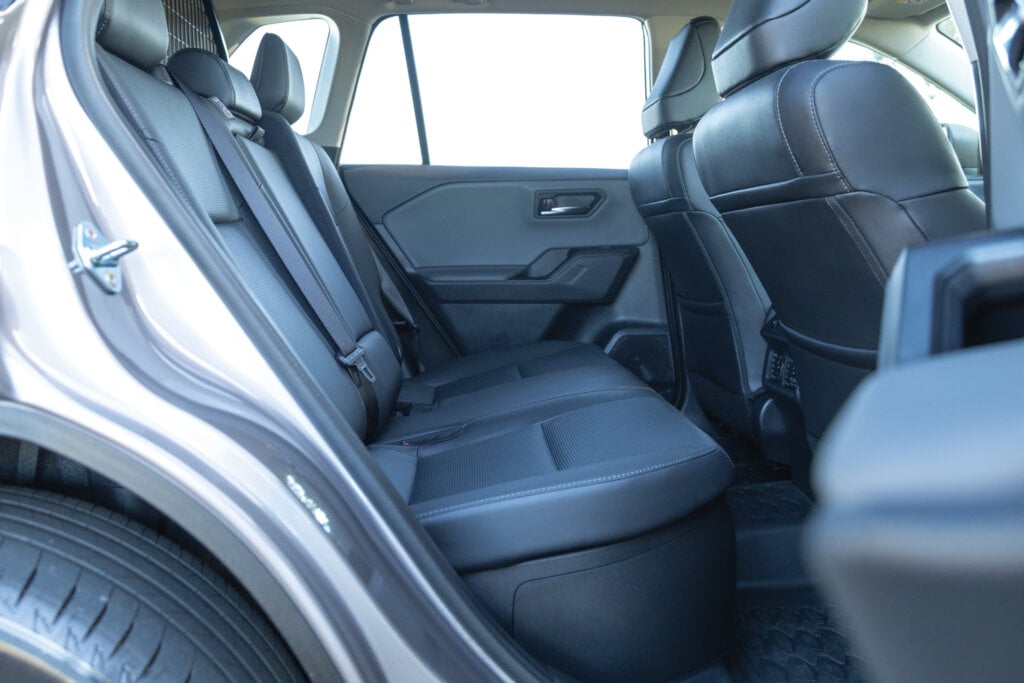
Room to move
The S6 provides a clear demonstration of what a dedicated electric platform can do for interior packaging. Its long wheelbase and flat floor create easily the most generous rear-seat accommodation here. Entry is straightforward through a large door, there’s ample legroom and it has the most width to take three across without the squeeze. It’s the most lounge-like second row of the group and the best fit for those with lanky teens. The seat itself is comfortable and offers adjustable backrest recline. Rear passengers also get heating, charging points and plenty of soft-touch trim.
The RAV4 provides a decent rear-door opening and respectable passenger space, but it can’t match the MG’s room. Its cabin is narrower and the bench isn’t quite as comfortable, although Limited specification brings heated rear seats, twin USB ports and adjustable backrest recline.
The H6 slots between the two, offering more space than the Toyota. The almost-flat floor helps, while the bench is comfortable enough despite lacking an adjustable backrest. Like the others, it has ISOFIX mounting points too. The H6’s age shows in some of the harder plastics and details such as the older USB-A connection, but it remains an agreeable place for a family.
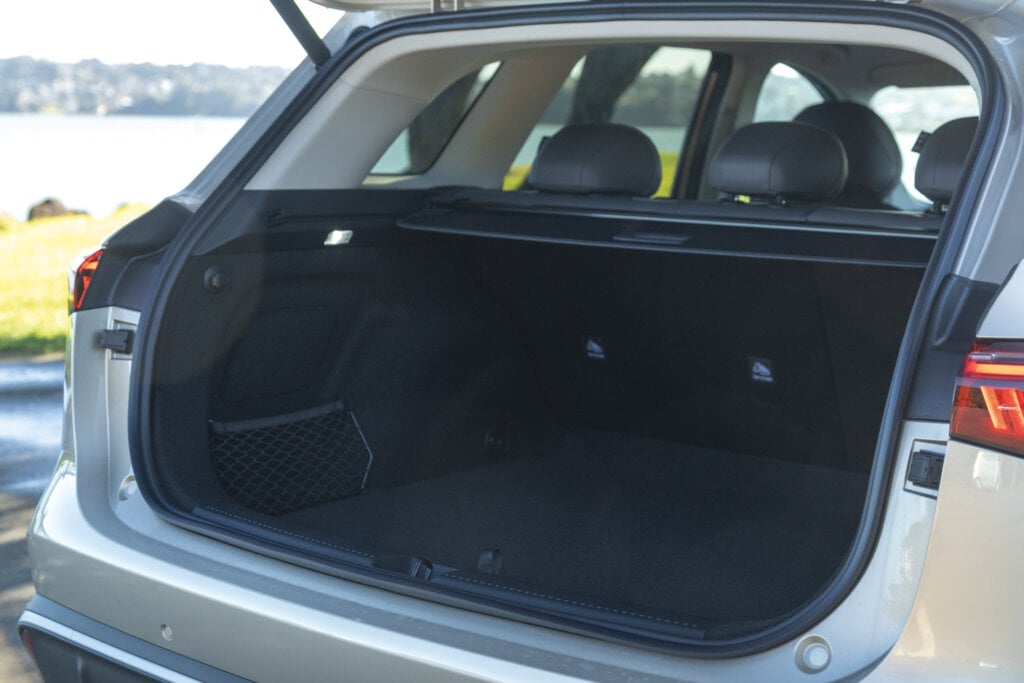
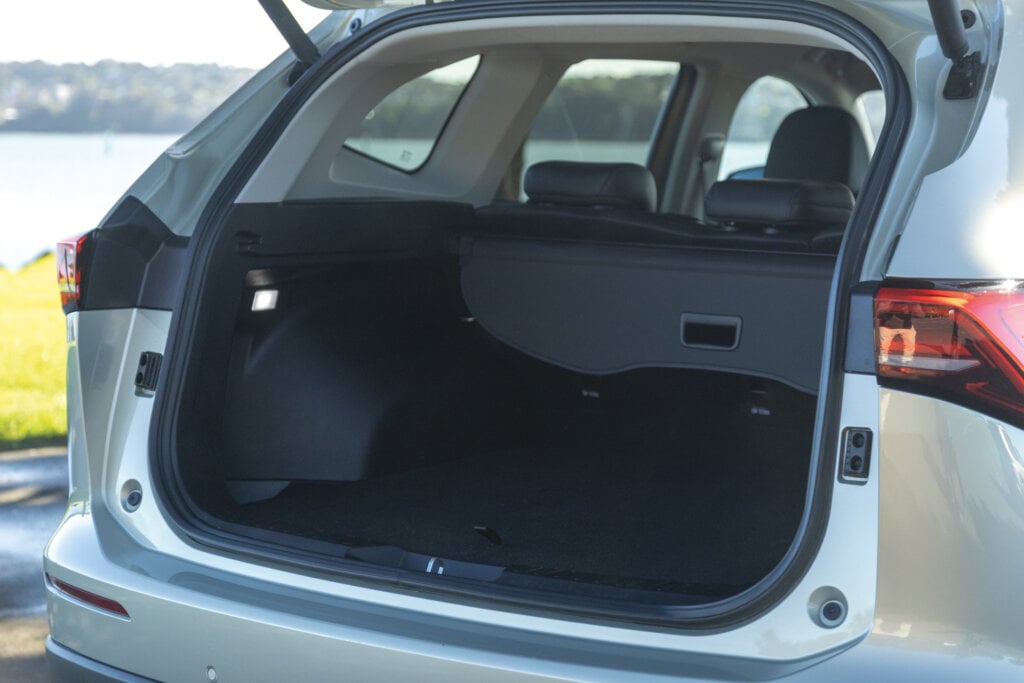
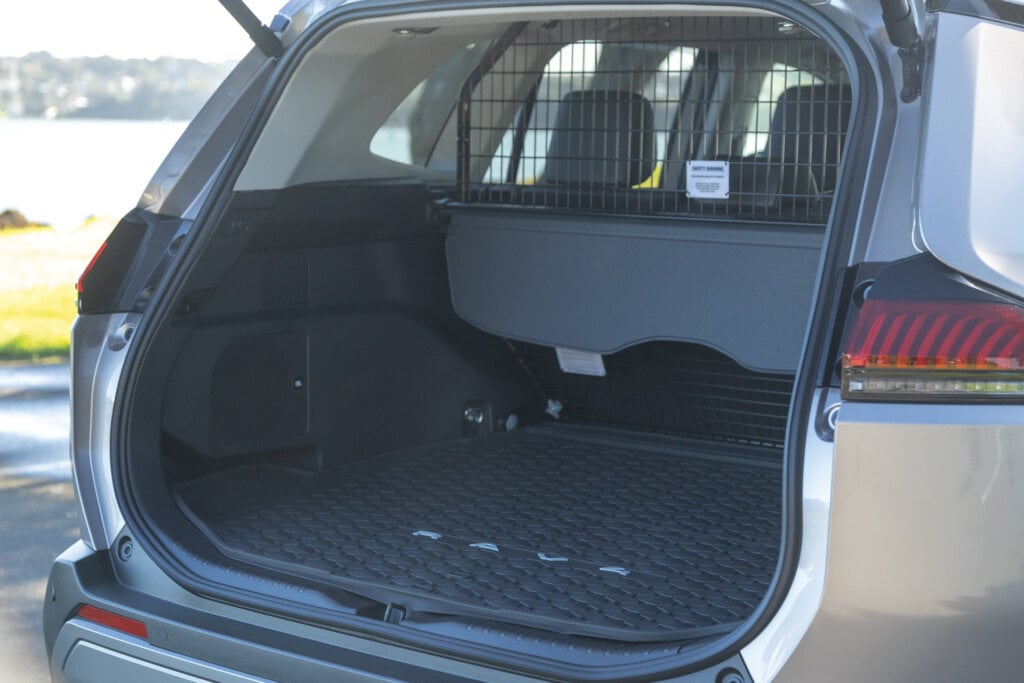
In behind, the RAV4 offers the widest and tallest load area, along with the largest tailgate and the most upright rear shape, making it the better load hauler. It is also the only contender with a space-saver spare wheel. The Chinese pair supply puncture-repair kits only. The Haval’s boot is well shaped and reasonably large. Its powered tailgate is a bit slow, but at least it’s quiet, unlike the RAV4’s, which sounds like a fire alarm going off when operating.
MG has traded some cargo room for passenger accommodation. Its boot is still useful, and the long wheelbase produces a decent load length once the seats are folded, although there’s a small step in the extended floor.
Familiar versus flashy
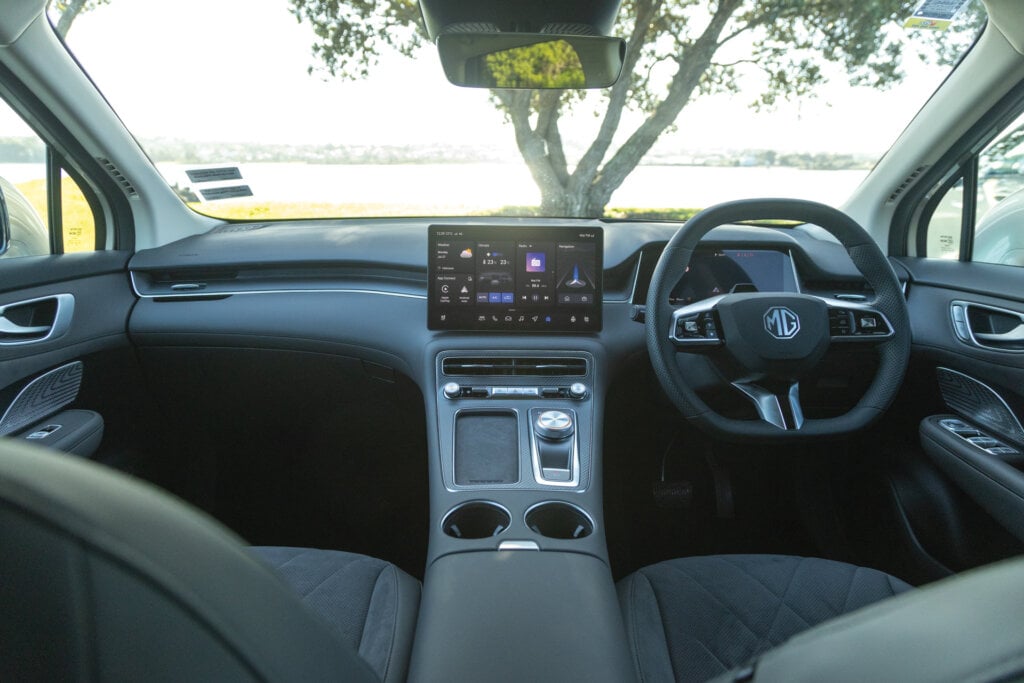
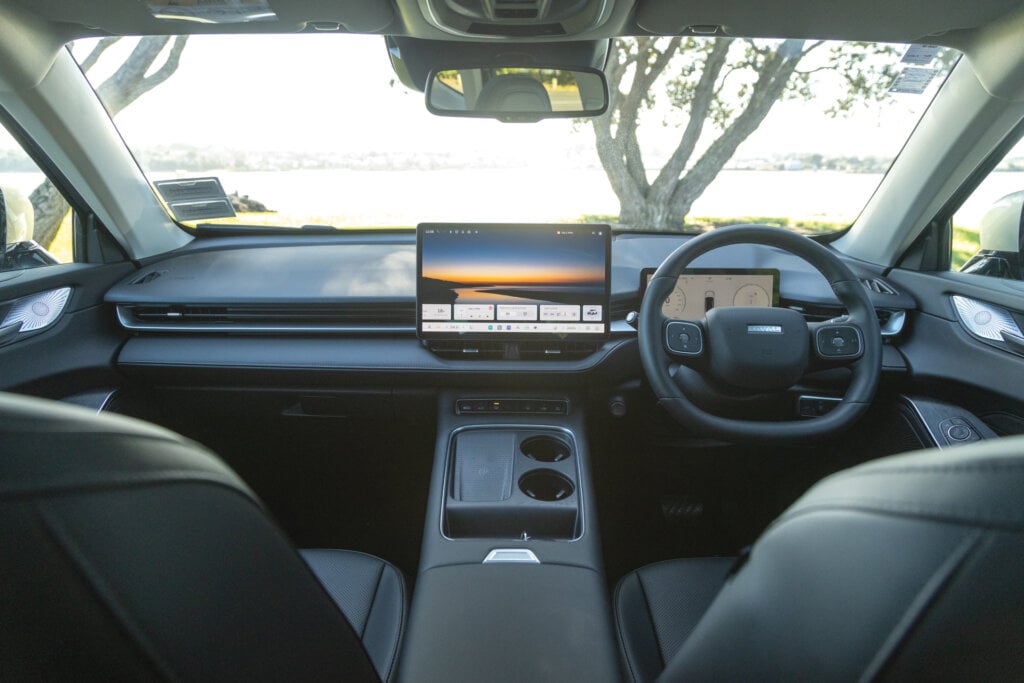
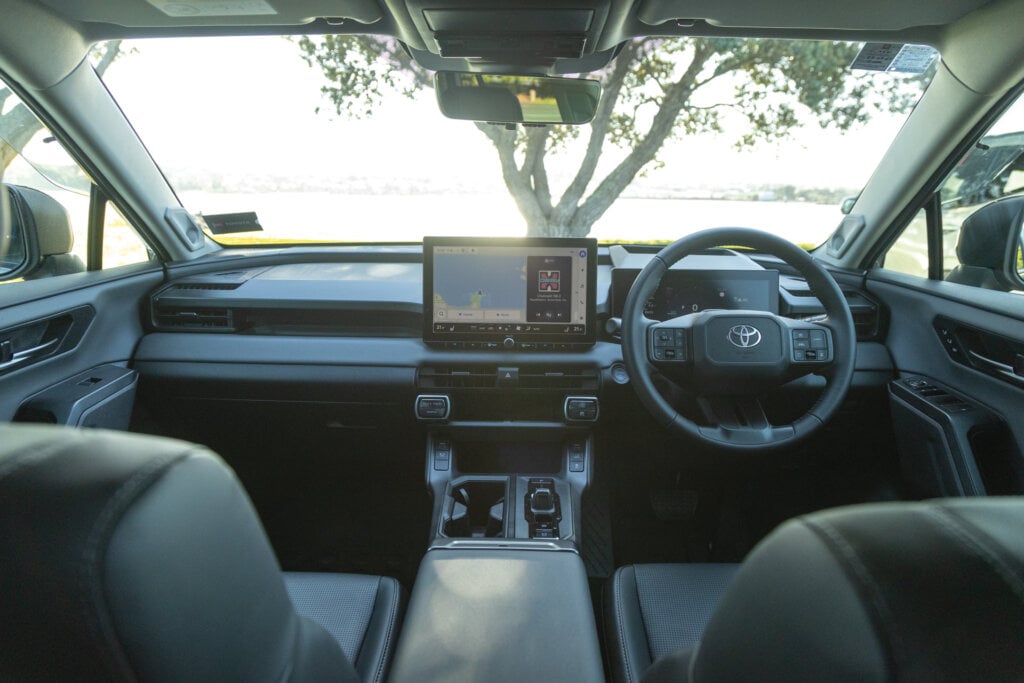
All three cabins use twin-screen layouts, but their approaches to ergonomics and presentation are quite different.
Toyota’s is the most conventional and probably the easiest to fathom on first encounter. The Limited gains a 12.9-inch central touchscreen, a digital instrument panel and a head-up display.
The updated infotainment system is logically arranged and complete with a smart voice assistant, while there are still a few physical controls for select ventilation functions and the audio volume. The huge drive-mode buttons are excessive, though. Connected services are a major part of the update. The MyToyota Connect app allows owners to check the vehicle’s status, lock the doors remotely, activate the climate control and send planned routes to the navigation system. Emergency assistance and automatic collision notification are also included. And you get two phone-charging pads.
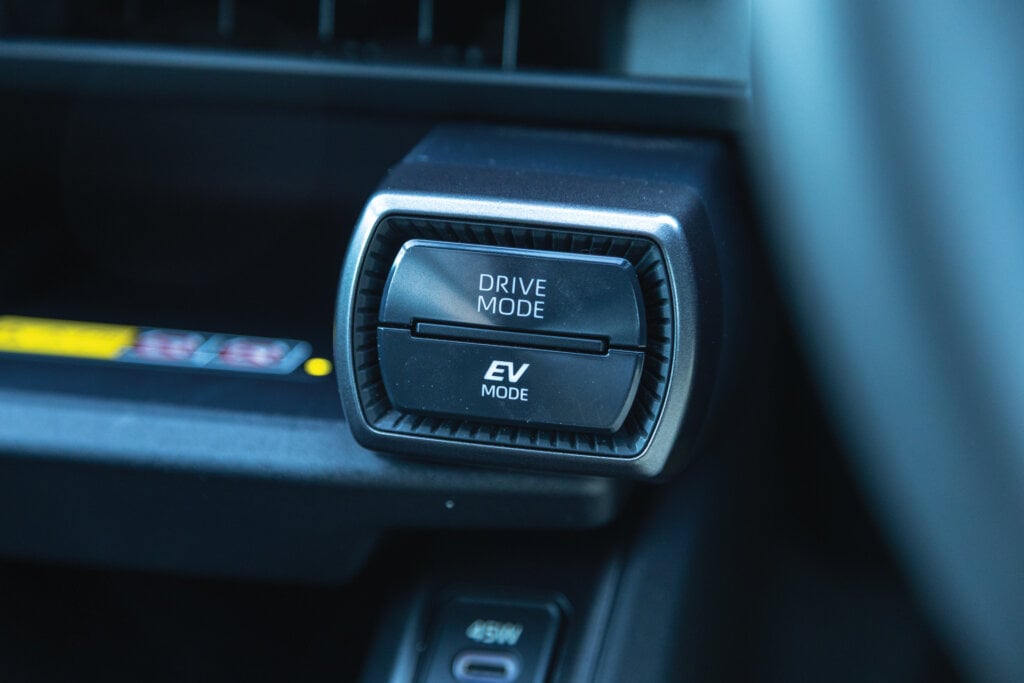
The driving position is the best of the three, with generous seat and steering-wheel adjustment. The front seats seem designed with larger occupants in mind, but they’re supportive, heated and ventilated too. We like the redesigned door handles, which are easy to grab.
Storage abounds, and the twin-hinged centre-console bin works well, although the unlined compartments feel stingy in a $66,000 SUV. That sums up the Toyota cabin; there’s lots of plastic for the money, but it’s solidly constructed and we bet it will be holding up best after five years.
The MG does the best impression of a premium vehicle inside. Its cabin materials are softer, with more surfaces covered, while the microsuede seat trim is a nice touch. Build quality has improved substantially over earlier MGs, with consistent panel gaps and things like the glovebox operating with more precision. The seat is comfortable but could use a wider adjustment range. Its high-set centre console contains useful storage, cupholders and a cooled wireless charging pad, with additional connections and a lined compartment underneath.
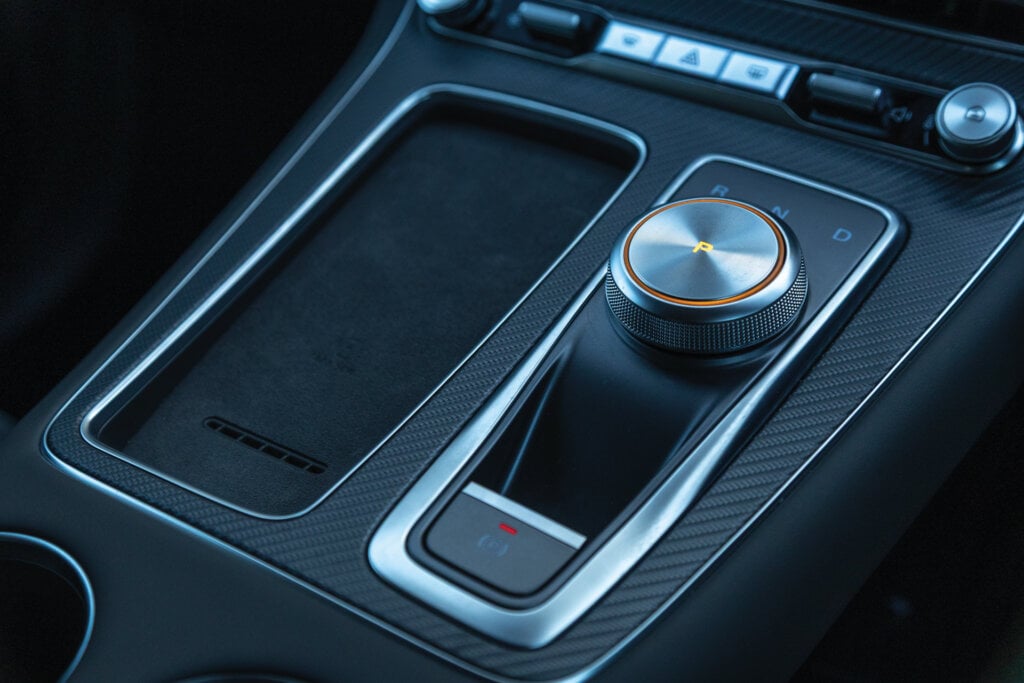
We aren’t big fans of the rotary gear selector, though we suppose it’s straightforward once you learn to press the brake pedal firmly before selecting a gear. It also occupies console space where a column shifter, like that fitted to the H6, would have freed up more room. The physical buttons for temperature, fan speed and audio volume are welcome, so the touchscreen isn’t responsible for everything. While the menus are clear, the system’s response needs quickening. Like the others, it has wireless Apple CarPlay and Android Auto, while integrated apps such as Spotify, Amazon Music, YouTube and TikTok are available too, along with a user app. The one bum note concerns the poor audio quality.
All have 360-degree cameras. The MG’s provides the best view of the three, while accurate parking sensors and a wizard turning circle make the S6 surprisingly easy to position.
The Haval’s cabin looks and feels its age, as it’s the oldest car here, though one has to consider its price point. The high centre console provides good storage, the cupholders are sensibly positioned and there’s a wireless phone charger. Like the MG, it has a heated steering wheel, something you’ll learn to appreciate on a cold morning and something the RAV4 driver misses out on. The front seat lacks support, with a short base cushion and insufficient adjustment, while a thick A-pillar combines with the wing mirror to restrict visibility at intersections.
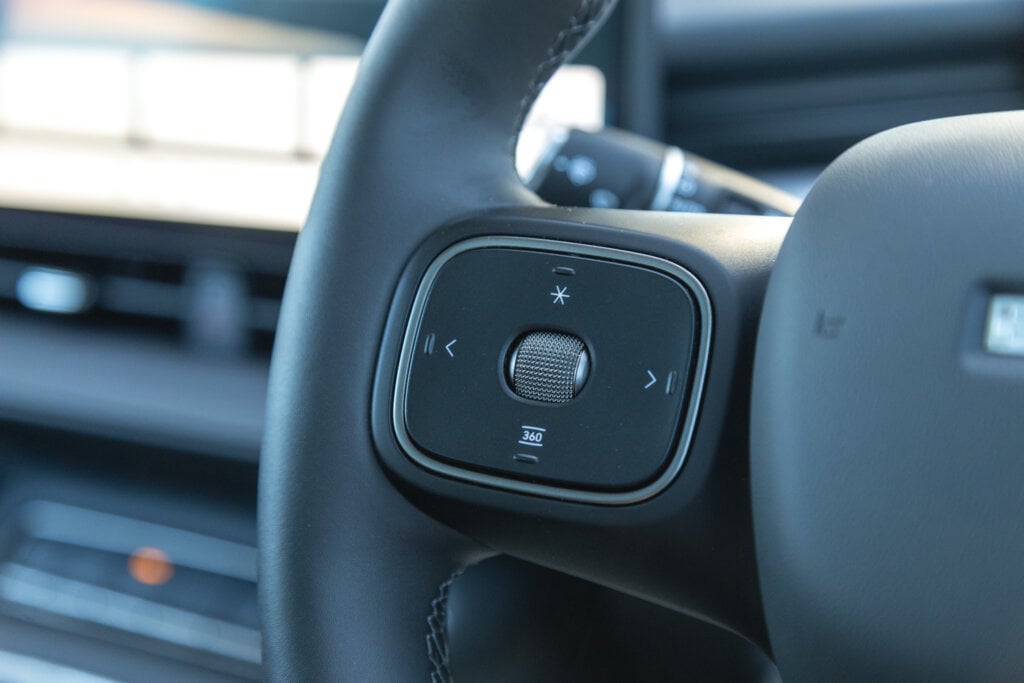
Its big touchscreen looks impressive, but much of the display is dedicated to the pretty wallpaper design, while the small icons are squeezed along the bottom. More physical ventilation buttons would help. The steering-wheel switches look fancy but try to perform too many functions. Familiarity helps, though neither the screen nor the wheel controls are as intuitive as it should be.
Three forms of electrification
The RAV4’s hybrid system combines a couple of motors and a 2.5-litre petrol engine to make a combined 143kW. The Limited has AWD, with an electric motor at the rear providing extra traction when it’s needed. Toyota doesn’t quote a total torque figure, but it feels substantial and is tapped quickly. There’s always plenty of low-end urge and, once up to speed, you can back out of the gas and these new-generation Toyota hybrids can truck along on volts quite happily on a light throttle. Accelerate again and the ICE fires seamlessly, if a little noisily, while the e-CVT delivers smooth progress. The AWD provides reliable traction on slippery surfaces, adding a level of safety on a wet day in heavy traffic.
Fuel consumption depends on your driving style. Egg it along and the figure can climb towards 8.0L/100km, but gentler use brings it back into the sixes, with the official figure being 5.1L/100km.
The hybrid requires the least thought regarding its operation. A full tank delivers more than 800km of driving, and it isn’t dependent on charging infrastructure. Currently, it’s not subject to RUCs, but the new RAV4 does require 95-octane fuel. If the thought of plugging in is still bewildering, a hybrid like this will make the most sense.
The MG has great stats for the price asked. Its rear motor delivers 180kW and 350Nm with that usual torquey, easy electric delivery. It doesn’t dish out the neck-snapping launch associated with some EVs, the initial response being rather measured. This is more about refinement than firepower. There’s the 266kW/540Nm AWD model if you’re into that. But you still get the smooth surge that makes electric cars so easy in traffic, while the traction control on wet roads is well calibrated. Once moving, it has enough performance to enter gaps and complete overtaking manoeuvres without fuss. The brake pedal is sponge-free, and each level of brake regeneration works well too. It’s also adjustable on the fly, should you set it up via the configurable shortcut button on the wheel.
The 77kWh NCM battery can deliver 530km of range and, while efficiency is rated at 14.5kWh/100km, a figure in the 17s is more likely. That still means you’ll get around 450km before charging is required. At a DC charger, it can accept up to 144kW under ideal conditions.
The Haval can potentially offer the best of both worlds. Charge it regularly and you’ll complete your daily driving electrically, while the petrol engine remains available for longer trips. Its 19kWh battery gives up to 106km of engine-off roaming, and you can expect at least 80–90km before it begins operating in hybrid mode.
The catch is that it really does need constant charging to deliver low-emissions motoring. Driven as a hybrid after the usable battery charge has gone, it can consume 7–8L/100km around town. And you’ll be paying both petrol tax and RUCs for those kilometres.
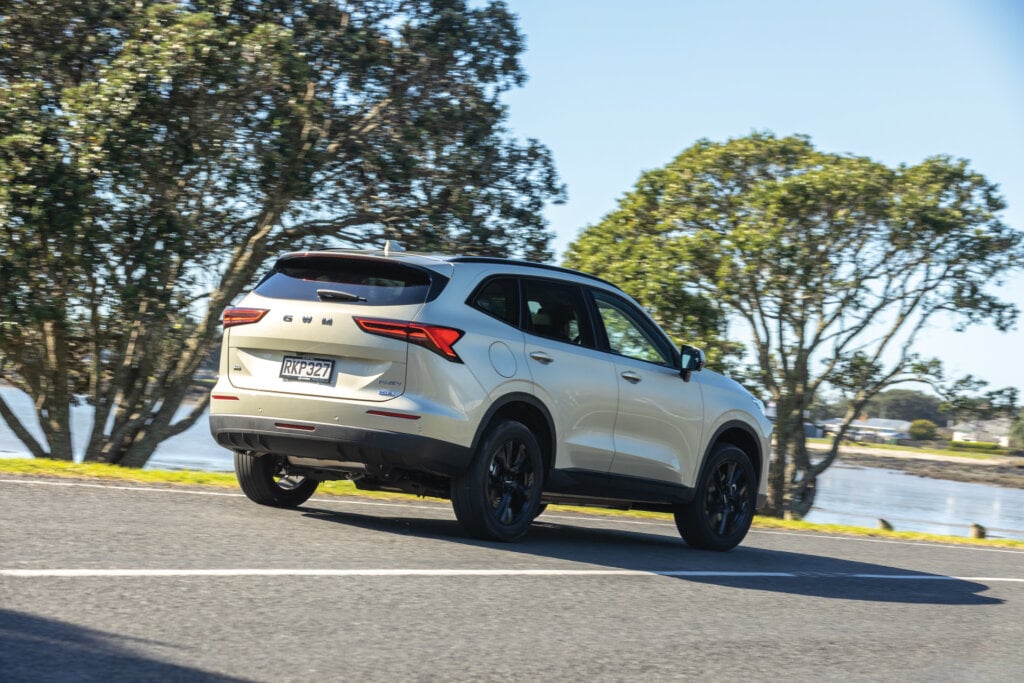
The PHEV is the most complex beast here. In EV mode, it’s quiet and gets along okay, but it doesn’t have the same effortlessness as the fully electric MG. And in hybrid mode, the interaction between the engine and motors is not as smooth as in the RAV4. It feels a tad underwhelming until the petrol engine is persuaded to join in.
And yet the Haval has useful overtaking performance and can feel surprisingly forceful for a medium SUV. The response changes according to the selected drive mode, however. It does its best work in AWD mode, with the engine churning and the front wheels engaged, though that’s not great for overall economy. It does improve general traction, as you’d hope. Otherwise, the traction control can be heavy-handed when calming the rear wheels. That unpredictability is most noticeable when pulling out of a driveway or turning into traffic on a damp road. When you really need secure, repeatable traction, the H6 can hesitate. Another thing, the brake pedal is spongy and difficult to modulate during low-speed manoeuvres, especially when reversing.
Road behaviour
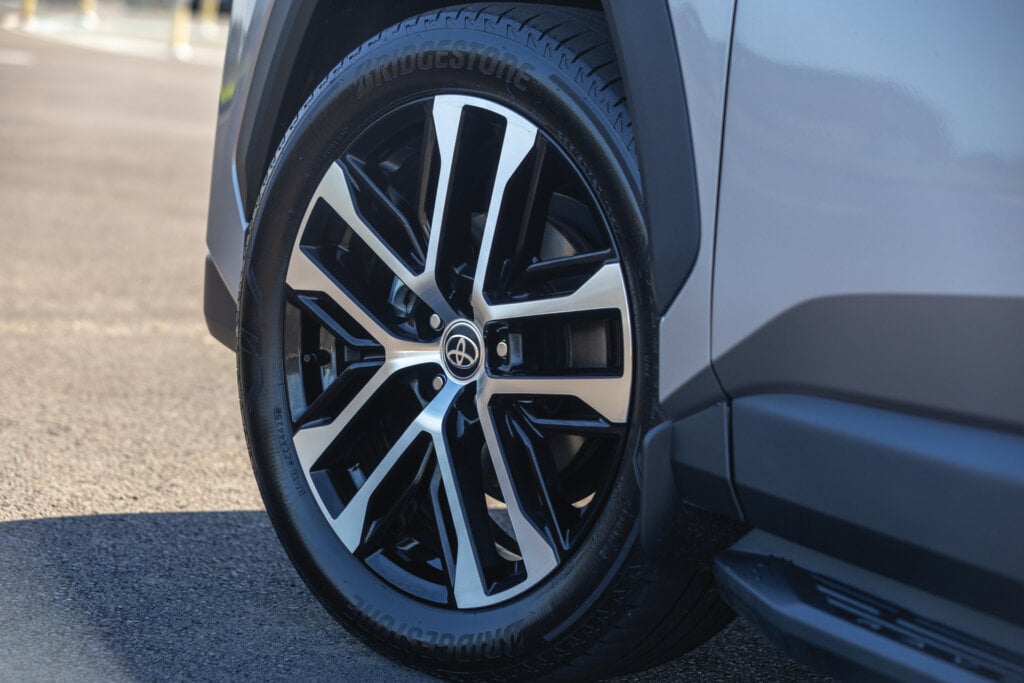
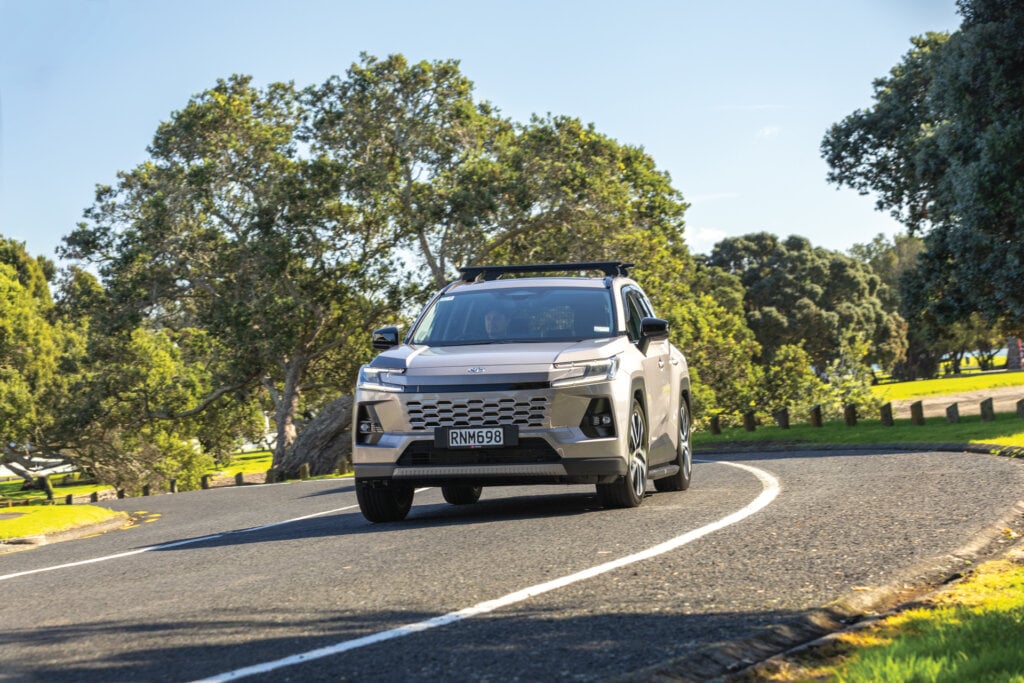
The RAV4 is the most predictable dynamically. Its steering is well weighted and direct, the front end finds grip readily and the rear remains stable. Bump absorption is generally good, although the Limited’s 20-inch wheels introduce the odd sharp edge. The RAV4 also generates the most tyre roar on coarse-chip surfaces. Even so, the Toyota has the best overall ride-and-handling balance. It behaves exactly as a family SUV should, remaining composed without feeling completely detached. One peculiar feature is the onboard recording system, which can decide a corner taken enthusiastically constitutes an ‘incident’ and save a video clip. After several bends, ours became overwhelmed and reported a technical problem. Apparently, enjoying a winding road exceeded its capacity.
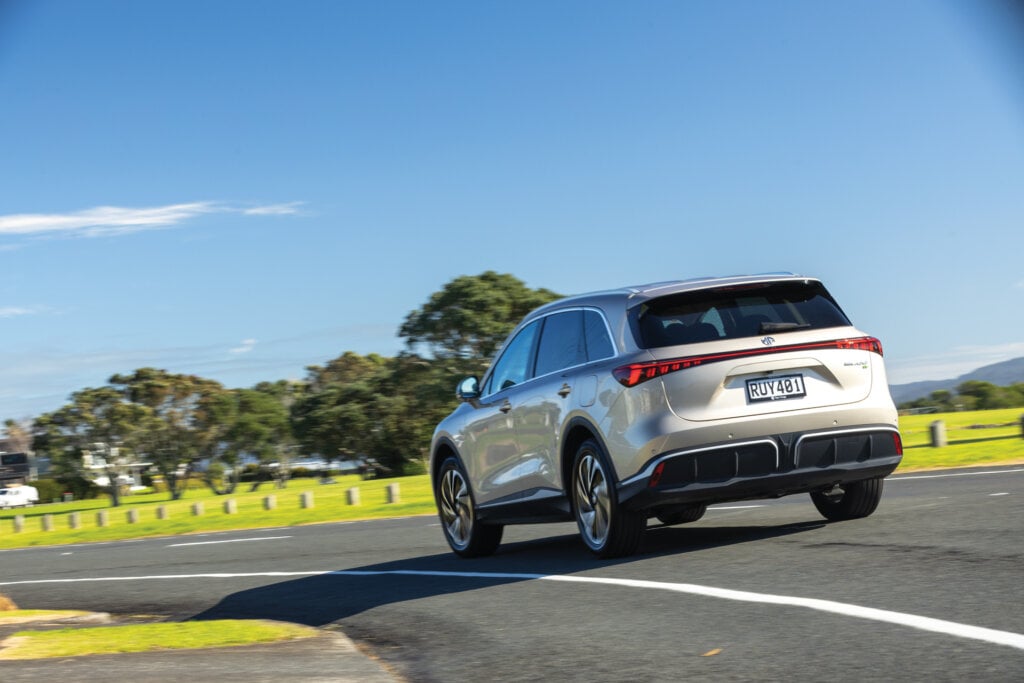
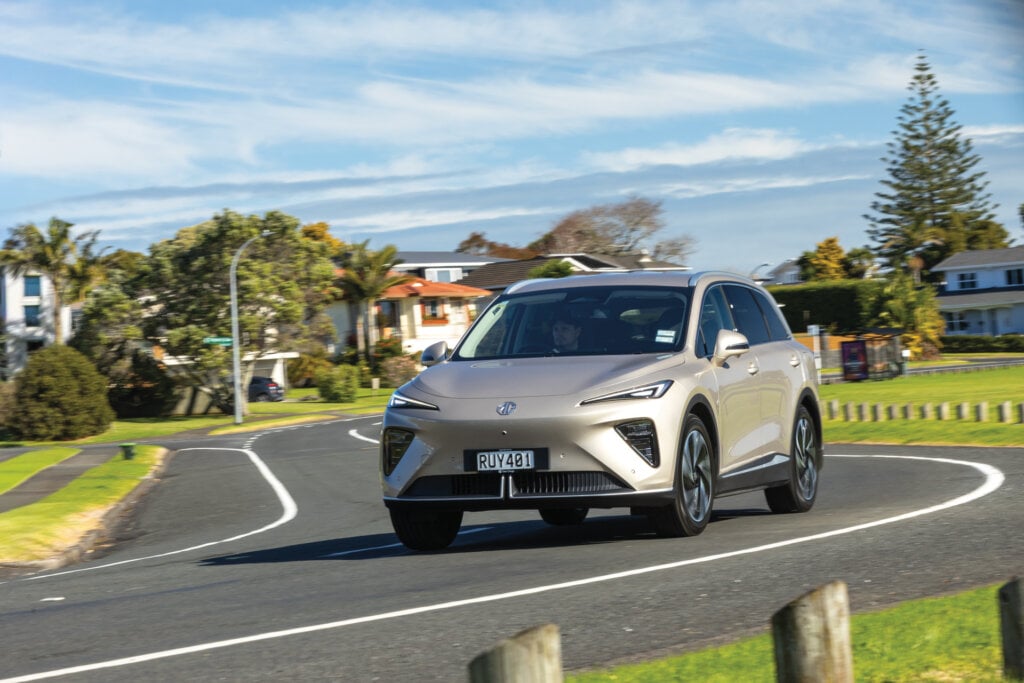
The MG is the most eager to turn into a corner. Its steering is accurate, and the front end responds keenly when directed towards an apex. There’s a touch of firmness to the ride, but that’s preferable to the floating and crashing behaviour found in some softly suspended SUVs. Only occasionally does a sharp bump disturb its composure. You can feel some momentum from the rear in quicker corners, at which point the stability control tidies things up unobtrusively. Most drivers will never notice it working.
This is a considerable improvement over MG’s early electric SUVs. The original ZS EV appealed mainly because it was affordable; the S6 is light years better and a genuinely accomplished vehicle, regardless of its price.
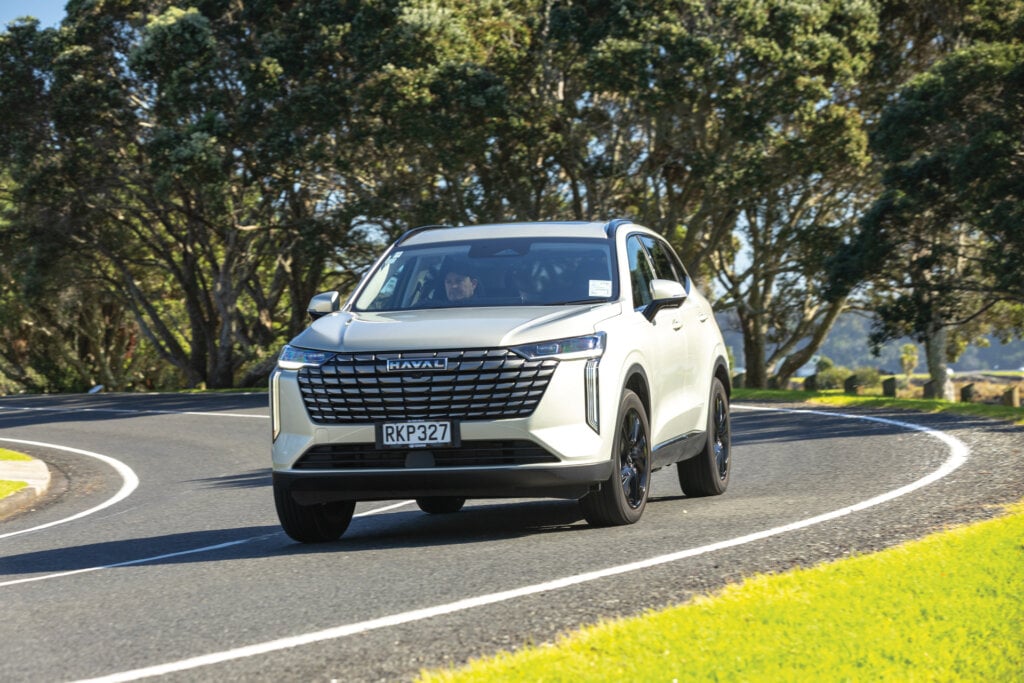
The Haval’s steering is on the light side and a little distant. Body-roll control is reasonable, but ultimate grip is lower and the rear axle doesn’t feel as settled as those of its rivals. Push harder and the front runs wide before the stability control intervenes. It’s a reasonable highway cruiser however with less road noise than the Toyota, but the damping lacks sophistication and can crash over sharper bumps. GWM has introduced an Australian-specific suspension tune for the H6, which is said to address these concerns, and we hope to try that soon on local roads.
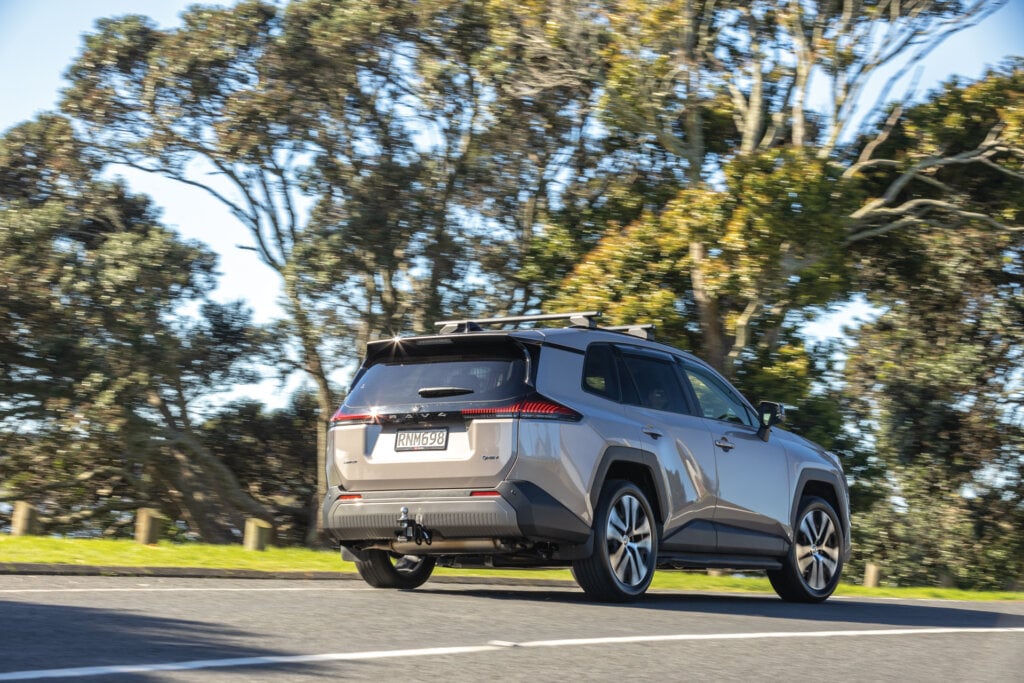
The RAV4’s driver-assistance systems felt nannying at first, particularly the driver monitor, but we discovered there’s plenty of adjustment available. And many of the settings are remembered, so you can tone down unwanted interventions. The Toyota’s adaptive cruise control, lane centring and lane-keeping assistance features are the best here. The other two tend to leave too large a gap to the cars in front.
The MG’s only annoying feature is the speed alert, which, along with any other system you find unwanted, can be turned off via a programmable custom setting. The Haval doesn’t have a speed-limit warning or a driver monitor, though the lane-departure function needs refining.
Which should you choose?
The H6 makes a compelling case on sheer value. At $54k, the PHEV offers abundant equipment, a spacious cabin and the ability to complete everyday journeys without petrol if it’s charged regularly. It looks good, the quality is present and there’s good warranty coverage as well. The inconsistent powertrain response, unresolved all-wheel-drive calibration and touchscreen-heavy interface are worth noting, though.
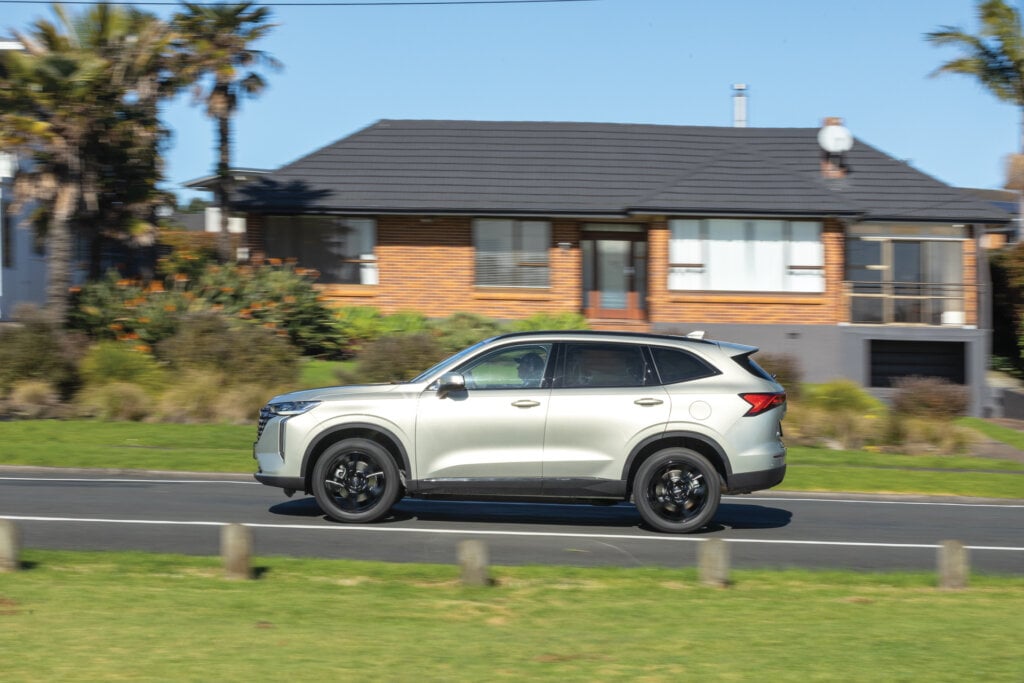
The RAV4 is the familiar choice. It has the easiest powertrain to live with, its operation is straightforward and it feels like it will last. The price of the Limited is steep, however. It’s well specified, but the cabin doesn’t quite feel special enough to justify it being the dearest here.
The MG delivers an appealing and accommodating cabin and the most satisfying handling. It’s quiet, spacious, easy to manoeuvre and well polished overall. Its limitations are those that apply to almost every EV. You need dependable home charging, and longer journeys require more planning than they do in the Toyota or Haval.
If those compromises fit your life, the S6 is worth investigating further. It has a good mix of quality, refinement and value, while its electric platform provides benefits you can see and feel every day.
The RAV4 is still a good choice for those wanting maximum flexibility and low emissions with minimum effort. A model like the $58k GXL seems better value, and it can be $2k cheaper if you don’t really need AWD.
Of course, there’s no one-size-fits-all answer to the electrification question. Choose the one that best fits your requirements. The MGS6 makes a great case for going fully electric, Toyota proves the conventional hybrid still has plenty of relevance, and Haval shows both the promise and complexity of trying to combine the two.
GWM Haval H6 Ultra PHEV AWD
$53,990 / 1.1L/100km / 25g/km
0-100 km/h 6.12s
80-120 km/h 4.62s (135m)
100-0 km/h 37.65m
Speedo error 97 at an indicated 100km/h
Ambient cabin noise 70.2dB@100km/h
Engine 1499cc / IL4 / T / DI
Max power 110kW@5500-6000rpm
Max torque 240Nm@1800-4000rpm
Battery 19kWh
Range 106km
Hybrid System Output 268kW / 760Nm
Drivetrain 2-speed auto / e-AWD
Front suspension Mac Strut / sway bar
Rear suspension Multilink / sway bar
Turning circle 11.9m (2.75 turns)
Front brakes Ventilated discs
Rear brakes Discs
Stability systems ABS, ESP, TV
Safety AEB, ACC, BSM, LDW, RCTA, ALK, AHB
Tyre size f/r-235/55R19
Wheelbase 2738mm
L/W/H 4703 / 1886 / 1730mm
Track f-1631mm r-1640mm
Fuel capacity 55L
Luggage capacity 560-1445L
Tow rating 750kg (1500 braked)
Service intervals 12 months /15,000km
Warranty 7yrs / unlimited km
ANCAP rating ★★★★★ (2022)
Weight (claimed) 1980kg
Toyota RAV4 Limited hybrid
$65,990 / 5.1L/100km / 116g/km
0-100 km/h 8.42s
80-120 km/h 6.45s (188m)
100-0 km/h 35.89m
Speedo error 97 at an indicated
100km/h
Ambient cabin noise 71.9dB@100km/h
Engine 2487cc / IL4 / DI
Max power 105kW@4800rpm
Max torque 221Nm@3200-3600rpm
Battery 1.1kWh
Hybrid System Output 143kW
Drivetrain e-CVT / e-AWD
Front suspension Mac Strut / sway bar
Rear suspension Wishbones / sway bar
Turning circle 11.4m (2.6 turns)
Front brakes Ventilated discs
Rear brakes Discs
Stability systems ABS, ESP, TV
Safety AEB, ACC, BSM, LDW, RCTA, ALK, AHB
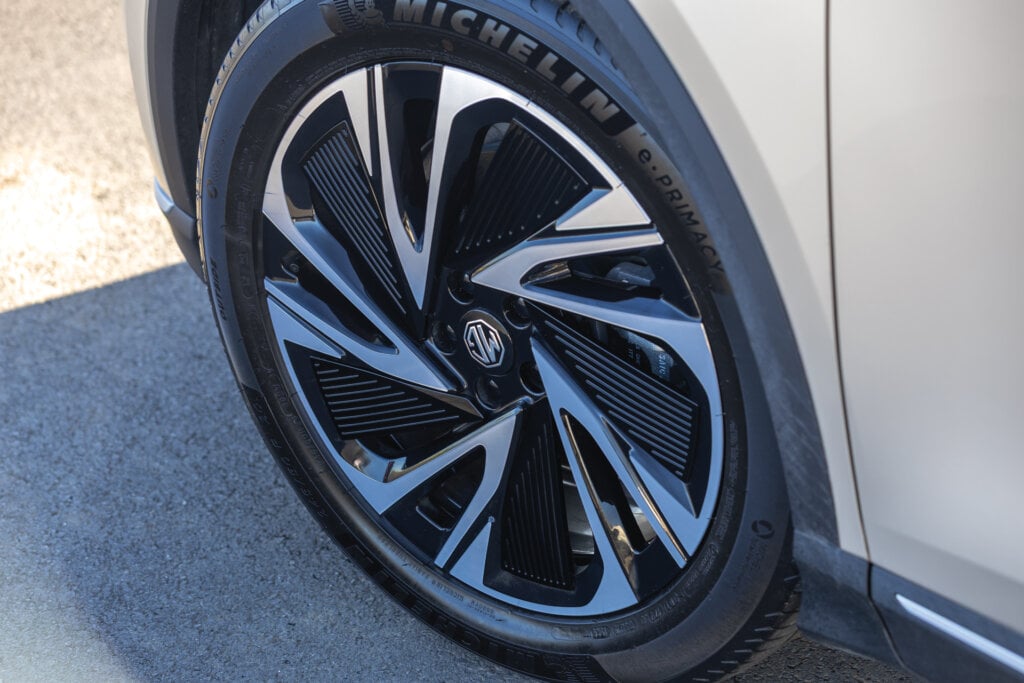
Tyre size f/r-235/50R20
Wheelbase 2690mm
L/W/H 4600 / 1855 / 1680mm
Track f-1600mm r-1650mm
Fuel capacity 55L
Luggage capacity 456L
Tow rating 750kg (1500 braked)
Service intervals 12 months / 15,000km
Fixed price service $365
Warranty 5yrs / 150,000km
ANCAP rating Unrated
Weight (claimed) 1775kg
MGS6 Essence RWD
$56,990 / 14.5kWh/100km / 0g/km
0-100 km/h 7.18s
80-120 km/h 4.61s (134m)
100-0 km/h 37.90m
Speedo error 98 at an indicated 100km/h
Ambient cabin noise 69.9dB@100km/h
Motor output 180kW
Max torque 350Nm
Battery 77.0kWh
Range 530km
Drivetrain Single-speed auto / RWD
Front suspension Mac strut / swaybar
Rear suspension Multilink / swaybar
Turning circle 11.1m (2.75 turns)
Front brakes Ventilated discs
Rear brakes Discs
Stability systems ABS, ESP, TV
Safety AEB, ACC, BSM, LDW, RCTA, ALK, AHB
Tyre size f/r-245/50R20
Wheelbase 2835mm
L/W/H 4708 / 1912 / 1664mm
Track f-1622mm r-1612mm
Luggage capacity f-86L / r-581-1690L
Tow rating 750kg (1500kg braked)
Service intervals 12 months / 25,000km
Service plan 3yr – $899
Warranty 5yrs / unlimited km
ANCAP rating ★★★★★ (2025)
Weight (claimed) 1908kg