View all
11 more images
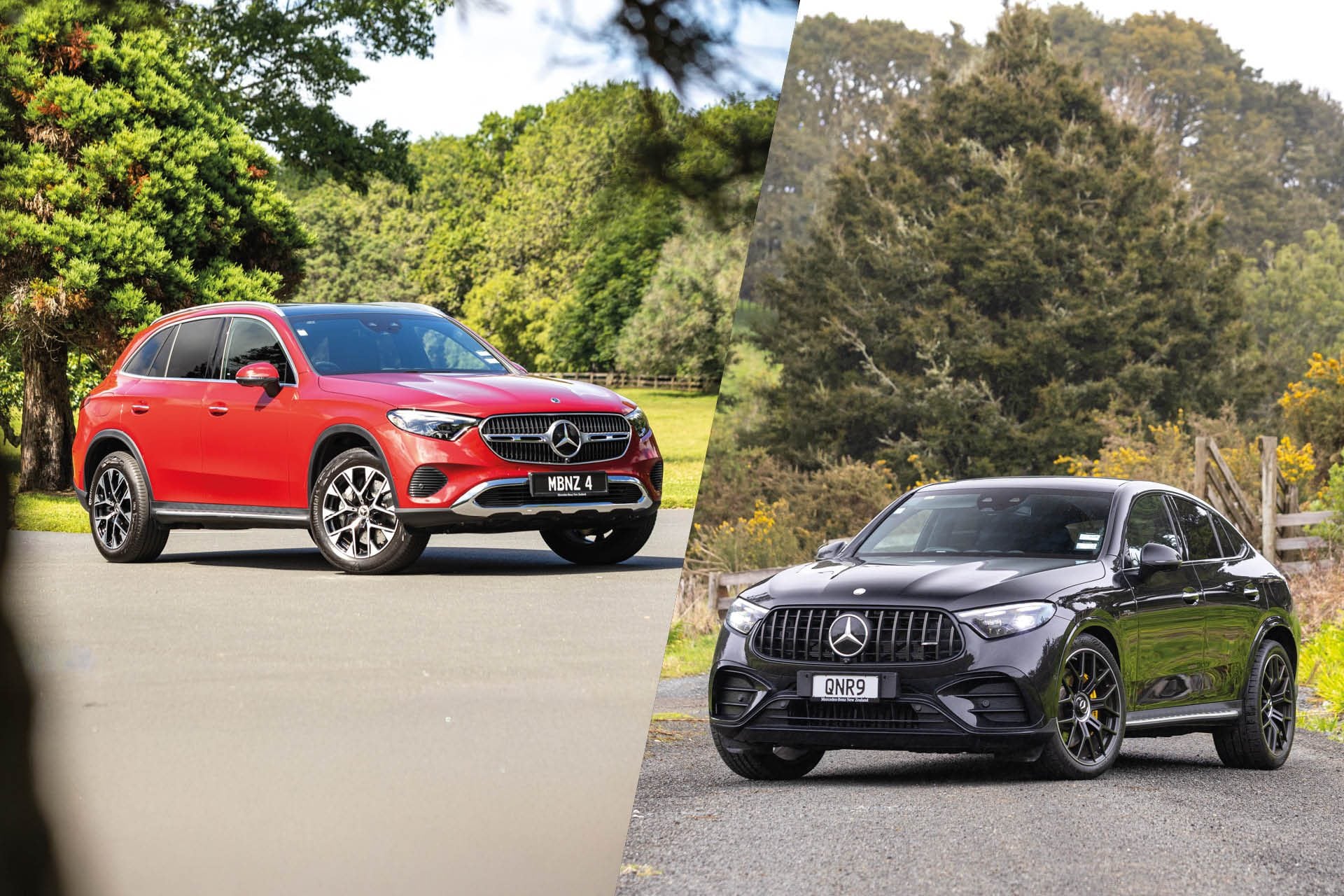
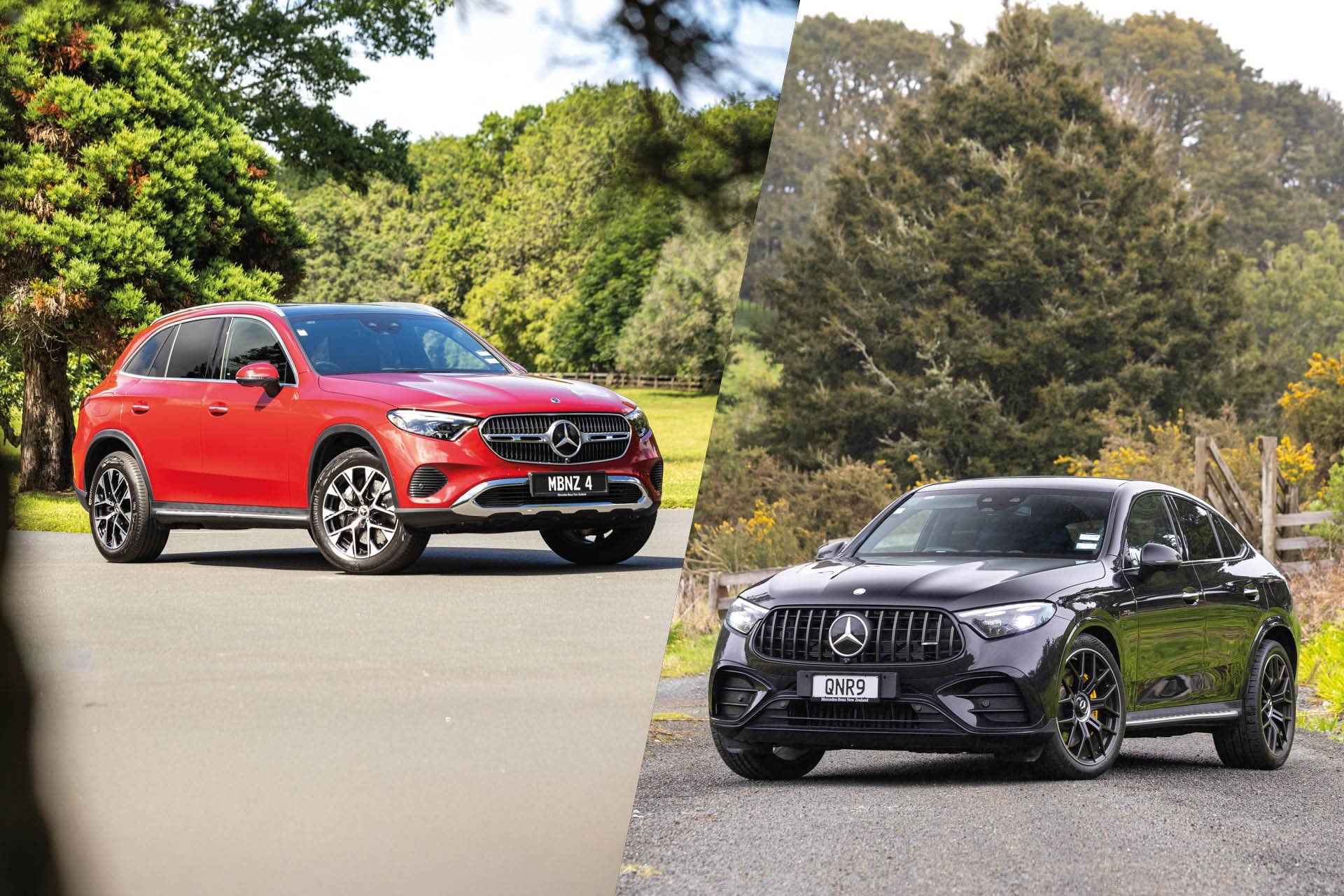
2026 Mercedes-Benz GLC 350e & Mercedes-AMG GLC 63 S e Performance Coupe Review
Words: Kyle Cassidy | Photos: Alex Schultz
AMG was confident its ultra hybrid tech would win over the punters when it released the 63 S models. Here we drive two GLC hybrids, one with a future, the other without.
As car manufacturers negotiate challenging times, big calls on powertrain offerings haven’t gone to plan. Take Benz. It was all in on EVs with the EQ range, while plug-in hybrid tech was pared back for mainstream models. Yet AMG embraced it for its line up of C and GLC models. A few years on, and things have changed. The electric strategy has been re-thought with more plug-in hybrids becoming available while the hi-po, hi-tech four cylinder experiment is dead. The official line is that the 63 models are ending production soon because of noise regulations in Europe, and certainly not because of dismal sales. And so while one of the GLC hybrids we feature here has no future, the other does, and is becoming more viable as the price premium reduces.
The AMG hybrid
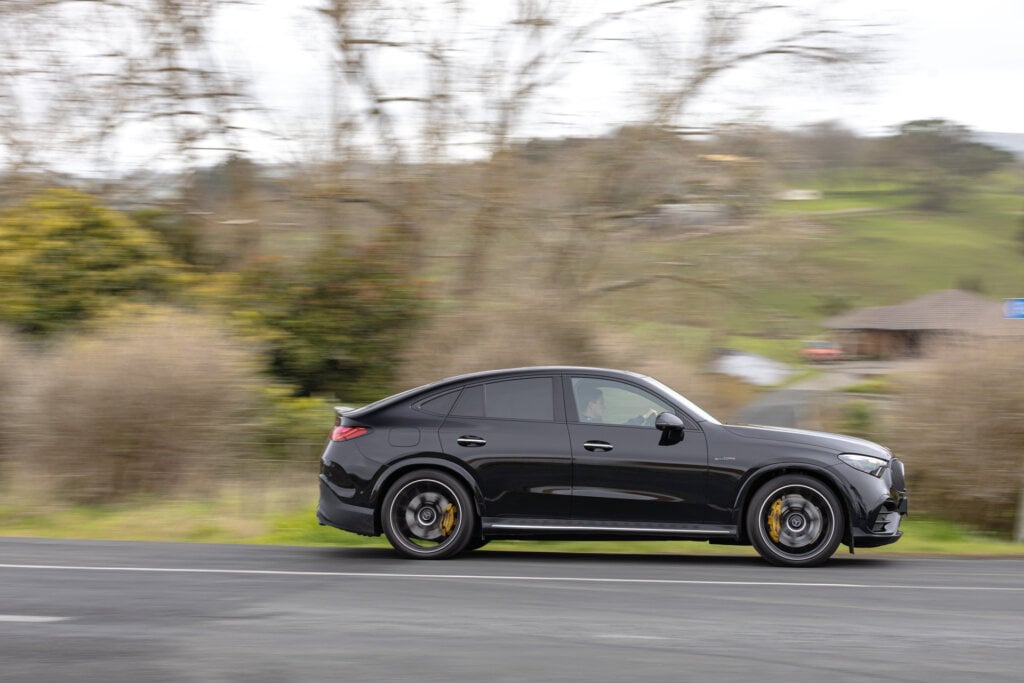
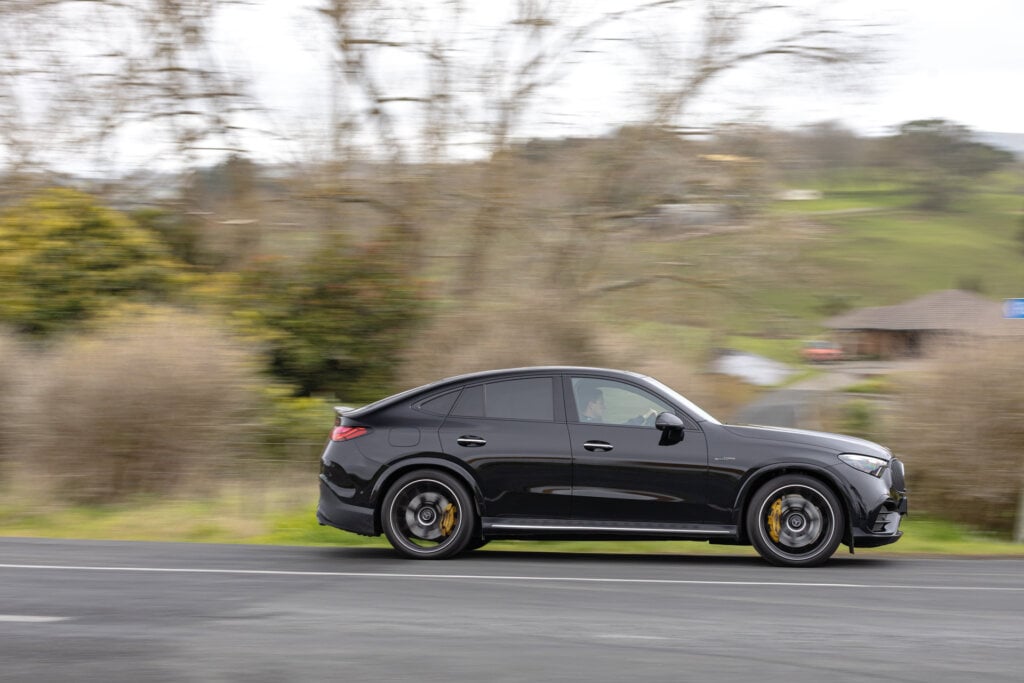
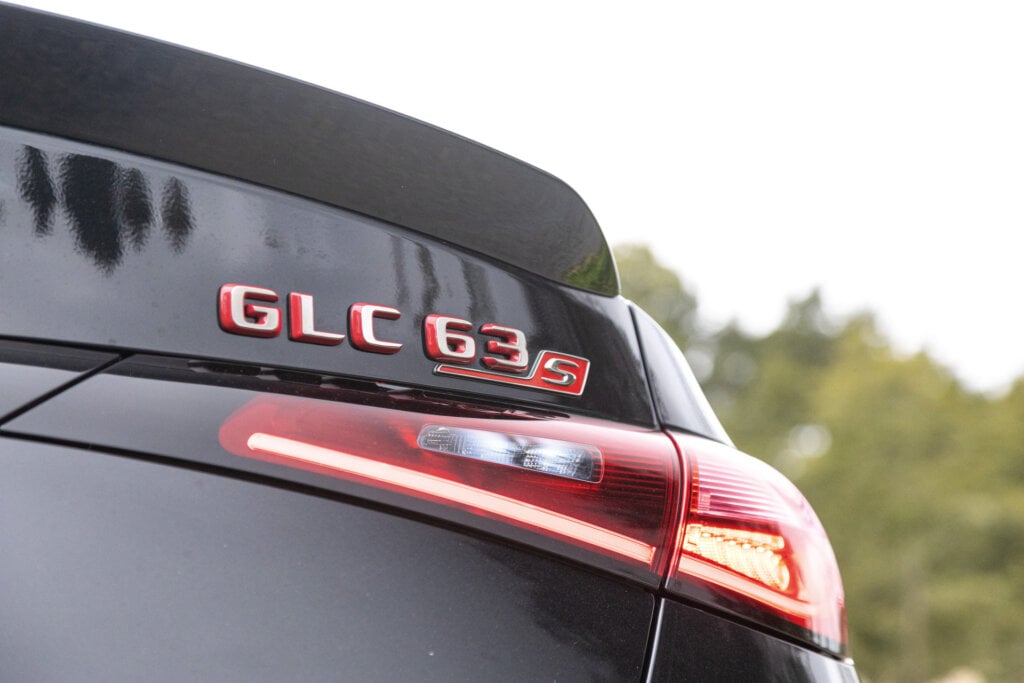
This was a good idea in theory. Produce a powerhouse model with improved performance over the old V8 with fewer emissions. And it is a trick. The 2.0-litre four runs a whopping great electric turbo to make 350kW and 545Nm. That runs via a nine-speed auto and out to the fully variable AWD system. This plug-in hybrid runs a 400v electric system, the motor delivering 80kW, peaking at 150kW for ten second max-attack bursts. It lives on the rear axle, integrated with a two-speed transmission and the e-LSD in the Electric Drive Unit. The 6.1kWh battery sits above it. This is said to convert the motor power more instantly into go, adding boost when starting off and accelerating at speed. With a total of 500kW and 1020Nm, 0-100 takes a scant 3.5s.
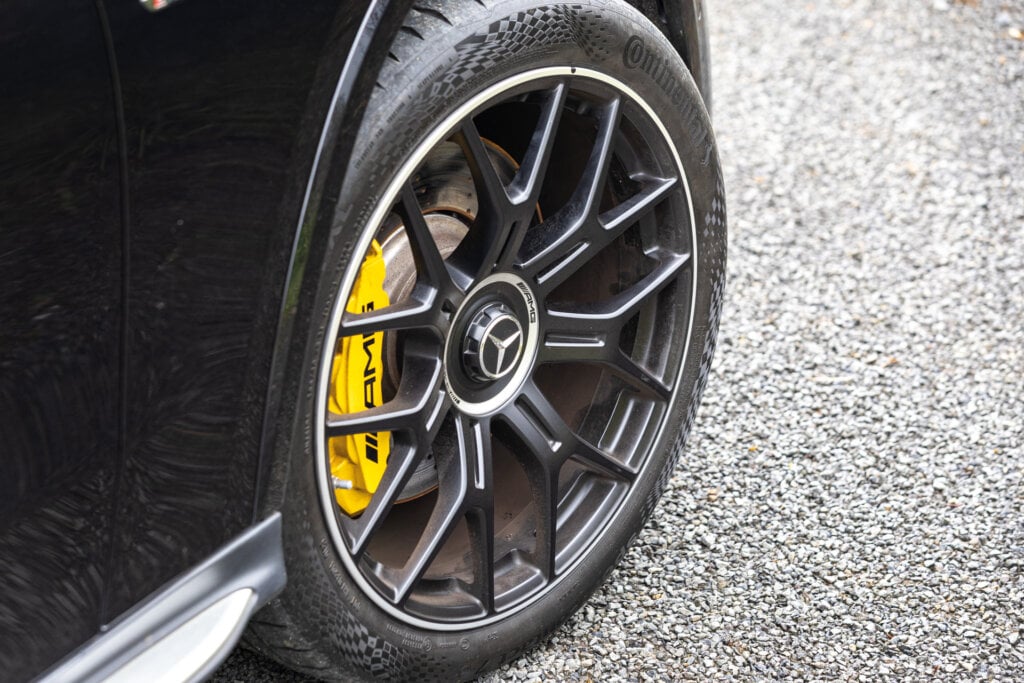
And how does it all work in practice? The battery they say is designed for fast power delivery not range, the EV driving range a piddling 12km. So it’s hardly worth charging. It works okay as a hybrid when commuting, smooth and strong. Yet an AMG EQ model blows it away for effortless, instant response. And it’s not particularly economical. The official figure is 7.7L/100km but you can double that for urban use, and triple it when running hot. And being a PHEV, you have RUCs to pay as well.
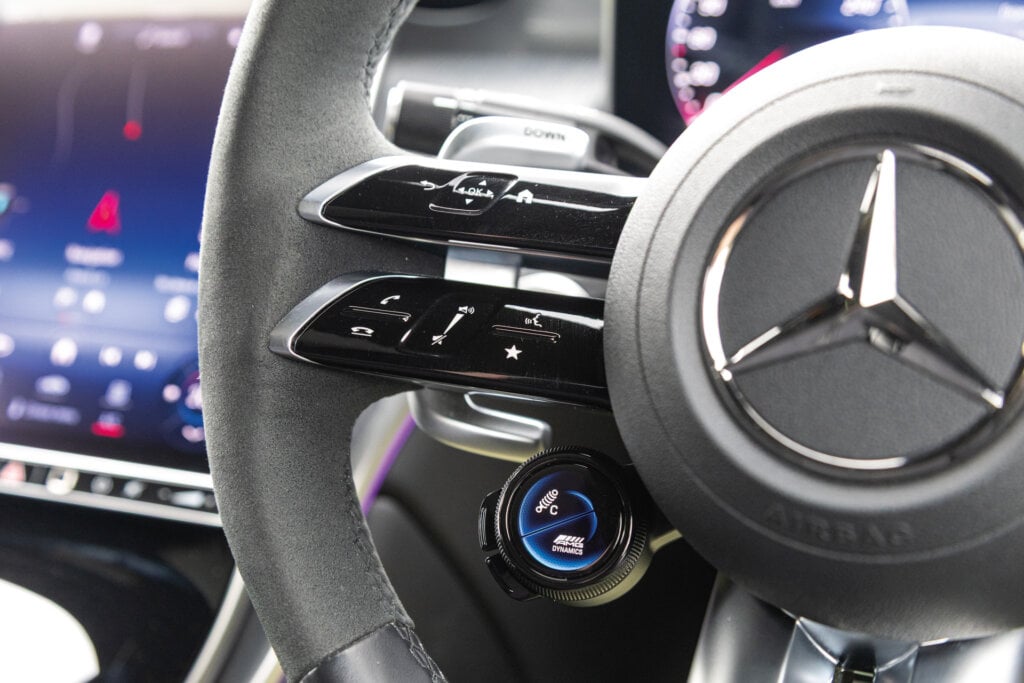
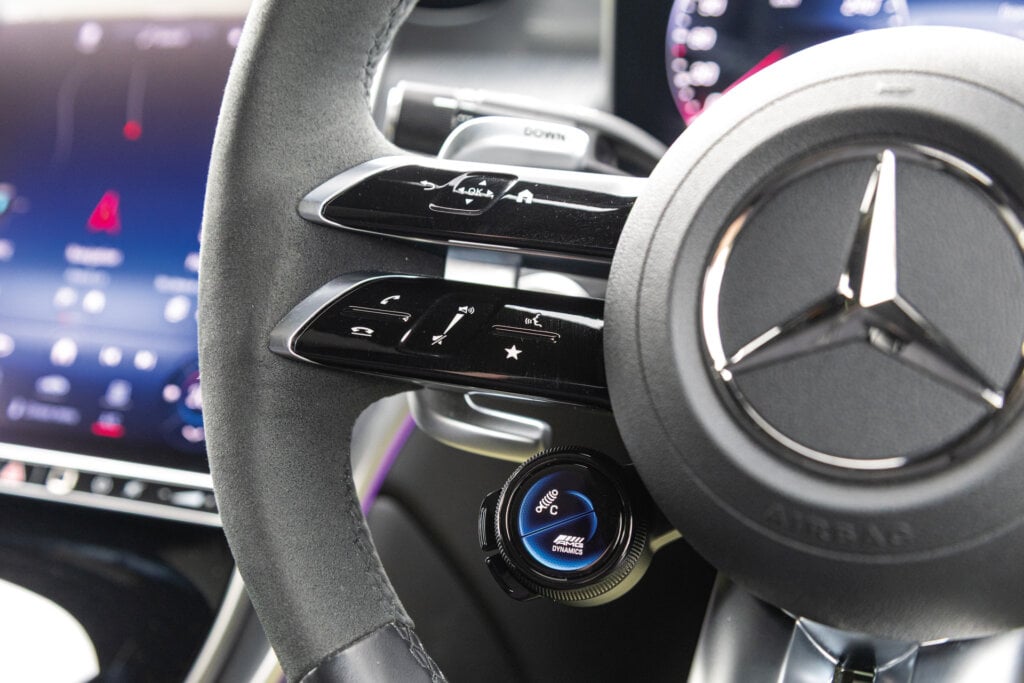
When you find some AMG-worthy roads, the drive mode buttons hanging off the steering wheel let you pick an appropriate set-up. There are a thousand options, and after much faffing about, we settled on S+ for the drivetrain, S for the suspenders and Advanced for AMG Dynamics (think braking nipping at all four corners).
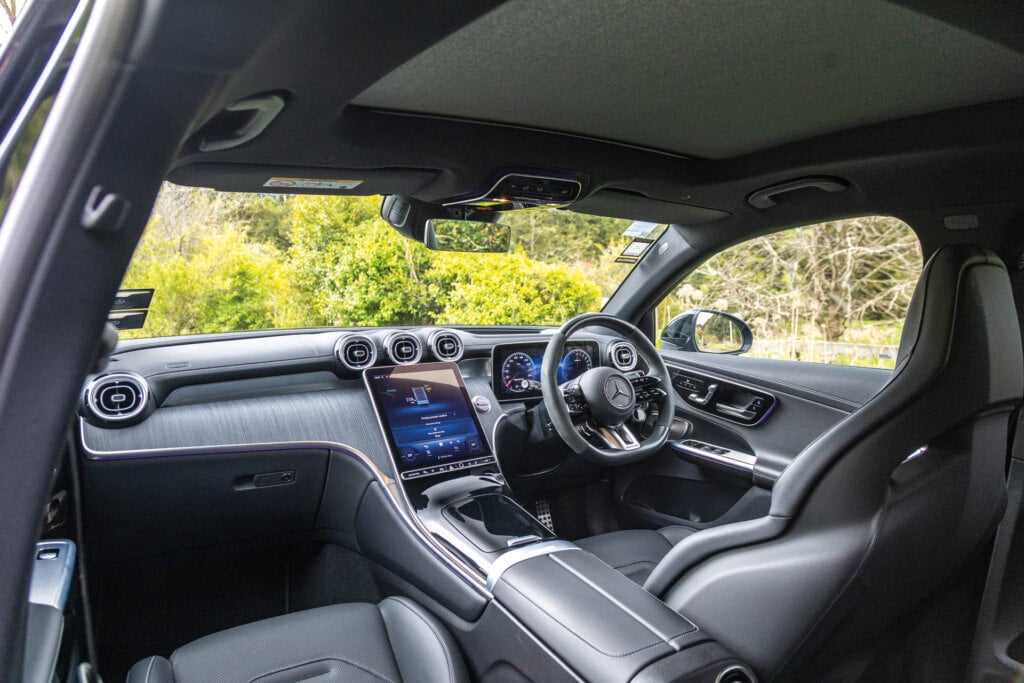
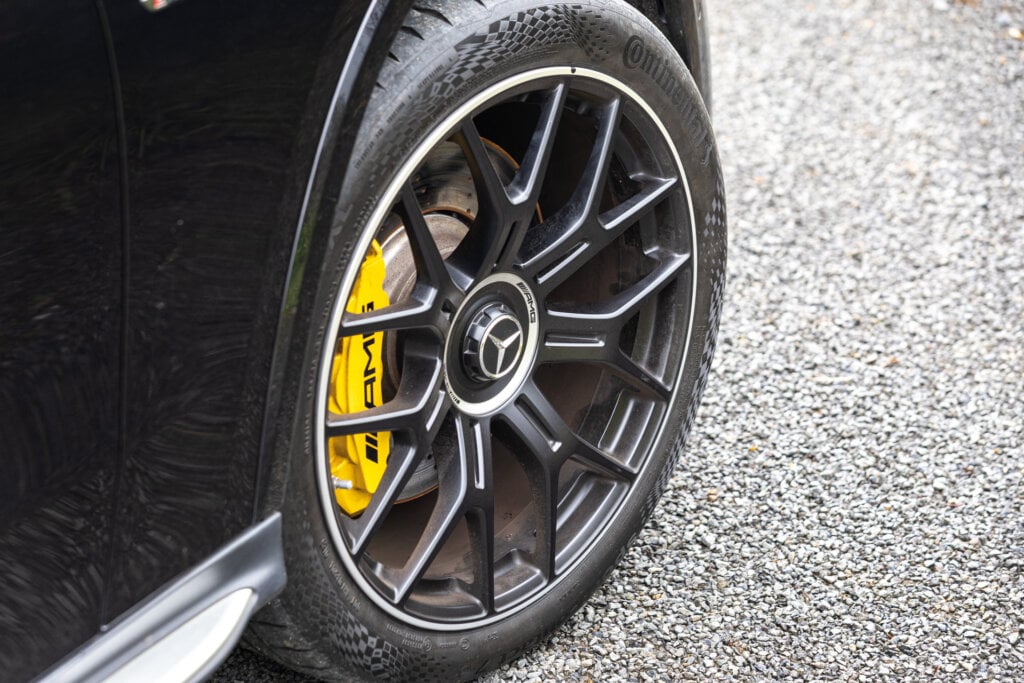
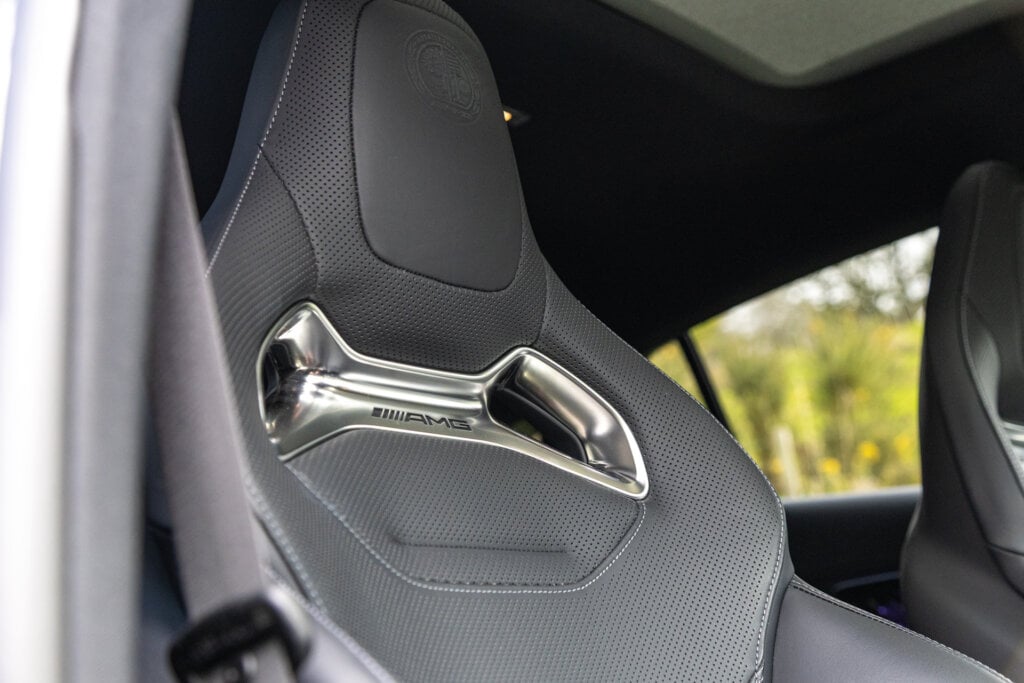
The powertrain has a very linear response so it doesn’t feel like 1050Nm is hitting you hard. It gathers speed deceptively. The steering is quick and direct, though not quite tactile, the turn-in aided by the rears pointing too. It changes direction fairly smartly, yet it’d be more nimble with less mass to control. That’s why this 2310kg SUV needs a swag of handling helpers including adaptive dampers and active roll stabilisation to tie it down. It feels heavy, especially when trying to haul it all up. The brakes do a good job, biting early, the pedal with plenty of resistance to balance big inputs. And they absorb repeated abuse.
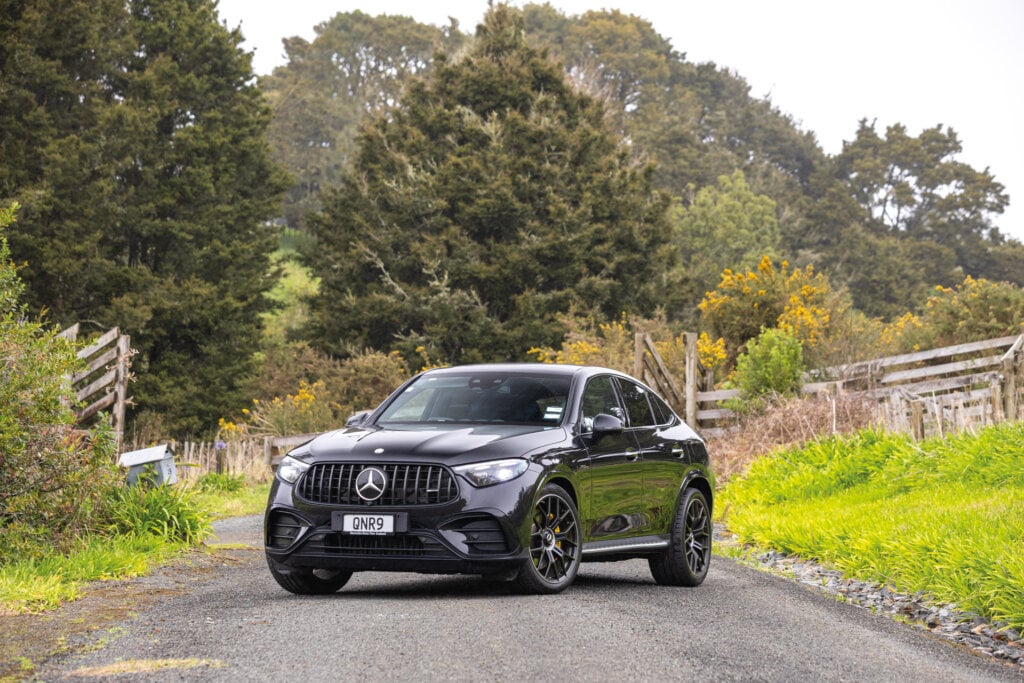
A four pot sound track can never compete with the orchestral rumble of a V8, but it’s not devoid of aural soul, with a rasping induction and crackles on up shifts and overrun. While the thunder is missing, it’s still lightning quick. But ultimately engaging? Hmm, this techno terror is impressive for sure, but you sense all that stuff working hard to keep it on the road. The GLC 43 weighs 1995kg and probably feels better for it. There’s also the $206,900 ask for the 63 S Coupe to consider, which is a lot for four-cylinders.
The sensible hybrid
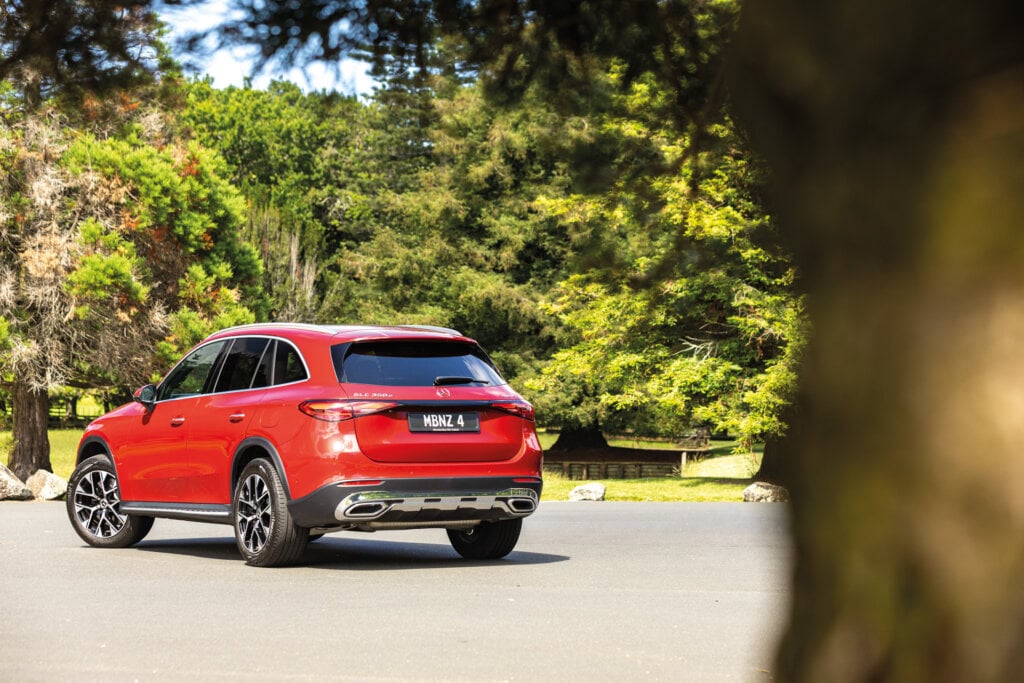
Some plug-in hybrids carry a crippling premium compared with their conventionally-powered stable mates, but not the GLC 350 e. At $115,900, it’s level with the GLC 300. The 300 is better specified, equipped with AMG styling, but both are AWD with a 2.0-litre turbopetrol under the bonnet. But the 350 e adds a 25kWh battery and a 115kW motor to slash emissions in town running.
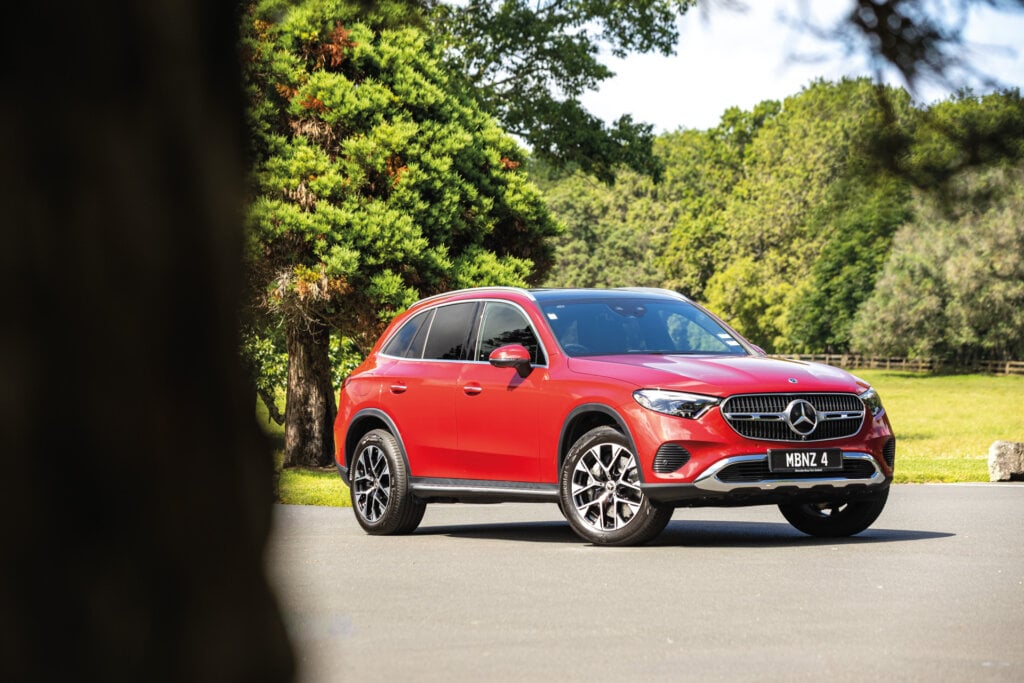
A charge should net you between 90 and 100km of engine off running. We managed 95km, the majority being urban trawling. This parallel hybrid has enough electric power for refined commuting, the odd shunt from the transmission aside. And it’ll rally along with motorway traffic without firing the petrol engine. You can fiddle with the brake regen via the paddles, but you can also leave it to the sensors, the GLC slowing automatically with the traffic up front. It makes for a very easy drive. In hybrid mode, the engine merges with the electric output smoothly, the response of the combined effort effective, so there’s no qualms here about this operates. Hybrid mode consumption you can expect to sit in the low eights around town; even more reason to charge it regularly. The brake action is fine, the steering well assisted, the turning circle tight. And the ride is good too, cosseting over most surfaces yet largely composed. As we said, it’s an easy, comfortable drive.
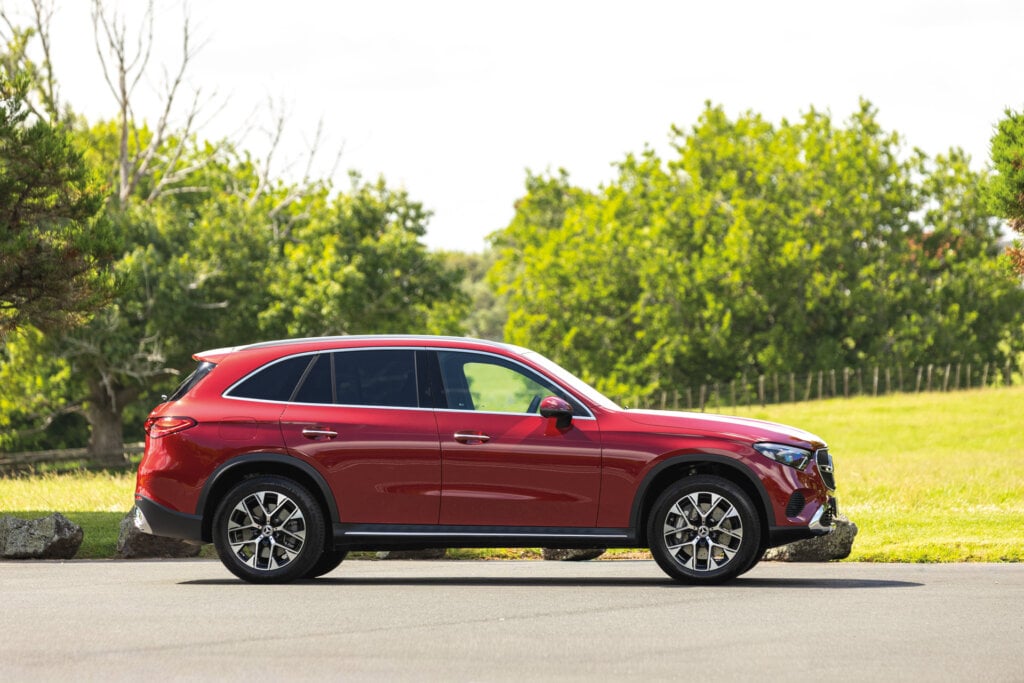
While it excels in town, it’s also okay on the highway. Road noise is subdued, and when asked to move, there’s enough for a safe overtake. While the headline numbers are 230kW and 550Nm, the 350 e is also quite heavy. So the 190kW 300 is actually quicker. And probably a tad more athletic with its more focused ‘Agility Control’ suspension set up whereas the hybrid has ‘Comfort Suspension’ complete with a self leveling function at the rear (where the battery lives). So the hybrid is a competent cruiser, but leans into the bends and scrubs the front tyres without too much encouragement.
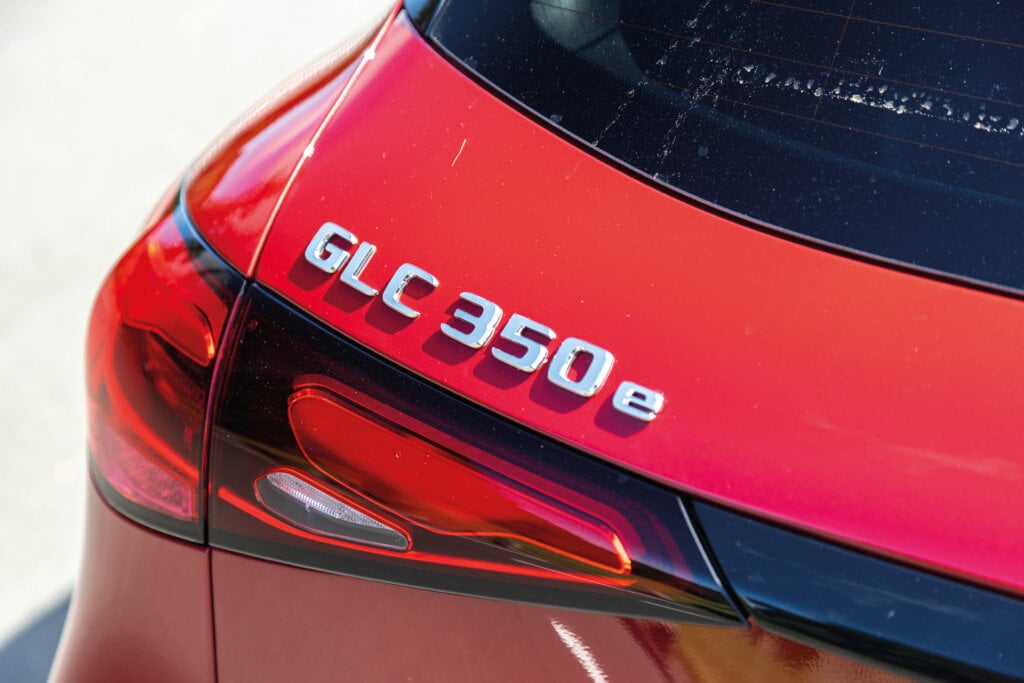
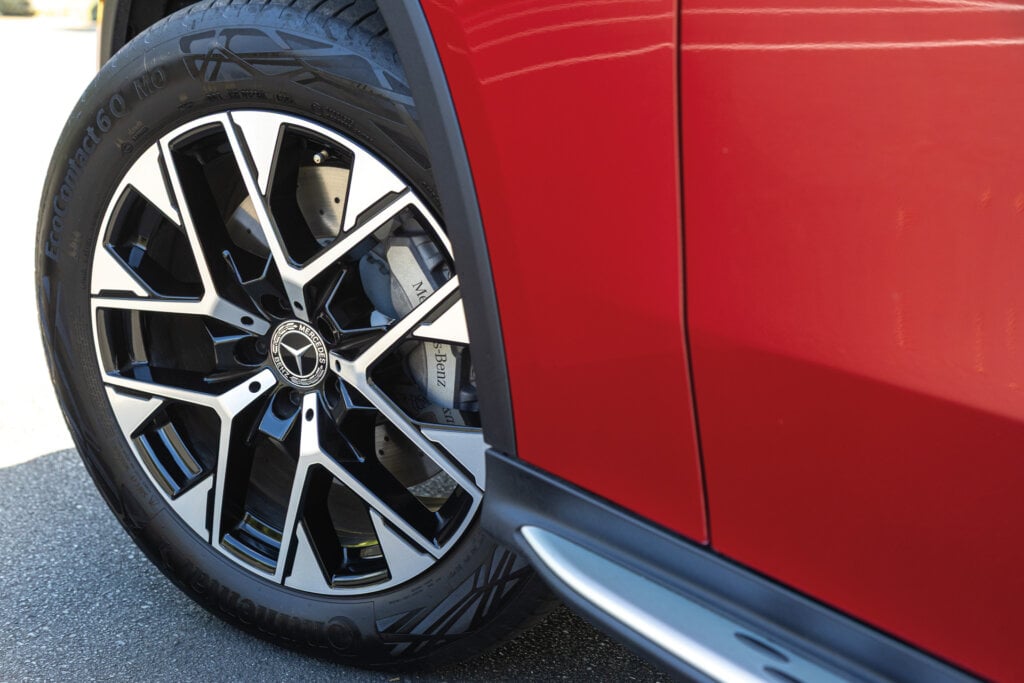
While the coupe bodystyle is flashy, the SUV is more practical. The 350 e’s boot capacity is compromised by the battery positioning, the floor raised slightly and there’s no spare wheel. The rear seats drop easily for larger loads, so it’s still a practical SUV. And a right-sized one at that; it doesn’t take up much car park space yet there’s enough room in the back. However don’t expect ample lounging room but it’s comfortable for two adults.
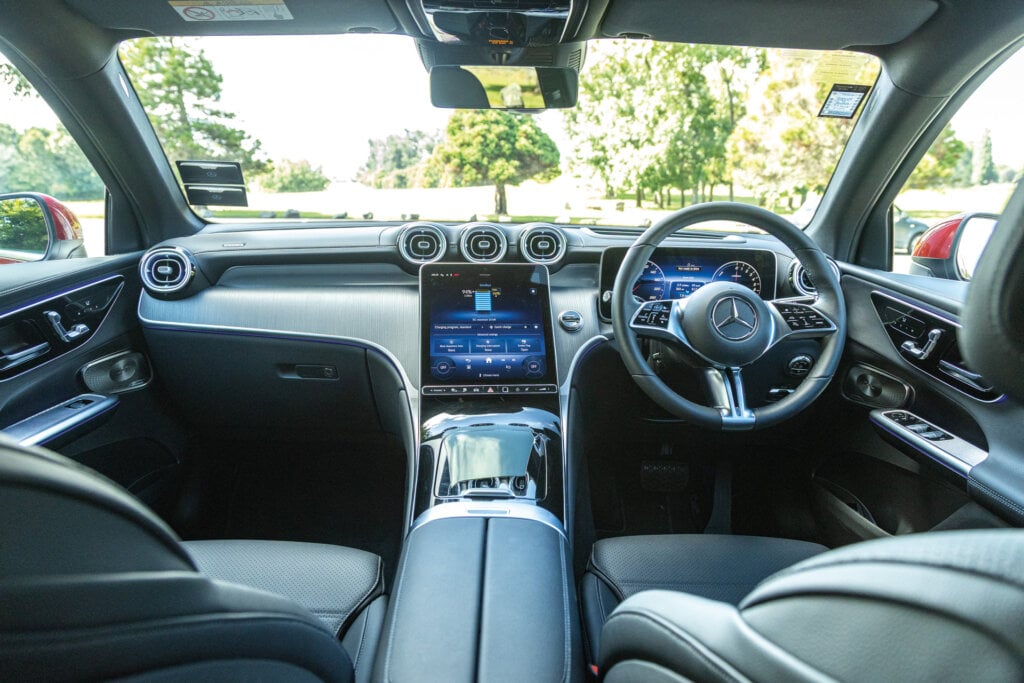
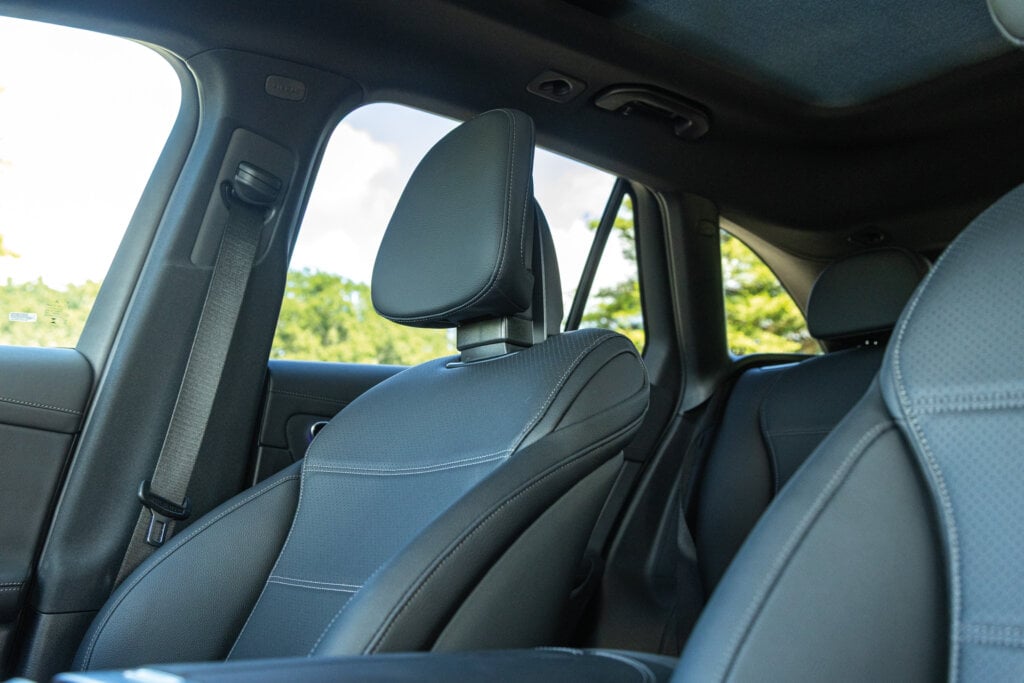
Upfront, the interface is friendly. The big portrait-orientated screen gives space for big touchpoints and the climate control panel is always visible for ease of operations. The voice control is pretty sharp, and all the safety systems operate in a non-invasive fashion. While the fitout is replete, and all the surfaces are trimmed, Merc’s Artico fake leather doesn’t feel as convincing as it once did. Some mainstream Chinese brands do faux cow better now. There were a few creaks from the cabin too while some fixtures don’t feel as robust as they should for the money.
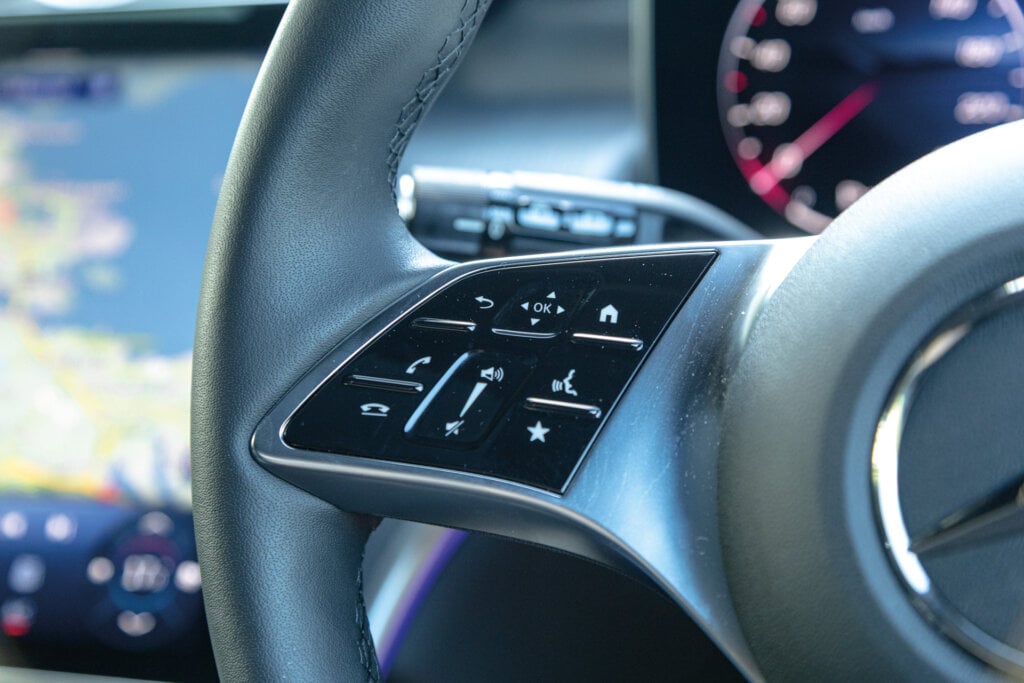
While the AMG hybrid experiment didn’t quite pan out, Merc’s regular plug-in hybrid tech is a good option for GLC buyers, particularly with pricing that is on par with the conventional 300. We’d say it’s more suited to urban buyers, who can charge it often to make use of the EV running, while the engine is there for worry-free touring. The only caveat being the likely increase of road user charges for plug-ins next year.