View all
11 more images
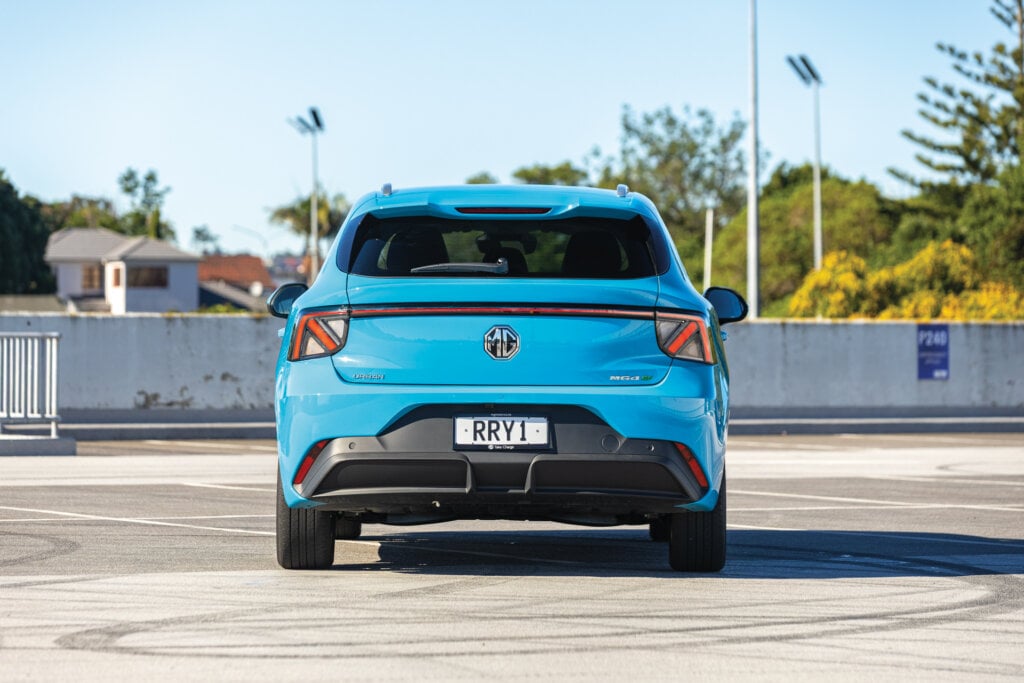
2026 MG4 Urban Essence 54 Review
Words: Richard Edwards | Photos: Alex Schultz
MG has quietly built one of the best small cars on sale, and it has done it by going back to basics.
New Zealanders these days are obsessed with SUVs. Back in my day, and I am now old enough to say that, it was all about hatchbacks. They were small and efficient yet practical, and the good ones were genuinely sporty. My dad once owned a little Austin Metro that he somehow squeezed a family of five into, and it was the zippiest thing going.
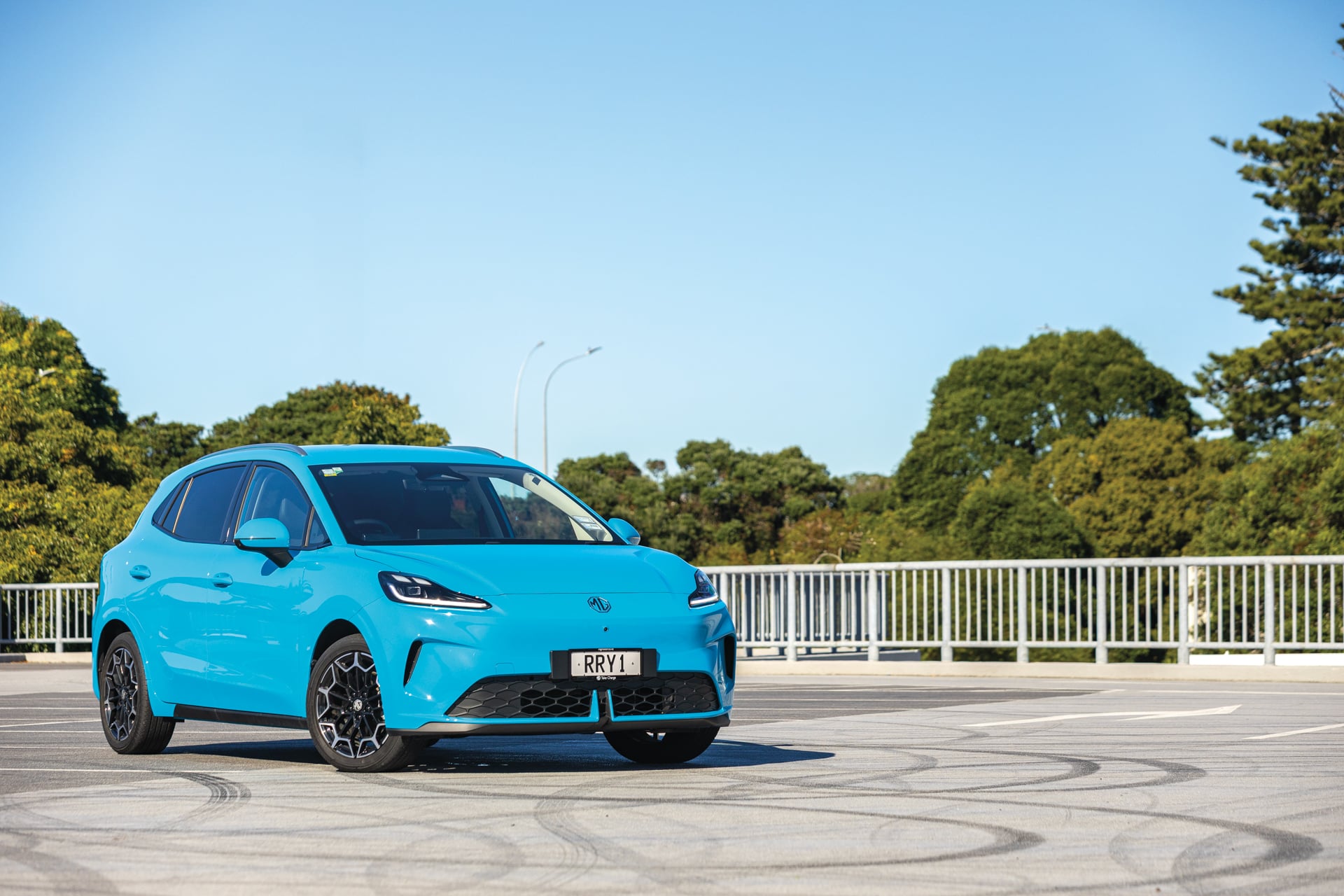
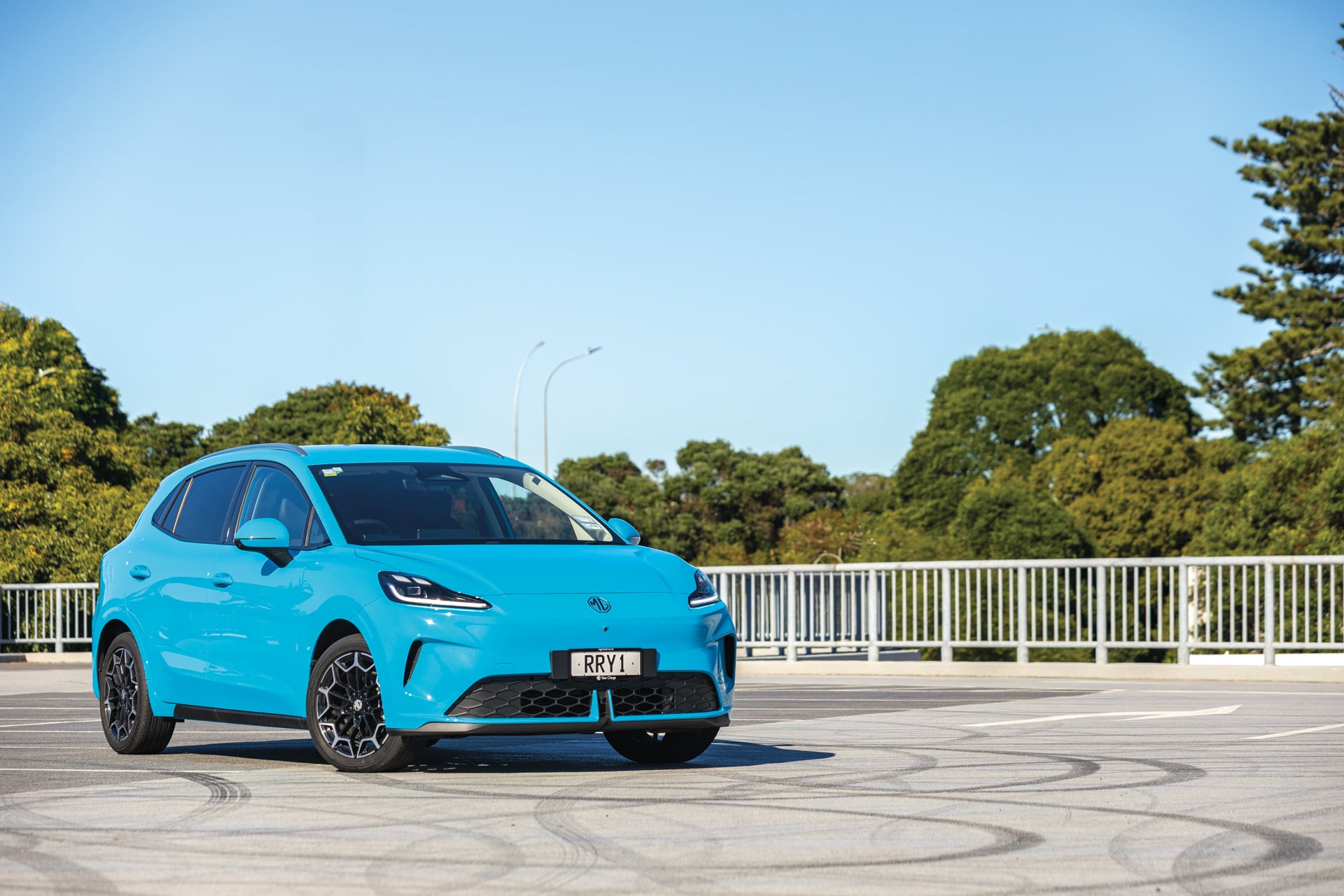
A kind of spiritual successor has just landed, and I am hoping it might make hatchbacks cool again. This is the MG4 Urban.
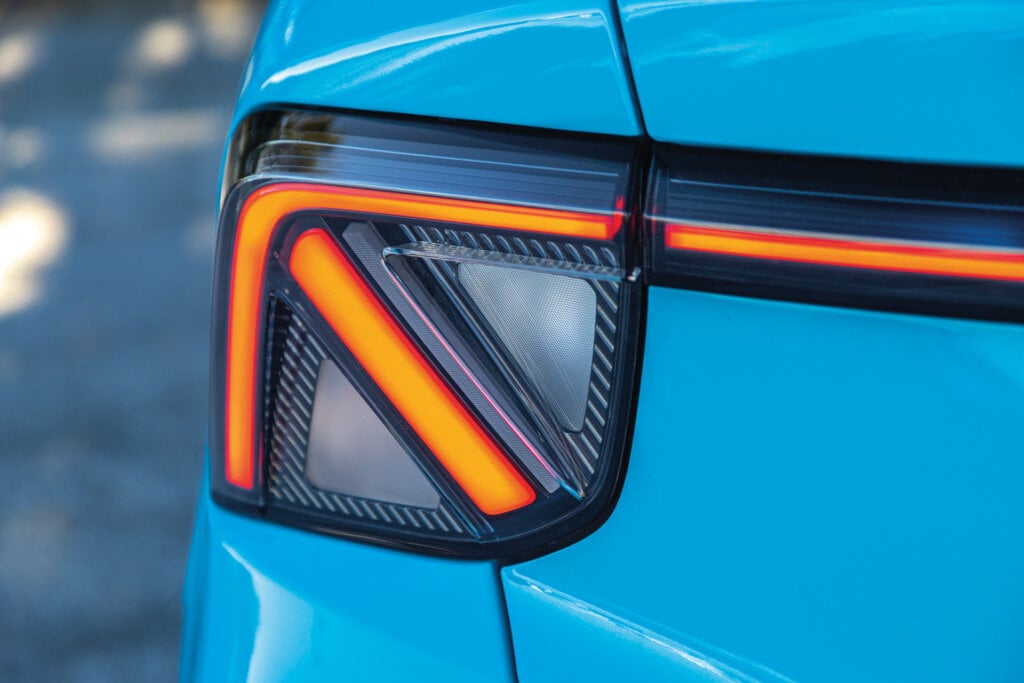
The first thing to clear up is the name, because MG has made it needlessly confusing. The Urban is not a version of the MG4 you already know. That car, still on sale in a slimmed down two model range, is rear-wheel drive on a multi-link rear end. The Urban is a different machine altogether: front-wheel drive, riding on a torsion beam, and built around a newer cell-to-body battery. Stranger still, it is actually a touch bigger than the MG4 it slots beneath.
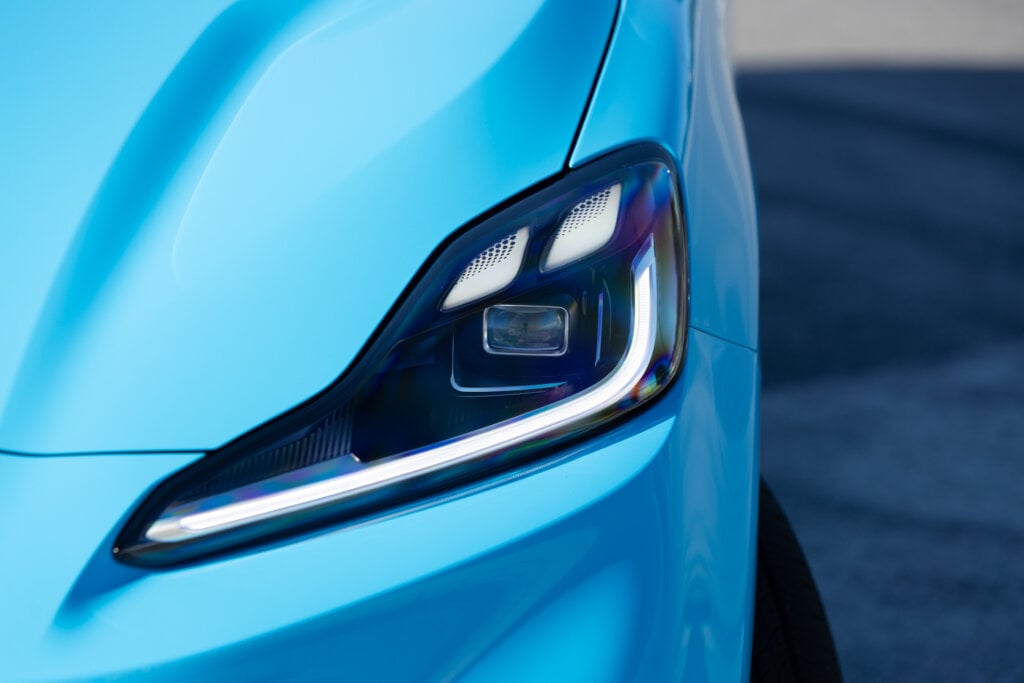
The Urban arrives in a single specification, the Essence 54, which points to a 54kWh battery. That is correct, although only about 53kWh of it is usable. One for the nerds, and, realistically, it does not matter. What matters is the headline: $38,990, 405km of WLTP range, and a specification list that is genuinely comprehensive. That is around $3000 cheaper than the old MG4 Excite it effectively replaces. New Zealand gets only this single, top-spec version, incidentally. Australia is offered a cheaper variant with a smaller battery and less kit that could land in the low $30,000s, but MG New Zealand has chosen not to bring it here.
MG New Zealand boss Dean Sheed says this is not really an EV-to-EV play. The brand reckons it will conquest buyers out of petrol hatchbacks, and having spent a week in the car, I think they are right.
Practical where it counts
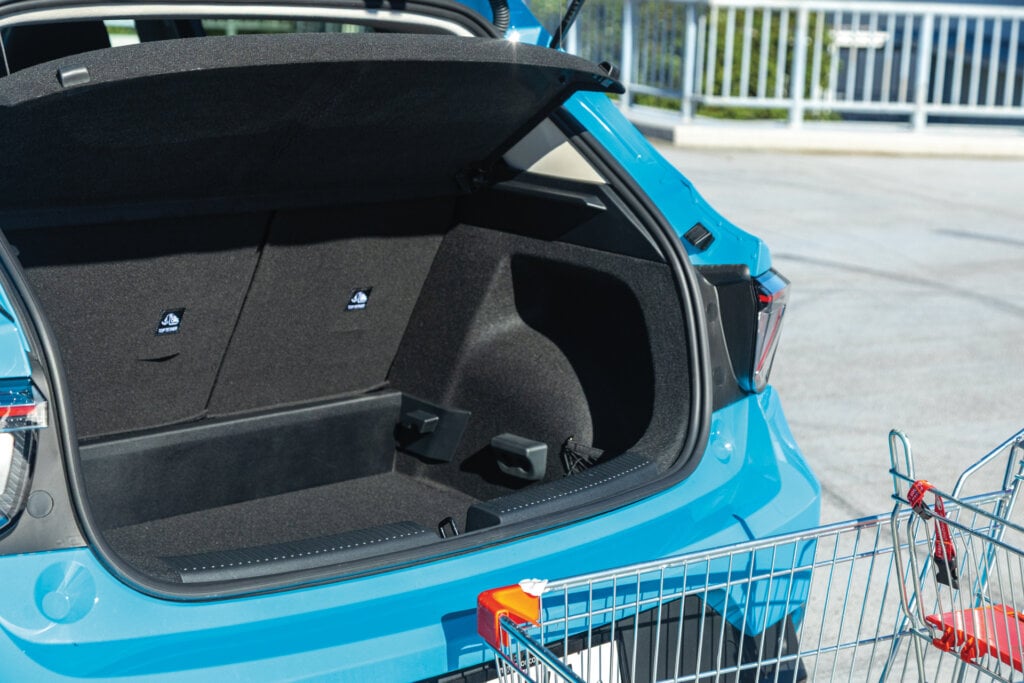
Pop the boot and there is really decent capacity for a small hatchback, a useful 382 litres with the seats up, expanding to 1266 litres with them folded. It is a two-stage floor with around 98 litres of hidden storage beneath, and with the upper section removed the space on offer is genuinely surprising for the size, enough for multiple large suitcases. Slot the floor back in and you get an easy load lip and a tidy, protected bay. There is no frunk, mind. There is a little room under the bonnet, but not enough for MG to bother making it useful.
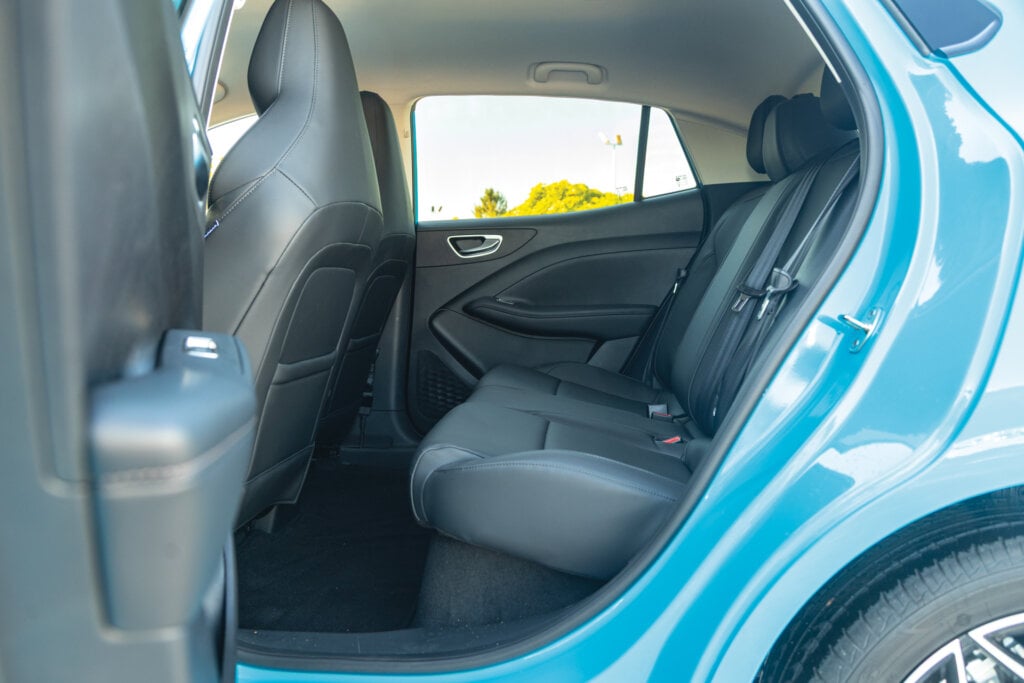
Inside is where the front-wheel-drive layout pays off. With the motor tucked up front, the cabin is liberated, and the Urban passes what I call the Richard test, where I sit behind my own driving position. Foot room is good, knee room is genuinely good, and the backrest angle is comfortable. Headroom is a little tight, my hair brushes the roof, but I sit in the upper percentile so most people will be fine. A flat floor, rear air vents and three headrests are all welcome at this end of the market, though the middle pew is best left to kids. Four adults, no problem.
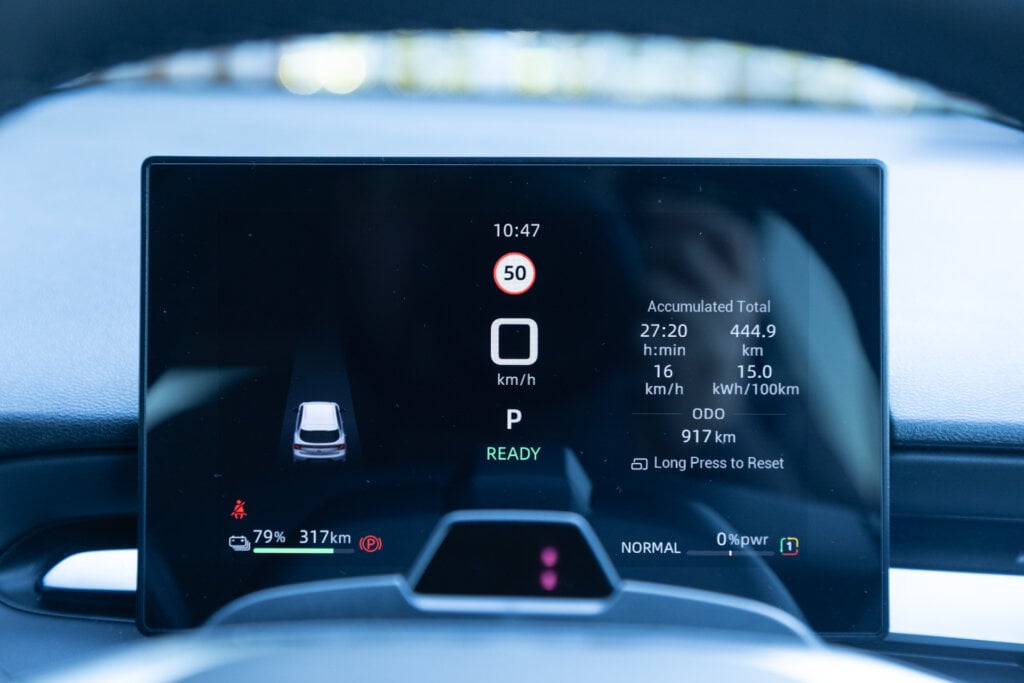
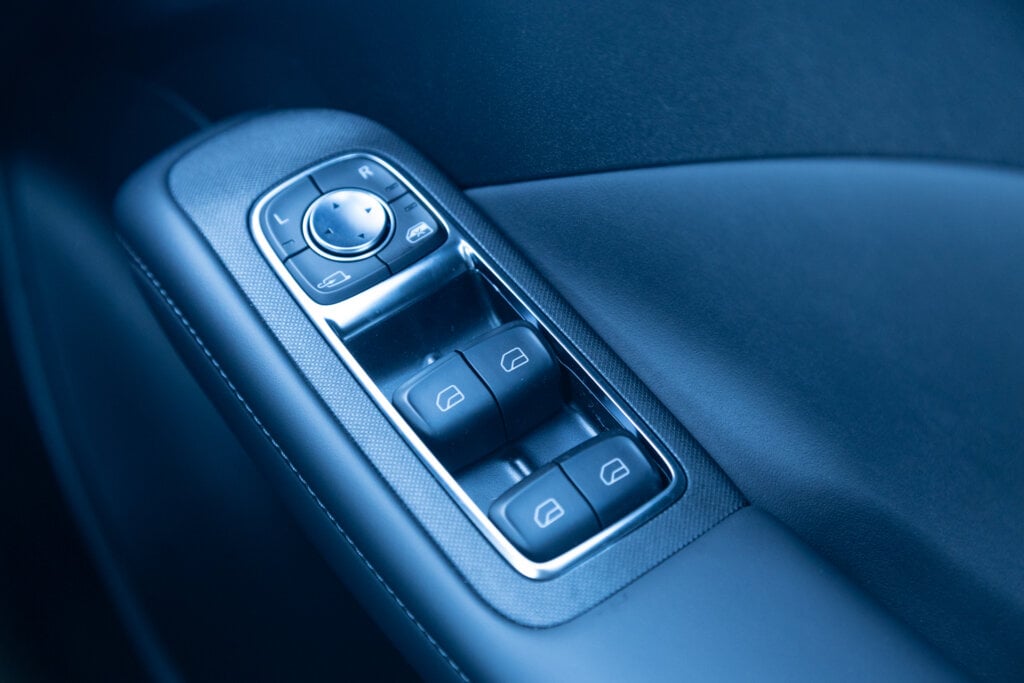
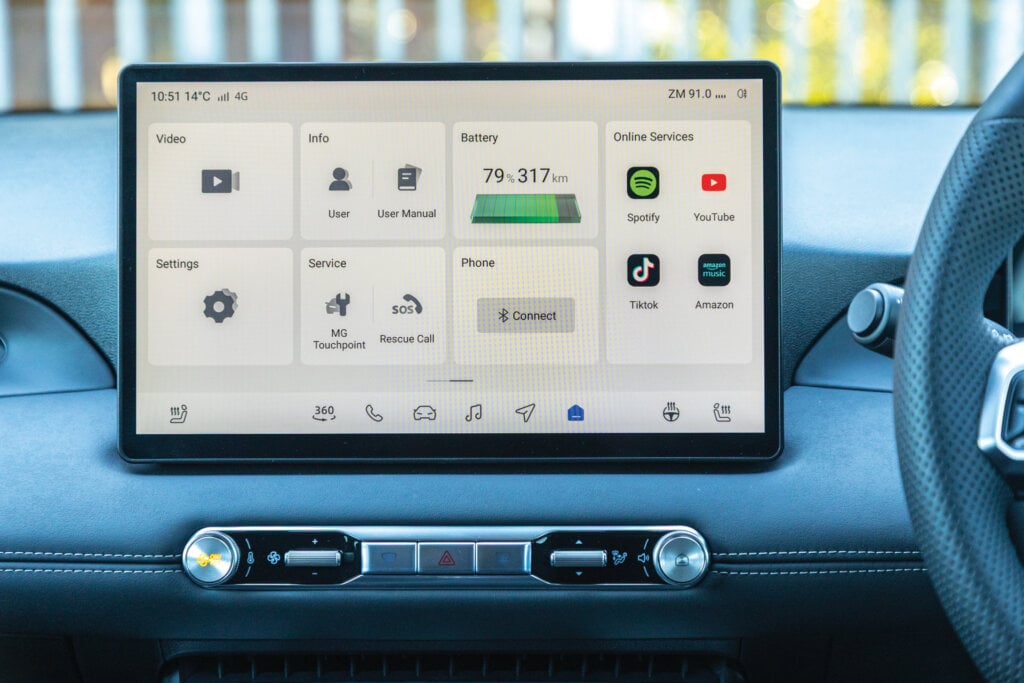
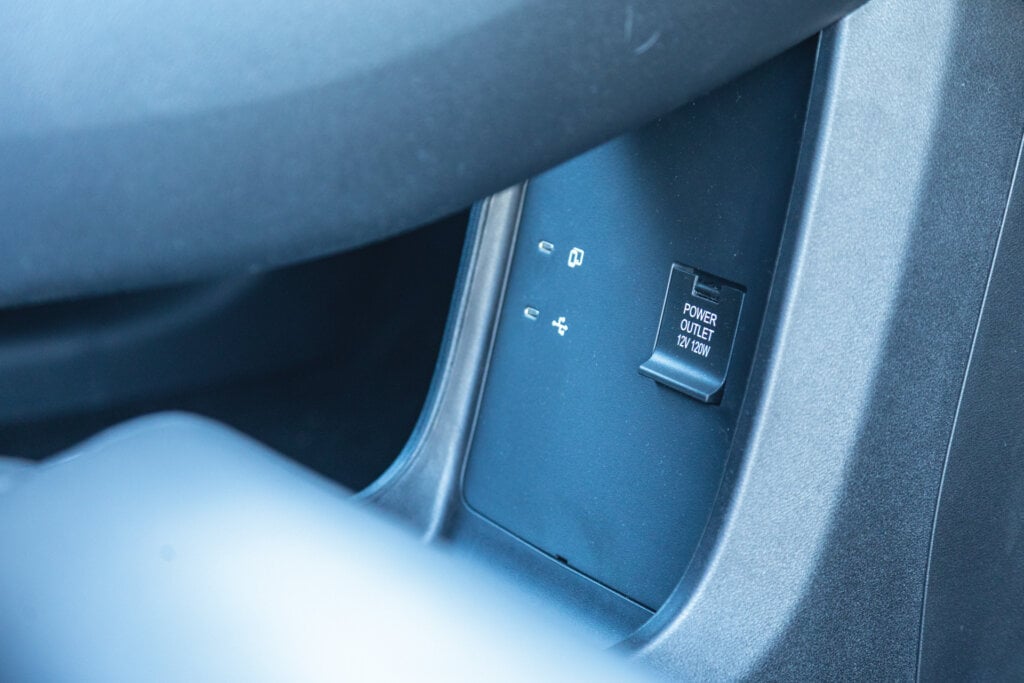
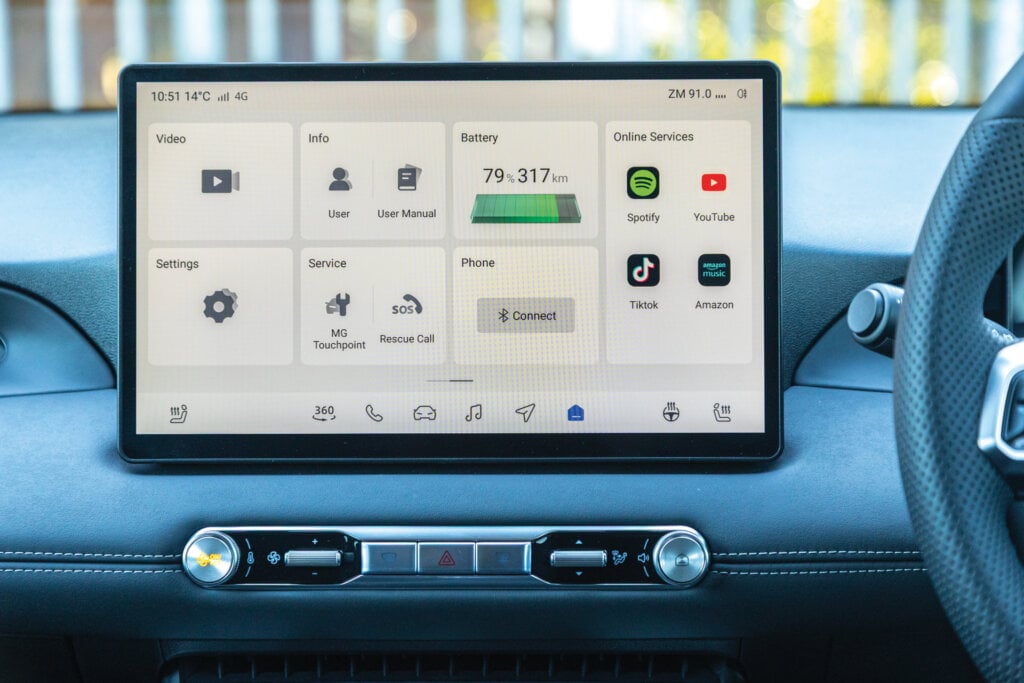
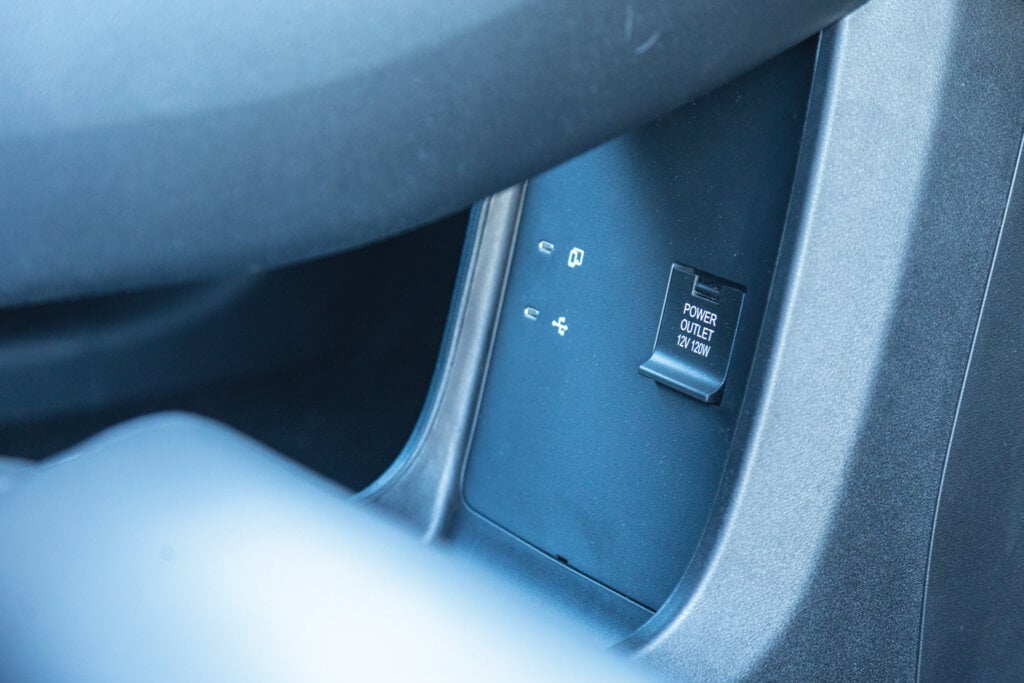
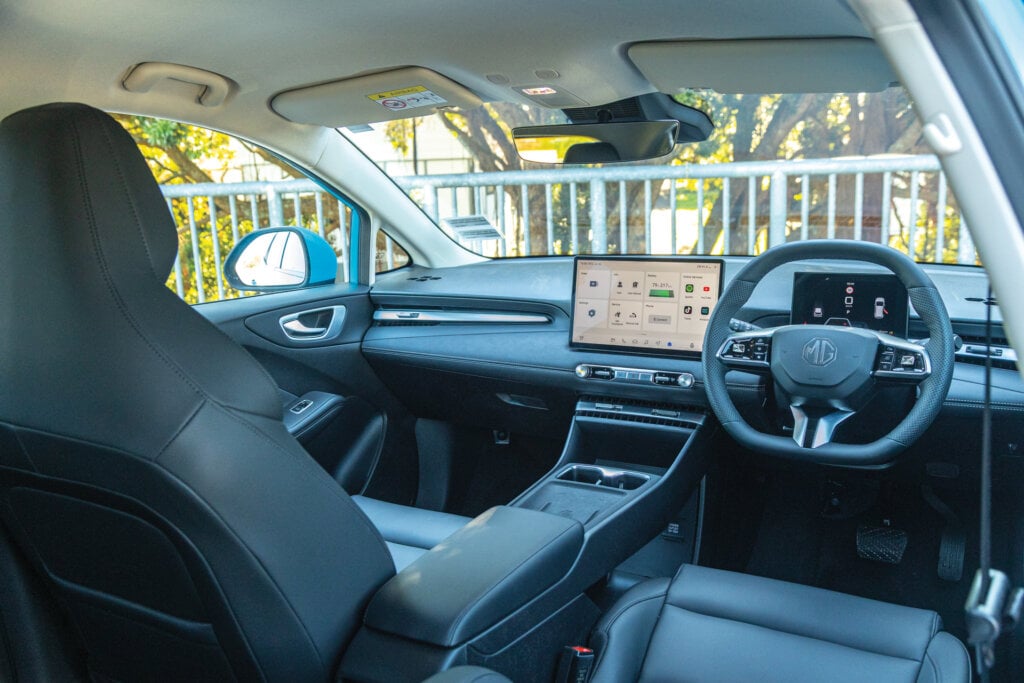
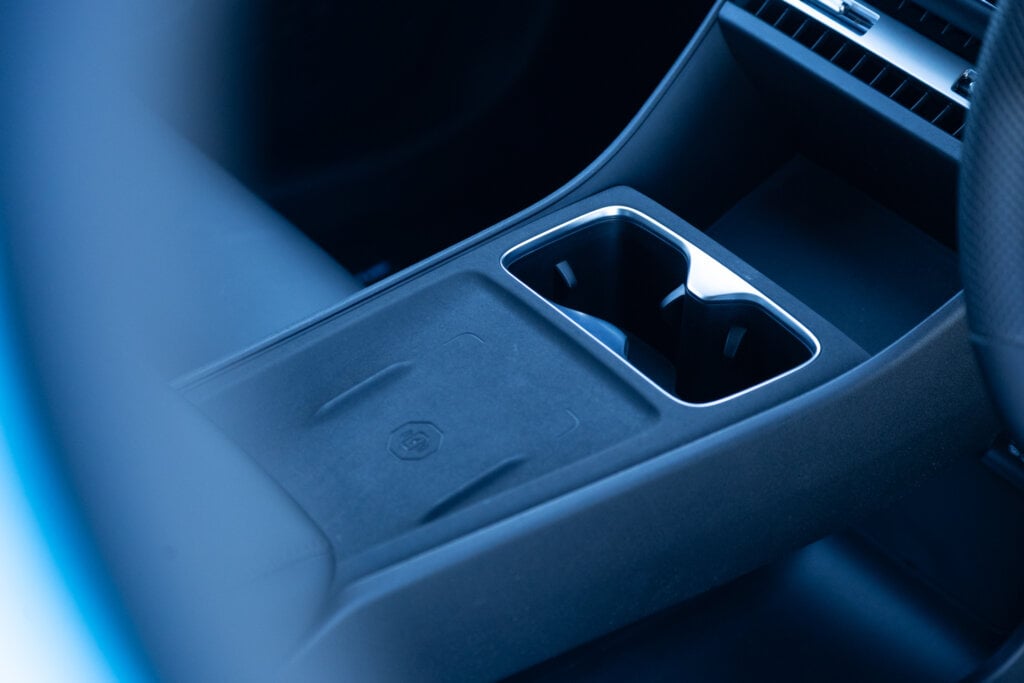
Up front the design is clearly aimed at people who do not want a screen-only experience. There are real buttons for the climate, lovely tactile switches for the vents that almost feel like metal, and a flat-bottomed, squared-off steering wheel that is heated, as are the comfortable, electrically adjusted front seats. A seven-inch driver display sits ahead of you and a 12.8-inch central screen runs MG’s familiar software, which has improved incrementally over the years into one of the simpler, less fiddly systems out there. There is a data connection with apps, a wireless charger, and SOS rescue call, which is now a requirement for that five-star ANCAP rating.
Surprisingly good to drive
I have always loved a well sorted European hatchback, and this is not far off the mark. The closest thing I can compare it to in feel is the Volkswagen ID hatch, and that is high praise.
The Urban is comfortable without being soft, flat through corners, and happy to be chucked about, with a tight 10.8m turning circle that makes town work a doddle. To keep costs down it swaps the proper MG4’s multi-link rear for a simpler torsion beam, and some pundits have suggested that compromises the ride. I did not find it a problem. The steering has been sorted with a European sensibility.
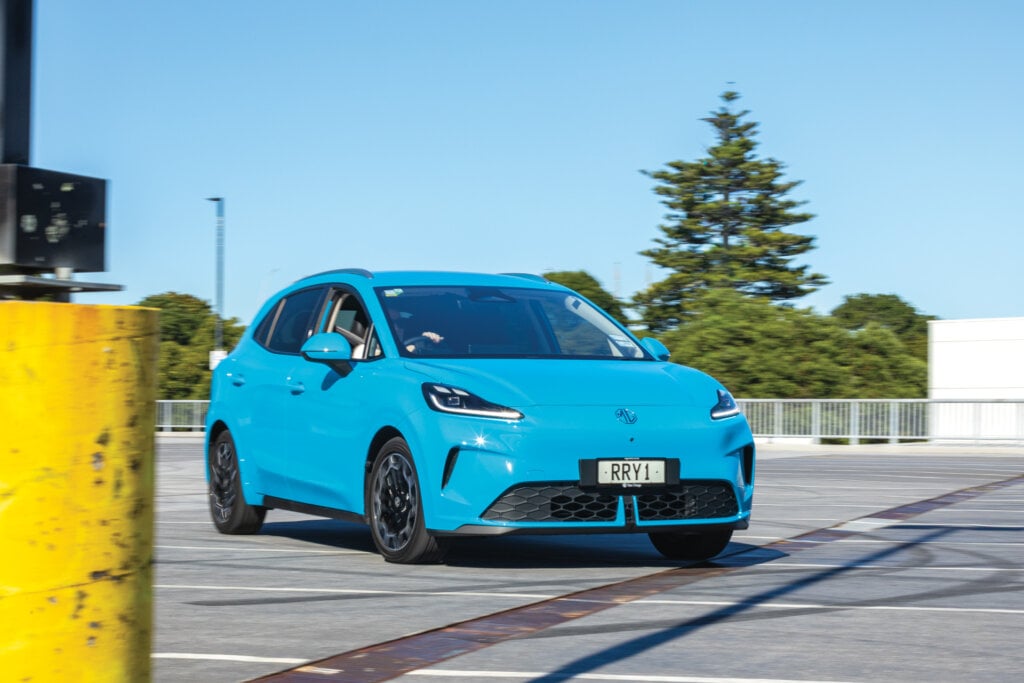
It is not quick; the 118kW and 250Nm front-drive powertrain delivers 8.7 seconds to 100km/h, but that is not the point. You simply get that lovely flush of EV torque, decent brakes, and a chassis that I would argue steers and handles better than a Toyota Corolla, the benchmark here, even if it does not quite ride as well. This was one of my genuine surprises of the year. I expected a budget get-around-town car and got something far better than that.
It is not perfect. There is more road noise than I would like, possibly down to the relatively performance-minded tyres. And efficiency, while fine, is not class-leading. MG claims 405km, but realistically this is a mid-300s car depending on use. I averaged 14.5 to 15kWh/100km across a mix of urban running and the 110km/h motorway, which is acceptable rather than impressive for a car this size. The equivalent Hyundai and Kia products will use less.
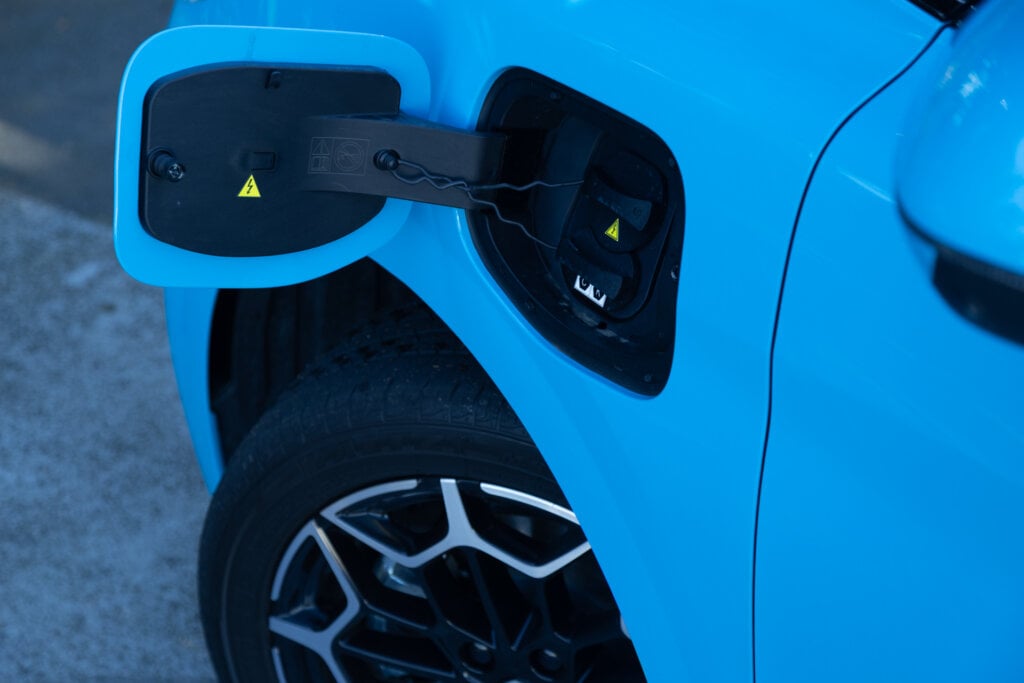
My bigger gripe is charging. It is CCS Type 2, but peaks at just 87kW DC and 6.6kW AC. In a market moving towards 120kW and beyond, that feels behind the curve, and combined with the so-so efficiency it means the Urban is not the ideal road-trip companion. Then again, they did not call it the Urban for nothing.
The ADAS is mostly fine, with the usual adaptive cruise, blind spot detection and AEB, but the speed-limit recognition struggled, once reading corner advisory signs as limits. MG’s answer is a Pilot Custom button to quickly switch assists off, which I am not a fan of. Fix the systems first. The upside is that, like most Chinese cars, this can be patched over the air.
Verdict
Honestly, the MG4 Urban has blown me away. There are usually a few teething niggles to forgive with a Chinese car at this price, and there simply are not here. MG has been modest about what it set out to do. It does not chase flash or break new technological ground, but what is here is very nicely judged, and surprisingly European in feel.
Buyers will cross-shop it against MG’s own S5 EV and the pricier MG4 proper, which I happen to prefer this to. They will look at the BYD Atto 2, which costs nearly $10,000 more for similar specification, trading more space for less range. And the one it will really be measured against is the GWM Ora 5, which offers more for the money but lacks the Urban’s relatively conservative maturity, the very thing that will appeal to a lot of Kiwi buyers.
Well done, MG. You are starting to vibe with that European brand you clearly want to be, and you have done a cracker job here.
MG4 Urban Essence 54
$38,990 / 15.3kWh/100km / 0g/km
0-100 km/h 8.7s
Motor output 118kW
Max torque 250Nm
Battery 54.0kWh
Range 405km
Drivetrain Single-speed auto / FWD
Front suspension Mac strut / swaybar
Rear suspension Torsion beam
Turning circle 10.8m (2.5 turns)
Front brakes Ventilated discs
Rear brakes Ventilated discs
Stability systems ABS, ESP, TV
Safety AEB, ACC, BSM, LDW, RCTA, ALK, AHB
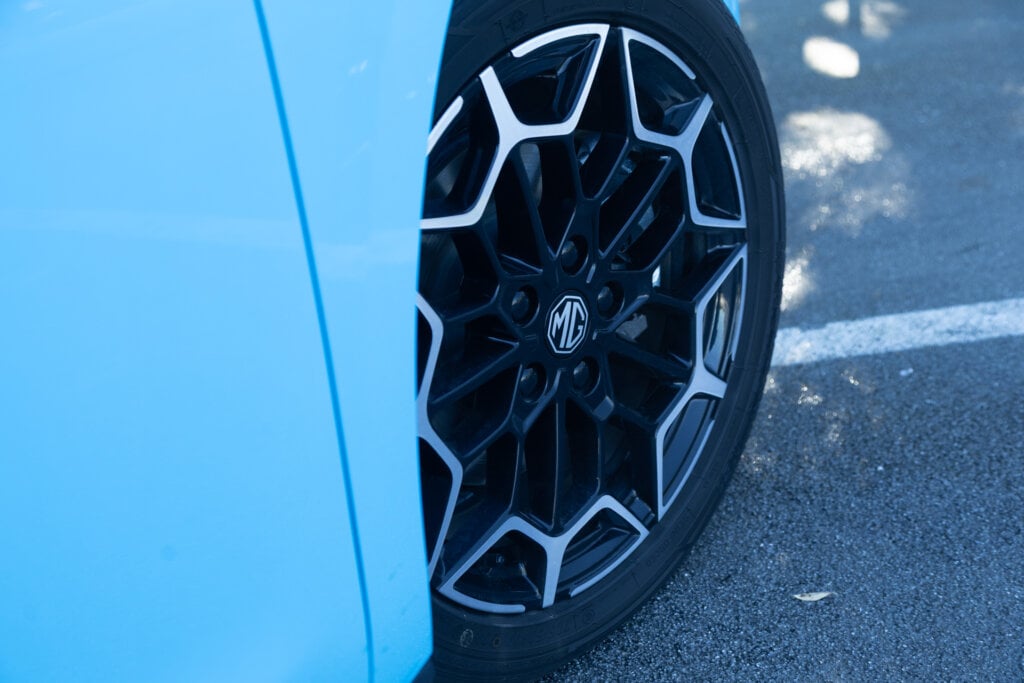
Tyre size f/r-205/50R17
Wheelbase 2750mm
L/W/H 4395 / 1842 / 1549mm
Track f-1547mm r-1547mm
Luggage capacity 382-1266L
Tow rating 500kg braked
Service intervals 12 months / 15,000km
Warranty 10yrs / 250,000km
ANCAP rating ★★★★★ (2026)
Weight (claimed) 1810kg