View all
12 more images
2026 Toyota GR Yaris Review
Words: Andrew Sluys | Photos: Alex Schultz
The GR Yaris keeps on getting better, now with an automatic transmission for lazy driving enthusiasts. But should you?
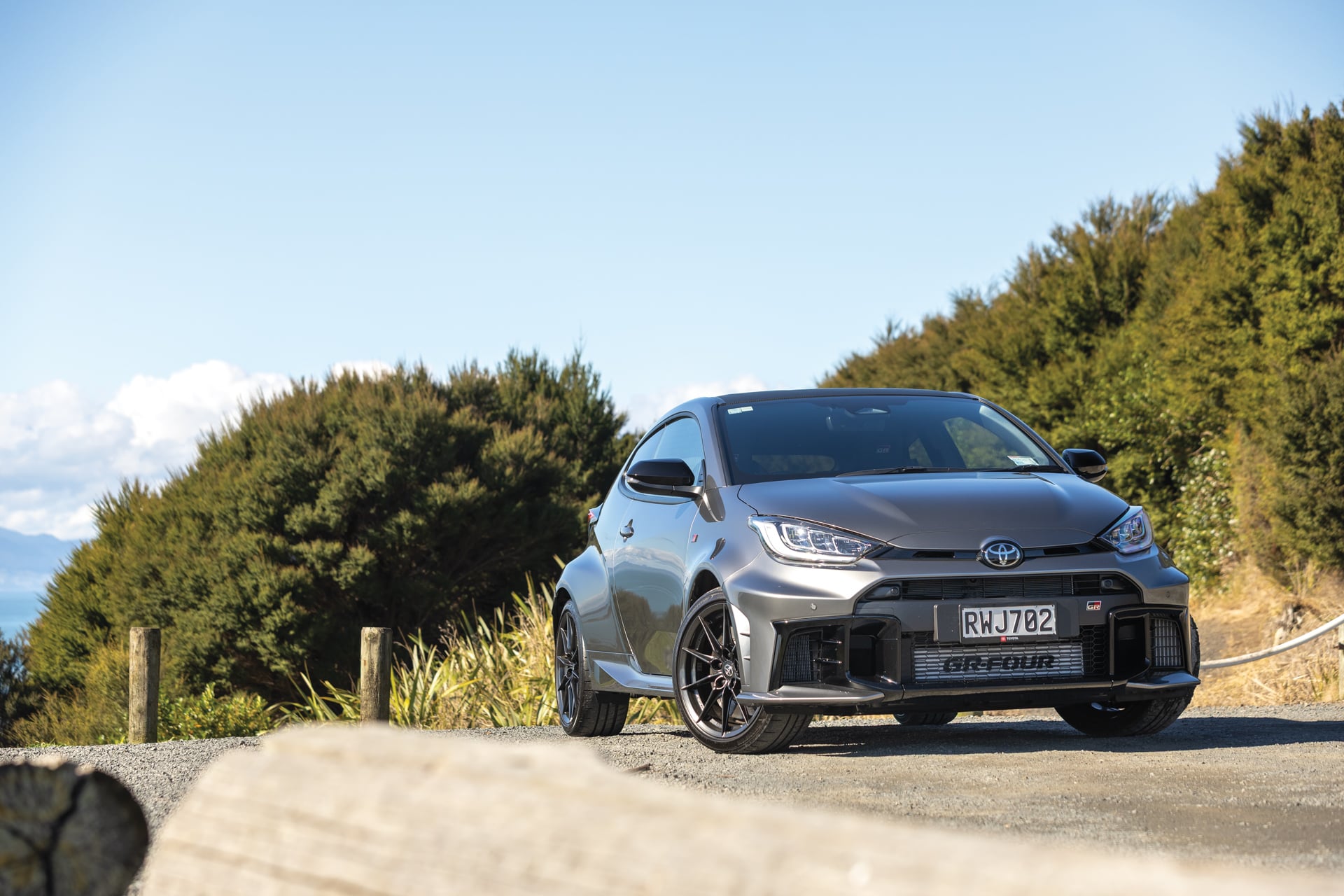
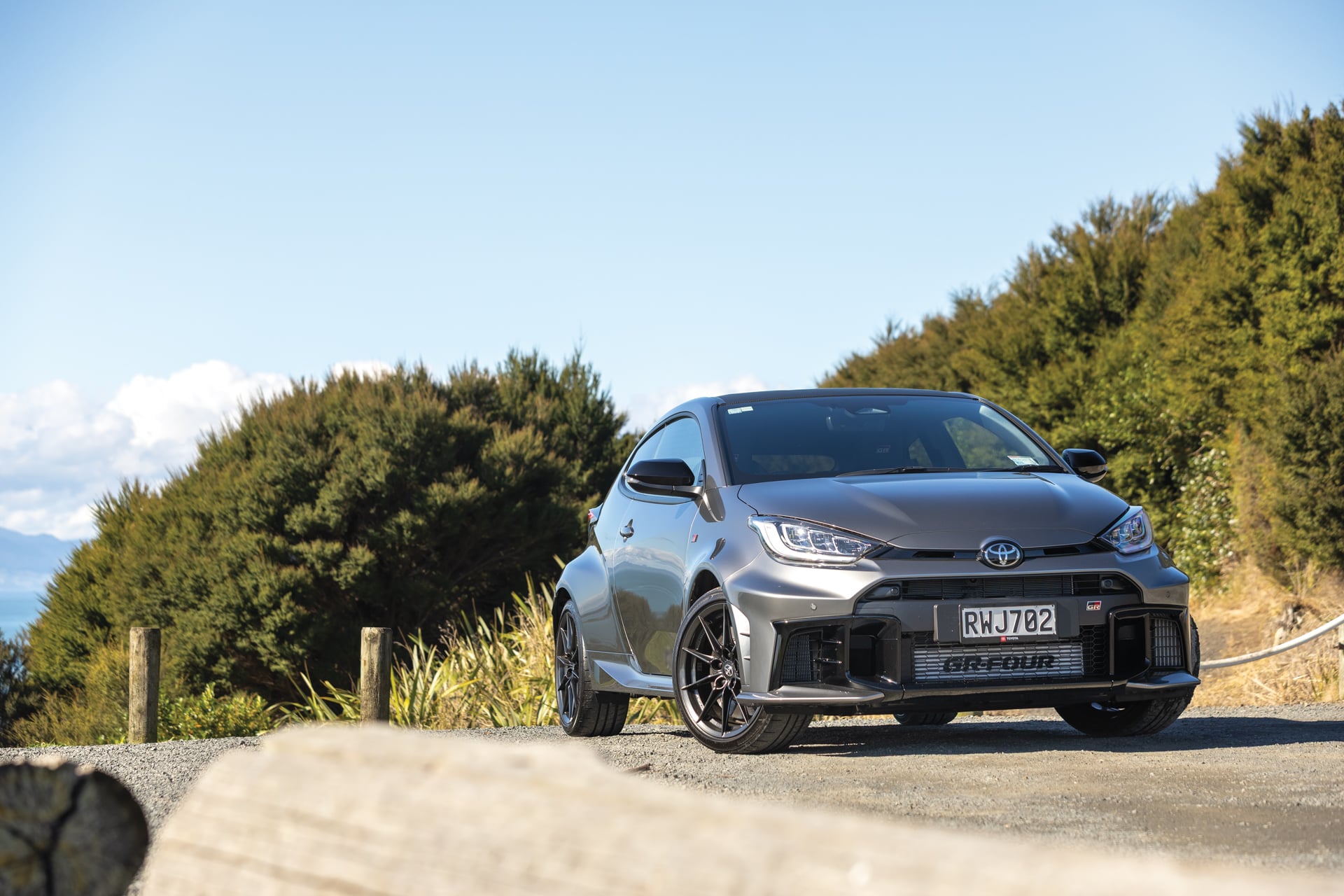
Toyota surprised the automotive world in 2020 when it unveiled the GR Yaris. Obviously, we knew the firm was serious about its GR brand considering its commitment to reviving the Supra, but most of us were under the impression the fun would stop there. That was until a funny-looking three-door Yaris came sliding onto our screens, oozing with Toyota’s WRC heritage. It’s also worth pointing out the GR Yaris is the only proper homologation special on the market in 2026. Even the Porsche 911 GT3 isn’t as close to its racing counterpart as this little Yaris is.
Since then, the GR Yaris has proven itself as one of the most driver-focused hot hatches on the market. Toyota even found so much success that it decided to give the Corolla its own full-fat GR version. Given its popularity, Toyota has updated the GR Yaris, and the result builds on everything we loved about the original, adding more flair to this little firecracker.
What’s New?
Considering Toyota hasn’t changed anything aesthetically, you could be forgiven for mistaking it for an older model. Beneath this familiar skin, its turbocharged 1.6-litre three-cylinder engine makes 221kW and 400Nm. This represents an improvement of 21kW and 30Nm over the old engine.
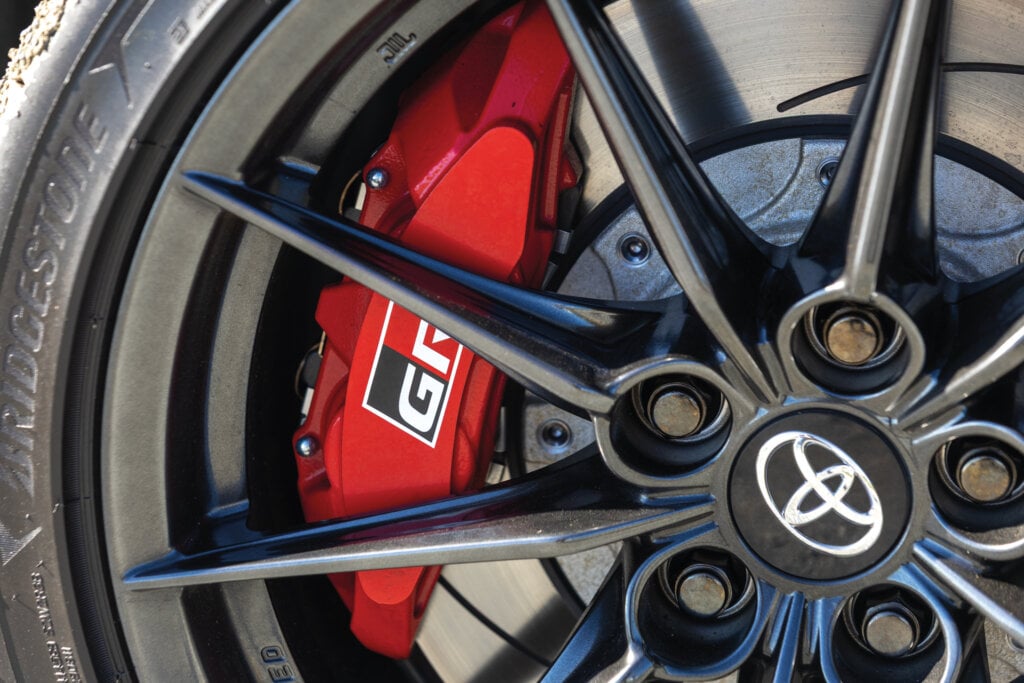
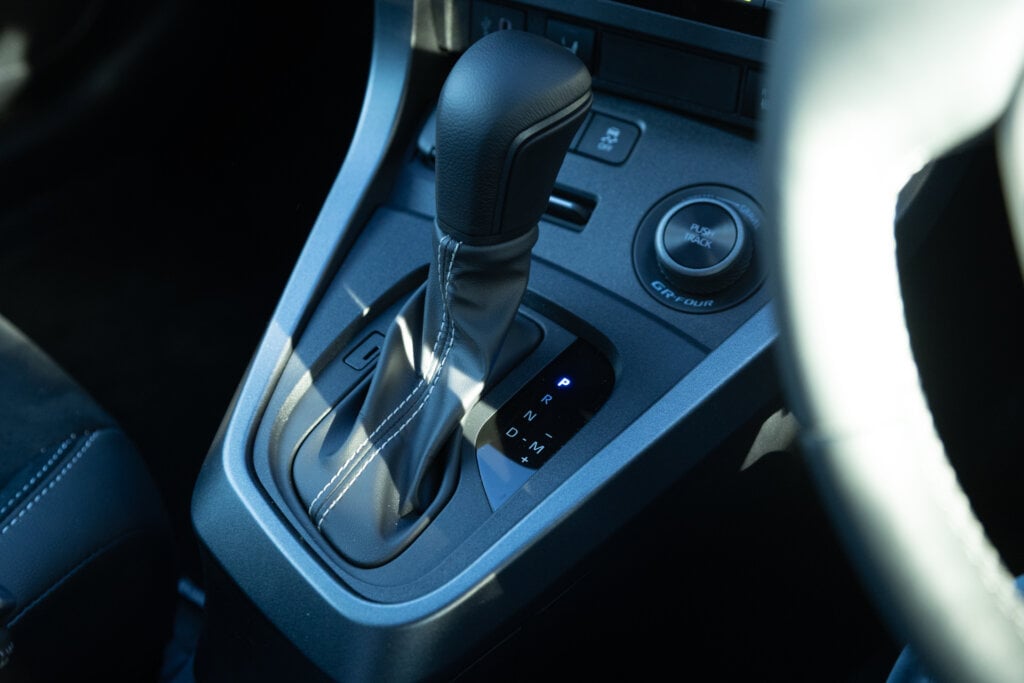
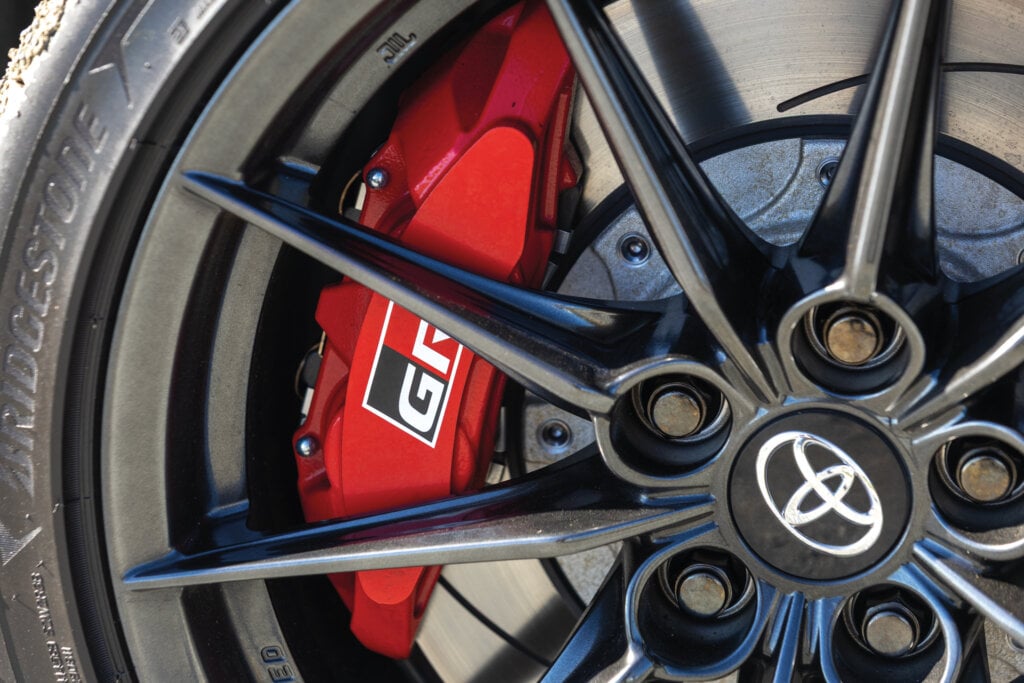
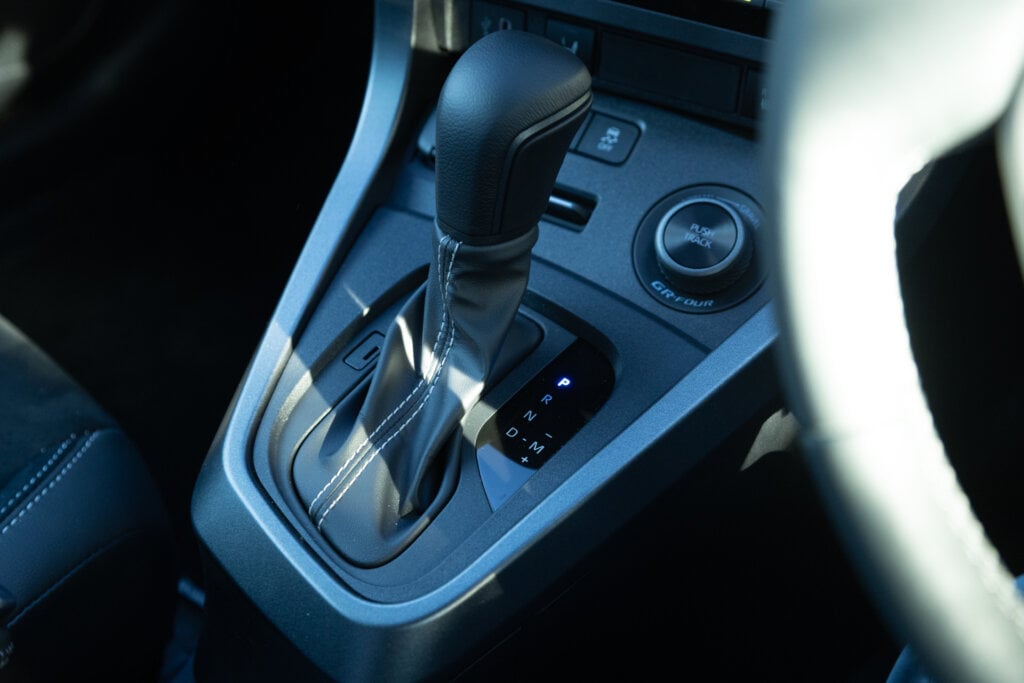
The biggest change is the addition of an eight-speed automatic transmission. But don’t stress, the original six-speed manual is still available. Toyota has updated its torque distribution modes, meaning it isn’t as easy to make the Yaris a rear-driven gravel-basher anymore. It also gets larger brakes, with four-piston calipers on the front, and two-piston calipers at the rear.
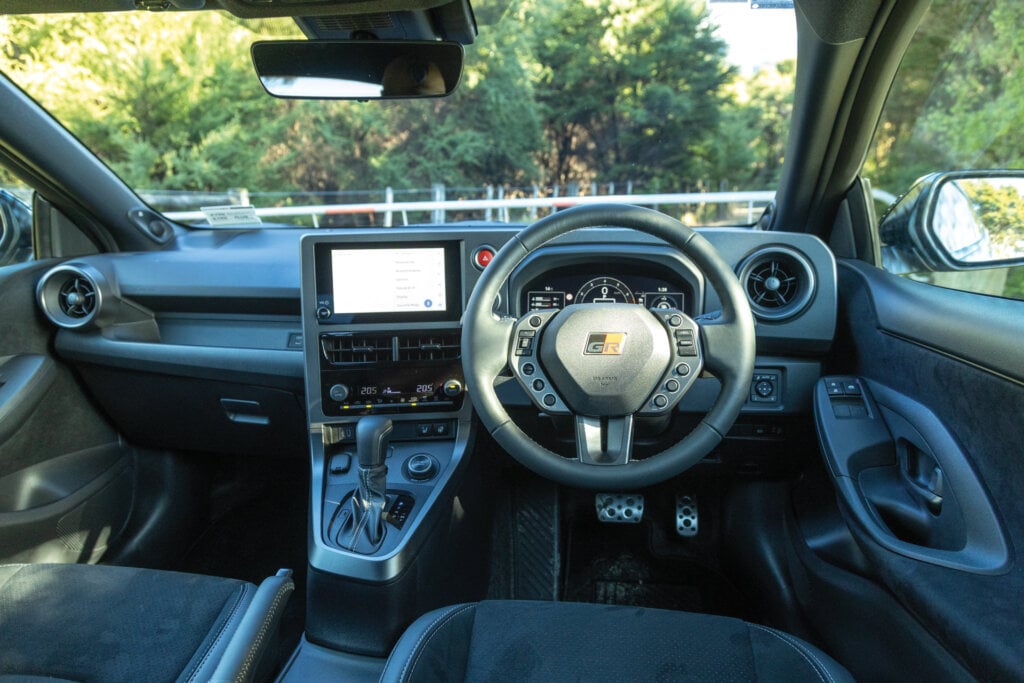
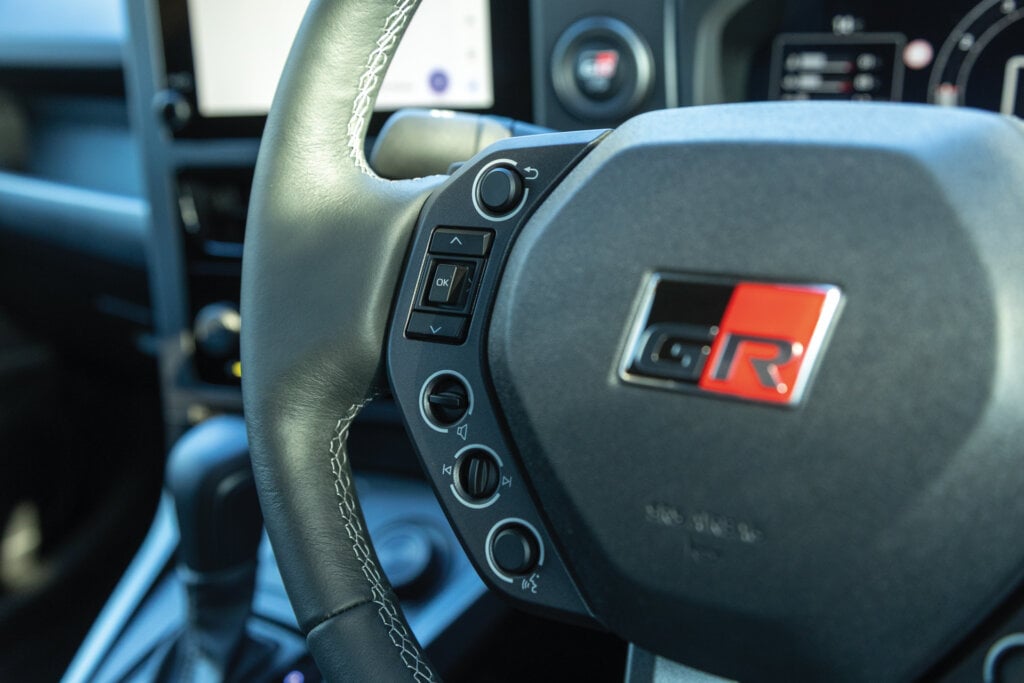
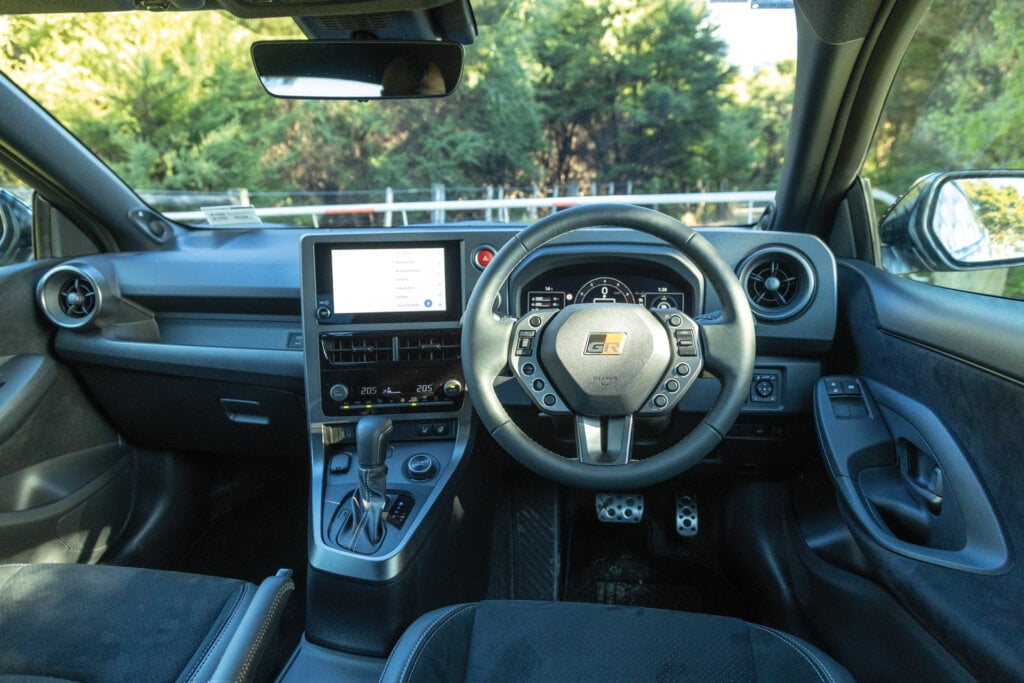
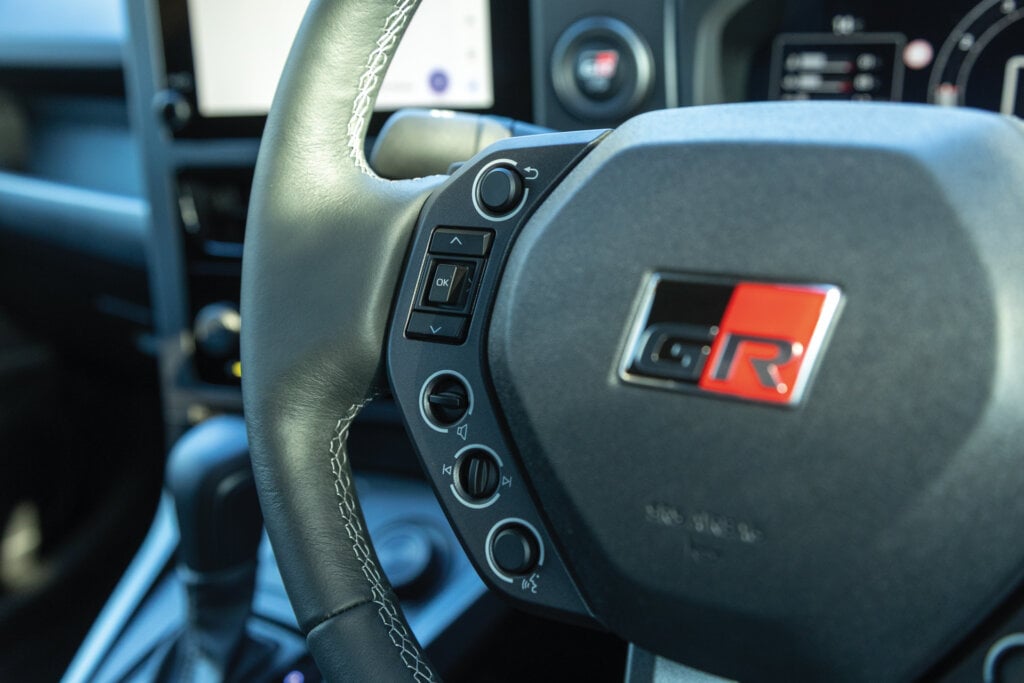
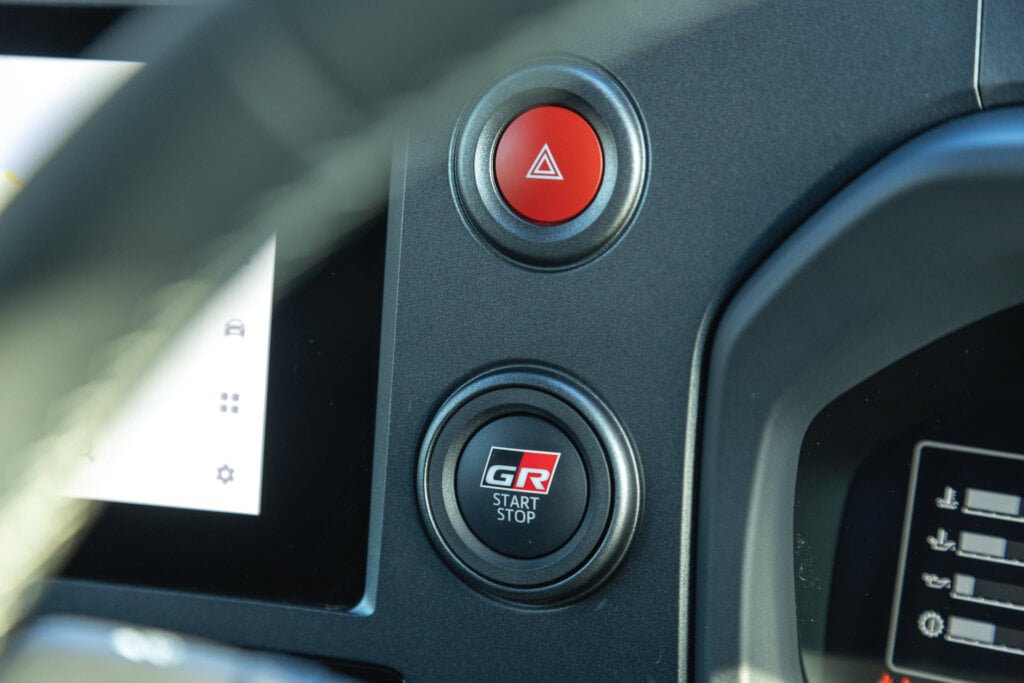
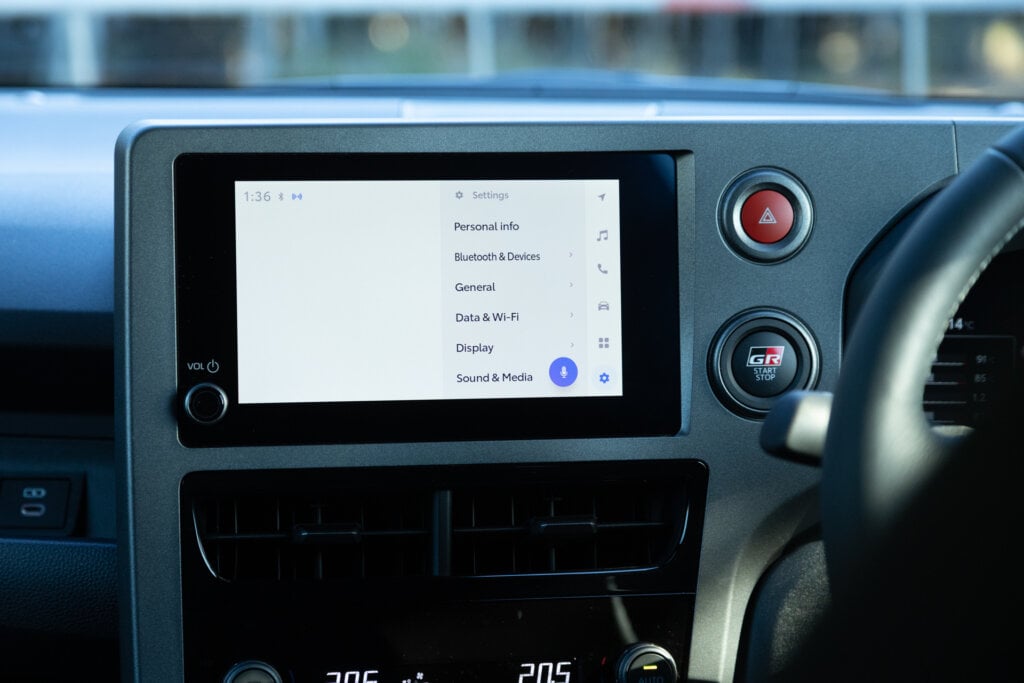
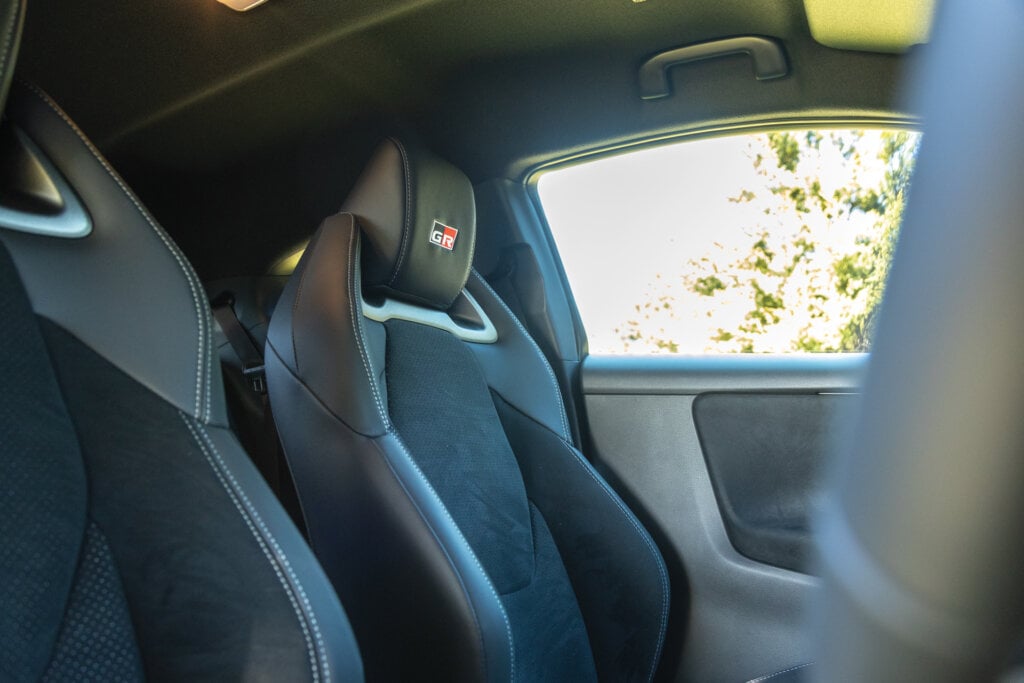
On the inside, the dash has been significantly overhauled, and the result is a cleaner, driver-focused layout. Like the much-loved Toyotas of yesteryear, it is angled towards the driver.
The steering wheel is fractionally smaller, which is said to help with track driving, and the digital cluster sits 50mm lower to improve visibility.
The price tag has also been updated, and it’s quite different to the $54,990 sticker it wore on debut six years ago. It now starts at $61,990 for the entry-level manual model. The eight-speed automatic can be had from $64,990.
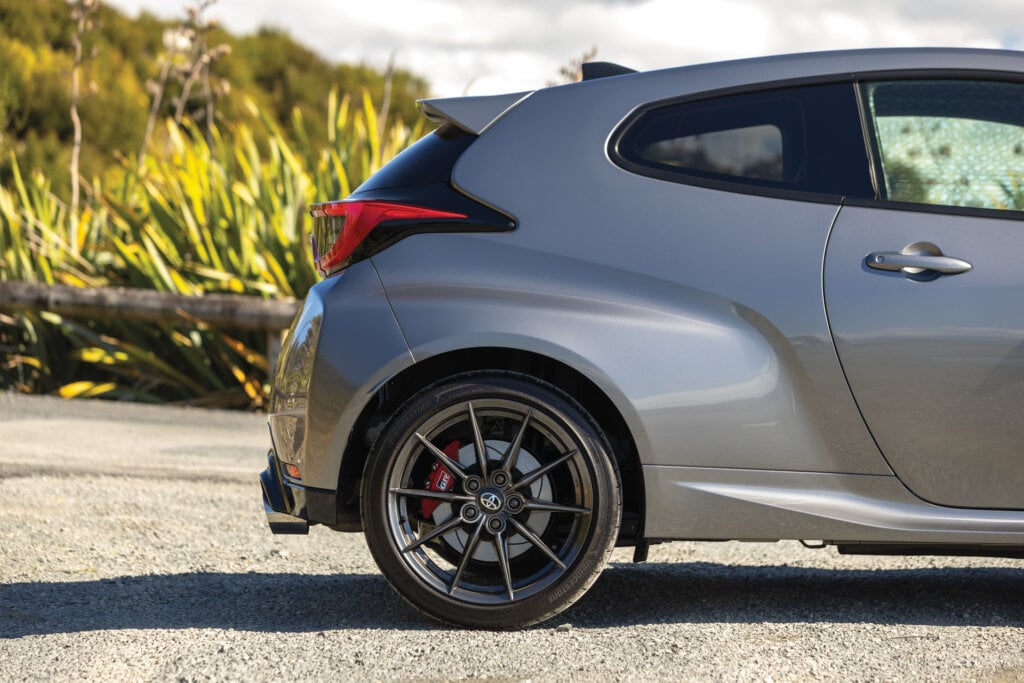
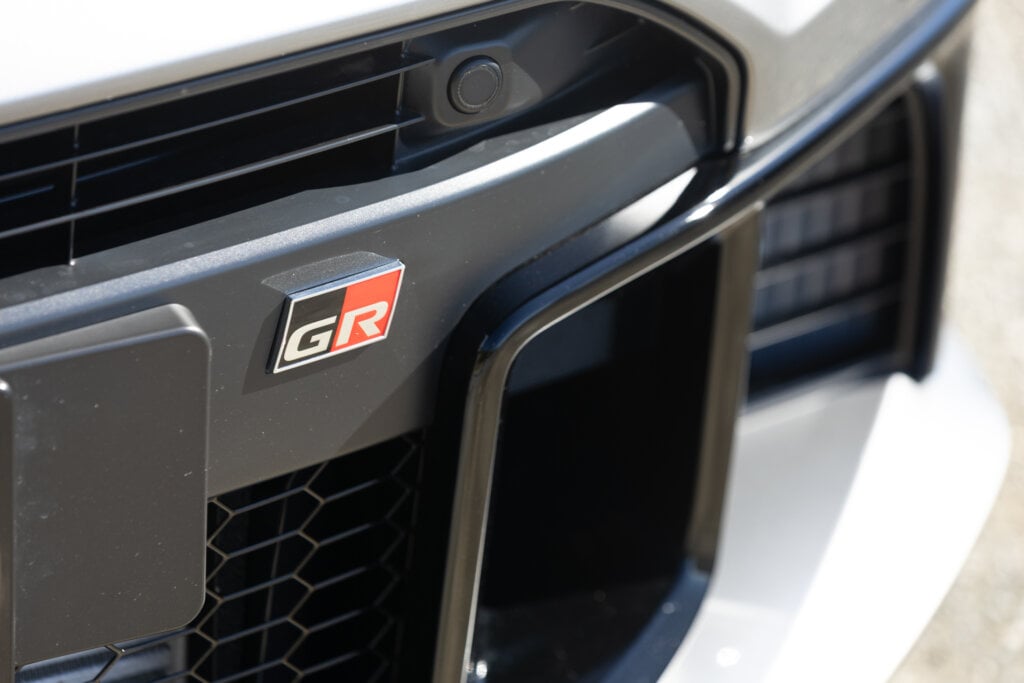
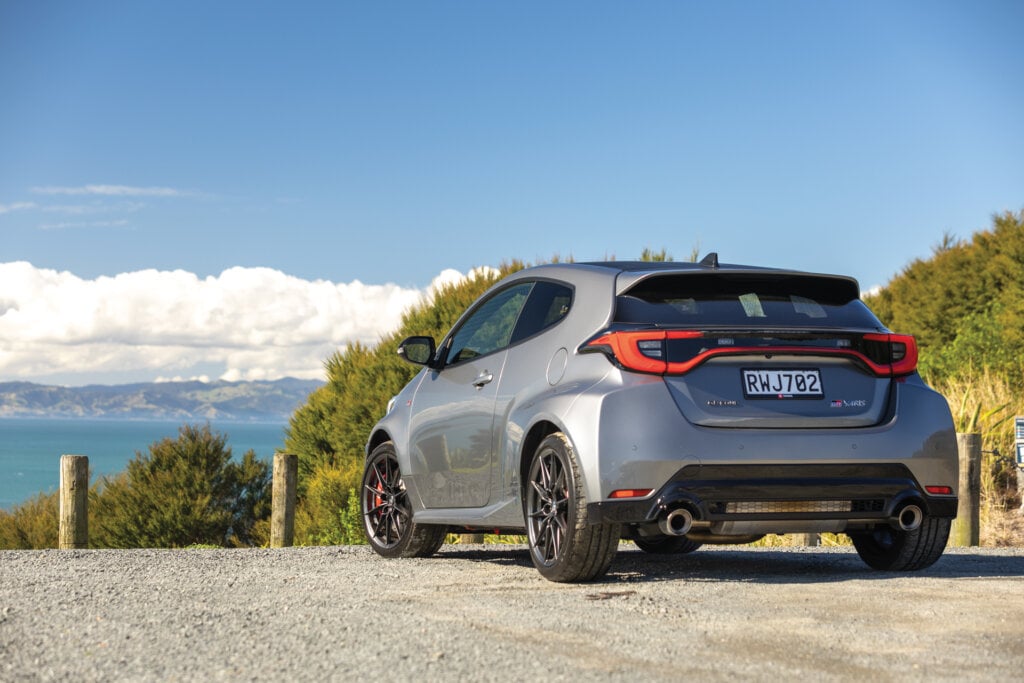
Toyota also introduced a new ‘Aero Performance Package’ for the GR Yaris, which comes at a $4,000 premium. This adds vented front guards, a vented bonnet, and a large spoiler at the rear.
How’s the Drive?
Like the first iteration, this updated GR Yaris is hard to fault. Fire up the engine, and the three-cylinder thrum is infectious. New is a warning alert asking you not to accelerate “excessively” until the engine is up to operating temperature. Usually this took around 10 minutes, and coincided perfectly with the initial suburban aspect of my commute.
Once the engine oil hits 65 degrees, the message disappears, and the engine is ready to be pushed. Aside from the thrum, the aspiration of this engine becomes immediately obvious, as the turbo spools away under acceleration. The blow-off valve is also quite audible. We point that out because it isn’t something usually encountered with modern turbocharged vehicles.
Toyota claims a 0-100km/h time of 5.2 seconds for this automatic GR Yaris. While this isn’t overly impressive in a world where EVs rule acceleration charts, it’s more than enough for this little hot hatch. You’ve also got to take into account that it tips the scales at just over 1300kg, so it isn’t as light as the footprint suggests.
In ‘Normal’ mode, the torque is distributed 60/40 front to rear, and this front-wheel bias does a lot of heavy lifting off the line. Selecting ‘Track’ mode keeps the same distribution, but can send up to 70 per cent of the torque output to the rear wheels when required. Track also unlocks a launch function, and you can feel the rear wheels digging in as the front tyres lose traction off the line.
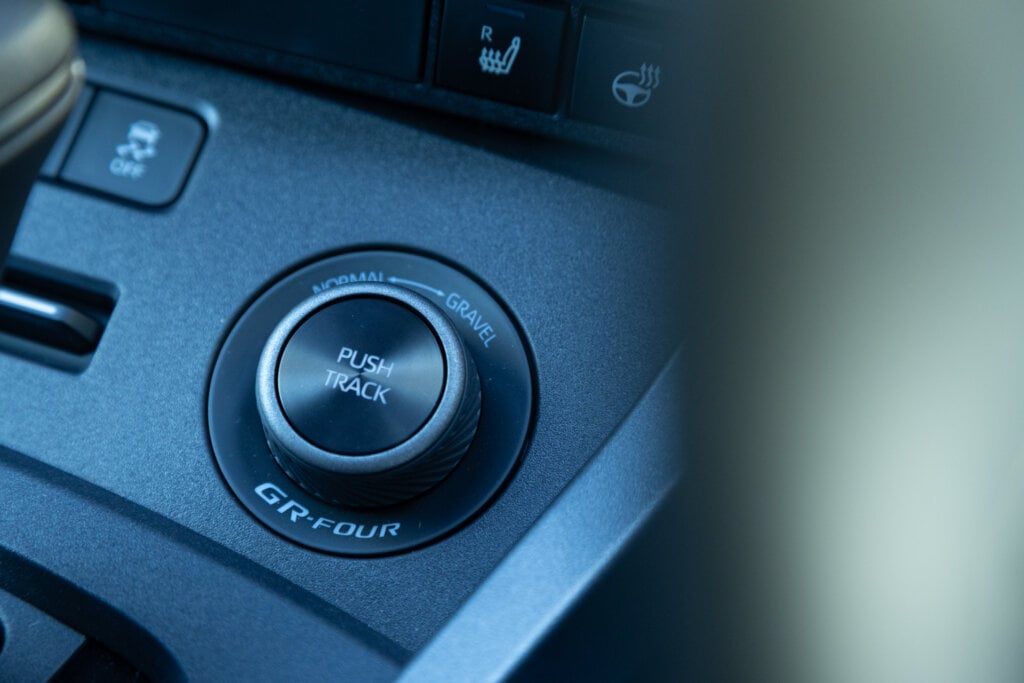
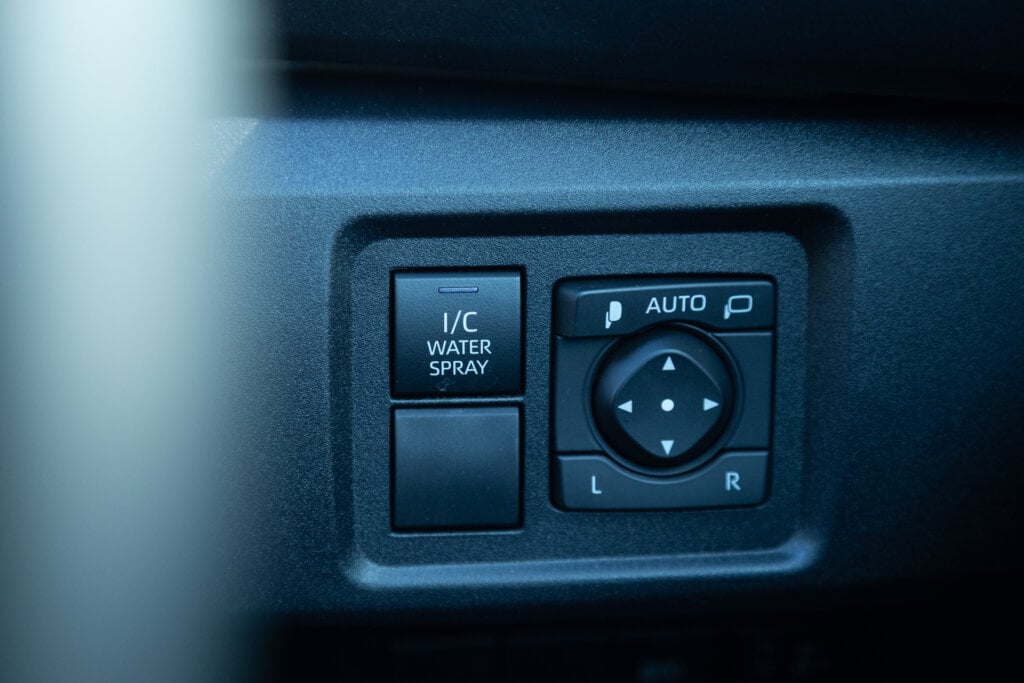
There’s now also a gravel mode, which is set at 53/47 front to rear in base form. It is also able to shift torque distribution on the fly, allowing drivers to feel like their favourite rally hero on a gravel road. That’s as long as they don’t run out of talent.
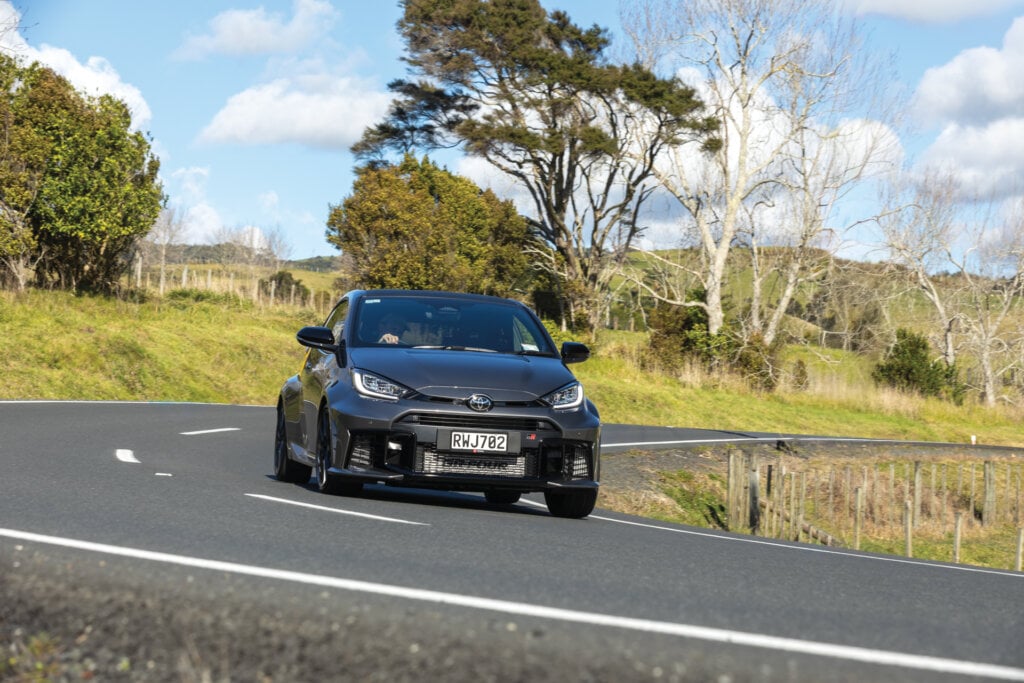
While it might not be a true lightweight, this GR Yaris is certainly agile. Its ability to change direction at speed is impressive. With its 2.5-metre wheelbase, the GR Yaris gets around corners quickly, and the grip levels offered mean you don’t have to worry about losing the rear end.
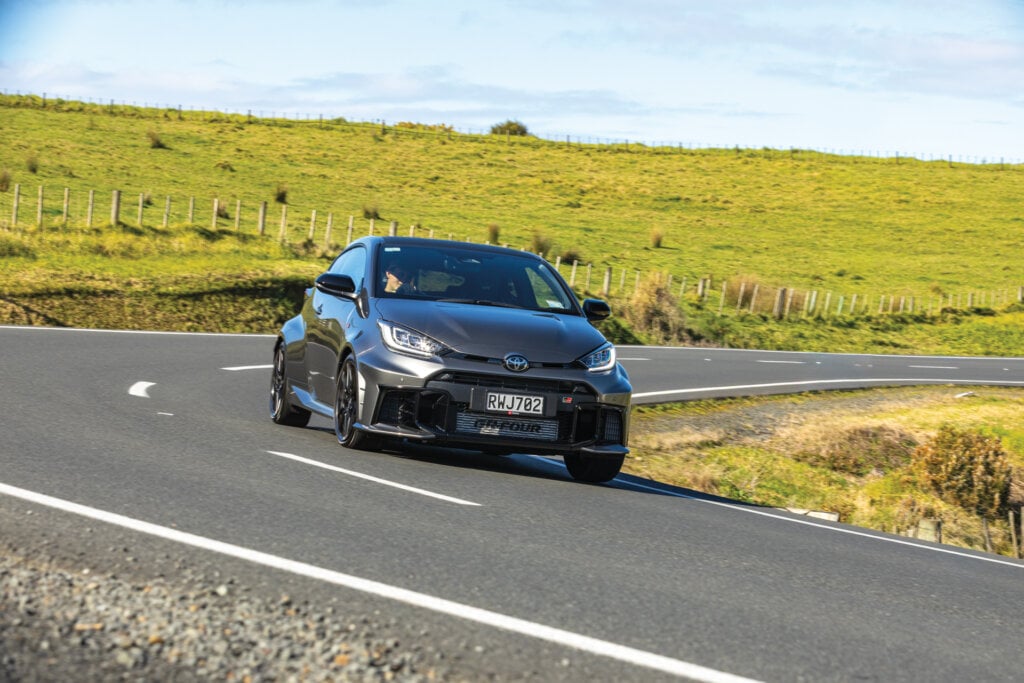
It will understeer if too much steering lock is pulled into a corner, no matter the torque mode. I found this to also be the case on gravel, but with a quick boot of the gas, the rear would rotate, and the car would powerslide out of the turn.
In Sport mode, the steering is stiff and feels very direct. I would hope for more communication through the wheel, but I guess with the four-wheel-drive system, the front axle is doing a lot of heavy lifting.
The ride is predictably tough on New Zealand roads, and the cabin noise is loud. This isn’t the hot hatch to buy if you’re looking for a perfect all-rounder, as it is very motorsport-focused in this regard.
The new eight-speed automatic transmission is confident in its shifting, but I can’t help but feel like the manual will always be the better choice here. Using the shifter paddles means you can focus more on hitting braking points and apexes, which is faster, but it detracts from the overall driving experience.
A Rally-centric Interior
As mentioned, the interior of the GR Yaris is probably the biggest change, and we’re all for it. The infotainment screen is quaint, but usable, and the digital cluster is basic. The information displayed looks like something you’d see on a race car cluster, but that’s the point.
Considering it’s a hatchback at its core, visibility out of the front and side windows is plentiful, but the sloping roof provides just a small gap to peep out of. It also has quite an upright seating position that doesn’t feel particularly race-car-like. Toyota reportedly attempted to remedy this in the update with a lower seat mount, but it hasn’t affected it too much.
The rear seats remain cosy, and the aforementioned roof doesn’t provide a generous amount of headroom. There are still just two seats back there, and they should be reserved for smaller folk. The boot follows a similar theme, with just 174 litres of space available.
A Hardcore Hatch
As a whole, this new GR Yaris feels like the perfect machine for someone wanting a weekend track basher that can double as a reasonable daily for the commute. As mentioned, it isn’t the best-riding hot hatch around, but the payback is fun in the twisties. Its approachable performance means you don’t have to be the world’s fastest driver to have proper fun with it. All you really need is a gravel road and a sense of adventure.
There aren’t many true rivals available for sale in New Zealand, as none have the same motorsport-derived chops. Further to this point, the Honda Civic Type R is $10,000 more expensive, and Volkswagen’s Golf R is now over $80,000.
If practicality is an issue, Toyota’s answer is the GR Corolla, which might not be as dynamic, but provides a similar grin-inducing drive.
The icing on the cake is that this is all covered by Toyota’s warranty, meaning you can drive it like a modified hot hatch without worrying about it blowing up.
Toyota GR Yaris
$64,990 / 10.1L/100km / 229g/km
0-100 km/h 5.2s
Engine 1618cc / IL3 / T / DI
Max power 221kW@6500rpm
Max torque 400Nm@3250rpm
Drivetrain 8-speed auto / AWD
Front suspension Mac strut / swaybar
Rear suspension Wishbones / swaybar
Turning circle 10.6m (2.3 turns)
Front brakes Ventilated discs (365mm)
Rear brakes Ventilated discs (297mm)
Stability systems ABS, ESP
Safety AEB, ACC, BSM, LDW, RCTA
Tyre size f/r-225/40R18
Wheelbase 2560mm
L/W/H 3995 / 1805 / 1455mm
Track f-1530mm r-1560mm
Fuel capacity 50L
Luggage capacity 174L
Tow rating not rated to tow
Service intervals 6 months / 10,000km
Warranty 5yrs / 150,000km
ANCAP rating Unrated
Weight (claimed) 1325kg