View all
7 more images
2027 Kia Seltos Hybrid First Drive Review
Words: Andrew Sluys
It’s fair to say that Kia is onto a winner with the Seltos. Last month, the Korean brand registered over two million total international sales with the small SUV, and locally things aren’t too different.
Since its launch in 2019, the Seltos has found itself in the top ten of monthly sales figures more often than a number of its rivals. Not one to rest on laurels, Kia has kept this momentum moving, and has launched an all-new Seltos, which will soon land locally.
The biggest news for this new Seltos is the fact Kia New Zealand will exclusively be offering it in hybrid form. For as long as the first-generation SUV was on-sale, questions were asked as to where a hybrid powertrain was, but Kia held strong with its internal-combustion offering.
Now the script has been flipped completely, as neither New Zealand nor the Australian market will be receiving the exclusively petrol-powered Seltos that is still available in international markets.
From the Ground Up
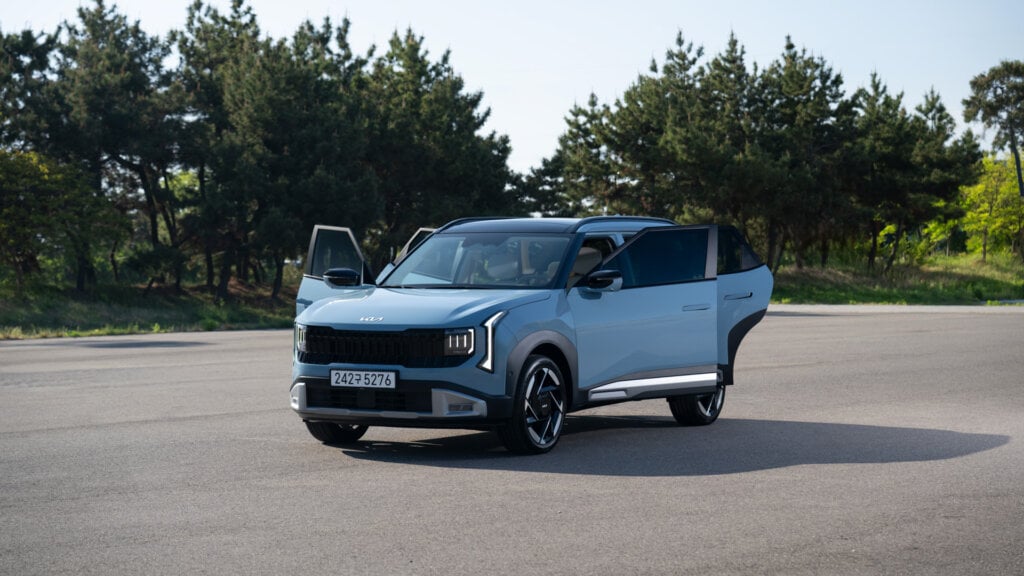
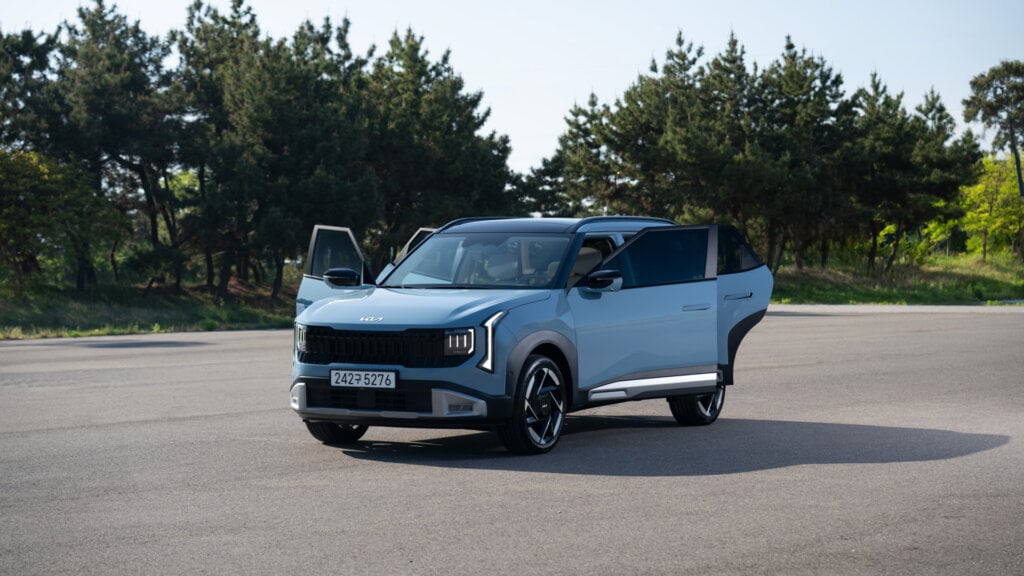
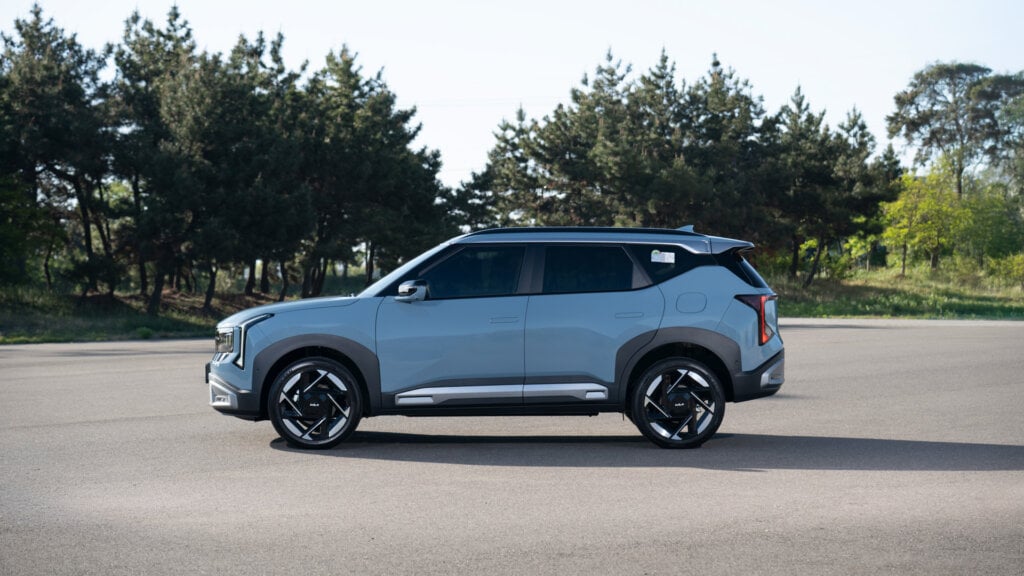
This new Seltos is built upon Kia’s new K3 platform, and it is bigger in almost every dimension. It’s 45mm longer, 30mm wider, and features a wheelbase that’s 60mm longer than the outgoing SUV. The only metric that’s remained unchanged is its height of 1.6-metres.
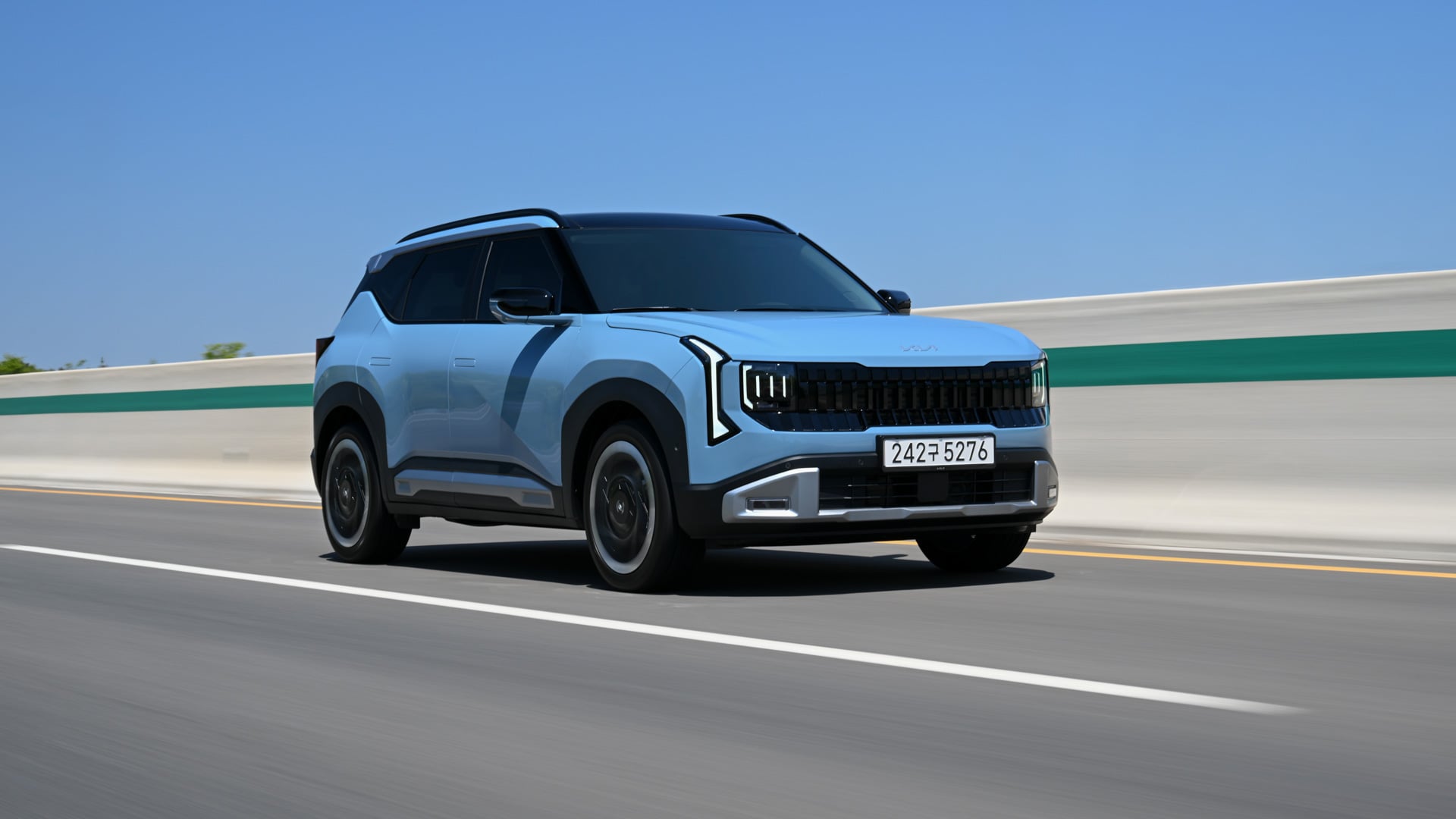
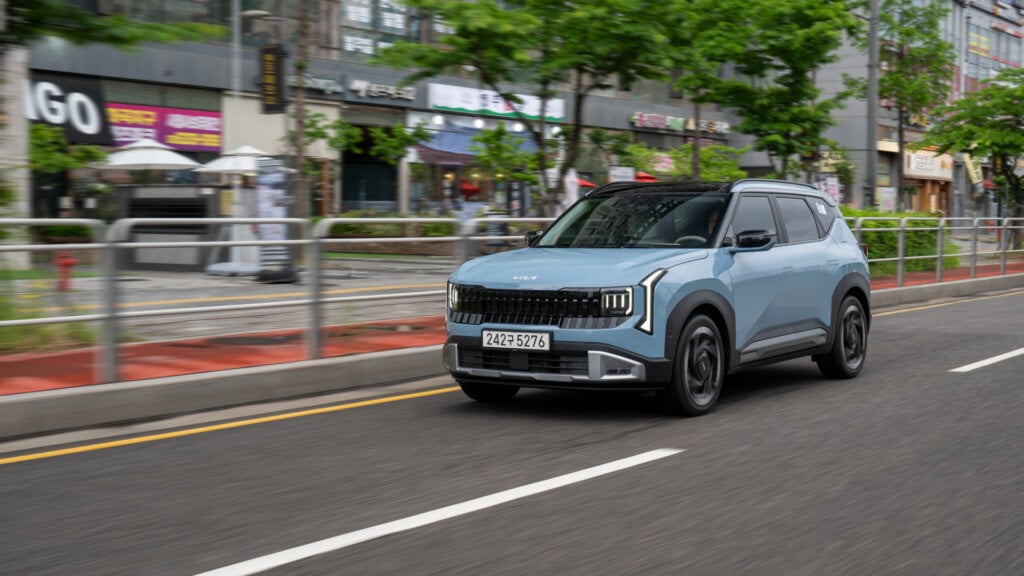
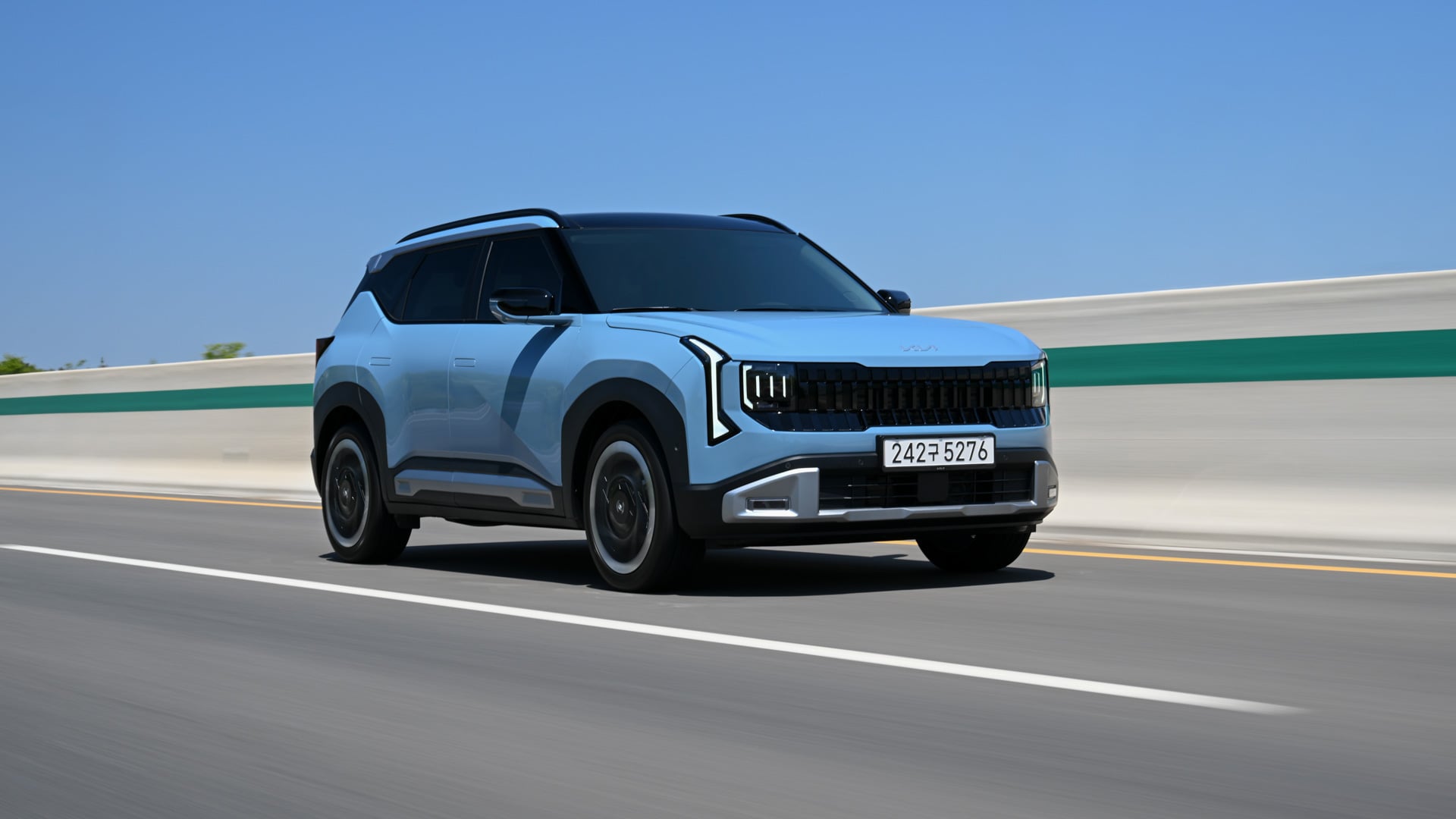
This new Seltos also looks drastically different to the last model, and the overall styling is far more in-line with where Kia’s modern range sits. It features a large Sportage-like front grille with massive daytime running lights on either side, and it’s the same at the back, where the taillights surround the rear hatch.
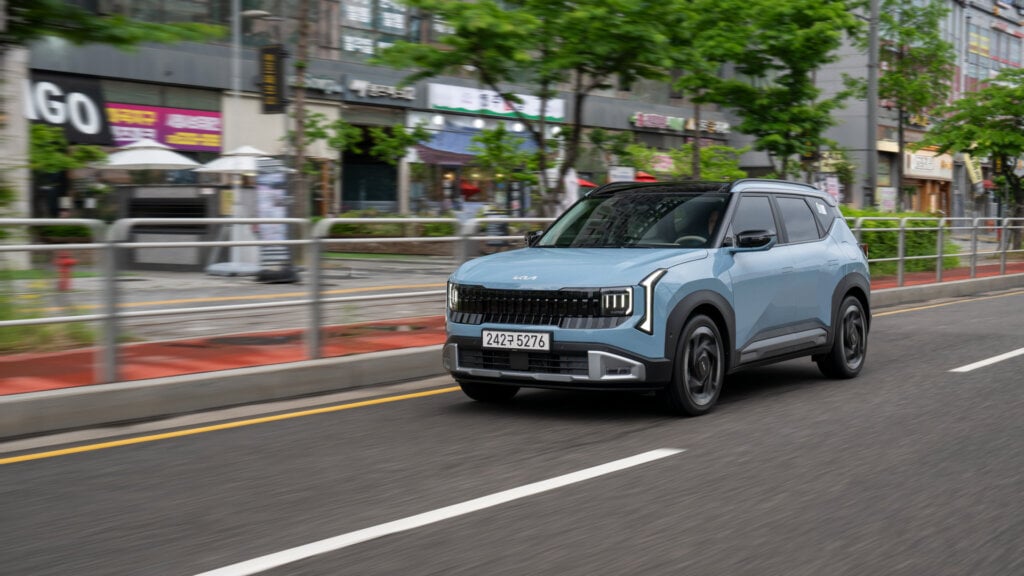
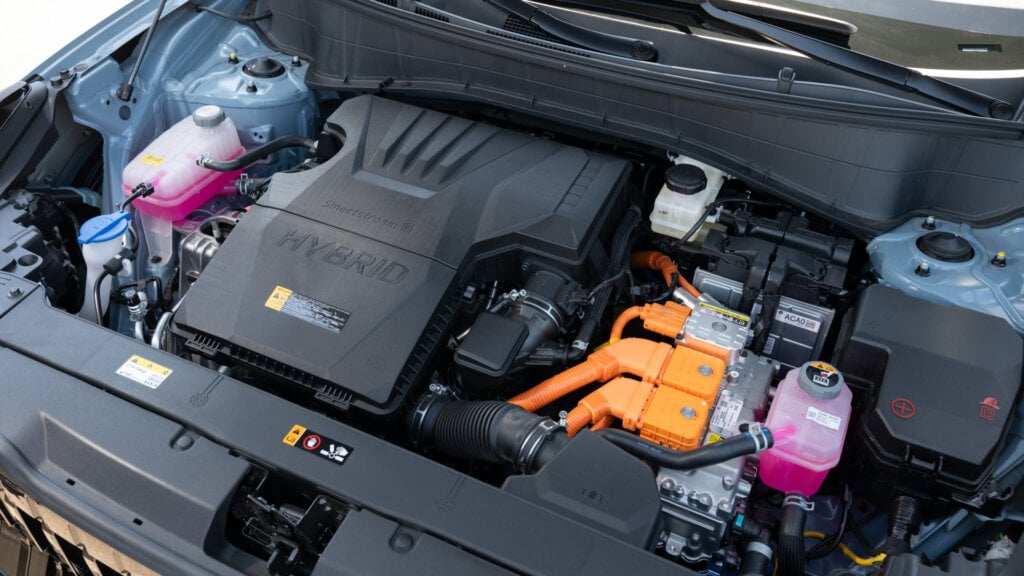
As mentioned, it’s a similar story with the powertrain, and while just the hybrid is coming, buyers should have the choice between front-wheel and all-wheel drive configurations. The system pairs a 1.6-litre naturally aspirated four-cylinder petrol engine with either one or two electric motors.
Front wheel drive variants get a motor on the front axle, while all-wheel drive models add a second motor, which sits on the rear axle. A six-speed DCT is paired with the petrol engine no matter which configuration is selected.
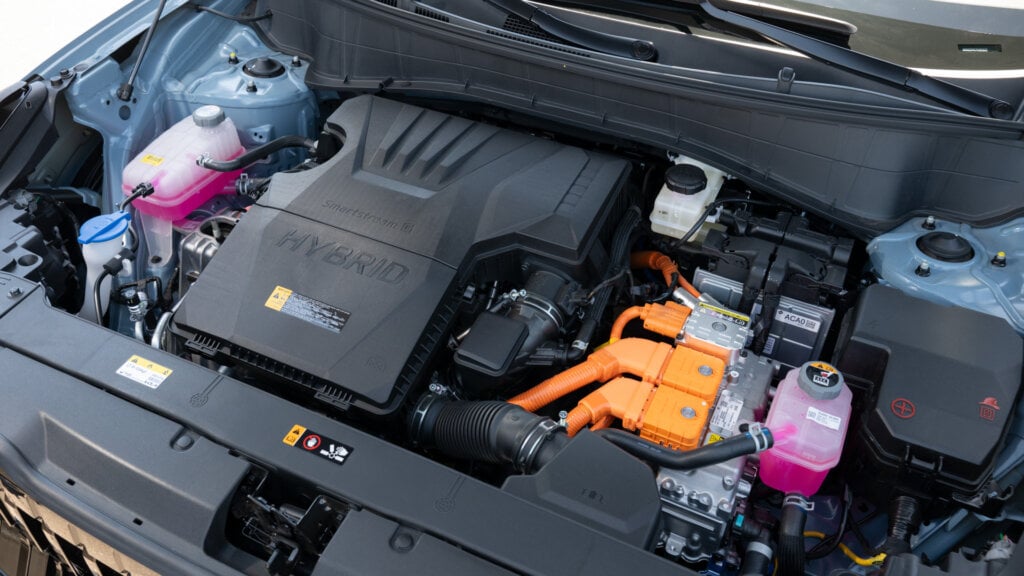
Peak outputs for this system differ between FWD and AWD models. While the FWD Seltos gets 115kW/144Nm, the AWD models get 138kW/144Nm. Kia wasn’t able to provide the size of the battery used in the hybrid system during the launch event, but we can imagine this information will be made available closer to launch.
A New Cabin
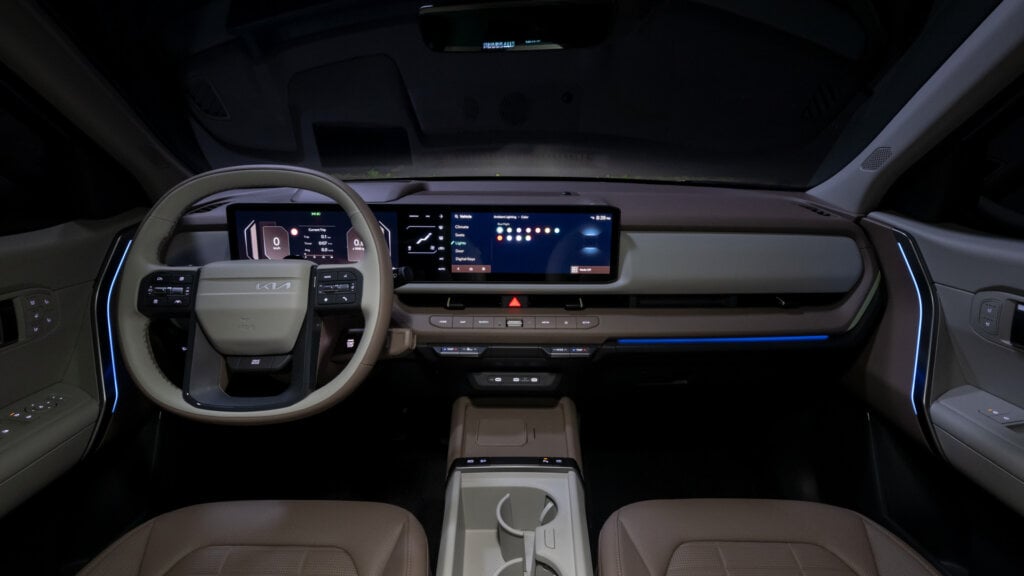
On the inside, the changes are equally as drastic as the exterior. Where the outgoing Seltos felt like a traditional SUV cabin layout, this new model feels far more EV-like in its packaging. This can be put partly down to the extended wheelbase, allowing for more cabin space, but it feels more sparse and in-line with the interior of Kia’s EV products.
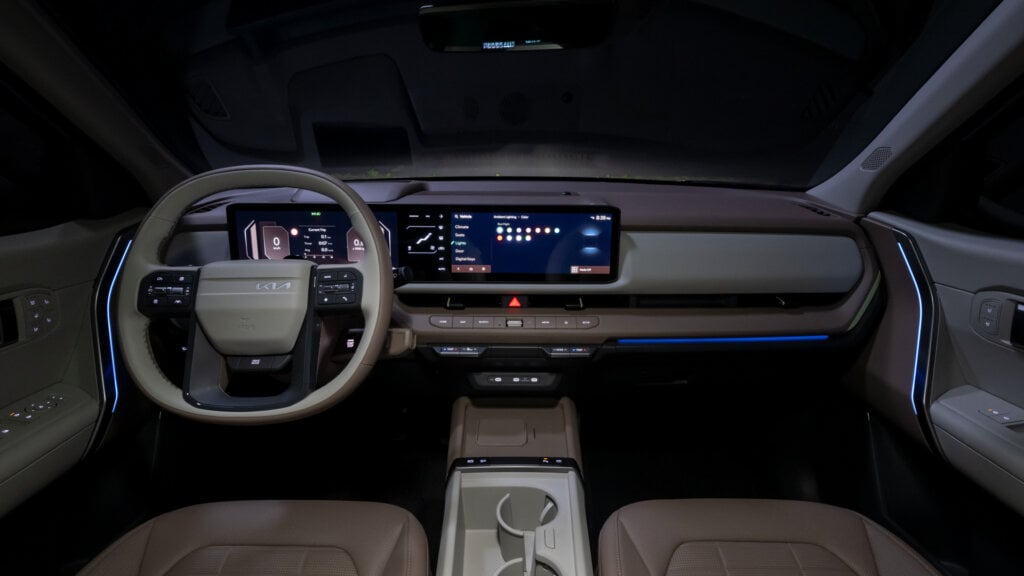
The large display on the dash is made up of a 12.3-inch digital cluster, a 12.3-inch infotainment screen, and an HVAC display in between. Wireless Apple Carplay and Android Auto is available through the infotainment display.
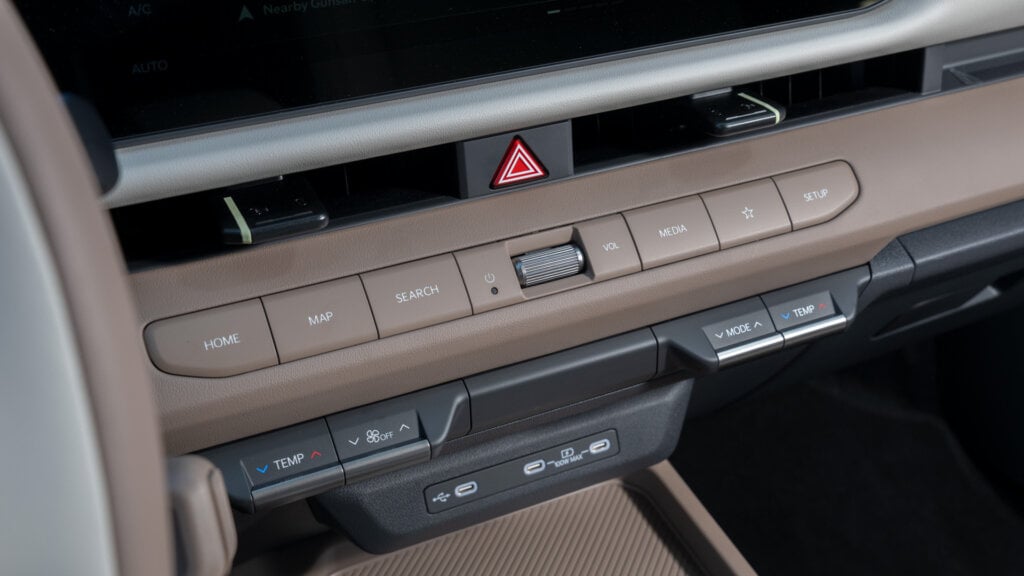
There are also a wealth of buttons around the cabin. Unlike its Chinese rivals, which have gone almost exclusively screen-only for cabin controls, Kia has retained buttons for seemingly everything. Beneath the infotainment screen is a panel with entertainment controls, plus an old fashioned scroll wheel for media volume. Underneath this you’ll find HVAC controls, and this is all in addition to the pressable buttons on the steering wheel.
The seats have also been updated, and they’re some of the most comfortable in the industry. The mesh headrests are a real highlight for me, and I’m surprised more manufacturers haven’t caught onto them.
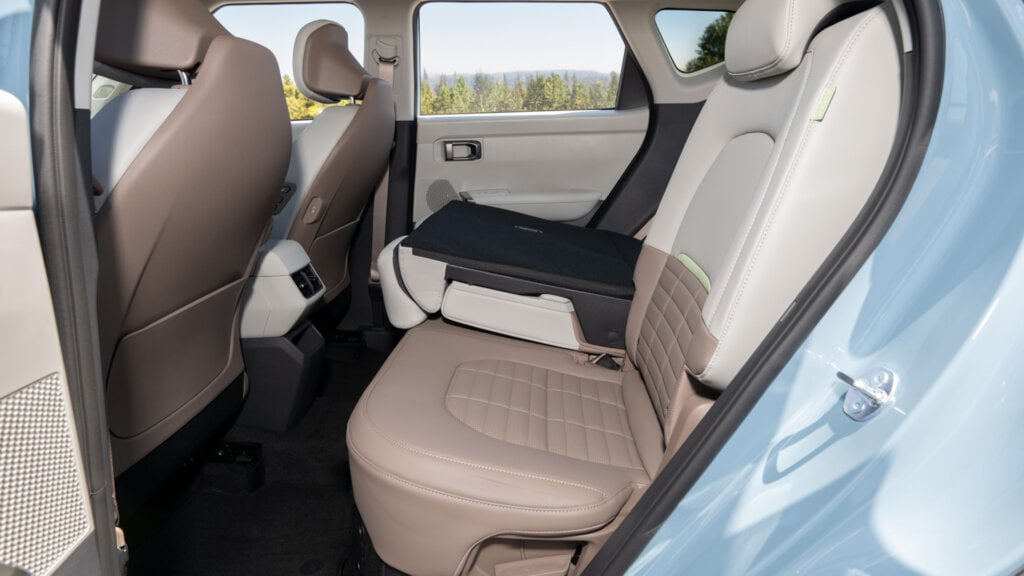
The biggest beneficiary of the Seltos getting bigger is second-row passengers. While the outgoing model felt like a compact SUV in the back, this feels far more mid-sized — more akin to the Toyota RAV4 than the Hyundai Kona.
The rear seat also features a reclining function on either side of the split-folding section. Unfortunately the base isn’t able to be slid to create extra leg room or cargo space, but the space offered as standard is adequate.
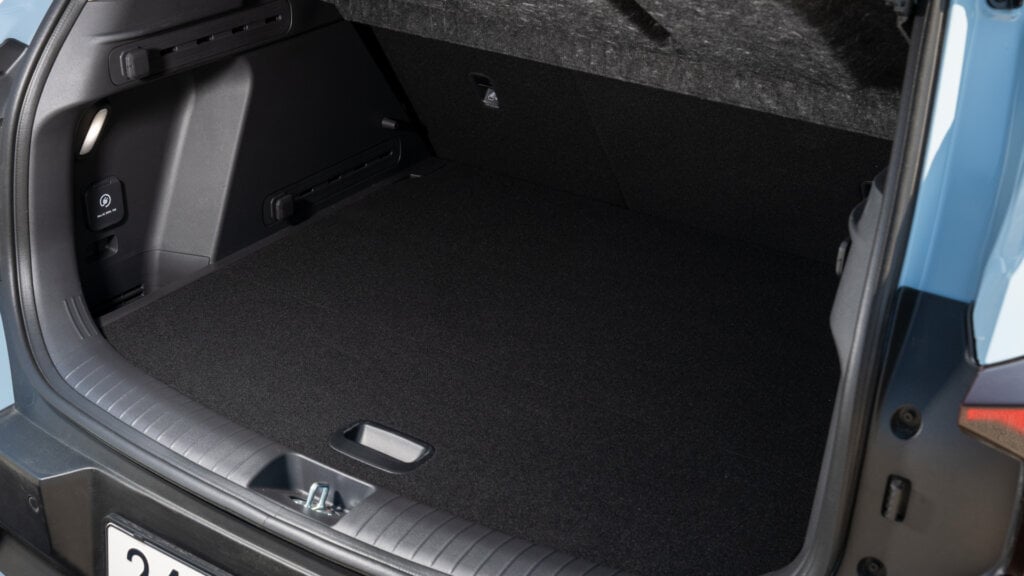
Cargo space offered behind the rear seats is also reasonable. The official figure sits at 536-litres with the seats in place, which is what you’d expect from an SUV of this size.
Though the hybrid Seltos we drove in Korea featured a V2L three-pin plug at the rear, reports out of Australia suggest that functionality won’t make it to our market. Instead, we should get a space saver spare tyre beneath the boot on the front-wheel drive models, and a good kit for the all-wheel drive models.
The Hybrid Drive
For the first day of the launch event, we were driving the international petrol-only version of the Seltos, and while it felt like a waste at the time, it provided good context for how much better the hybrid model is. And considering New Zealand is only getting the hybrid, this proved valuable.
Firstly this hybrid system feels far more refined than the gas-only powertrain in the outgoing model. It’s quieter, and the torque delivery is smoother through the rev range. I was surprised by the amount of engine noise at high rpms, but then again, as a naturally aspirated engine, it will always have to do more work than its turbocharged counterparts.
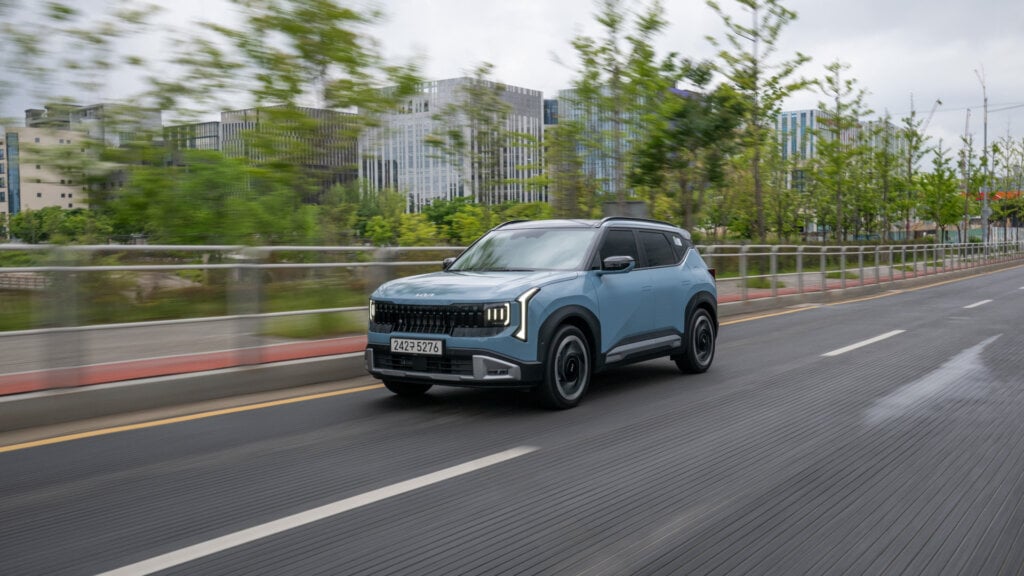
It’s also not quick by any measure. Kia is yet to provide performance figures for any of the range, but some independent testing on the web shows it sitting in the region of ten seconds, and that sounds about right. There’s a kick of torque from the electric motor at low speed, but once it gets over about 30km/h, it feels solely reliant on that naturally aspirated engine to do its best.
In saying this, the Seltos isn’t targeted at an audience that worries about performance when purchasing vehicles, it’s more the refinement that Kia will be worried about. And I can say that it provides an impressive level of refinement on the road. The cabin is impressively sealed off from external sounds, and the road noise is kept to a minimum.
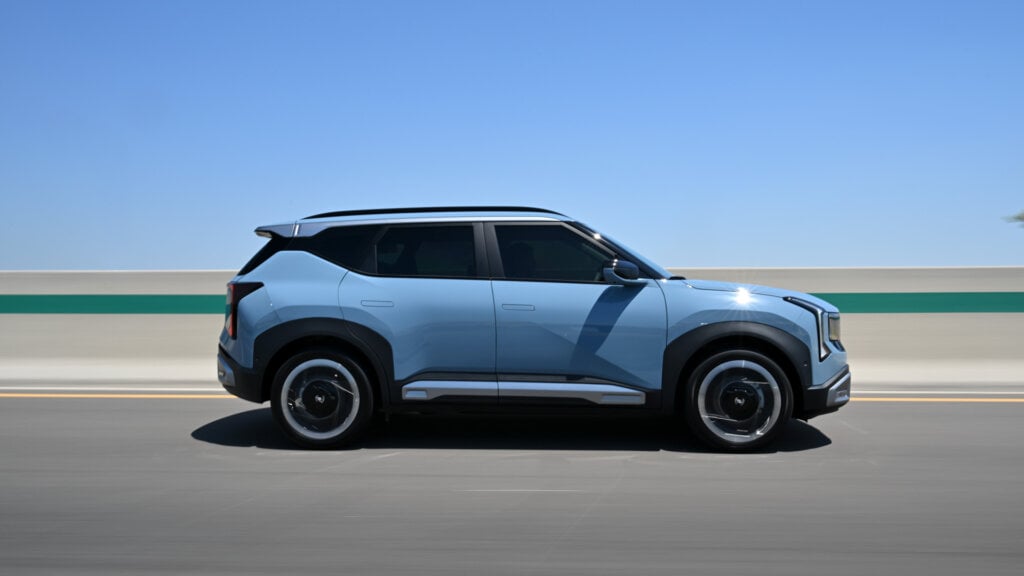
The ride offered is not as soft as its Chinese rivals, but this isn’t a bad thing as it holds its composure far better through the corners. When unrefined SUVs have the tendency to sway through the twisties, this feels like a well-developed suspension system that should be at home on Kiwi roads.
During our time in the Seltos Hybrid, we mainly covered highway mileage, and we saw a fuel economy in the low 5L/100km region. This is going to be where the Seltos will struggle against those aforementioned Chinese rivals, as most in the $50,000 region offered plug-in hybrids with significantly better economy.
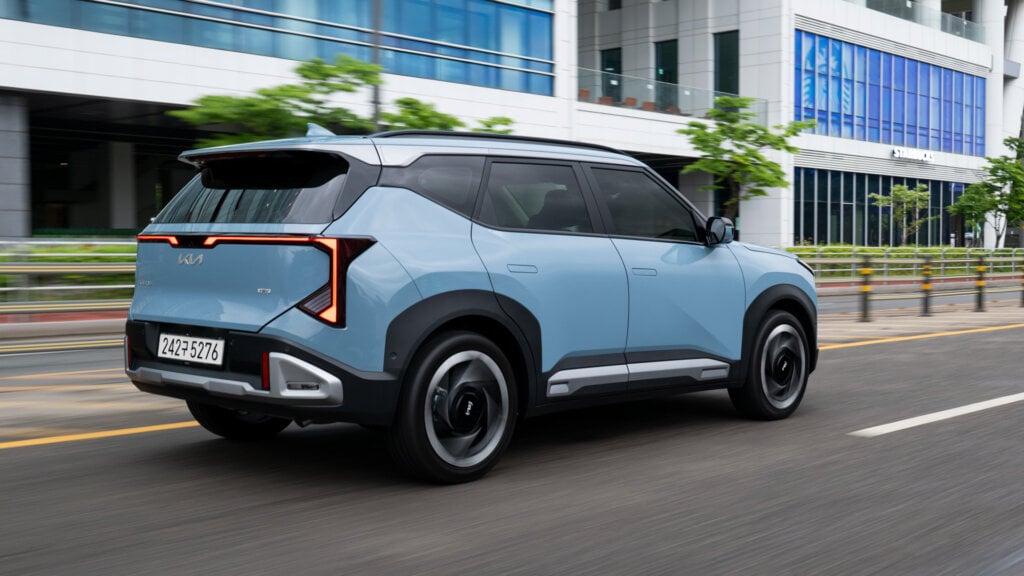
As you’d expect, this new Seltos comes crammed full of all the active safety equipment any new vehicle needs to achieve a five-star safety rating. This includes the driver attention monitoring system, which uses a camera mounted on the steering wheel column. During our two days driving the car, I don’t think it alerted once, meaning you’d have to be seriously distracted to get in trouble with it. The lane-keep assist and adaptive cruise control also all worked as expected.
The Question of Price
So while the new Seltos is bigger and better in almost all ways than the outgoing model, this will come at the cost to consumers. The Seltos was always a well-priced offering in a crowded compact SUV segment, and buyers found peace of mind in Kia’s long-term reliability. Obviously, the reliability is still there, but with so many Chinese competitors packing out the segment, Kia will have to be smart with how this Seltos is priced.
We’ve seen suggestions out of Australia that it will be comparable to the Kona Hybrid, which puts it in the high-$40,000 to mid-$50,000 bracket. At that point, it makes the Seltos Hybrid a fair whack more expensive than things like the Chery Tiggo 4 Hybrid, a few thousand more than the Honda HR-V. But then again, it’s bigger, so cross shopping it with things like the new Toyota RAV4 and the Nissan X-Trail isn’t out of the question either.
All will be revealed when local pricing and specifications are revealed later this year.