View all
9 more images
30 years of the Lotus Elise
NZ autocar
Thirty years after the Lotus Elise entered production, its formula remains as fascinating as ever. We trace the life of the lightweight roadster from the radical Series One through to its final evolution.
Series One (1996-2001)
Returning Lotus to its principles
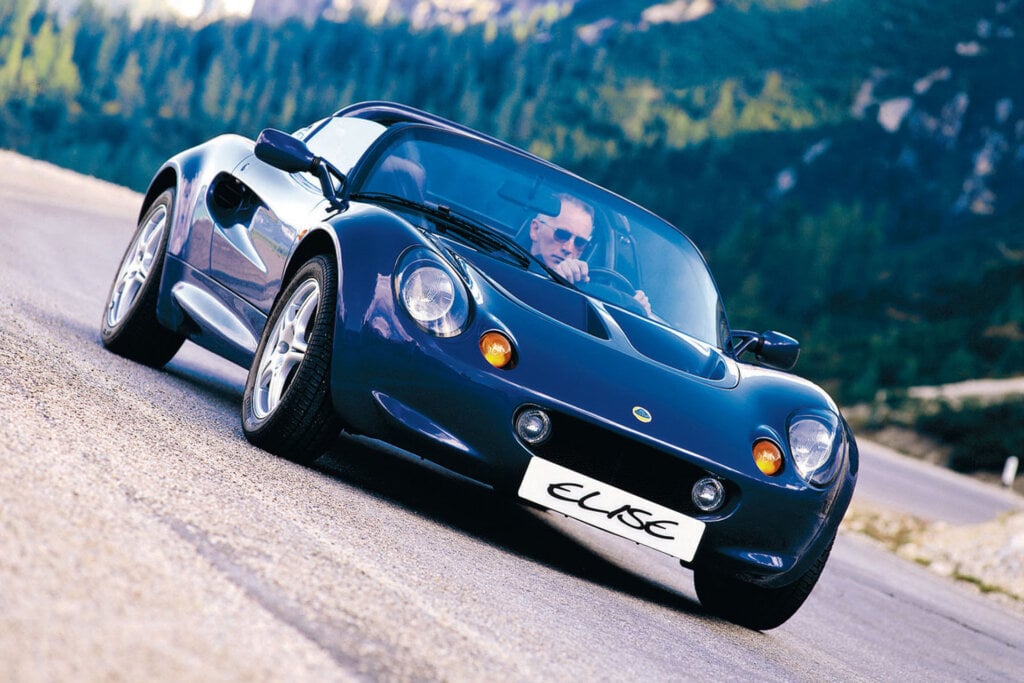
The Lotus Elise made its public debut at the Frankfurt motor show on September 12, 1995. That anniversary passed in 2025, but 2026 brings another milestone: 30 years since production began. Getting it from show stand to showroom was a considerable achievement for a company in bad shape.
Lotus entered the 1990s in an awkward position. The Esprit was ageing, while the front-wheel-drive M100 Elan had been costly to develop and struggled against cheaper Japanese roadsters. General Motors sold Lotus to Bugatti owner Romano Artioli in 1993, leaving him with a famous badge but a weak range and little money.
Artioli believed Lotus needed a pure sports car that would rekindle the values on which Colin Chapman had built the company. The programme that became Project M111 began in 1994. Its original business case was startlingly modest: approximately 750 cars a year for four years. More surprising still, it wasn’t initially meant to have conventional doors or a roof.
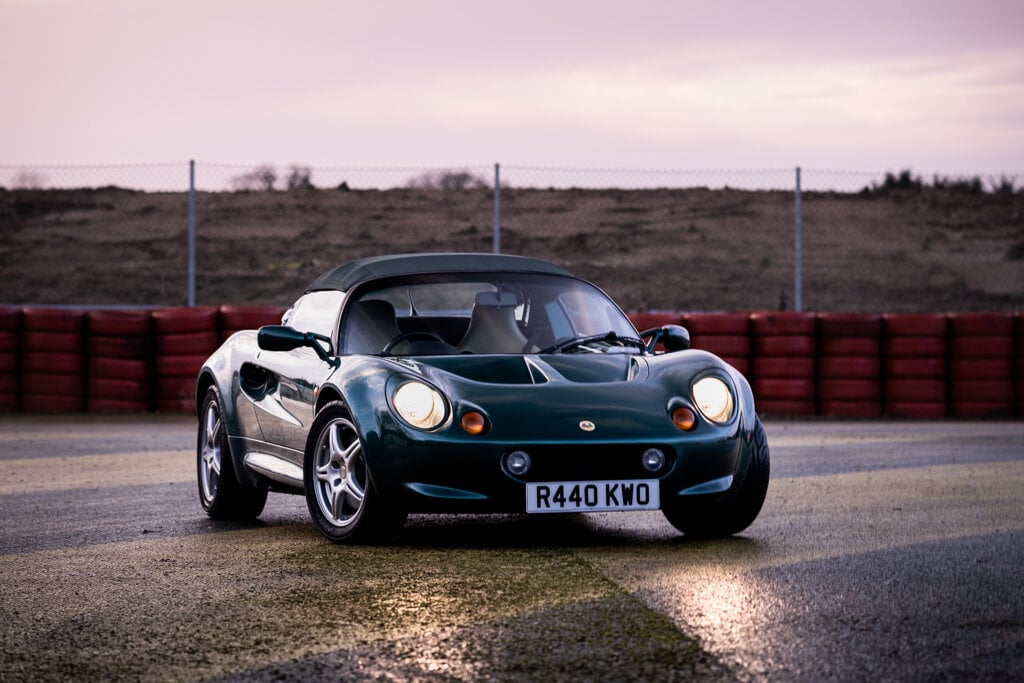
The early proposal was for a “step-in” car, effectively a road-legal racer into which occupants would climb over the side. Doors and weather protection were added after the main structure had been conceived, helping explain the high, wide sills that became both an Elise hallmark and one of its chief irritations.
The project was driven by a small group. Tony Shute managed it, Richard Rackham devised the structure and Julian Thomson led the design, while Lotus’s development engineers delivered the steering, ride and balance expected of a machine originating from Hethel. The lack of development funds could have easily sunk the car, but it also prevented the concept being bloated by equipment and complexity.
Rackham and Thomson treated engineering and styling as parts of the same problem. The team studied Lotus road and racing cars, Caterhams and Group C prototypes, the latter inspiring the protection offered by the substantial side structures. Thomson also drew on the Porsche 356 Speedster, while motorcycles influenced the exposed mechanical forms and detailing.
The body had to be simple and inexpensive to tool. Large composite clamshells formed the front and rear, reducing the number of panels and shut lines, while small components were frequently shared or repurposed. The indicators and ancillary rear lights, for example, came from the same tooling. The cabin followed the same thinking: almost nothing was hidden, but the pieces occupants touched were given particular attention. The beautiful extruded pedals remain a perfect example of function becoming decoration.
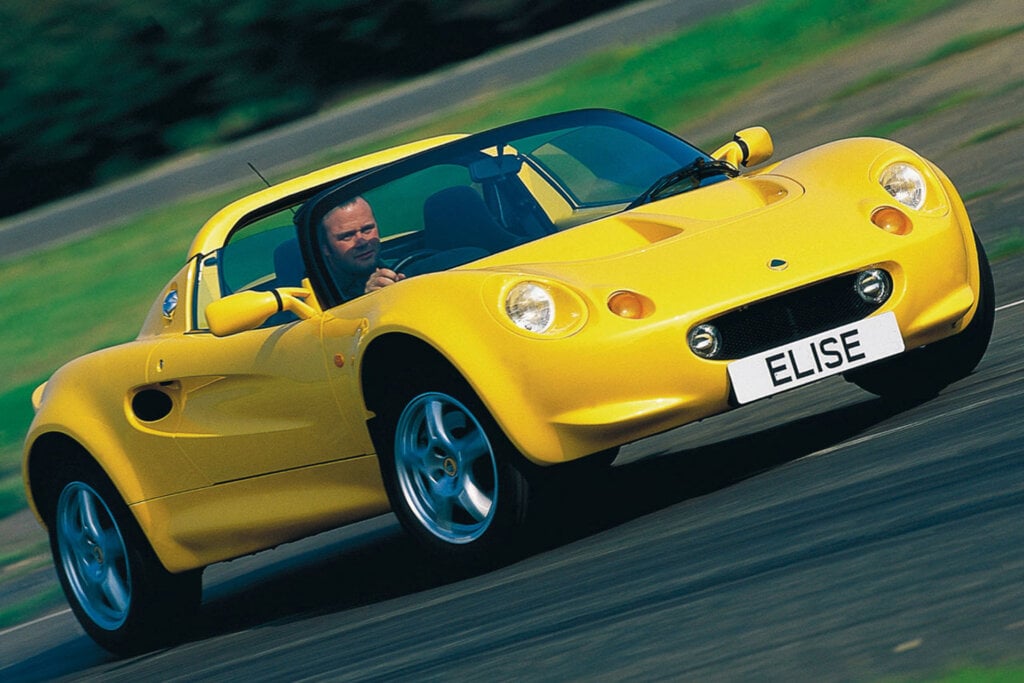
The real breakthrough sat underneath. Lotus had been investigating extruded and adhesively bonded aluminium while consulting on a structure for Land Rover. When that work stopped, technical director Hugh Kemp and the M111 team saw an opportunity to use the process for their own car. Working with Hydro Aluminium and adhesive specialist Ciba, Lotus created a chassis from anodised aluminium extrusions that were bonded together rather than conventionally welded.
Extrusion allowed each section to put material exactly where it was needed, while bonding avoided the heat distortion associated with welding aluminium. The process also allowed the exposed structure to serve as both skeleton and finished cabin architecture. The resulting tub weighed around 68kg yet provided the torsional stiffness needed for accurate suspension control. Steel was used selectively, including for the rear roll-over structure, while the composite bodywork carried little structural load.
This wasn’t technology for its own sake. Less mass allowed Lotus to use a modest engine, smaller brakes, lighter suspension components and narrow tyres, with every saving enabling another. Double-wishbone suspension was fitted at each corner and the steering was unassisted. Early cars even used aluminium metal-matrix brake discs, although iron items later replaced them.
The transverse 1.8-litre Rover K-series engine was another pragmatic choice. Lotus considered alternatives, but the Rover unit was light, compact, affordable and readily available. In standard form it produced only 88kW and 165Nm, driving the rear wheels through a five-speed manual gearbox. While the output was modest, the power to weight ratio was impressive thanks to a kerb weight of 725kg. The first prototype chassis arrived from Hydro shortly before Christmas 1994, barely 11 months after the programme began.
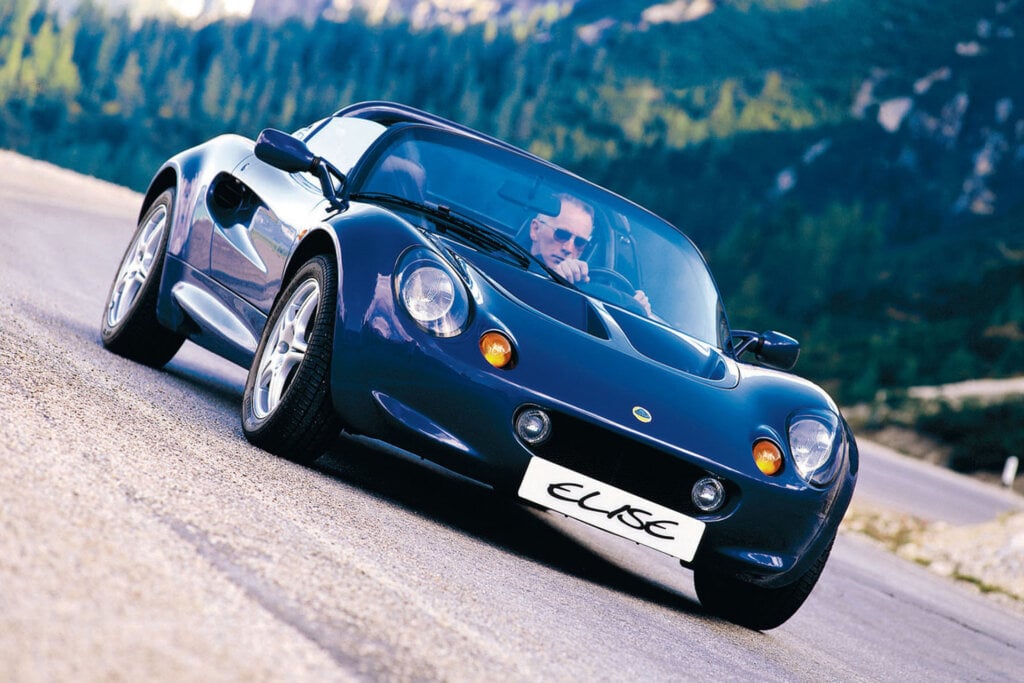
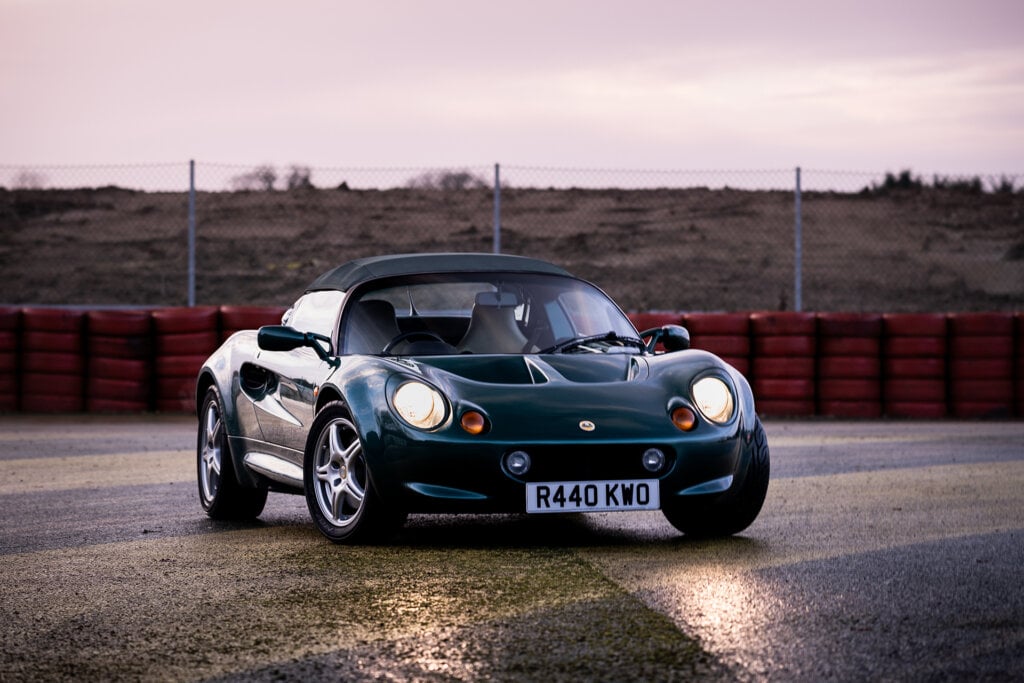
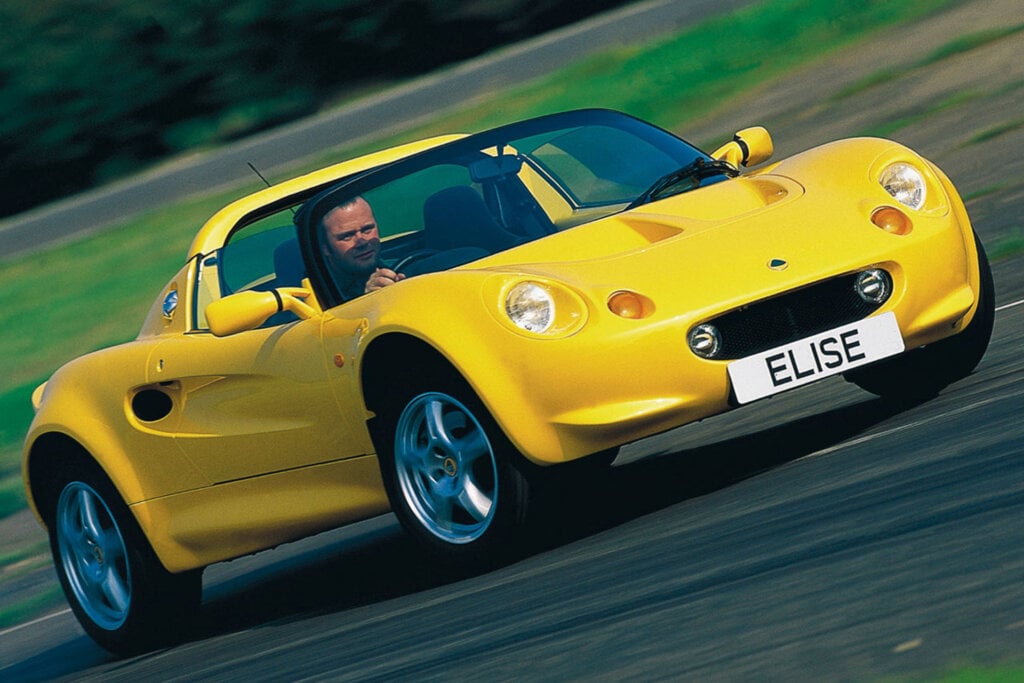
The compact proportions, prominent wheelarches, low nose and exposed roll hoop made the Elise look friendly and exotic at once. It was tiny beside contemporary sports cars, yet the cab-forward stance and side intakes gave it the visual drama of something far more expensive. The name came from Artioli’s granddaughter Elisa, who appeared with the car when it was unveiled at Frankfurt aged two and a half.
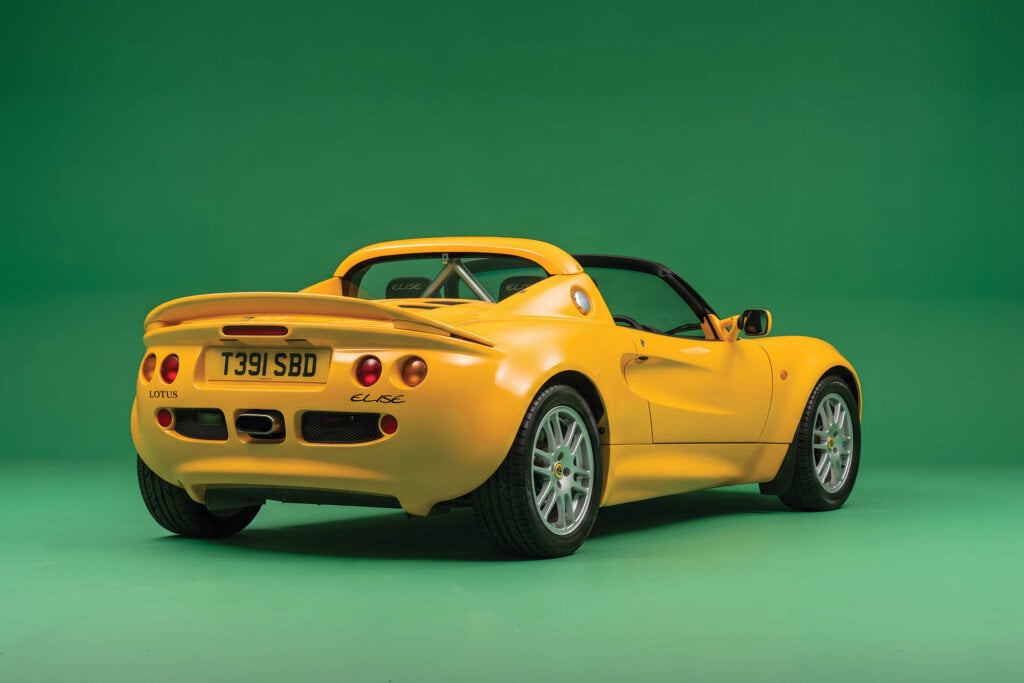
Production began in 1996, with the finished Elise capable of reaching 100km/h in around six seconds despite its modest output. More important was the way it changed direction. Low mass, unassisted steering and carefully judged suspension were said to give the driver information that heavier sports cars filtered away.
There was no power assistance, no brake booster and initially no anti-lock braking. Creature comforts were scarce, the hood was fiddly and getting across the sill demanded flexibility, but those compromises felt like an honest part of the experience.
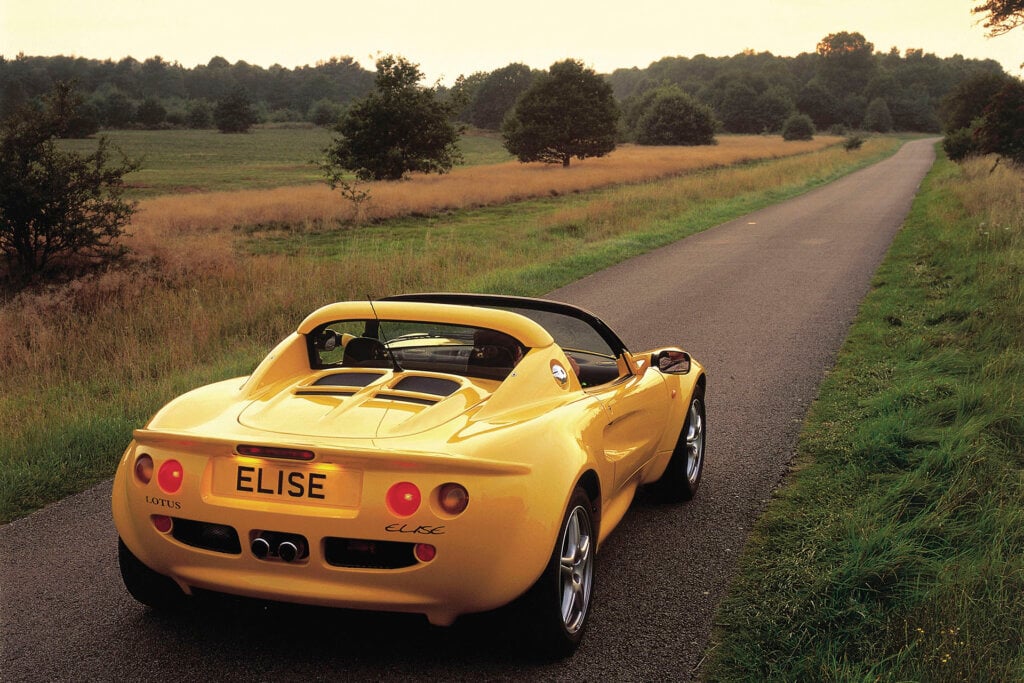
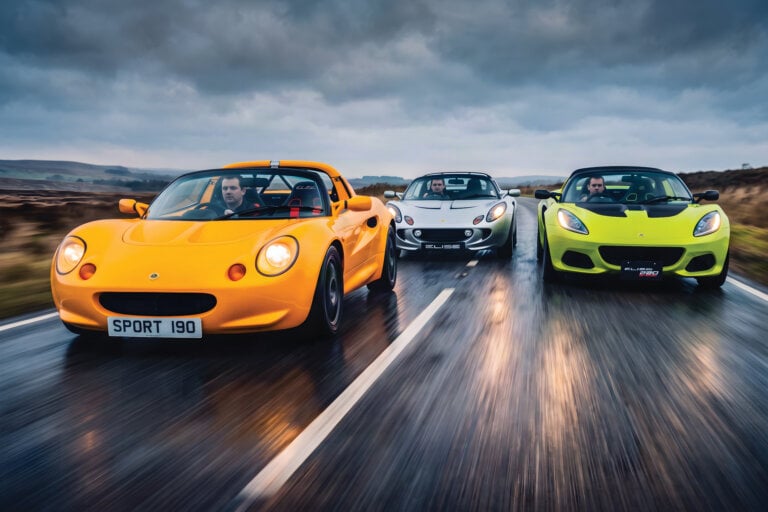
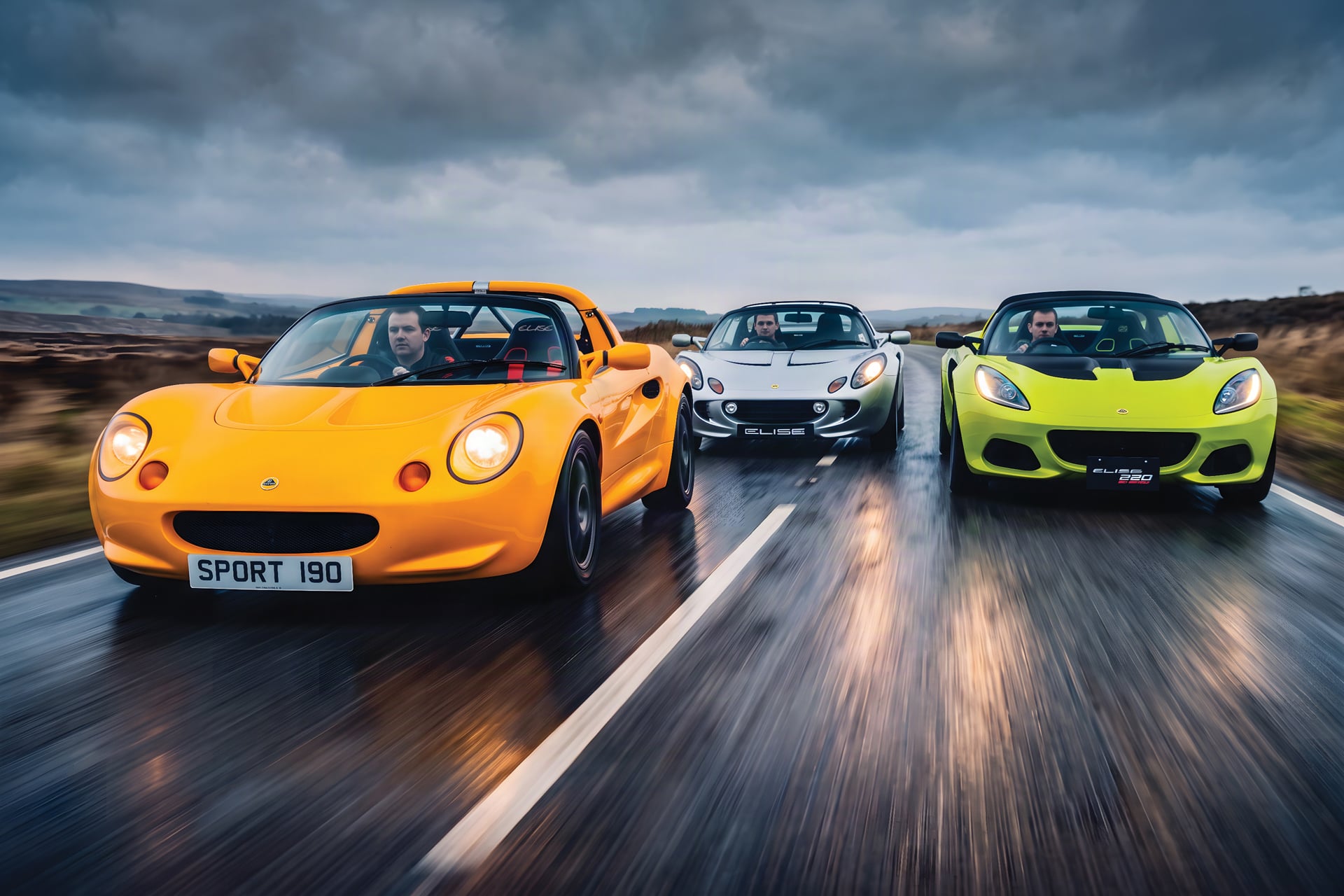
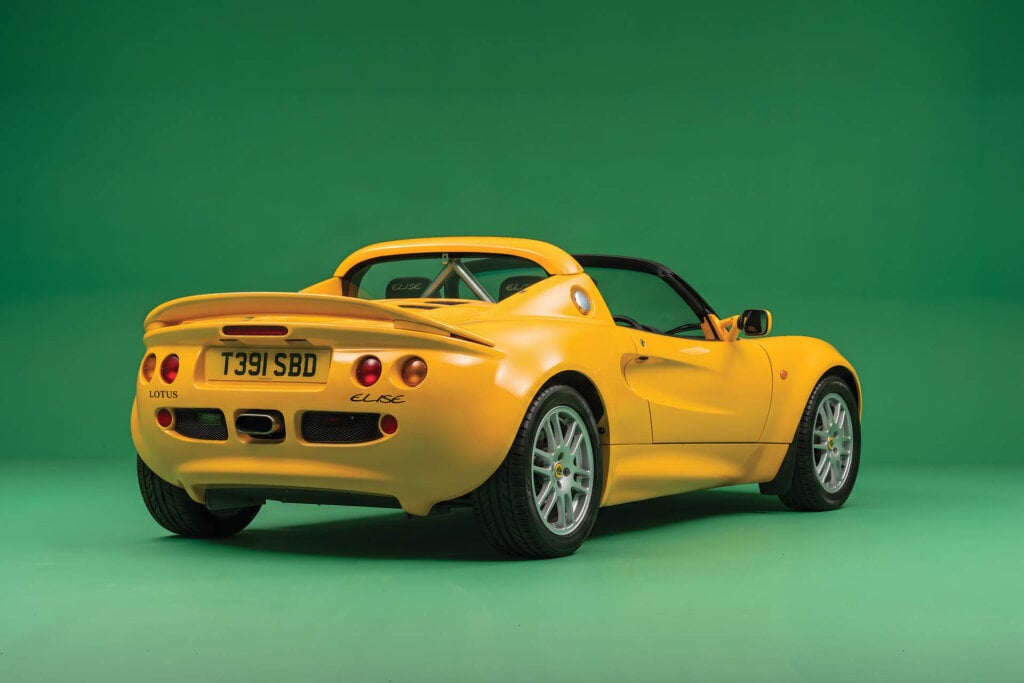
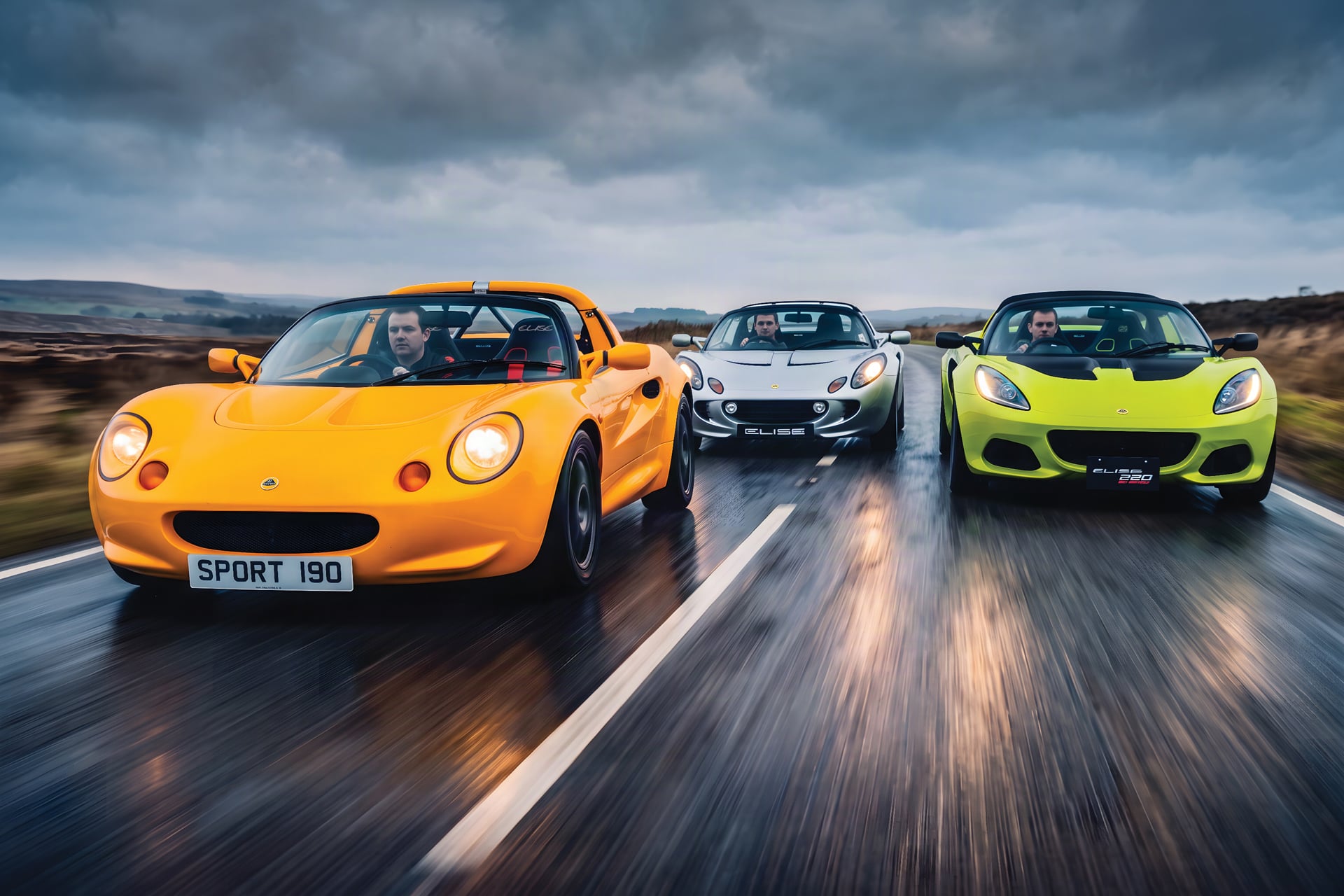
Demand quickly overwhelmed the conservative forecast. Lotus built its 1000th Elise by May 1997 and raised annual capacity to 2500 cars. The basic model was soon joined by faster derivatives, including the Sport 135, VVC-engined 111S, Sport 160 and track-focused Sport 190. The same architecture also supported the harder-edged Exige and numerous racing versions.
The Series One demonstrated that a small company could use intelligent construction and ruthless weight control to create performance without chasing huge power.
Its bonded chassis also became the foundation for an entire family of cars and remained beneath the Elise until production ended 25 years later. Few sports cars have expressed their maker’s philosophy with such clarity.
Series Two (2001-2011)
Elise Matures
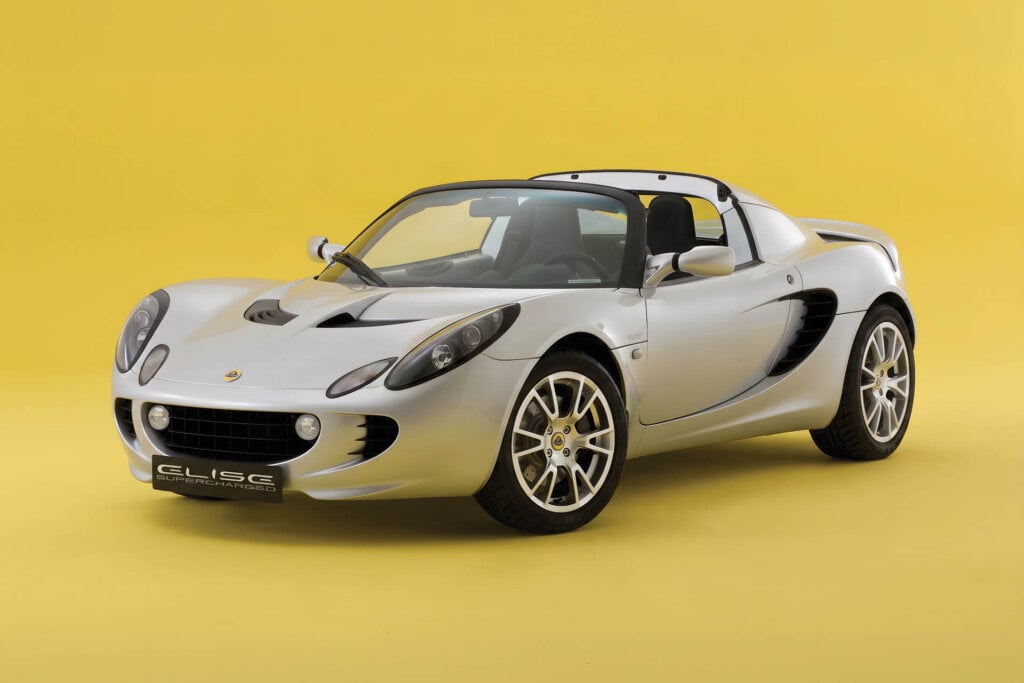
The original Elise could not continue unchanged into the new century. New European crash requirements demanded redevelopment, something cash-strapped Lotus couldn’t easily fund alone.
The solution came through General Motors, which commissioned Lotus to develop and build the related Opel Speedster and Vauxhall VX220. That programme helped finance the revised Elise and a new production facility at Hethel. The GM cars weren’t merely rebadged Elises: they used a longer-wheelbase variation of the bonded chassis, wore their own bodywork and were powered by GM engines.
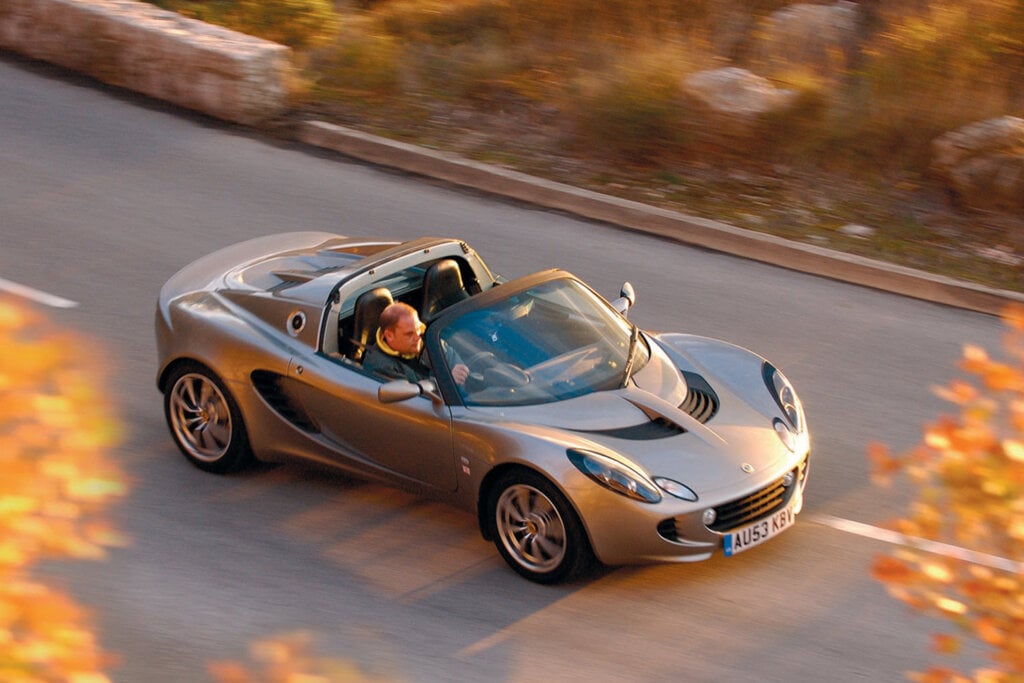
Unveiled in October 2000, the Series Two was an evolution rather than a clean-sheet replacement. Its bonded aluminium structure was revised to meet the new rules, while the sharper body drew inspiration from Lotus’s stillborn M250 concept. It was also the first Lotus production car developed using computer-aided design throughout.
Better aerodynamics, improved weather protection, a better roof mechanism and extra finishing in the cabin made the Elise easier to live with, although it remained tiny, noisy and awkward to enter.
The first Series Two cars retained the 1.8-litre Rover K-series and five-speed gearbox. The base engine produced 90kW, while the 111S used variable valve timing to lift output to 116kW. Revised suspension tuning made the new car more predictable near its limits, while wider tyres brought greater grip.
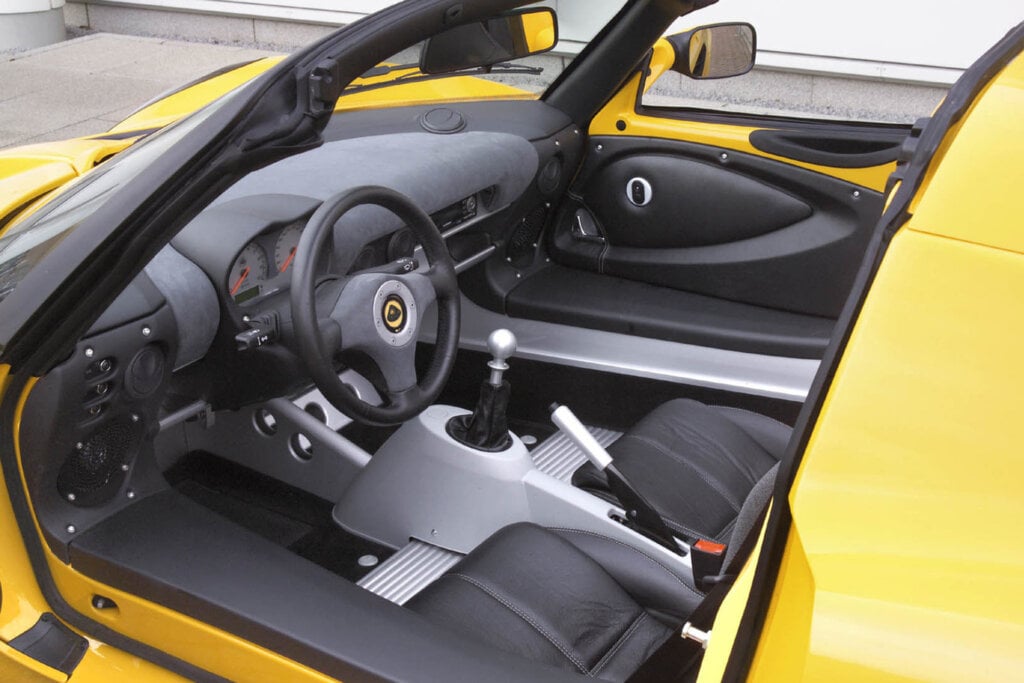
Track-oriented versions such as the 135R and Sport 190, along with heritage editions recalling famous Lotus racers, proved the company had no intention of sanding away the car’s harder edges.
The pivotal change came in 2004 with the Elise 111R. Lotus replaced the Rover powertrain with Toyota’s high-revving 1.8-litre 2ZZ-GE engine and a six-speed manual. Producing 141kW, it transformed the Elise once its variable-lift cam profile came alive near the top of the rev range.
The 111R also brought servo-assisted brakes and ABS, while airbags and additional equipment contributed to a kerb weight of about 860kg. That was substantially more than the Series One, but still exceptionally light by normal standards.
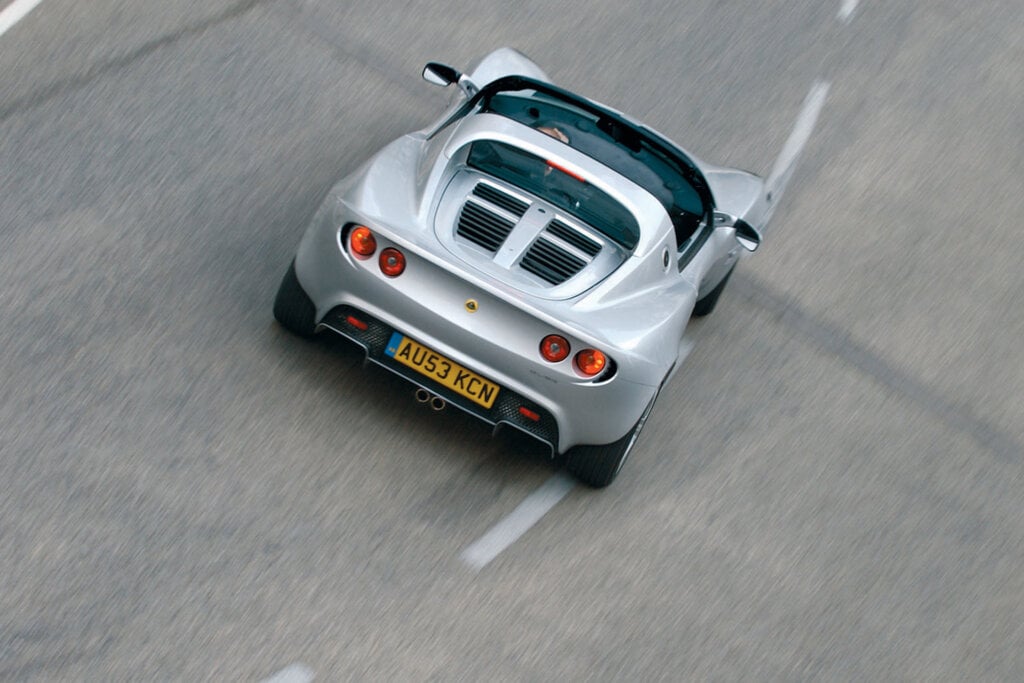
Toyota power opened the United States to the Elise and gave Lotus the reliability and emissions compliance needed to broaden its reach. The Federal Elise arrived in 2004, bringing the little Lotus to American showrooms for the first time.
The range later gained the more affordable Elise S with Toyota’s 100kW 1ZZ-FE engine, while the 111R became the Elise R. In 2008 the supercharged Elise SC arrived with 162kW, cutting the 0–100km/h time to the mid-four-second region. By then the Elise had become a family, spawning a second-generation Exige and an ever-growing catalogue of road, track and competition derivatives.
The Series Two inevitably lost a little of the first car’s delicacy as safety and usability improved. Yet its success lay in preserving the important things: the bonded tub, mid-engined balance, compact dimensions and unassisted steering.
It proved the Elise could mature without becoming ordinary and gave the concept the mechanical durability to survive far longer than Lotus had originally imagined.
Series Three (2011-2021)
The Long Goodbye
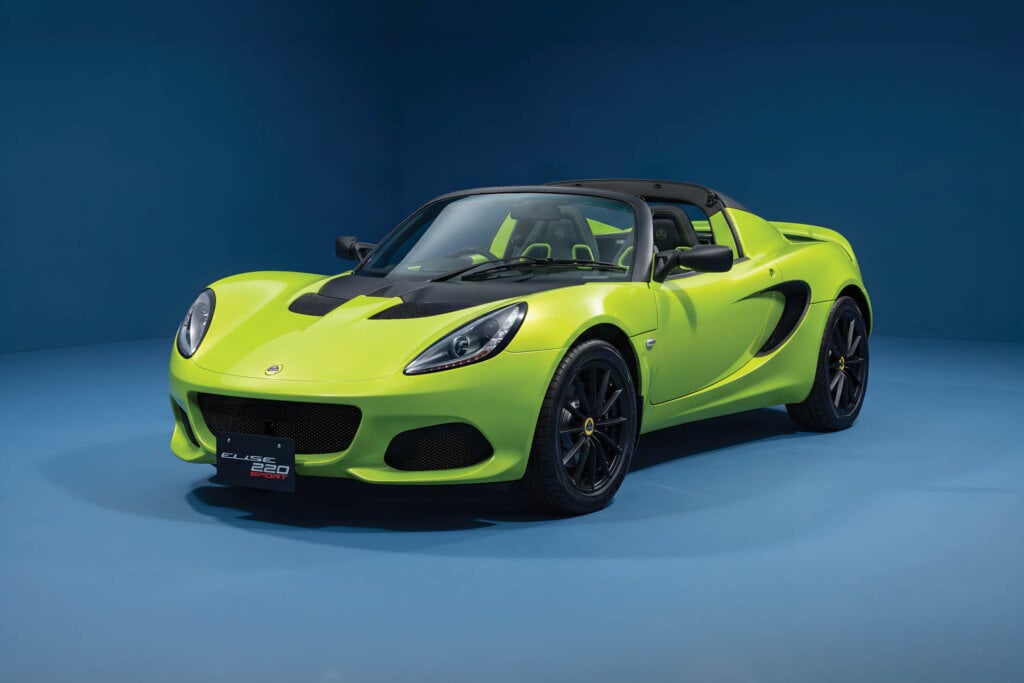
Lotus introduced what became known as the Series Three for the 2011 model year. In truth, it was a comprehensive facelift of the Series Two rather than another new generation.
The aluminium tub and fundamental proportions remained, but a cleaner nose with single-piece headlights, revised rear styling and improved aerodynamics brought the Elise into the new decade.
The entry model adopted Toyota’s 1.6-litre 1ZR-FAE engine to satisfy Euro 5 emissions requirements. Its 100kW output was underwhelming, but a sub-900kg kerb weight kept performance lively.
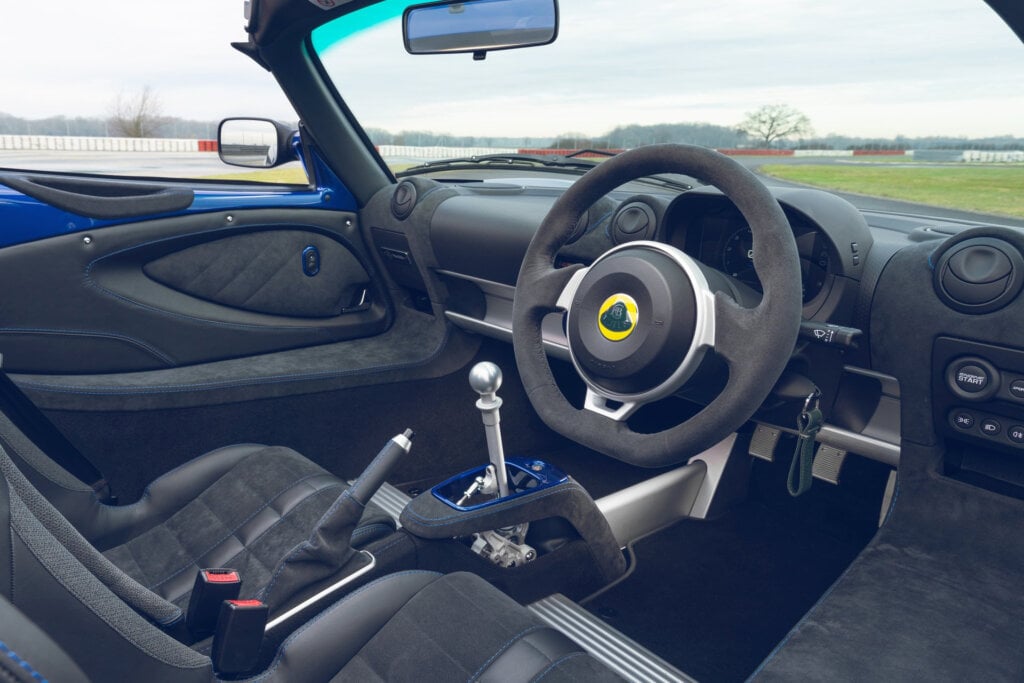
Higher models initially retained the 1.8-litre 2ZZ, before the supercharged 2ZR-FE became the mainstay from 2012. In the Elise S it produced around 162kW and supplied the mid-range shove that earlier naturally aspirated cars lacked.
Lotus spent the following decade refining the formula rather than reinventing it. Club Racer, Sport, Sprint and Cup variants removed weight, added power and sharpened the suspension and aerodynamics.
The 2017 Sprint showed the company still understood the original brief, using carbon-fibre panels, forged wheels, a lithium-ion battery and a polycarbonate rear window to reach a quoted dry weight of 798kg in its lightest form. At the other extreme, the Cup 250 turned the Elise into a serious track weapon while remaining road legal.
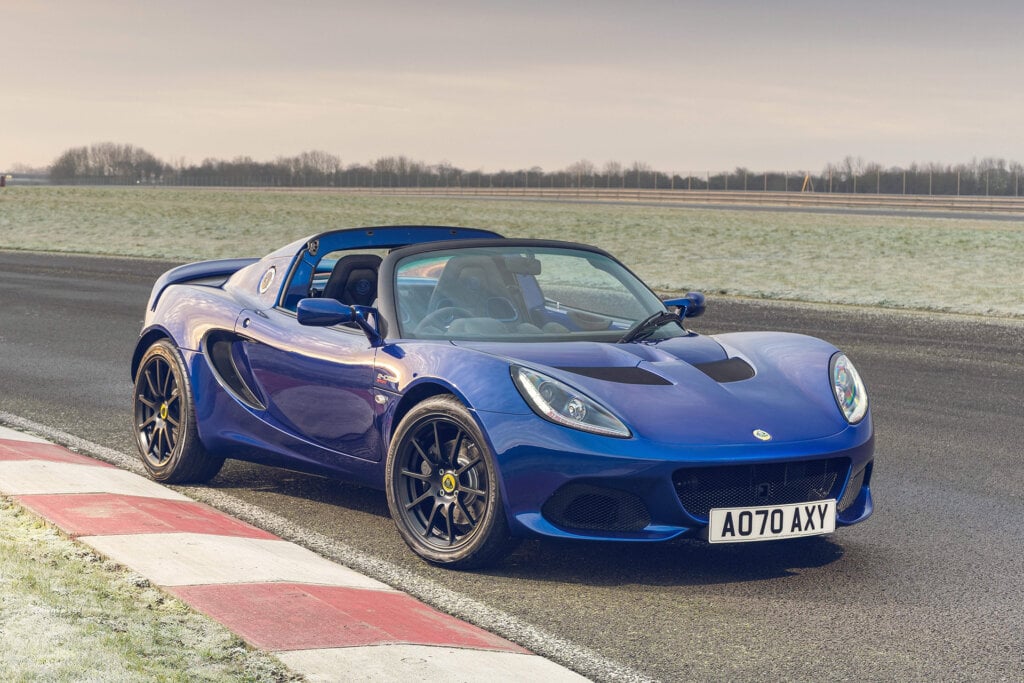
Regulation gradually restricted where the car could be sold. The Elise disappeared from the United States after its airbag exemption expired in 2011, while tightening emissions and safety standards made continued development increasingly difficult.
Production finally ended in December 2021 after 35,124 Elises. The Sport 240 and Cup 250 Final Editions marked the occasion with supercharged Toyota power, unique trim and the first digital instrument display fitted to the model. The Cup also generated substantial downforce without abandoning the Elise’s compact footprint.
Fittingly, the final Elise built for a customer was a Championship Gold Sport 240 delivered to Elisa Artioli, the woman whose name had been placed on the original car when she was a toddler. Lotus retained the last production example for its own collection.
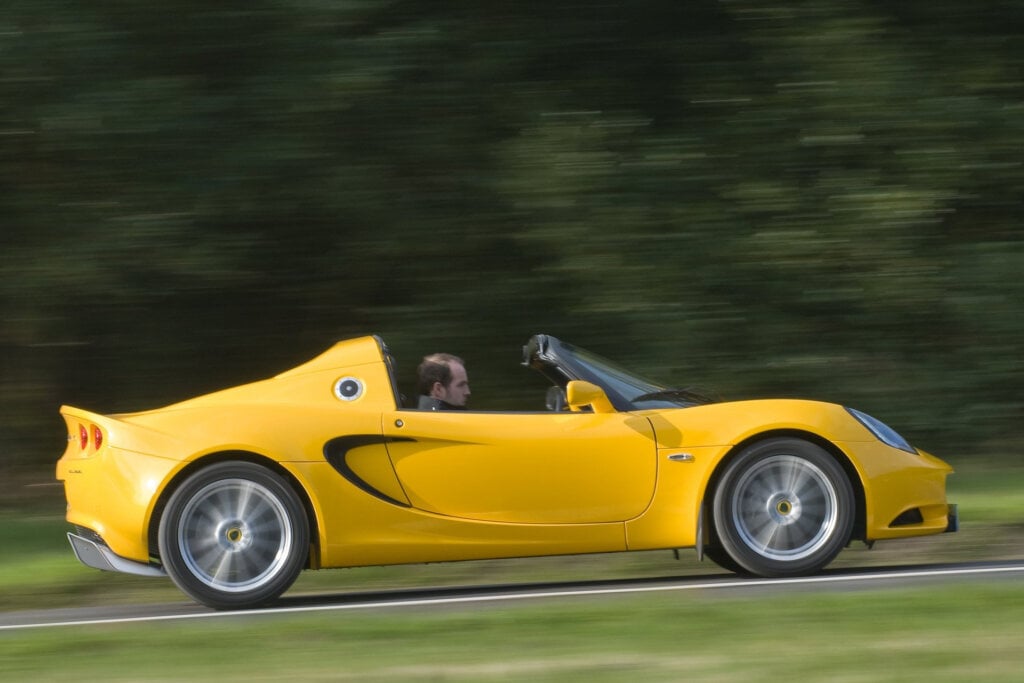
By then the Elise’s bonded aluminium architecture had also underpinned the Exige, Opel Speedster/Vauxhall VX220 and the original Tesla Roadster, while influencing low-volume sports-car construction across the industry.
The later cars were faster, safer and better equipped than the Series One, but the essential appeal never shifted. Every Elise put low mass, steering feel and chassis balance ahead of effortless comfort or headline power.
Thirty years after production began, it remains proof that performance is not only about adding power. Sometimes the cleverest move is knowing what to leave out.