Amble One is a tiny electric off-roader with Audi R8 design links
Words: Kyle Cassidy
A Portuguese start-up is aiming to put an adventurous spin on the microcar formula with the Amble One, a tiny electric off-roader weighing less than 450kg.
The One is classified under Europe’s L7e heavy quadricycle regulations, putting it in the same category as the Microlino and discontinued Renault Twizy. Unlike most vehicles in this class, however, it has been designed to venture beyond city streets.
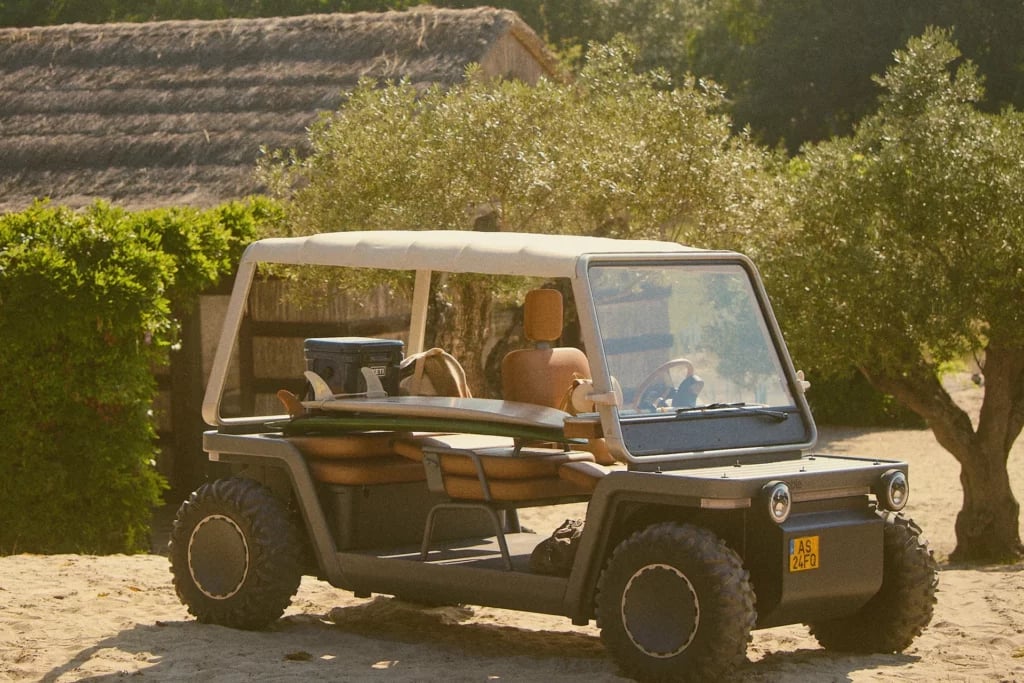
Amble says the One will be suitable for everything from transporting guests around luxury resorts to tackling trails and operating in cold-weather environments.
Its design comes with some serious pedigree. Michael Tropper created the One in partnership with Julian Hoenig, whose previous work at Audi included the RSQ concept from the 2004 film I, Robot, the original Audi R8, the fourth-generation A4 and first Q3.
Hoenig later moved to Apple, where he led the design of the Apple Watch.
From golf cart to road car
The project began four years ago after a friend working in the hotel industry approached Hoenig in search of a golf buggy suitable for moving guests around luxury resorts.
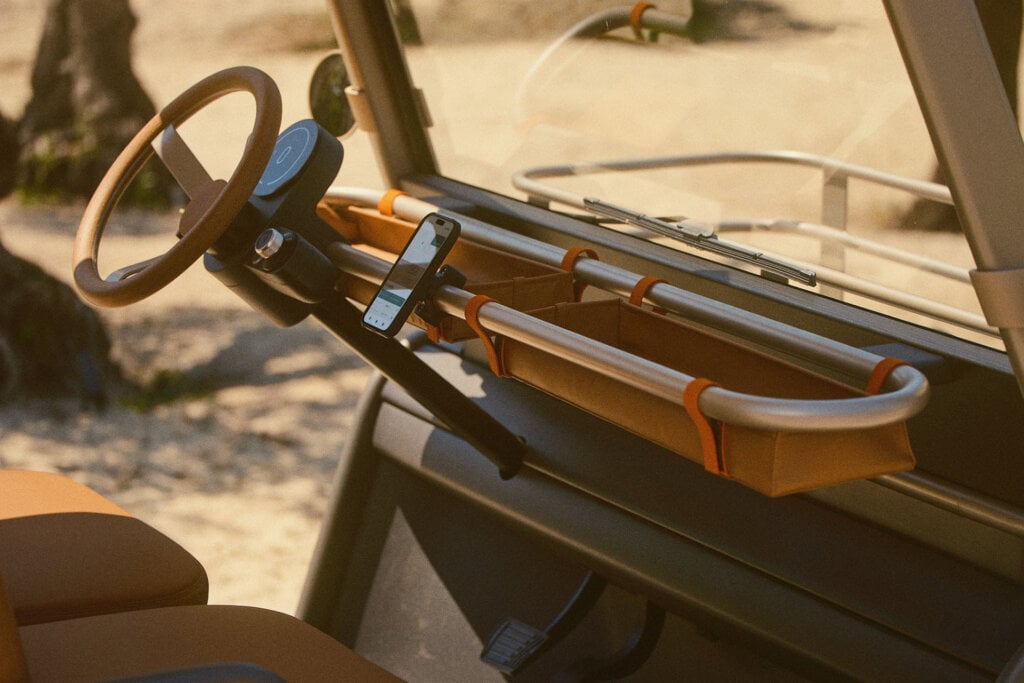
Nothing on the market quite fitted the brief, so the team began developing its own vehicle. It soon realised there could be wider demand if the design could be made road-legal.
“At this point we said ‘this is a real project’,” said Hoenig. Amble was subsequently established to put the vehicle into production.
The One takes inspiration from NASA’s lunar rover, although Hoenig also points to the original Series I Land Rover and his own 1972 Ford Bronco as influences.
“It was clear we needed a good stance and proportion so it sits well on the street,” he said, “but we didn’t want to overstyle it, we didn’t want to have something that tries too hard.”
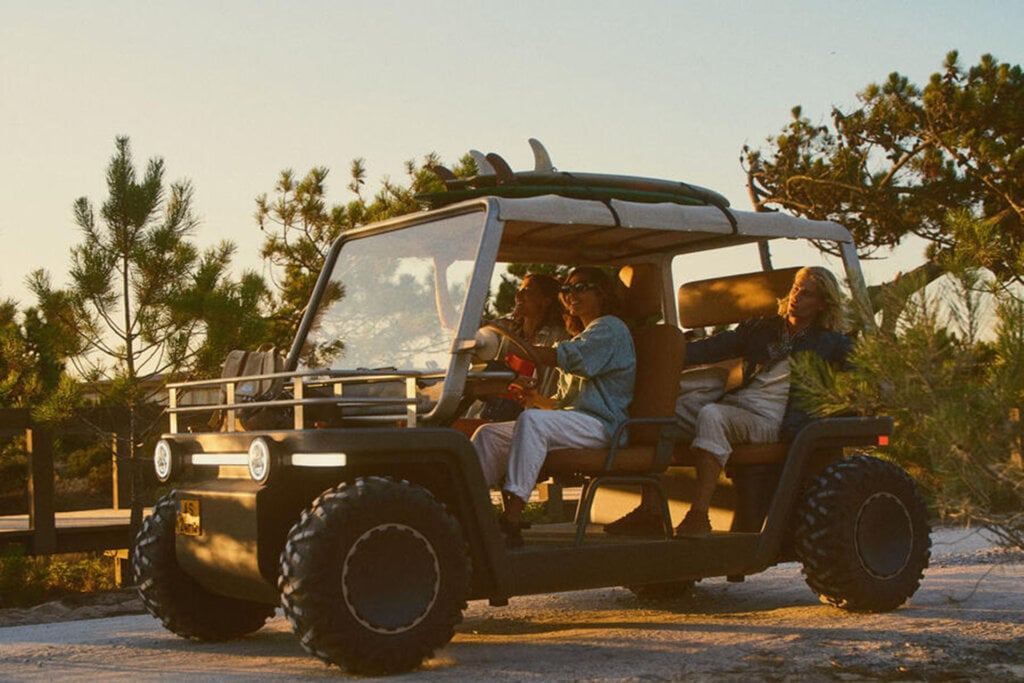
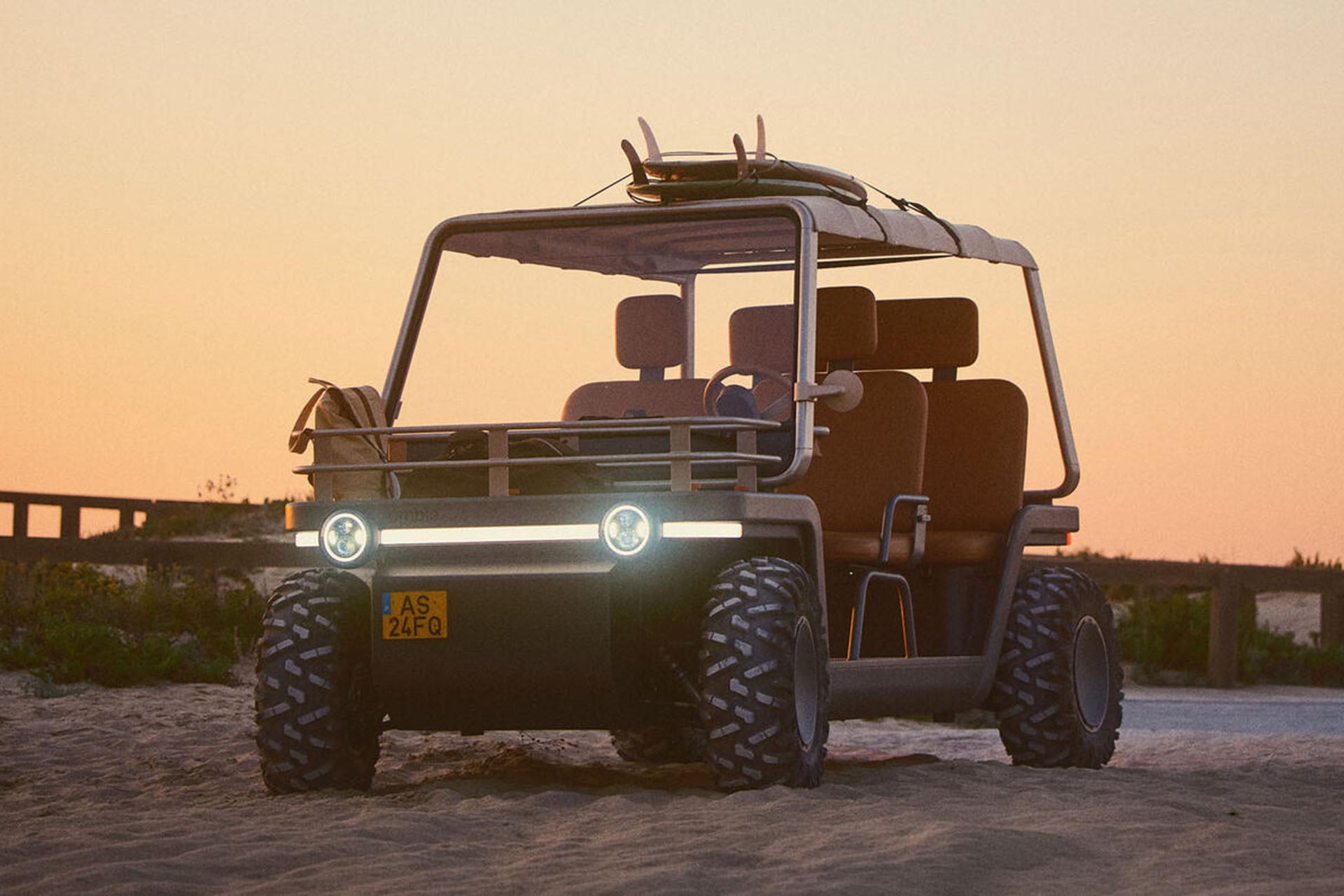
The resulting design is simple and upright, with round headlights, exposed wheels, a chunky front bumper and plenty of ground clearance. Its open sides reflect the One’s origins as a resort vehicle and make it easy to jump in and out.
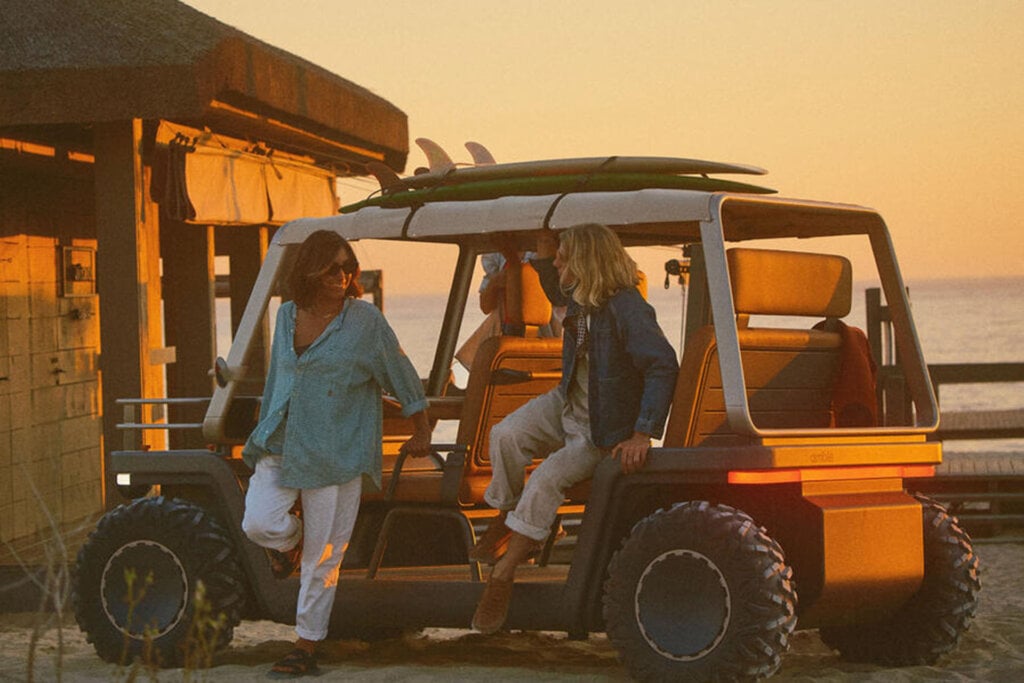
“You can hop in and out, you can go for two minutes into a shop and get a drink, then go to the next one,” said Hoenig, adding that the One is intended to provide “more connection to nature”.
Full weather protection will be available, including a canvas roof. Amble says this will allow the vehicle to be used in environments such as European ski resorts.
The company is also working on another model that co-founder Adrien Roose says will be “slightly more weather-protected” and “more convenient for northern European weather”. That suggests the follow-up could have a more conventional enclosed body.
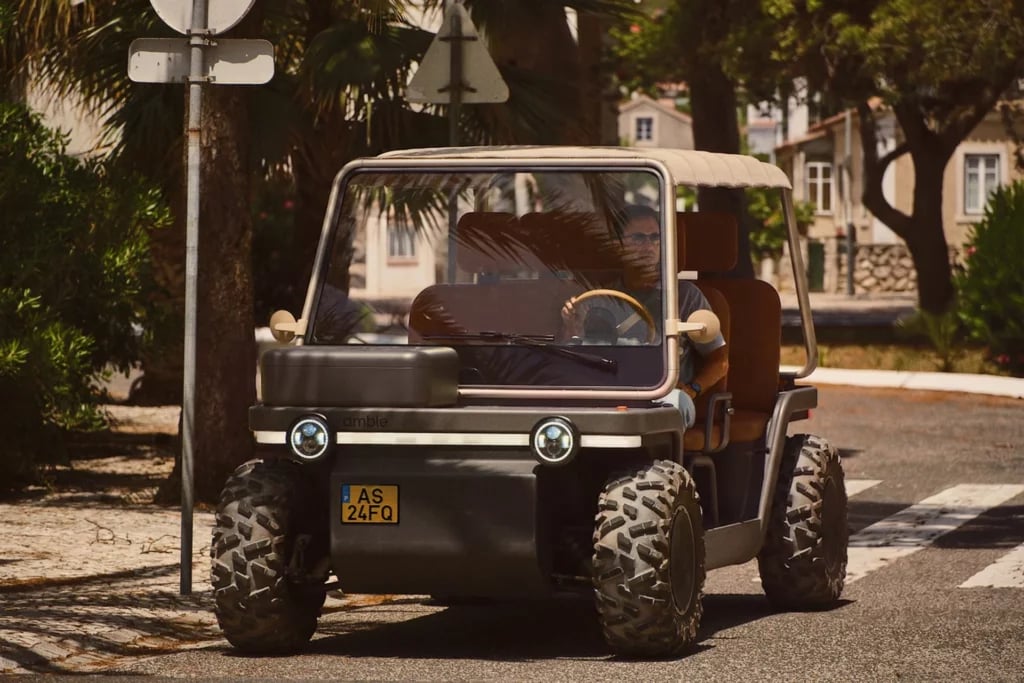
Roose remains a fan of open-air motoring, however. “I think removing the bubble [provided by a car] and having humans in the open next to each other will make friendlier ecosystems and communities,” he said.
Built for torque, not speed
Although European L7e regulations allow a maximum speed of around 90km/h, the Amble One will be limited to approximately 64km/h. It has a 15kW rear mounted motor and a 12kWh battery. Range is around 100km.
“We’re optimising for torque and not for speed,” said Roose. “With the fully open nature of this vehicle, we believe that’s the right threshold.”
Amble says the One will be able to climb a 25 per cent gradient while maintaining approximately 14km/h, which should make it more useful away from sealed roads than most quadricycles.
The projected driving range is around 100km. Roose described that as “a couple of days of use for the typical family’s second vehicle”.
Charging from a conventional household power socket will take about five and a half hours.
Three main configurations are planned. The passenger model will seat four, while a pick-up version replaces the rear seats with an open load bed. A cargo variant will gain a tall enclosed storage compartment.
Deliveries planned for 2028
Amble is currently preparing to launch the One in Europe, but its longer-term plans include exporting the vehicle to the US, where it would compete in the Low Speed Vehicle category.
The company also hasn’t ruled out developing a right-hand-drive version, unlike some of its quadricycle rivals. That leaves the door slightly ajar for markets such as New Zealand.
European prices are expected to start at approximately £24,000, with the first deliveries scheduled to begin in around two years. That makes the One an expensive alternative to a conventional small car, but few hatchbacks offer open sides, lunar-rover styling and the ability to tackle a muddy track.