Porsche plans new supercar platform and petrol SUV in major strategy reset
Words: Kyle Cassidy
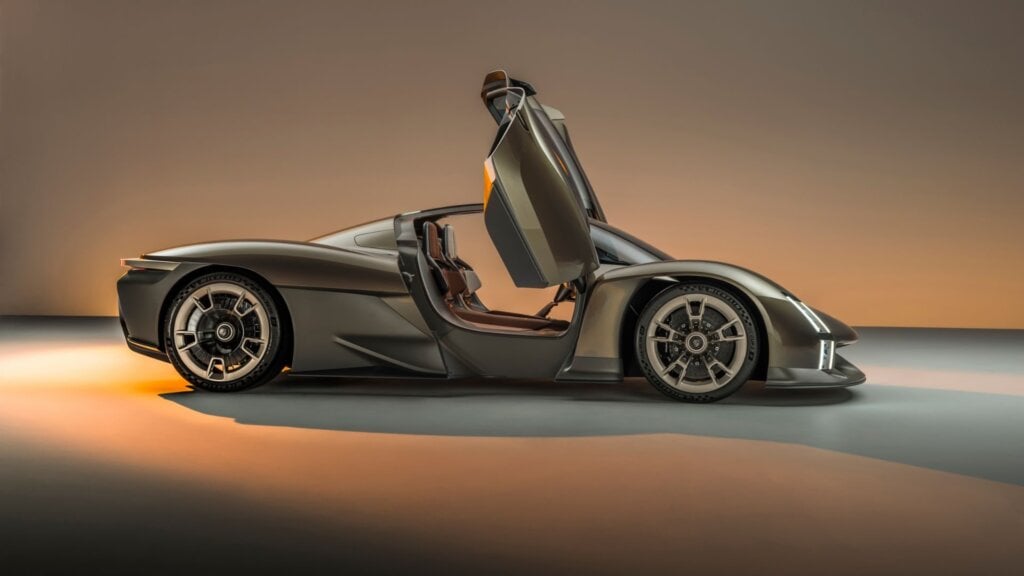
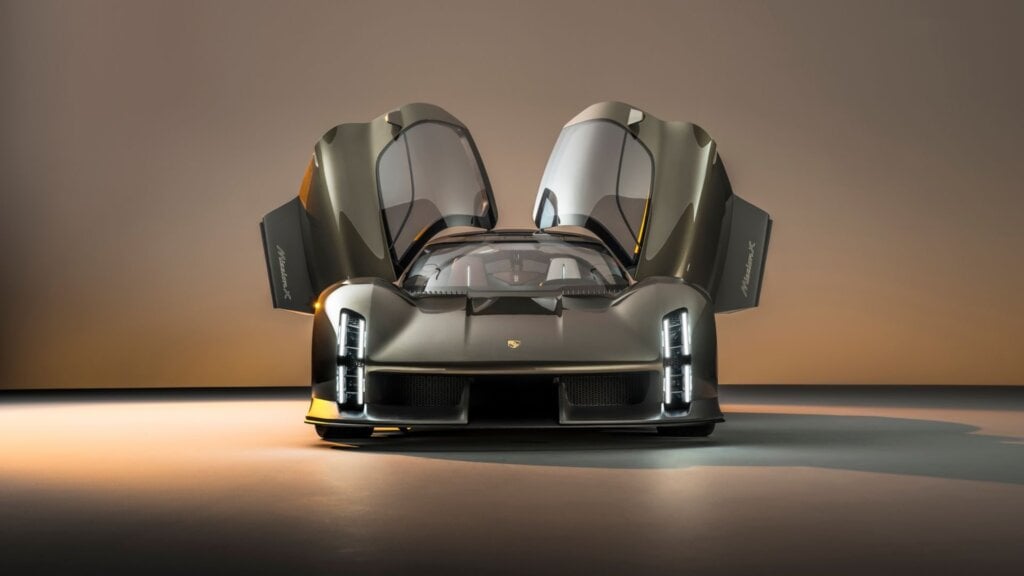
Porsche is developing a mid-engined supercar platform intended to support a new model line above the 911, while preparing a petrol and plug-in hybrid SUV to sell alongside the electric Macan.
The product plans form part of the company’s Sportwagenschmiede ’35 strategy, presented at its Capital Markets Day in Weissach. Porsche wants to expand at the more exclusive end of the market while cutting costs, simplifying its range and reducing its dependence on sales volume.
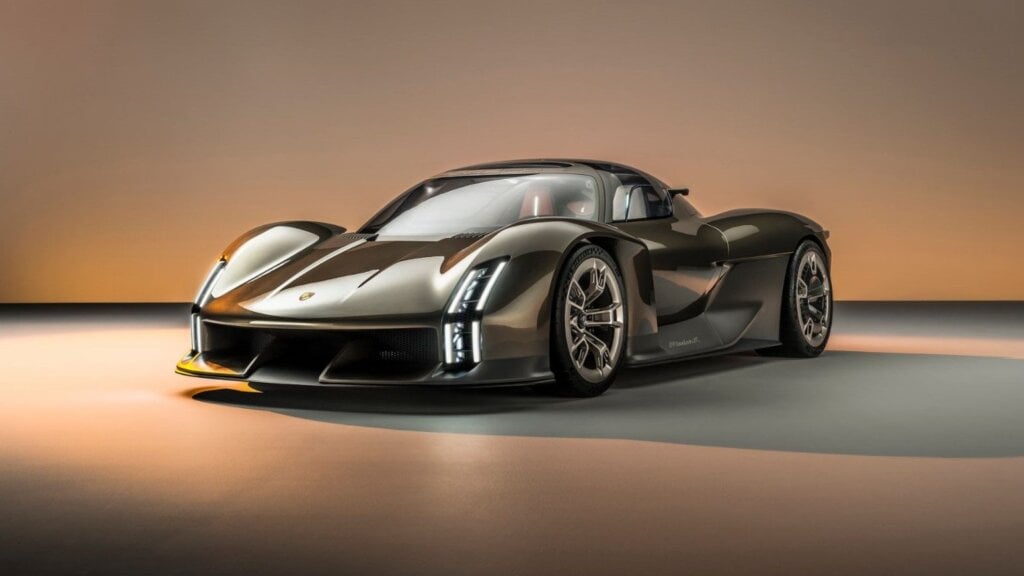
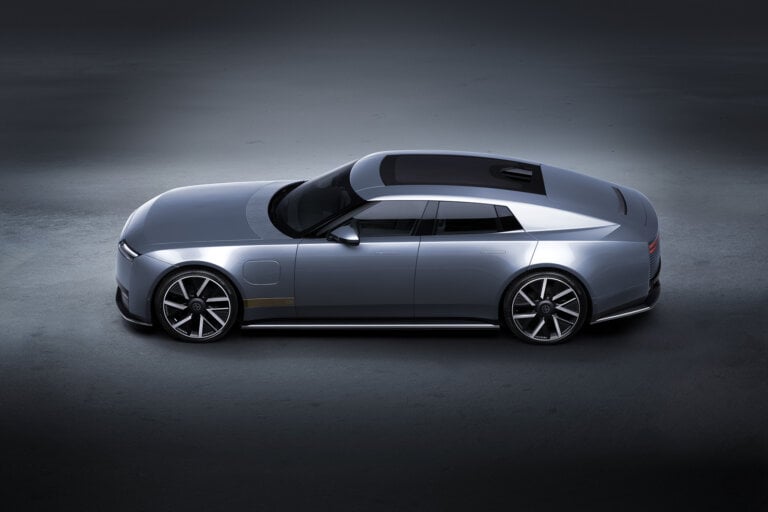
The supercar platform is one of the most significant additions to the roadmap. Porsche says it will enable a model line positioned above the 911, although no powertrain specifications, performance figures or launch date have been announced.
The company also plans further flagship derivatives of the 911 and is considering an SUV positioned above the Cayenne.
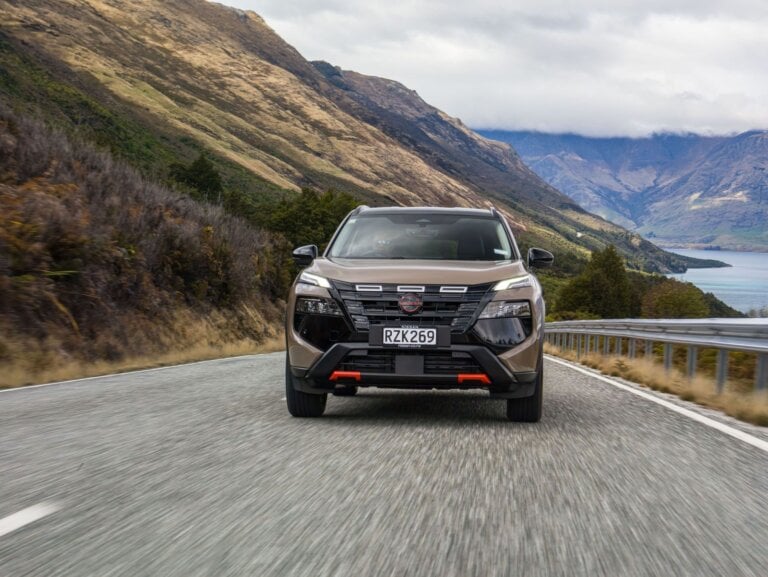
Closer to production is the new SUV with combustion and plug-in hybrid powertrains. It will be presented in 2028, with series production ramping up that year and a more substantial contribution to sales expected in 2029.
Porsche hasn’t announced a name for the new SUV, which will be offered alongside the existing electric Macan.
Electric sports cars remain part of the plan. The forthcoming battery-powered 718 Boxster and Cayman are expected to support sales during their first full production year in 2028.
Porsche is retaining its three-way approach to propulsion, investing in combustion engines, plug-in hybrids and battery-electric technology. It also intends to work more closely with Audi on shared platforms, using common development resources while retaining technology and features specific to each brand.
The company plans at least one new product it considers brand-defining each year through 2030, alongside updates to its existing models.
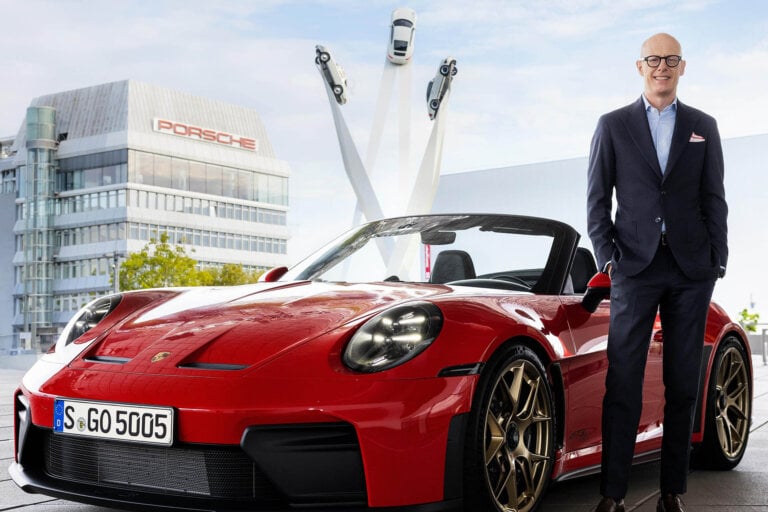
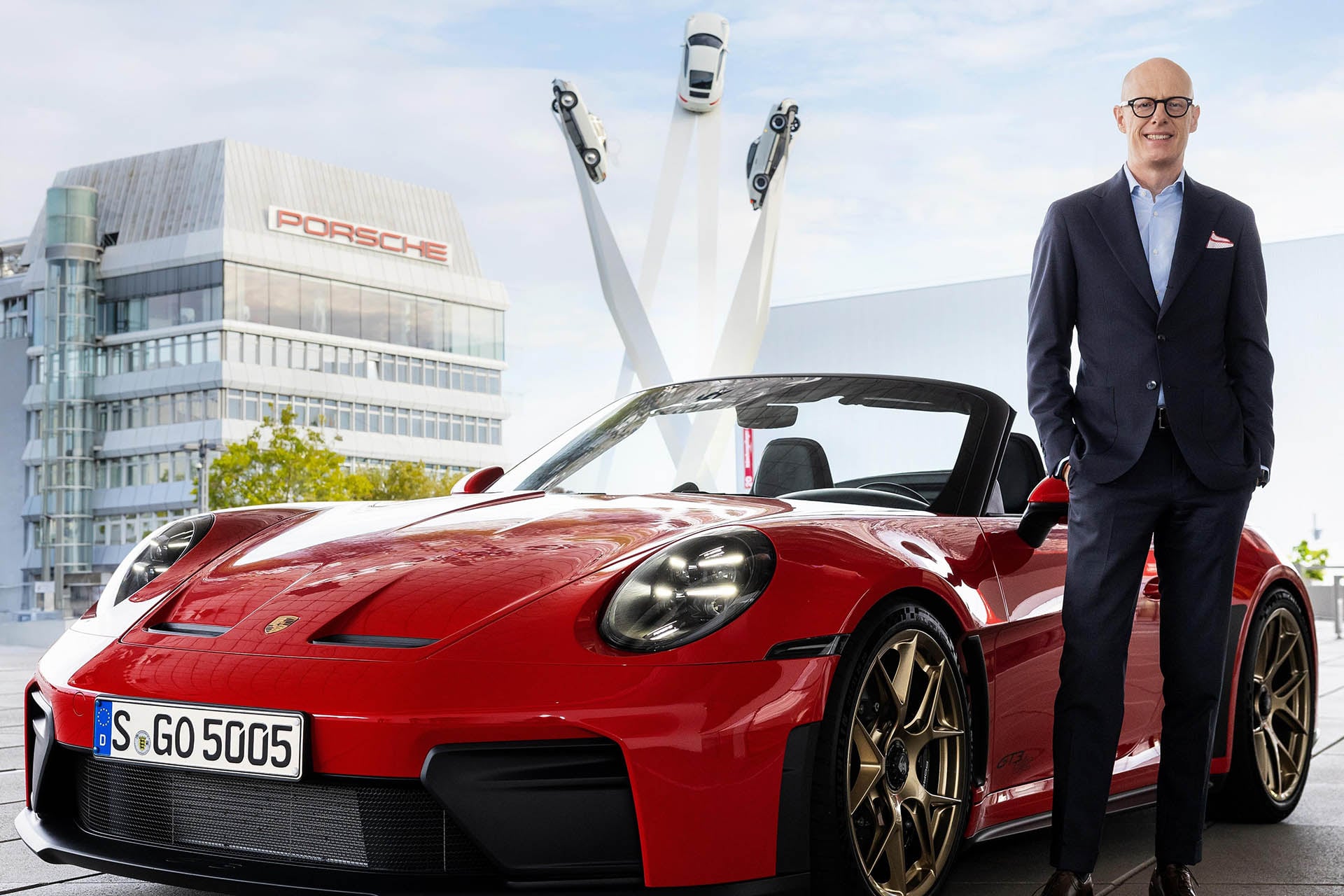
“The ultimate goal is to further strengthen our unique sports car brand – across all model lines and with new, highly desirable models in particularly high-margin segments,” says Porsche chief executive Michael Leiters.
For customers, the reset also points towards more expensive flagship models and greater scope for personalisation. Porsche wants to lift the average selling price of its top models by around 20 per cent in the medium term, supported by the vehicles themselves and an expanded options offering.
Its Sonderwunsch bespoke programme is earmarked for substantial growth, with sales from that business targeted to increase sixfold. Performance, personalisation and heritage activities will be grouped under the Home of Sports Cars banner.
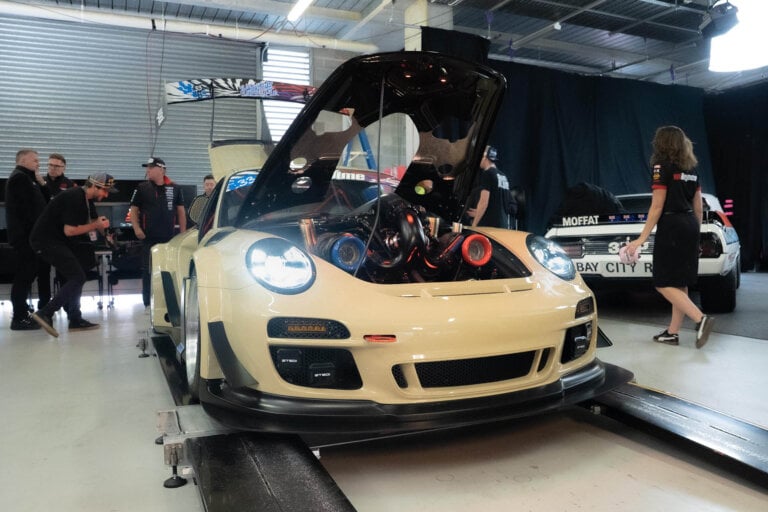
Porsche is also increasing its stake in Manthey Racing to 67 per cent. The expanded partnership is intended to deliver more performance kits, track experiences and exclusive vehicle concepts built in small numbers.
The wider model range will become less complex. Porsche aims to reduce the number of variants by approximately 20 per cent, while increasing sales per remaining variant. It hasn’t identified which versions will be removed.
The cost-cutting programme is extensive. An agreement with employee representatives includes 9000 job reductions and a commitment to protect the core workforce’s jobs until 2035. Porsche also plans to reduce management positions by 40 per cent in the medium term.
Other measures include shorter development cycles, greater use of common components and more flexible production lines. The company has sold its stakes in Rimac and Bugatti Rimac, signed an agreement to sell its MHP consultancy, and plans to close development and production activities at Cellforce, Porsche eBike Performance and Cetitec.
Porsche’s financial target is a medium-term Group operating return on sales of 10–15 per cent, with a long-term aim of 15 per cent. It wants to bring its break-even point below 200,000 vehicles annually, making the business less reliant on selling more cars to sustain profitability.