Bridgestone Turanza 6
Words: Richard Edwards | Photos: Richard Edwards
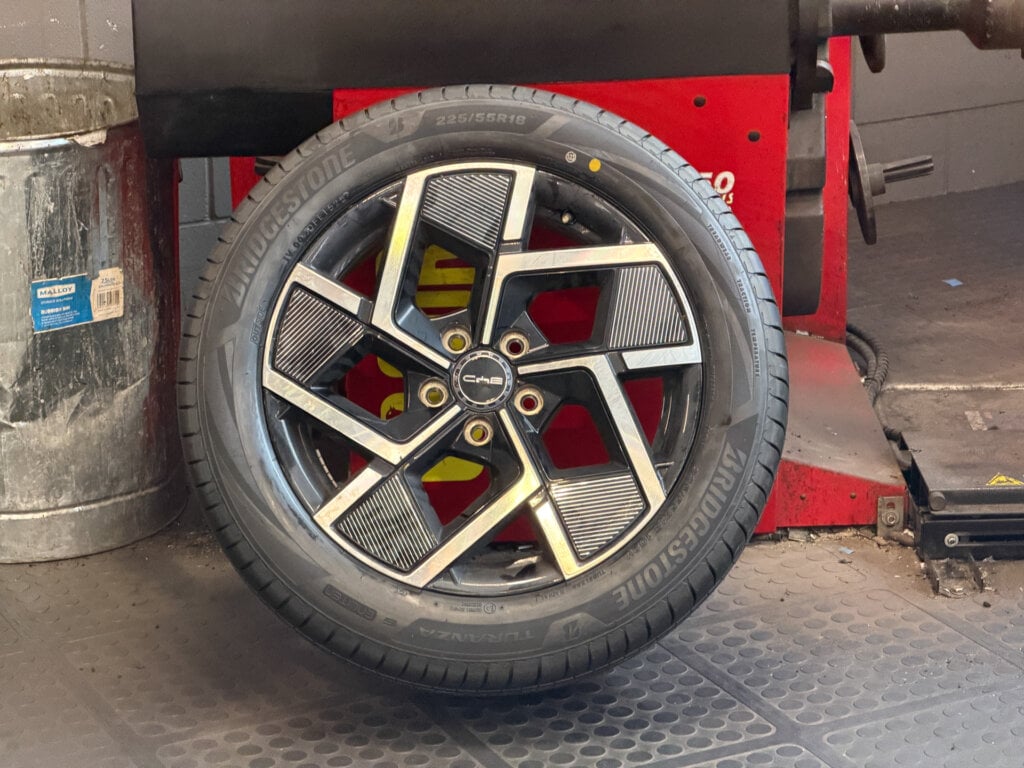
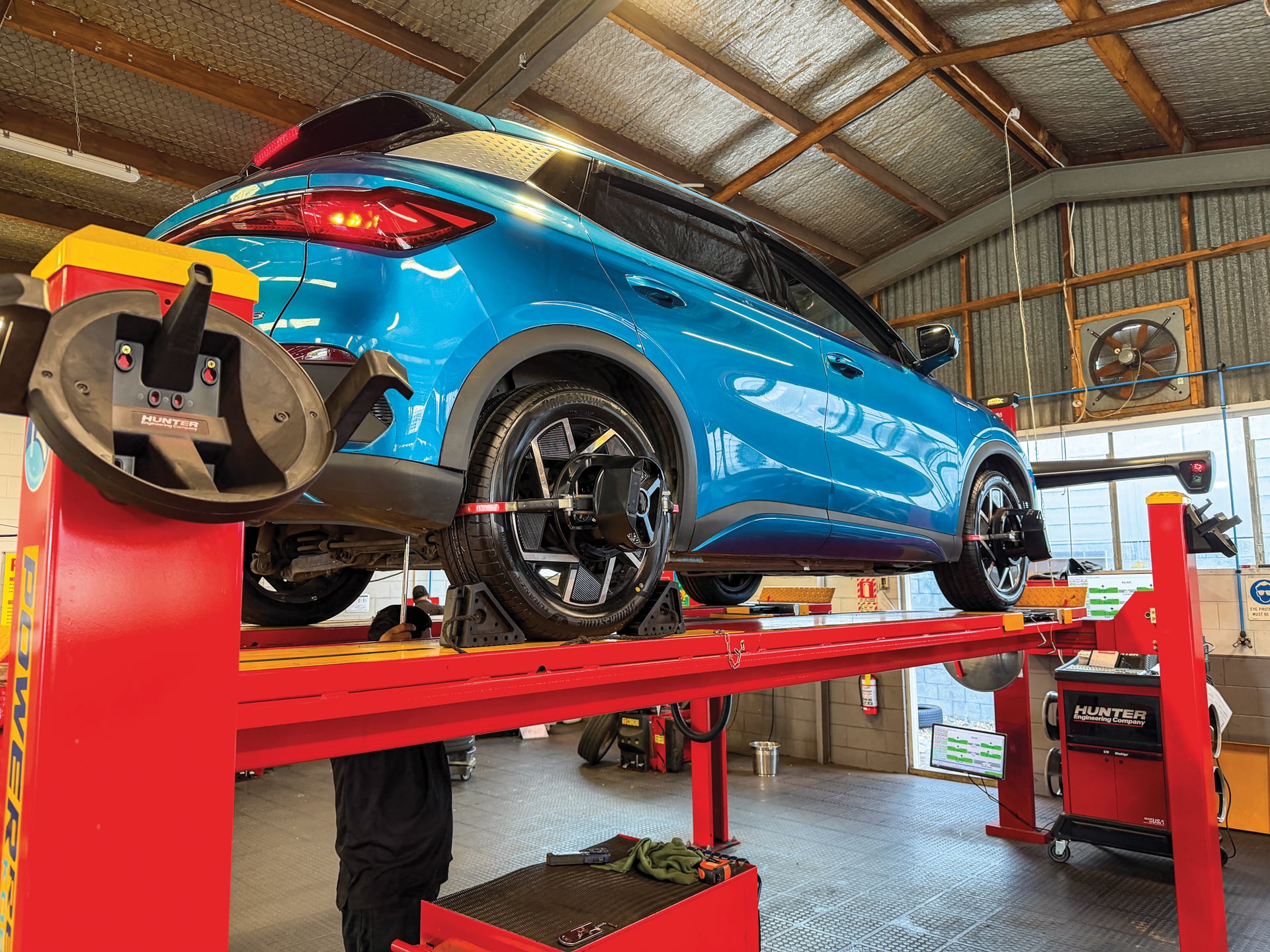
Our long-term Atto 3 has just ticked over 40,000km on its original rubber. The Bridgestone Turanza 6 is the replacement. Early impressions are promising.
There’s something quietly significant about a set of tyres. Most drivers give them little thought until they go flat or wear out, at which point the default is to replace like-for-like and get on with life. But tyres are arguably the most consequential component on any car, the sole interface between vehicle and road, and swapping them can transform how a car behaves more dramatically than almost any other change short of a full suspension overhaul.
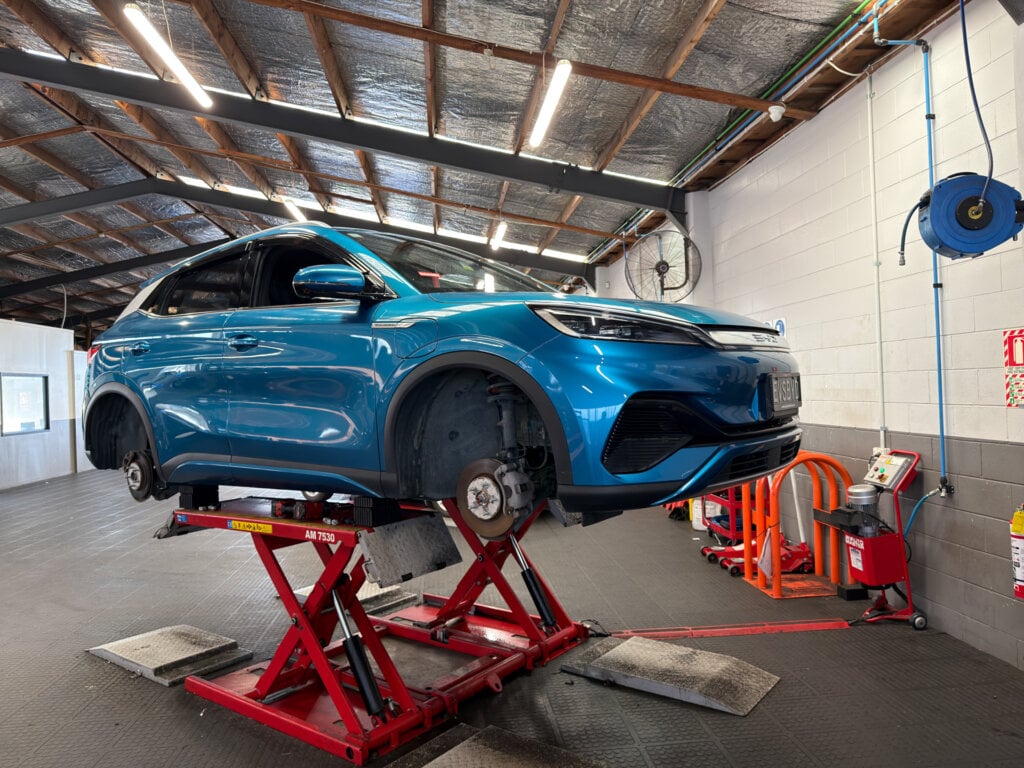
We’ve been running a BYD Atto 3 as a long-term test vehicle, one of the first examples to land in New Zealand, and it has now ticked past the 40,000km mark. And when we say long-term, we mean it: this is the Managing Editor’s actual family car, purchased with actual money, and pressed into daily service accordingly. That’s enough mileage to establish a meaningful baseline, and enough wear on the original tyres to justify replacing them. We’ve chosen to fit Bridgestone’s newly launched Turanza 6, the Japanese brand’s new flagship touring tyre, to find out whether a premium upgrade makes a tangible difference to one of the country’s best-selling EVs. At around $400 a tyre, the Turanza 6 sits firmly at the premium end of the market, so the expectation is high.
Why the Turanza 6?
The Turanza 6 is a significant product for Bridgestone. It marks the mainstream introduction of the company’s ENLITEN technology to the Australian and New Zealand market. An immediate benefit: the original Atlas Batmans that came on the Atto 3 always struggled for grip on our awkwardly steep and tight driveway. The Turanzas don’t. Through ENLITEN, Bridgestone has engineered the Turanza 6 specifically with EVs in mind; low rolling resistance to extend battery range, robust wear tolerance to handle the added weight and torque that electric drivetrains demand, and reduced noise levels to complement the near-silent character of EV powertrains.
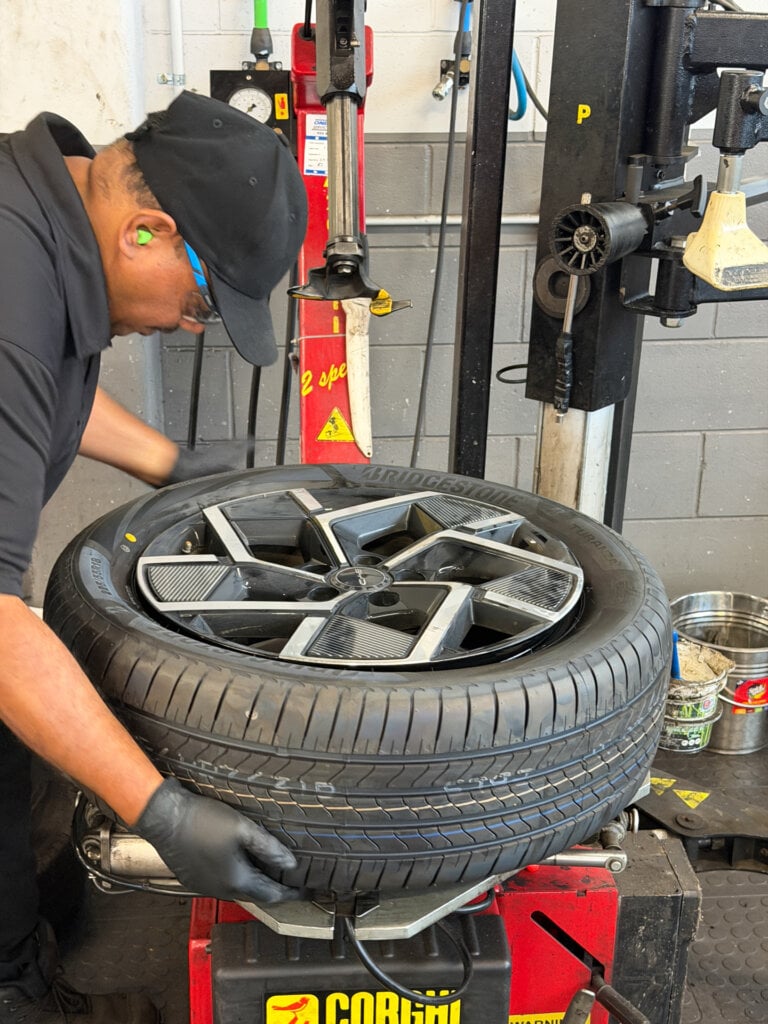
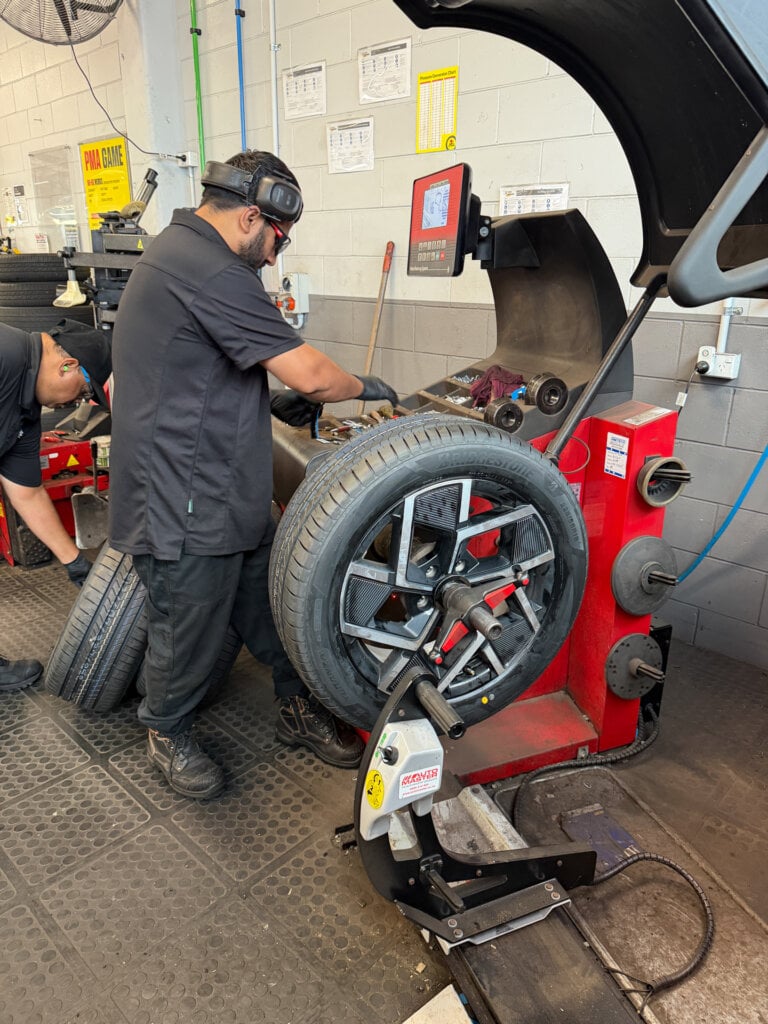
That last point matters more on an EV than a petrol car. Remove the engine noise and road and tyre clamour become the dominant acoustic experience inside the cabin. The Atto 3 is a quiet car, and if the tyres aren’t up to scratch, you’ll know about it.
The Turanza 6 counters this with what Bridgestone calls an innovative new tread shape and compound, featuring S-shaped sipes, varied tread block spacing, and precisely placed slit silencers to absorb road noise. On paper, it’s well-suited to the application. We reviewed the Turanza 6 at launch and came away impressed. Now it’s time to live with them.
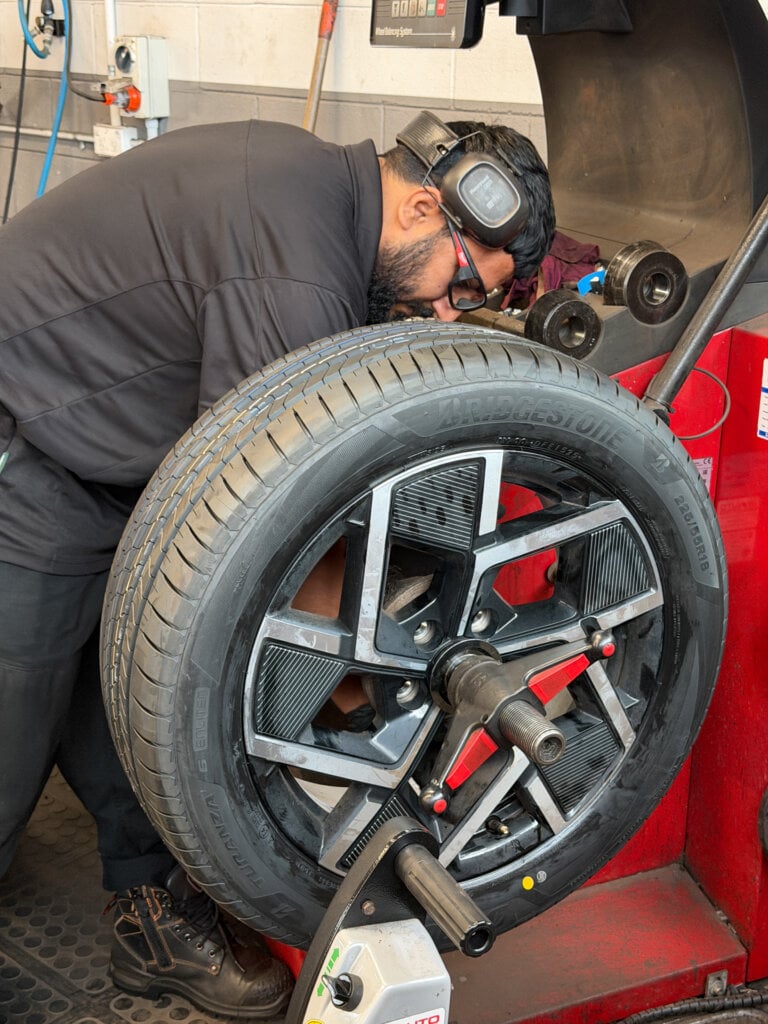
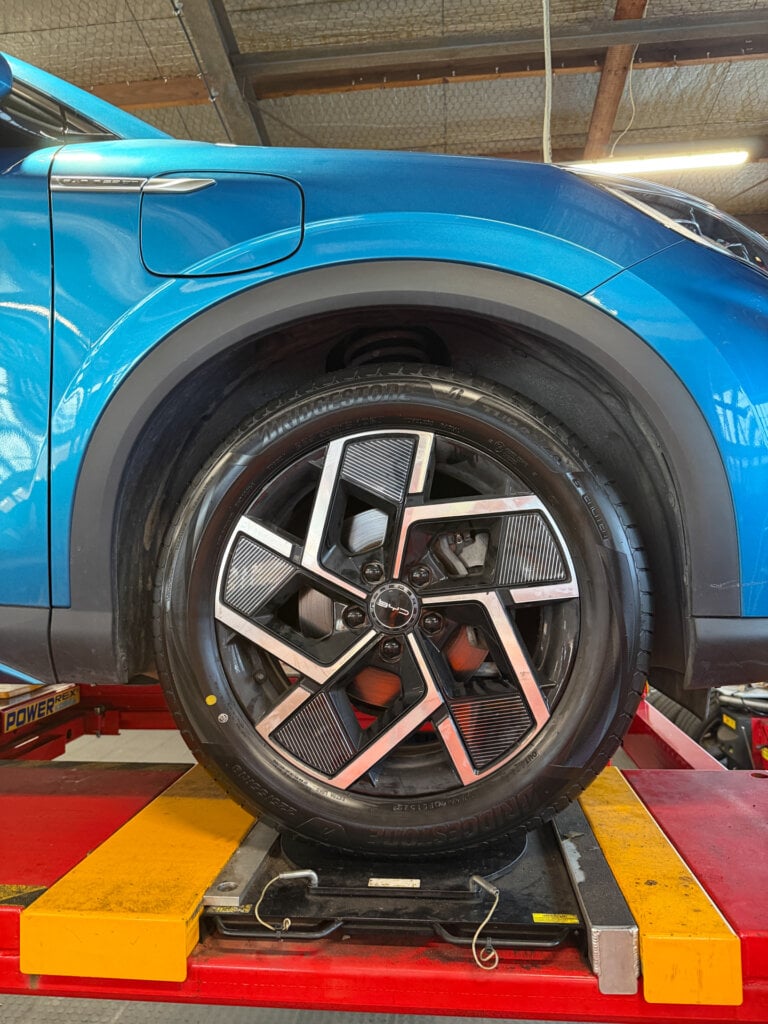
Bridgestone Turanza 6 – First Impressions
We’ll be honest: the change is immediately noticeable. In dry conditions, the Turanza 6 offers a marked improvement in grip over the Atto 3’s original rubber. Turn-in feels more precise, the car sits flatter in corners, and there’s noticeably less body movement when changing direction. The steering, which on the standard fitment could feel somewhat vague in faster directional changes, now communicates more clearly. The Atto 3 feels like a tidier, more confident car.
In the wet, and we’ve had a few opportunities to test this already, the difference is even more pronounced. The Turanza 6’s new tread pattern is designed to channel water away from the contact patch efficiently, and that engineering is felt in practice. Where the outgoing tyres could feel uncertain on wet roundabouts or when braking on damp tarmac, the Turanza 6 inspires genuine confidence. Bridgestone’s own benchmark testing at Tailem Bend’s skidpan showed the Turanza 6 achieving 0.85G of lateral grip in wet conditions, and we can believe it.
The flip side, and this may be an early observation that settles over time, is that the Turanza 6 feels like a stiffer tyre. The ride is still comfortable, but it has a slightly different character to what we were used to. On coarse chip surfaces in particular, there seems to be a touch more road noise than we experienced before. Whether that’s a genuine property of the tyre or simply a consequence of swapping from heavily worn rubber to brand-new compound remains to be seen. Tyre noise often changes significantly as a new tyre beds in, and the Bridgestone’s noise-reduction technology may yet prove its worth as the kilometres accumulate.
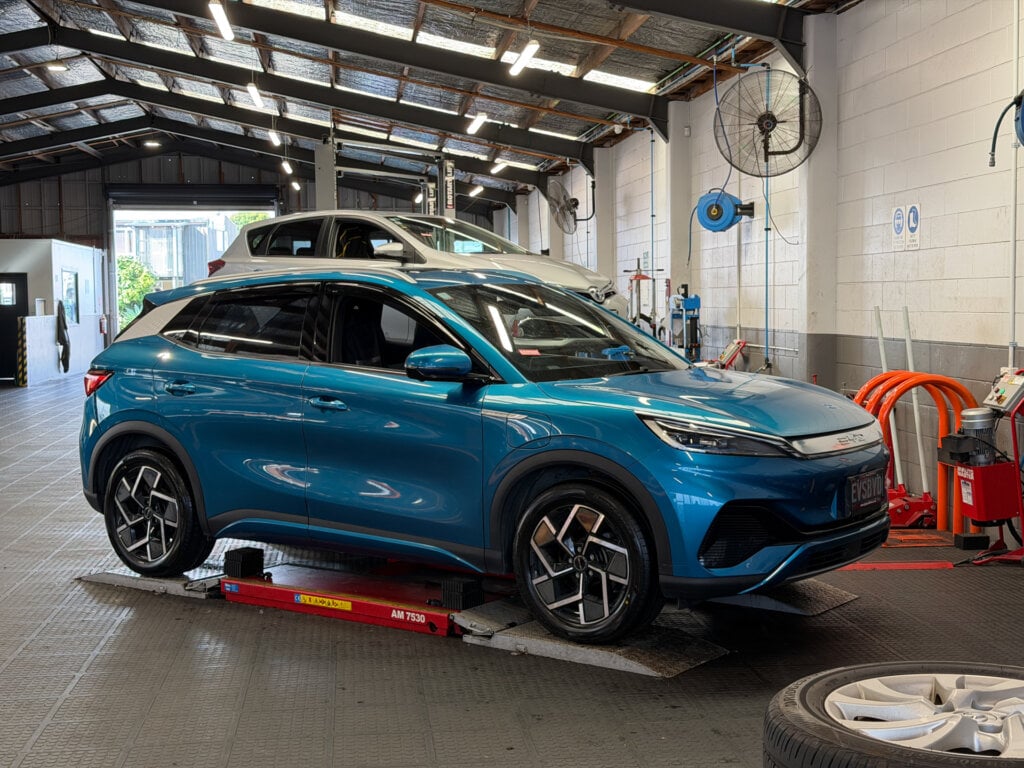
The Long Game
This is, deliberately, an early report. A few hundred kilometres is enough to draw some initial conclusions, but it’s nowhere near enough to pass final judgement. The real test of the Turanza 6 will play out over the next six months, through winter wet, summer heat, and the full variety of New Zealand road surfaces. We’ll be watching tread wear carefully and tracking how the ride character evolves.
We’ll also be monitoring efficiency closely. The Atto 3 has established a long-term average of 15.1km/kWh over its 40,000km, a solid benchmark. Bridgestone’s ENLITEN technology is specifically engineered to reduce rolling resistance and extend EV range, so we’re curious whether the Turanza 6 will move that number in a meaningful way. It’s one of the more interesting real-world data points an EV long-termer can track.
For now, the verdict is: the Turanza 6 has made our Atto 3 a noticeably better car to drive. More grip, more confidence, more precision, particularly in the wet. The potential noise question on coarse chip is one to monitor. We’ll be back with a full update once the tyres have had a proper chance to prove themselves. Watch this space.