BYD’s own fleet makes the case for charging your PHEV
Words: Richard Edwards
If you own a plug-in hybrid and rarely charge it, data from BYD New Zealand’s own press fleet shows how much difference plugging in makes to fuel use and emissions.
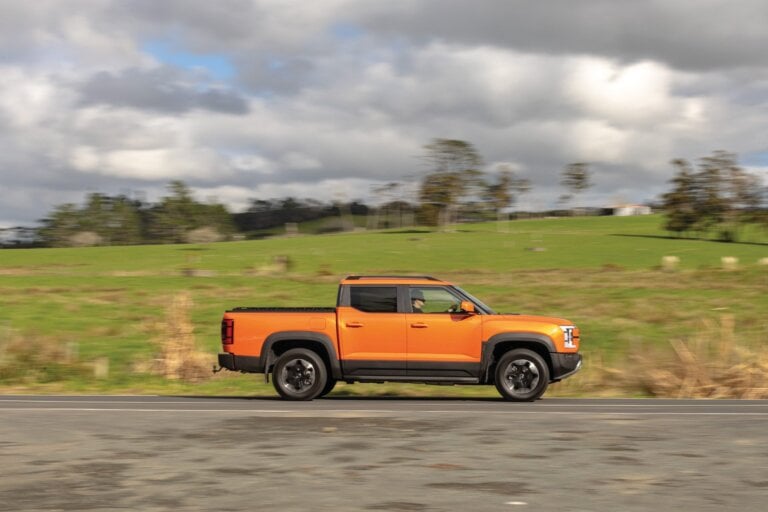
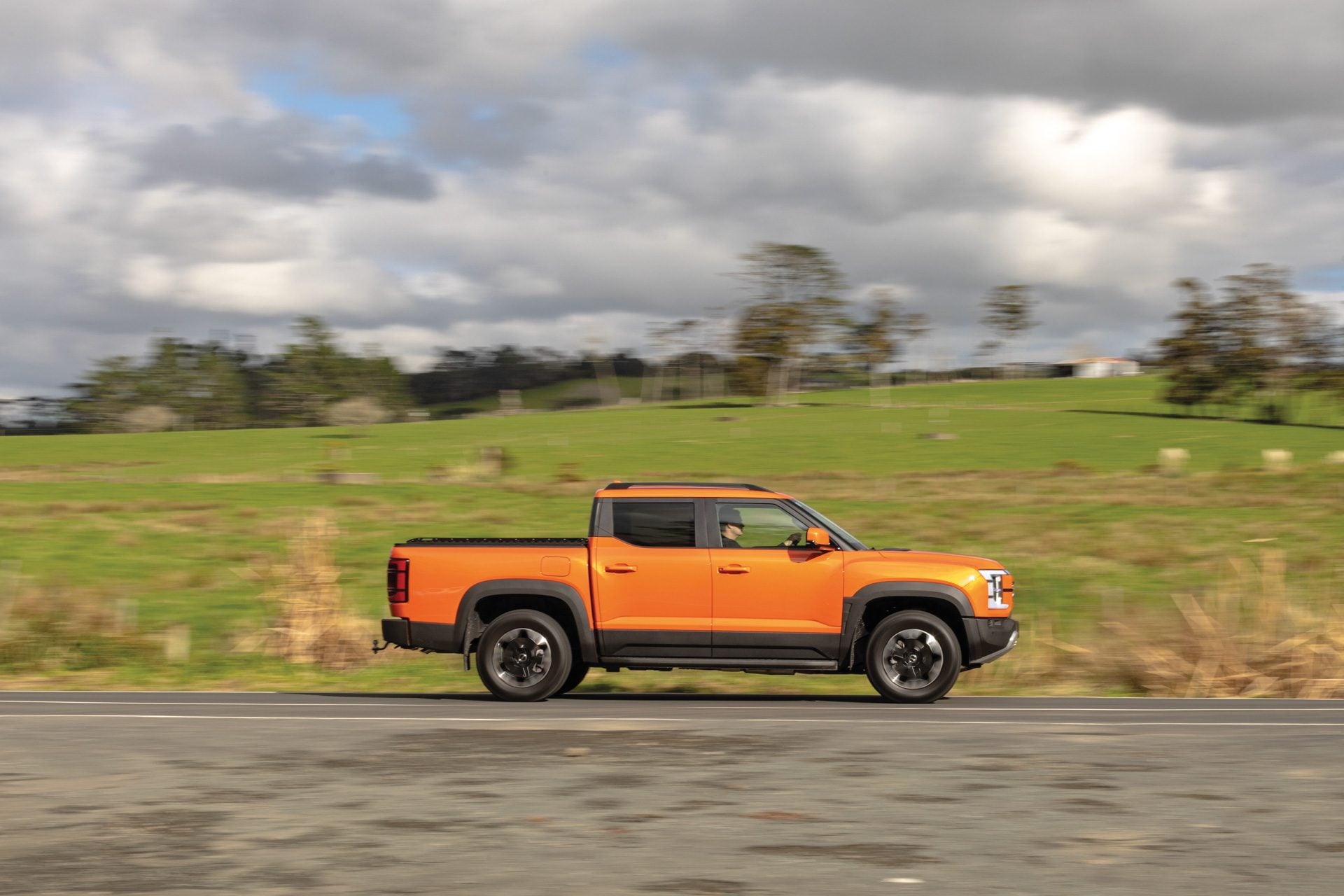
The clearest comparison is between two Shark 6 utes. One was plugged in 59 times over two months. It covered 82 per cent of its 3002km on battery power, used 2.3 litres of petrol per 100km and emitted 71g of CO2e per kilometre. The other was charged twice. It ran just 27 per cent of its 726km on the battery, used 8.4L/100km and emitted 205g/km, nearly three times as much.
The figures come from a fleet emissions dashboard BYD Auto NZ has spent more than a year developing with connected vehicle data company Compass IoT. It sits within BYD Connected Car Data, and BYD is offering it free to its New Zealand fleet customers.
The dashboard takes each vehicle’s electricity and petrol use from its own trip computer, weights it by distance driven, and converts it to emissions using the Ministry for the Environment’s factors for petrol and grid electricity. It also breaks emissions down by model and shows how each vehicle is charged, including the split between AC and DC charging.
“Switching to BYD already cuts a fleet’s emissions. With BYD Connected Car Data, fleets can now see how each vehicle is actually being used. That lets them spot habits like plug-in hybrids that rarely get charged, and work with drivers to change them. As our own press fleet shows, that one change can cut fuel use and emissions by around two-thirds on the same vehicle,” says BYD New Zealand general manager Warren Willmot.
Across the fleet
Over the 65 days from 15 August to 18 October, BYD’s 21 press vehicles covered 41,409km. Between them they used 4703kWh of electricity, or 11.4kWh/100km, and 1556 litres of petrol, or 3.8L/100km. That added up to 4.15 tonnes of CO2e, an average of 100g/km.
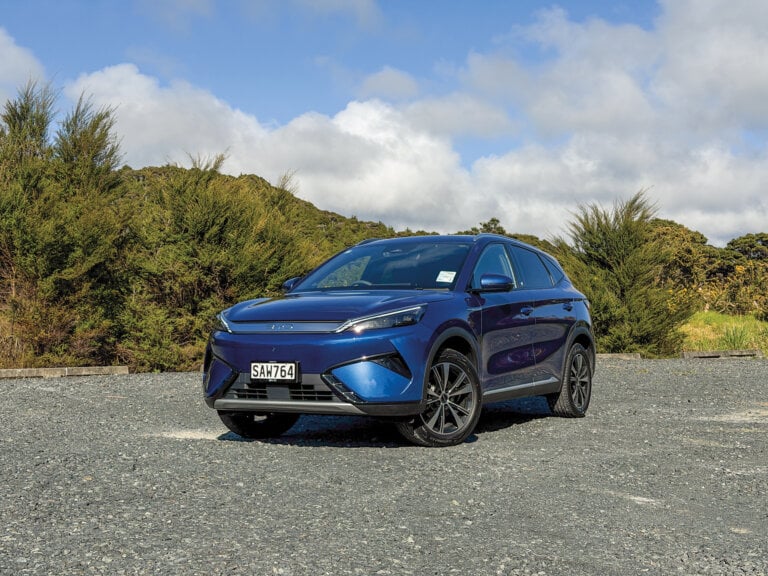
The battery electric models, the Atto 1, Atto 2, Atto 3 and Sealion 7, emitted between 9 and 14g/km on New Zealand’s grid.
The fleet’s 12 plug-in hybrids were a mix of Seal 6, Sealion 5, Sealion 8 and Shark 6 models. The lowest was a Sealion 8 at 49g/km, having covered 86 per cent of its distance on the battery, and the highest was the twice-charged Shark 6. All five that ran more than 70 per cent of their distance on electricity emitted 81g/km or less. Of the six that ran less than half on the battery, all but the Seal 6 were at 131g/km or more.
| Vehicle | km driven | Charges | Distance on battery | L/100km | g CO2e/km |
|---|---|---|---|---|---|
| Sealion 8 (06) | 1592 | 15 | 86% | 1.5 | 49 |
| Sealion 8 (04) | 2500 | 25 | 81% | 2.1 | 61 |
| Shark 6 (03) | 3002 | 59 | 82% | 2.3 | 71 |
| Sealion 8 (05) | 2648 | 24 | 74% | 2.6 | 74 |
| Shark 6 (05) | 3081 | 56 | 75% | 2.7 | 81 |
| Seal 6 (01) | 3821 | 26 | 45% | 3.4 | 87 |
| Sealion 5 (01) | 1226 | 5 | 34% | 5.3 | 131 |
| Shark 6 (01) | 4772 | 53 | 51% | 5.5 | 144 |
| Sealion 8 (01) | 3535 | 8 | 36% | 6.2 | 150 |
| Shark 6 (02) | 5324 | 24 | 40% | 6.9 | 173 |
| Sealion 8 (02) | 1966 | 5 | 28% | 8.2 | 200 |
| Shark 6 (04) | 726 | 2 | 27% | 8.4 | 205 |