Clean Vehicle Standard to be scrapped?
Words: Kyle Cassidy
It has been reported that the Government is contemplating whether to scrap the Clean Vehicle Standard altogether, as part of the widely publicised review of the policy.
Reported by RNZ, it comes just a few months after it cut the fees that importers pay on high emission vehicles.
The review has been underway following the Government’s decision late last year to slash CVS penalties by nearly 80 per cent. A targeted consultation has now concluded, with submitters asked directly whether the standard should be abolished.
According to AutoTalk, it understands there was a confidentiality component to the consultation process, which had made industry groups reluctant to reveal that abolition was among the options being considered.
Those consulted included the motor vehicle industry, international bodies, other government agencies, some advocacy groups, and subject matter experts.
Scrapping the Standard altogether would remove the penalty fees associated with importing cars that exceed the target emissions level. These fees were recently reduced substantially by the Government, which stated that supply constraints meant importers could not source enough low-emissions vehicles to avoid being penalised.

That could result in thousands of extra dollars being passed on to buyers, Transport Minister Chris Bishop said at the time.
The Transport Ministry confirmed to Radio New Zealand the review is being conducted in two stages, with stage one focused on whether to retain or abolish the standard altogether.
In a letter seeking submissions, the Ministry said stage one was “a first principles review of the standard … to enable Cabinet to decide to either retain the standard or abolish it”. Submitters were asked if they supported New Zealand retaining a fuel efficiency standard and what the risks would be if it were abolished.
At the announcement of the reduction of CVS penalties, Bishop had indicated a full review would follow but indicated it was unlikely the standard would be removed entirely. It is understood he has not yet received the findings of the review.
Imported Vehicle Dealers Association chief executive Greig Epps told AutoTalk the consultation involved seven questions, with abolition as question four, framed alongside what the key risks or impacts of removal would be. “After five years of looking at this sort of stuff and having a scheme in place, I think it’s very reasonable for us to all go back and go, how has this worked? What has the impact been? Do we keep doing this or do we do something else?” Epps says.
Epps says he believes there is an appetite within the Government to repeal the standard, but that it would likely look to put something else in its place. “We’ve seen them do this with the RMA. Their approach has been, we don’t like the existing settings and we’re going to change it and we’ll put in our own settings. So I think they do see the need or have a desire to change what’s here, but I don’t think that means that they won’t put something else in place.”
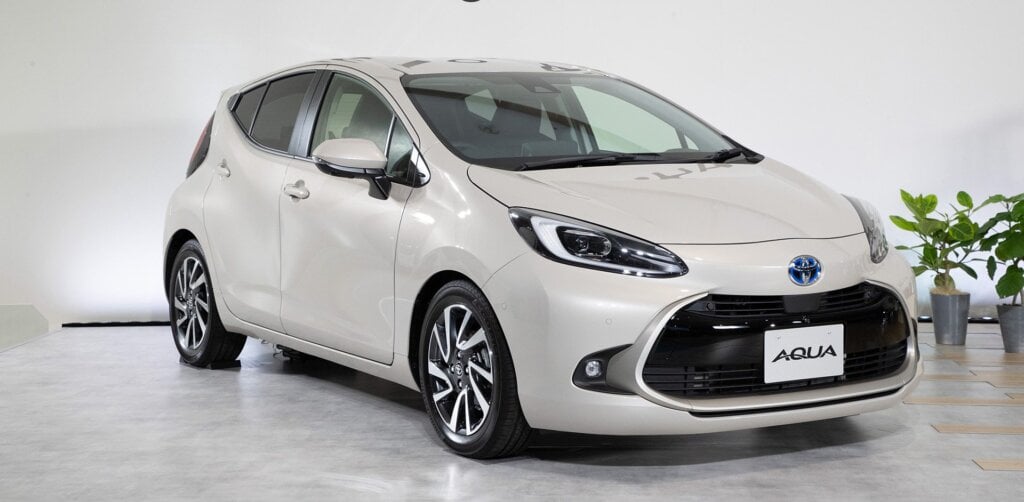
VIA’s position is that any standard should be focused on the new vehicle channel, where distributors have more opportunity to influence what manufacturers supply. Epps says used imports already sit at an average of around 135 grams of CO2, well below the overall fleet average of around 170 grams. “Our vehicles are made and they already exist. We’re not fixing anything in terms of global CO2 impact by stopping vehicles coming into New Zealand as used imports,” he says, adding that the focus should also be on encouraging older, higher-emitting vehicles out of the fleet.
Epps says the Ministry spoke with VIA at the end of January and has been working on its analysis since, with the review aiming to have outcomes in place by July.
Drive Electric chairwoman Kirsten Corson told AutoTalk the policy instability is her biggest concern. “It doesn’t matter whether you’re selling petrol or diesel or EV, the whole industry needs consistent, stable policies,” she says. “We’ve seen such massive flip-flops from 2023 heading into 2024 right across the market. And that’s not good for any industry.”
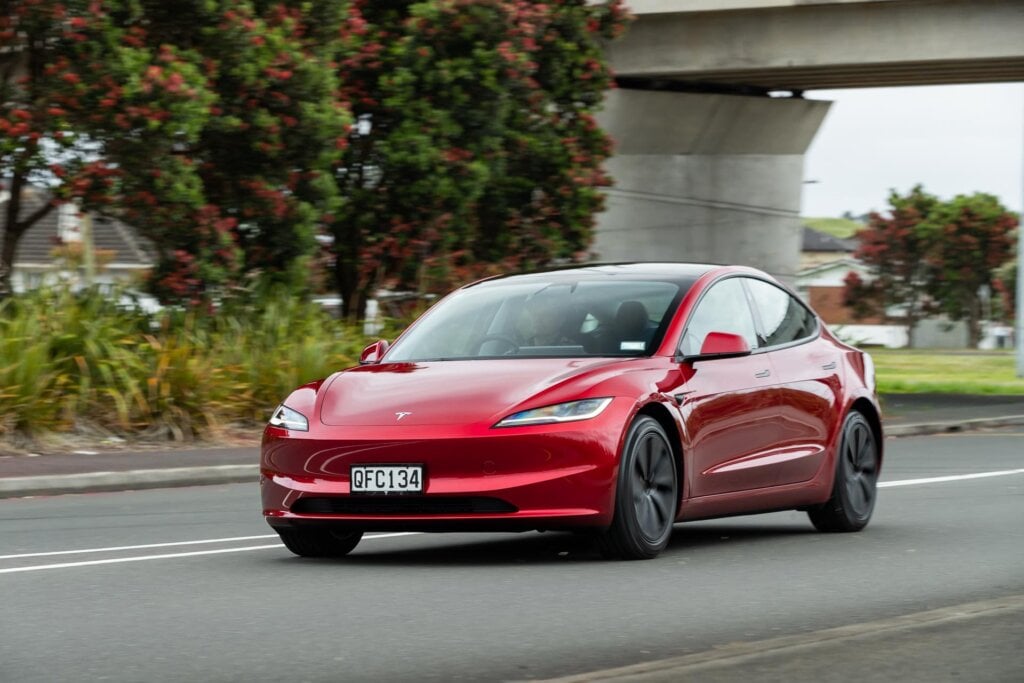
Corson says a 2023 Concept Consulting paper showed the Clean Car Standard as it was then did 70% of the heavy lifting in the Clean Car programme. With the Government having since weakened penalties by 78%, she says removing the standard altogether would leave New Zealand alongside only Russia among OECD countries without one. “Adopting Putin’s policies wouldn’t be on my top 10,” Corson says, pointing to Australia’s penalty of A$110 per gram compared to New Zealand’s current $15. “Australia can get it to work, but we can’t.”
She argues the Government’s claim that car buyers would face thousands of dollars in additional costs without the penalty reduction is a false economy. “The cost of them is less at the beginning, but they cost so much more to own and so much more to operate,” she says, noting New Zealand spends $8 to $9 billion a year importing fossil fuels, a figure likely to rise with current oil prices. With 86% renewable electricity generation, Corson says it makes economic sense to capitalise on that advantage rather than locking consumers into higher fuel costs.
Corson also warns the Government’s direction is discouraging investment in EV infrastructure. “You only have to look at key infrastructure players like Morrisons,” she says. “BlackRock, are they investing in charging infrastructure anymore in New Zealand? Why would you? We need public-private partnership to get this economy growing, but the decisions that we’ve seen made by this government aren’t supporting growth in this sector.”
The Motor Industry Association said it wanted to keep the standard, but it needed “recalibration” to make sure it worked for importers, distributors and consumers.