Donkervoort opens New Zealand orders for 450kW/780kg P24 RS
Words: Andrew Sluys
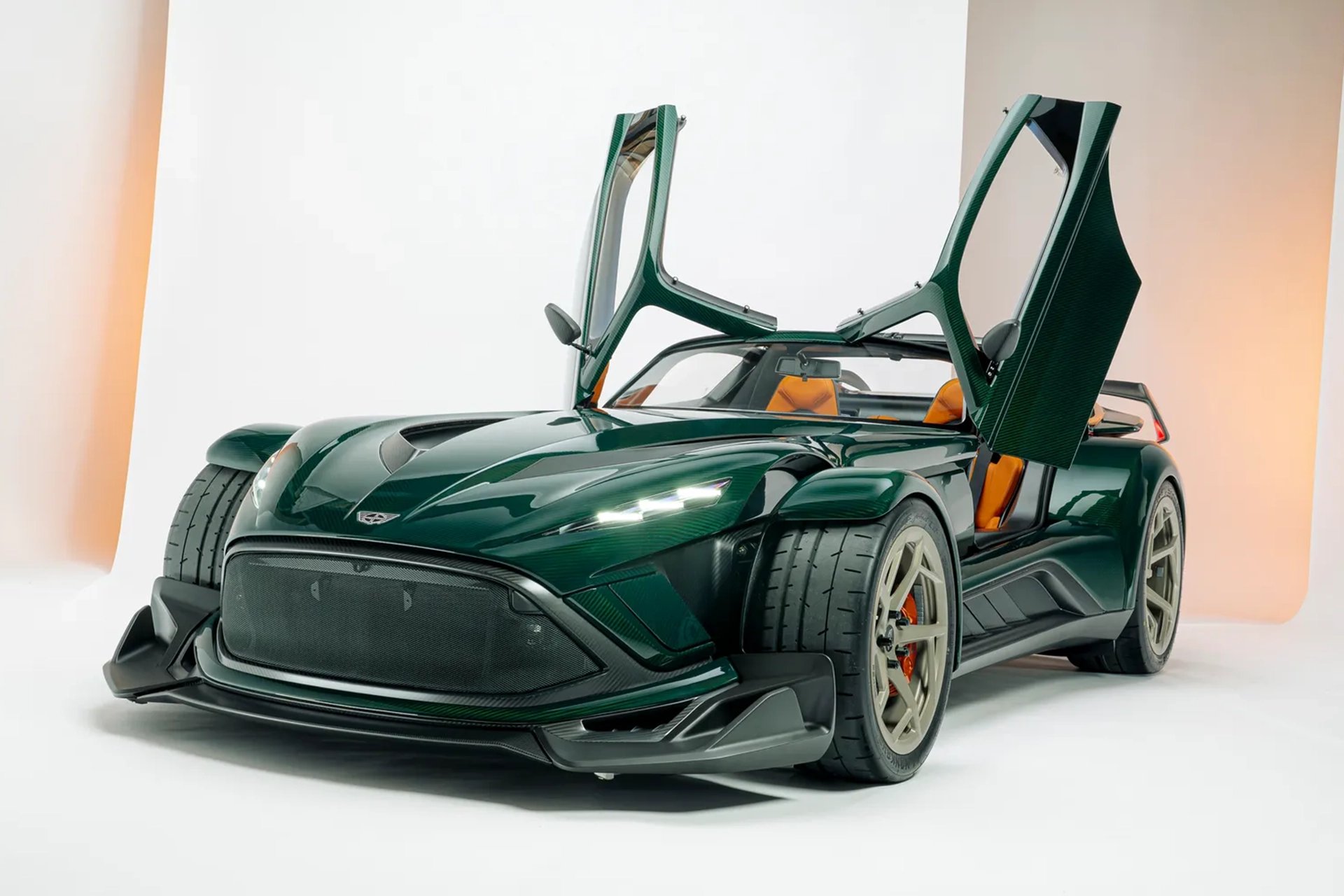
Dutch sports car manufacturer Donkervoort has begun right-hand drive production of its wild P24 RS supercar.
This means New Zealand is among the markets that can order one of these machines, which is a first in the brand’s history.
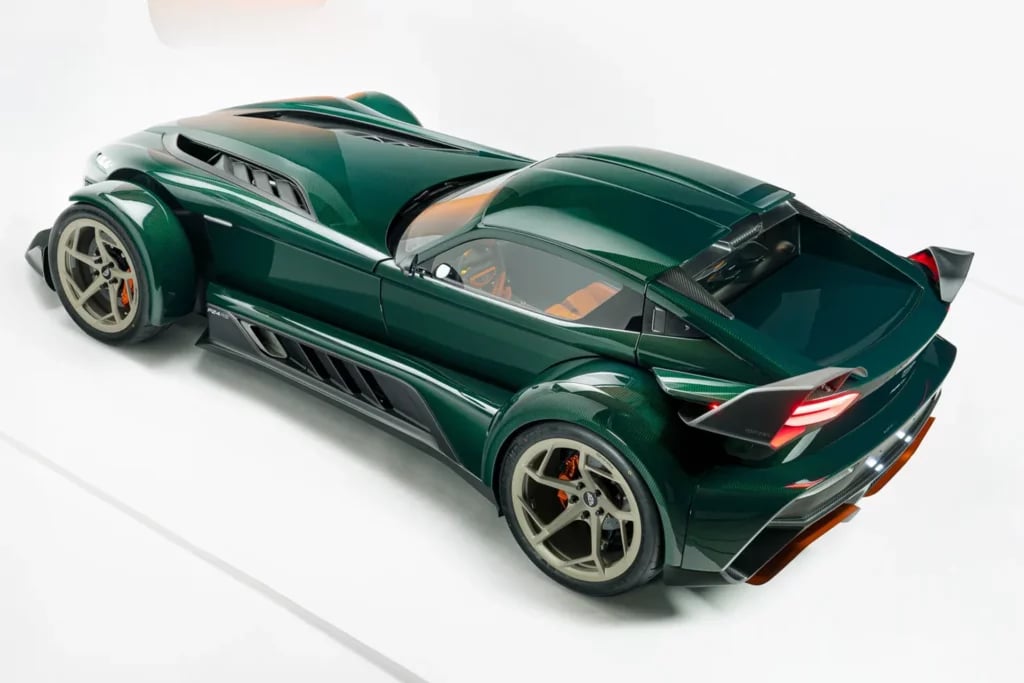
Of the 150 P24 RS vehicles that will be produced during the first run, 30 will be built in a right-hand drive configuration.
After years of using Audi’s five-cylinder engines, Donkervoort has switched camps to Ford. The new P24 RS is powered by the same 3.5-litre twin-turbo V6 found in the Ford GT supercar and high-performance Raptors.
The company partnered with Van Der Lee Turbo Systems to create a setup that is claimed to eliminate lag. The result is a powertrain that delivers up to 600 horsepower (447kW) and 800Nm of torque.
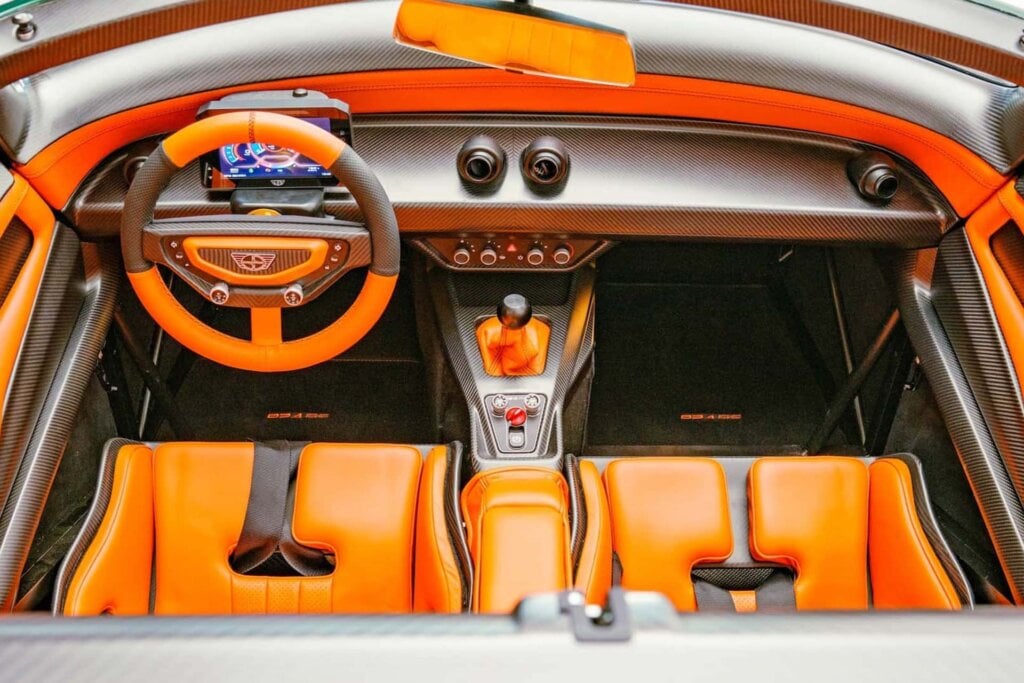
Drivers can even adjust the output on the fly, with a dial allowing you to switch between 400, 500, or the full 600hp depending on how brave you’re feeling.
And considering the P24 RS only weighs 780kg, the 0-100km/h time of 2.5-seconds is believable.
“We are excited that we can finally show car lovers in RHD markets what Europe, the Middle East and North America have understood for a long time – that Donkervoorts prioritise driver engagement over everything else, making every drive an unforgettable event,” says managing director Dennis Donkervoort.
“Right-hand drive was an opportunity that came with the P24 RS’s all-new PTC (Power To Choose) engine, and our own research and continuous phone calls and demands from potential customers demonstrated a clear demand for it.
“The Donkervoort philosophy is about putting the driver at the centre of everything the car does; from extreme lightweight technology to forgiving suspension setups to the PTC engine and adjustable traction control and suspension.”
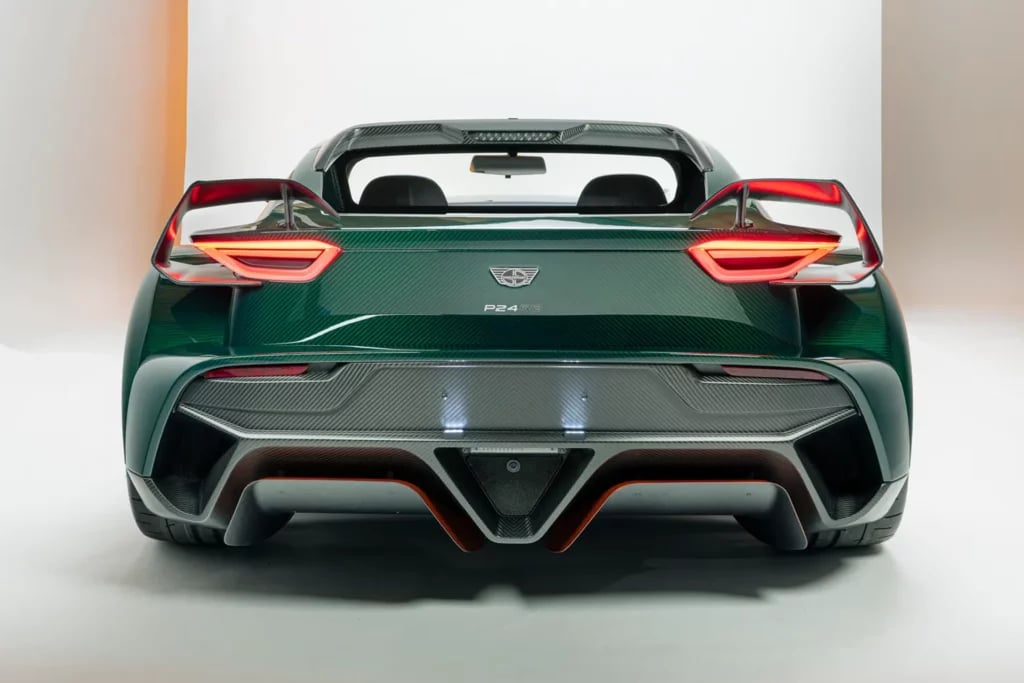
As for how much? Exact pricing for our part of the world is yet to be confirmed, but international pricing puts it in the region of $500,000.
Production is set to kick off in 2028, and half of each allocation is reportedly already claimed.