Free ‘Crawl Mode’ update coming to BYD Shark 6; First Performance shipment sold
Words: Richard Edwards
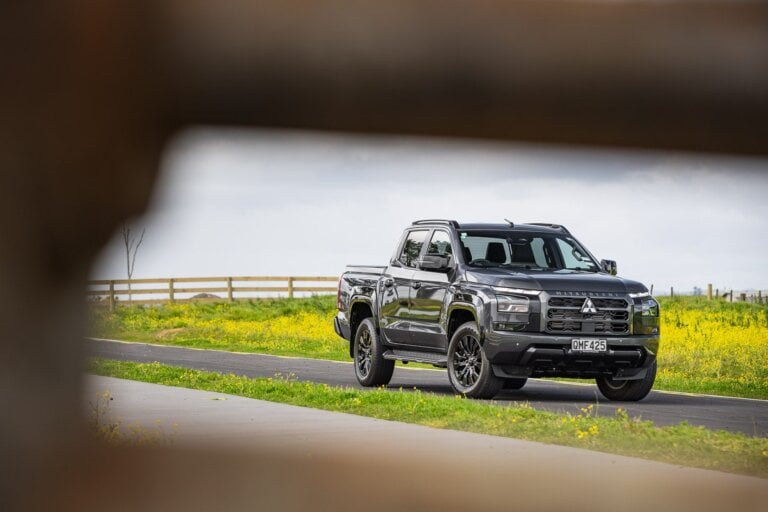
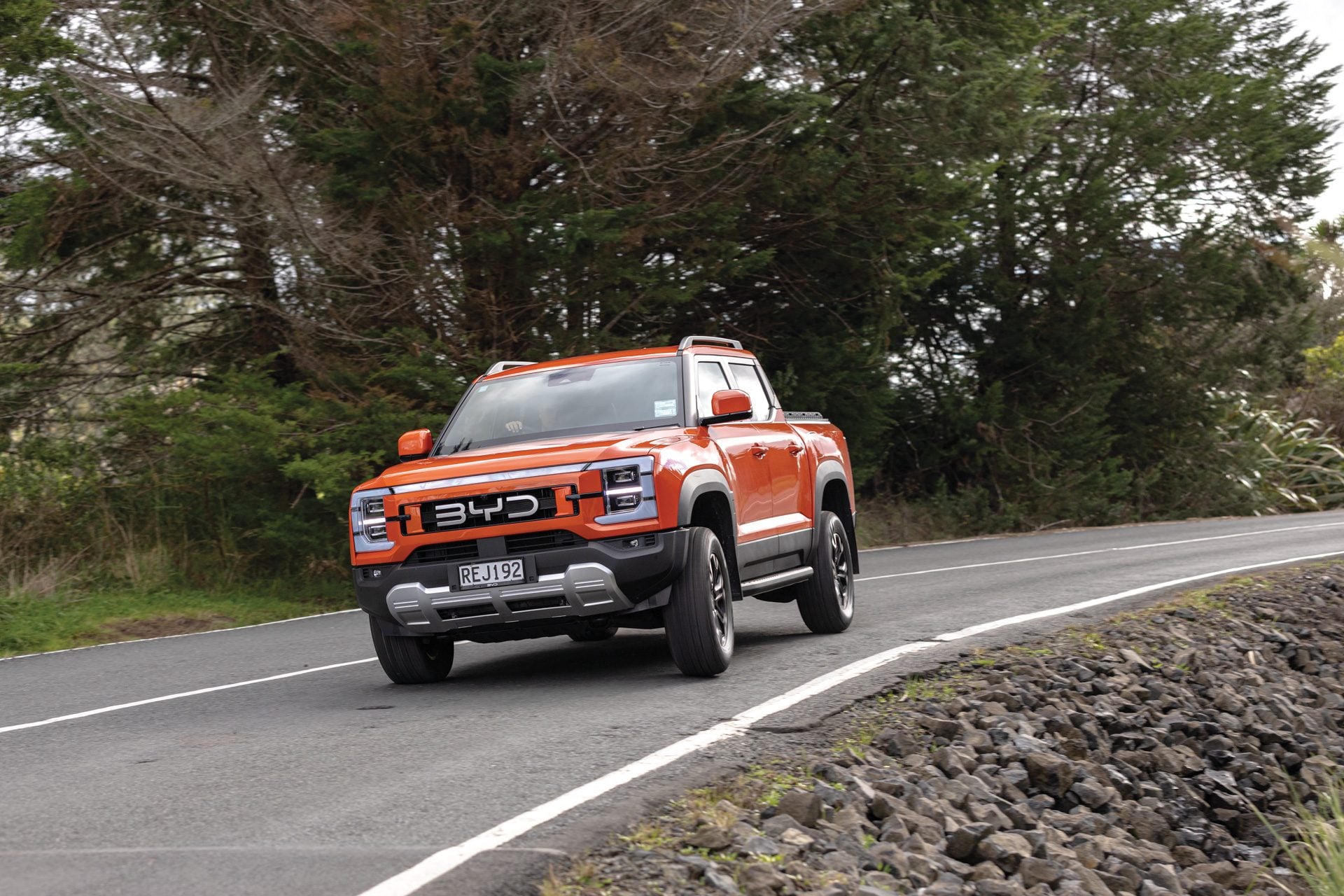
BYD New Zealand has confirmed its Shark 6 plug-in hybrid ute will gain a new “Crawl Mode” to improve low-speed off-road ability, with the upgrade reaching every existing owner free of charge.
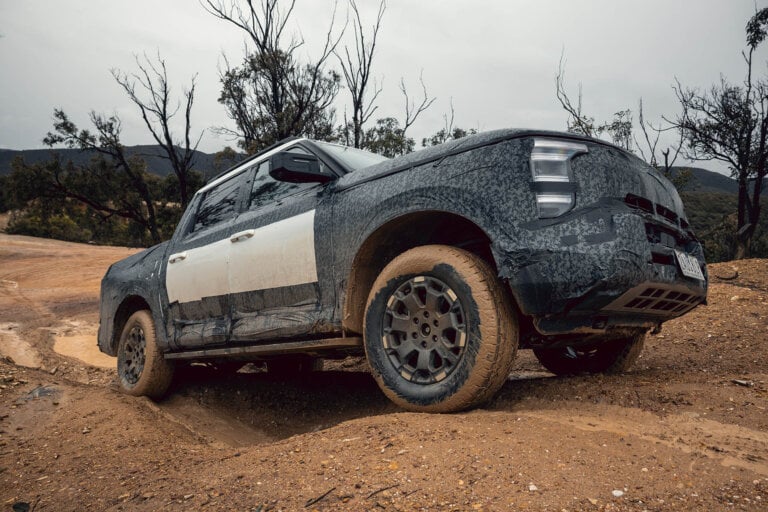
The mode debuts on the recently launched Shark 6 Performance, which fits a 2.0-litre turbocharged engine for the first time, and comes to the Premium. When activated it limits the ute to a maximum of 12km/h and continuously adjusts torque to each wheel to keep it moving without slipping, improving hill descent control and traction on loose or slippery surfaces.
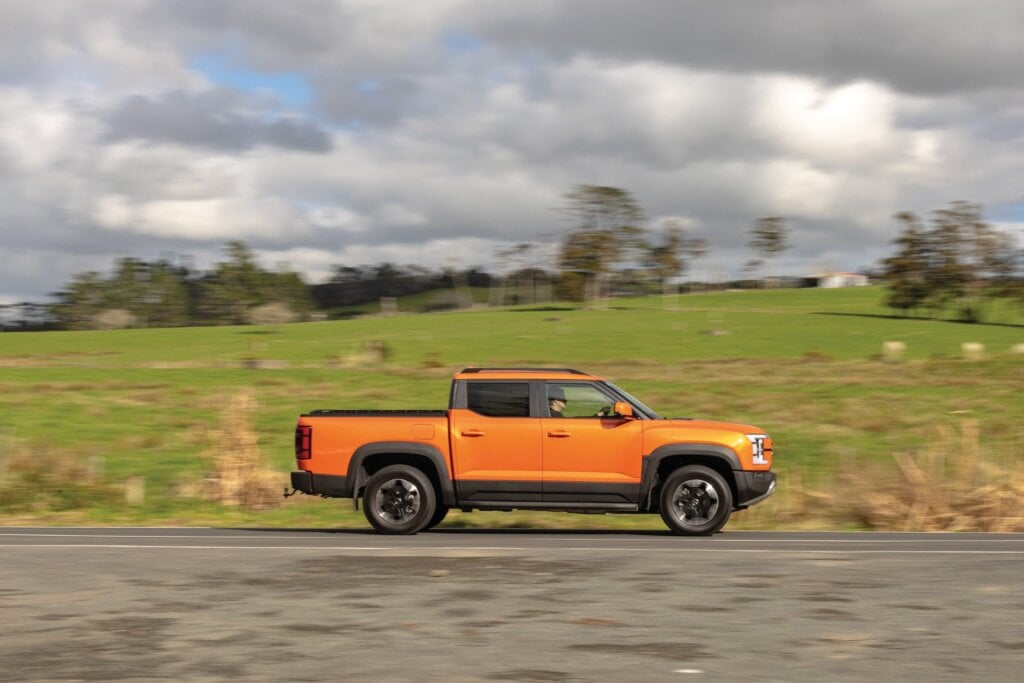
The Shark has copped some criticism in off-road circles for weaker performance than more traditional utes in certain off-road situations, which Crawl Mode is designed to address.
There is no fixed date for the software’s arrival, but BYD says it will be delivered to all owners over the air at no cost.
BYD New Zealand general manager Warren Willmot says the update reflects how the brand develops its vehicles. “I have always said the difference between BYD and a traditional ICE car is they improve over time, and this is an example,” he says.
Performance sold out on arrival
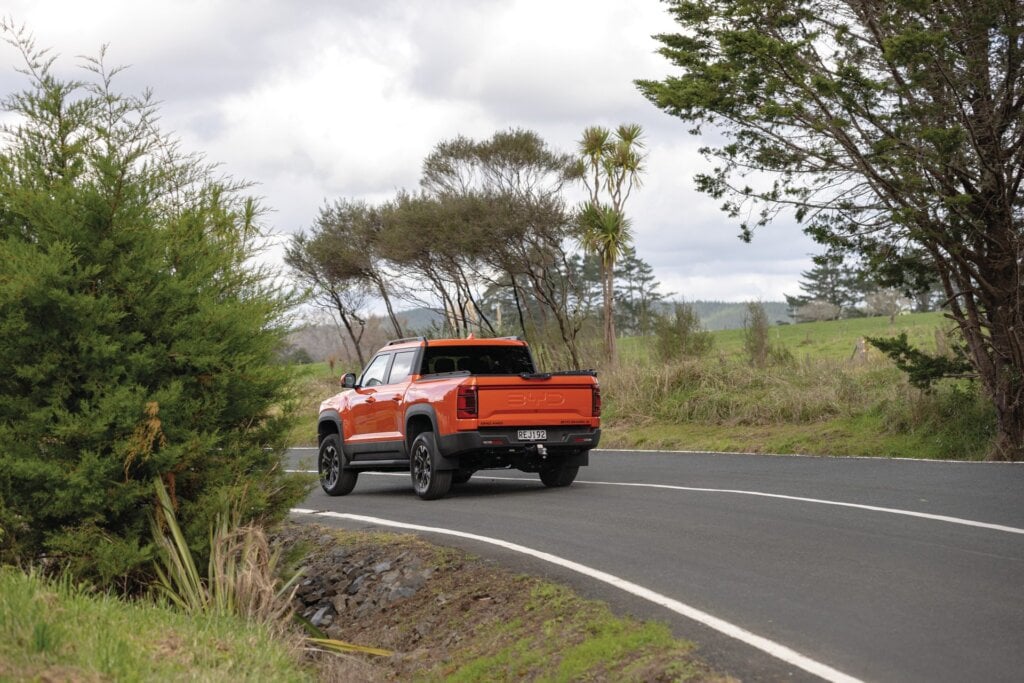
The Shark 6 Performance is in dealerships now, priced at $76,990 plus on-road costs. A parts shortage means the vehicles are currently missing their under-car protection. In Australia the affected utes will not be delivered, but in New Zealand customers can take delivery now and have the protection fitted later. All 94 units landed this month are sold.
The Performance lifts power to 350kW and torque to 700Nm, gains of 30kW and 50Nm over the Premium, and raises towing capacity to 3500kg from 2500kg. Drivers towing more than 2500kg require a Class 2 licence. The Premium remains available from $69,990 plus on-road costs.
It remains to be seen whether the traction-control changes close the gap on segment leaders such as the Toyota Hilux and Isuzu D-Max, which offer differential locks, mechanical low range and conventional four-wheel drive. Both the Ford Ranger PHEV and GWM Cannon Alpha PHEV take that conventional route, while the Shark uses dual electric motors and forgoes a conventional gearbox.