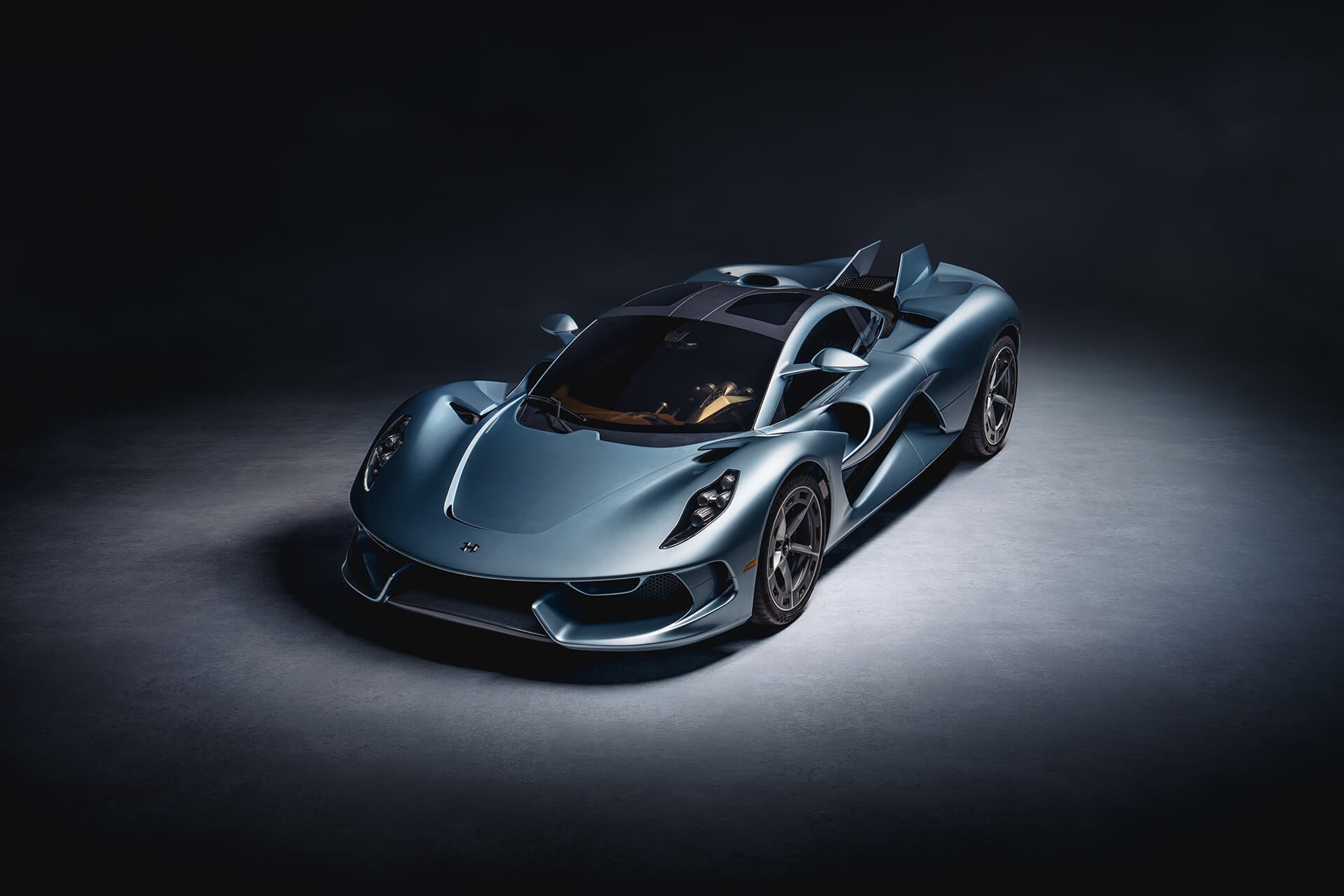
Hennessey Blackbird takes hypercars back to basics
Words: Kyle Cassidy
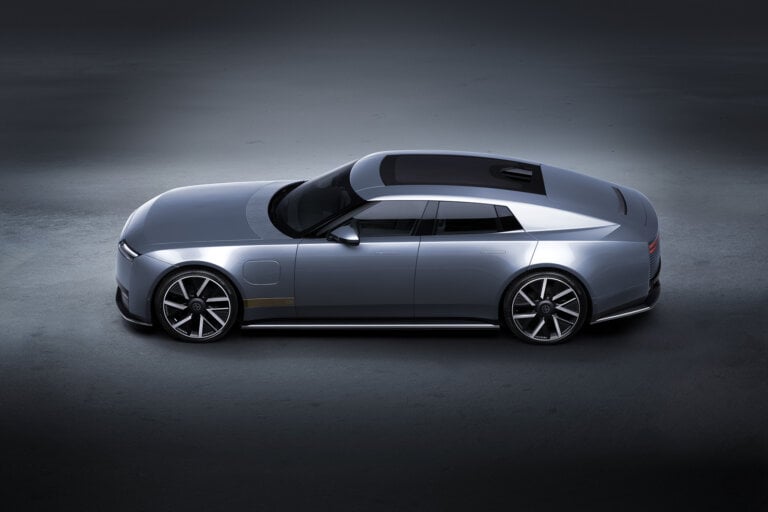
Hennessey has revealed its third hypercar, the Blackbird, and it takes a markedly different approach from the headline-chasing Venom F5.

Instead of pursuing maximum power or top-speed records, the new model combines a naturally aspirated V8 with a six-speed gated manual gearbox, rear-wheel drive and a cabin free of digital displays.
Production will be limited to 71 cars, priced from US$2.5 million before taxes. Customer production is scheduled to begin in 2029 or 2030, with more than two-thirds of the run already allocated.
The Blackbird follows the Venom GT and Venom F5 but is being pitched as more of a long-distance touring hypercar. That doesn’t mean it will be slow, of course.
Its new 6.2-litre V8 is being developed with Ilmor Engineering and is expected to produce between 597kW and 634kW while revving beyond 9000rpm. Hennessey is targeting a 0–96km/h time of 2.5 seconds and a top speed of 354km/h.
There’s no turbocharging or hybrid assistance, with power sent exclusively to the rear wheels through the manual gearbox.
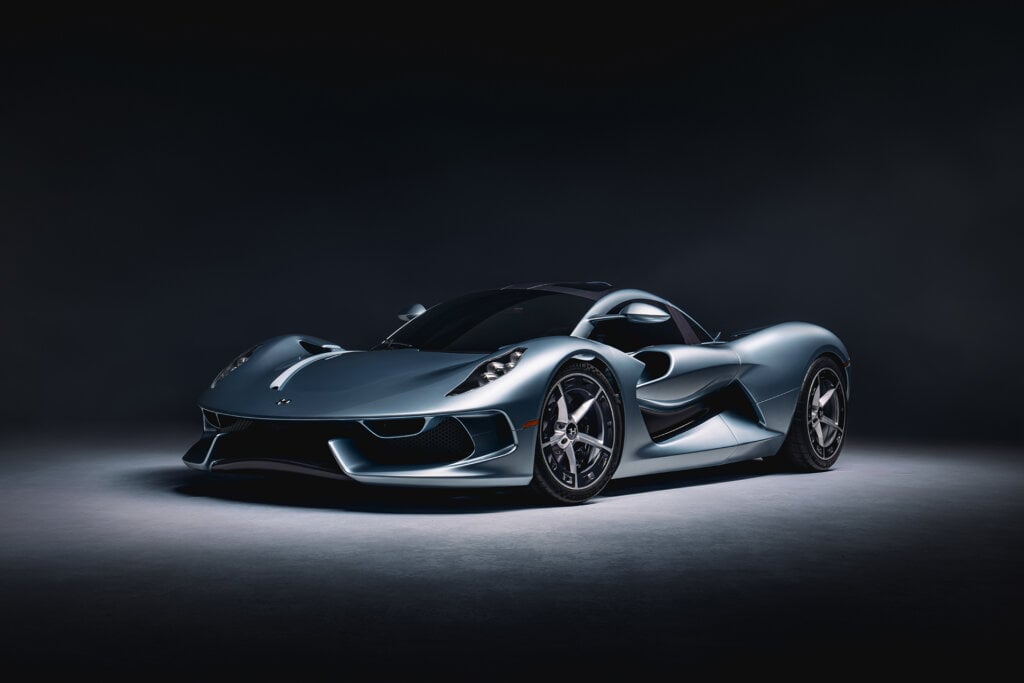
“From the beginning, Blackbird was guided by a simple idea: to deliver an analog experience where beauty and drama define every moment. This is not a numbers car. We set out to create an unparalleled emotional experience, from the first time you see it to the moment you take the wheel and feel the connection between driver and machine,” said company founder and CEO John Hennessey.
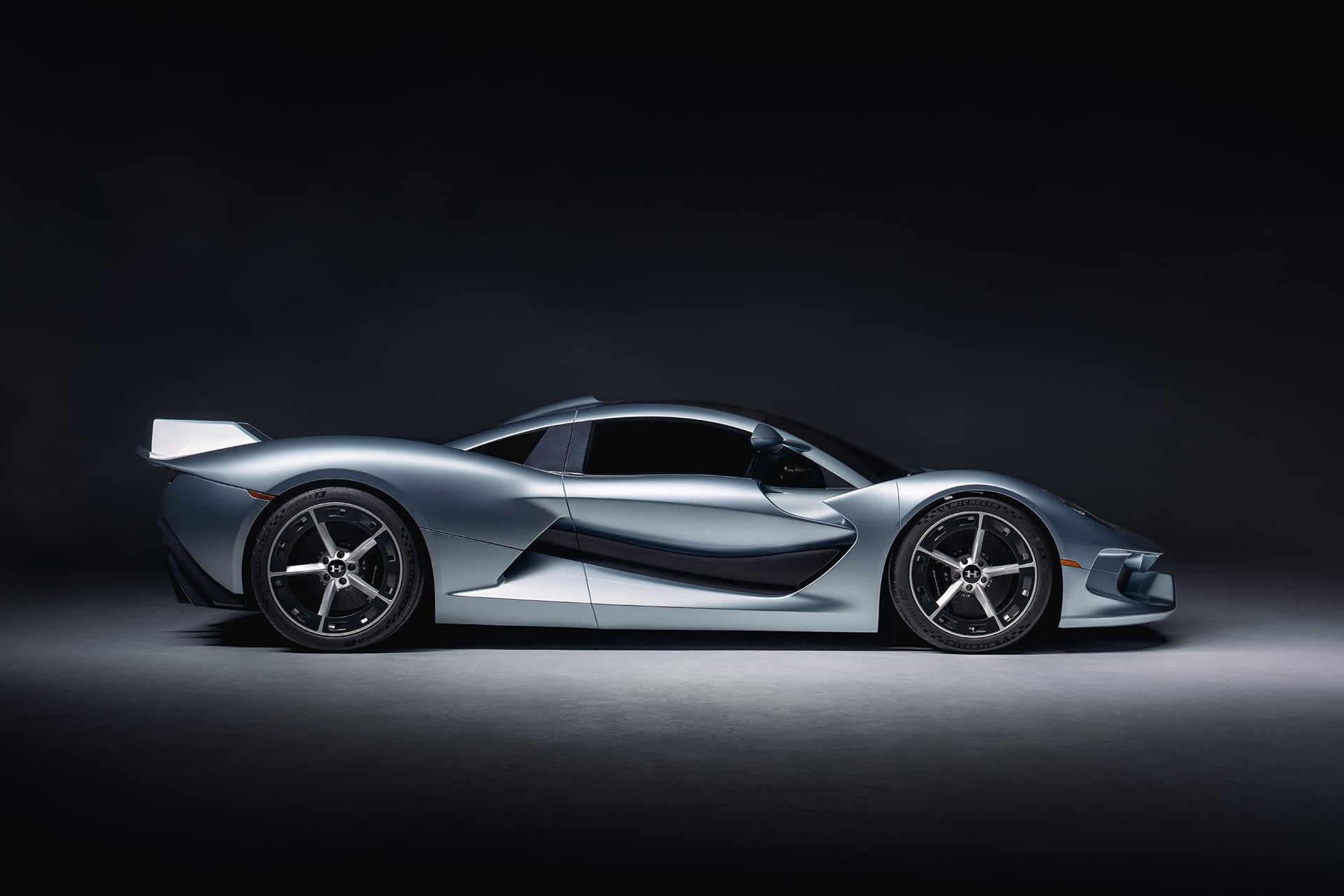
Aerospace inspiration
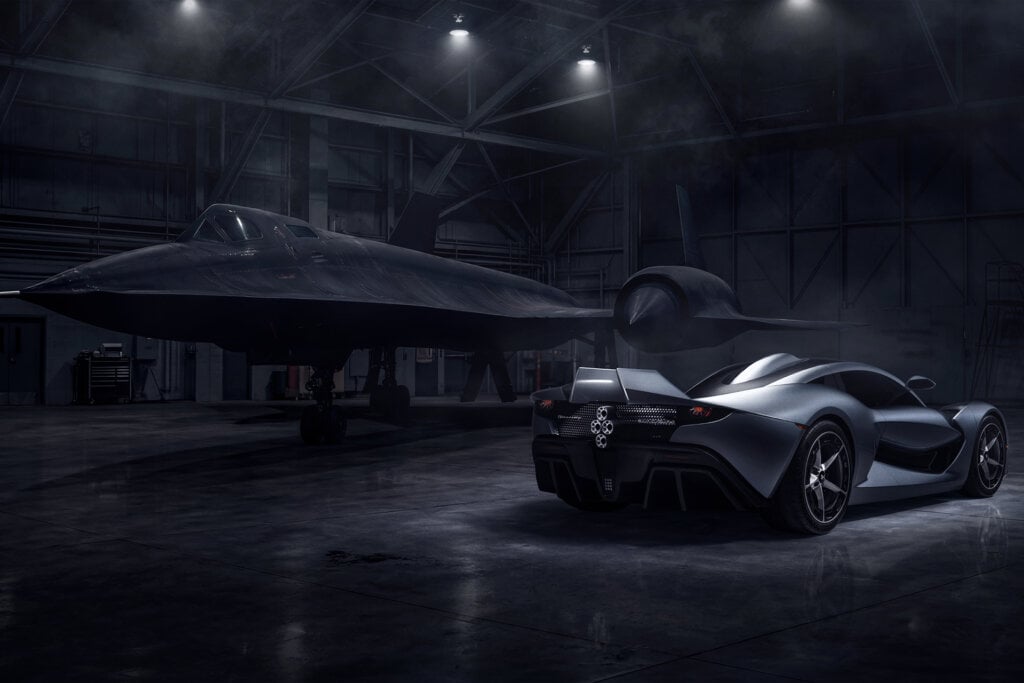
As its name suggests, the Blackbird draws inspiration from the Lockheed SR-71 reconnaissance aircraft.
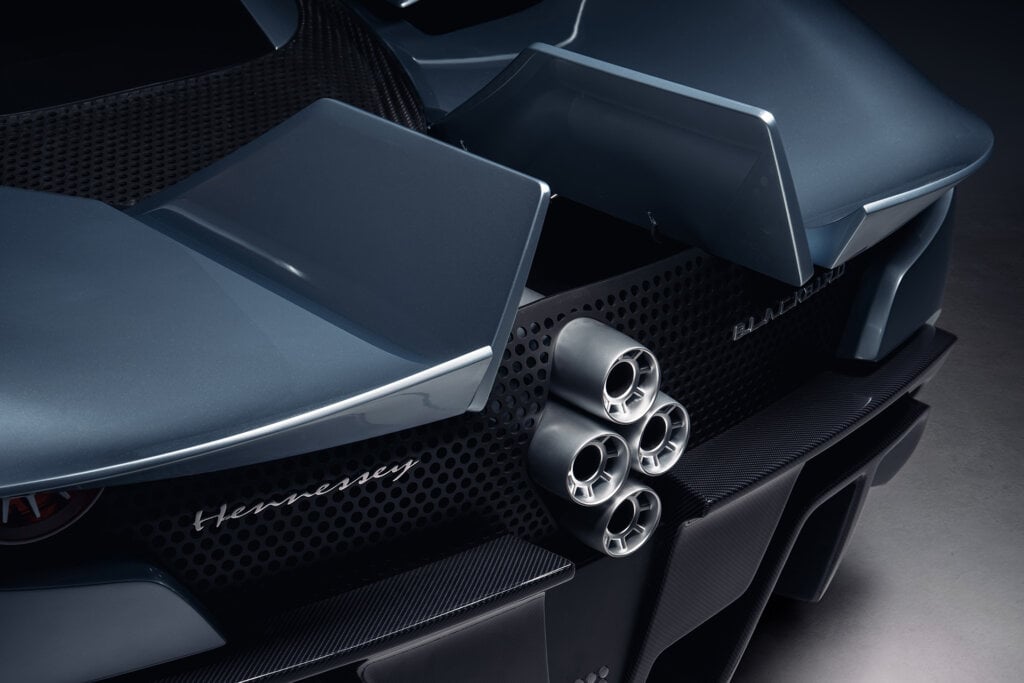
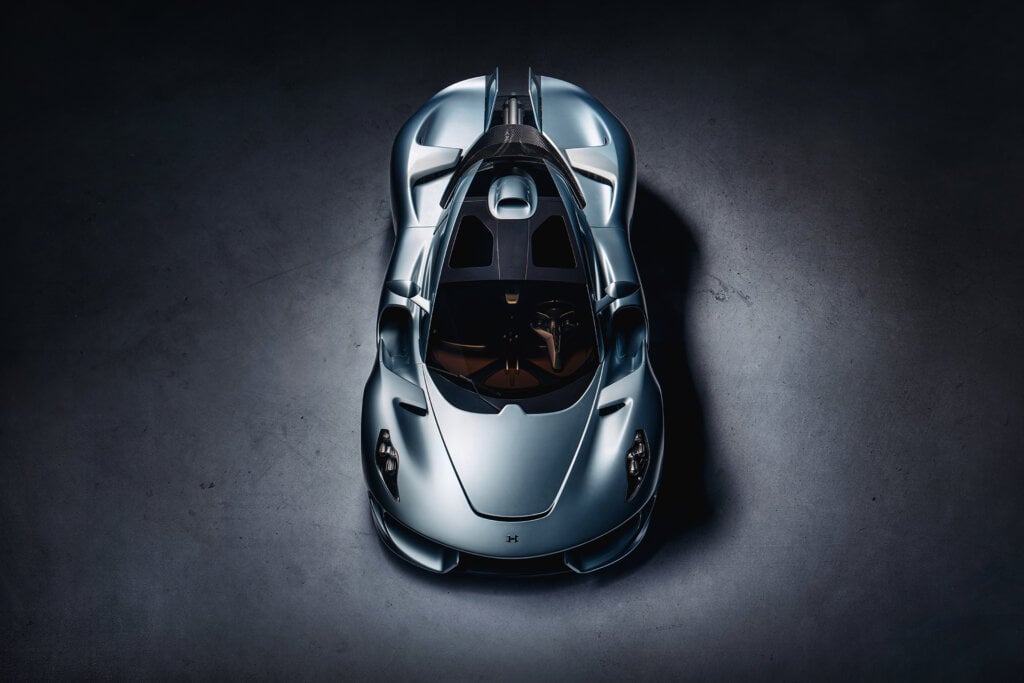
That influence can be seen in its long proportions, sharp body-side chine and active vertical stabilisers at the rear. These automatically deploy at 114km/h and sit at angles of plus and minus 71 degrees, referencing the aircraft’s designation. They can also be activated manually at any speed.
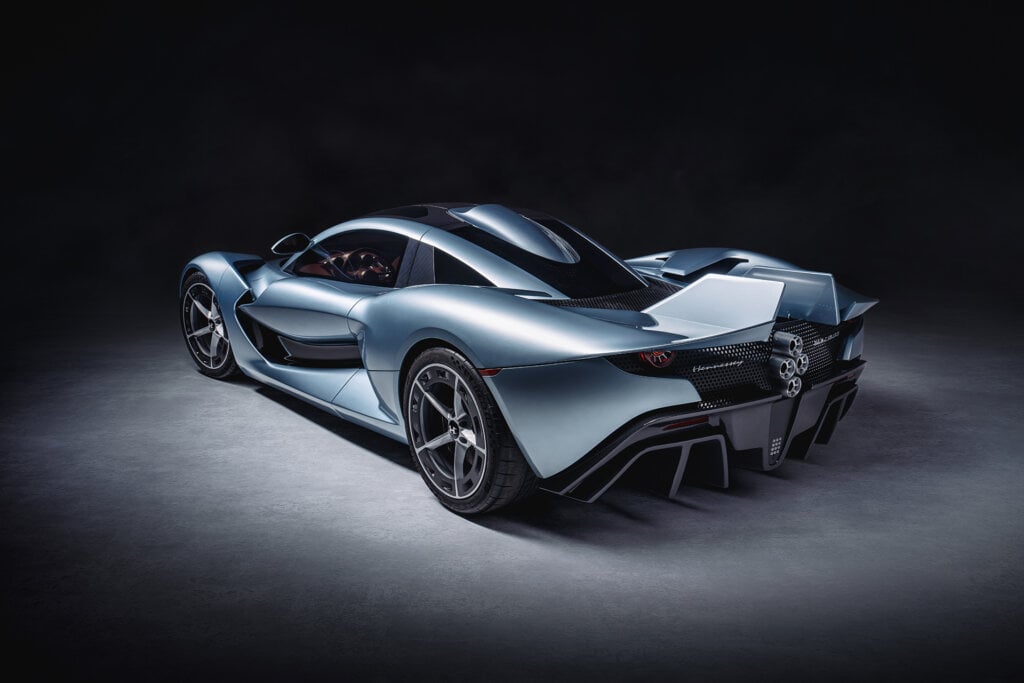
Other aerospace and motorsport-inspired details include diamond-shaped quad exhaust outlets based on those of the Bell X-1 aircraft, Formula One-style side pods and winglets influenced by LMP1 racing cars.
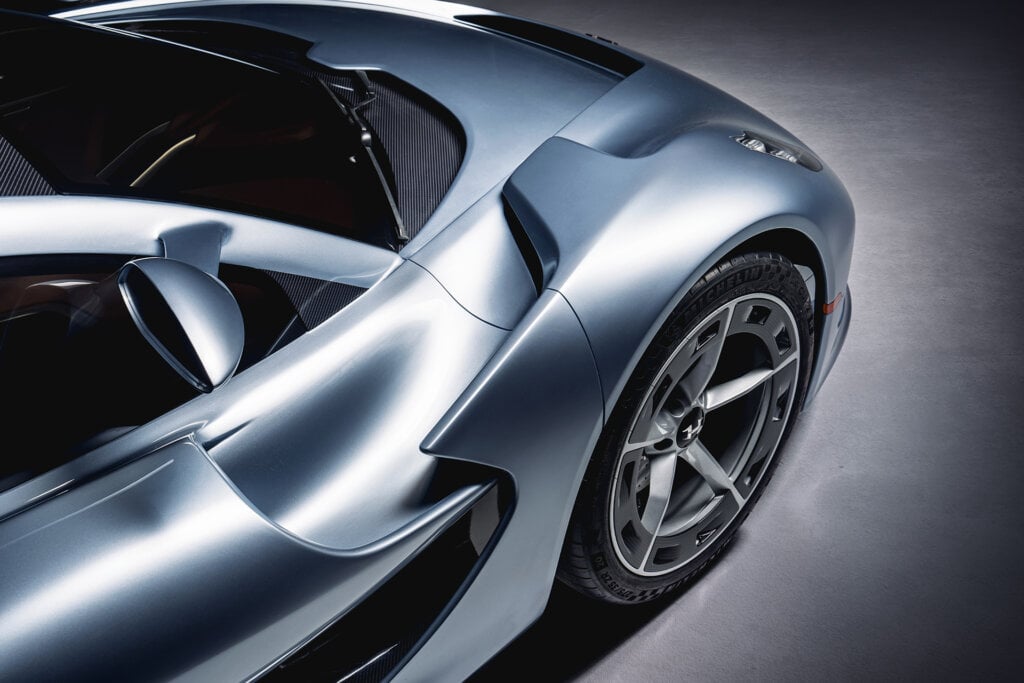
Optional Sky Glass takes its asymmetrical shape from the SR-71’s canopy, while more glass around the rear bulkhead and engine compartment is intended to make the cabin feel lighter and more spacious.

Beneath the body is an all-new carbonfibre tub, while the exterior panels are also made from carbonfibre. Hennessey is targeting a weight of less than 1361kg, giving the Blackbird a projected power-to-weight ratio approaching 466kW per tonne in its most powerful form.
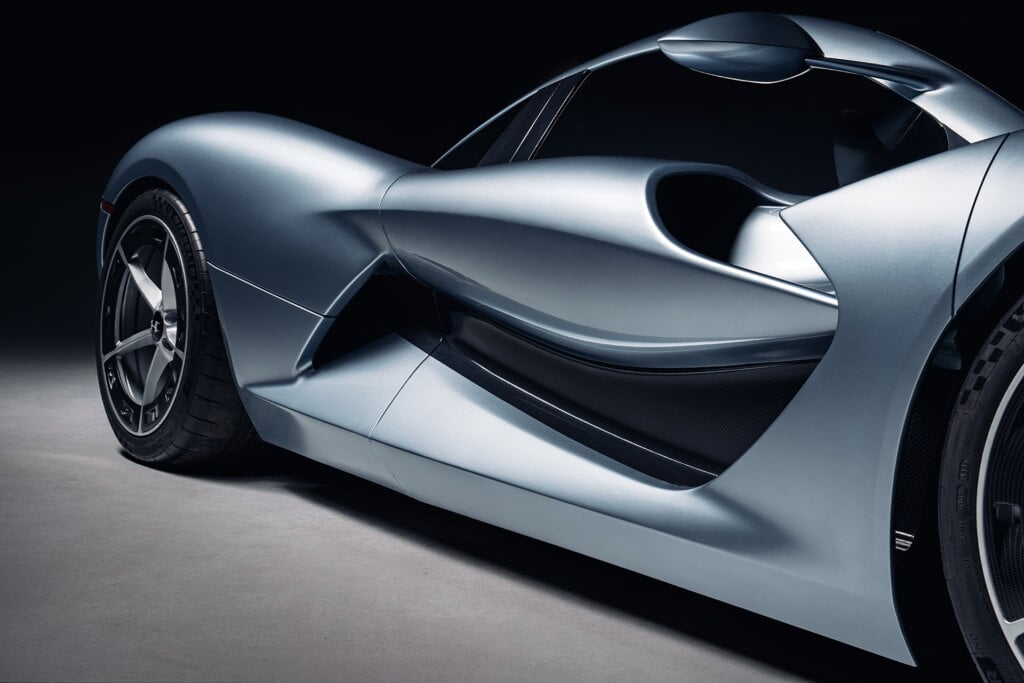
Adaptive suspension, inboard suspension components, Michelin Pilot Sport Cup 2 tyres, traction control and anti-lock brakes will all be standard.
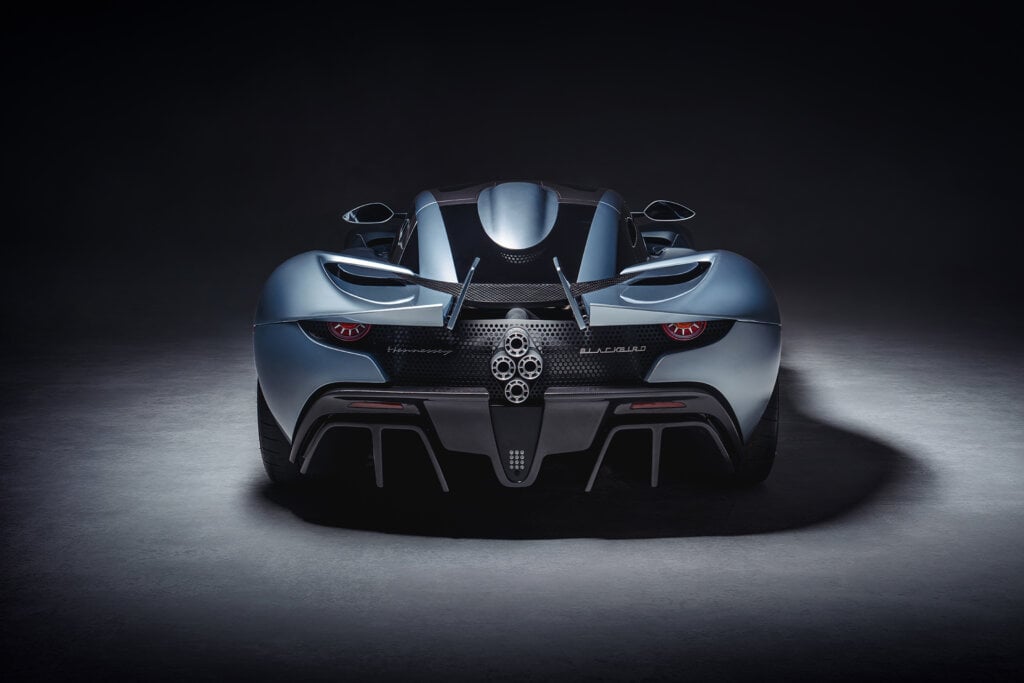
No screens allowed
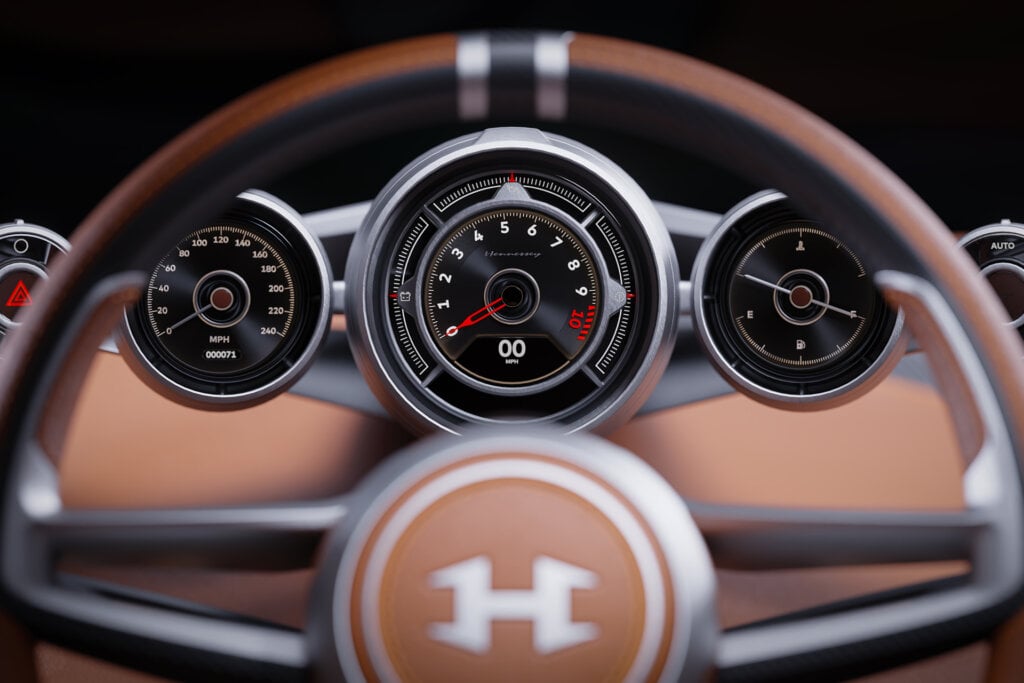
The Blackbird’s cabin is just as deliberately old-school as its powertrain. There’s no infotainment screen, digital instrument panel or buttons on the steering wheel.
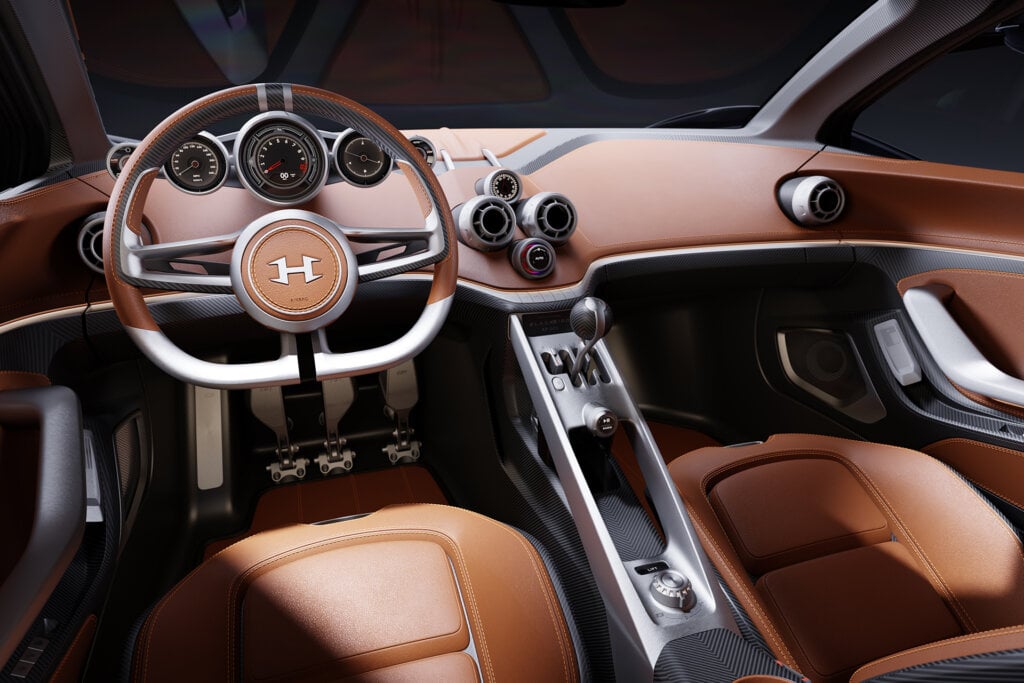
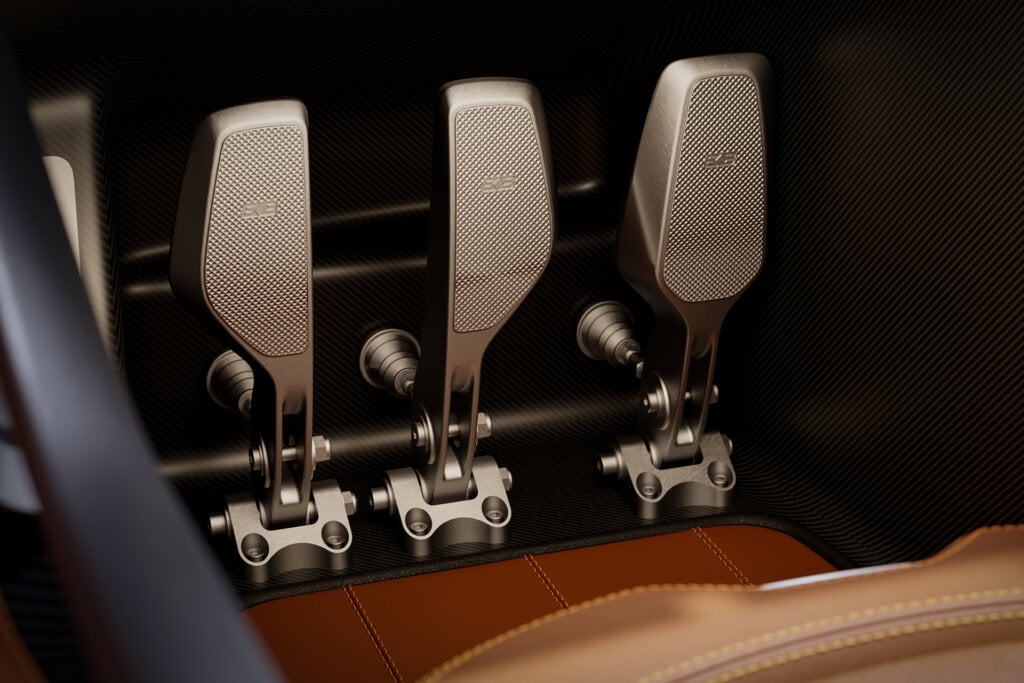
Instead, a large analogue tachometer takes centre stage, joined by a physical ignition key, traditional controls and an exposed gearshift linkage. Navigation, Apple CarPlay and Android Auto will operate through the driver’s phone, which sits in a purpose-built holder.
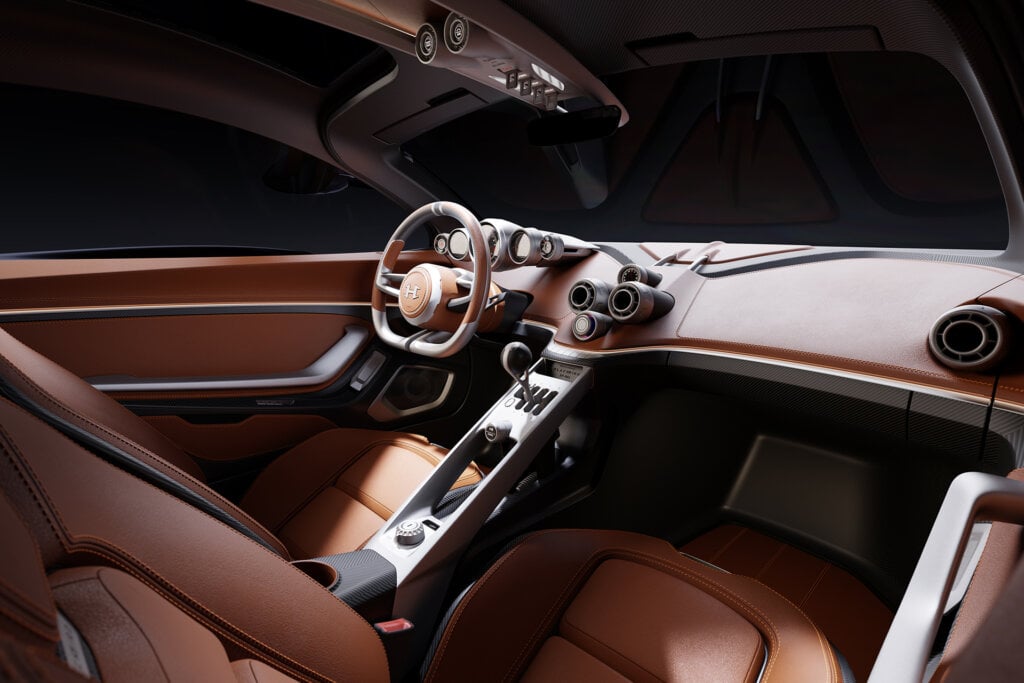
There’s even a dashboard-mounted whisky compass, with a timepiece available as an alternative.
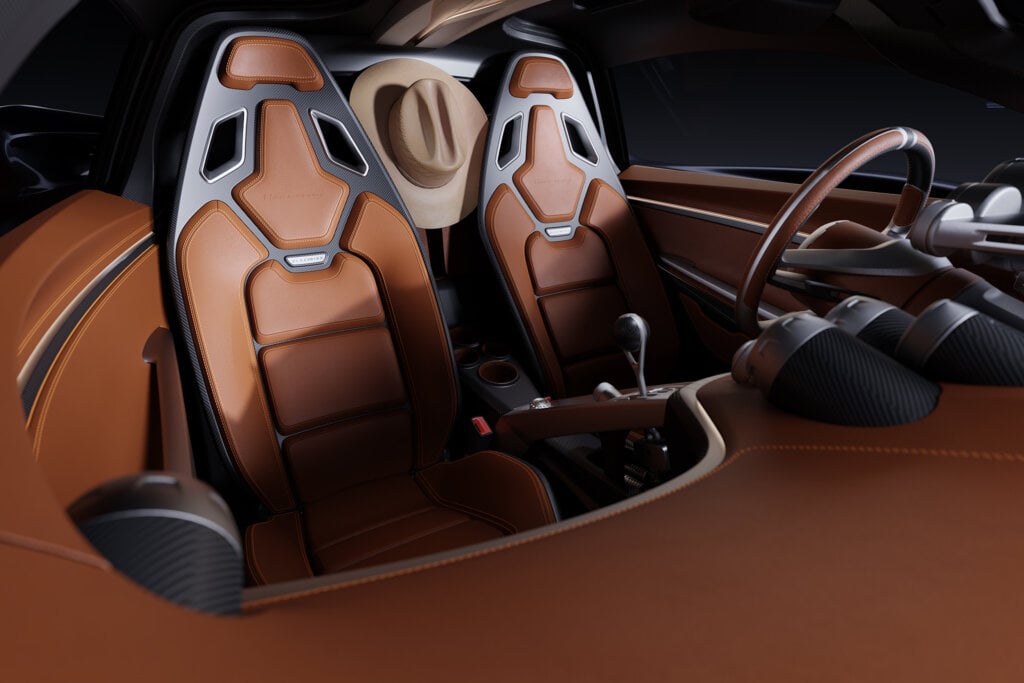
Despite its analogue focus, the Blackbird isn’t intended to be an uncomfortable weekend toy. Hennessey says it is being engineered to cover more than 1280km in a day.
It has a larger glasshouse and more cabin room than the Venom F5, along with gullwing doors, four cupholders and space for two full-sized carry-on bags. Further storage is provided in the rear quarters and throughout the cabin.
The Blackbird will be built in Texas and publicly displayed for the first time at The Quail in California on August 14. It will eventually replace the Venom F5 as the cornerstone of Hennessey’s hypercar programme, with F5 production expected to conclude in 2028.