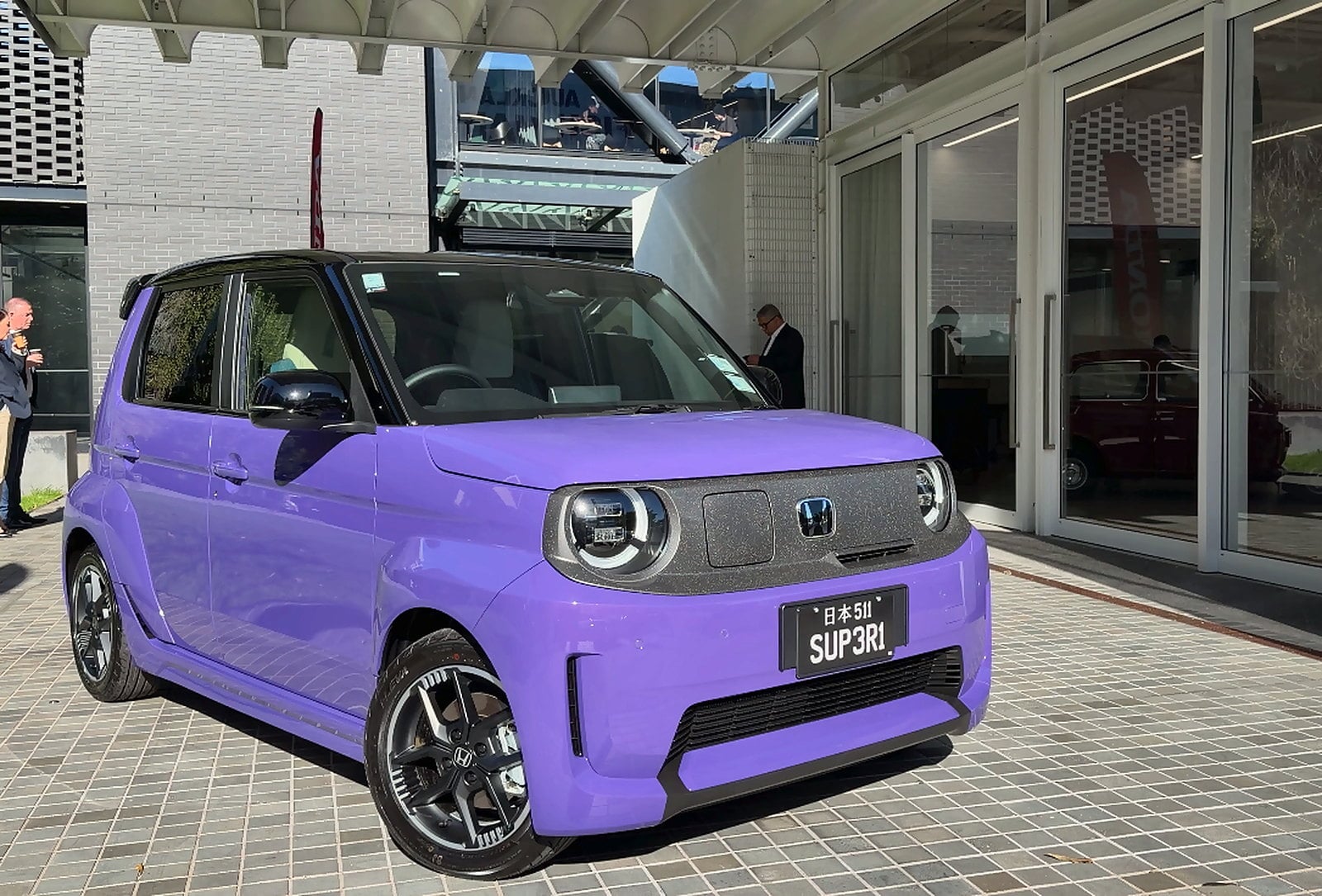
Honda promises the Super-ONE will not be another short story
Words: Richard Edwards
Honda New Zealand reckons its cheeky new electric hatch is sticking around, which is more than could be said for the last electric Honda we got.
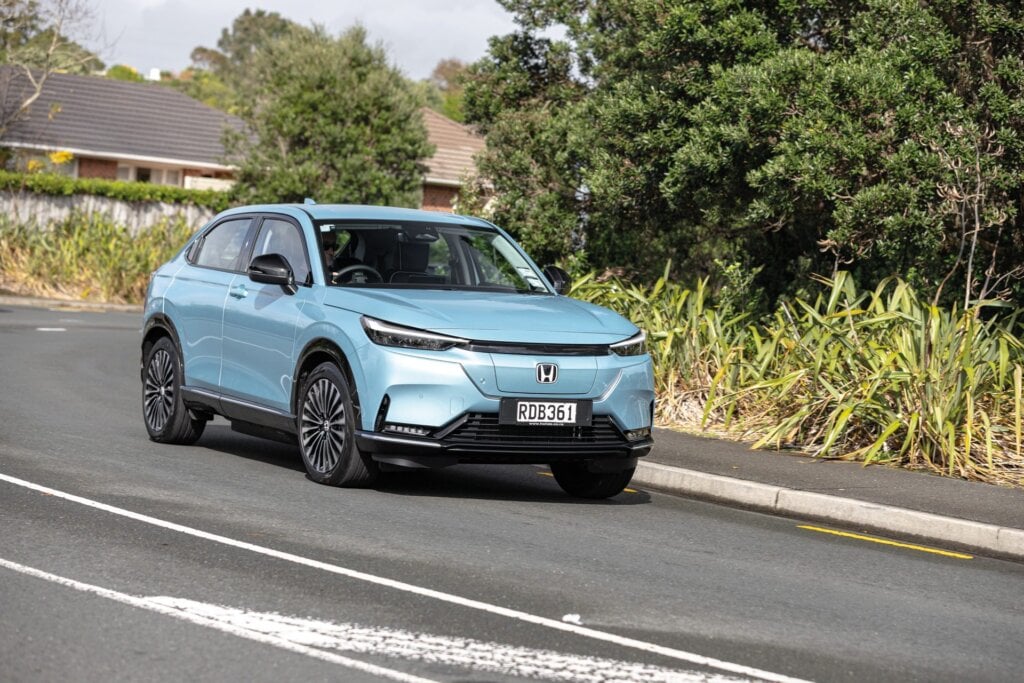
The e:N1 turned up in 2025 at $52,000, sold through the allocation Honda had managed to secure, and by April this year the company had confirmed there was no more stock coming. A decent little car that turned out to be a one-off.
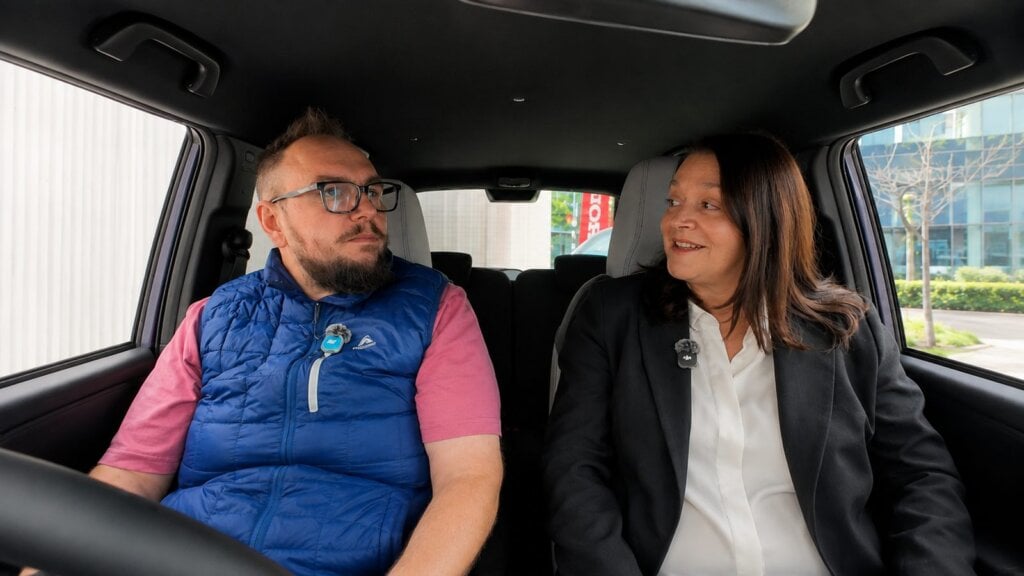
So when we caught up with Honda New Zealand managing director Carolyn McMahon at the Super-ONE launch, sitting in the car itself, the first thing worth asking was whether this one is any different.
“Super-ONE is a long-term product,” she says. “We’ve got plans for this model going out into the midterm.”
McMahon is straight about how the e:N1 came to be here in the first place.
“We had the opportunity to get e:N1 in the last offerings, so we took that opportunity,” she says. “We thought it was a good introduction into the Kiwi market. It’s not part of the product plan at the moment.”
Which raises the question of why the Super-ONE should be any safer a bet, given Honda globally has been winding back its battery electric spending and shifting money toward hybrids.
McMahon does not dispute the shift, but says the target has not moved.
“Electrification globally had been slowing down, and yes, Honda had earmarked a very, very large investment into electrification,” she says. “I think the end destination is still the same, but we’re just calibrating how we’re getting there at the moment.”
She points at North America, where EVs have not taken off the way they have elsewhere, as the reason Honda recalculated. The engineering already paid for turns up somewhere else in the range instead.
“I think what we’ll start to see moving forward is the investment that they did make in EVs start to flow through into some of the hybrid offerings,” she says. “So the investment and the development isn’t lost. I like to say it’s just paused for the moment.”
You will have to be quick
Long-term commitment is one thing. Getting hold of one this year is another.
Honda New Zealand has 50 Super-ONEs locked in through to March next year, and is negotiating for more supply across 2027 and 2028. About a quarter of that first batch is already spoken for, and the car has only just gone on sale.
“You need to get in quickly to get access to the ones that are arriving soon,” McMahon says.
Never say never on kei
The Super-ONE is based on the N-ONE e:, a Japanese kei car, though the version we get has been widened past the kei rules and so no longer qualifies. It is still the closest thing to a factory kei car Honda has sold here, and plenty of used ones have found their way over the years.
Asked whether it might open the door to more, McMahon is not shutting it.
“This is Honda’s first introduction of a kei type car into New Zealand,” she says. “We’ll see what the reaction is like, what the demand is like, and certainly keep an eye on whether or not there’s opportunities for other variants of the kei type car in the future.”
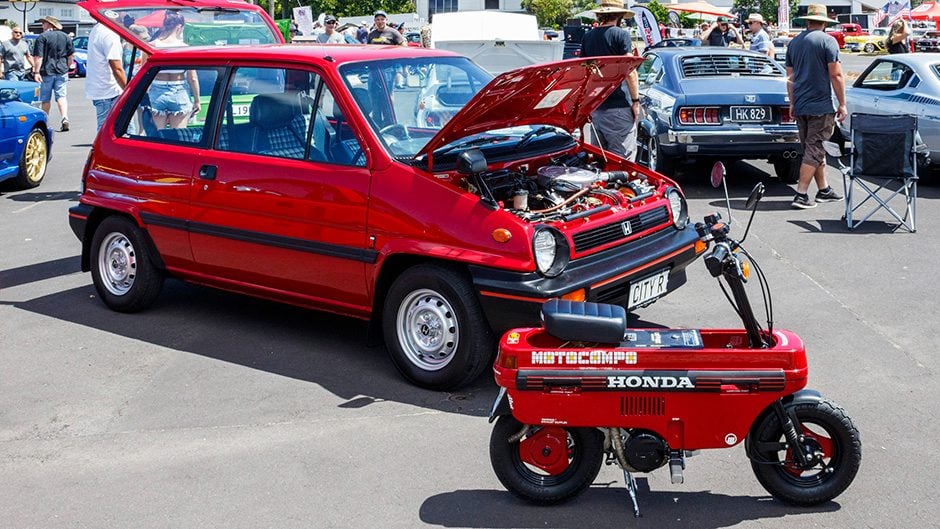
She also reaches back a fair way for the Super-ONE’s family tree, to the N360 of 1967. Honda’s own designers have been just as happy to point at the City Turbo II of the 1980s, the boxy little pocket rocket the Super-ONE’s flared guards and squared-off face so obviously borrow from.
“Obviously over the years we’ve seen the small segment decline, but I think one of the interesting things about Honda is its longevity of technology and development, and the team that put this car together certainly built on the N360 back in the day,” she says. “You never say never with Honda.”
No stars for this one
Buyers will not get a local safety rating. McMahon confirms Honda is not putting the Super-ONE forward for ANCAP assessment, the volume simply not stacking up against the cost.
The full Honda SENSING suite is standard, mind you, with adaptive cruise and low speed follow, collision mitigation braking, lane keeping assist with traffic jam assist, auto high beam and six airbags.
The Super-ONE is on sale now from $41,900, or $44,900 for the Kuro Edition, both plus on-road costs. It is a four-seat EV with a 29.6kWh battery, 253km of claimed range and 70kW when you press the BOOST button.