Honda scraps 0 Series EV models as it rethinks electric
Words: Kyle Cassidy
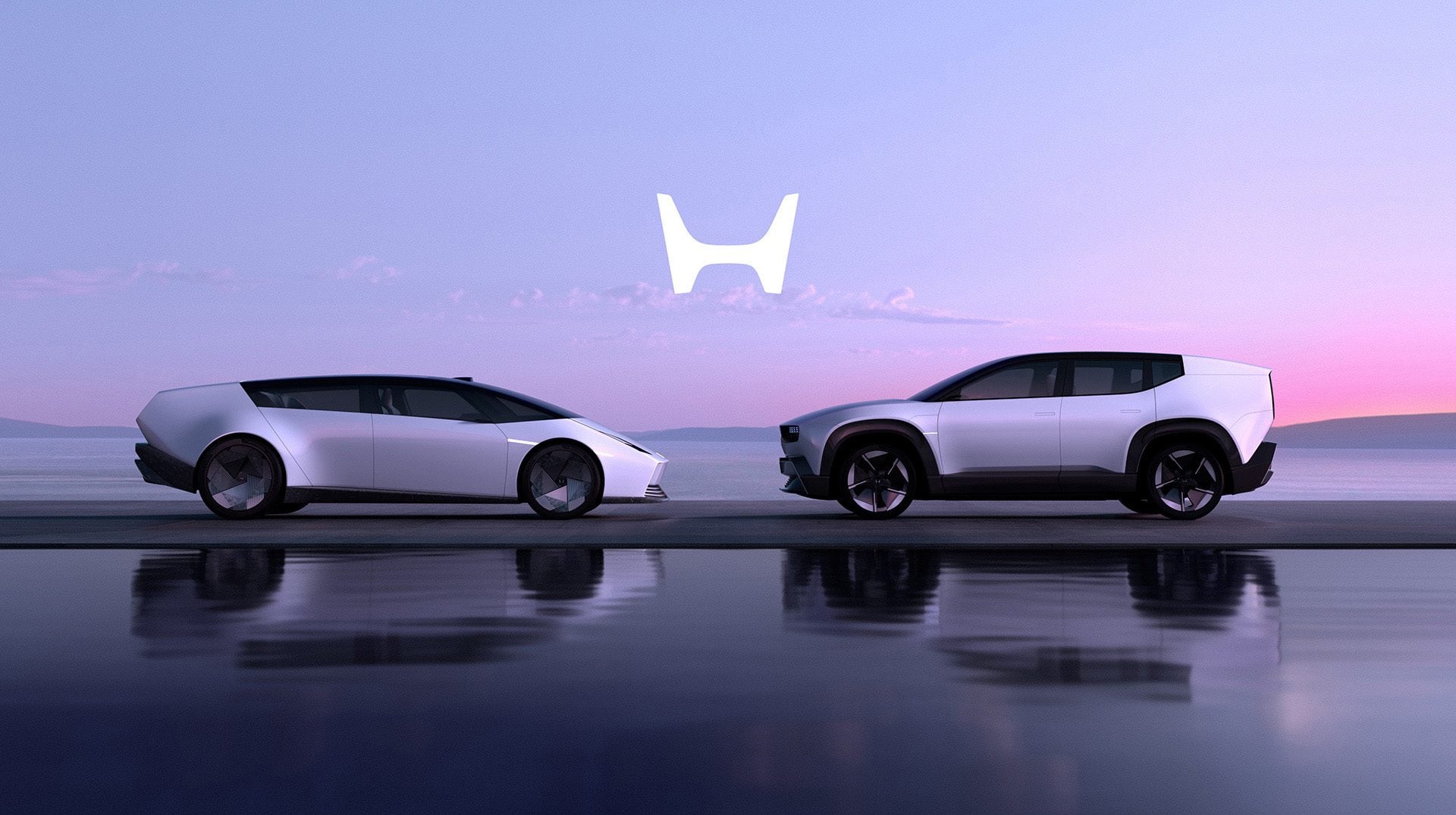
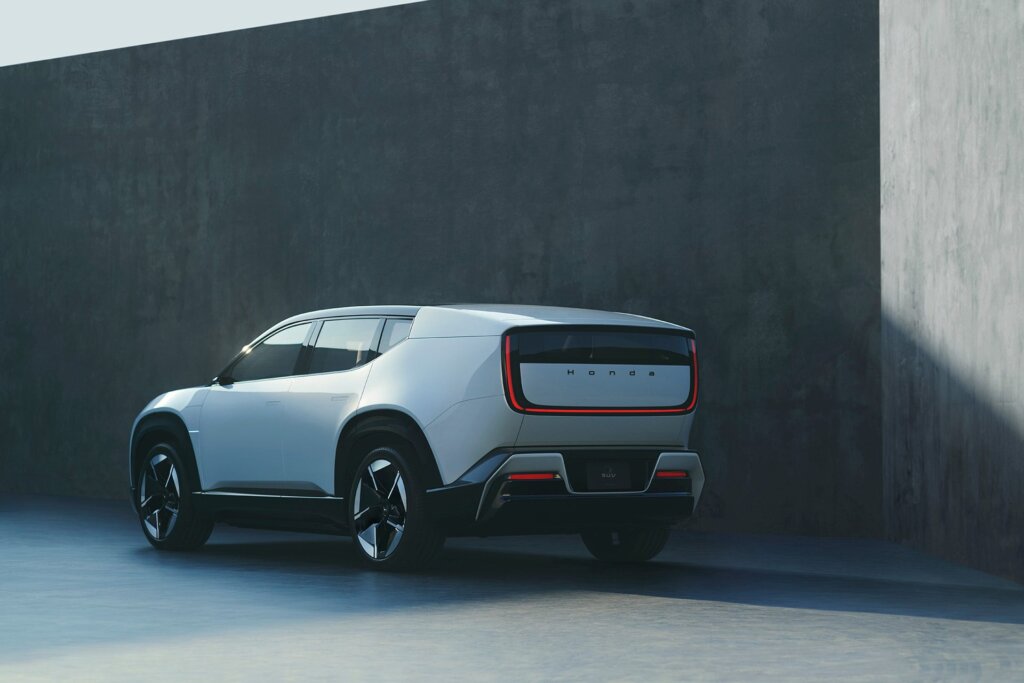
Honda has cancelled its upcoming 0 Series saloon and SUV just months before production was due to begin, marking a major shift in the company’s electric vehicle strategy.
The two EVs had been scheduled to enter production in the United States later this year, but the Japanese carmaker confirmed the programme has now been scrapped as it reassesses its global EV plans. The US-market Acura RSX has also been cancelled as part of the decision.
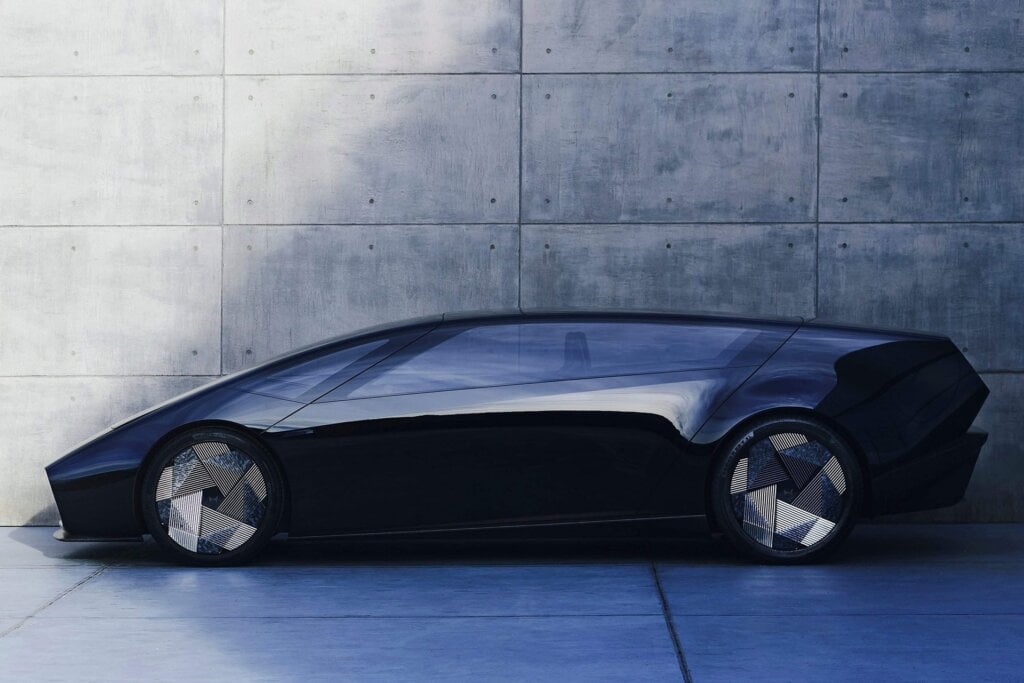
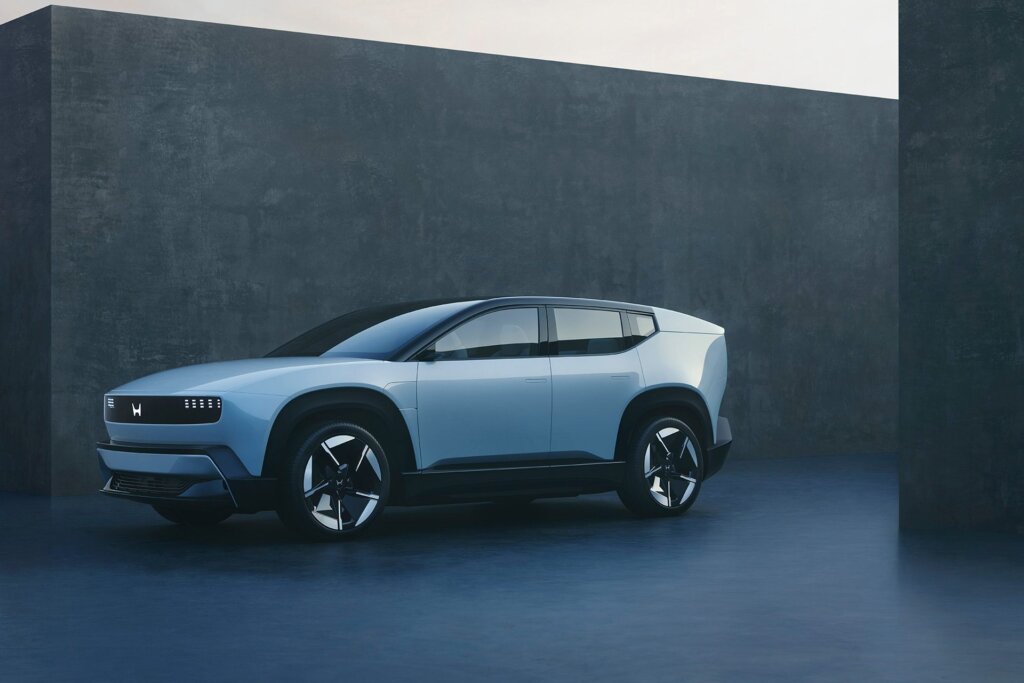
The saloon and SUV were intended to be the first of seven models in Honda’s futuristic 0 Series EV range, which the company had previously planned to roll out before the end of the decade. Both vehicles were based on a completely new dedicated electric platform developed from scratch.
The saloon, first previewed in concept form in 2024, was expected to launch first, with the SUV to follow shortly after.
Read more – Honda’s road-ready Super-One might be the coolest Japanese EV yet
Honda said the decision to halt the programme would result in a significant financial hit, with the company expecting losses of between ¥340 billion and ¥570 billion in the current financial year. Further losses are also anticipated in the 2026–27 financial year as the effects of the cancellation flow through the business.
In explaining the move, Honda said: “Honda determined that starting production and sales of these three models in the current business environment where the demand for EVs is declining significantly would likely result in further losses over the long term.”
The company pointed to changing market conditions in the United States as a major factor. It noted that recent policy changes by US president Donald Trump have removed several incentives that previously supported EV purchases and manufacturing.
Read more – Honda’s new Insight is an EV built in partnership with Dongfeng
Honda said the policy shift had created an “unfavourable impact” on its business, adding that prior to the changes it “pursued EV adoption with strong determination” in the US market.
Challenges have also emerged in Asia, where the brand said it is facing a “decline in the competitiveness of Honda products” as consumer expectations evolve.
According to Honda, buyers are increasingly prioritising software-driven features and digital capabilities rather than traditional strengths such as fuel efficiency and interior space. At the same time, emerging Chinese EV manufacturers are able to react faster to market trends thanks to shorter development cycles.
Honda said these factors have “intensified the competition” and contributed to the company’s current financial pressure.
The company added that its “automobile business has fallen into an extremely challenging earnings situation due to various factors, including its inability to respond flexibly to these changes in the business environment, compounded by a decline in the profitability of gasoline and hybrid models due to the impact of newly imposed tariffs”.
It further warned that “Honda is undergoing significant changes, and the outlook remains uncertain.”
Looking ahead, Honda plans to restructure its global operations to regain competitiveness. The company will prioritise strengthening its presence in the US and Japan through model updates and more competitive pricing.
In Asia, Honda intends to expand its hybrid lineup, particularly in growing markets such as India.
The company also said it will adopt a more flexible approach to EV development going forward and will be “monitoring the balance between profitability and market trends”, indicating that updates to its most profitable models may take priority over launching entirely new electric vehicles.
As part of the restructuring, some Honda executives will forfeit a portion of their bonuses scheduled to be paid at the end of the financial year.