Mitsubishi Pajero confirmed for Australia, New Zealand likely to follow
Words: Richard Edwards
Mitsubishi has confirmed the Pajero will return to Australian showrooms before the end of 2026, and New Zealand looks set to follow given how closely the two markets track each other.
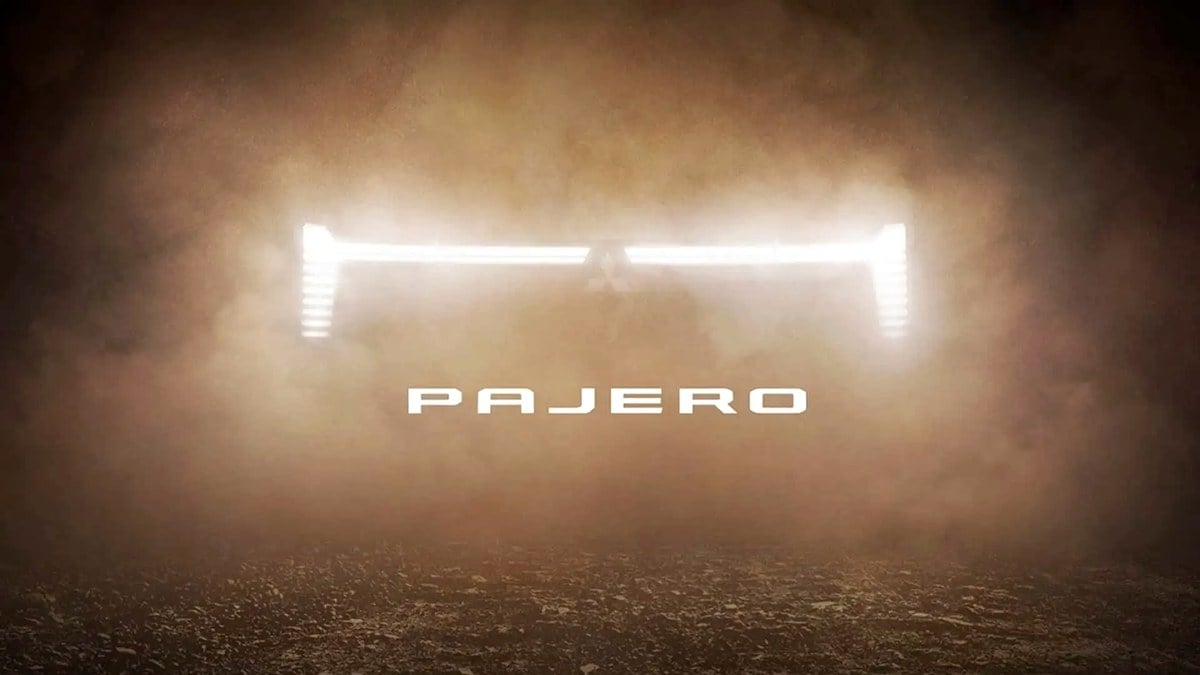
The Japanese brand officially revived the Pajero name on 29 May, ending years of speculation. It also confirmed the return of the Montero badge, the name the Pajero wore in North America, Spain and much of Latin America. The full-size Pajero was last sold here in 2021.
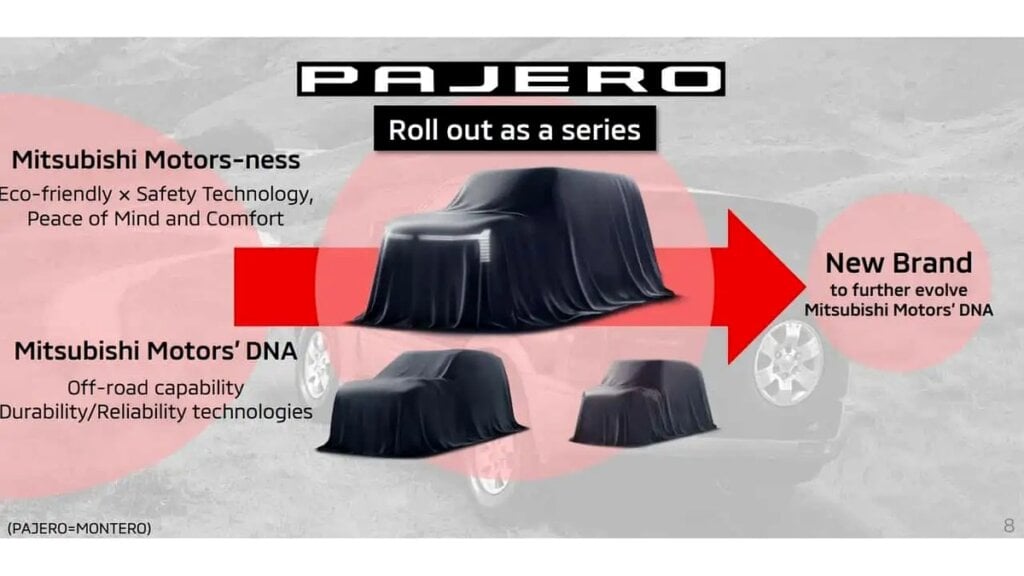
This time it is not a single model. Mitsubishi says the Pajero name will anchor a series of off-roaders, with its newly released product roadmap showing at least two more Pajero-based models in development beyond the flagship. The approach mirrors the way Toyota has grown the Land Cruiser into a range of distinct models.
The flagship makes its world premiere in the second half of this year, with Mitsubishi pointing to a window between September and November. Australian deliveries are expected before Christmas, and sales elsewhere follow into 2027.
A proper off-roader
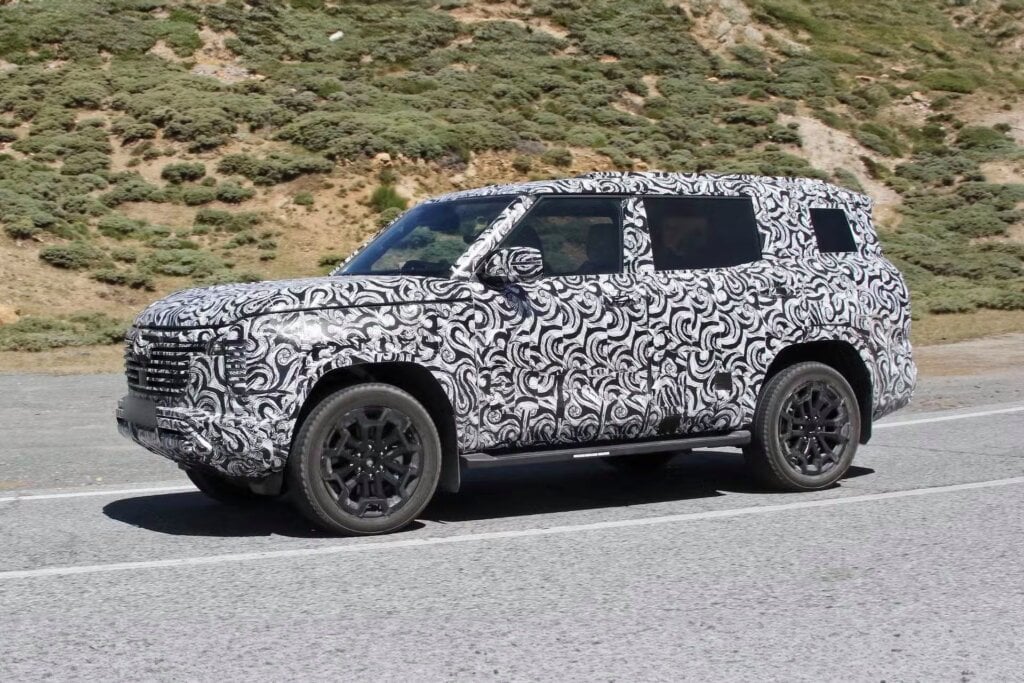
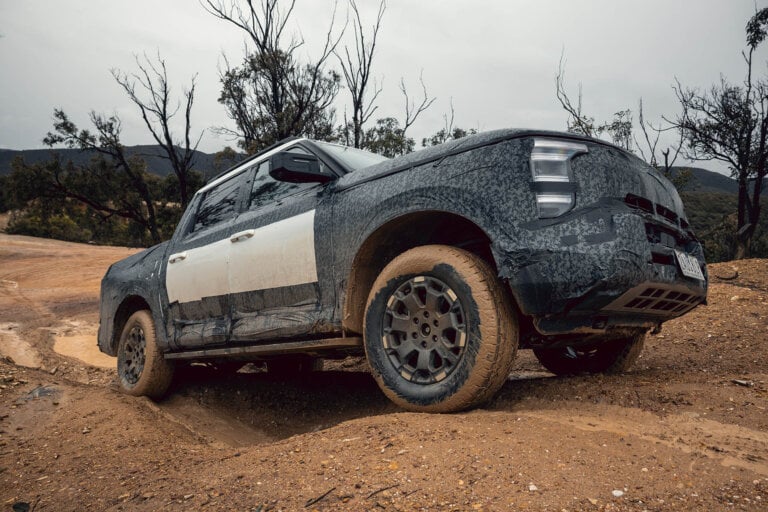
Mitsubishi confirms the new Pajero rides on a ladder-frame chassis derived from the current Triton ute, and positions it as the brand’s future flagship. It gets four-wheel drive, a bespoke cabin rather than one lifted from the ute, and model-specific suspension at both axles to separate it from the Triton. Mitsubishi describes it as a new flagship that embodies the brand’s spirit of adventure.
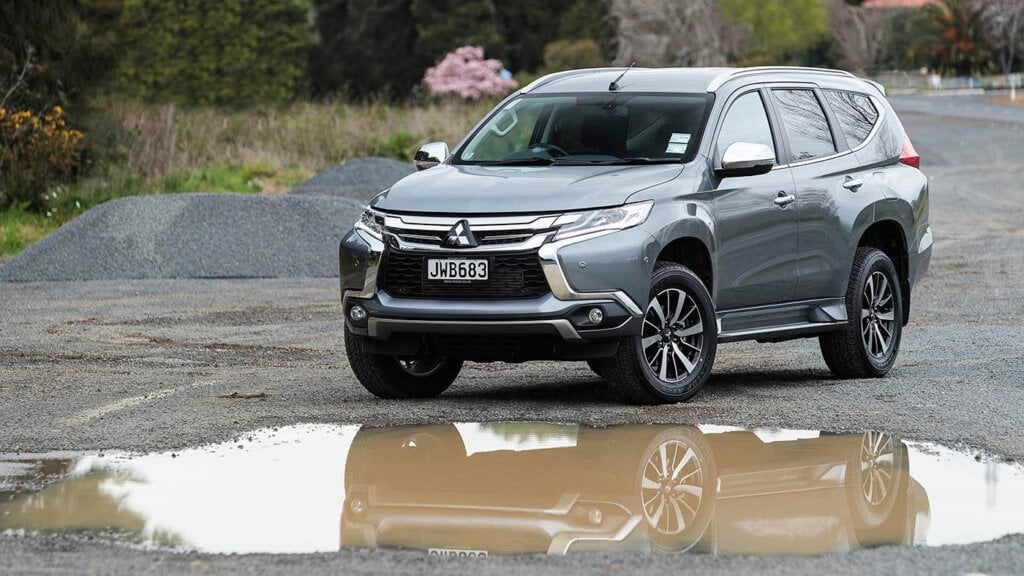
In practical terms it effectively replaces the Pajero Sport, dropping the Sport suffix in the process.
The local picture
Mitsubishi Motors Australia has confirmed the Pajero for the Australian market before the end of 2026, with local testing already underway across outback conditions and a Ralliart variant reportedly under consideration. Australia’s general manager of product strategy and public relations, Bruce Hampel, says more detail will come around the middle of the year, lining up with the global reveal.
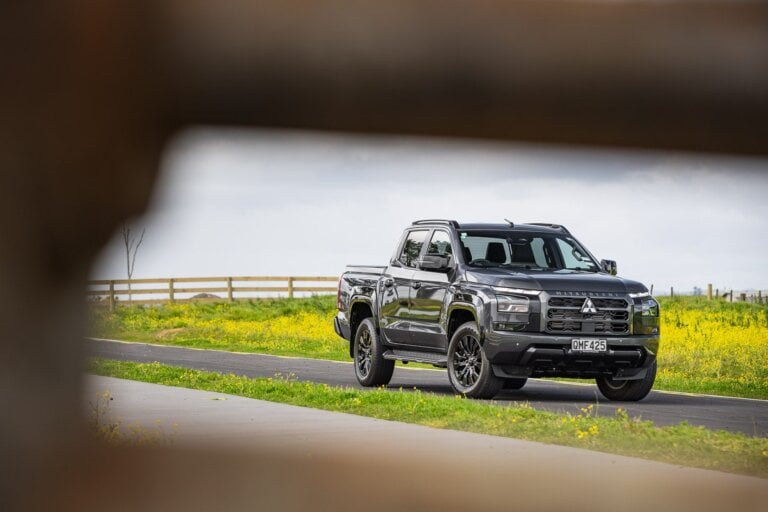
New Zealand is the obvious next step, though Mitsubishi has not yet confirmed a local launch, so treat it as likely rather than locked in. There is a notable trans-Tasman difference worth flagging: Australia withdrew the Triton-based Pajero Sport in early 2025 over autonomous emergency braking compliance, whereas it has remained on Mitsubishi Motors NZ’s line-up. The Triton itself is one of Mitsubishi’s strongest sellers in this market, so a flagship built off that architecture has clear appeal locally.
On engines, the global Triton uses a 2.4-litre bi-turbo diesel, making 150kW and 470Nm in Australian spec, and that is the most likely starting point for the Pajero. Mitsubishi has not confirmed powertrains, and a plug-in hybrid is under development for the Triton that could eventually feature, so the specifics remain speculation for now.
Part of a bigger push
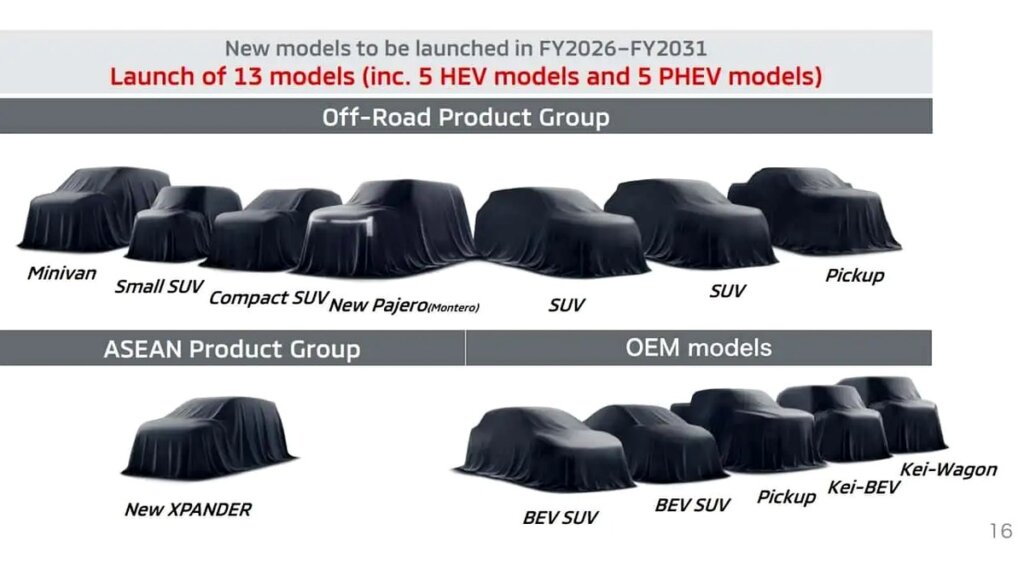
The Pajero series is one piece of a roadmap committing Mitsubishi to 13 new models by the end of March 2032, spanning kei cars, minivans, SUVs and utes. Five will be hybrids and another five fully electric.
For context on the nameplate’s significance, the Pajero sold across more than 170 countries and regions over four generations, topped 3.25 million units, and built a reputation on its Dakar Rally pedigree. Turning it back into a range rather than a single car suggests Mitsubishi sees it as central to its future.