MTA calls for reconsideration of proposed WOF changes
Words: Kyle Cassidy
The Motor Trade Association (MTA) is calling for Kiwis to reconsider the proposed changes to New Zealand’s warrant of fitness system.
Set to be published in newspapers around the country this week, the MTA’s argument surrounds the “true cost” of changing things.

MTA Chief Executive Lee Marshall says Government calculations overlook some key factors.
“These changes are presented as a cost of living saving for Kiwis,” Mr Marshall says.
“And yes, under the proposed changes, around twenty percent of vehicle owners might save around $70 for one less warrant a year. But you’ll likely end up paying far more in other costs – larger maintenance and repair bills, insurance, ACC levies and the cost to the taxpayer of increased enforcement and education.
“There’s potentially a human cost too, with the possibility of more harm caused on the roads.”
The proposed changes are; warrants of fitness to be issued for four years on new vehicles, vehicles between four and ten years old will need a WoF check every two years, and vehicles over ten years old will need an annual check.
As for Certificate of Fitness changes, it would only affect CoF A light rental vehicles under five years old, which would need to be checked once per year.
The biggest implication for changing the WOF system surrounds safety of all road users.
Though some money might be saved at the counter, the MTA says the overall costs could surge if the changes go through.
“Road safety matters. The country’s road toll is very poor by developed nation standards, and our fleet is the second-oldest in the OECD,” Mr Marshall says. “Not only do we have high failure rates, but we evidently also do a poor job enforcing the laws we already have.”
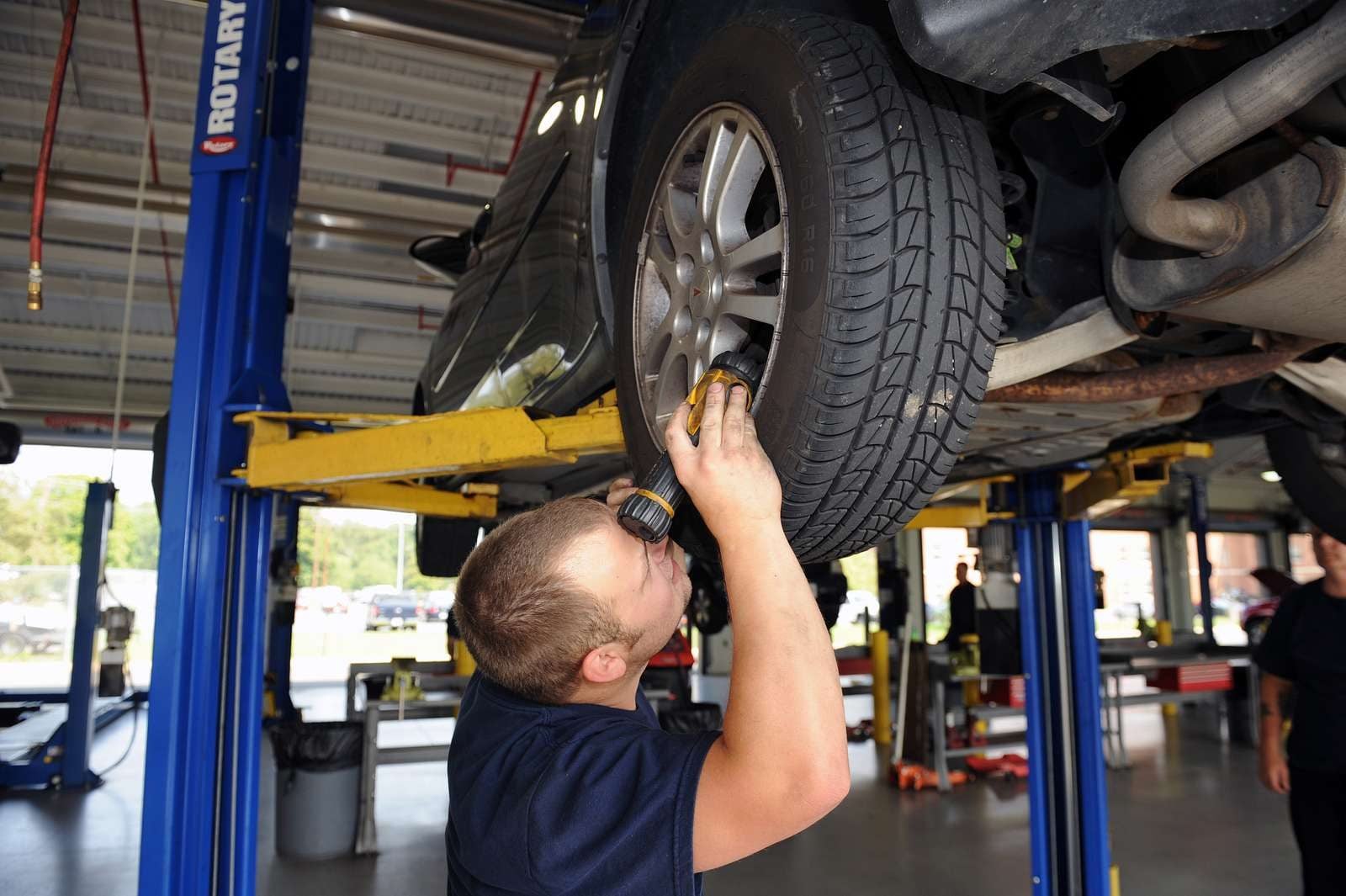
These comments likely stem from the idea that many car owners rely solely on the WoF check to pick up potential issues like worn tyres.
According to its website, the MTA is; “the main automotive industry body in New Zealand, representing over 4,000 businesses that fix, fuel, buy, sell and inspect much of the country’s vehicle fleet.” So it is advocating for its members, which stand to lose revenue through fewer checks, though its points are valid.
The MTA has reportedly engaged with the government on this issue, and looks forward to collaborating on the proposal.