Porsche 911 Turbo S for scaldingly quick
Words NZ Autocar | Images Porsche
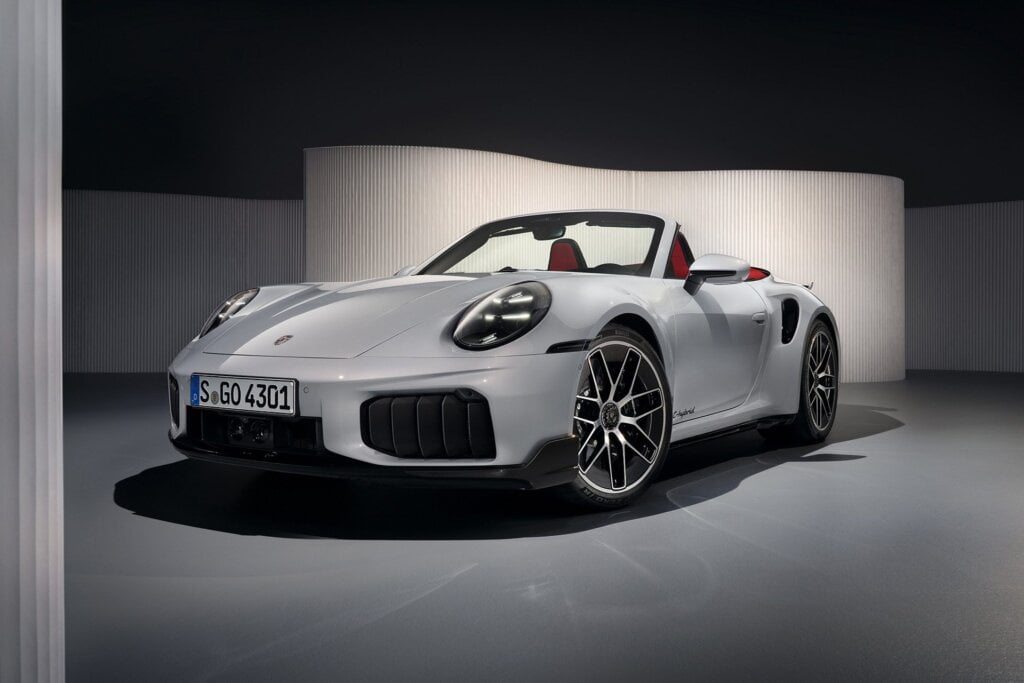
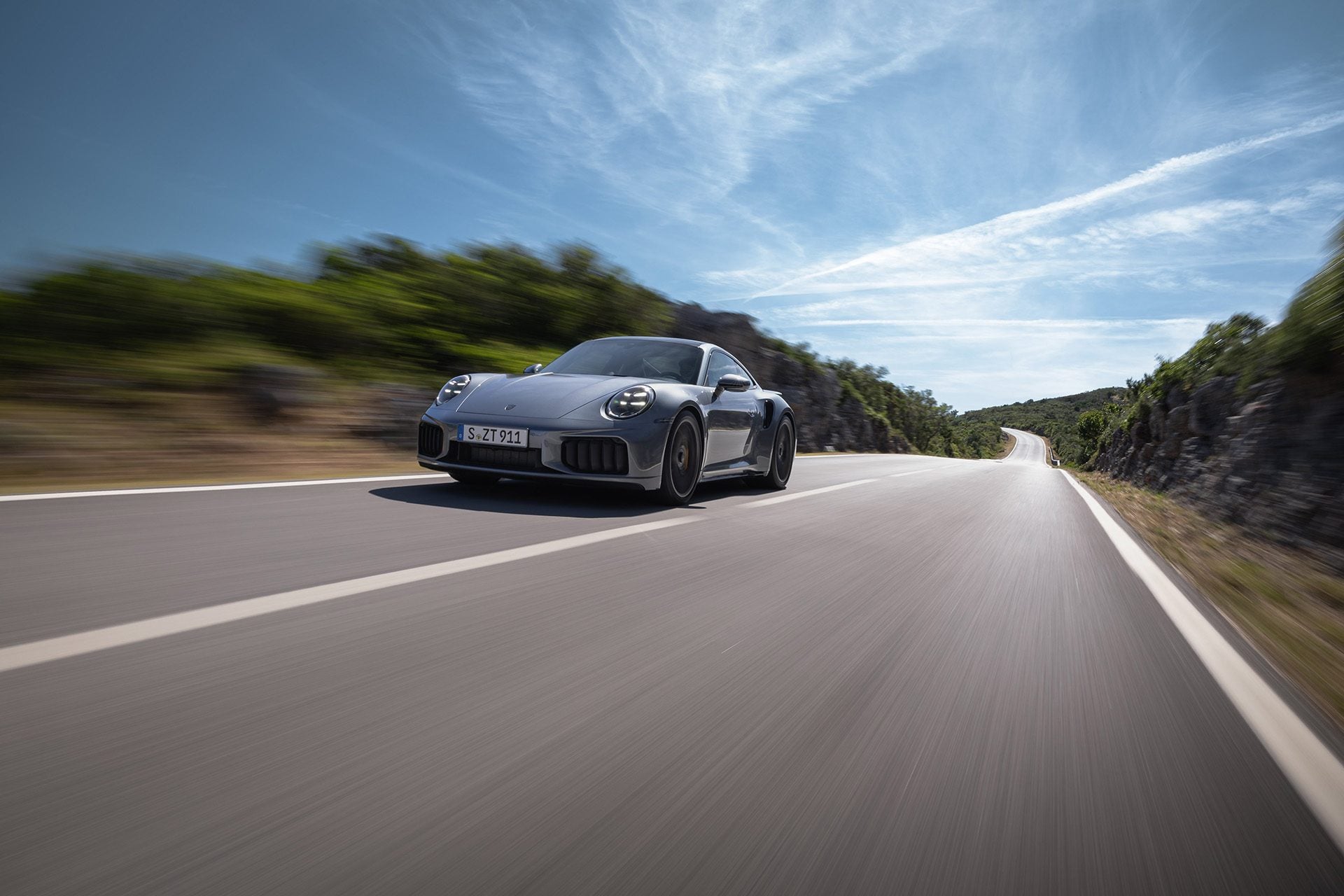
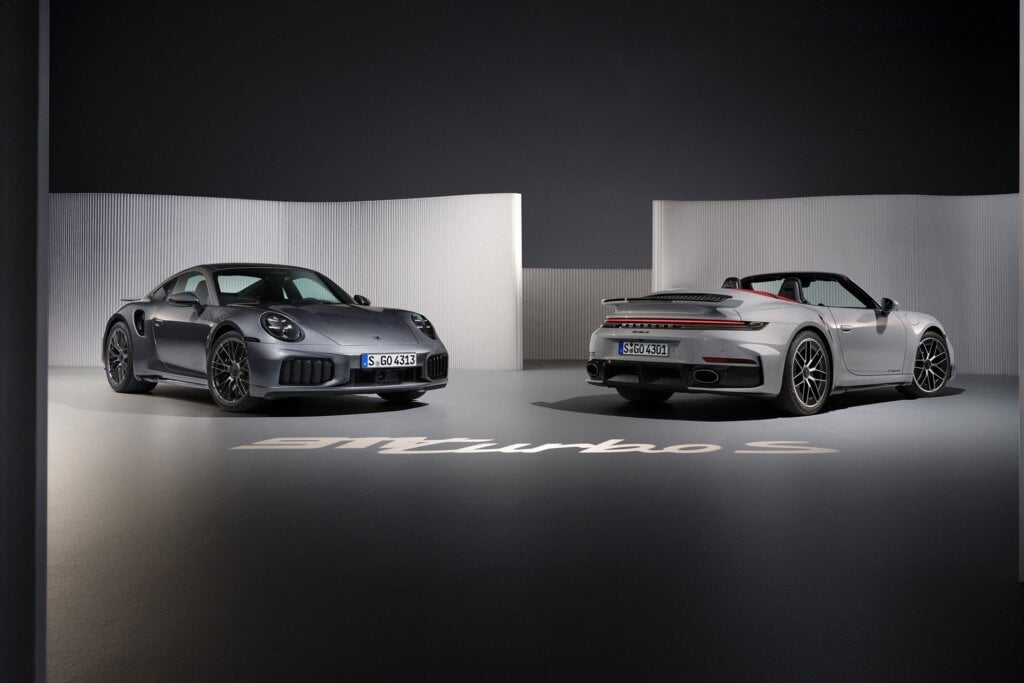
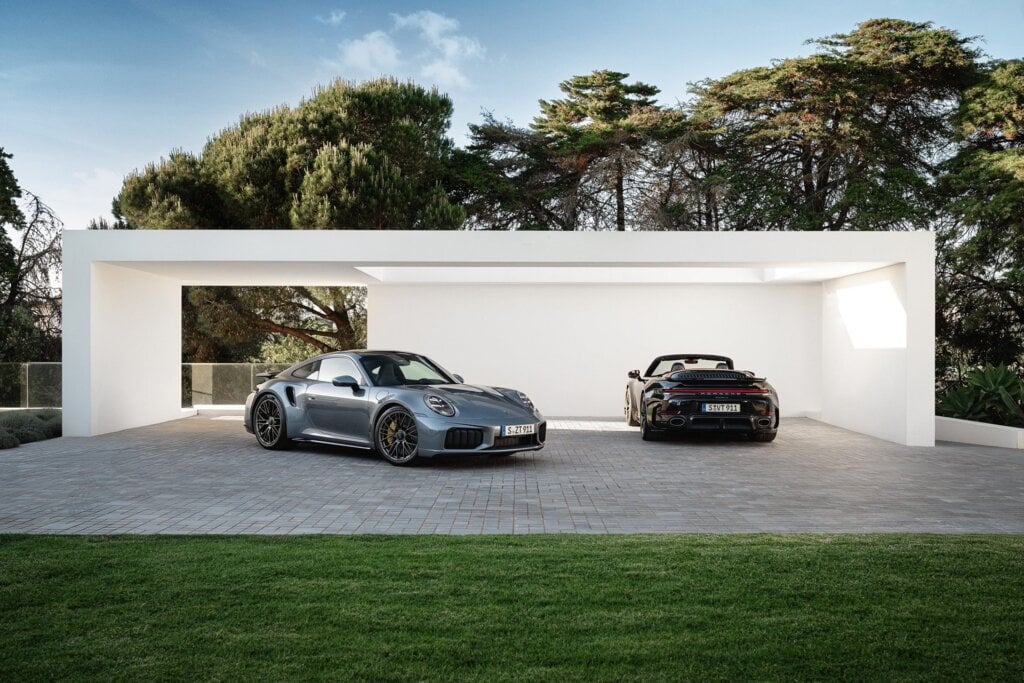
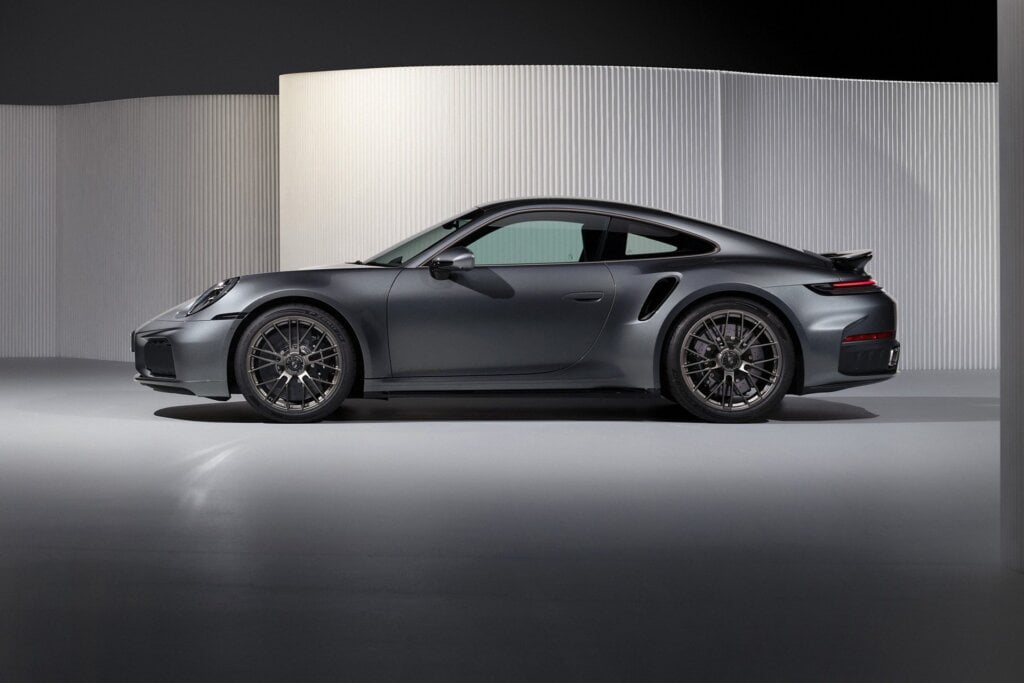
Porsche has unveiled the new 911 Turbo S at the IAA Mobility motor show in Munich. Featuring a twin-turbo T-Hybrid powertrain, the model delivers 523kW, making it the most powerful production 911 to date. Available as both Coupe and Cabriolet, they may be ordered now, with first deliveries expected in Q2 of 2026.
Enhanced Powertrain and Performance
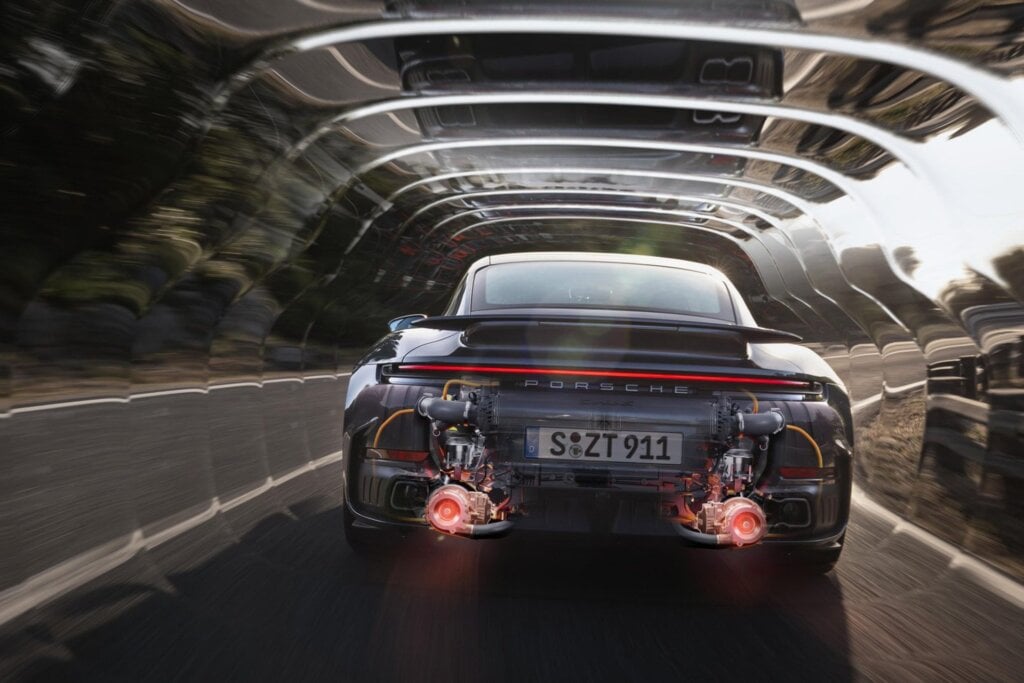
The T-Hybrid system uses two electric exhaust gas turbochargers (eTurbos) and a motor within the transmission. There’s also a compact 1.9 kWh high-voltage battery, working alongside an eight-speed PDK gearbox and Porsche Traction Management all-wheel drive. The result is 800Nm of torque between 2300 and 6000 rpm, with maximum power accessible from 6500 to 7000 rpm. This is a 45kW hike over its predecessor. An in-transmission motor adds 53kW of power.
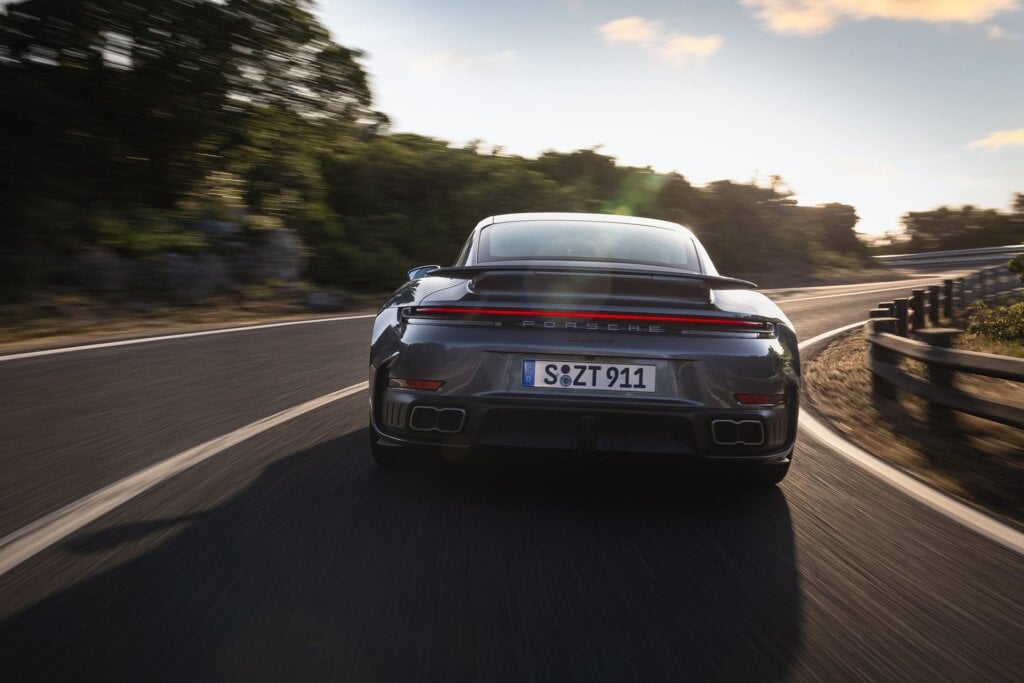
Acceleration improves, with 0–100 km/h reached in a claimed 2.4sec using launch control (0.2sec improvement on its forebear). It manages 200km/h in 8.4 seconds. The top speed is a stated 322km/h. With hybrid components, the latest Turbo S is 85kg heavier than before. On the Nürburgring, it completes a lap in 7:03.92 minutes. That’s 14 seconds quicker than its predecessor.
Chassis
Porsche has optimized the supporting systems to match the increased performance. The new tyre set-up features 325/30 ZR 21 on the rear axle, 10mm wider than before, and 255/35 ZR 20 at the front. These provide improved dry handling while maintaining wet weather performance.
The Porsche Ceramic Composite Brake system (PCCB) is fitted as standard, now with new pads and increased rear brake disc diameter (410mm, up from 390 mm). Front discs measure 420mm, making this the largest PCCB system fitted to a two-door Porsche. The new system evidently enhances braking performance and pedal feel.
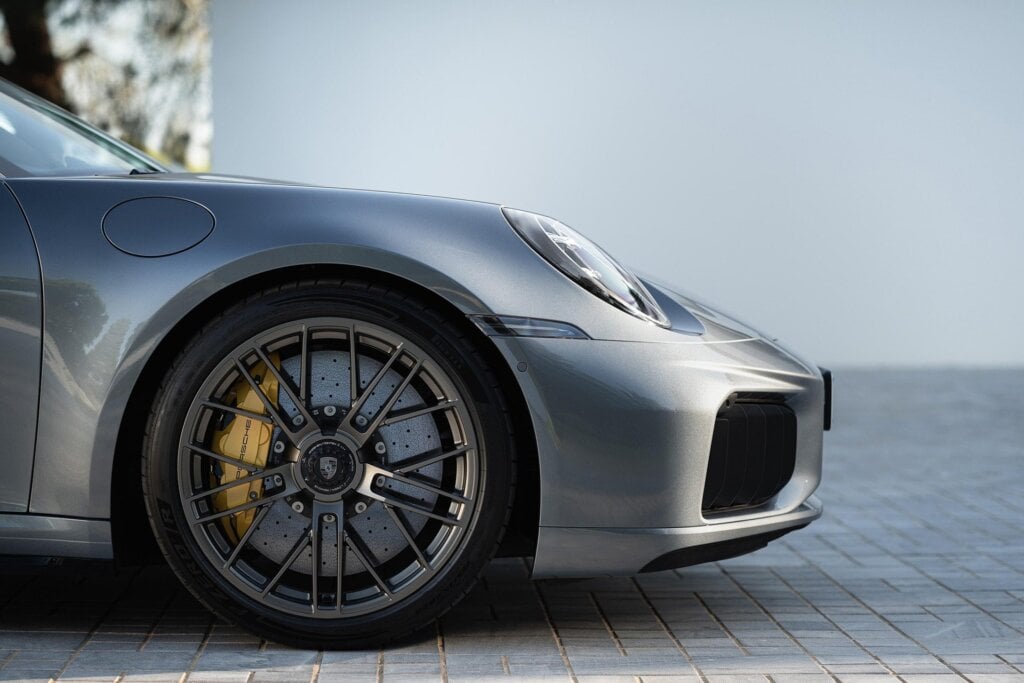
The 400V architecture enables electro-hydraulically controlled Porsche Dynamic Chassis Control (ehPDCC) as standard. This system reduces body roll, improves agility, and contributes to both comfort and stability. A faster-acting optional lift system for the front axle is also available.
Read our 911 Carrera GTS review.
Aerodynamics and Sound
The new aerodynamic kit incorporates active cooling flaps, an adaptive front diffuser, a variable front spoiler, and an extendable rear wing. These elements work together to balance cooling, drag, and downforce. The drag coefficient reduces by 10 percent in the most efficient configuration, while wet braking performance improves by shielding the front discs from spray.
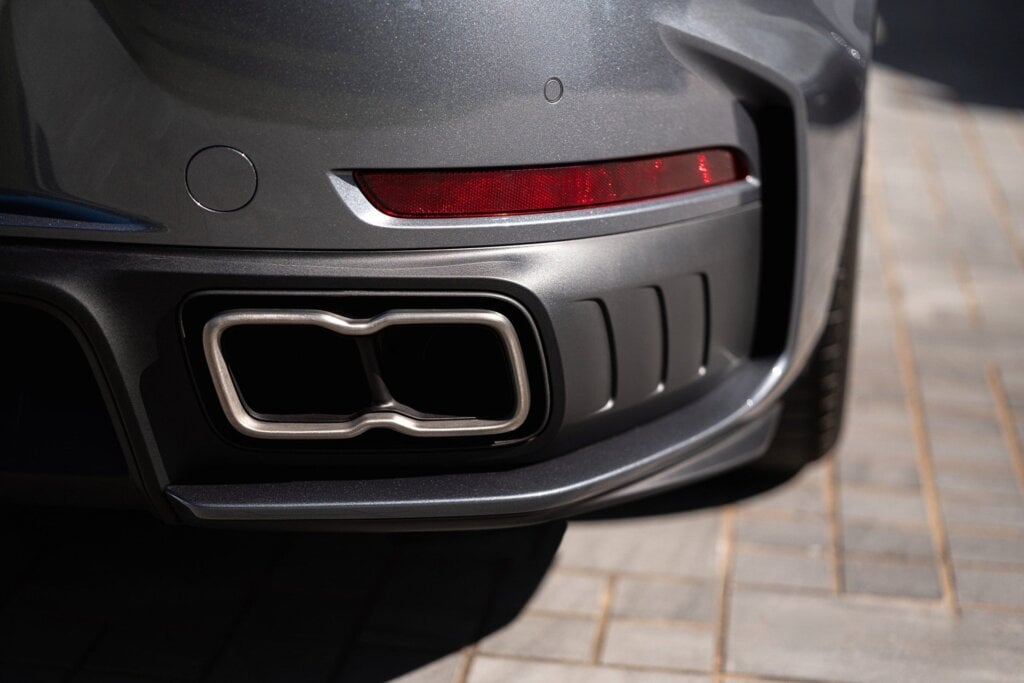
A standard titanium sports exhaust system reduces overall weight by 6.8kg and the tune is specific for the Turbo S, adding a sharper and throatier sound. Internal engine modifications, including asymmetrical valve timing, further aid with mechanical noise.
Design and Interior
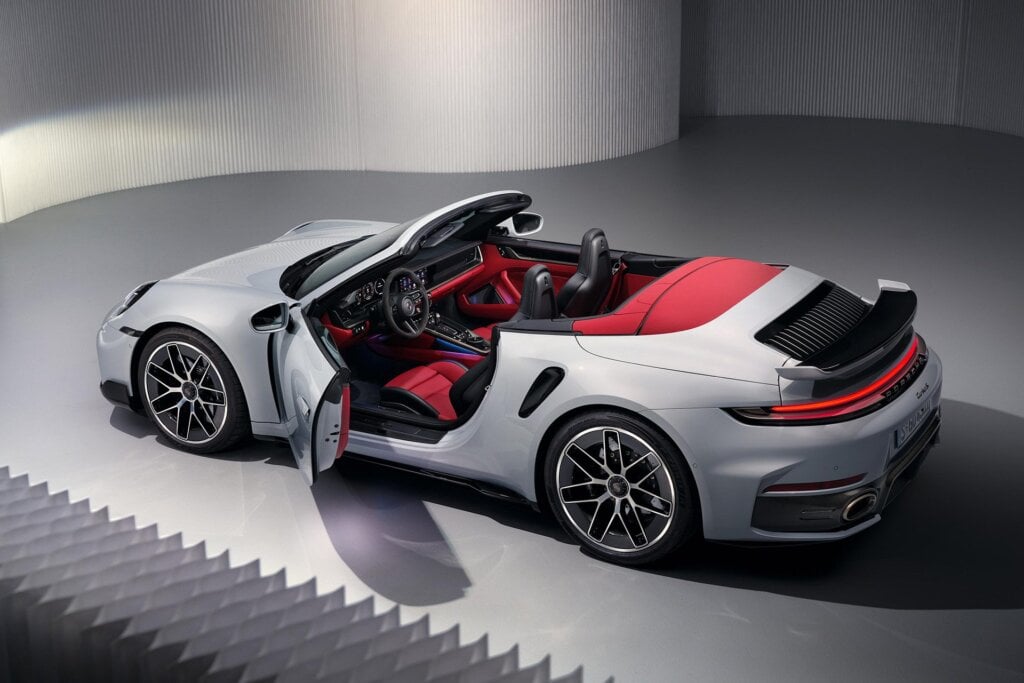
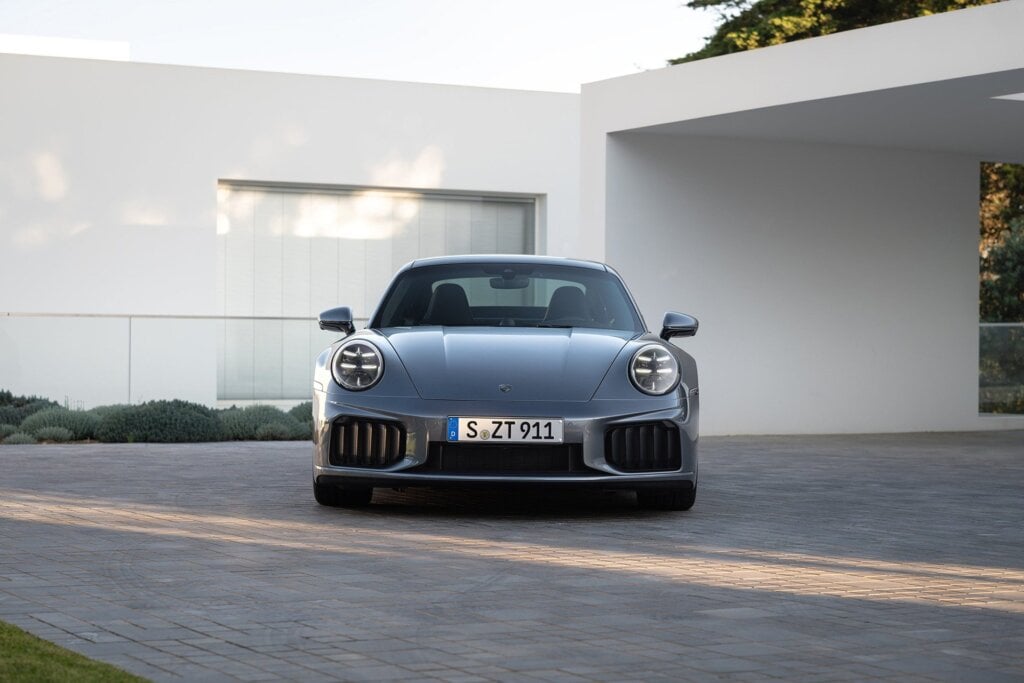
The Turbo S introduces Porsche’s cross-series turbo design, with exclusive Turbonite accents applied to the crest, rear lettering, window strips, and wheel designs. The body is wider than that of the Carrera models, with reworked rear fascia and larger air intakes emphasizing its stance. Titanium exhaust tailpipes and new pearl structure above the taillight strip reinforce its special identity.
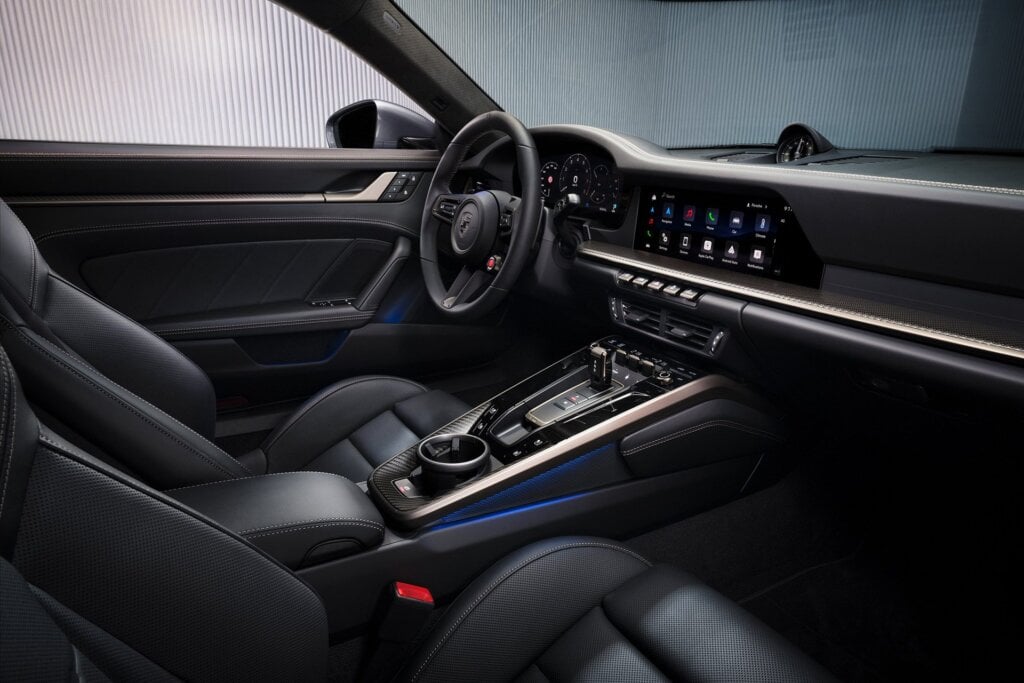
Inside, Turbonite highlights continue across the steering wheel, dashboard, and seat detailing. A perforated microfibre headliner, carbon trim strips, and neodyme accents are new options. Standard equipment includes HD Matrix LED headlights, PASM suspension, ehPDCC, titanium exhaust, and Adaptive 18-way Sports Seats Plus with Turbo S embossing. Cabriolet models retain a 2+2 seating layout, while coupés may be fitted with optional lightweight bucket seats from the 911 GT3.
Customisation and Options
Customers can further personalise their cars through Porsche Exclusive Manufaktur. Options include Paint to Sample with more than 100 colors, carbon lightweight roof, Exclusive Design wheels, carbon rear intakes, and even carbon wiper arms. Interior customisation covers bespoke stitching, embossing, and painted vehicle keys.
Availability and Pricing
The 911 Turbo S is available to order now. In New Zealand, pricing starts at $525,500 for the Coupé and $539,800 for the Cabriolet.