GM’s V8 legacy alive and well
Words: Andrew Sluys | Photos: GMSV
The V8 is a favourite of Chevrolet buyers locally, which is a good thing, as that’s the only engine offered here. We sample the differences in Australia.
The V8 engine has been part of General Motors’ DNA for a long time. I don’t think it’s too much of a stretch to suggest most V8-powered vehicles in New Zealand wear a bow tie or Holden badge, although the Blue Oval faithful might disagree.
For obvious reasons, the GM V8s landing in New Zealand these days look rather different from those of old. They’re no longer built across the ditch, but still carry the no-nonsense attitude that has resonated with Kiwi buyers for decades. The fact GMSV’s entire local line-up is V8-powered in 2026 is remarkable, with almost every other brand scrambling to improve fuel efficiency. It’s a commitment to enthusiasts I can get behind, and the reason I couldn’t say yes quickly enough when invited to an event showcasing the current range.
A tale of three V8s
While the General Motors Specialty Vehicles line-up in New Zealand consists of seven vehicles, it’s easier to distinguish them by the V8 engines they use.
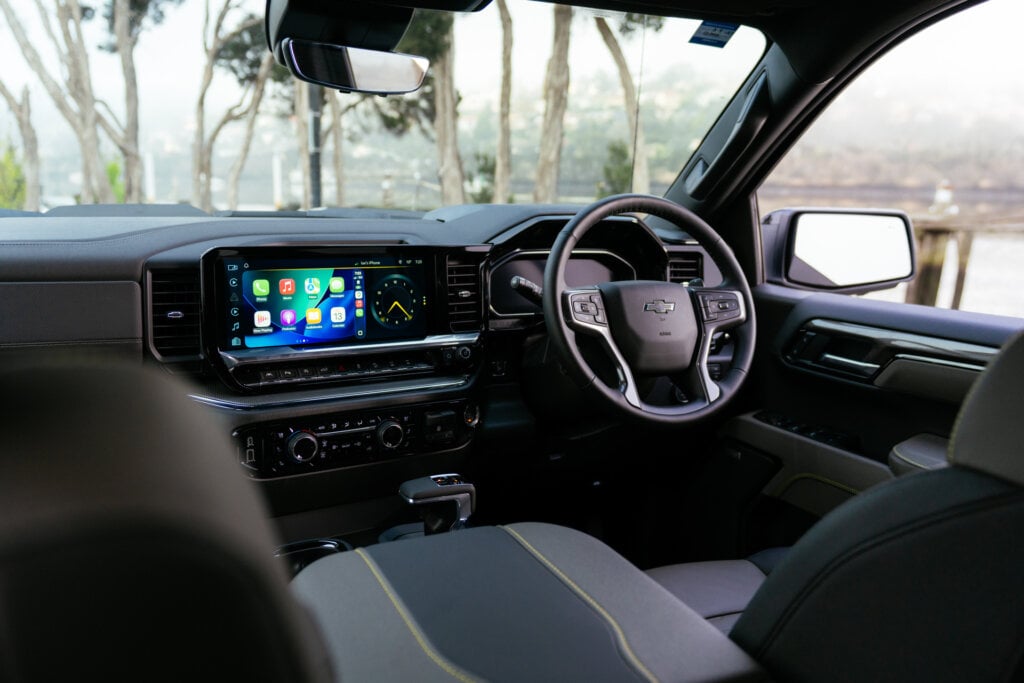
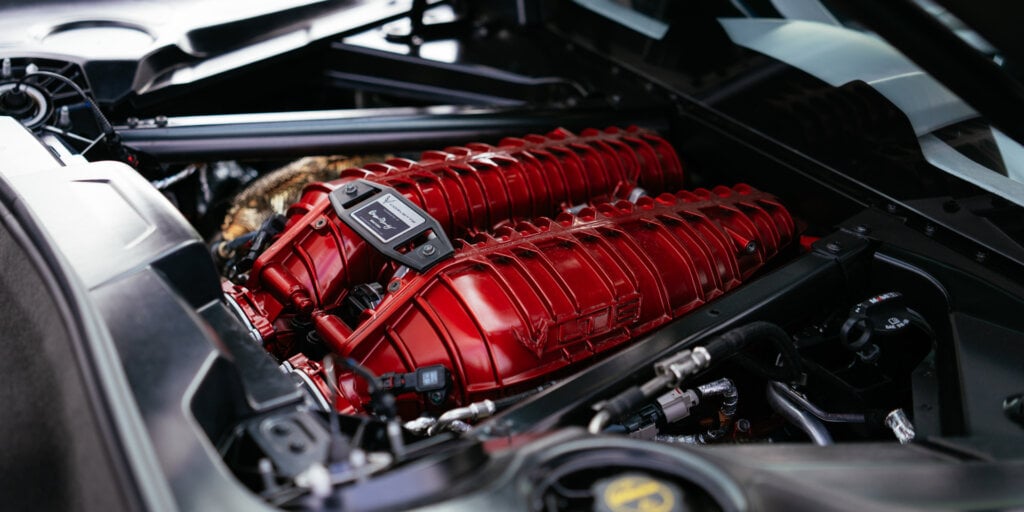
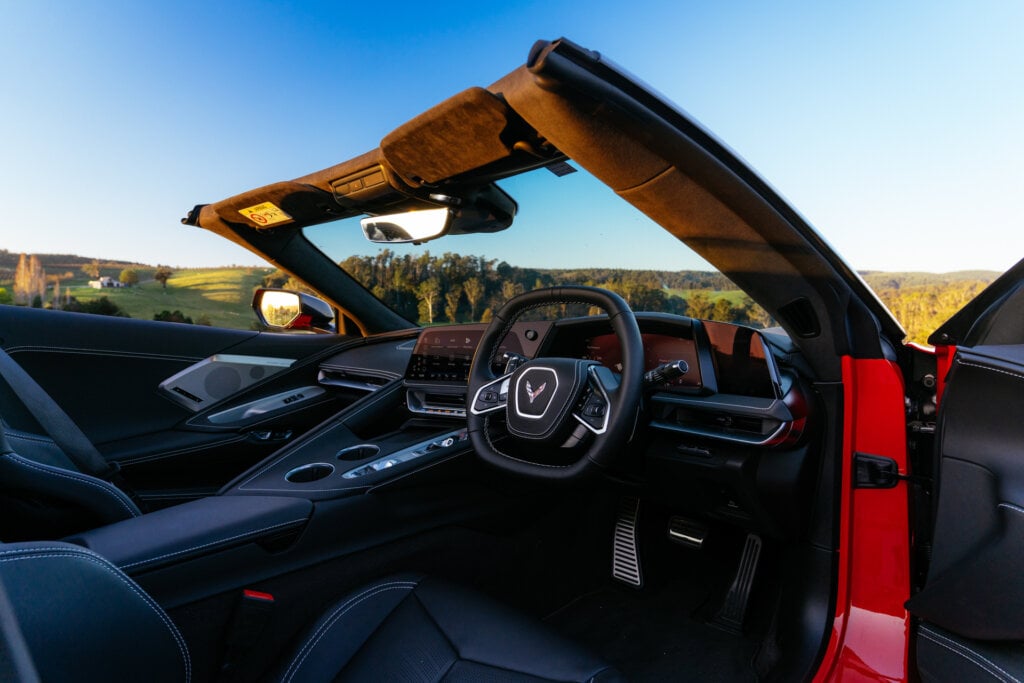
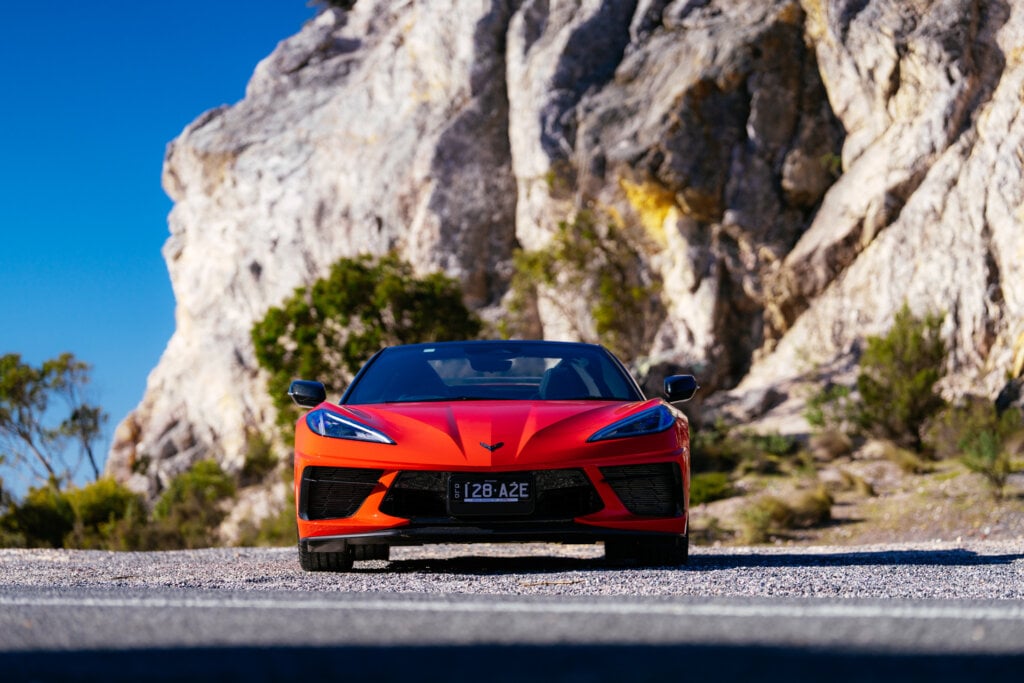
The workhorse is the L86, a 6.2-litre V8 powering the Chevrolet Silverado and GMC Yukon Denali. Without forced induction, it produces a healthy 313kW and 624Nm. Then there’s the LT2 in the Corvette Stingray. It shares the L86’s displacement but prioritises performance over hauling ability. A key practical difference is its dry-sump lubrication system, whereas the L86 uses a traditional wet sump. The LT2 pumps out 369kW and 637Nm, allowing the Corvette to reach 100km/h in 3.4 seconds. It also powers the Corvette E-Ray, where it’s paired with an electric motor on the front axle. This all-wheel-drive combination produces 488kW and 806Nm, cutting the 0–100km/h time to 2.9 seconds. Though Americans love to tell you there’s no replacement for displacement, the smallest V8 in the range sits atop the family tree in New Zealand. That’s the Corvette Z06’s 5.5-litre LT6. Its highlight is a flat-plane crank that helps it rev to a spine-tingling 8600rpm, producing 475kW and 595Nm along the way. These engines are just the beginning of GMSV’s appeal, and we were on a mission to explore what else the range could offer.
Raptor who?
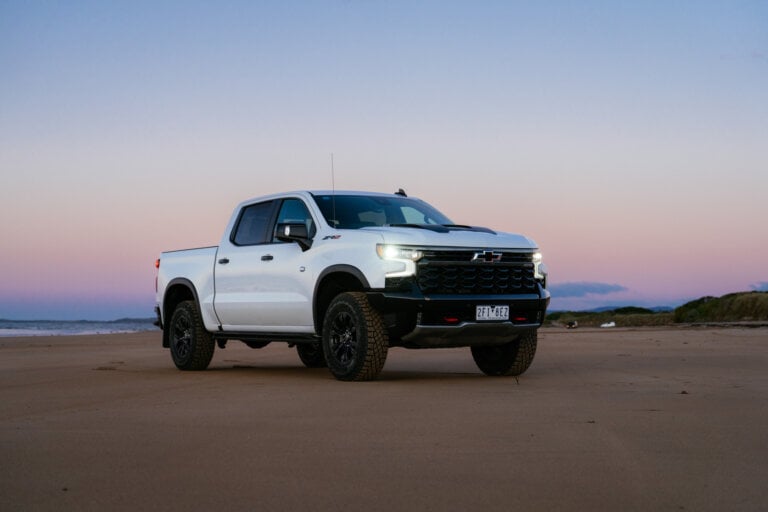
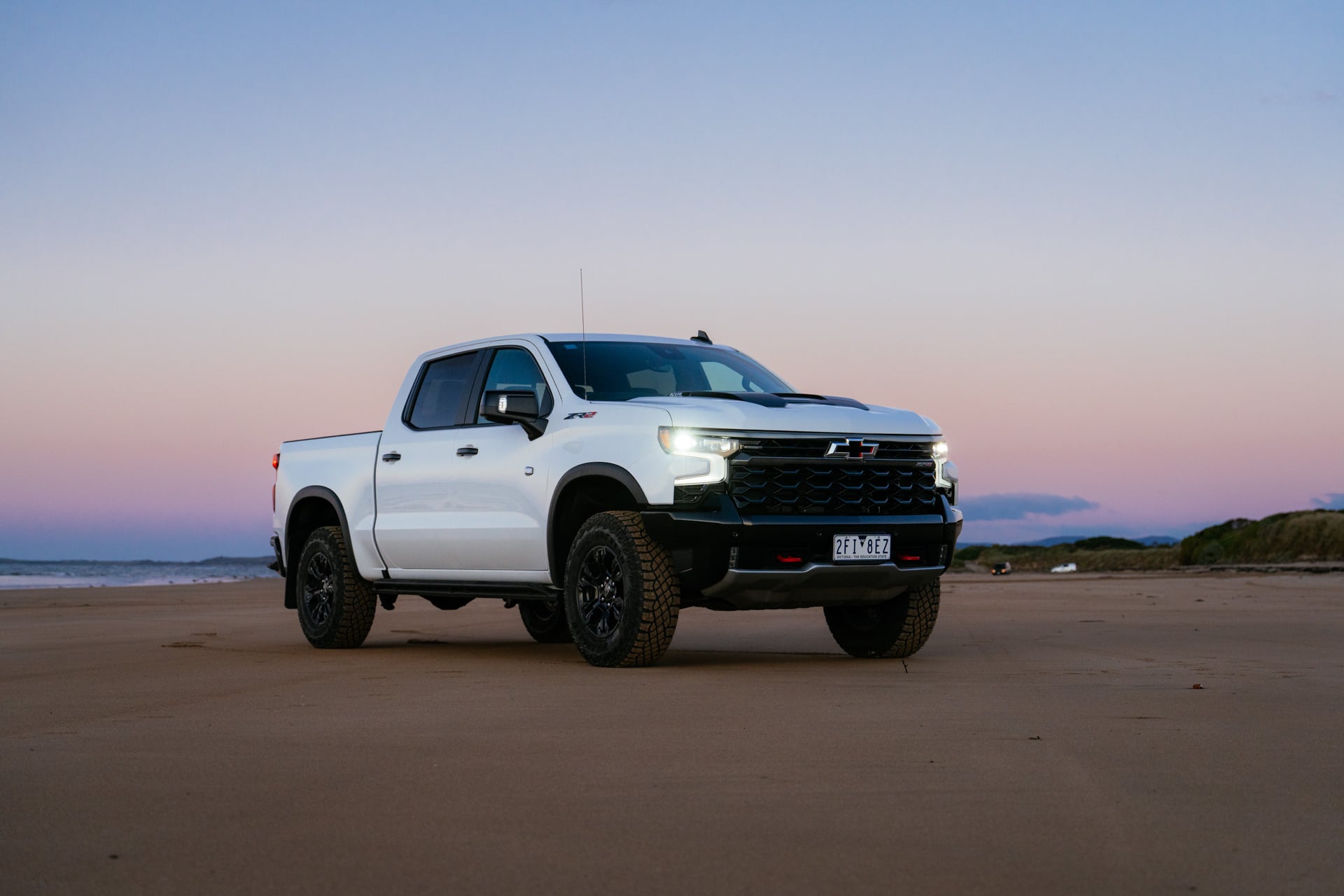
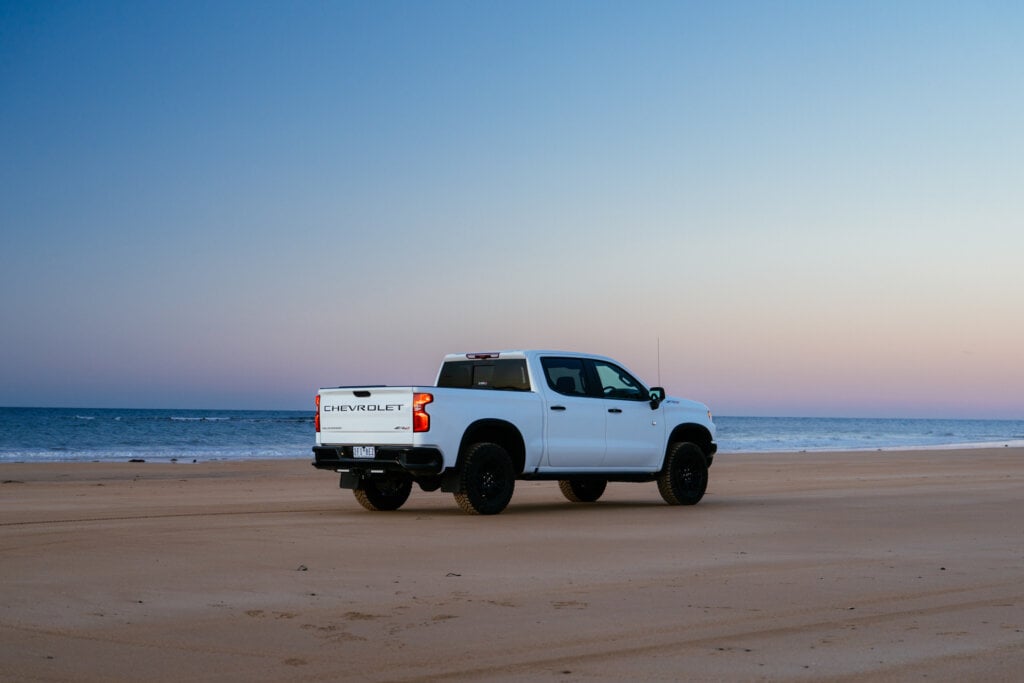
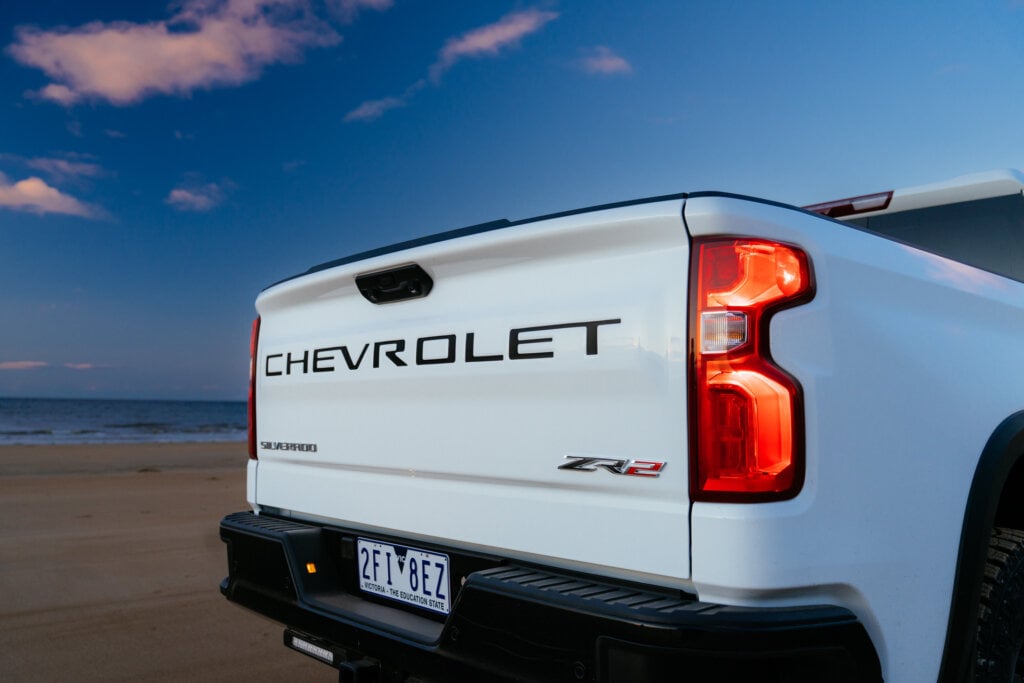
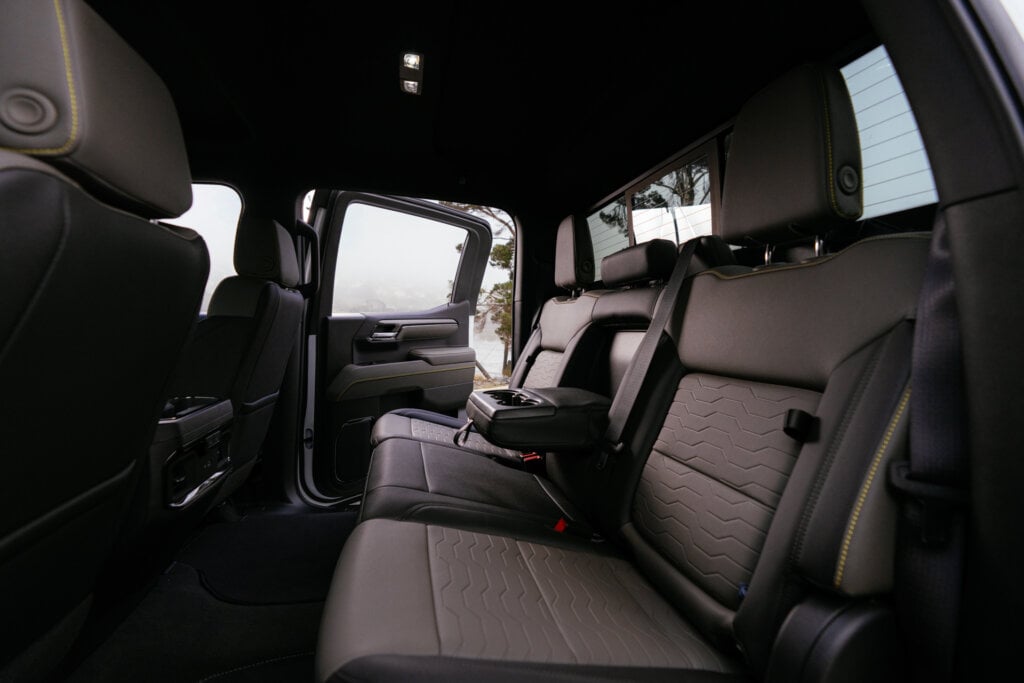
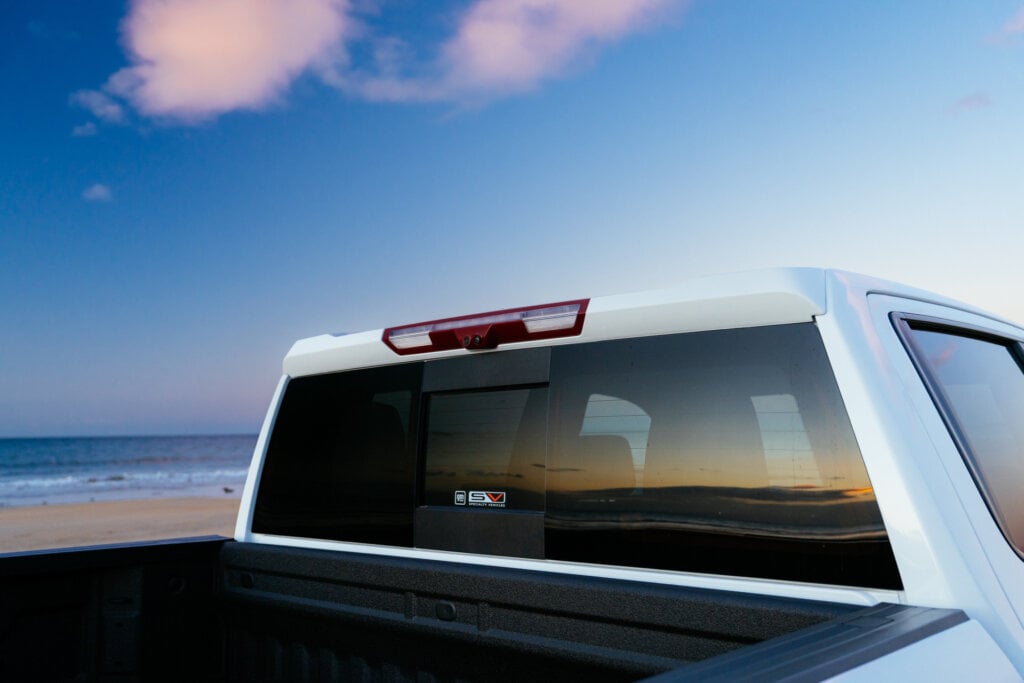
Short of the 2500 HD, the ZR2 is arguably the kingpin of the Silverado range. It’s the most extreme off-road version of the truck, with just about all the hardware you could want. The V8 provides more than enough grunt, but that’s only half the ZR2’s performance equation. The suspension supplies the rest.
Alongside a 70mm lift over the more road-focused Silverado, the Multimatic DSSV dampers are the stars here. These high-tech shocks use spool valves in place of traditional metal shims to manage oil flow and control the truck’s movements. The dampers’ behaviour over rough terrain was explained to me using a boating analogy. At low speeds, they feel quite stiff, prioritising ground clearance, much like a boat sitting below its bow wave. Above 60km/h, the response becomes more forgiving, allowing the truck to cover rough ground faster, rather like a boat getting up on the plane.
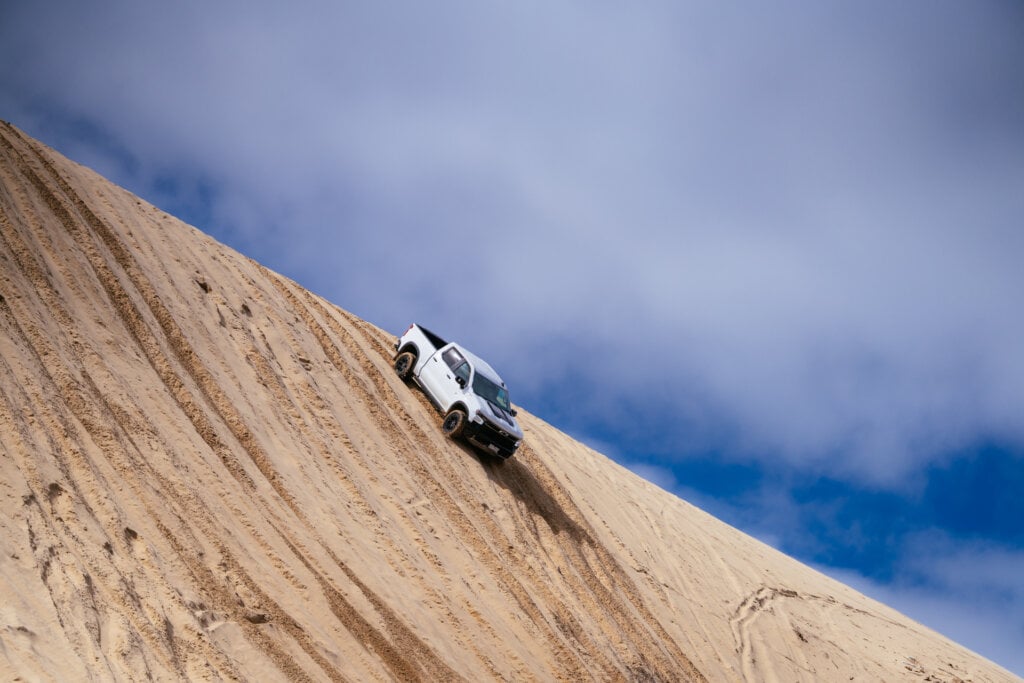
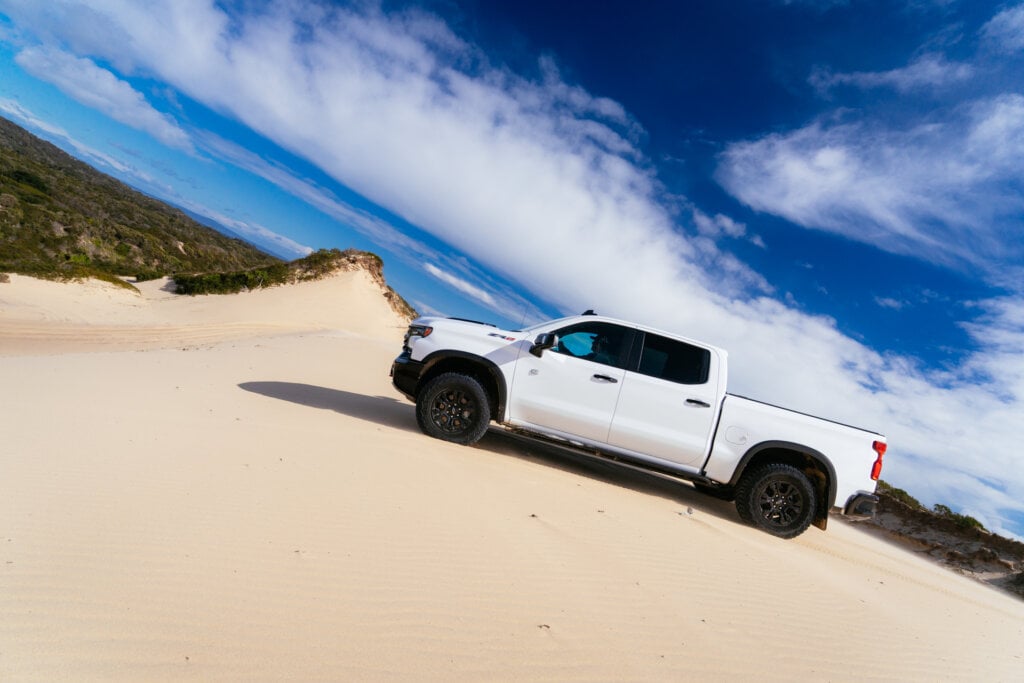
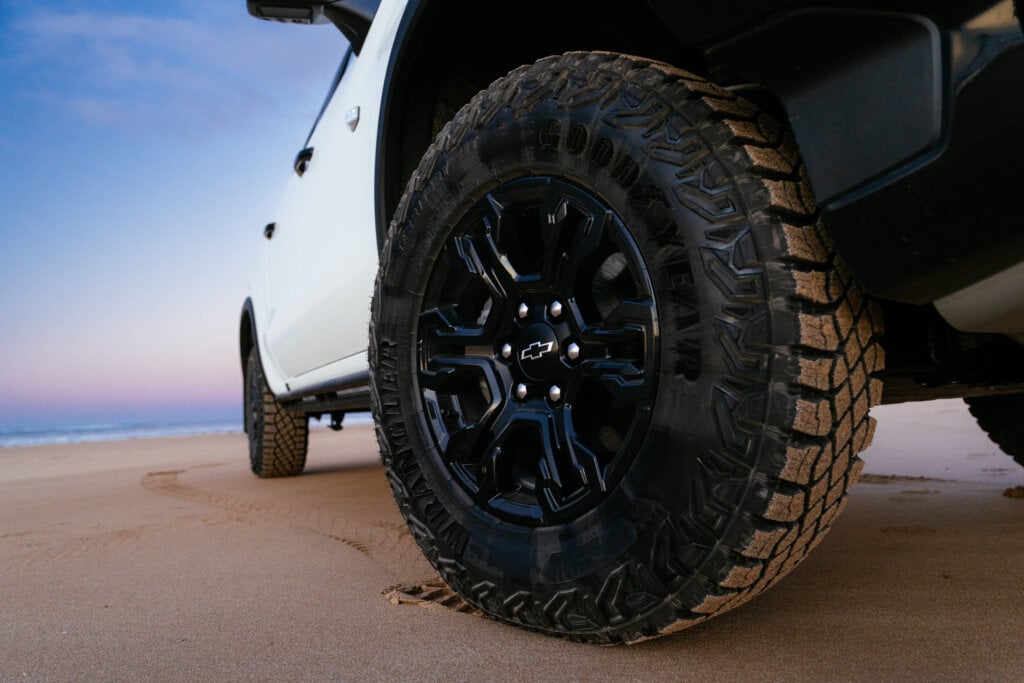
To try this for ourselves, we headed to a beach on Tasmania’s northern coast. After dropping the pressures in the Goodyear mud tyres, we set off towards the dunes. The Ford Ranger Raptor might be the most popular high-speed off-roader in our part of the world, but it’s hard not to get behind the ZR2 after experiencing it in this environment. The V8’s gruff soundtrack, paired with the Silverado’s ability to shrug off tough terrain, would leave even the grumpiest driver grinning from ear to ear. Whether spinning through soft sand, navigating rocky outcrops or climbing imposing dunes, the ZR2 took everything in its stride.
Naturally, there’s a fuel-economy catch. Working a 6.2-litre V8 hard for hours will chew through petrol. We averaged around 20L/100km on the sand, which seemed reasonable on the smiles-per-litre scale.
Performance precision
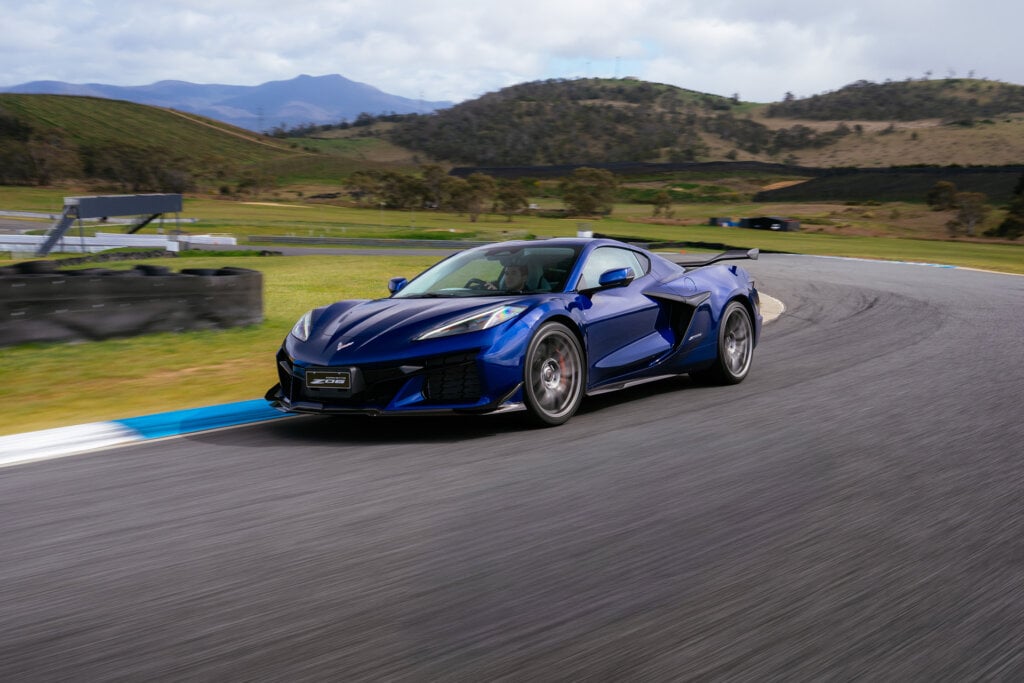
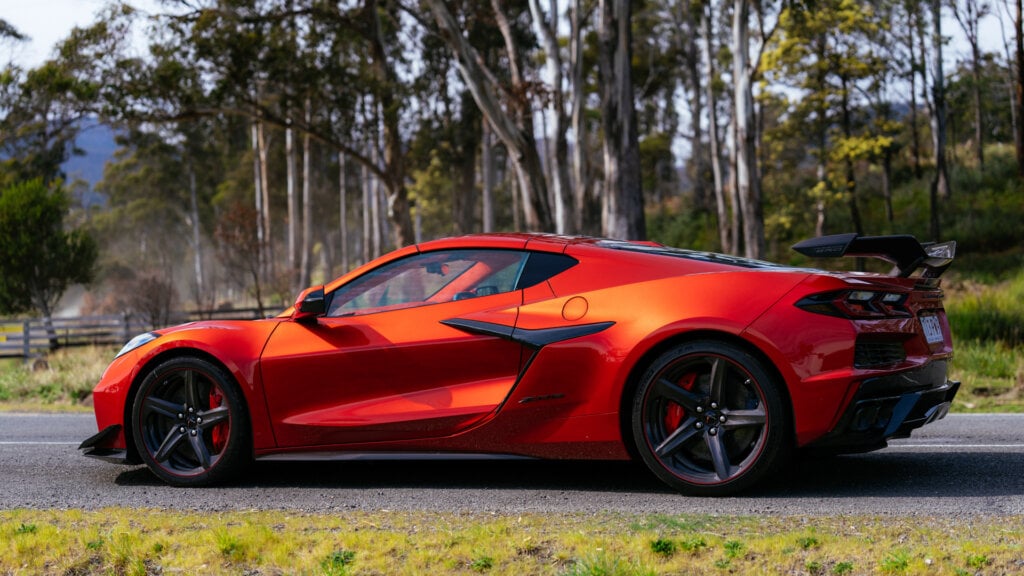
If driving the Silverado ZR2 felt like taking a sledgehammer to a driving range, the Corvette Z06 was the expensive carbon-fibre driver. It also has a naturally aspirated V8, but the character couldn’t be more different. The flat-plane engine revs faster and higher, with an entirely different soundtrack. Where the 6.2 has a gravelly tone, the 5.5-litre sounds like a highly strung European supercar, with hints of Ferrari V8.
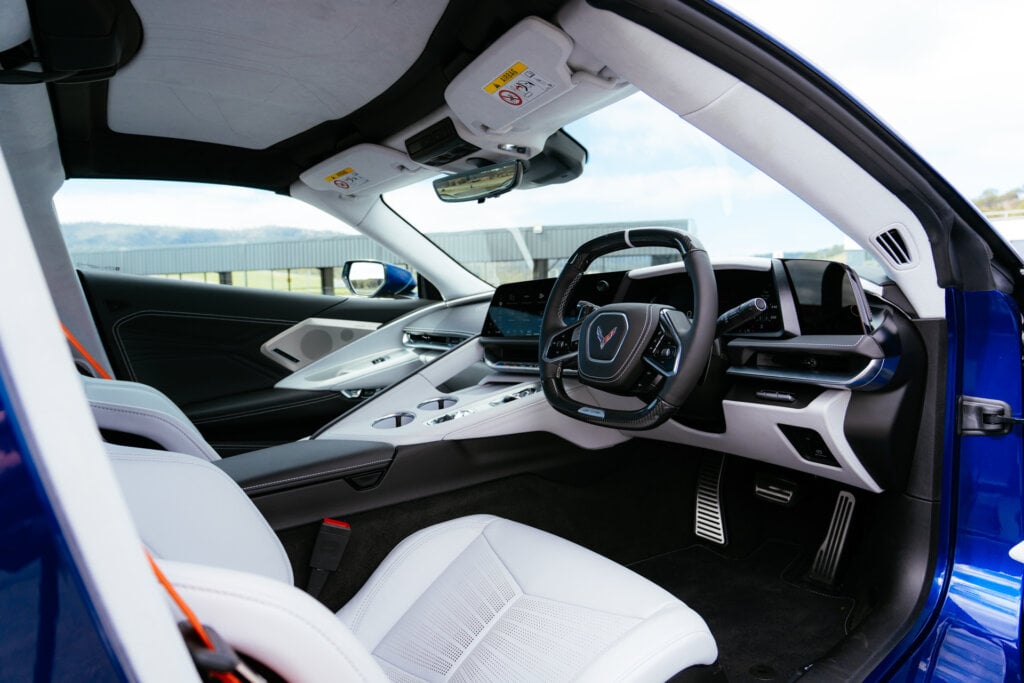
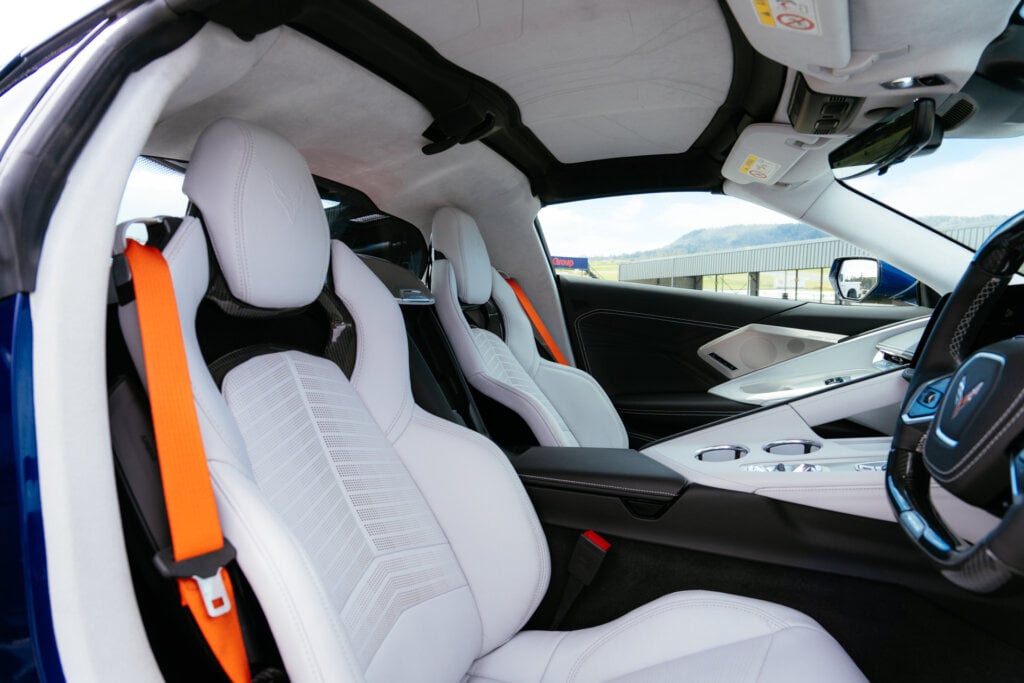
I wouldn’t put it on quite the same level as those glorious Italian engines, but it sounds more refined than anything else in the Chevrolet stable. If the styling and flat-plane V8 aren’t enough to establish the Z06’s supercar credentials, its performance should be. Chevrolet claims a blistering 0–100km/h time of three seconds, although the Z06’s real focus is on cutting lap times. The imposing carbon-fibre aero gives a strong hint of those intentions.
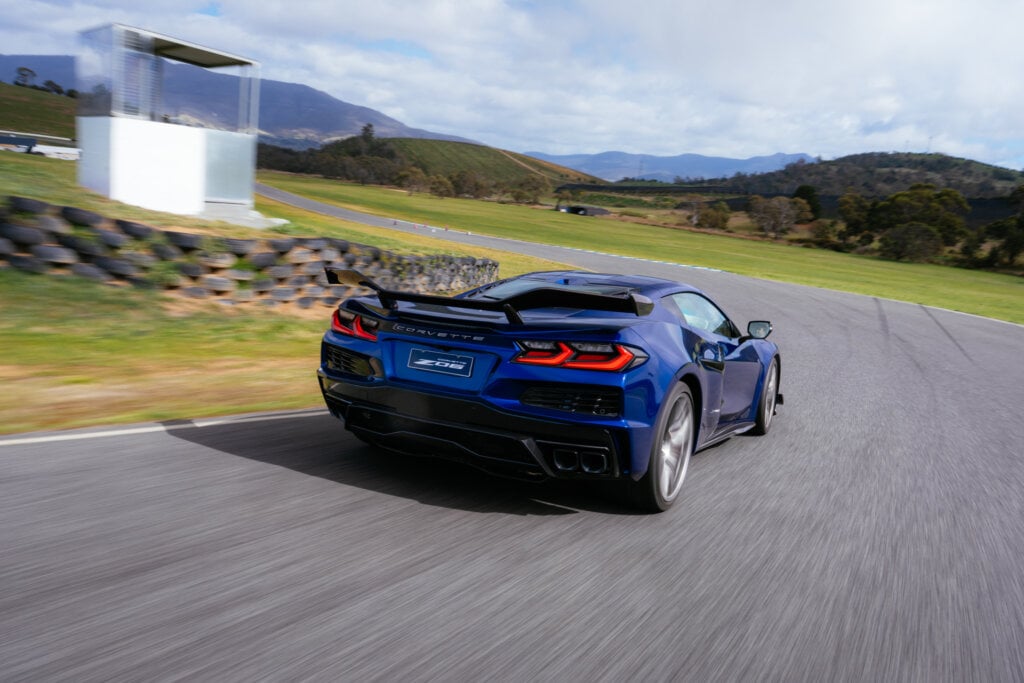
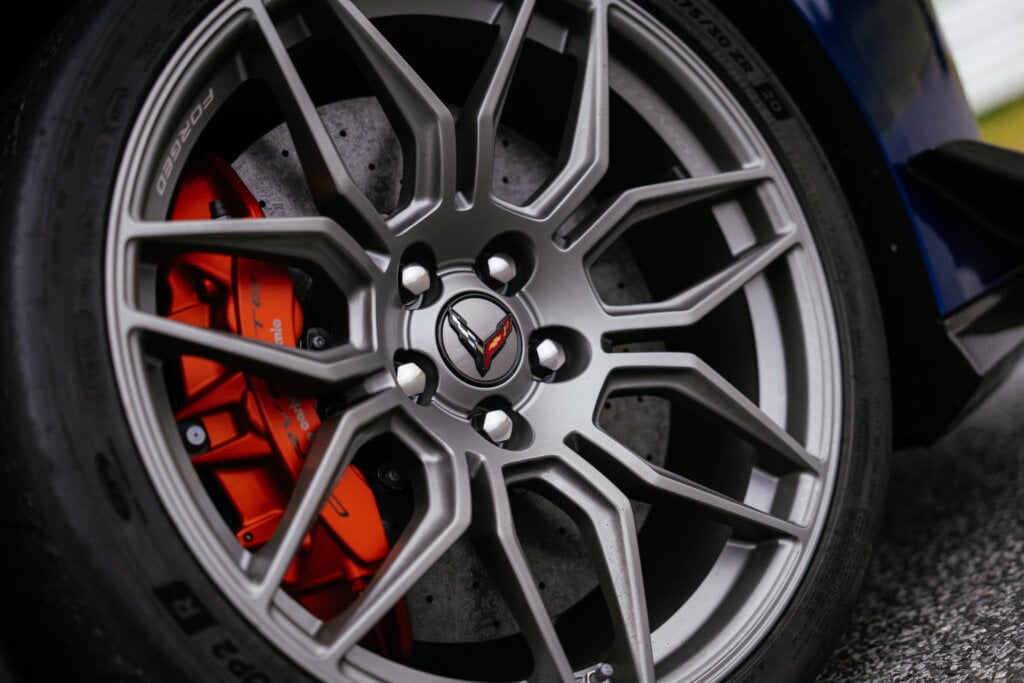
On track, I was struck by the steering’s precision. The Z06 darts into corners without hesitation or a whiff of understeer. The rear has a harder time holding on if you get on the throttle early, but the traction systems do a stellar job of keeping things in check. Our cars had the optional Z07 performance package, which includes carbon-ceramic brakes, more track-focused suspension and Michelin Pilot Sport Cup 2 R tyres. Together, they deliver immense braking ability, allowing you to scrub off speed before a corner with a reassuring sense of control.
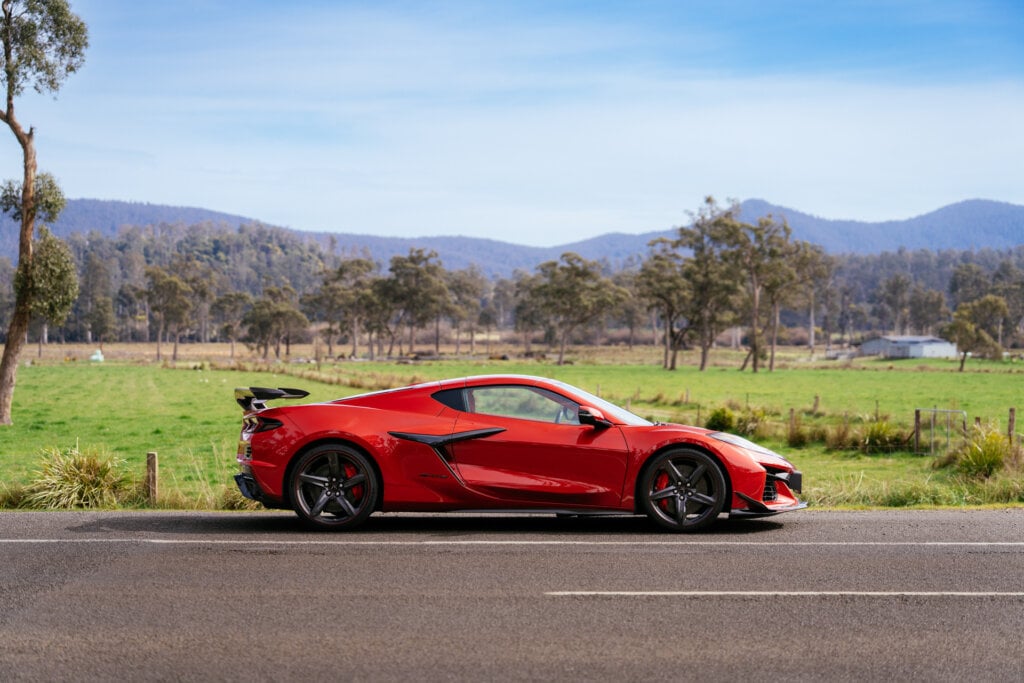
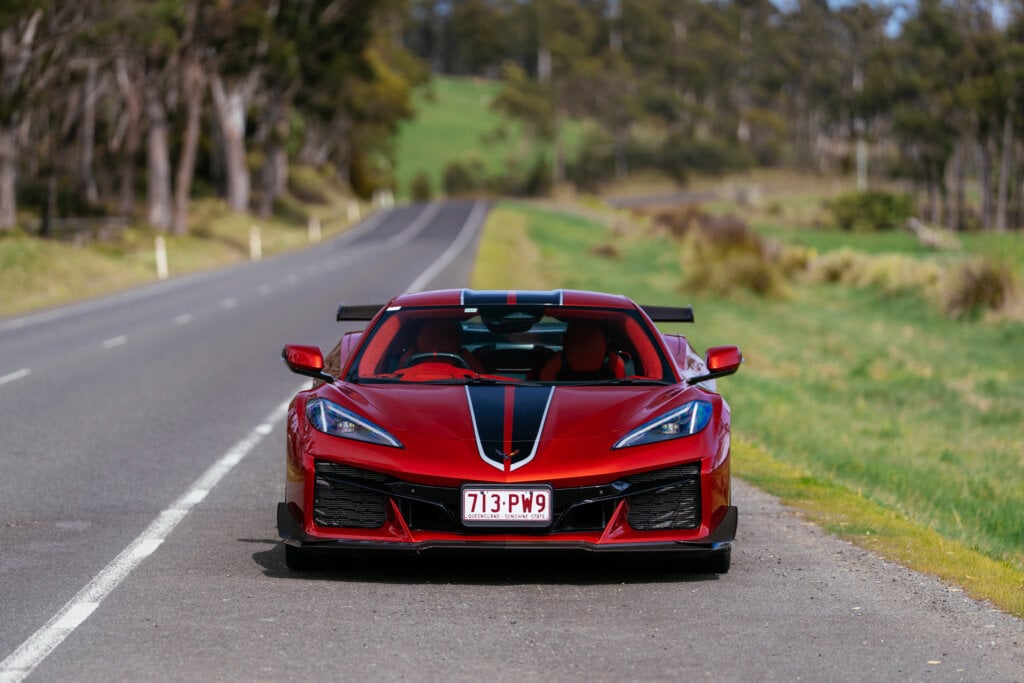
Away from the track, we also had a chance to sample the Z06 on the road. I’d expected it to be too harsh for everyday duties, but the ride impressed. It’s hardly supple, yet I could see myself spending a few hours behind the wheel without too much fatigue.
GMSV makes no secret of selling specialist vehicles in our part of the world. With even its cheapest model well into six figures, and fuel economy low on the list of attractions, ownership requires a commitment to the V8 lifestyle.
Still, there’s something appealing about vehicles so single-minded in their pursuit of thrills, whether on the tarmac or well off the beaten track.
This article first appeared in the October 2026 issue of NZ Autocar magazine.