Record numbers are taking vehicle traders to the Disputes Tribunal
Auto Trader
If you’ve bought a car that turned out to be a lemon, the Motor Vehicle Disputes Tribunal is the place where disputes between buyers and traders get sorted. It sits between the informal Disputes Tribunal and the full District Court, and it deals specifically with cars bought from registered motor vehicle traders.
Recently, Kiwi car buyers have been turning to the Motor Vehicle Disputes Tribunal in record numbers, with new applications jumping 22 per cent in the past year.
The Tribunal received 716 applications in the year to 30 June 2025, up from 584 the year before. That’s also more than double the number it was handling a decade ago. The figures come from its annual report to the Minister of Commerce and Consumer Affairs.
EVs making cases more complex

The report says claims are becoming more technically complex, with electric vehicles flagged as a particular area where expert evidence is piling up.
One case involved a buyer who paid $71,778 for an imported Tesla Model X P100D with around 71,000km on the clock. Shortly after the purchase, the car developed faults and eventually became undriveable. The diagnosis was a failure of the high voltage battery pack, with a replacement quote of just over $59,000.
The Tribunal allowed the buyer to reject the vehicle, but knocked back some of the extras they were chasing, including window tinting, ferry costs, storage fees and the loss of value on a second car they could not sell because they had to keep driving it.
Another case saw the buyer file more than 30 documents running over 200 pages, with claims ranging from whether they had been pressured into signing a second sale agreement to whether the trader had misled them about the vehicle’s range and battery health. After all that, the buyer walked away with $750 for a towbar that had been agreed but never fitted.
Tourists vs Traders
The report highlights a recurring problem involving campervans sold to international tourists.
In one case a buyer paid $14,445 for a 2004 Toyota Alphard campervan to travel around New Zealand. The engine gave up near Te Anau after only 5,000km, leaving him stranded. The trader blamed his driving. The Tribunal disagreed and refunded the full purchase price, even though the buyer was no longer in New Zealand by the time of the hearing.
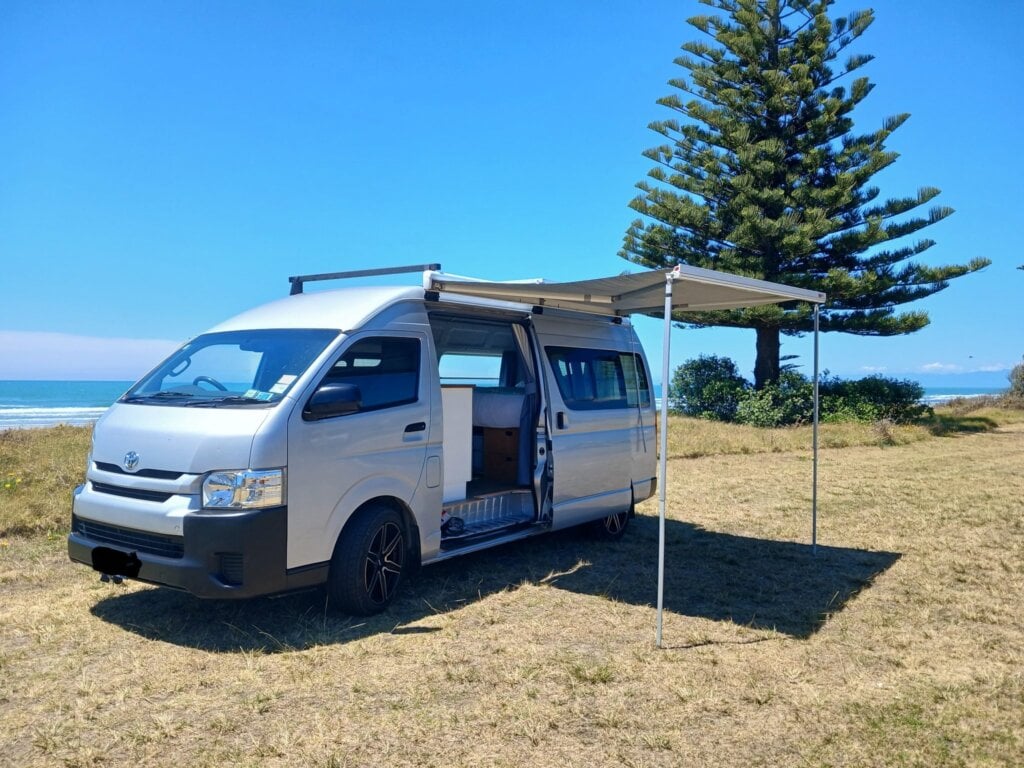
Another involved a converted Toyota Hiace with 241,000km on the clock. The buyer wanted to reject the campervan but kept using it for six weeks between filing her claim and the trader being served. The Tribunal ruled she had lost the right to reject the vehicle by continuing to use it. It ordered the trader to cover repairs including transport from Dunedin back to Auckland.
The damage trap
The Tribunal is urging buyers to understand one important rule. If a car is damaged after you buy it, even through no fault of your own, you can lose the right to reject it.
One buyer lost that right after their car was hit while parked on the roadside in the week before the hearing. Other buyers found themselves in a similar position after a crash that was not their fault. In both cases the underlying faults were serious enough to warrant rejection, but the damage meant the Tribunal ordered repairs or compensation instead.
It is a rough outcome, and one worth knowing if you are in possession of a car you deem faulty while waiting for a hearing date.
Know what you bought
Another case shows the other side of the coin. A buyer picked up a 2006 BMW 320i for $5,990 for their teenage son. Warning lights appeared early, the car was burning oil, and the buyer kept topping it up rather than getting it looked at properly. Months later the engine failed completely on the school run. An inspection revealed it contained just 200ml of oil.
The Tribunal dismissed the claim. The buyer could not prove the fault existed at the time of sale, and had ignored plenty of warning signs along the way.