View all
3 more images
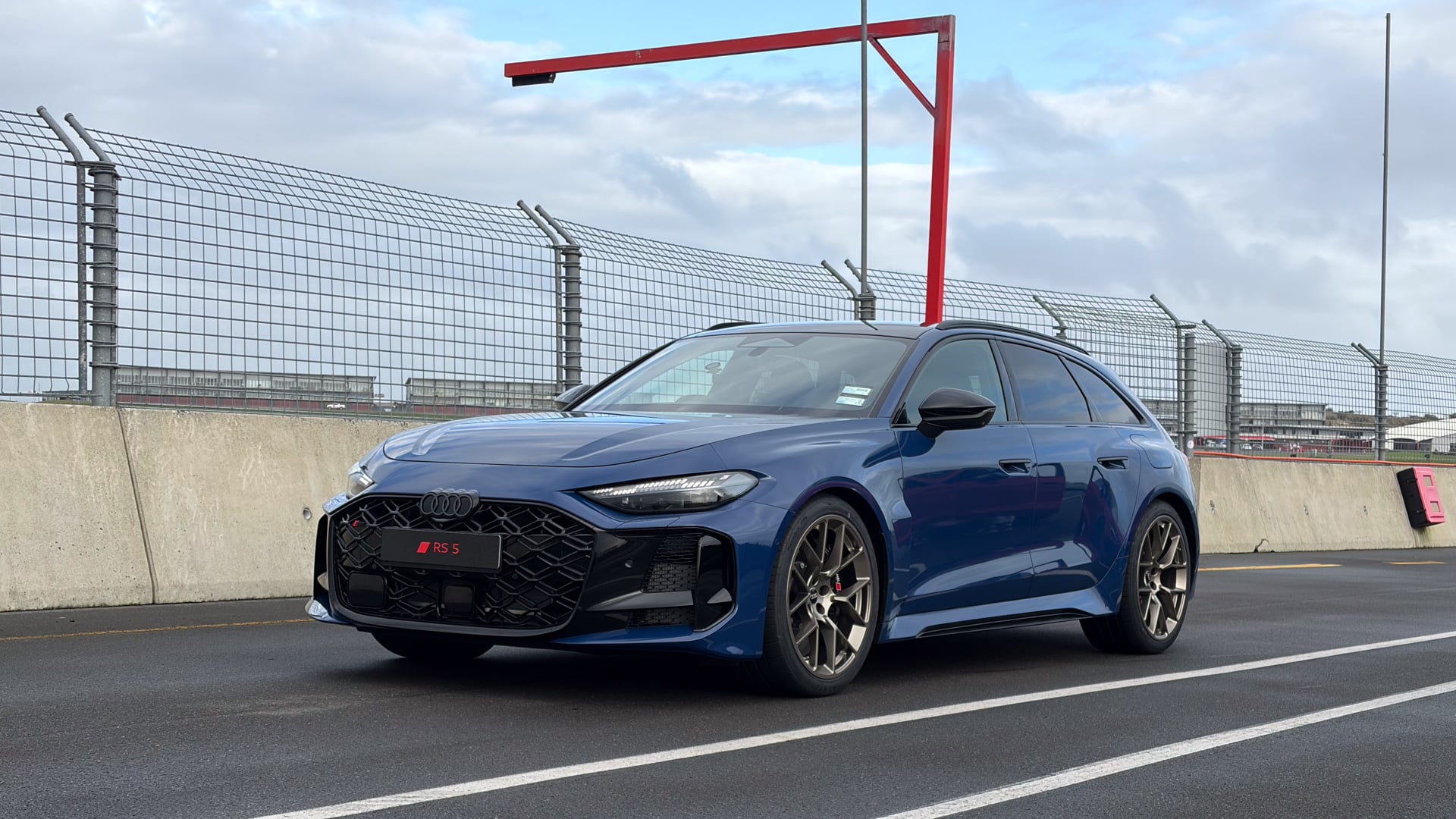
2026 Audi RS5 Avant Track Test: Performance with a Plug
Words: Andrew Sluys
Audi’s new RS5 is arguably the most anticipated performance car release of the year, and for good reason. The engineers over in Ingolstadt have taken everything they have learnt from years of building high-performance petrol engines, and paired this with a serious plug-in hybrid system. And it seems Kiwis can’t get enough of it, reportedly outselling its closest German rival almost two-to-one on the year to date.
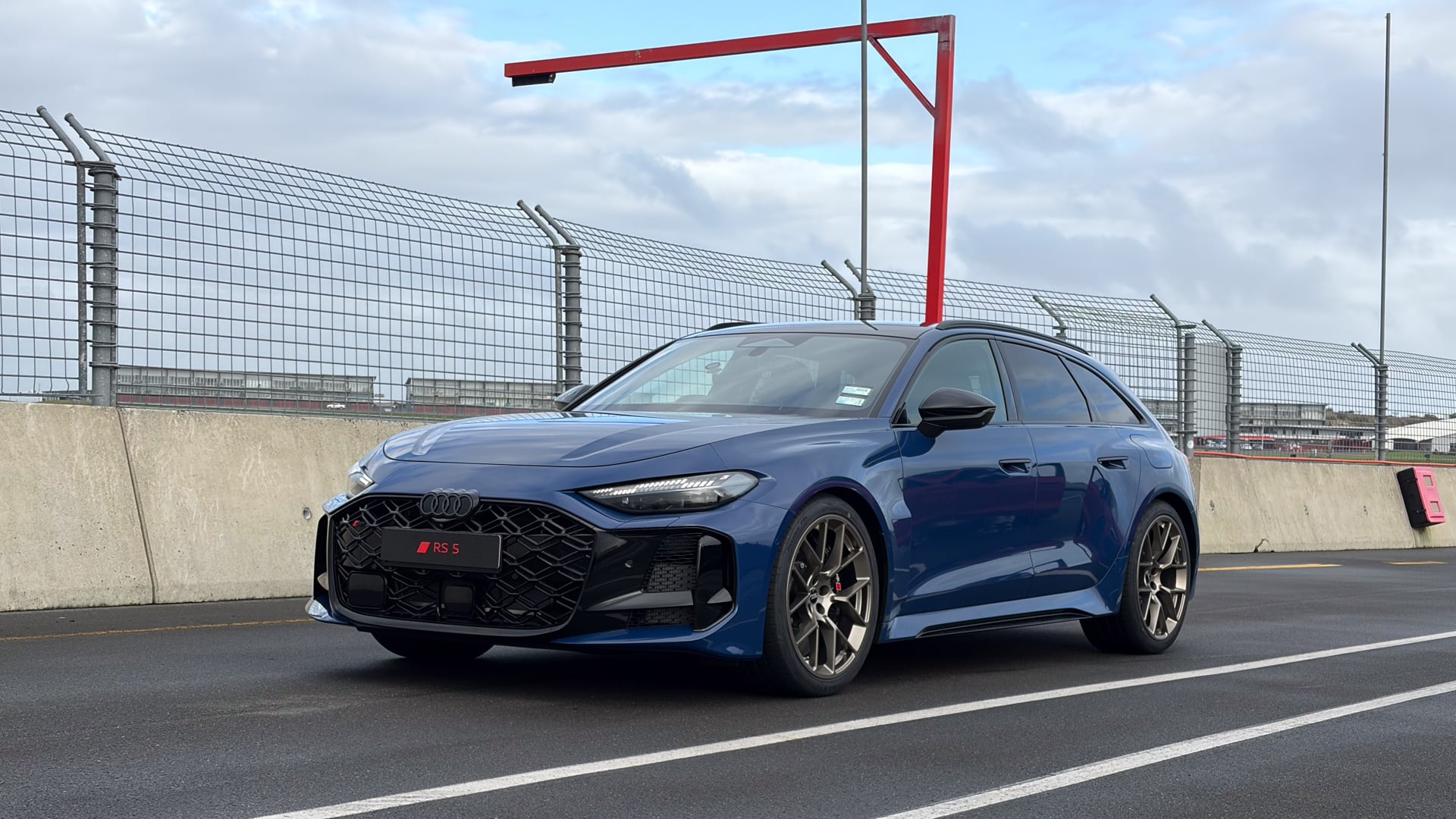
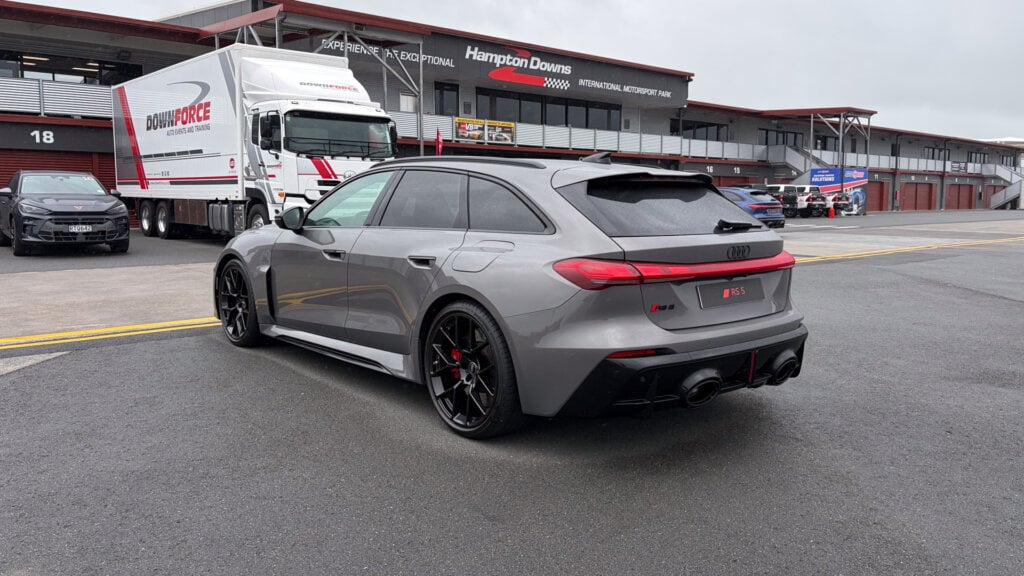
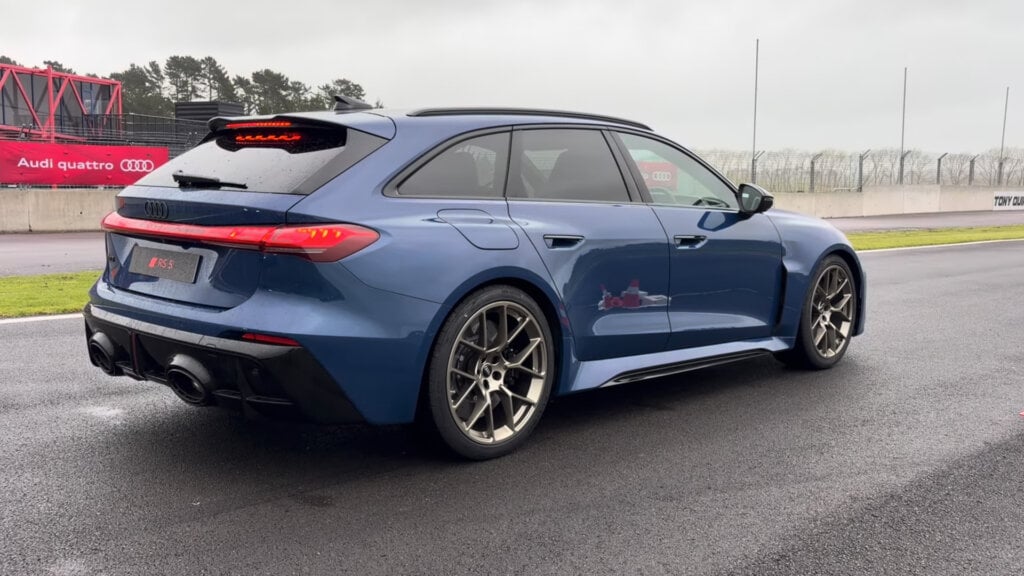
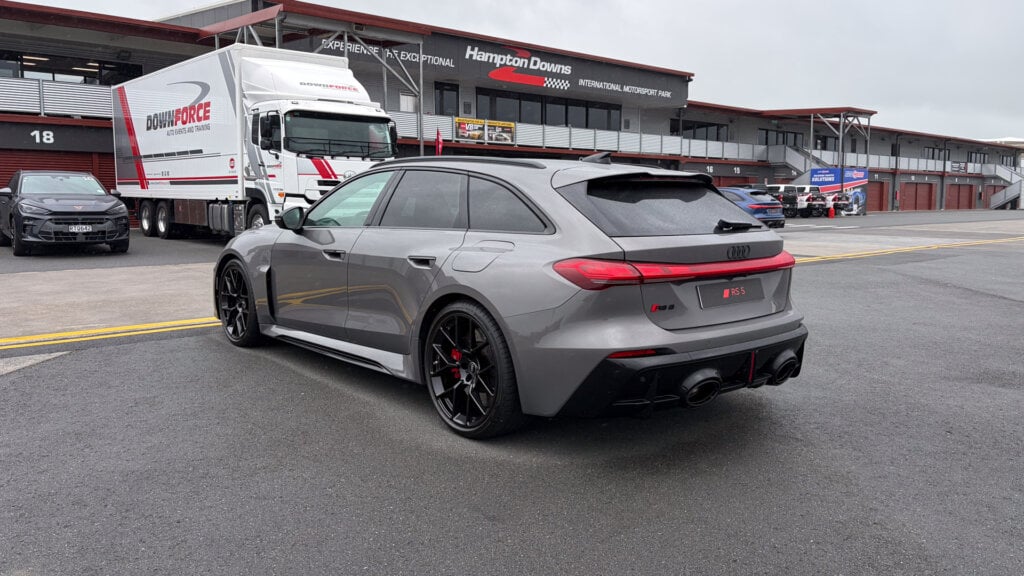
These numbers show just how keen cashed up buyers in our part of the world are to get into the RS5, and that’s without even having driven it. Just recently, we were lucky enough to get our hands on the wagon at Hampton Downs, where Audi New Zealand held the local launch.
Plug-in Power
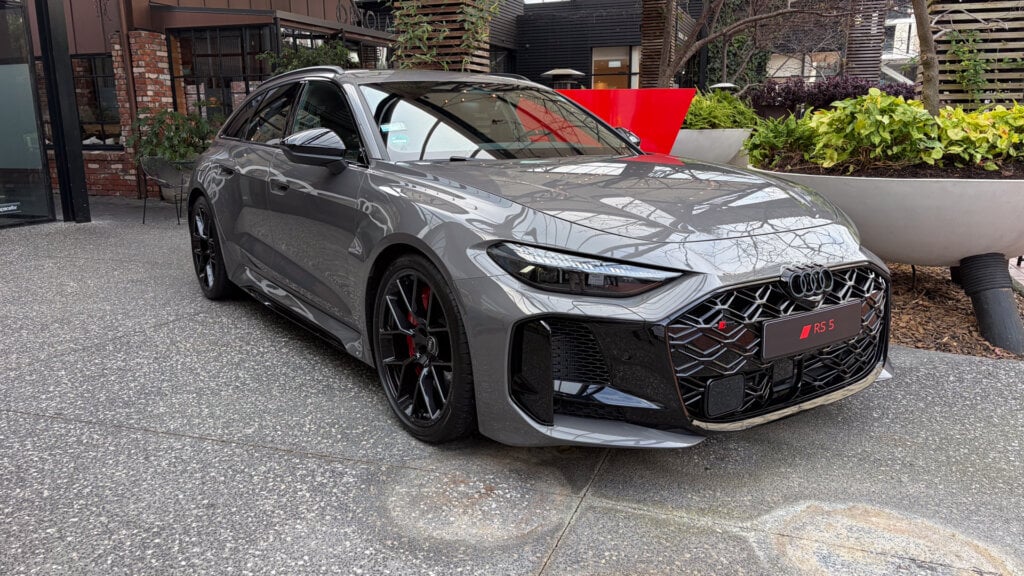
To refresh your memory, the RS5 has landed locally in two guises; sedan and Avant (wagon). Pricing is predictably hefty, with the sedan starting from $194,990, and the Avant slightly more expensive at $196,990.
Other than the obvious practicality advantage of the Avant, the differences between the two RS5s are non-existent. The extra hatch only adds 15kg, which seems nominal when the RS5 tips the scales at 2.3-tonnes.
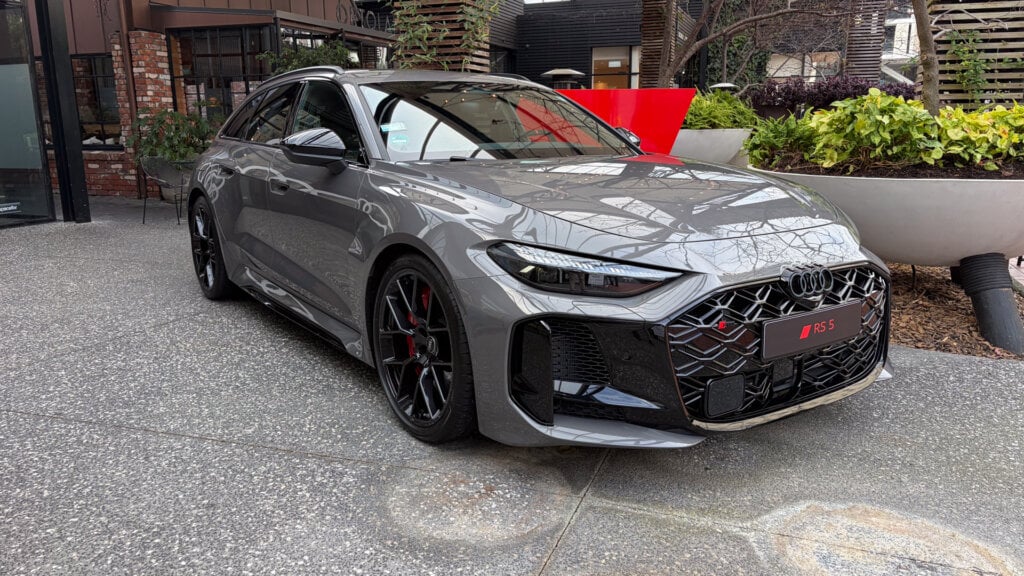
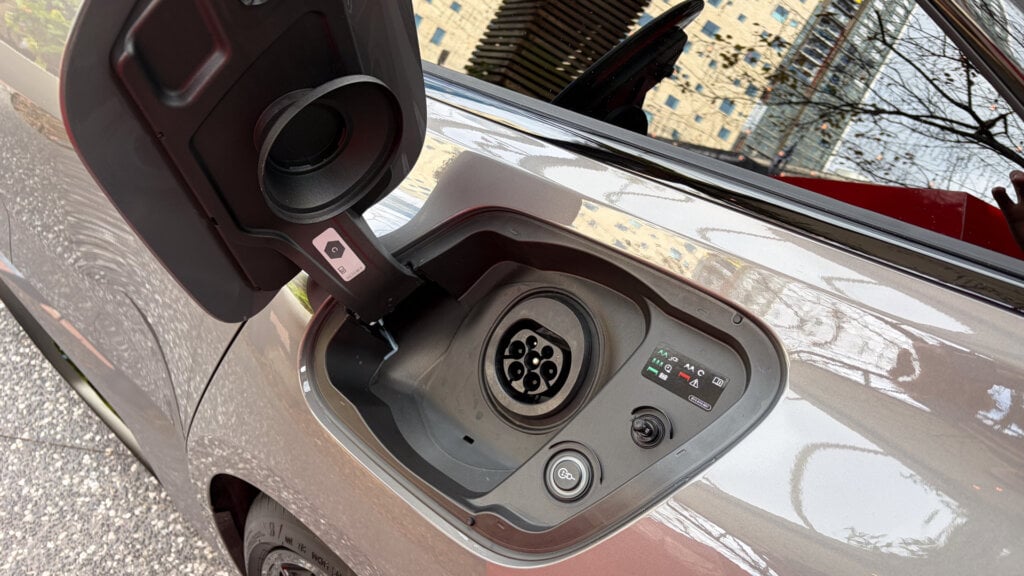
At this weight figure, you might be wondering where all that extra weight is coming from, and the answer lies in its plug-in hybrid powertrain.
The base of this electrified powertrain is a 2.9-litre twin-turbo V6 engine, producing 375kW and 600Nm. This is paired with an electric motor on the rear axle, which chips in with 130kW. As always, it also gets a quattro all-wheel drive system, which works in tandem with the eight-speed automatic transmission. All up, this new RS5 gets a RS6-eclipsing 470kW/825Nm, which will send it to 100km/h from a standing start in 3.7-seconds.
The electric motor on the rear axle works in conjunction with Audi’s torque-vectoring differential to allow for sideways fun. The RS5 can reportedly send 85 per cent of its torque to the rear wheels, and when paired with Audi’s new “torque mode”, it will induce oversteer by accelerating the outside wheel on the turn. While the majority of customers won’t be using this very often, it’s sure to improve driving dynamics and minimise the dreaded understeer Audi RS models are known for.
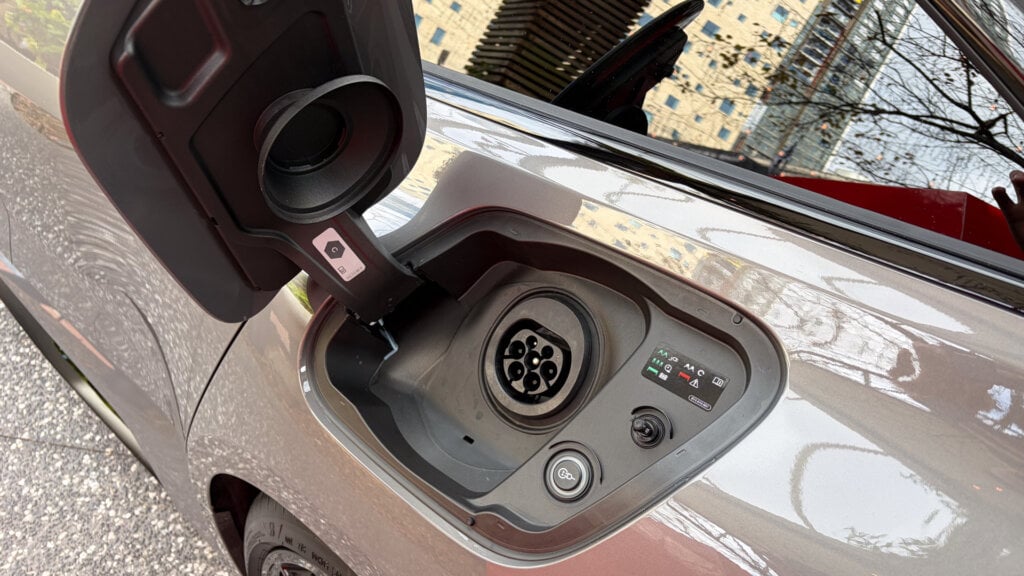
As for the electrified side of things, it makes use of a 22kWh battery that allows it to cover 80km on electric power alone. Charging speed, as well as fuel economy and energy efficiency is yet to be confirmed for this model.
A Big Boot (to fill)
Audi has always been the king of go fast wagons, and the expectations for this new RS5 have been sky high. Pair that with the fact BMW is making some spectacular performance wagons in the M3 and M5, you’ve got a recipe for some serious competition.
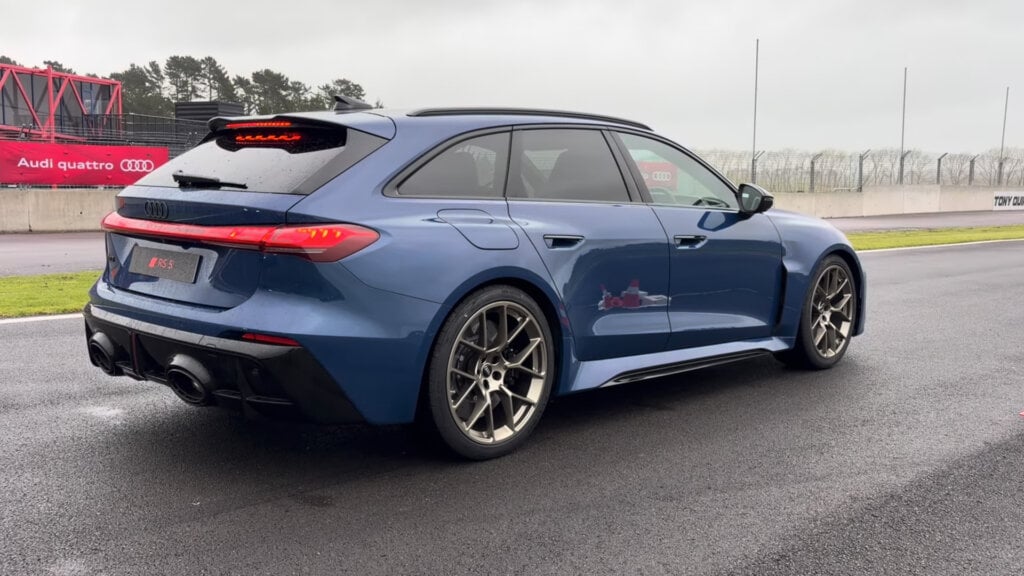
With all its power and torque, the blistering acceleration of the RS5 is arguably the least surprising of its party tricks. What’s more impressive is the way that the wagon can put the power down, despite everything seemingly working against it.
To test its acceleration, we lined up for a drag racing exercise with a fair bit of rain falling. Where you’d be questioning other performance car’s abilities to get power to the ground, quattro has always been a great leveller no matter the surface, and it was the same story here.
It’s clear the electric motor does a fair chunk of the heavy lifting off the line, as the torque hits hard. This gives a chance for the petrol engine to get into its powerband, and spool the turbos, making for a potent one-two combo. As the throttle was buried, the traction light started flashing, but the driver was blissfully disconnected from all the chaos beneath, as the wagon hurtled down the tarmac — it’s like drag racing on easy mode.
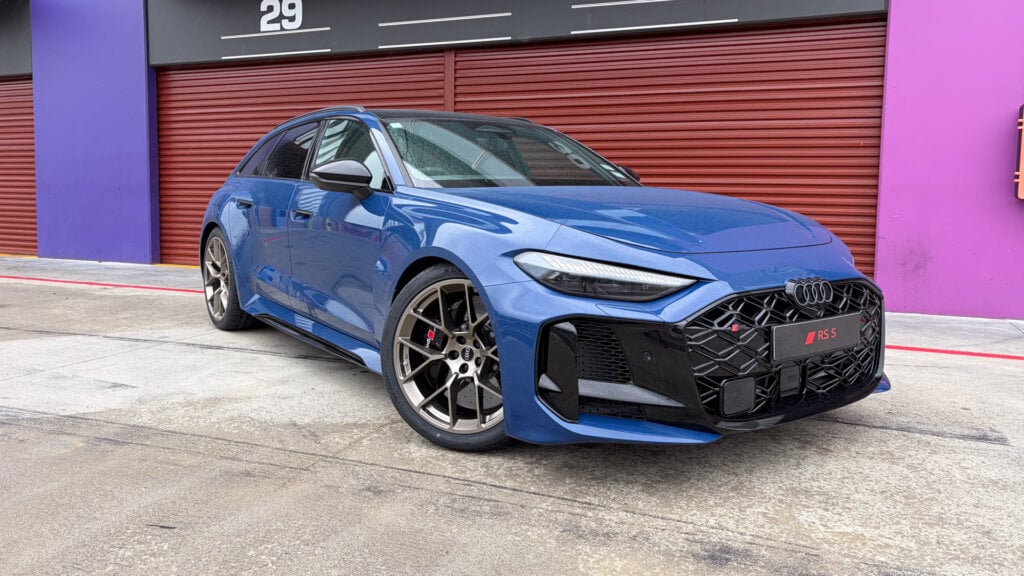
Once we finished with the drag racing exercise, we started track laps, which is where I was afraid the RS5’s heft would become apparent. There’s no denying the weight of it in corners, but those Audi engineers have done an incredible job of mitigating any untoward effects of it.
The suspension system keeps the wagon incredibly stable through turns, which exposes the rubber as the weak point of the cornering equation. Despite this, I can’t confidently say this is the least understeering RS Audi I have driven on a track, and the fancy electronic rear differential does a lot to help the cause. It will still push the front tyres if too much steering lock is wound on (which is a safety feature for road cars), but once the driver is through the apex and back on the power, the wagon rotates at an impressive rate.
The fact the Hampton Downs club circuit was covered with rubber from a recent drift day went a long way in showing how dynamic the RS5’s assist systems were. Pair this rubber with light rain, and you’ve got a recipe for some very slippery corners. Here, the wagon’s rear end would step out, but it wasn’t panic stations, as you could power out of these with a bit of opposite lock — not something I’m used to experiencing in an Audi.
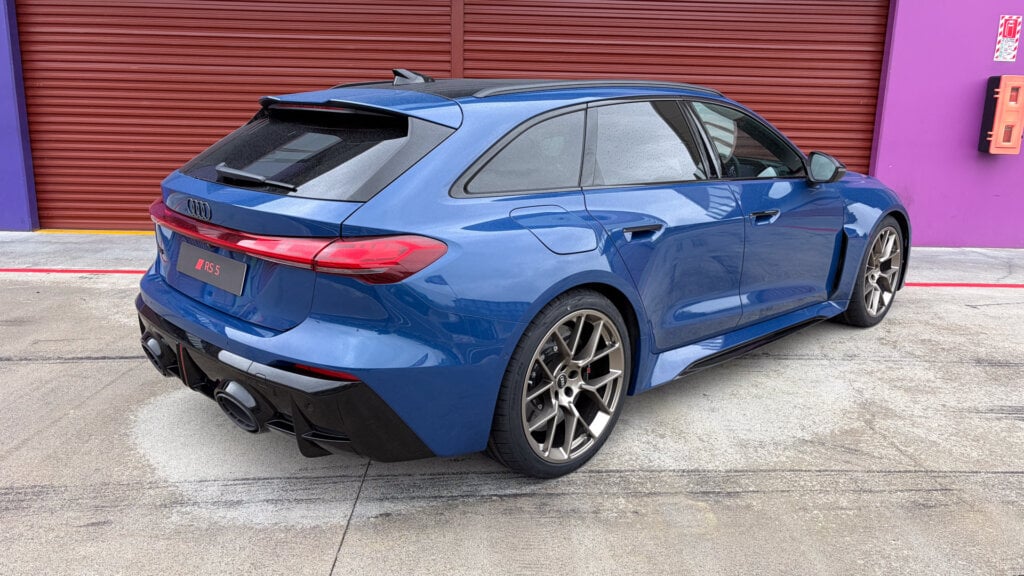
Further to this point is the electromechanical steering system. While the front axle has a lot to take care of, the steering system retains a nice weight to it, and will still communicate a fair bit of what’s going below, back to the driver. At some points it can feel a little artificial in the more pedestrian drive modes, but when you’ve got the RS5 locked into one of its RS modes, it provides confidence.
Once the track dried out, we were taken for a couple of hot laps with an instructor, showing just how sideways the RS5 can get. Once ‘RS Torque Rear’ is selected in the drive mode menu, the RS5 is able to send up to 85 per cent of its torque to the rear wheels. This resulted in some high-speed, tyre shredding slides at an impressive angle, one which you wouldn’t expect to see from an Audi wagon.
A Lovable Larrikin
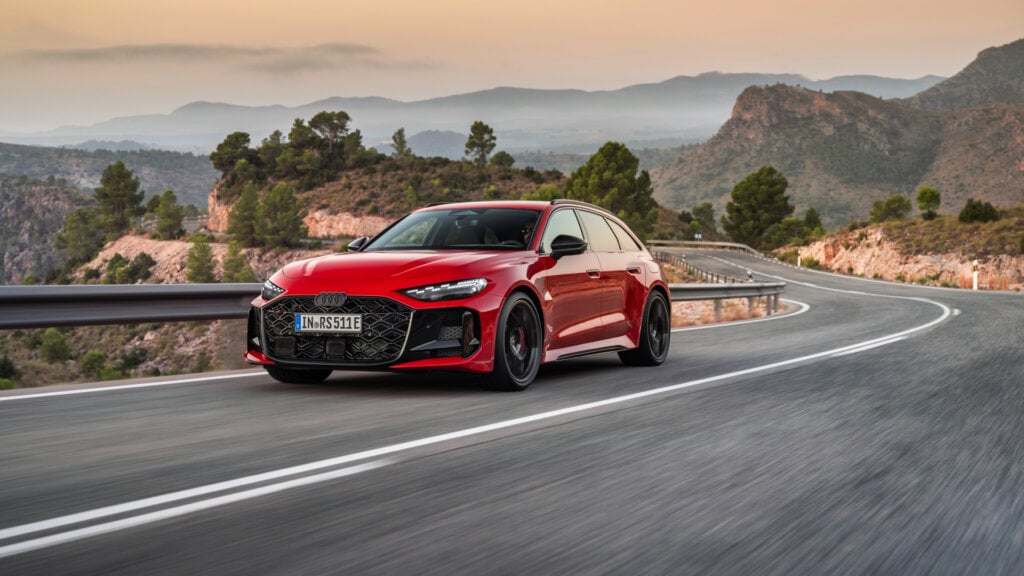
Experiencing this new RS5 on the track shows how much progress Audi has made in terms of dynamism in its more pedestrian models. These RS wagons have always had more than enough power, but being able to use it all through corners was where the cracks began to show.
While some enthusiasts won’t want to hear it, the secret sauce lies in this RS5’s hybrid underpinnings, as the response times of these electric motors match those of a driver’s. And I can’t commend them enough for giving it a full fat drift mode, as it adds another layer of fun to an already addicting wagon. Obviously this doesn’t feel as organic as BMW’s M cars, as they have always had a natural tendency to go sideways, but you feel like you’ve got more of a safety net for (on track) shenanigans with this Audi system.