Dreame reportedly winds up the car project that promised New Zealand EVs
Words: Richard Edwards
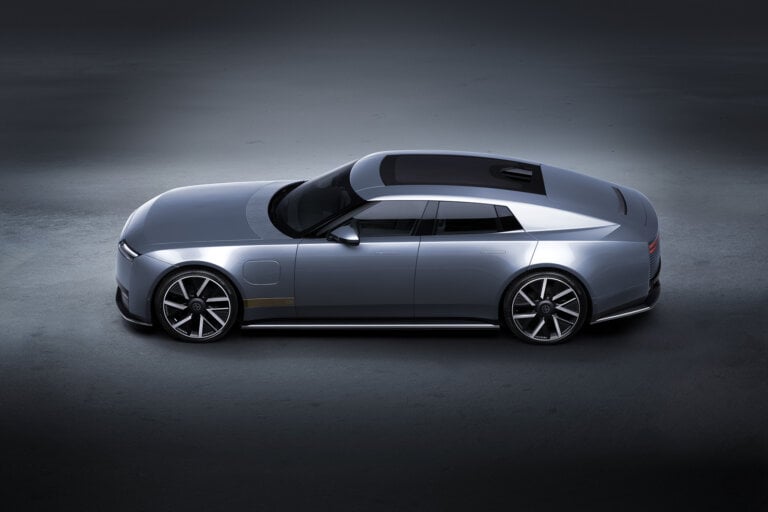
Chinese media reports say appliance maker Dreame has wound up the automotive division it built to launch electric vehicles in New Zealand and Australia by early 2027. The company has not confirmed it.
Business outlet China Economic Net reported this week that Dreame had decided to close the car business and deregister the companies behind its Starry Sky vehicle project. That followed an investigation published by financial outlet Yicai reporting a sharp contraction in the project.
Dreame issued a statement on Tuesday saying it had recently made adjustments to some businesses at an exploratory stage, and that the technology, research and resources involved would be folded into its existing operations. The statement does not mention cars.
The company says it will now concentrate on four areas: smart home, outdoor and garden, smart mobility and robotics. It says its core business has performed steadily through 2026, overseas sales continue to grow, and product development, production, delivery and after-sales are operating normally. It has not responded publicly to the closure reports.
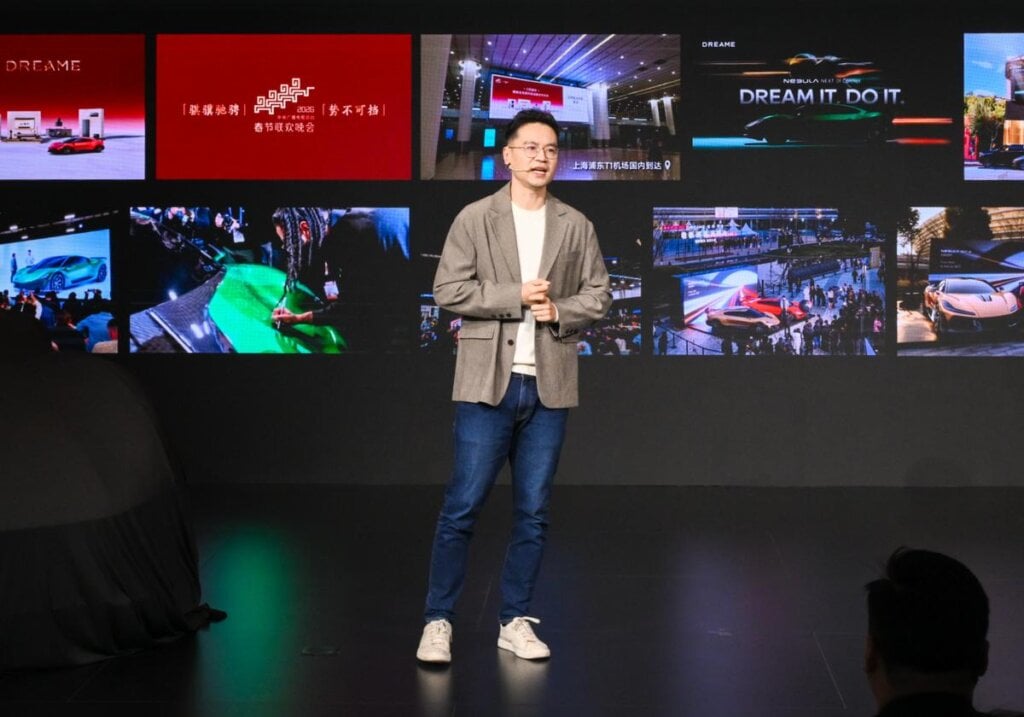
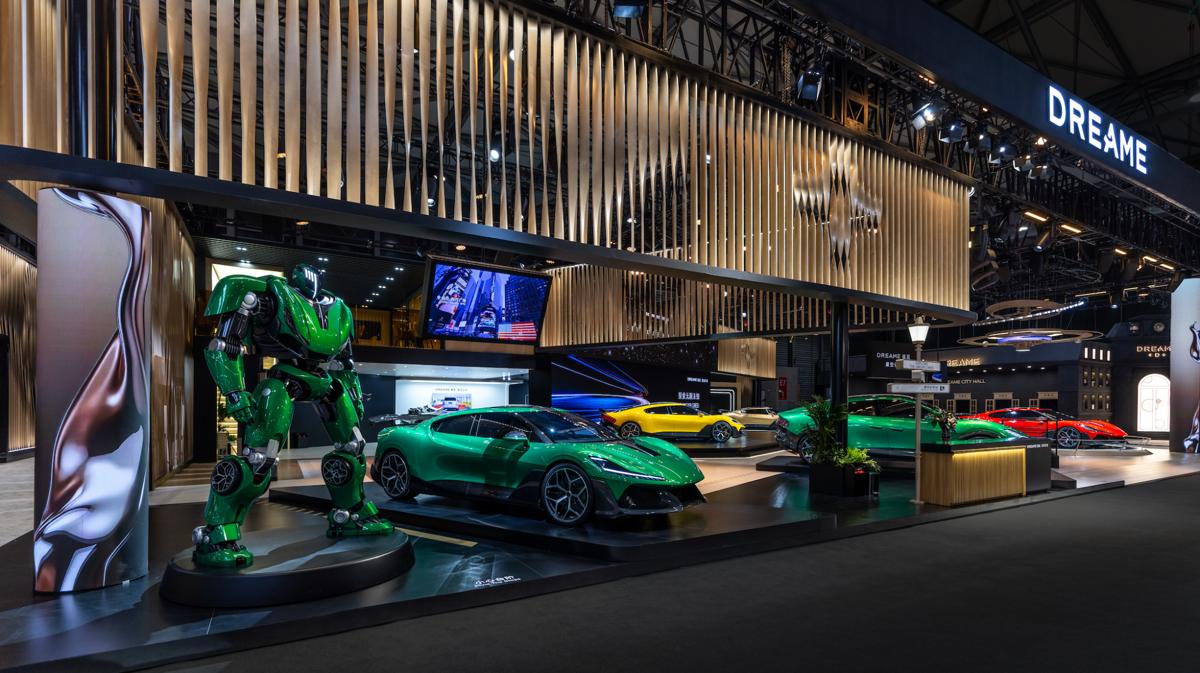
We sat down with Dreame’s local and global leadership at the AWE expo in Shanghai in March, where the company said New Zealand and Australia would be among the first markets in the world to receive its production cars, potentially ahead of China.
Ma Long, chief marketing officer of Dreame’s automotive division, told us at the time that “New Zealand and Australia is one of our most important markets”, and that the company saw the region as a proving ground for later launches in the UK and Japan.
Dreame appointed James Moore as its country manager for New Zealand and Australia and was in discussions with local distribution partners. It said it was developing dedicated right-hand-drive vehicles rather than converting left-hand-drive cars, was targeting five-star ANCAP ratings, and would begin Southern Hemisphere testing by the end of May.
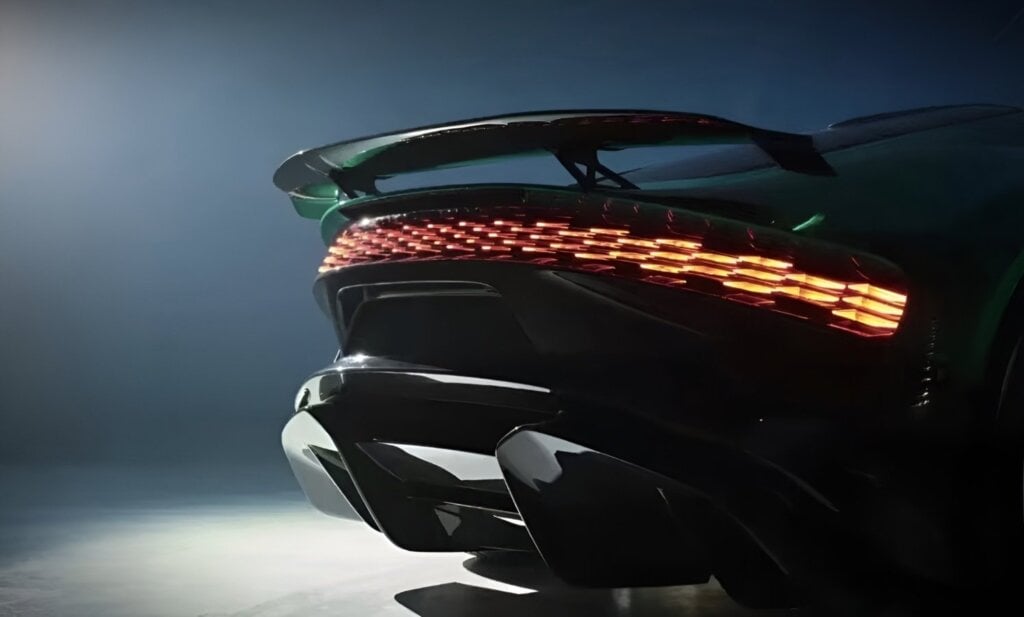
The local range was to be a family of mainstream EVs covering small and mid-size SUVs and possibly a sedan, using CATL LFP cells in 60 to 80 kWh capacities with claimed range of around 700 km. Moore told Australian media in June that Dreame was aiming to become a top 10 brand there.
Dreame’s own position shifted through the year. In June, after the departure of automotive business head Chen Longdong, the company told Chinese media the project was proceeding normally, would focus on overseas markets, and that its mass production target remained the end of 2027.
Yicai visited the project’s offices in Suzhou in late August and reported that most workstations on the main floor were unused. It quoted an employee, identified by a pseudonym, who said the automotive team had shrunk from between 700 and 800 people to around 100. A recruitment consultant told Yicai that Dreame staff had begun putting CVs online from May, including more than 20 at director level.
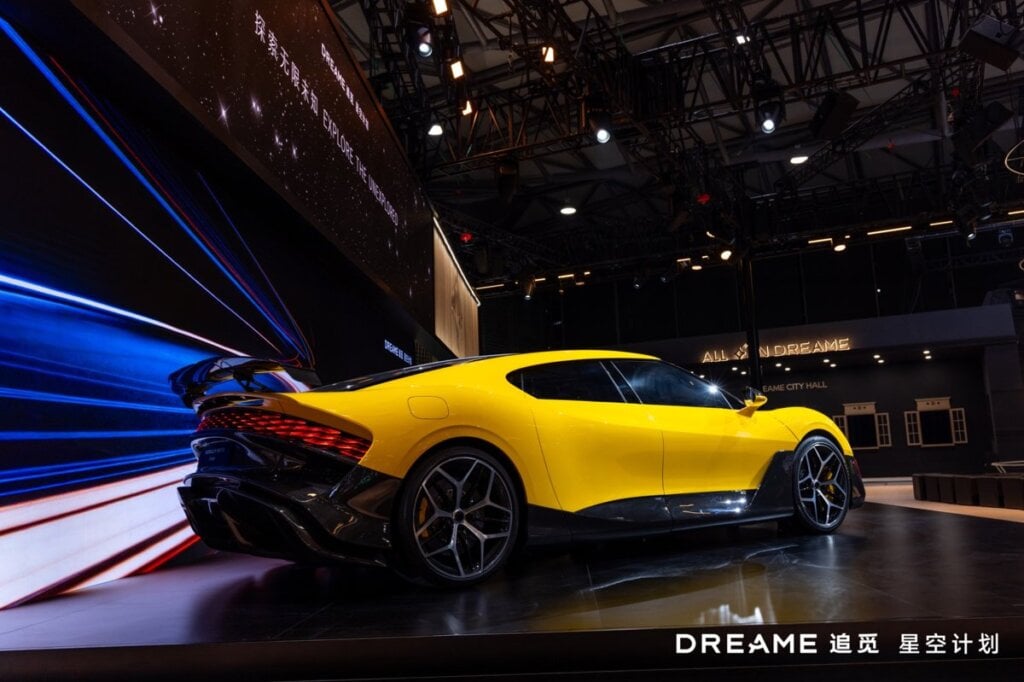
The same employee alleged that one of the Nebula Next 01 cars used for display was a non-running model. Yicai also reported that a site publicly notified for a Chinese factory in March 2025 remained undeveloped when its reporters visited in May. Those allegations are attributed to unnamed sources and have not been independently verified. Dreame has not responded to them.
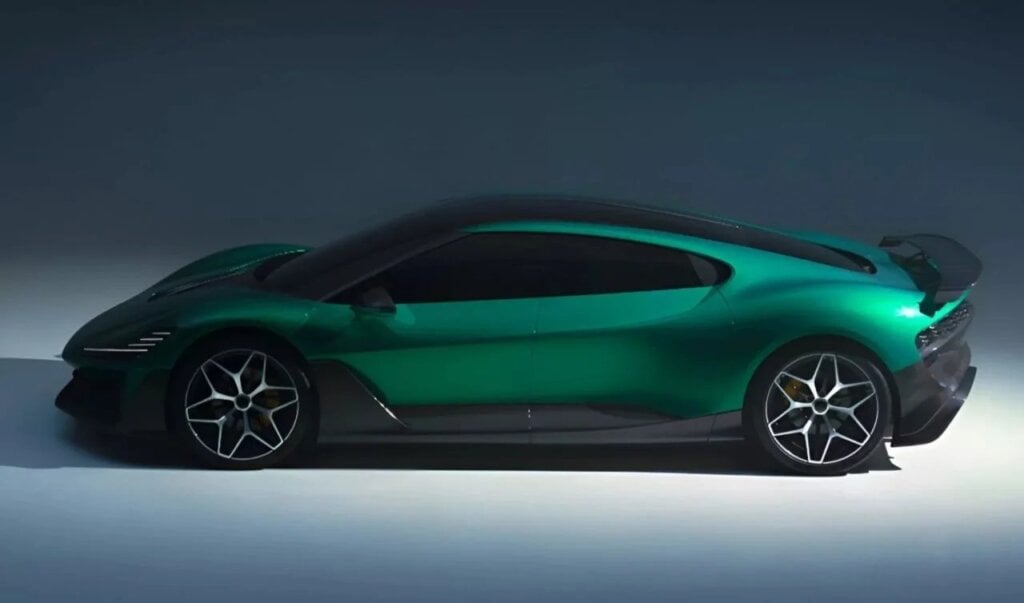
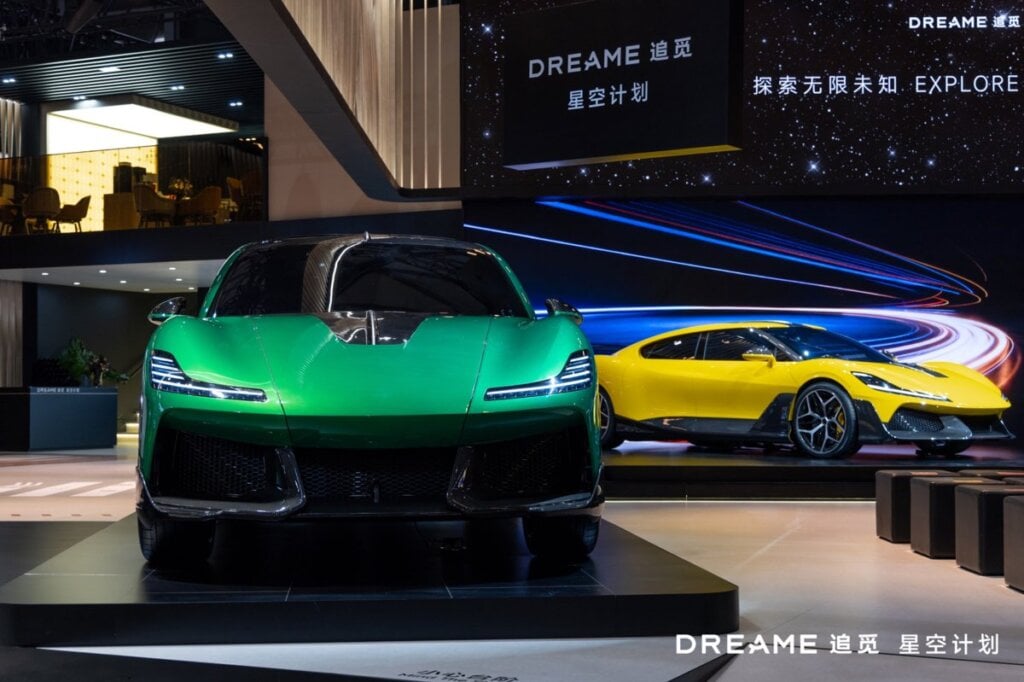
The division’s public face was a series of increasingly ambitious concepts. The Nebula Next 01 coupe and 01X SUV appeared at CES in January with claimed quad-motor outputs of 1399 kW and 0-100 km/h in 1.8 seconds. A Nebula Next 01 Jet Edition, dubbed the Rocket Car, followed in San Francisco in April with claimed rocket thrust of 100 kN and a 0-100 km/h time of 0.9 seconds.
In June, Dreame restructured, consolidating more than 200 business units into four divisions and placing the car project under an industrial research institute.
Dreame Technology was founded in 2017 and was formerly part of the Xiaomi ecosystem. Its appliances are sold here through retailers including Harvey Norman and Noel Leeming.
We have approached Dreame’s New Zealand representatives for comment.