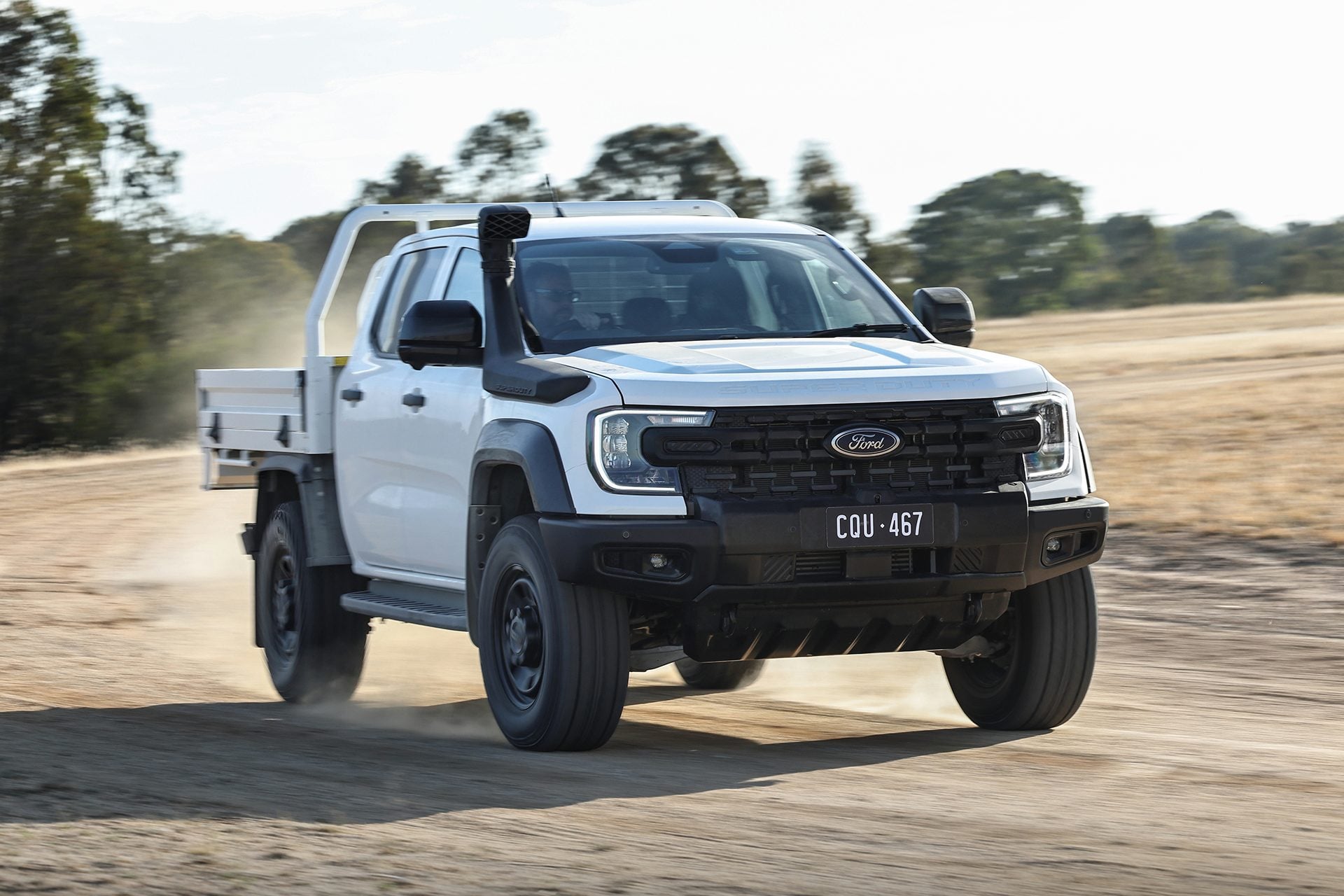
Ford New Zealand funding bespoke testing to get Ranger Super Duty on sale locally
Words: Richard Edwards
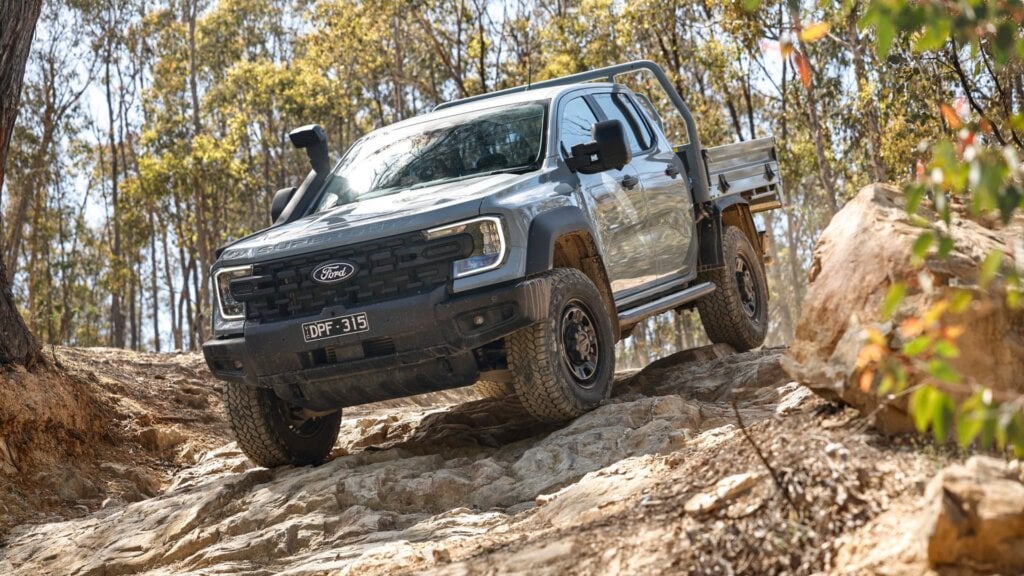
Ford is paying for a New Zealand-specific braking and towing test in an effort to get the Ranger Super Duty on sale here in 2027, a year after the vehicle launched in Australia.
Ford New Zealand managing director Annaliese Atina told NZ Autocar the delay comes down to an exemption application with the New Zealand Transport Agency, because the Super Duty falls into an Australian vehicle category that does not exist in New Zealand.
“We are still working through an exemption process with the New Zealand regulator, so NZTA obviously, and anyone can look at our submission in that space,” Atina says.
“As you probably know, there’s a different category that it sits in in Australia, so a different vehicle category that doesn’t exist in New Zealand,” she says, adding that it raises the question of how government can get better alignment with Australian rules.
“So the holdup today, and you’ll see an exemption, is around braking and towing on the vehicle. So we’ve got a very unique hurdle to meet within the New Zealand market, which NZTA have been really clear with us and that’s currently being worked through. So it’s coming.”
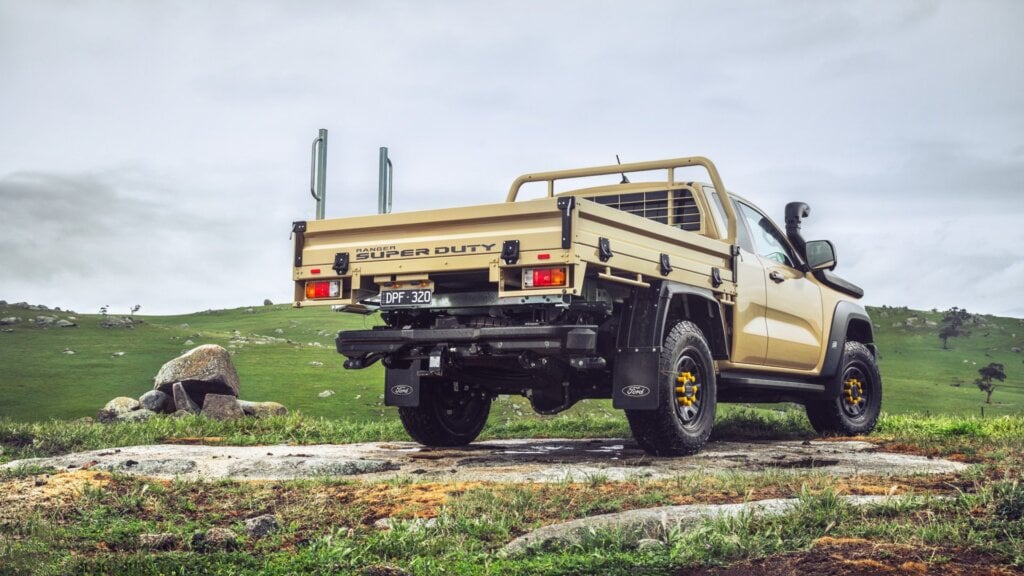
Asked whether Ford was arguing against the need for the test or carrying it out, Atina says the company is doing the work.
“Ford Motor Company’s invested a significant amount of engineering resources into delivering a product into New Zealand for a unique requirement,” she says.
She would not put a timeframe on the testing but says she intends to have the Super Duty on sale next year.
The Ranger Super Duty was developed in Australia by Ford’s local engineering team as a heavy-duty variant of the Ranger, with a 4500kg gross vehicle mass, 4500kg braked towing capacity and 8000kg gross combination mass. It went on sale in Australia in 2025 and Ford says it has sold around 10,000 units there in its first 12 months.
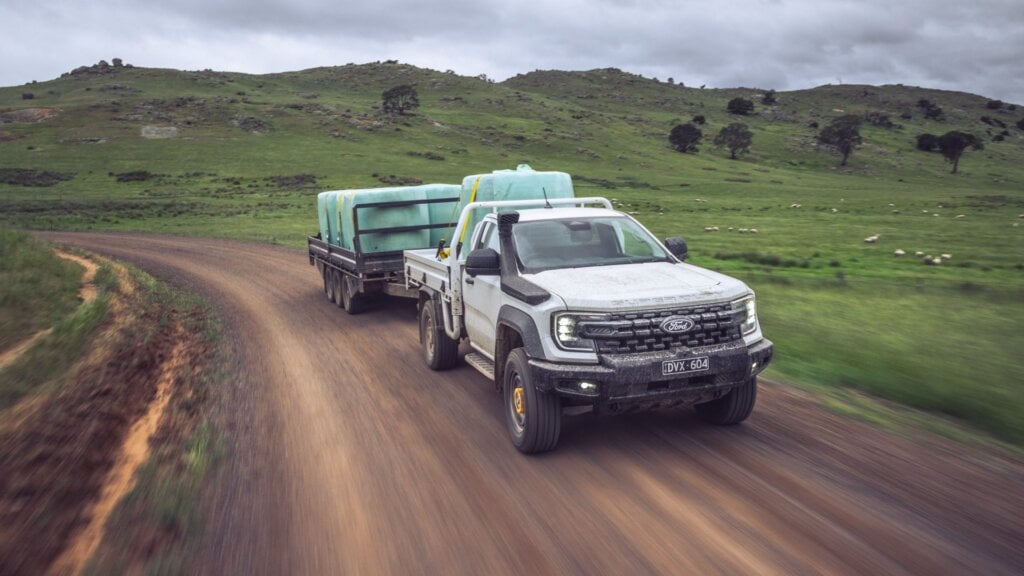
That 4500kg GVM is the source of the problem. It puts the Super Duty over the 3500kg threshold at which New Zealand treats a vehicle as heavy, bringing it under the Land Transport Rules for heavy vehicles and heavy vehicle brakes rather than the light vehicle rules that cover every other ute on sale. Australia created a new NB1 sub-class for high-capability utes and vans of this kind, but New Zealand has not updated its heavy vehicle framework to match.
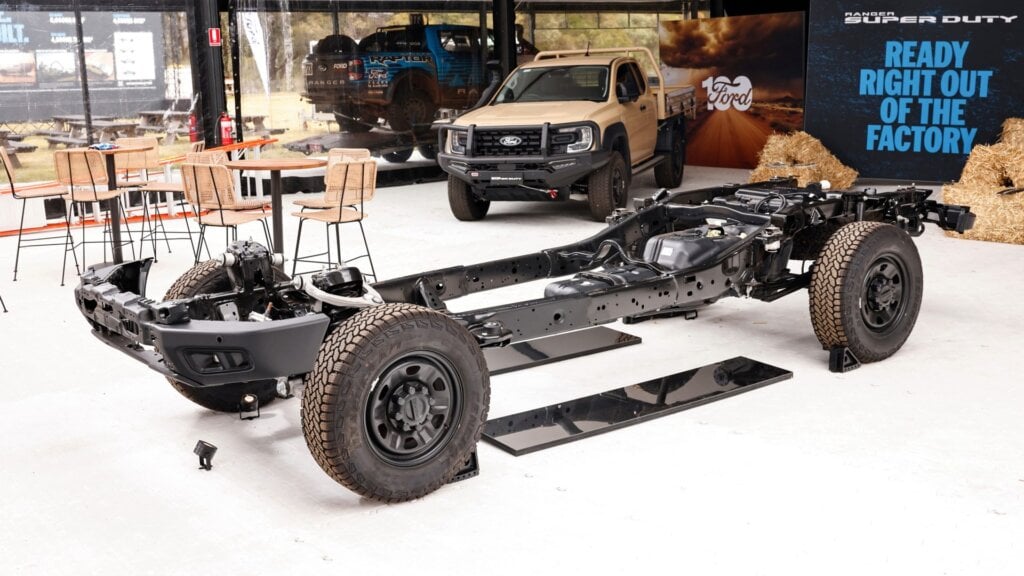
According to NZTA, two parts of the vehicle fall foul of the heavy vehicle rules. The factory towbar and drawbeam are certified to the Australian Design Rule ADR62/02, which is a static test and is not recognised under New Zealand’s heavy vehicle towbar standard. The integrated trailer brake controller, which lets the driver adjust trailer brake force while driving, is permitted in New Zealand on light vehicles but not heavy ones.
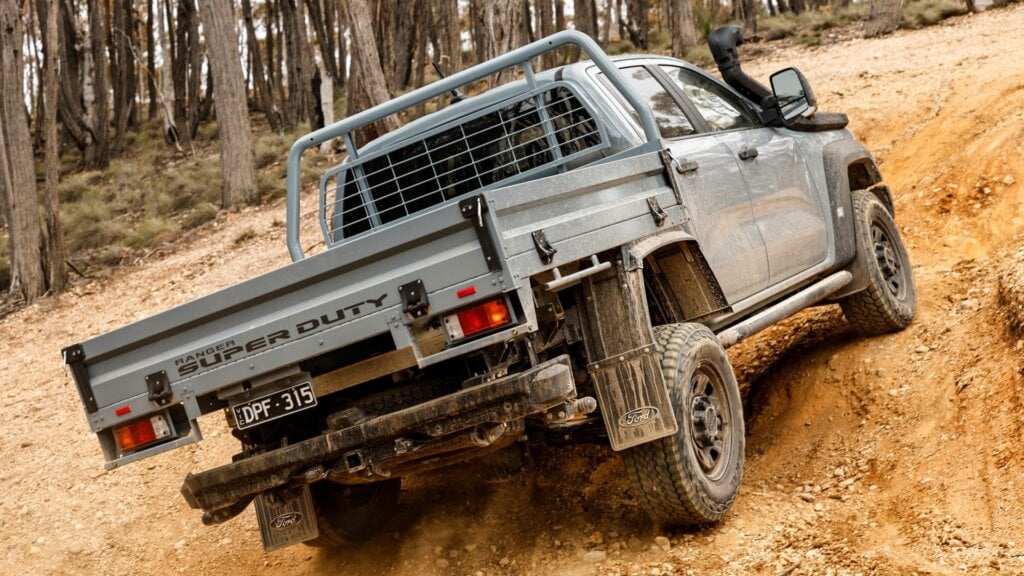
In December 2025 the Director of Land Transport consulted on a proposed class exemption that would allow the Super Duty to use ADR62/02 for its drawbeam certification and to keep the brake controller. The exemption, drafted to run to December 2028, carries conditions. Ford must carry out dynamic fatigue testing of the towbar and drawbeam for the applied ratings, buyers towing trailers over 3500kg must obtain heavy vehicle brake certification and sign a declaration confirming they understand that, and a permanent label to that effect must be fixed to the drawbeam. It is the dynamic testing that Ford is now funding.
NZTA confirms to NZ Autocar that the exemption has not yet been granted.
“The exemption is not yet in place, pending the completion of NZTA’s requirements for Ford to undertake dynamic (fatigue) testing of the towbar/drawbeam and ensure that the correct brake certification was obtained,” an NZTA spokesperson says. “NZTA is continuing to work with Ford on these requirements.”
The Imported Motor Vehicle Industry Association opposed the approach in its submission, arguing a rule amendment was the proper pathway rather than a model-specific exemption, and that whatever engineering criteria NZTA applied to the Super Duty should be published and available on equal terms to any vehicle, including used imports, that could meet them.
Asked whether she supported NZTA requiring the additional testing rather than accepting the Australian approvals, Atina says she cannot comment on the agency’s position.
“They’ll make a decision. They’ve been clear with us around what they need and we’re trying to fulfil that requirement,” she says.