View all
26 more images
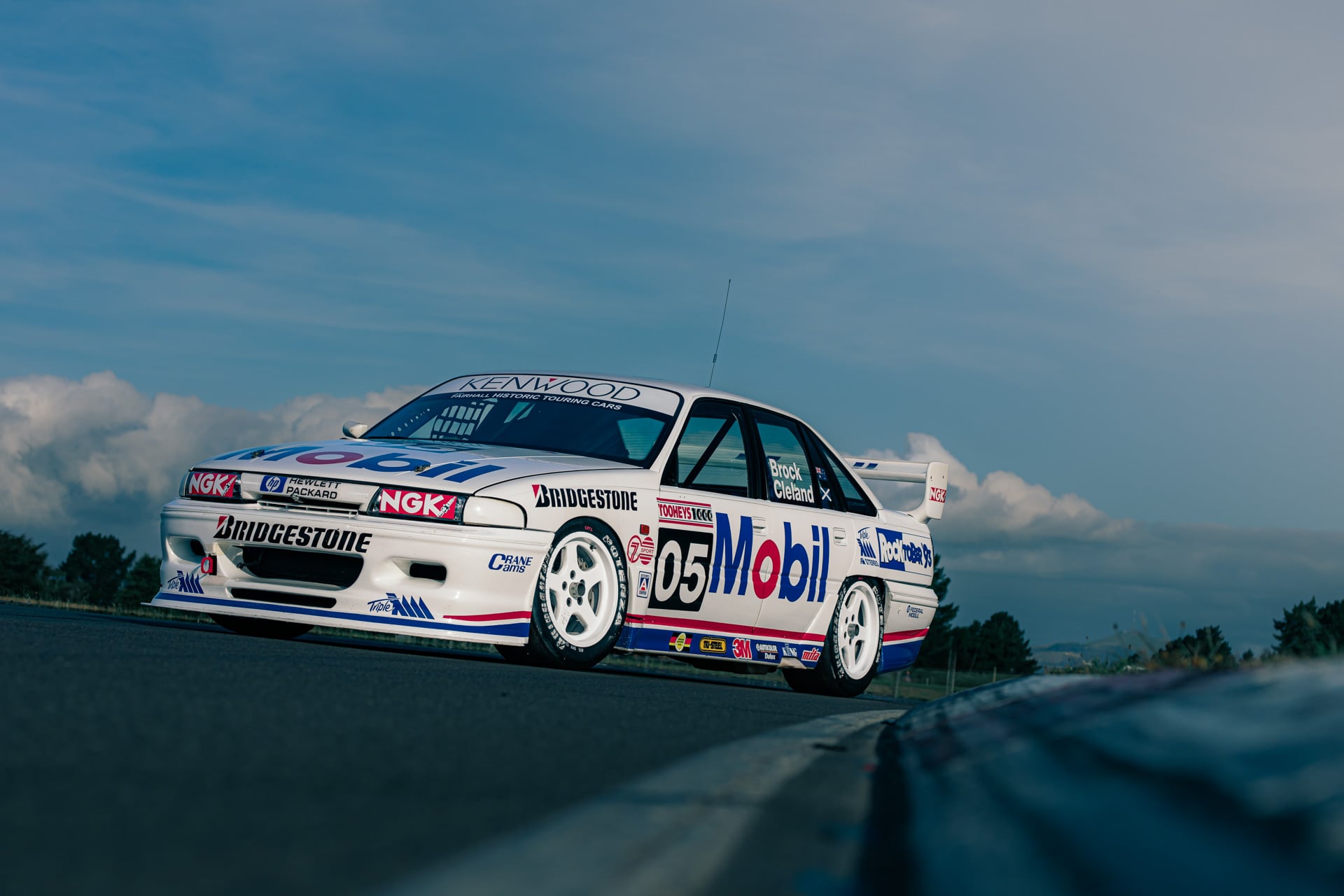
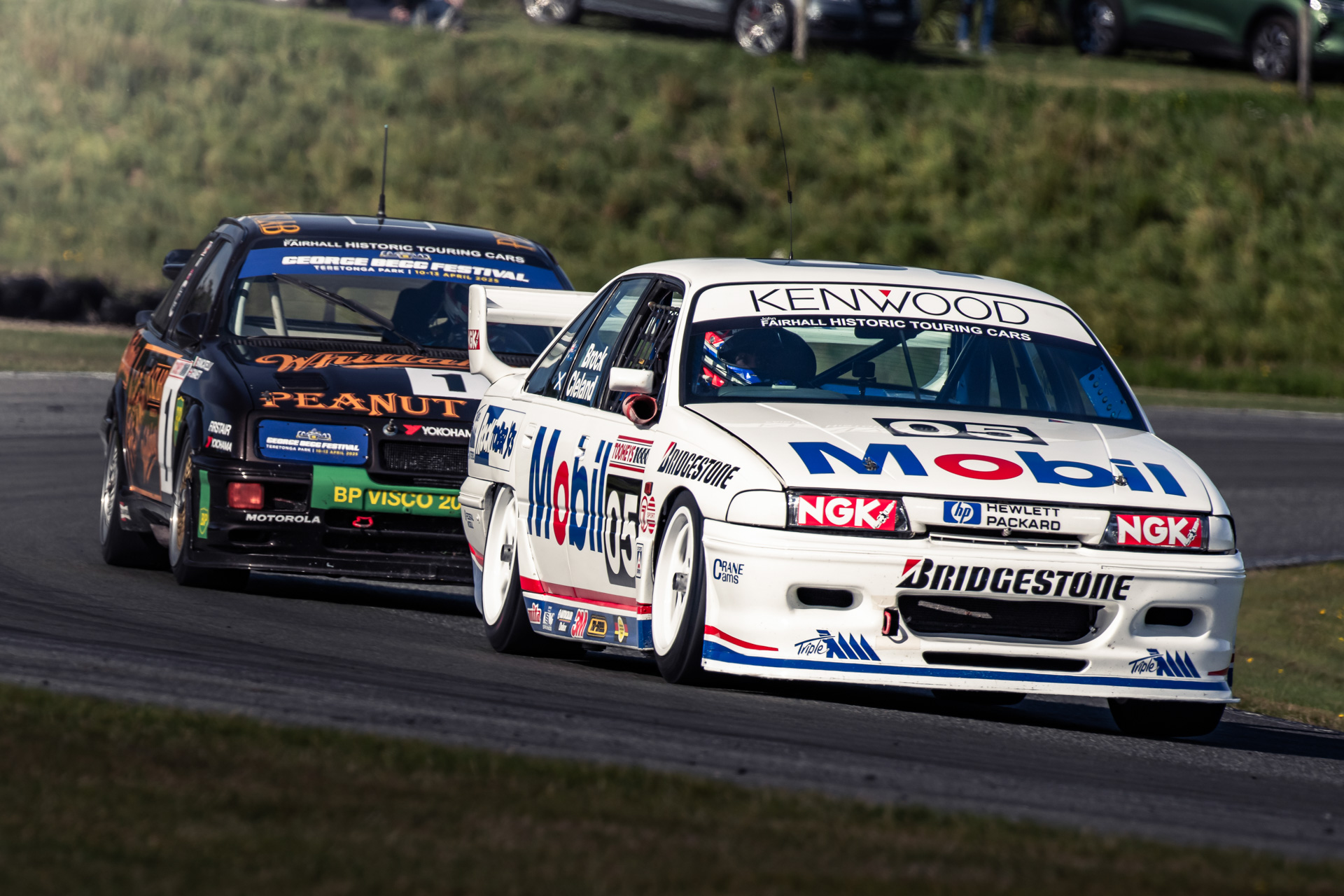
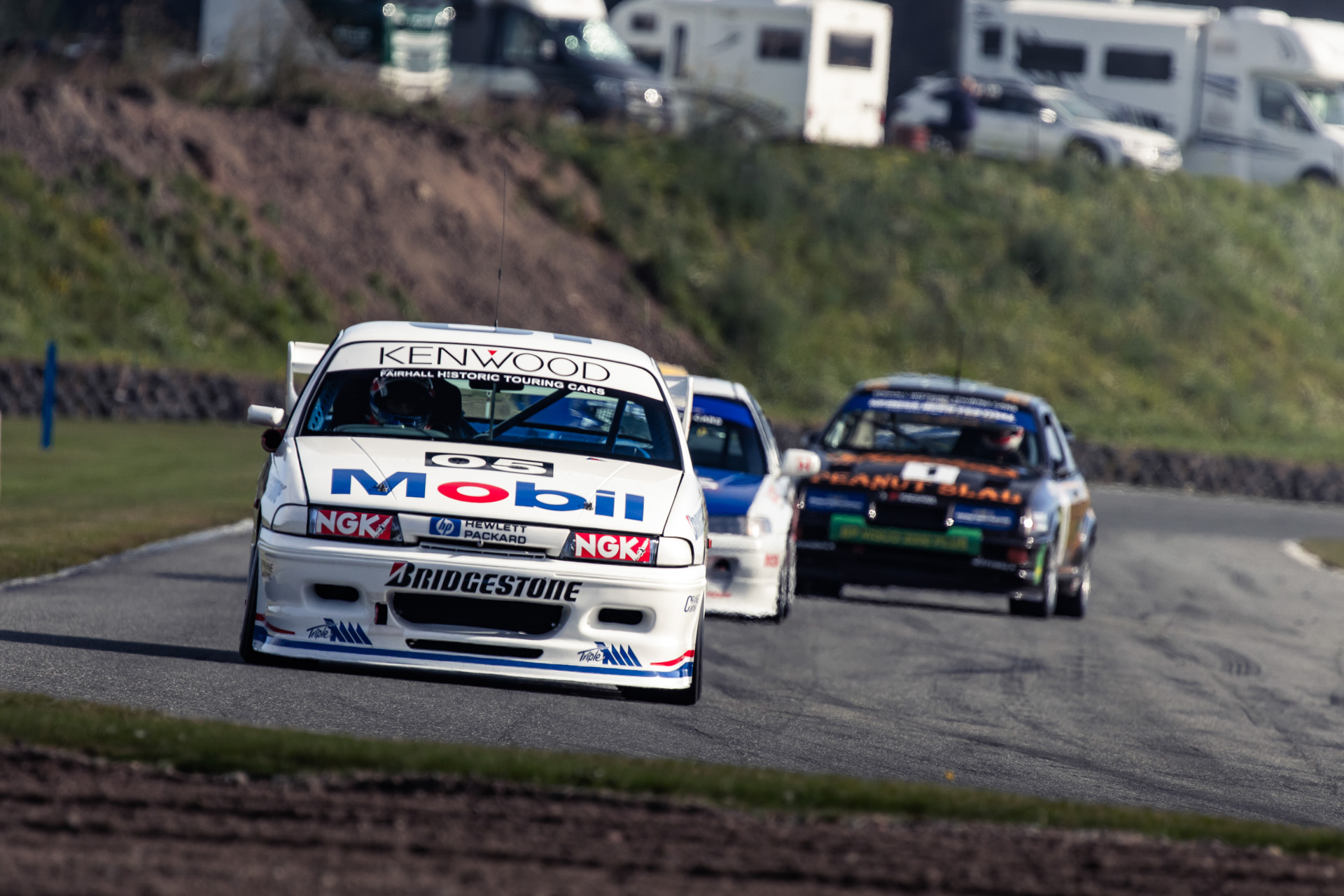
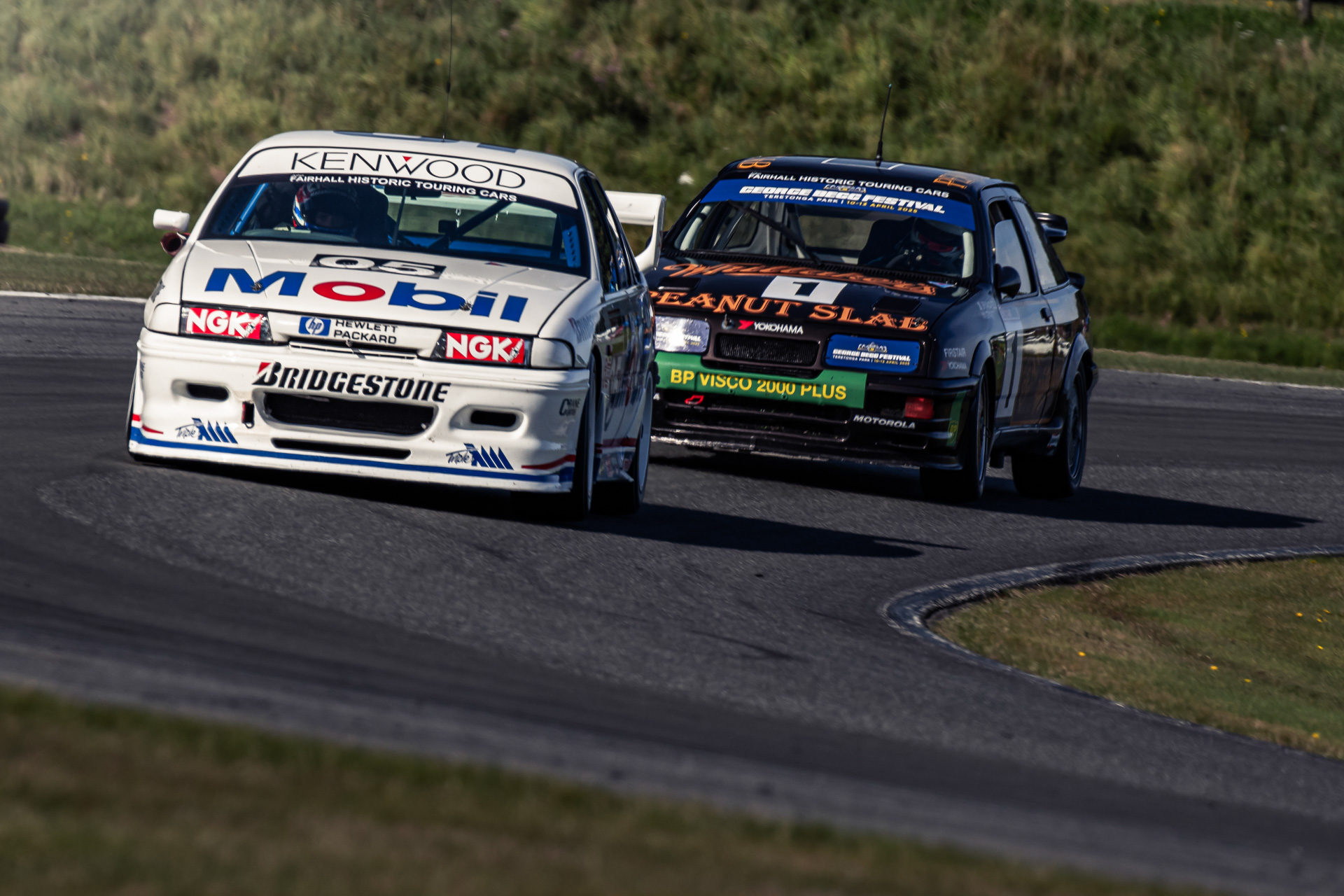
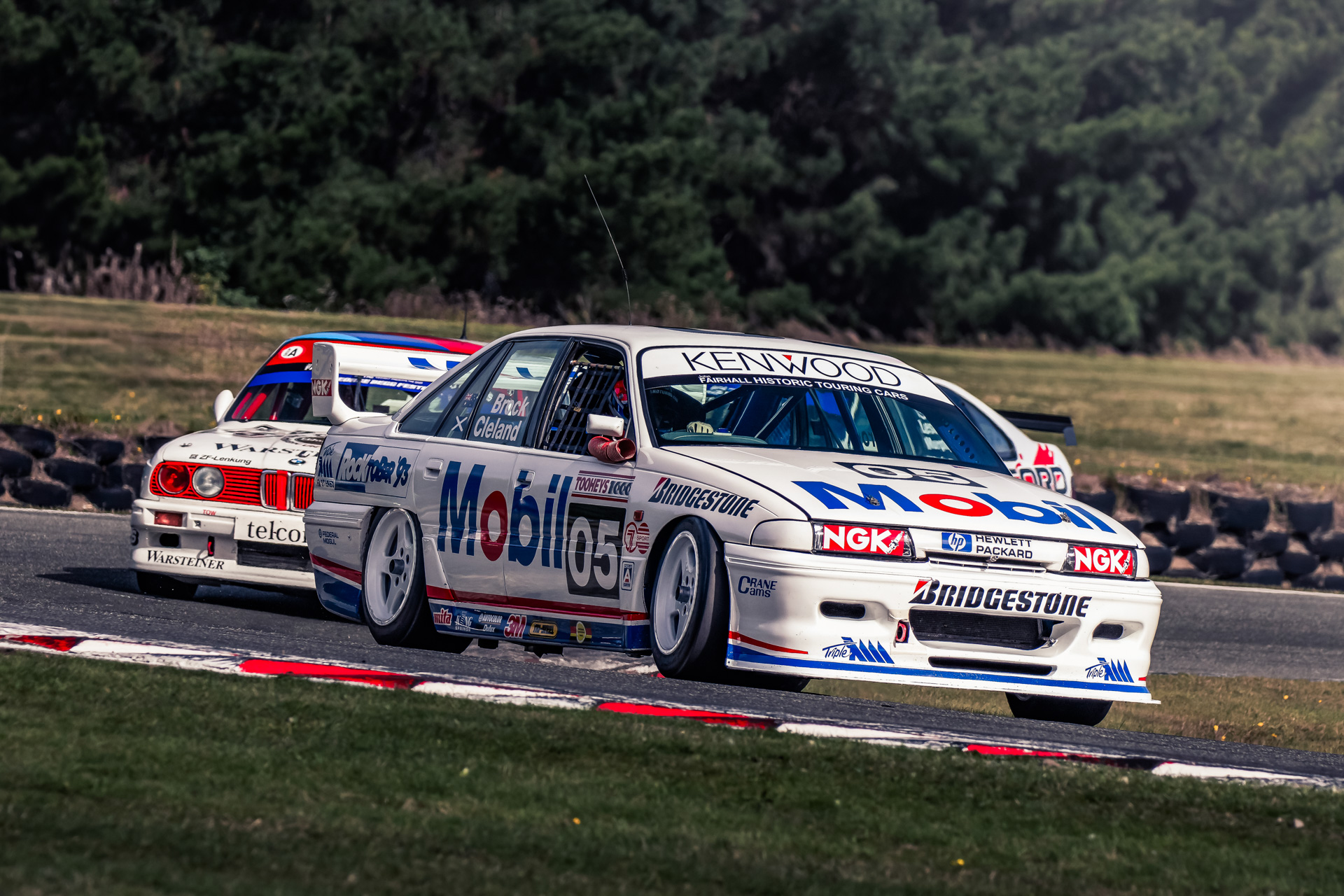
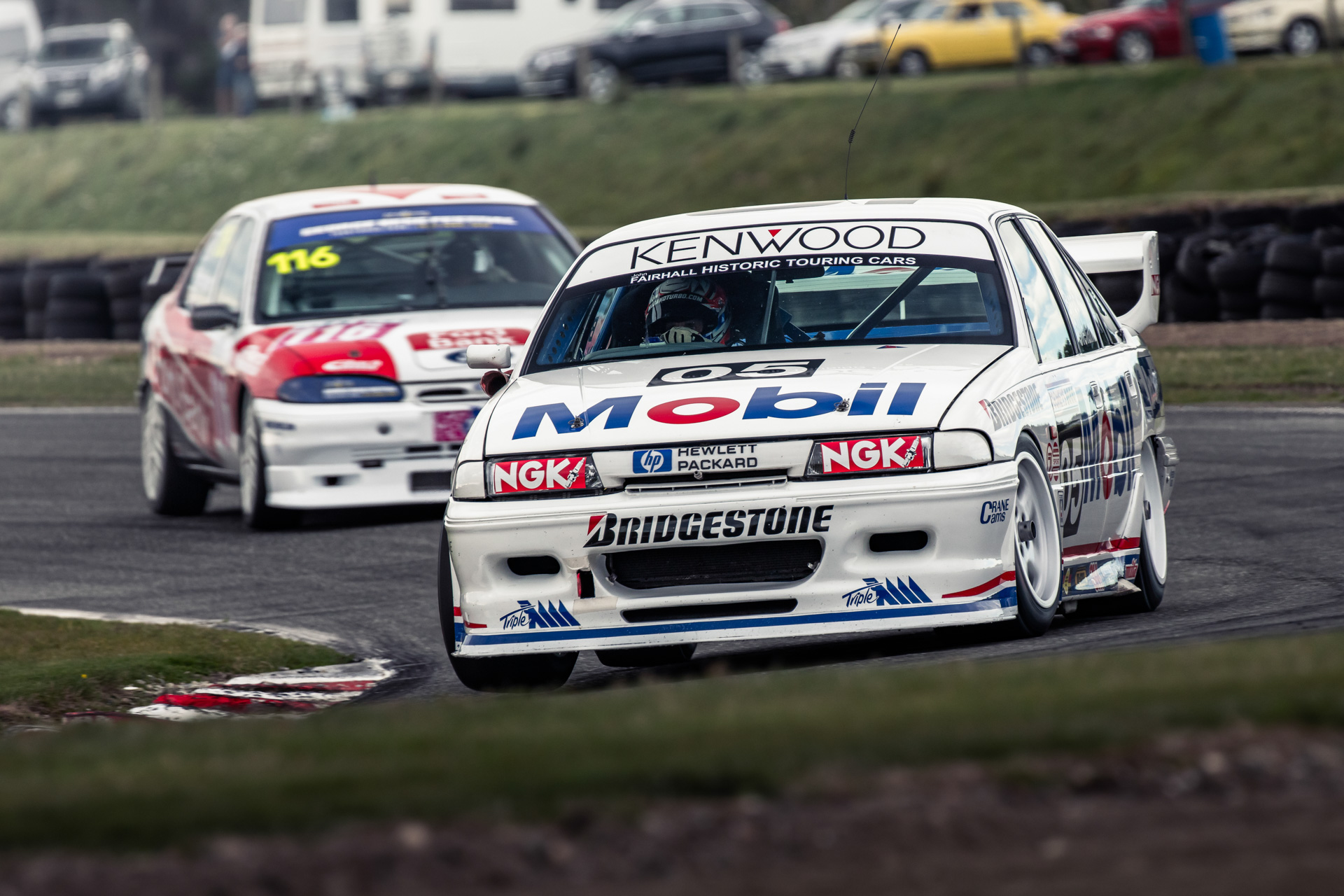
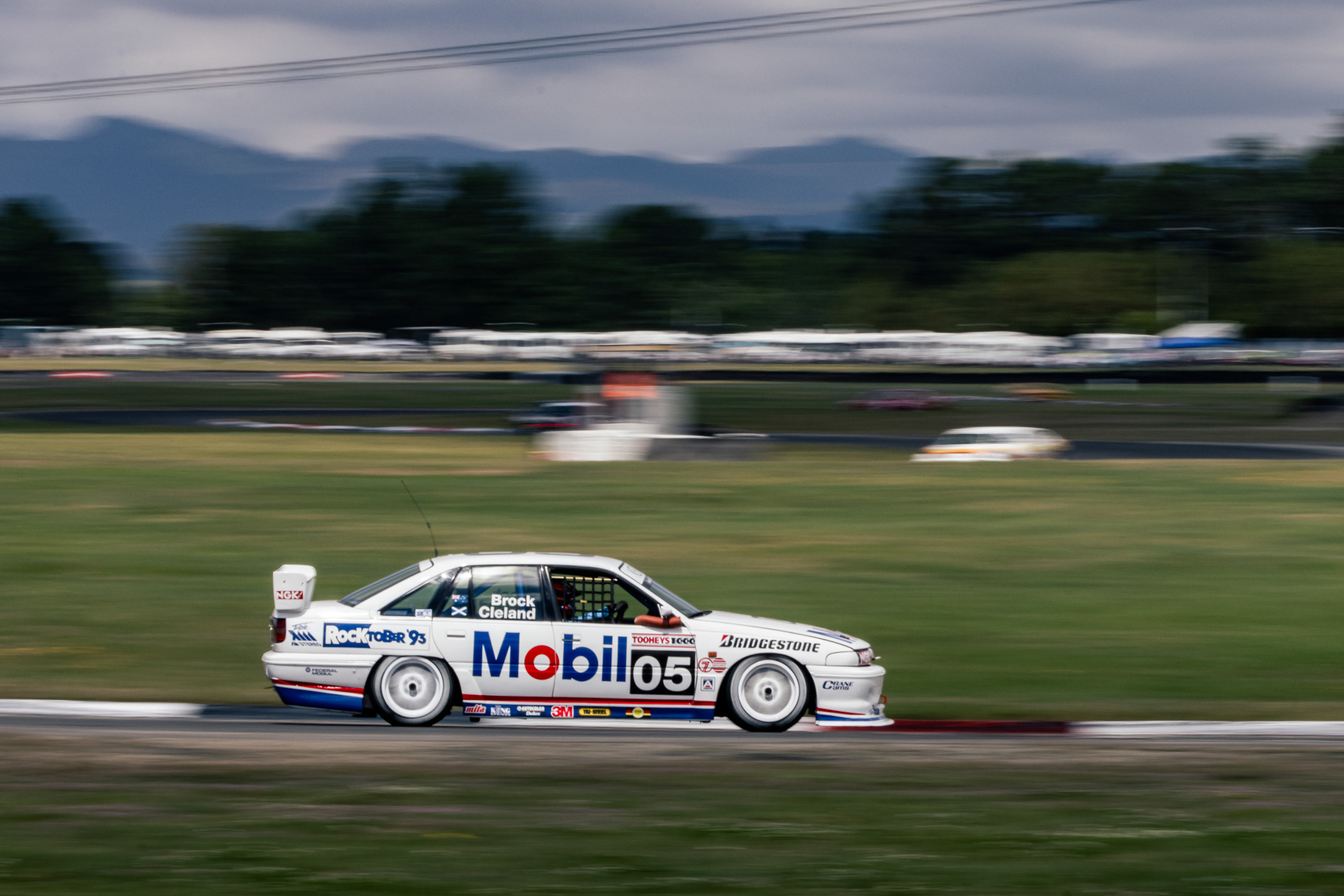
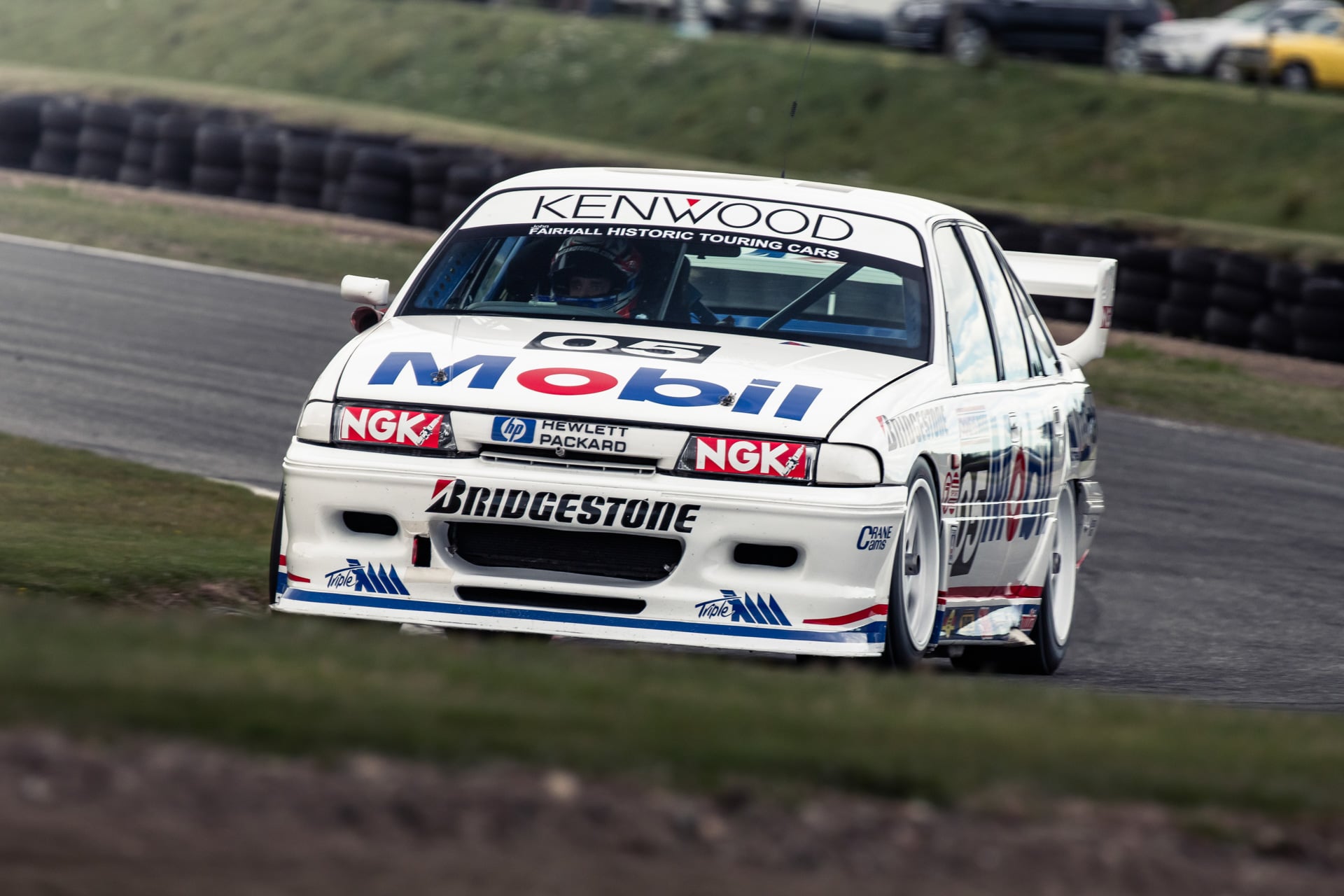
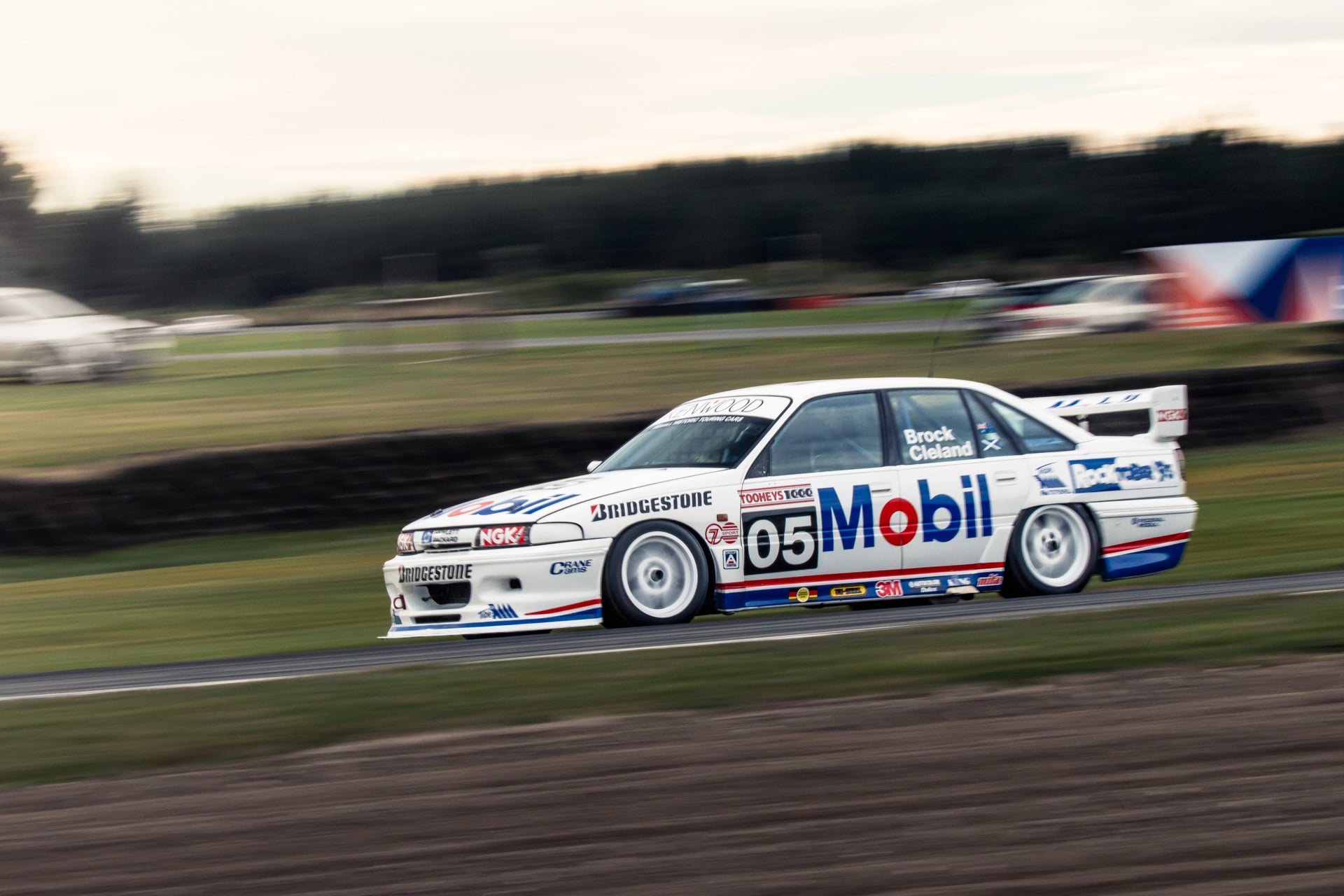
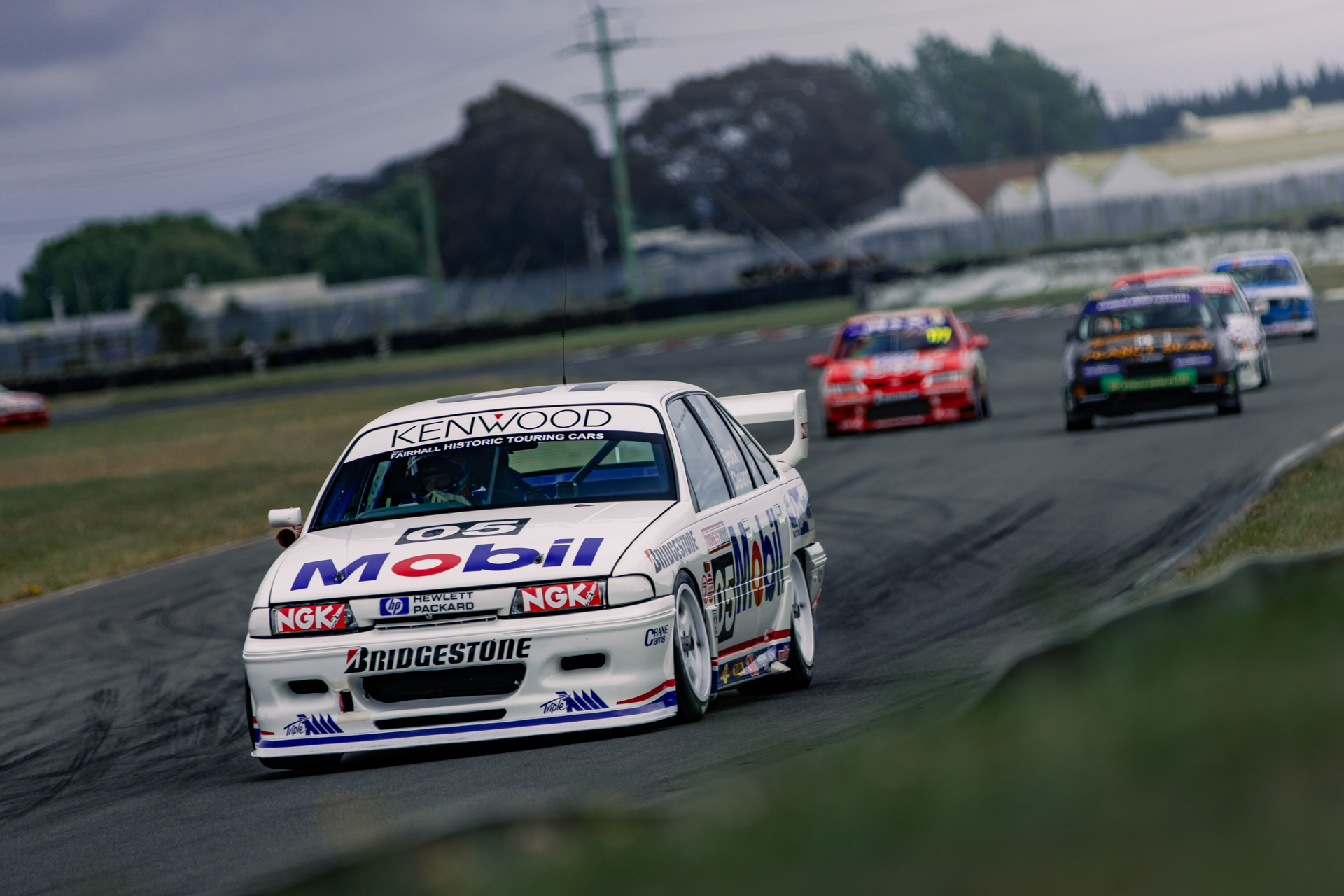
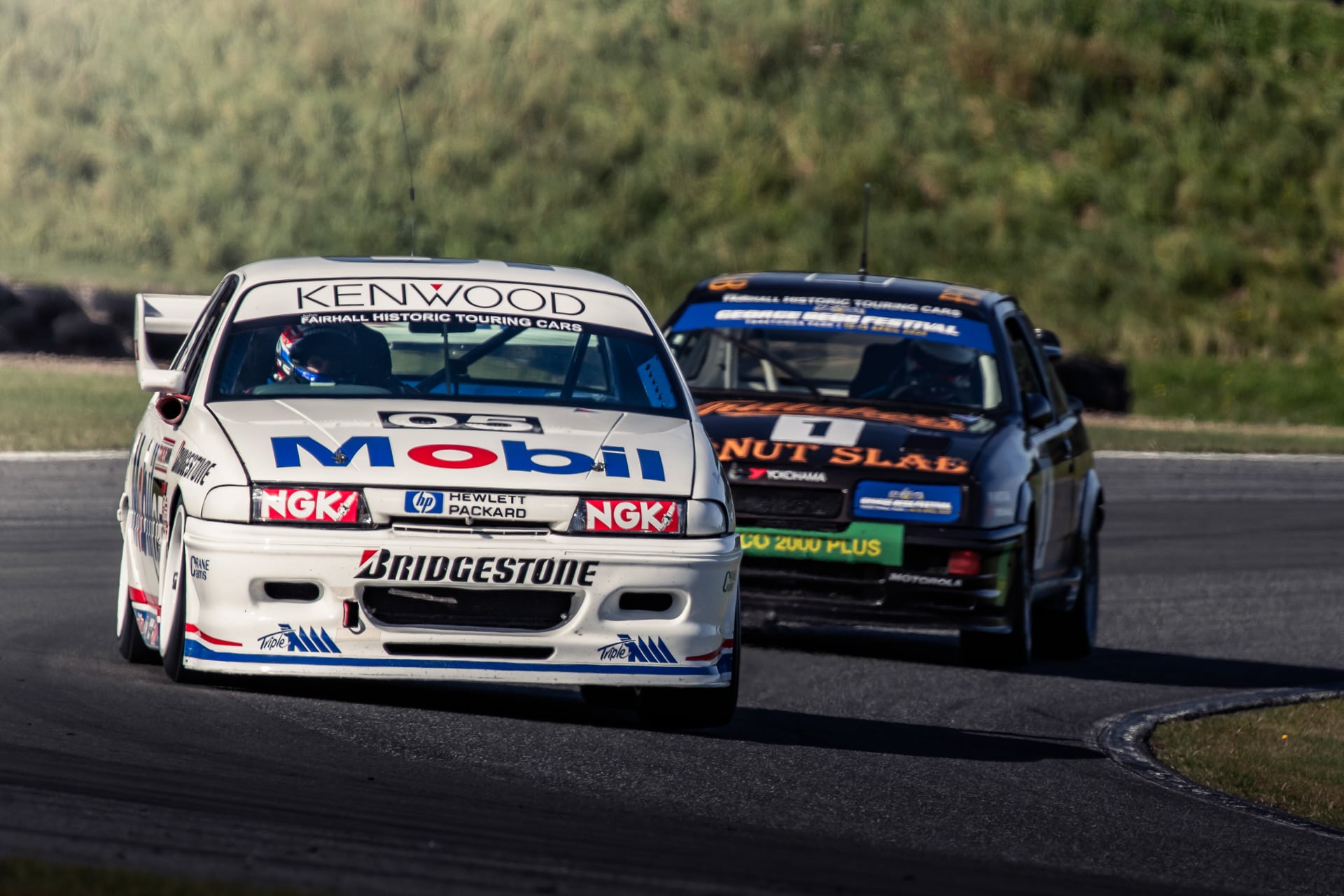
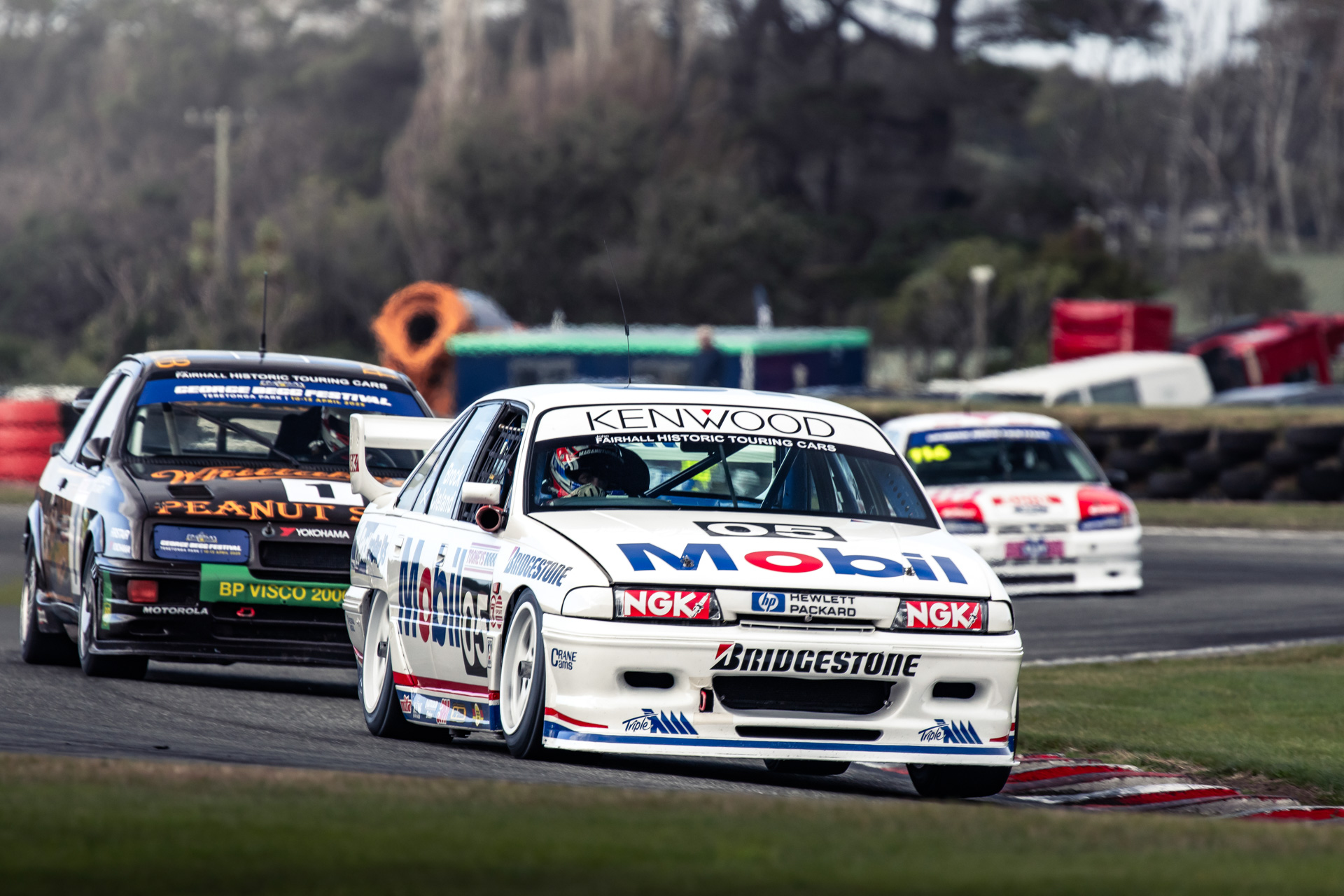
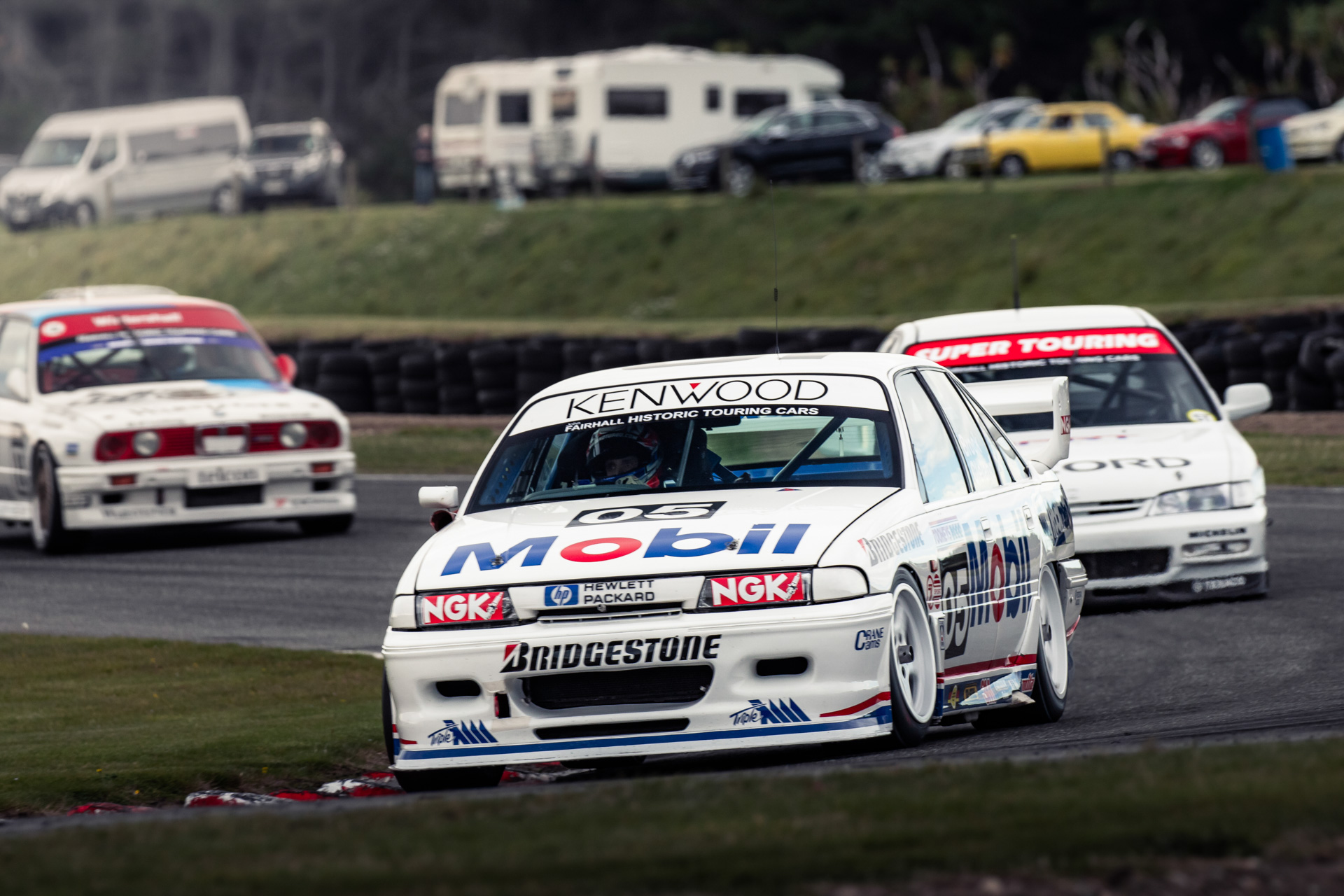
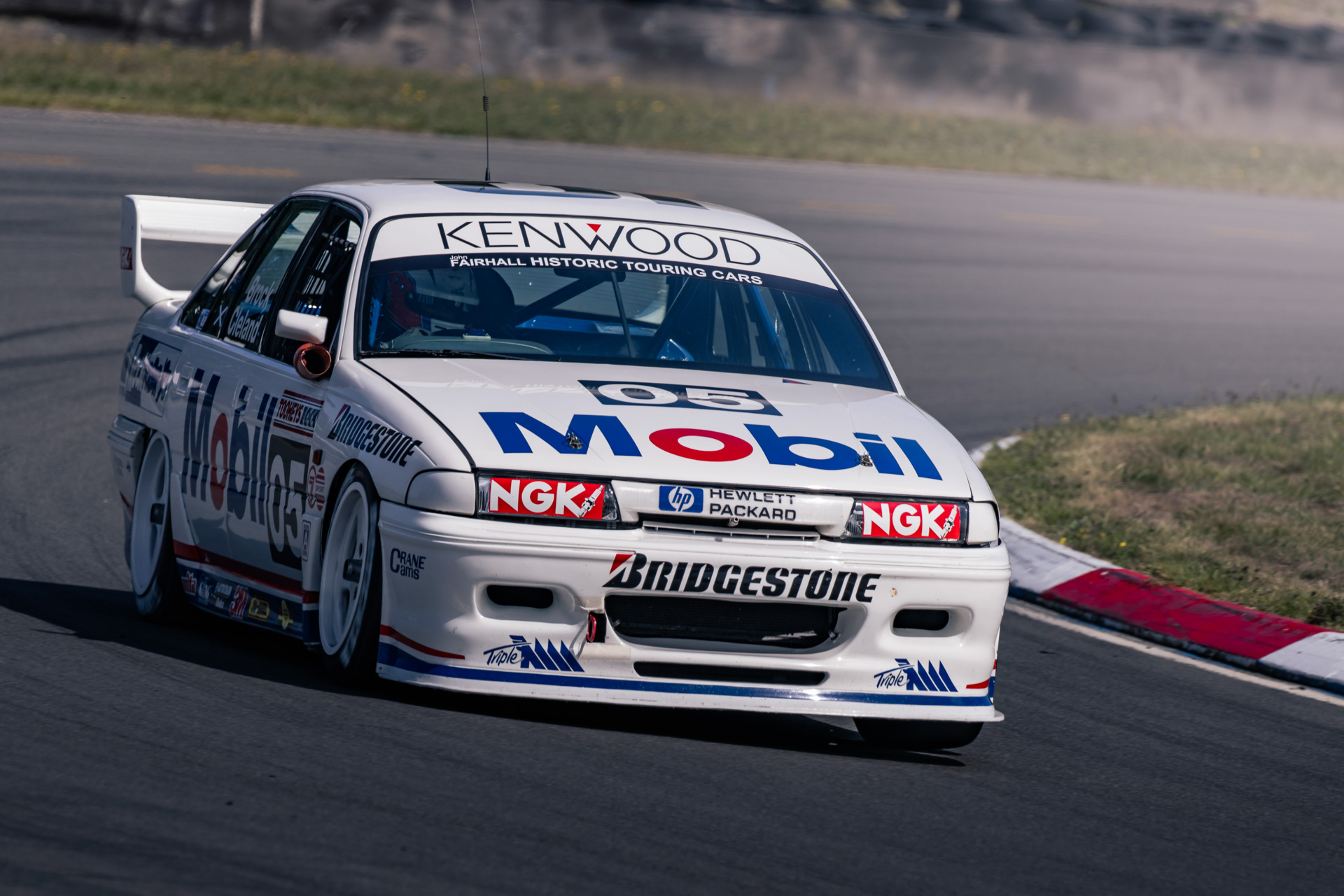
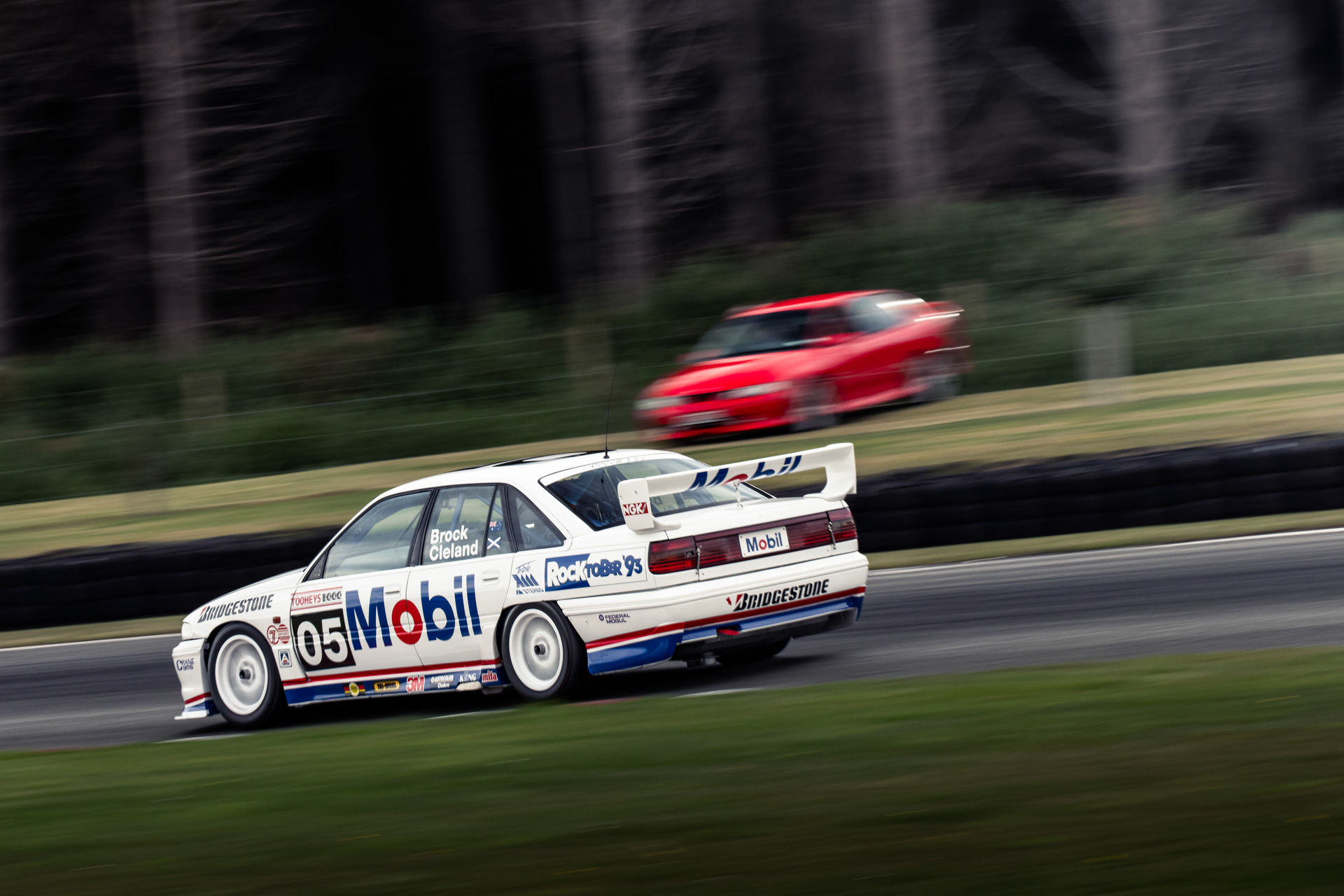
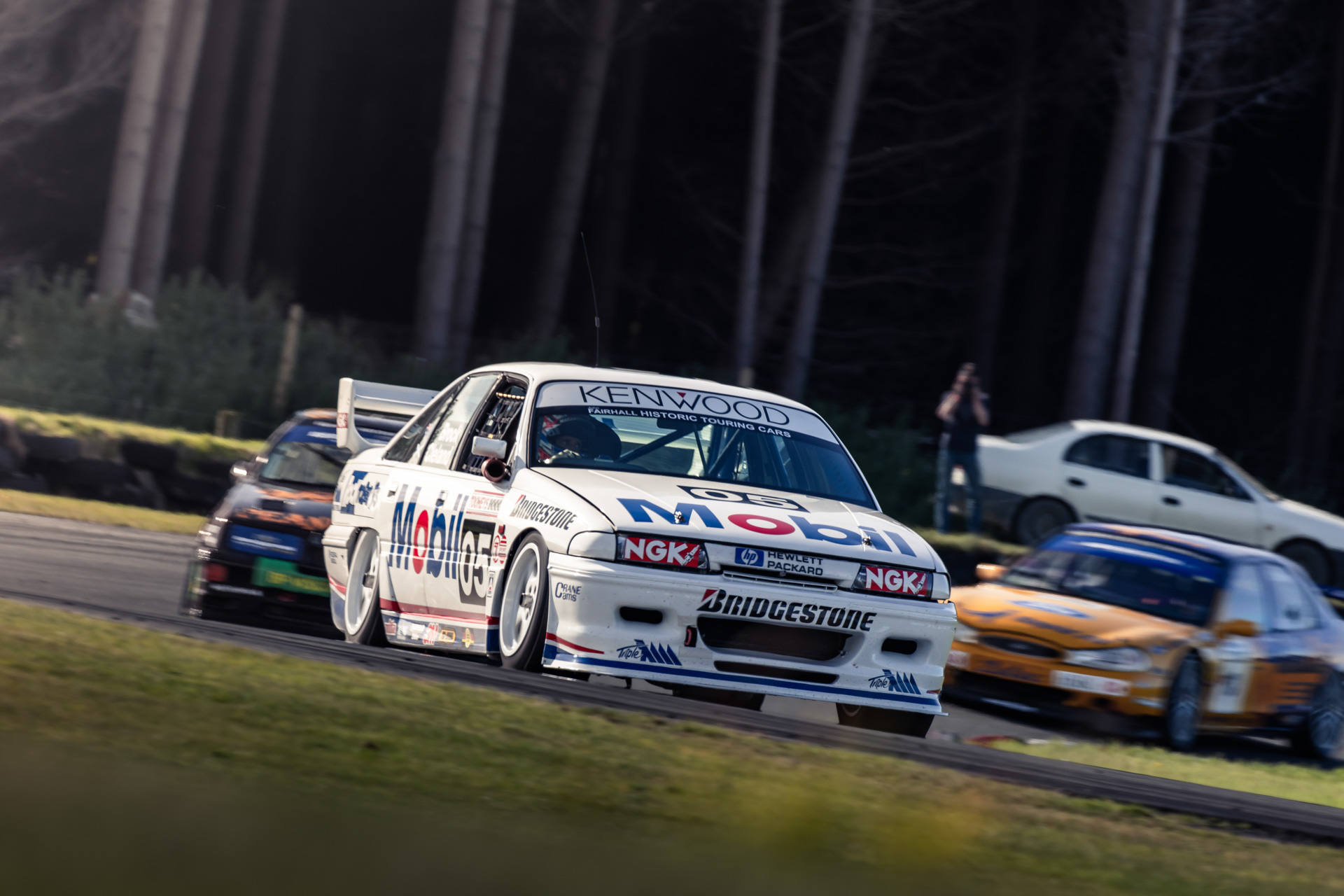
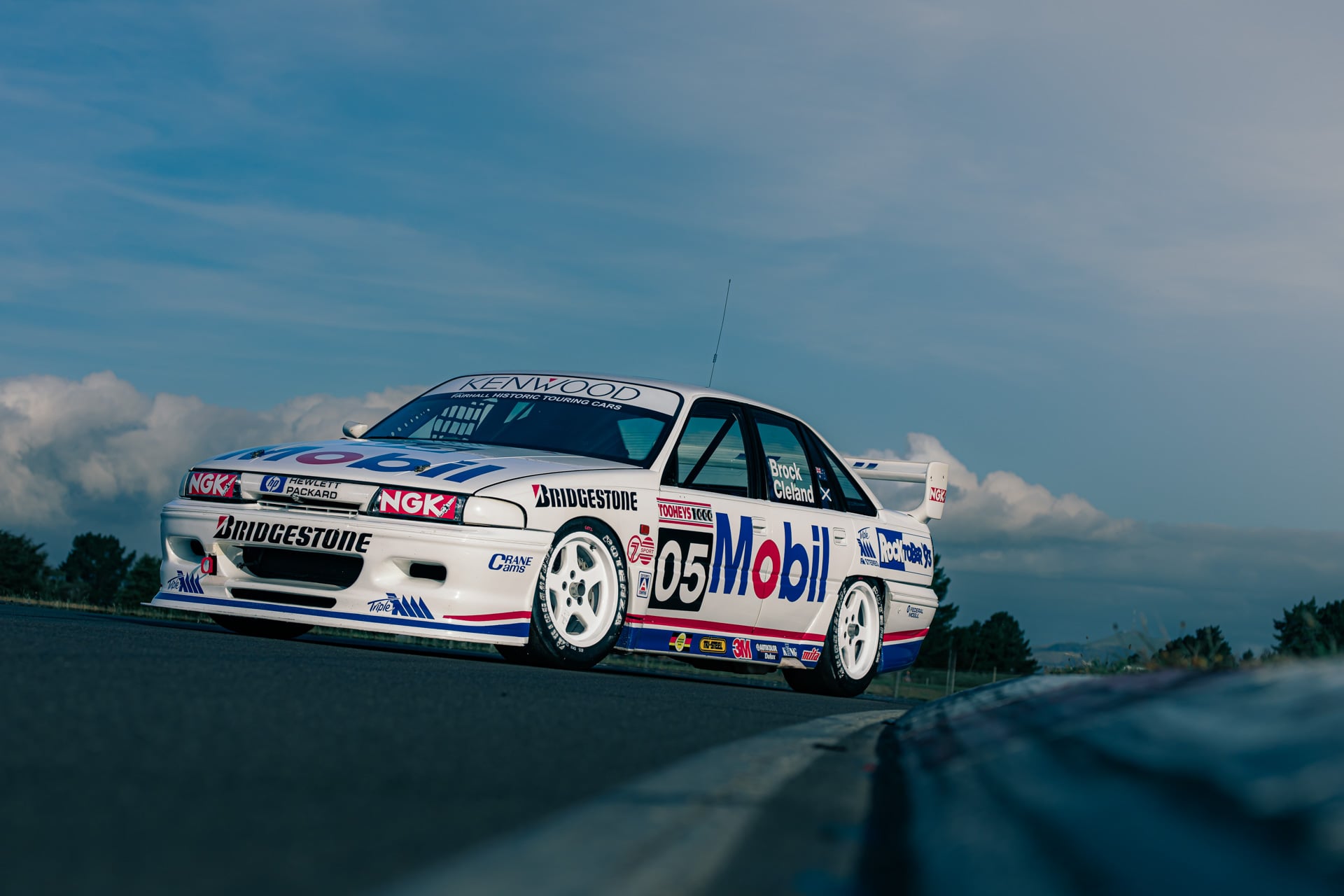
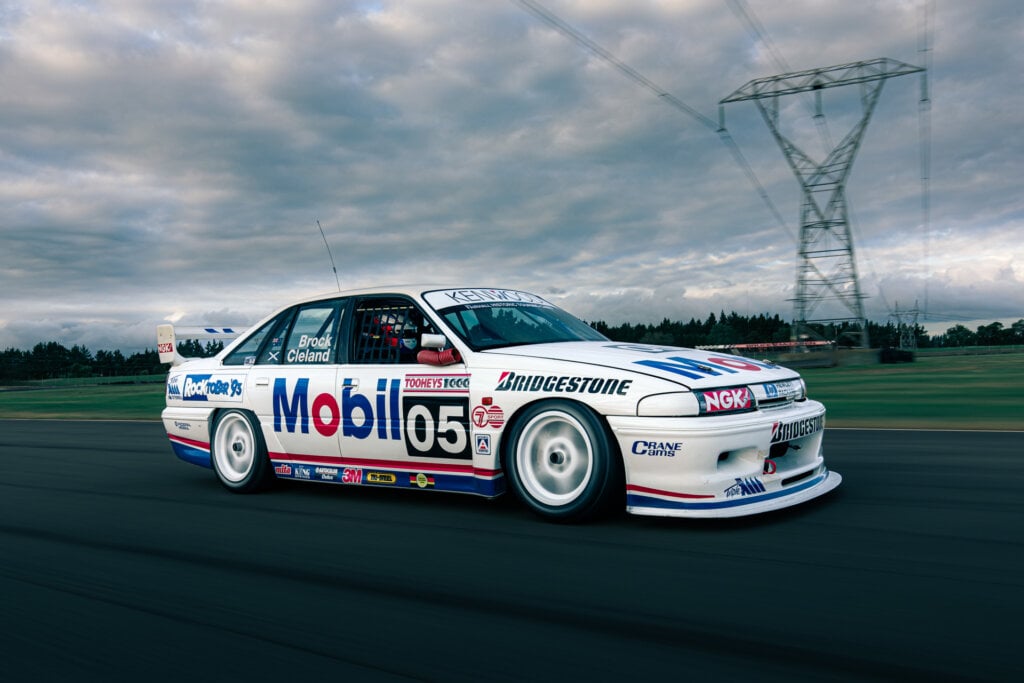
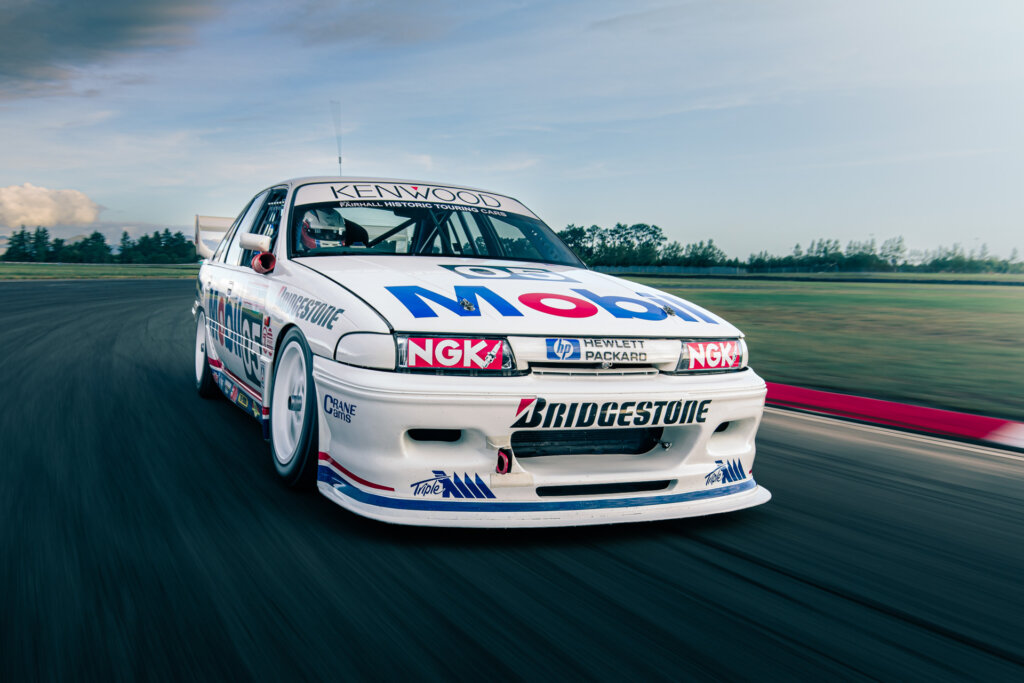
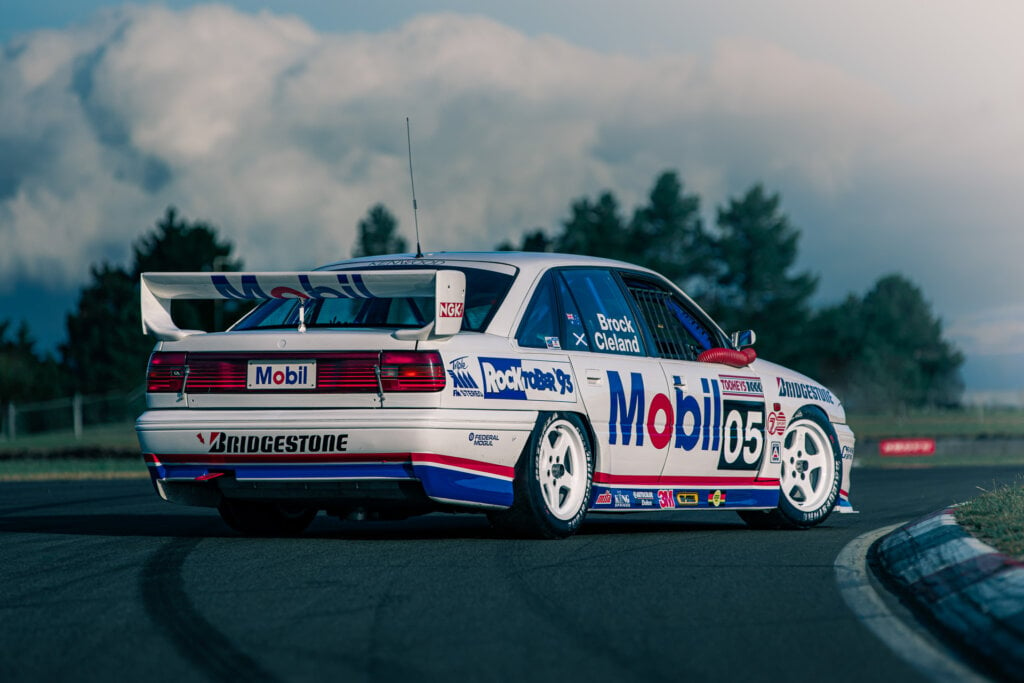
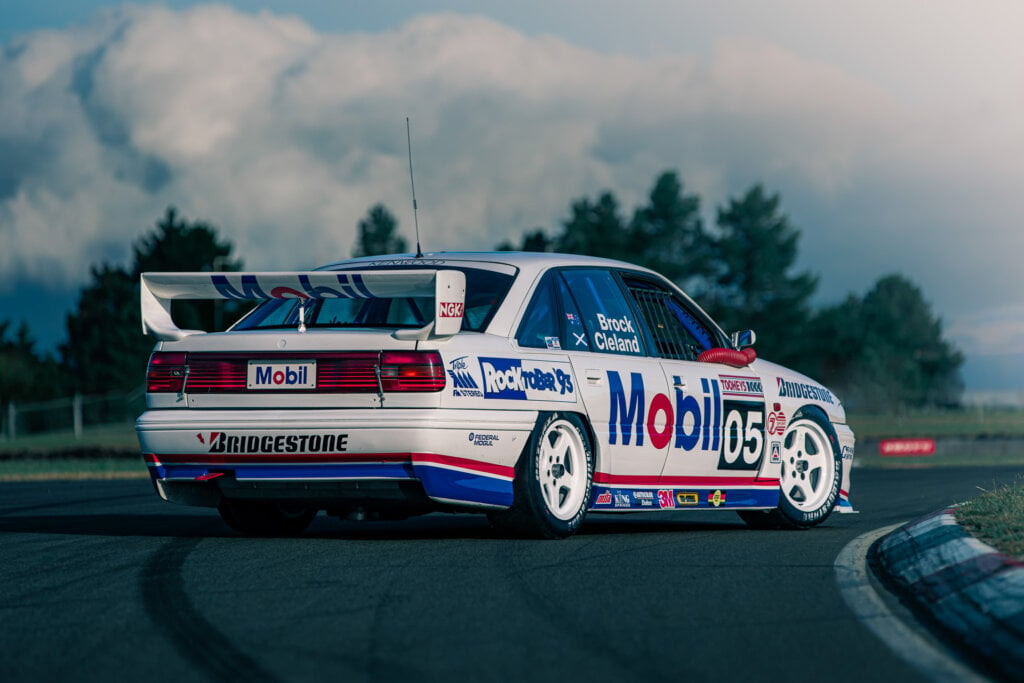
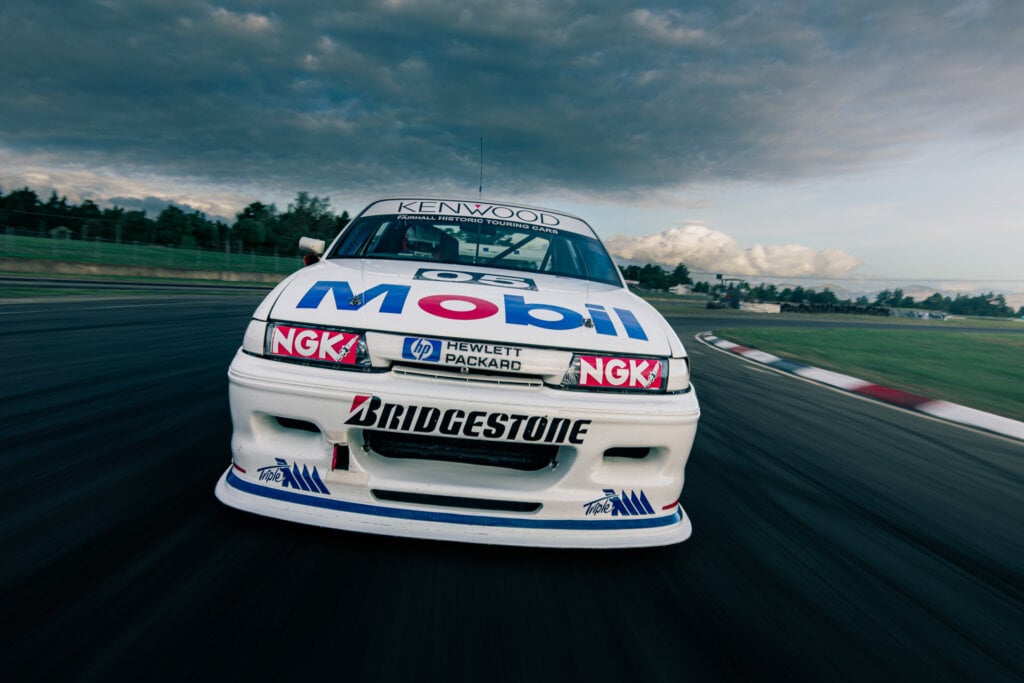
1993 Peter Brock Holden Commodore VP
Words: Richard Opie | Photos: Richard Opie
Peter Brock stands tall among the Australian touring car legends. And so his former race cars are among the most desirable. Thanks to a Kiwi enthusiast, one of Brock’s ex-racers now calls New Zealand home.
Was there a period of touring car racing that’s viewed so nostalgically as the Group A era? The global formula saw over twenty manufacturers fill grids across dozens of countries. It offered the keen punter someone to root for and a means for car makers to connect directly to consumers. What better gratification than seeing a vehicle similar to yours snag the chequered on a Sunday?
Group A began to wane in its latter years as costs began to rise and manufacturers began to exit. Only Ford, BMW and Nissan hung on, pumping money into ‘evolution’ variants of their homologation production cars to remain competitive. Eventually, Group A was no longer.
At the time, Australia decided to go back to the future. This was the dawn of the Group 3A V8 era, a return to the halcyon days of Holden versus Ford. While the ‘little’ cars would initially still be permitted, the prime focus of the Australian Touring Car Championship (ATCC) was to be on the good old bent eight engine.
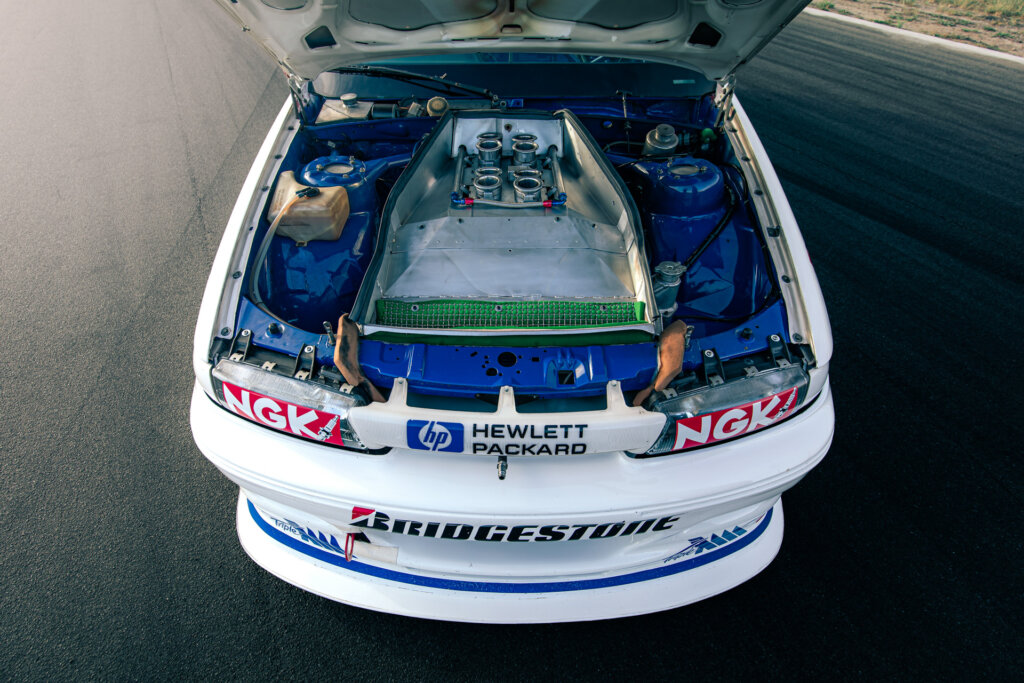
The high-tech DOHC turbos were gone. In their place, grumbling 5.0-litre V8 monsters, with only Henry and the General permitted to take part. Cars would retain production-based Falcon or Commodore body shells, with the likes of Holden Racing Team, Dick Johnson Racing, Perkins Engineering and Glenn Seton Racing moulding them into bewinged, flame spitting crowd pleasers. It was intended to be a parity formula. Each marque was permitted a homologated aero kit. Wheel and tyre size was controlled, but some freedoms were allowed concerning engine and chassis configuration. For example, Perkins persisted with the Holden 5.0-litre engine, while the majority of other Holden campaigners switched to the Chevrolet-based lump.
It could be argued that this formula change was something of a boon for Holden. The Group A years hadn’t exactly been kind to the General. The much-publicised separation between Holden and Brock in 1987 was only the start of their woes. Peter Perfect would go on to campaign BMWs and Sierras until 1990, the year that delivered Holden it’s only real highlight of the Aussie Group A era with a Bathurst victory for Allan Grice and Briton Win Percy. But otherwise, the turbocharged Ford Sierras and Nissan were delivering a stomping. Brock would return to Holden in 1991, along with his lucrative Mobil sponsorship, enabling Perkins Engineering to run a couple of Group A VN Commodores. It yielded limited success, right through to the latter stages of 1992.
With the imminent arrival of the new Group 3A gear, a new start-up team called Advantage Racing would form to field Brock’s cars for the new era. Wanting to focus on the driving – not staffing and operational matters – Brock approached his management team, Advantage International to steer the ship. Speaking to Motor Racing Australia in 1993, Advantage Racing’s manager, Steve Frazer detailed the team structure. “Initially we represented Brock’s commercial interests outside of motorsport. We didn’t have any history in motorsport at all, but after a couple of years we were appointed to run the media side of Mobil and their investment in motorsport.”
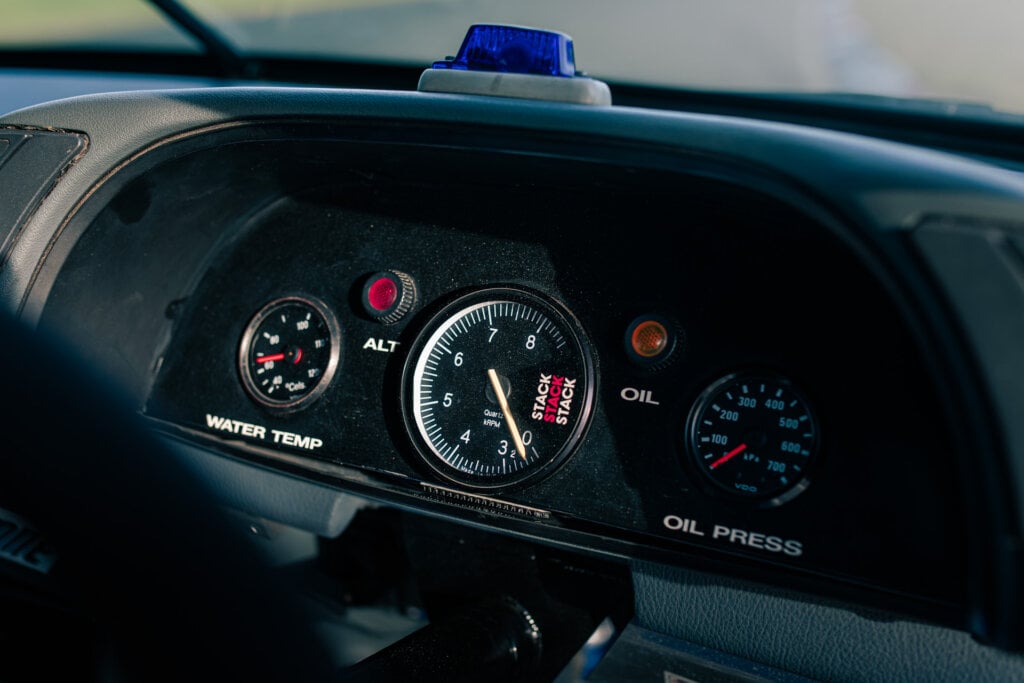
Advantage Racing would begin the Group 3A era with the pair of VN Group A cars which were upgraded to VP Commodore specification. Compliance to the regulations also meant building and fitting 5.0-litre V8s, limited to 7500rpm. The updated VN would provide Brock with a best finish of sixth at Symmonds Plains in 1993. For the round following, the team would debut a new, scratch-built car.
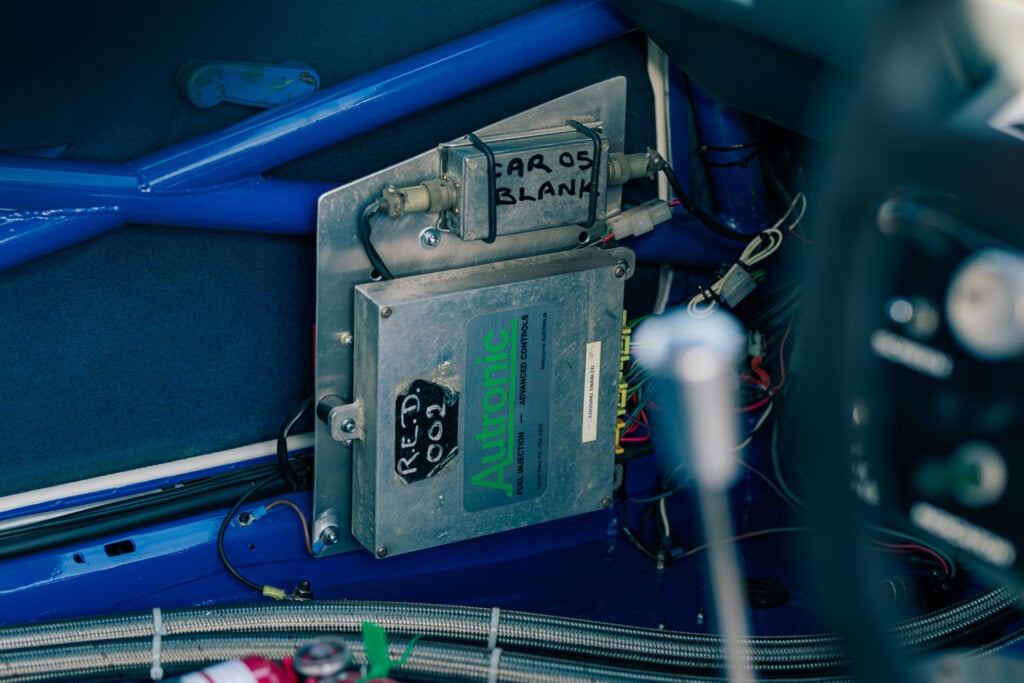
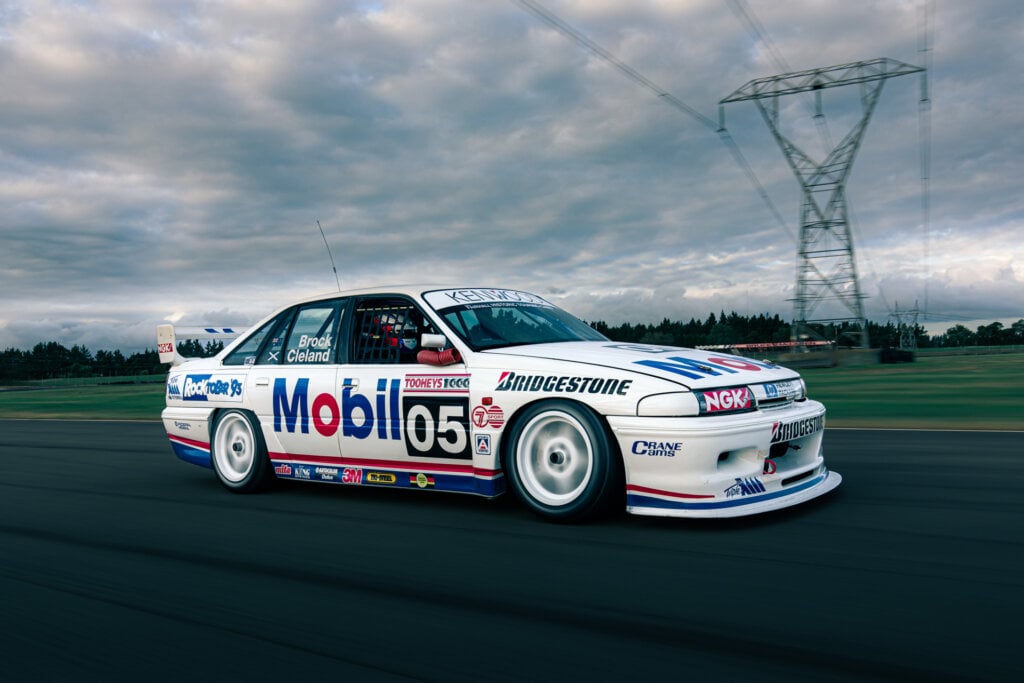
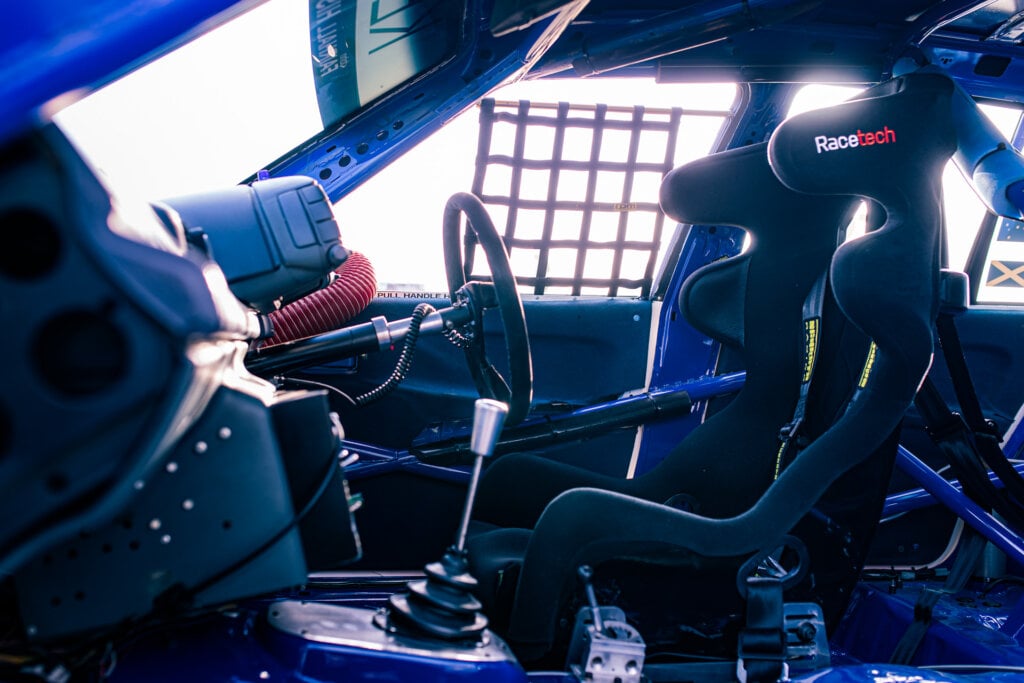
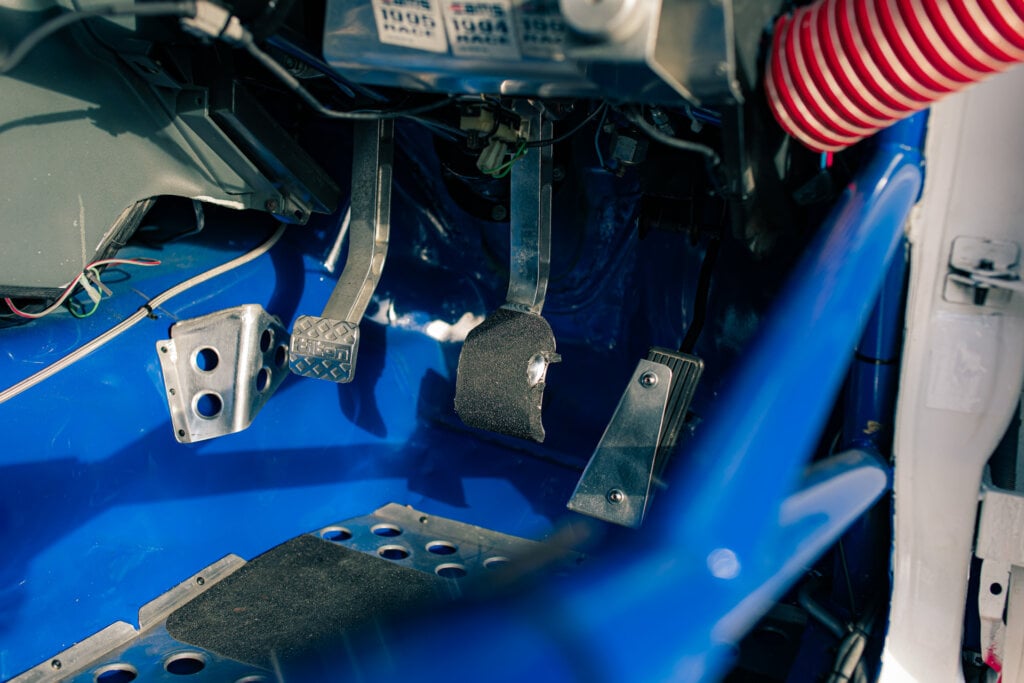
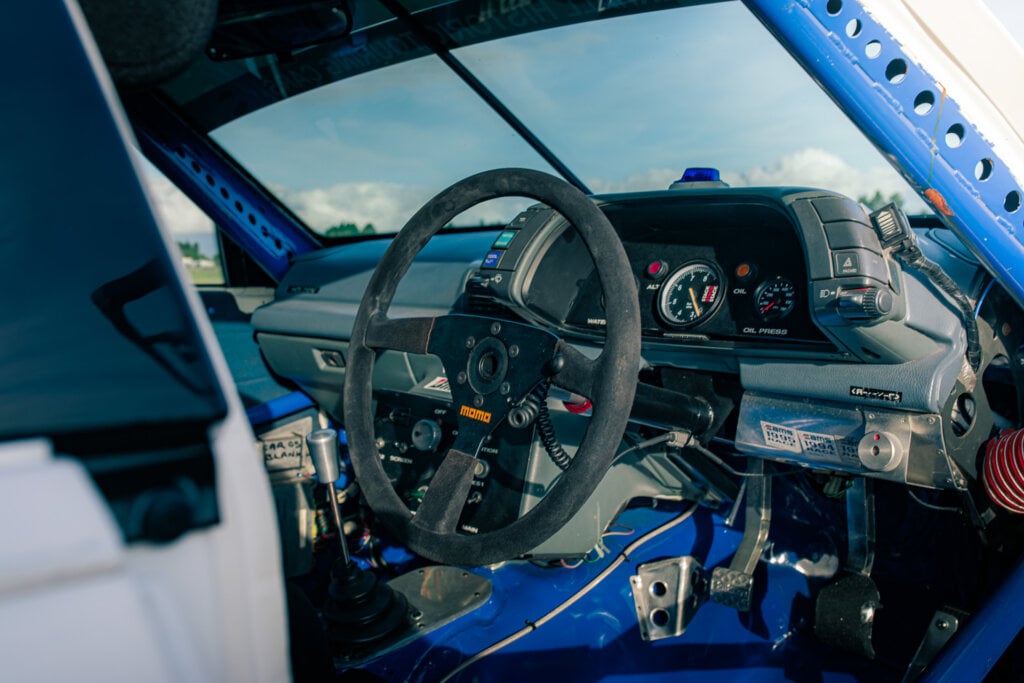
Emblazoned with the chassis tag AR3-93-3A-01 (more commonly referred to as AR3), this would be the first, and only, ground-up build by the team, under direction of Don Green. While the older Perkins-derived cars were tough, they were heavy. AR3 negated that, built precisely to the 1310kg weight limit imposed by the regulations. A large contributor to the diet was the use of chrome-moly rollcage tubing, compared to mild steel of the older cars.
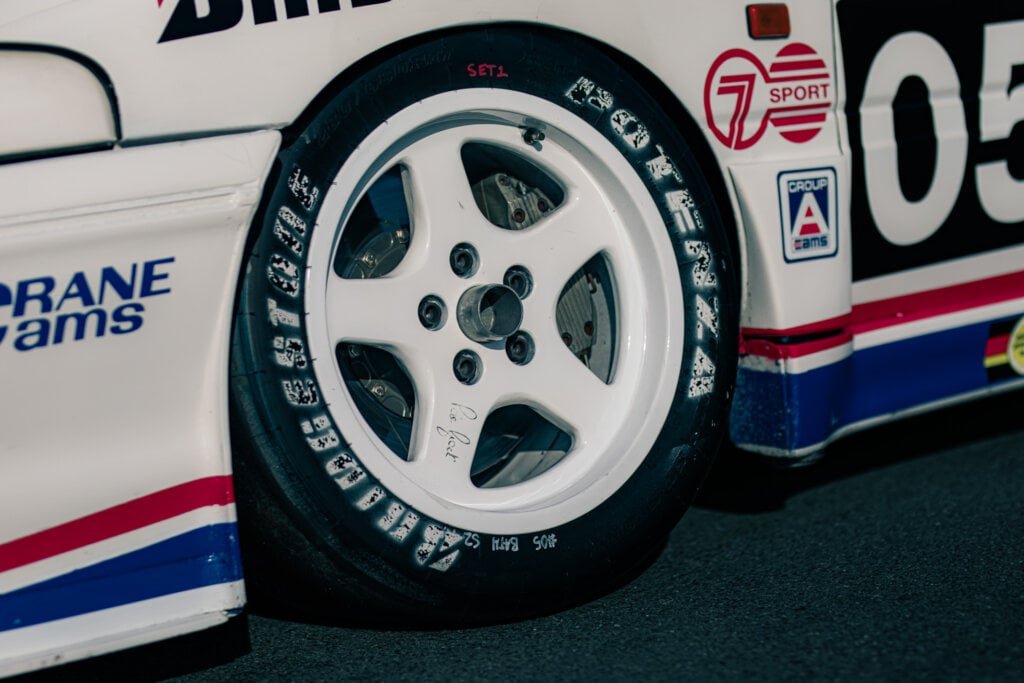
The car utilised the latest four-linked live axle rear end, while up front retained the older-style Group A homologated MacPherson strut. The requisite 17-inch wheels (complete with Brock’s signature cast into a spoke) filled out the arches, with 280-section Bridgestone slicks glueing the big Holden to the tar seal. Harrop four-pot calipers grasp two-piece rotors at either end.
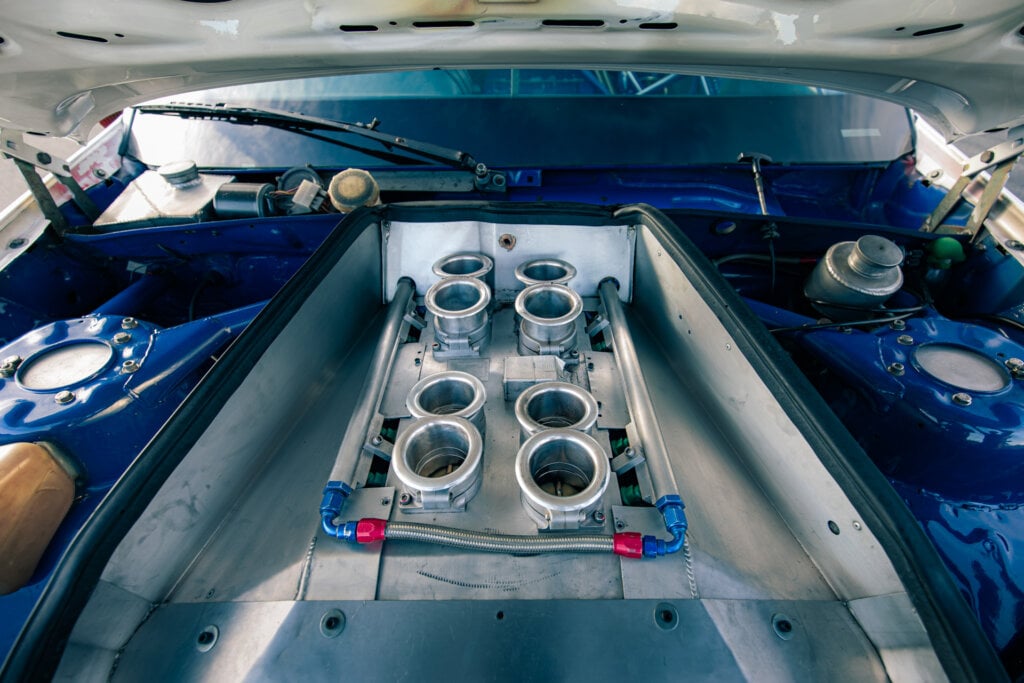
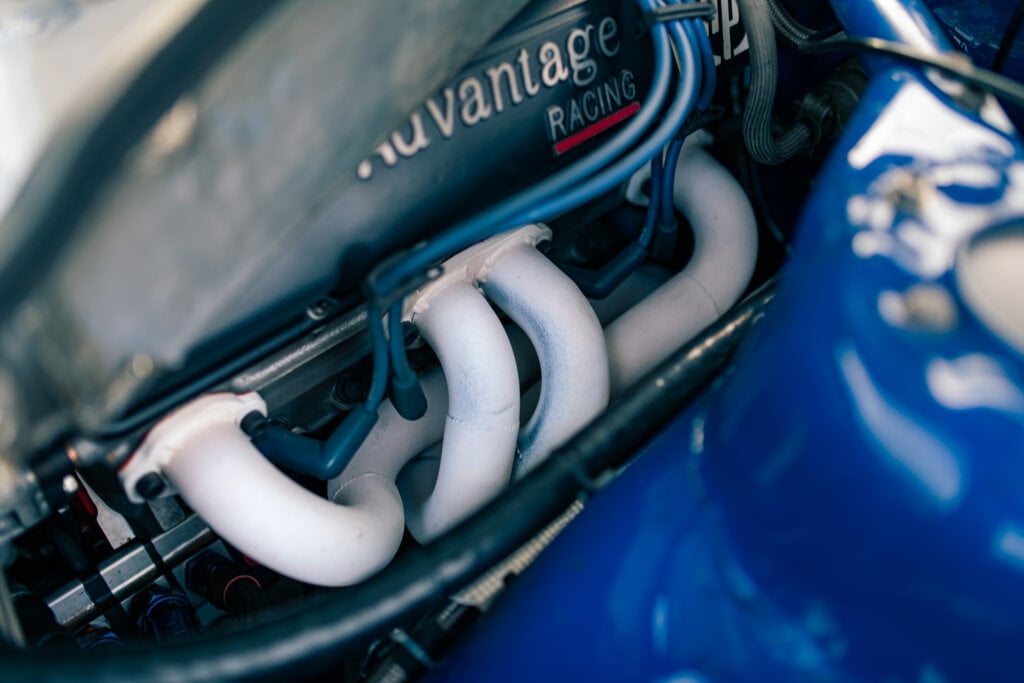
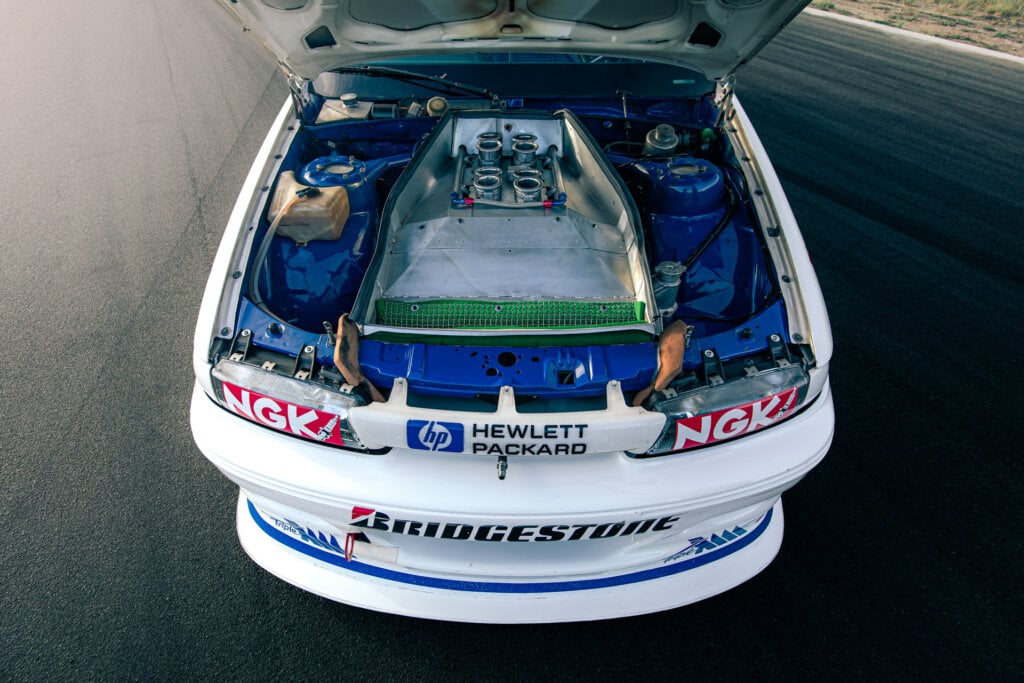
Engine building guru, Neill Burns, choose to develop a Chevrolet-derived block, a move that saw an additional 30 horsepower realised. The net result was a lighter, more powerful weapon. And one that was completed only the Wednesday evening before its Phillip Island debut! Brock would post the fifth fastest quali time, earning a place in the Peter Jackson sprint – a shootout for the top six to determine grid position. He’d wind up sixth, thanks to a lock up and subsequent flat spot. The opening race saw Brock maintain his start position, and end up the second Holden home, right behind Perkins.
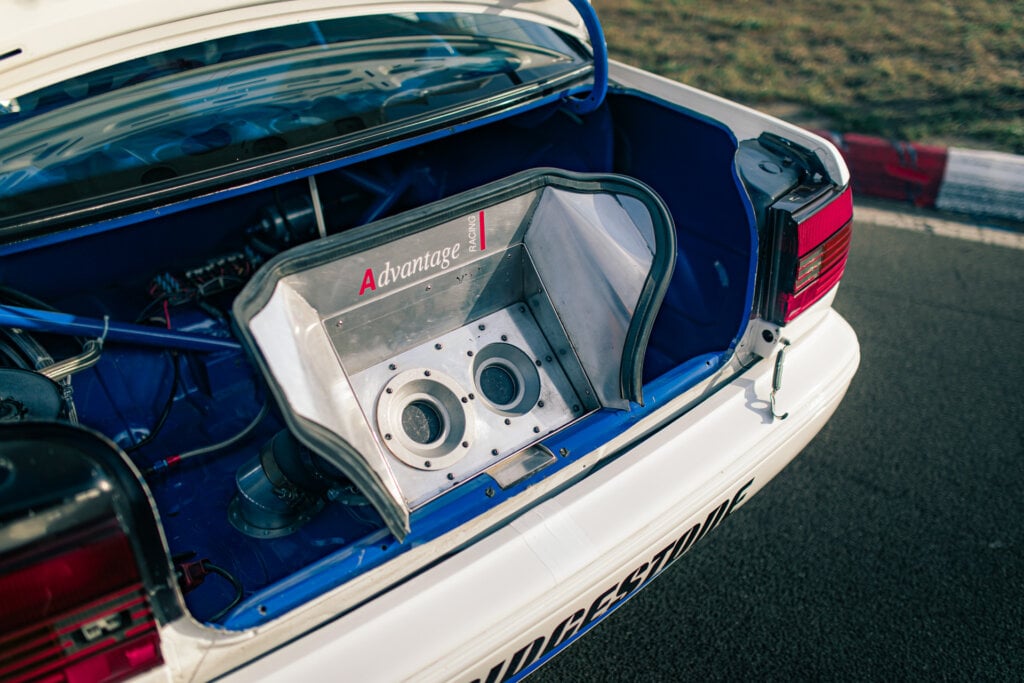
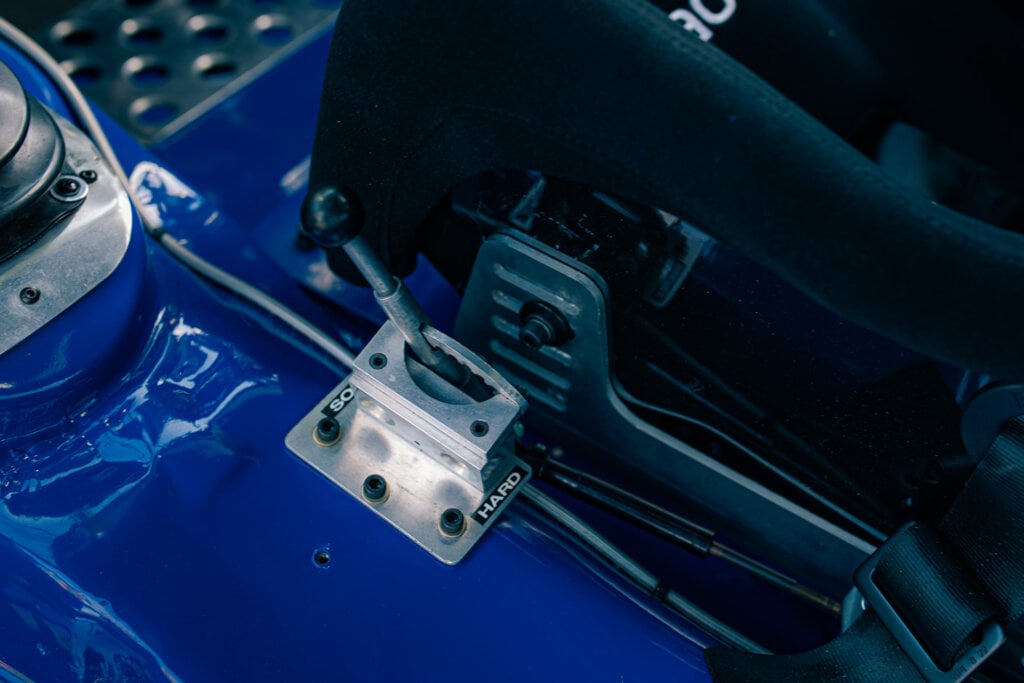
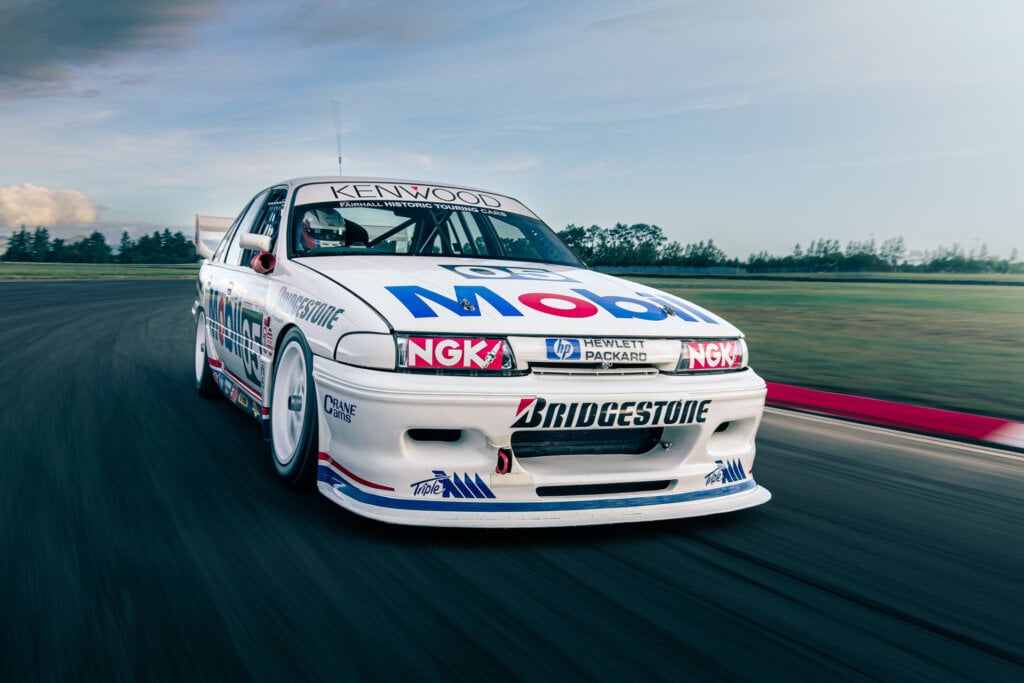
The chasm in performance between the Commodore and Falcon was becoming an issue a couple of rounds later. Holden began lobbying for an improved aero package, and Brock and AR3 would head back to Phillip Island to test new parts. These included a new front bumper with an extended undertray, and a revised rear wing featuring a Gurney flap and a wider range of wing blade adjustment. With the new aero installed from Eastern Creek onwards, Brock and AR3 would go on to consistently feature in the top ten with a best finish of fifth over the next three rounds.
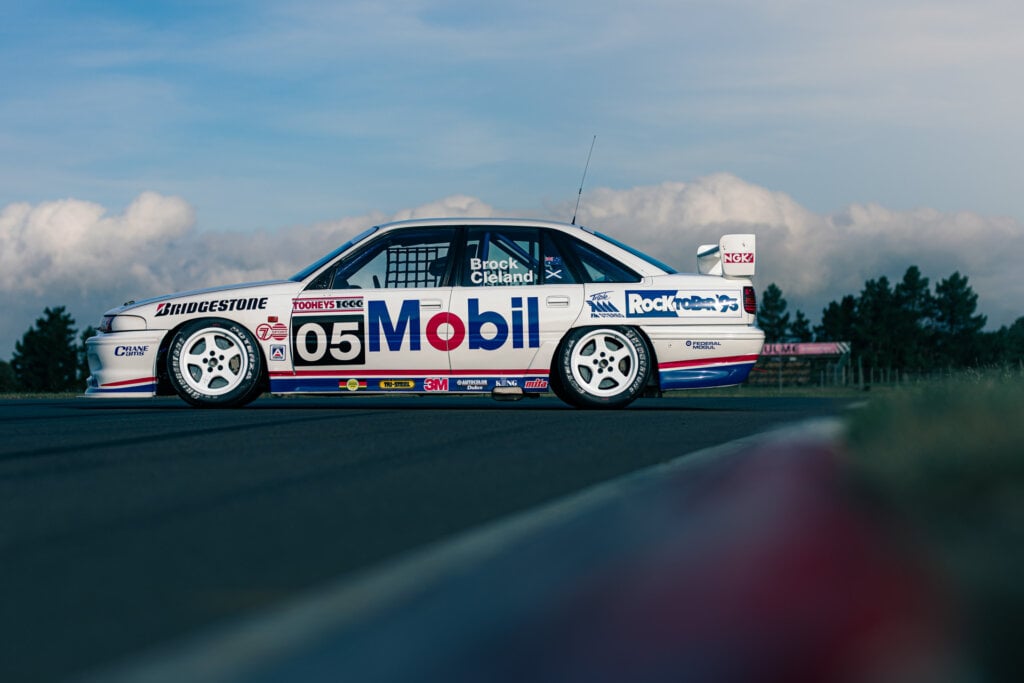
The closing round at Oran Park saw AR3 take its only victory. Brock would lead from P1 on the grid to a rapturous response from the crowd as he crossed the line first, a late season surge that would see Brock and AR3 finish eighth in the ATCC standings.
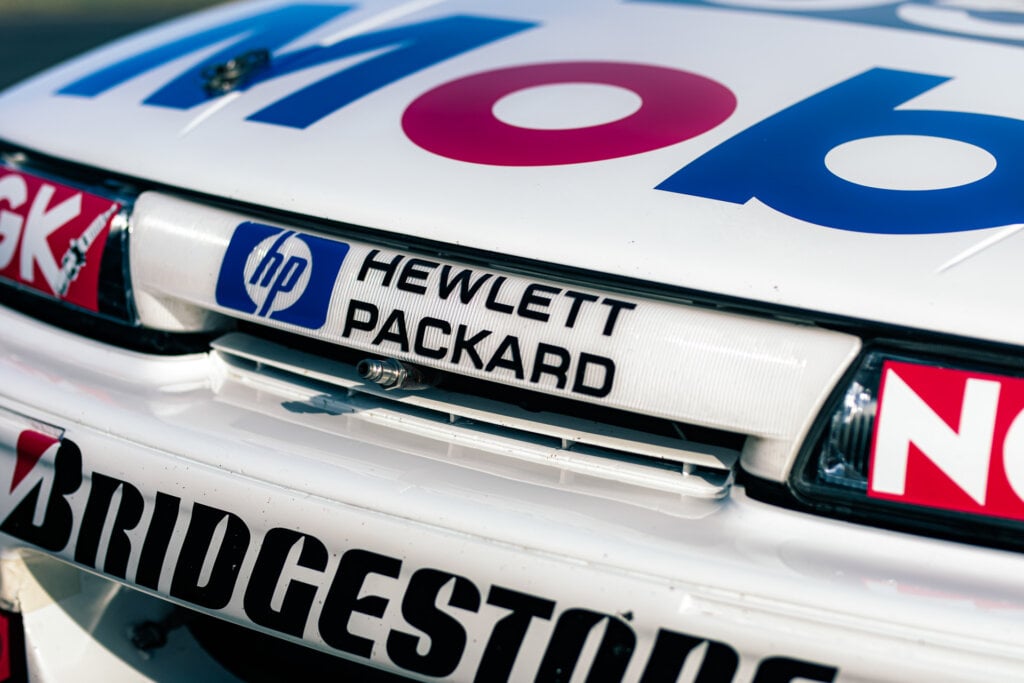
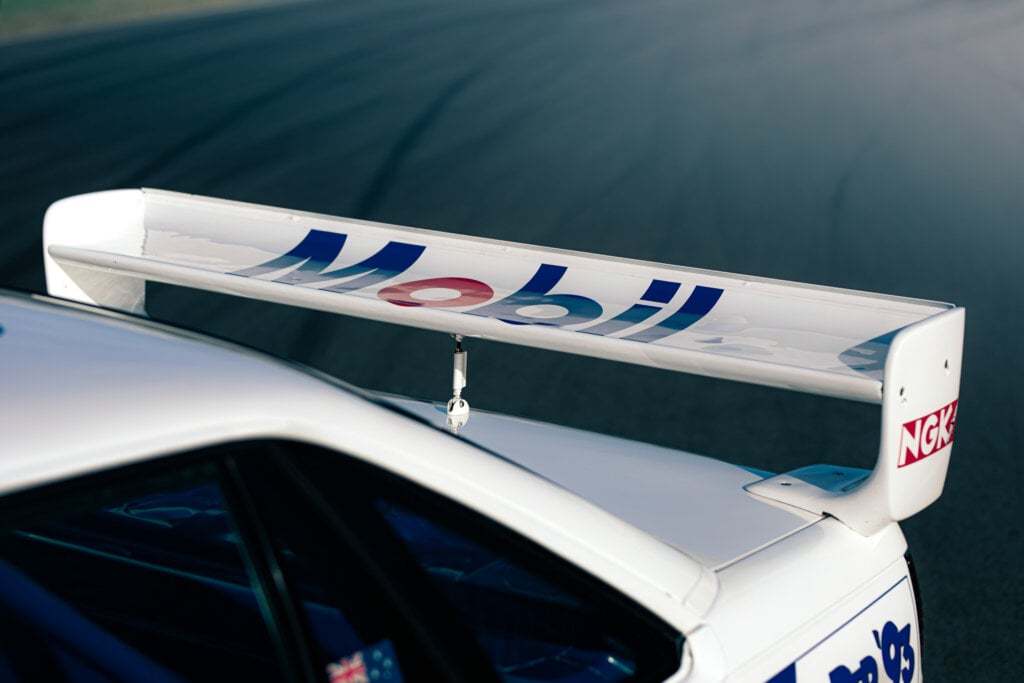
For the enduros, Brock reckoned the car was better than ever. Burns had spent some time on the dyno, refining the block, crank and heads, leading Brock to claim it was “substantially faster” with improvements throughout the rev range.
The Sandown 500 wasn’t meant to be however. A strong start by Brock saw AR3 in contention at the pointy end until the car began to chuff blue smoke. Brock complained it was like driving on ice, but the team pushed on, unable to locate the issue over a pair of pit stops. AR3 would eventually be black flagged and the problem identified as a split oil filter while an electrical fault would sideline the team after 133 laps.
Bathurst 1993 wasn’t an auspicious occasion for the Advantage Racing team. Only three laps into the first practice, AR3 lost oil pressure, leading to an engine swap. The second practice day would lead to broken pushrods on both AR3, and its sister car. HRT would save the day, offering replacement parts, and Brock would go on to set the sixth fastest qualifying time, ending up seventh in the shootout. Brock would hold position for the first two pit stop cycles, but 15 laps into Cleland’s first stint hopes of a great result would be dashed. A tailshaft bearing failed down Conrod Straight, leading to the flailing driveshaft punching a hole in the floor. Limping to the pits, several laps repairing the car put the team well out of contention, with the ailing car eventually finishing off its 1993 campaign in 17th place.
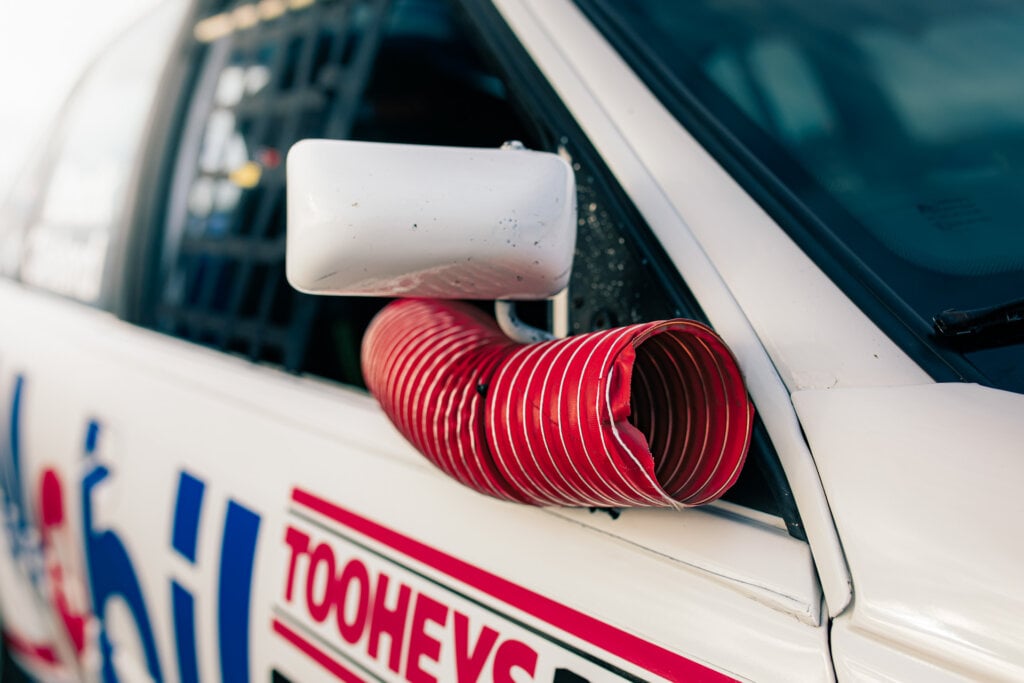
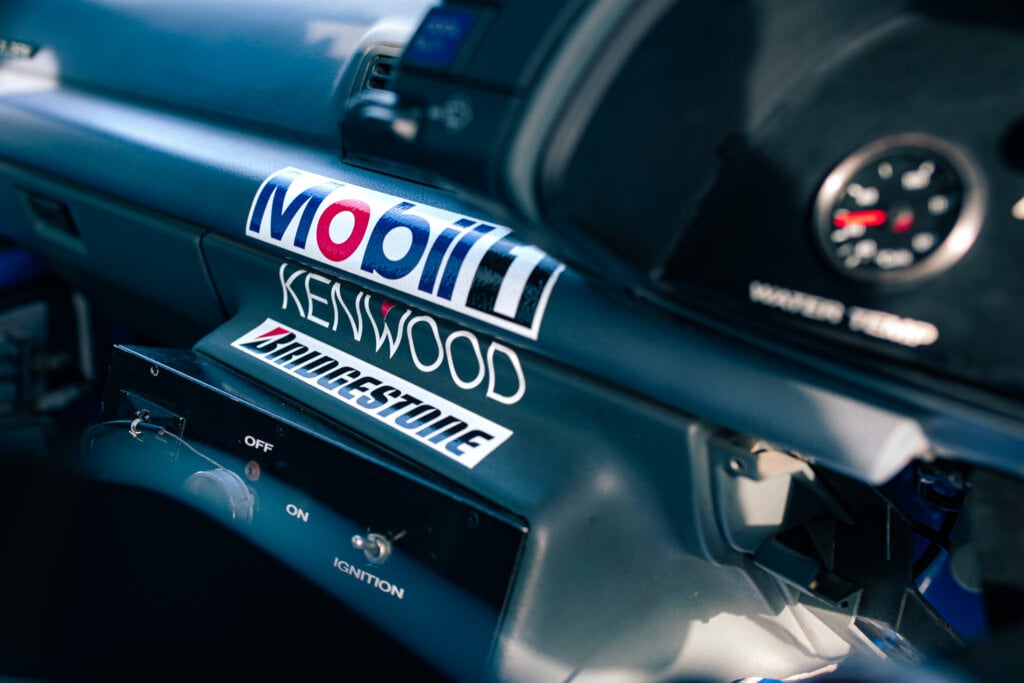
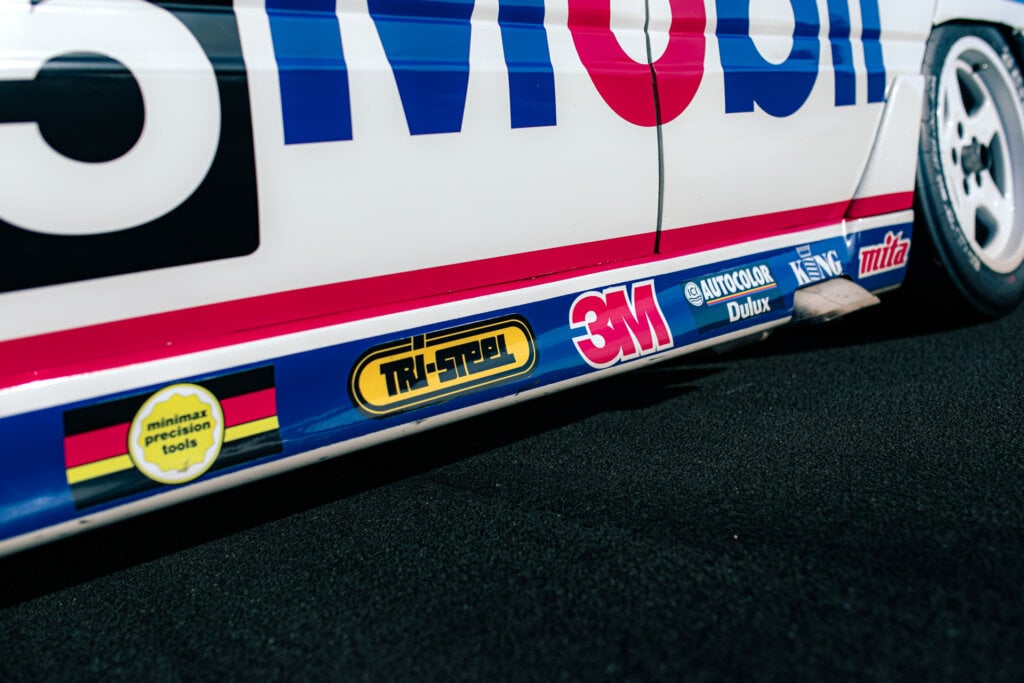
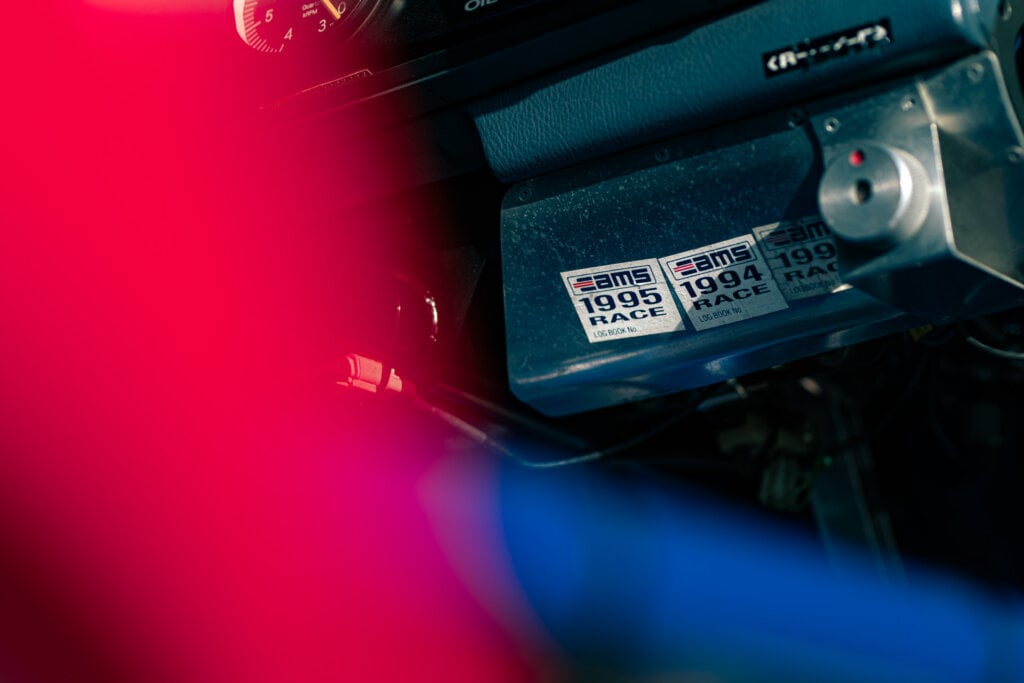
It was that Bathurst weekend that effectively ended Advantage Racing too. On the back of the assistance provided by HRT, team manager John Crennan made moves to bring Brock (and Mobil) back under the factory Holden umbrella. Within hours of a deal being inked, Advantage Racing was no longer. AR3 would run through a series of privateer owners, including Tony Scott and Greg Crick for 1994. Kiwi Ed Lamont would purchase the car specifically for a crack at Bathurst for 1994 and 1995. The latter race would be the cars last in period.
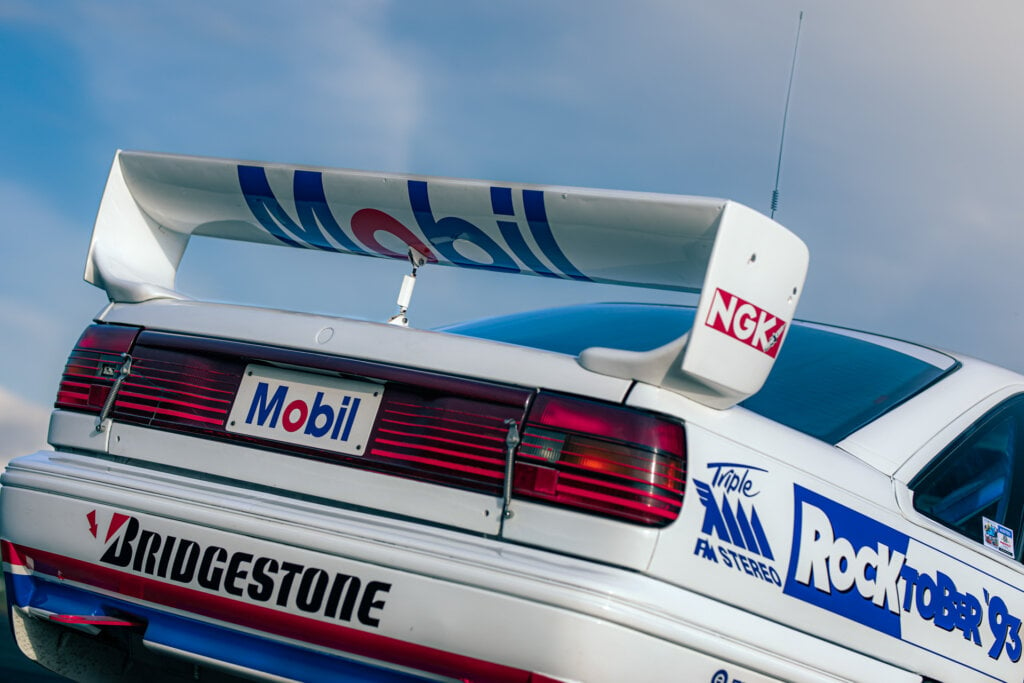
Fast forward to 2025, and the car is now in the hands of Cantabrian Kane Lawson. A certified car nut, with an affinity for detail, Kane’s enthusiasm for all things Brock stems from an exposure to Aussie motor racing as a young fella, even meeting the man himself when Brock raced TraNZams in New Zealand during the mid 90s.
“It was always going to be a Brock car,” explains Lawson. “I did months of research, and worked out exactly which car I wanted – HRT034, Brock’s last Bathurst car as a full time driver.”
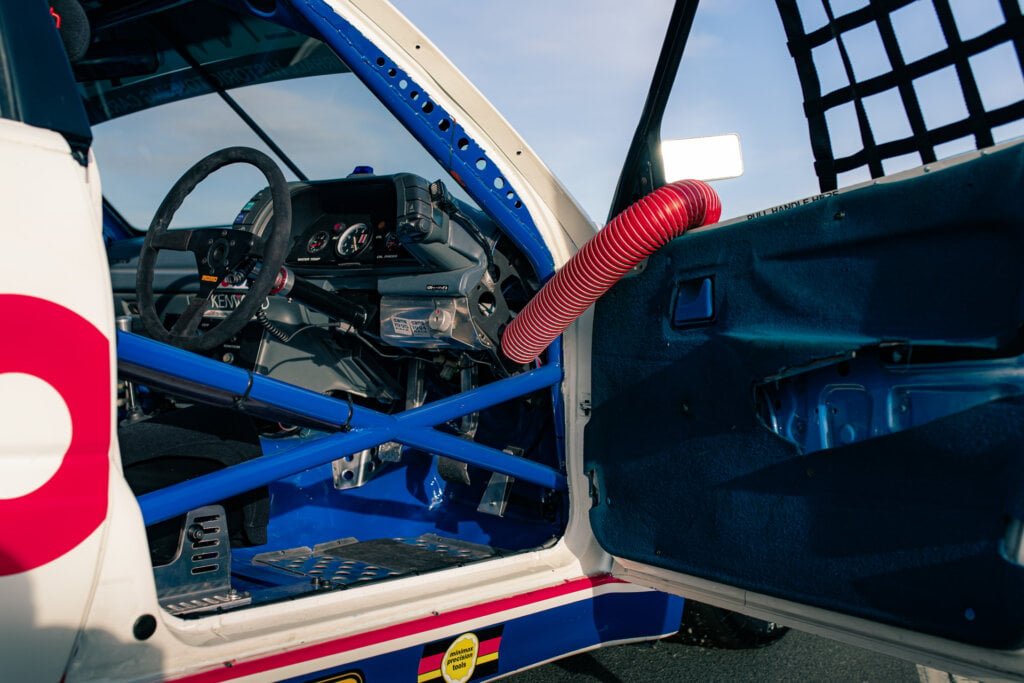
Lawson called Ben Eggleston (of Eggleston Motorsport), the owner of HRT034, but the car wasn’t for sale. In fact, there wasn’t a Brock car available anywhere. Lawson reckons his knowledge of detail on the Brock cars helped his cause. After several months of occasional contact, Eggleston got in touch; AR3 was for sale. Not only that, but AR3 was likely one of the most original Group 3A Commodores left, having never been hacked up, or converted to later VR/VS specification. With a deal inked, the car was sent to Egglestone’s Melbourne workshop. Sure, it had been restored prior but not quite to Lawson’s standards. Stripped to a shell, AR3 was nut and bolt refreshed, with the engine being given a once over by the guru responsible in period, Neill Burns.
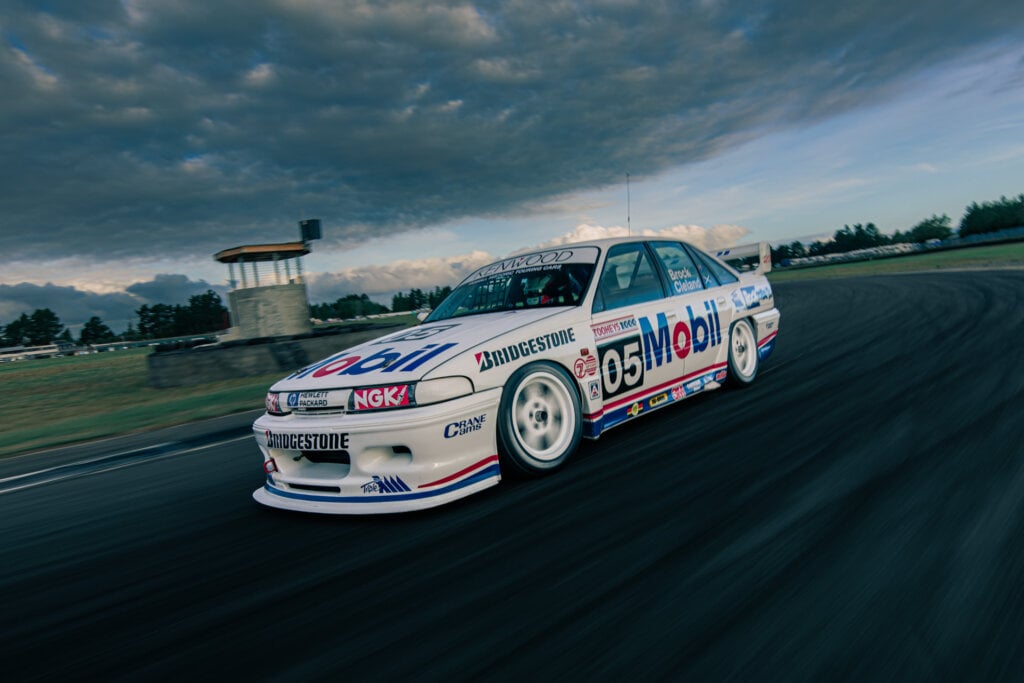
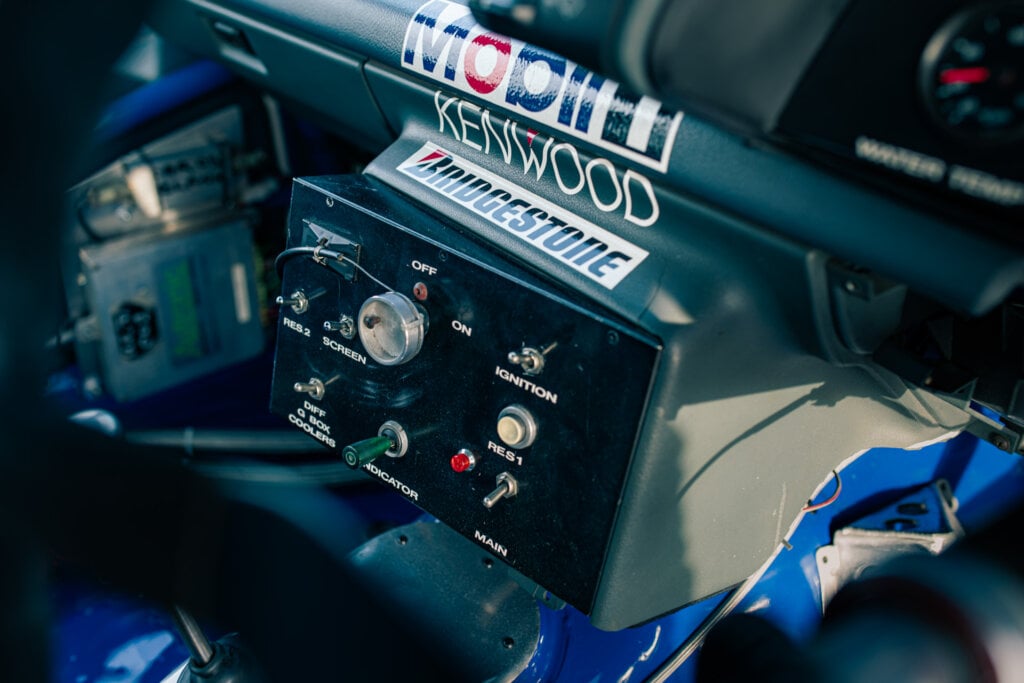
Bathurst 2024 was the goal, with AR3 set to join a massive grid of Heritage Touring Cars. With Egglestone deeming the car ready, Kane jumped the ditch for a test session at Winton. It’d be the first time he even heard the Commodore running. “I couldn’t believe I was actually doing it, driving a Brock car,” he exclaims. “The same steering wheel, the same tacho as I’d seen in all that footage I’ve watched.”
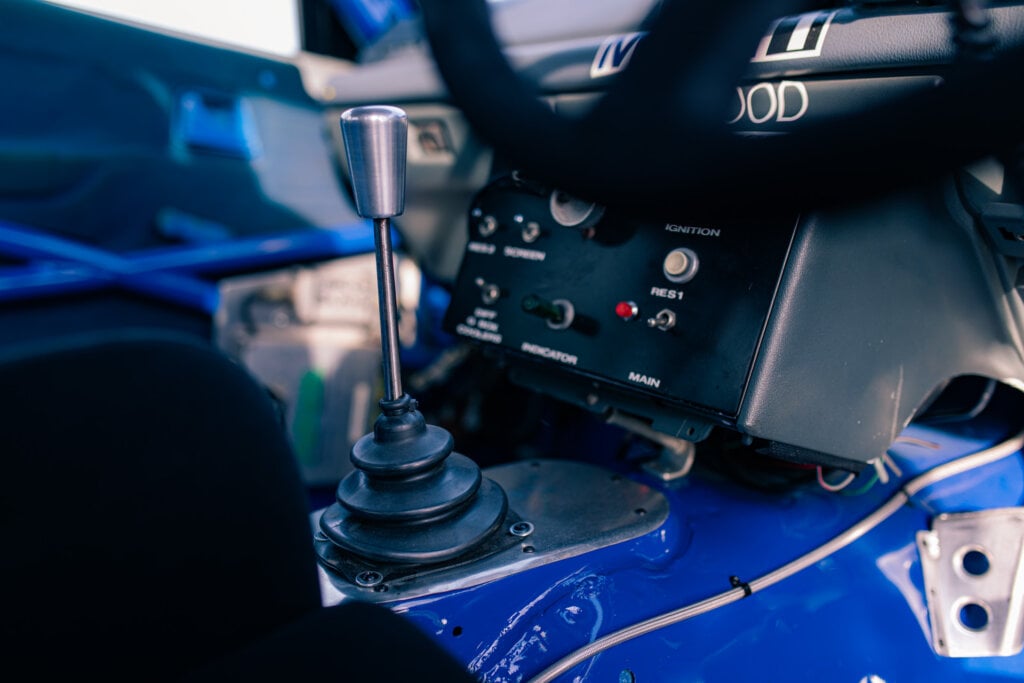
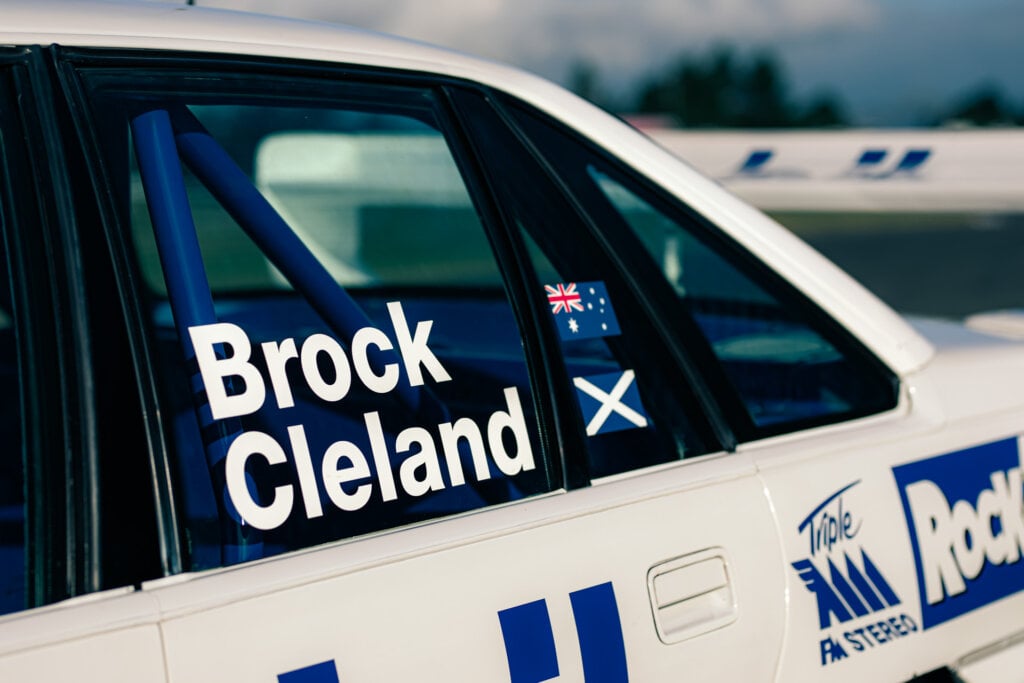
AR3’s return to Bathurst generated significant interest from fans and media alike. Comfortable behind the wheel, Lawson ran at the pointy end of the field all weekend. “It’s got a few quirks due to its age, but it’s a really well balanced car,” says Lawson. “It does run out grip mid corner earlier than a modern car, but it stops, turns in and goes well enough to turn 1:30s at Ruapuna, a respectable time for any type of car.”
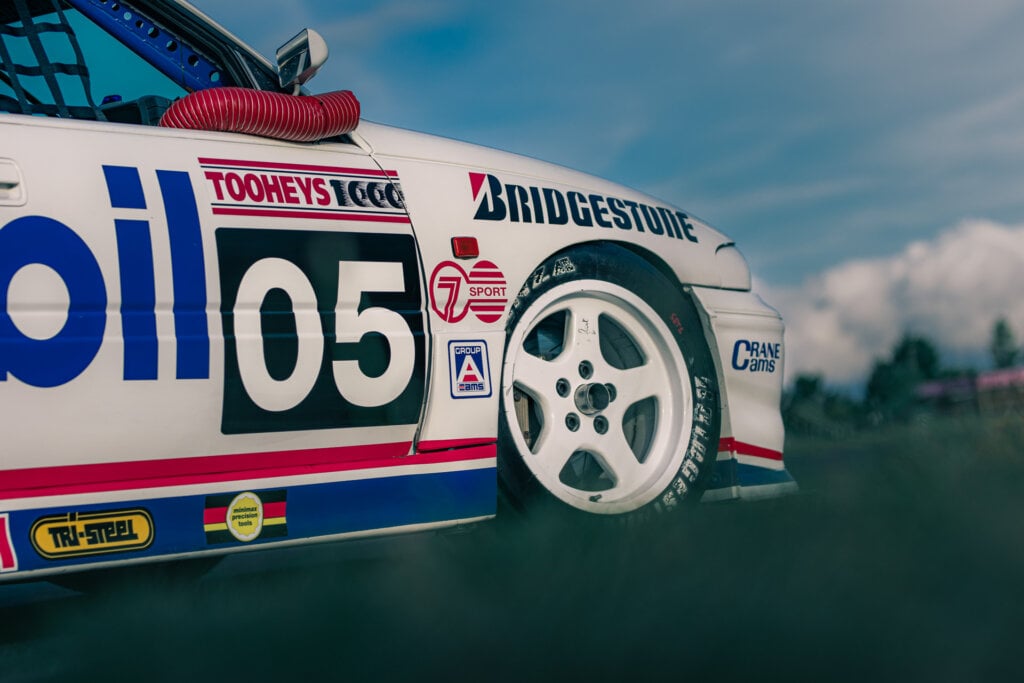
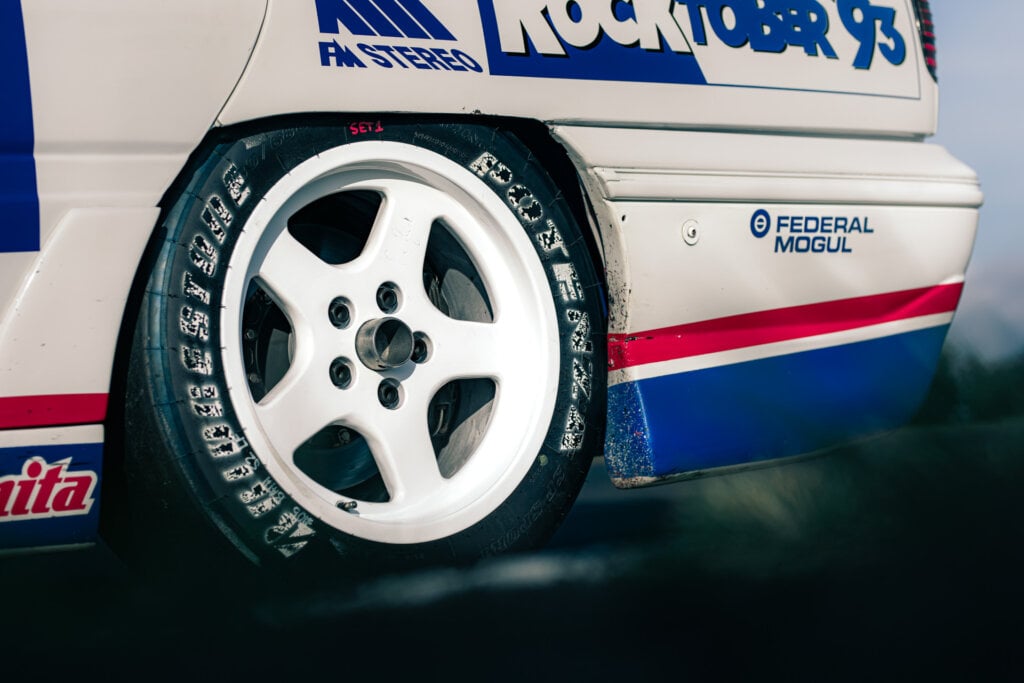
Now a regular fixture among the Historic Touring Cars NZ grid, the rumbling Holden is enthralling Kiwi race fans. Competing amongst a range of eras including Group A and Super Tourers, it’s a real-life window into a time Australia forged its own path. A path that’d set the blueprint for modern V8 touring car racing into the future.