View all
14 more images
2026 BAIC B30 Premium Adventure HEV AWD vs Nissan X-Trail ST-L e-Power Review
Words: Kyle Cassidy | Photos: Alex Schultz
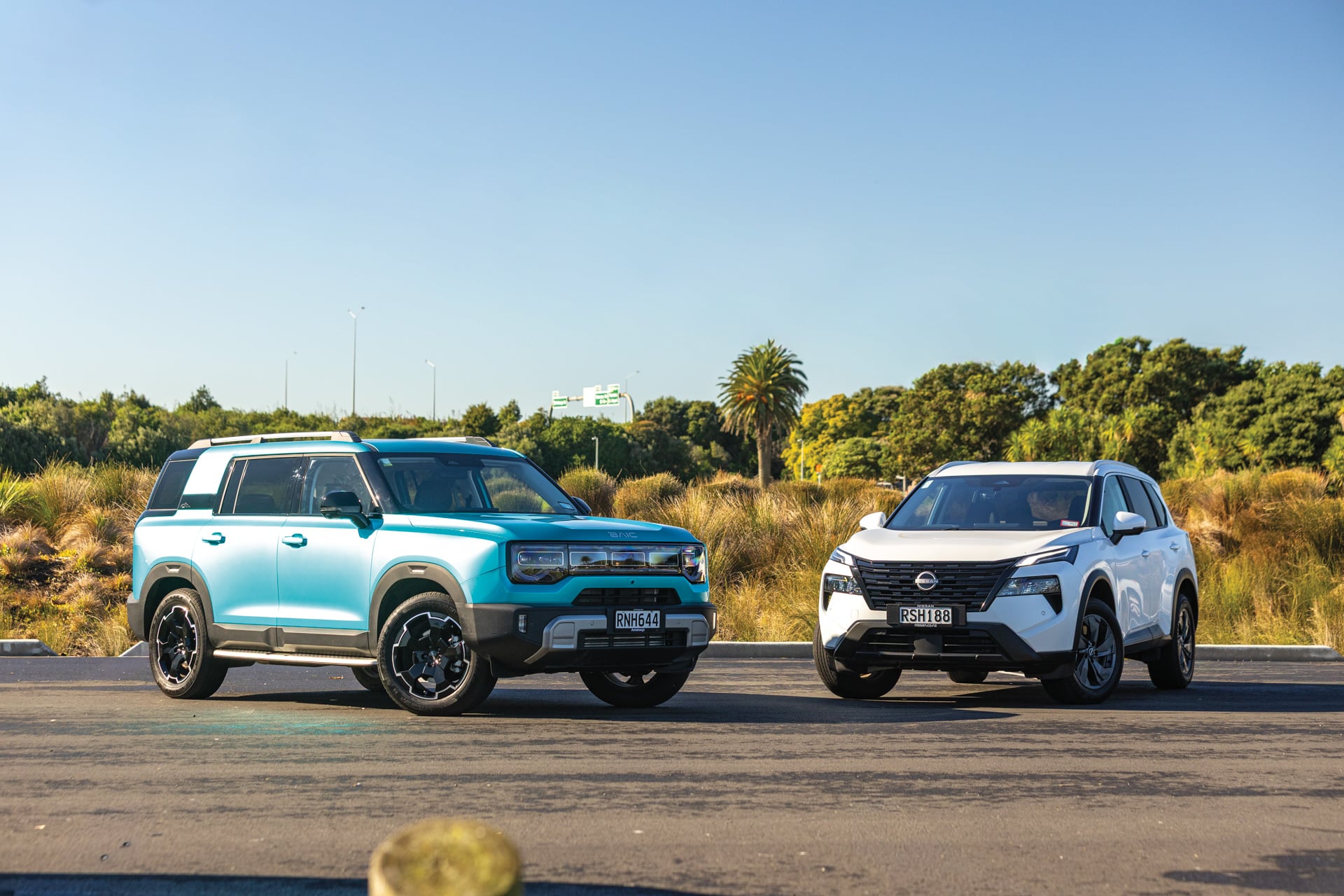
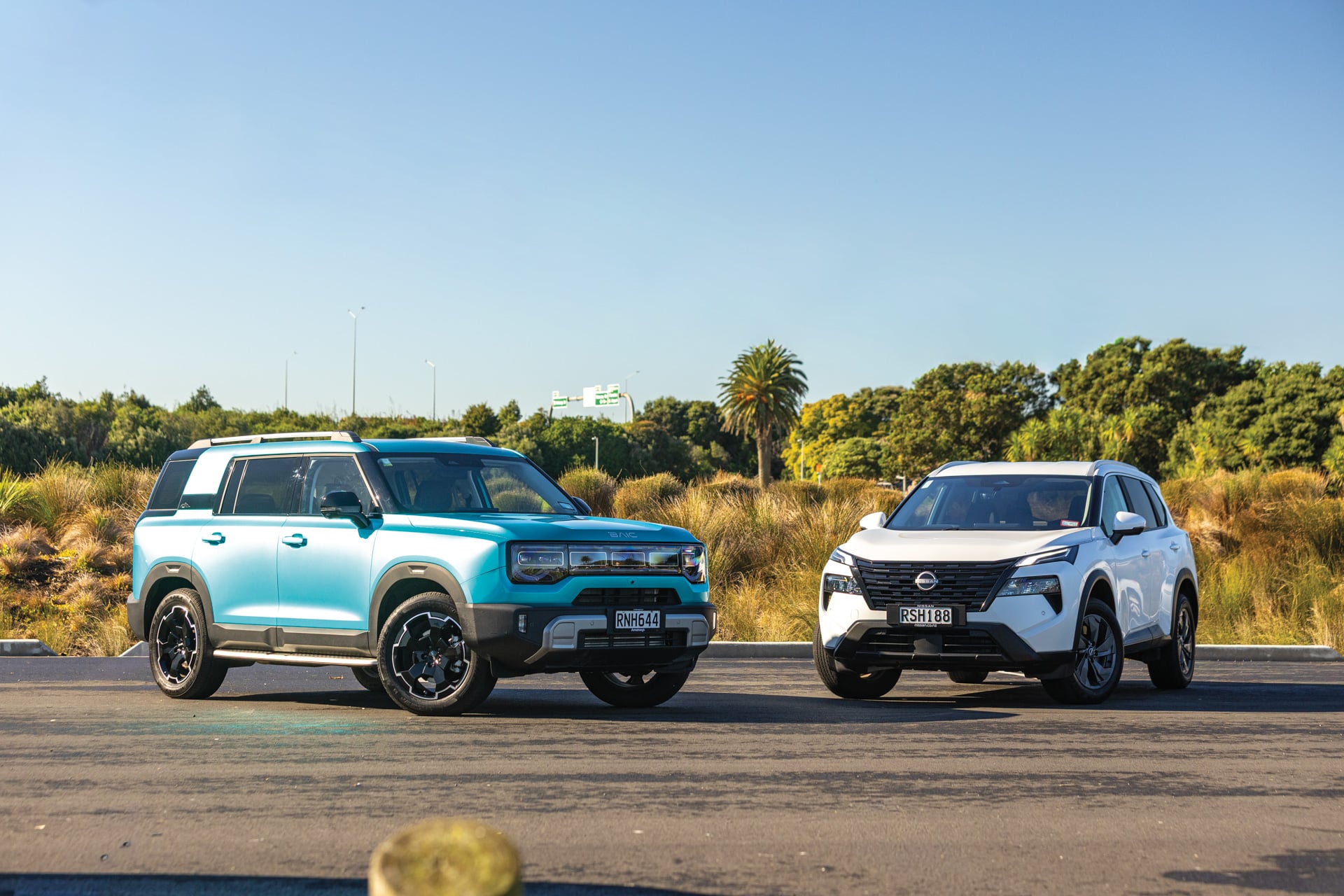
Some of the new offerings from China are genuinely impressive, like the BAIC B30, especially in hybrid form. But is it good enough to beat an established player like the Nissan X-Trail?
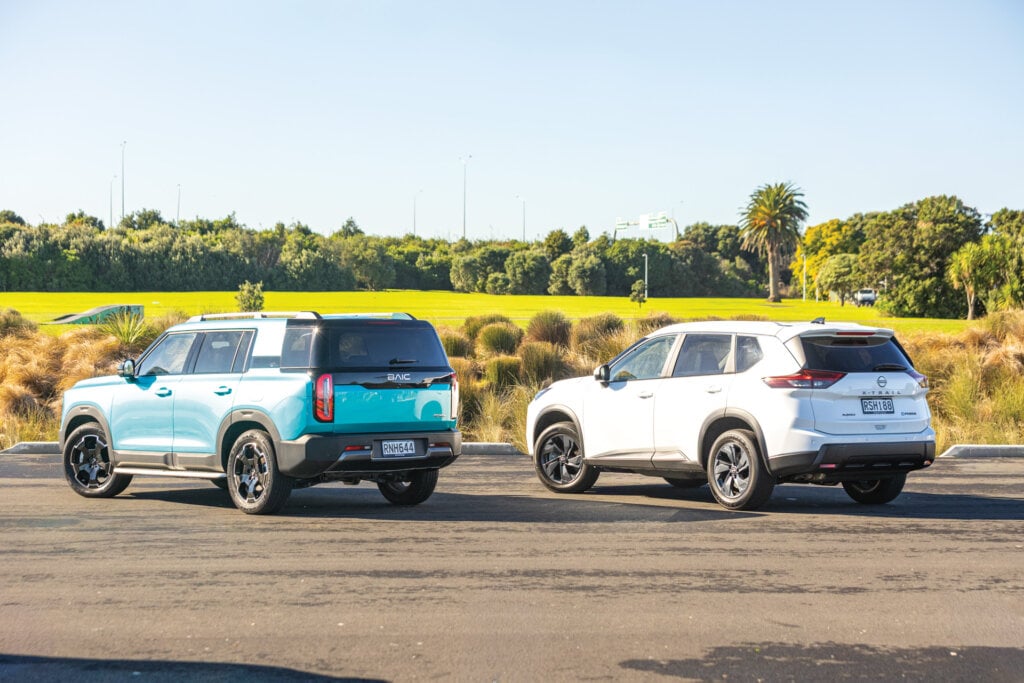
Continuing a theme from last month, here we have a newcomer from a brand you didn’t know existed a few months ago, up against an old nameplate from a long-established Japanese make.
The B30 is BAIC’s challenger in the SUV realm, arriving with an attractive entry price of under $40k. That’s for the petrol model, but there are also hybrid options, which are key in this part of the market now. The X-Trail has recently been upgraded with more kit and a new generation of e-Power hybrid. On price, the BAIC is cheaper, but not drastically so.
The BAIC B30 range starts at $39,990 for the petrol model, stepping up to $44,990 for the front-drive hybrid, while this all-wheel-drive hybrid variant is currently $49,990. These prices are ‘launch offers’ with a $3k reduction on the usual RRP. The Nissan asks more. The ST-L variant is a mid-range offering, beginning with a conventional 2.5-litre front-driver at $50,990, moves to a seven-seat AWD version at $53,990 and tops out here with the e-Power hybrid at $58,990. So does the newcomer have what it takes to topple the ‘legacy’ offering?
Hybrid heroes
While both are hybrids, they go about things differently. Nissan employs the latest version of its e-Power system, a series hybrid arrangement where the petrol engine turns a generator, which produces electricity to feed the battery and power the motors rather than driving the wheels directly. In effect, it behaves much like an EV, with smooth, immediate responses and seamless acceleration. The X-Trail features an electric motor on each axle for combined outputs of 150kW and 330Nm. It’s also the thriftier of the pair on paper, rated at 6.1L/100km.
BAIC’s hybrid system is more complex. Most of the time it too operates as a series hybrid, with the electric motors providing propulsion. Under heavier loads and at higher speeds, however, the petrol engine can also contribute drive directly to the transmission. Official outputs for the all-wheel-drive B30 are a frankly outrageous 301kW and 685Nm. Those figures look fantastic in the brochure, though the real-world experience doesn’t quite live up to such lofty claims. It’s quick enough, certainly, but it doesn’t feel like a 300kW super SUV.
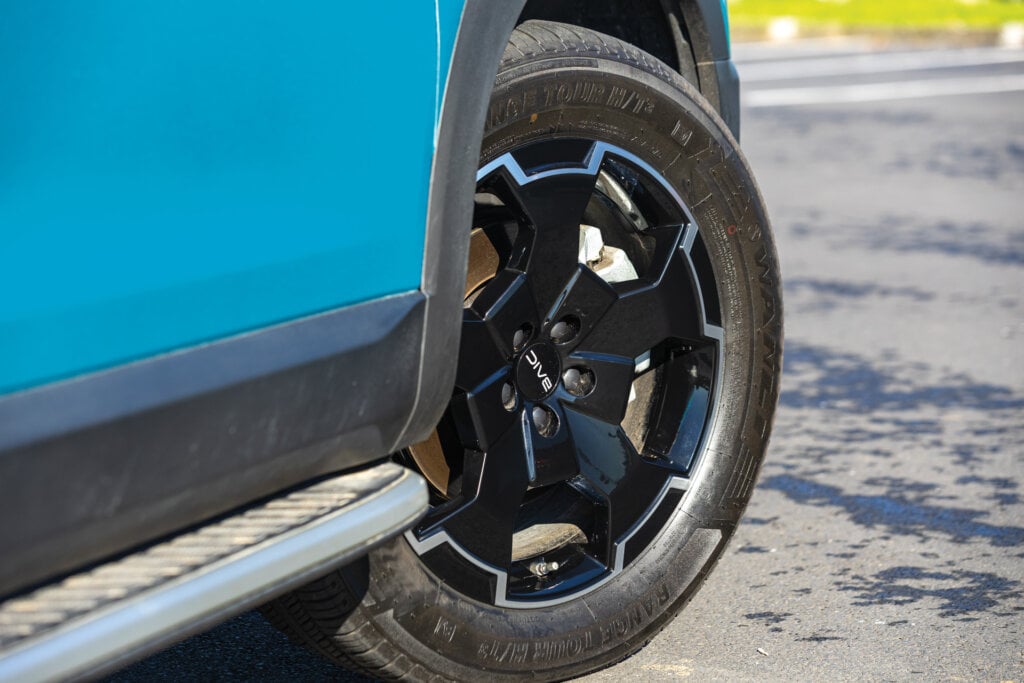
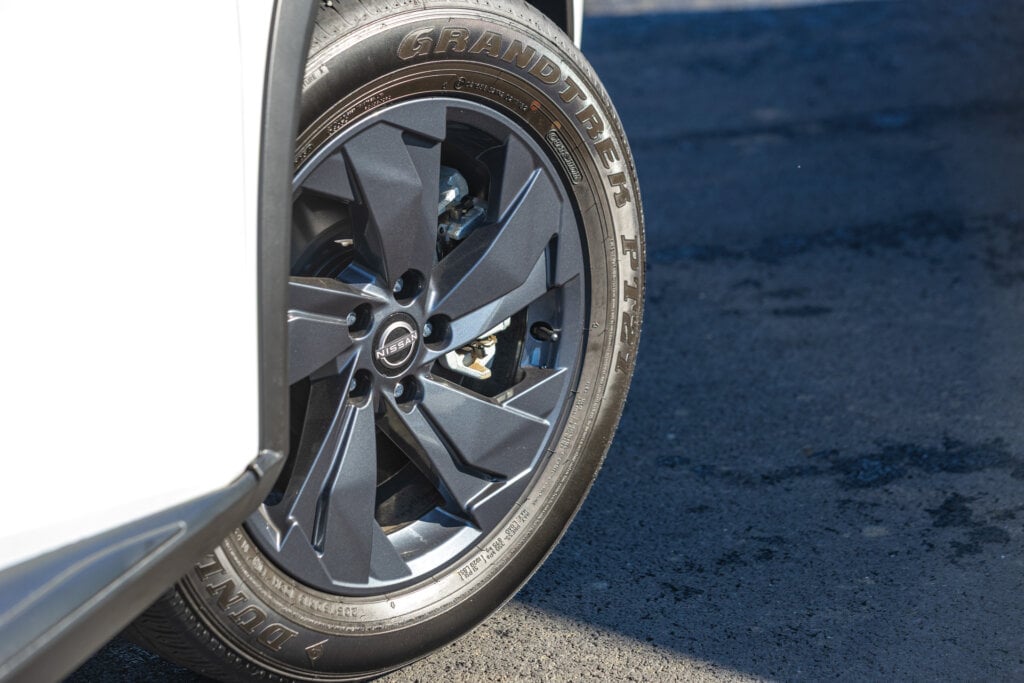
Fuel use is rated at 6.3L/100km on the rightcar website (and oddly not mentioned in the brochure), though both vehicles returned figures in the high sixes to low sevens during our testing.
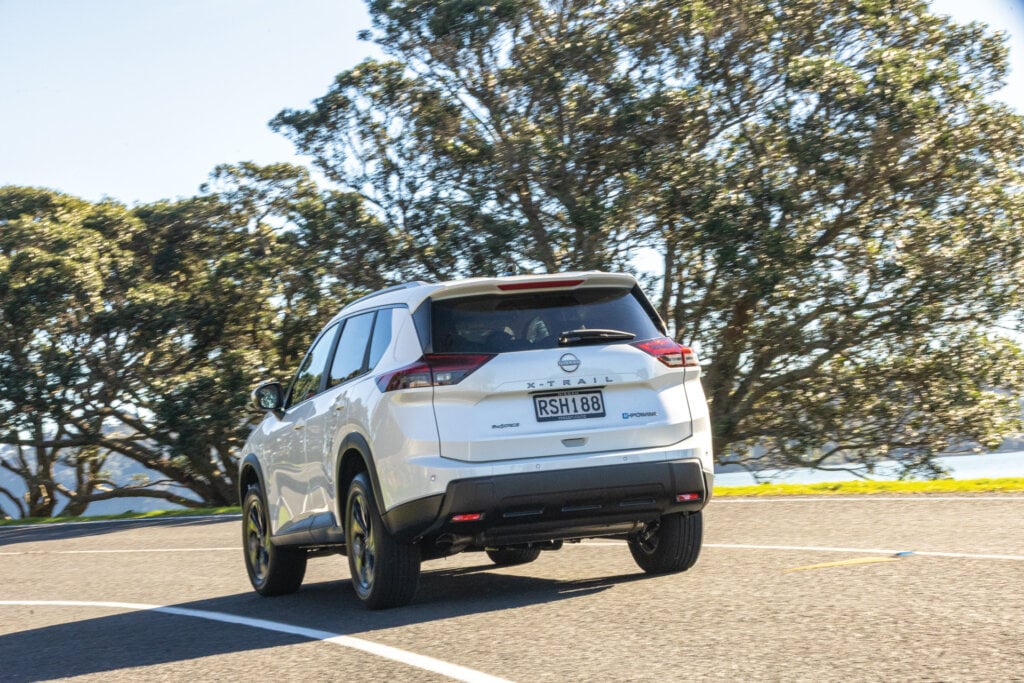
Specification levels are closely matched. The BAIC has a few extras like ventilated seats, heated steering wheel and a powered tailgate, while the Nissan has genuine leather trim, which is preferable to the B30’s vinyl. Both offer buyer reassurance in terms of warranty cover; the Nissan with a 10-year/300,000km programme (provided all servicing is done within the Nissan network), while BAIC offers seven-year unlimited-kilometre cover.
Urban operations
While both can mooch about in traffic and the car park with the engine off, most other times, the ICE will be working. And it’s less noticeable in the Nissan with fewer vibrations and ICE-related decibels permeating the cabin.
Both have a smooth delivery, shuffling through traffic with strong torque right off the mark. The B30 certainly benefits from having AWD, we found the FWD hybrid could scramble for traction at times. Each has varying degrees of brake regen, which is easier to change up in the Nissan.
On urban roads, the Nissan has a slightly firmer ride yet it’s better at diffusing larger bumps, while it glides over speed humps without tickling its bump stops, something the B30 can’t quite achieve.
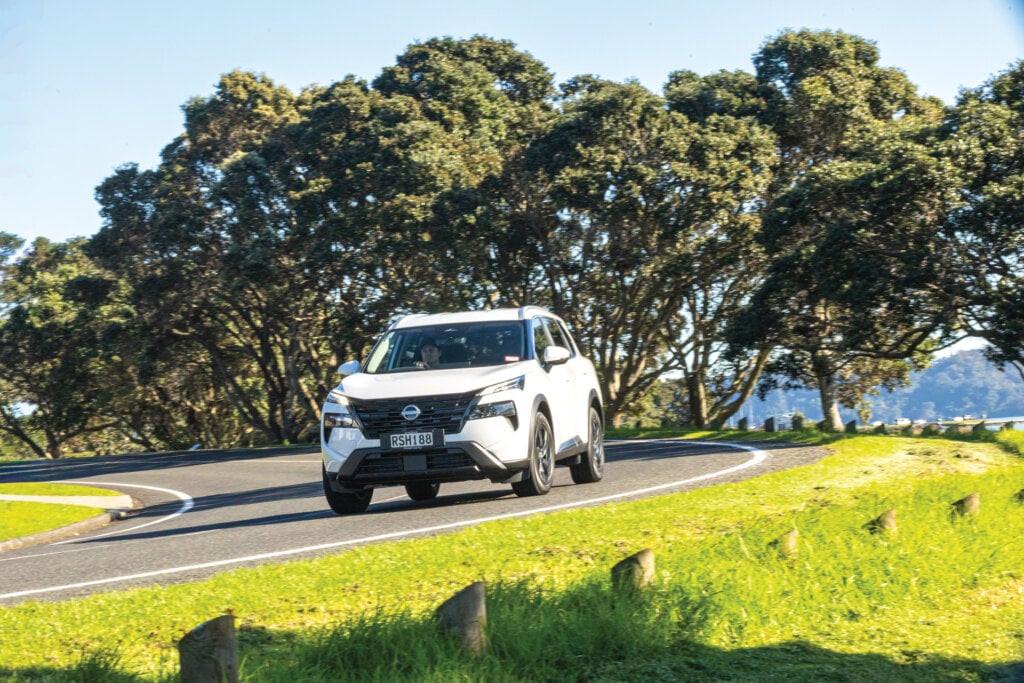
The BAIC is a larger SUV than the Nissan, and it feels like it on the road yet it has a similar, city-friendly turning circle. The X-Trail is just a tad more manageable with quicker steering, and with better outward vision, it is easier to judge where its extremities lie.
One frustrating aspect of the B30 is that it can be a bit difficult to select reverse or drive when attempting a quick turnaround. The system blocks the change unless you are completely stopped, leaving you in neutral, something the Nissan just never does. And the B30’s parking camera doesn’t wake up quickly enough once you’ve eventually got it into reverse.
On the move
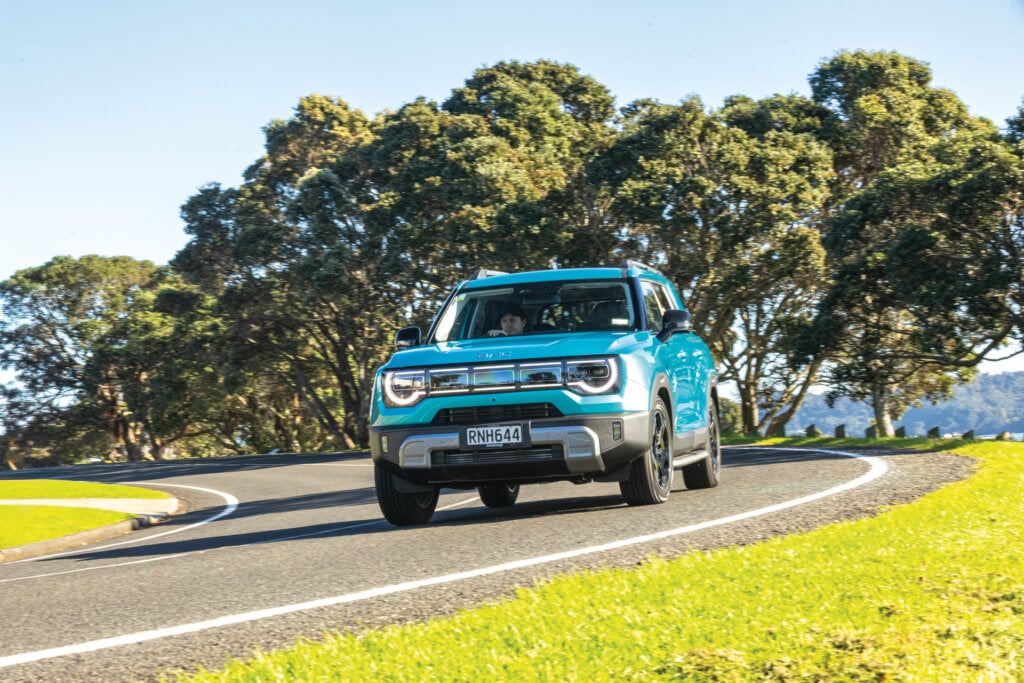
Through a series of winding roads, there isn’t a huge gulf between the two. The BAIC acquits itself surprisingly well. Body control is decent, grip levels are okay (as are its steering traits) and the brake torque-vectoring stability system is well calibrated. It’s chiefly responsible for helping the B30 cling on gamely through tighter corners.
But the Nissan remains the more satisfying drive. Its steering has a more natural assistance and weight, while the chassis feels better resolved. The X-Trail turns in more keenly and feels more tied down, particularly at the rear. It feels like it has more development time to polish its overall performance.
These are about equal in terms of acceleration, certainly up to 60km/h. However, there’s a slight uptick in urgency in the B30 around 80km/h as the engine tips in a bit of power. Both have enough go for safe overtaking.
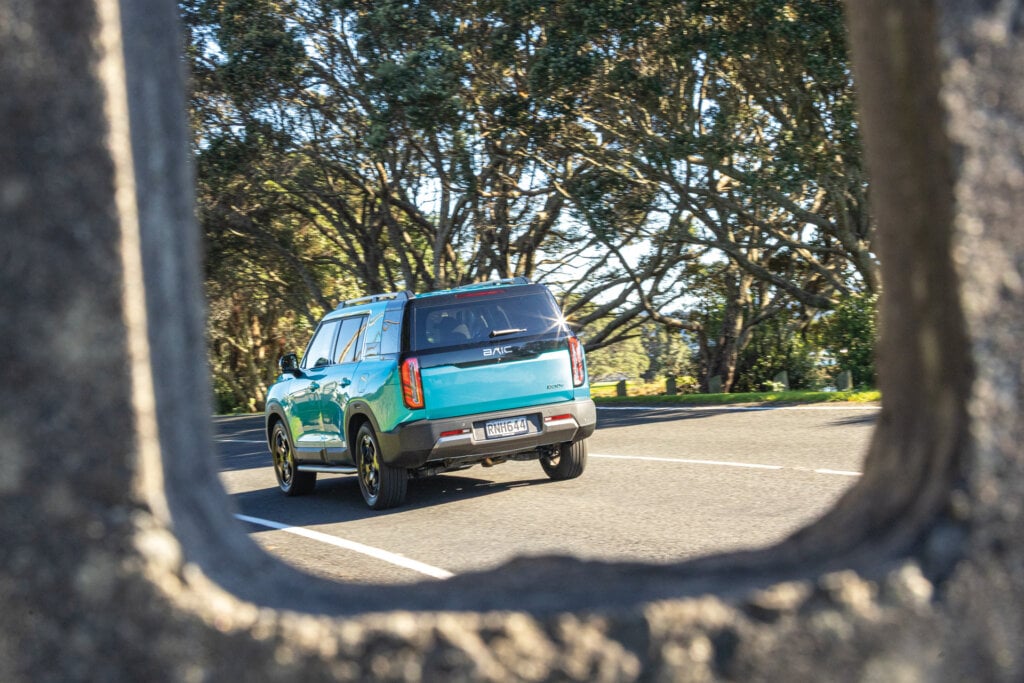
The B30 is comfortable enough in the ride stakes at highway pace, but it struggles with sharper impacts. The X-Trail rides slightly firmer overall, yet simultaneously absorbs nasty bumps more effectively thanks to superior damper tuning. It’s one of those subtle differences that becomes more obvious the longer you drive both back-to-back.
Both offer all-wheel drive and are capable of light adventure duties, though again the Nissan feels better sorted. The X-Trail manages traction more effectively, while the BAIC requires the correct terrain mode to be selected or wheelspin can become excessive in slippery going.
While the B30 lists lane keeping assist amongst its features, it doesn’t do much, if anything. And we couldn’t get the B30’s Intelligent Cruise Control mode to function either, though the regular old active cruise isn’t too bad. There are no annoying beeps because there is no driver monitor nor speed sign recognition. While the X-Trail has the latter, it refrains from audible warnings, while its Pro Pilot active cruise functions well enough on well marked roads.
Cabin considerations
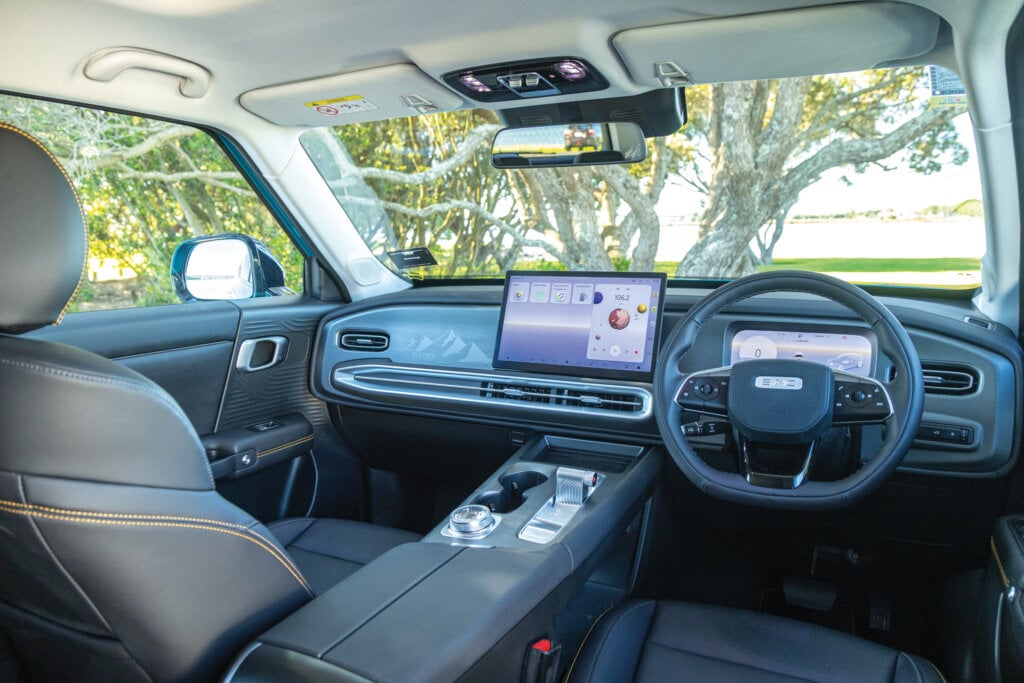
Inside, the BAIC’s dash is dominated by the big touchscreen, though its software is occasionally sluggish and some touch targets are frustratingly small. As is often the case with Chinese interfaces, there’s also a curious fondness for whimsical graphics, with animated pandas munching bamboo included here.
There are frustrations too. The audio quality is sub-par, there is no factory navigation system and Android Auto requires an aftermarket-style dongle arrangement.
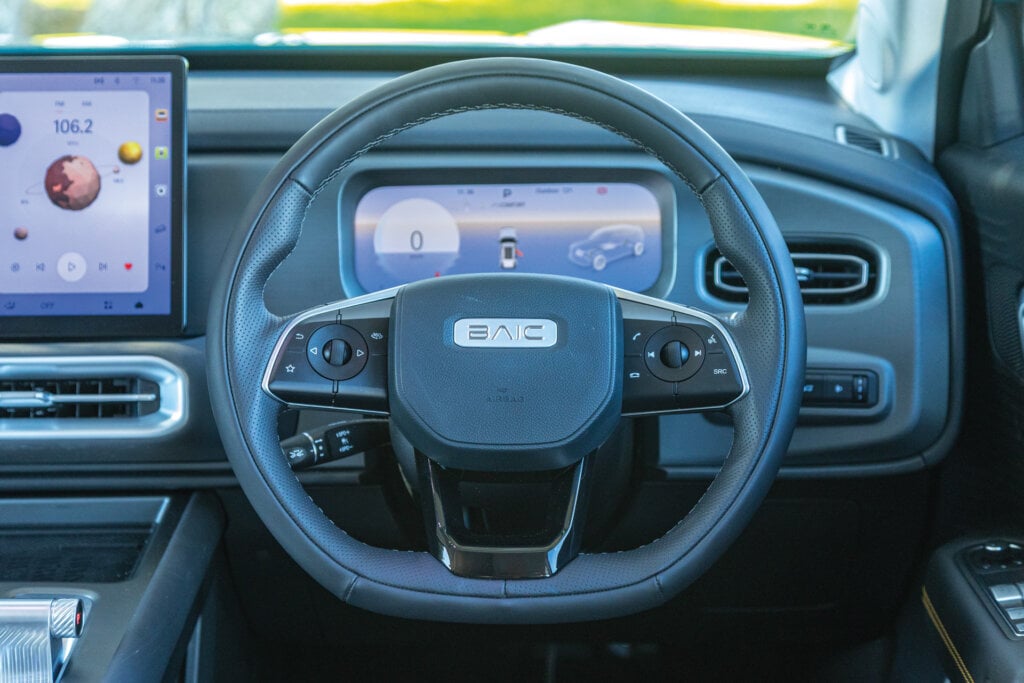
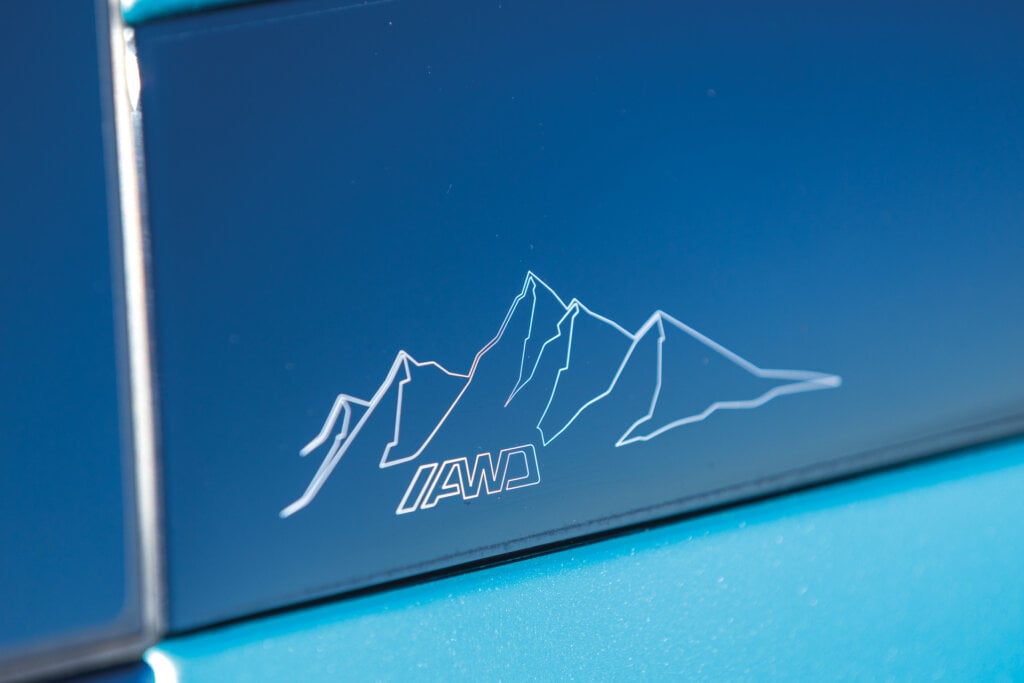
That said, the B30 is generously equipped. Heated and ventilated front seats, a heated steering wheel, wireless charging, a good 360-degree camera system and plenty of storage all feature. Material quality is generally impressive, with soft-touch surfaces in most of the important contact areas.
The front seats themselves are broad and comfortable enough, though they lack support and lumbar adjustment.
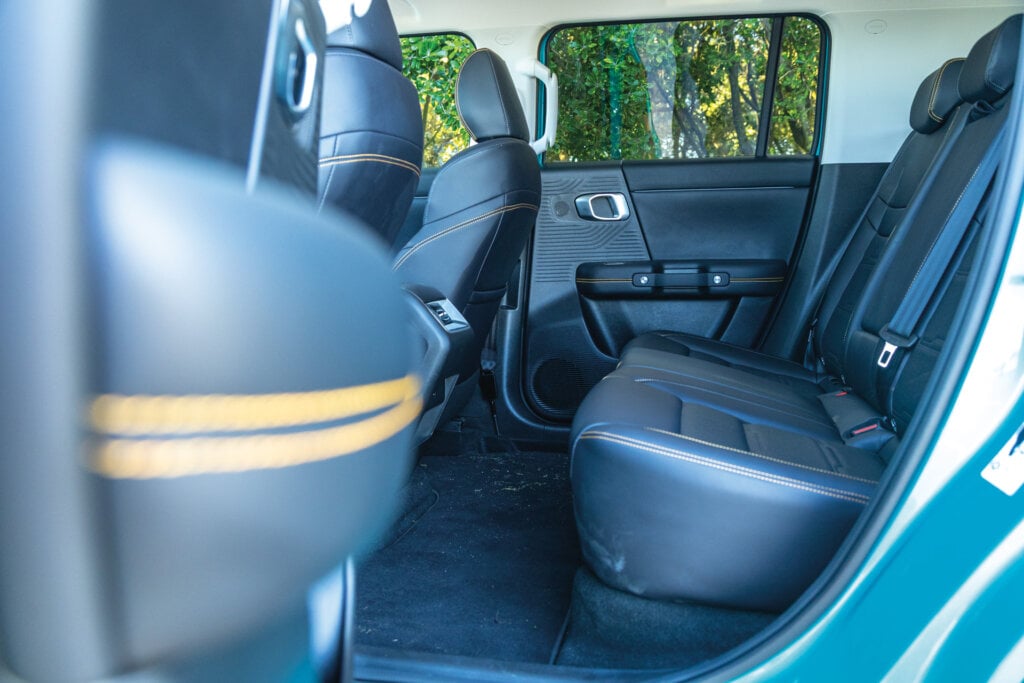
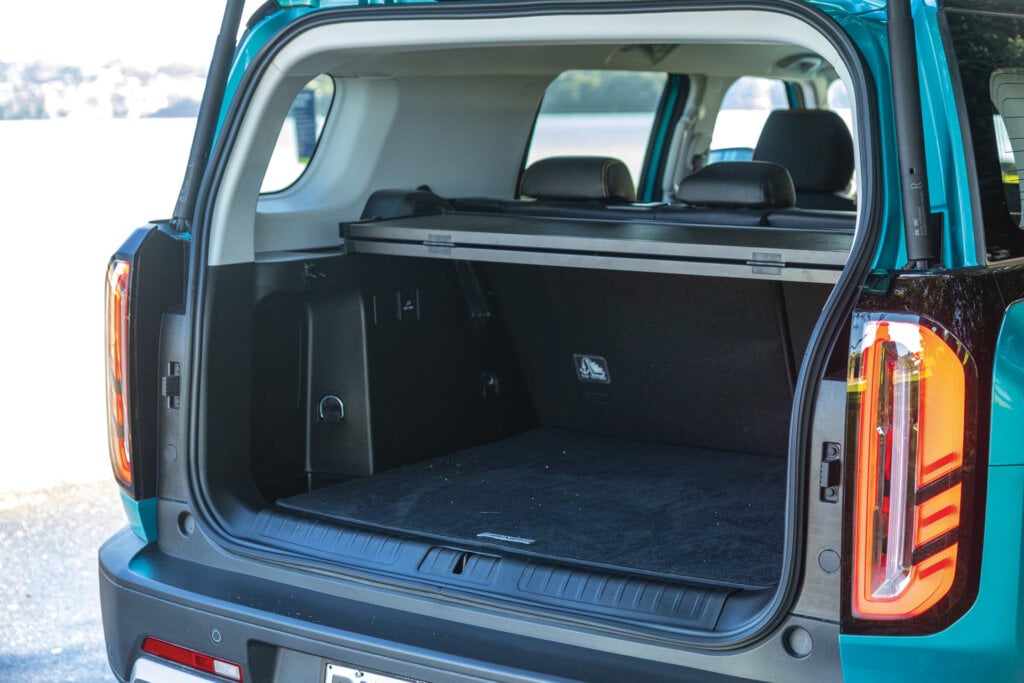
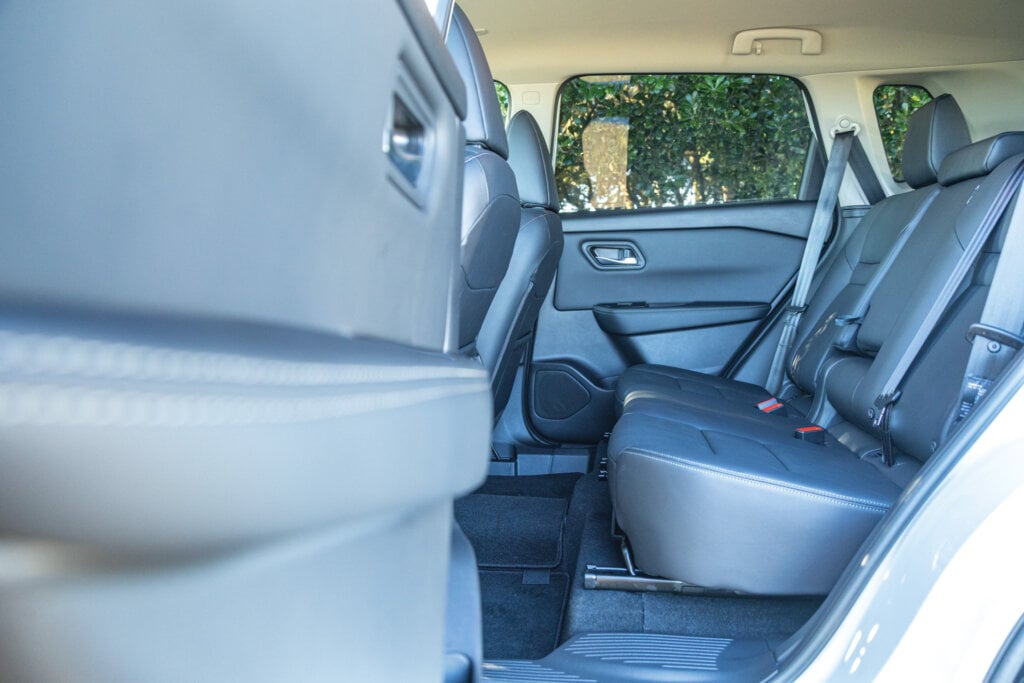
There is an enormous amount of rear legroom in the B30, while the upright tailgate helps create a genuinely cavernous luggage area. The old-fashioned seat-folding mechanism requires the base to be flipped up first, but ultimately creates a long, useful load space.
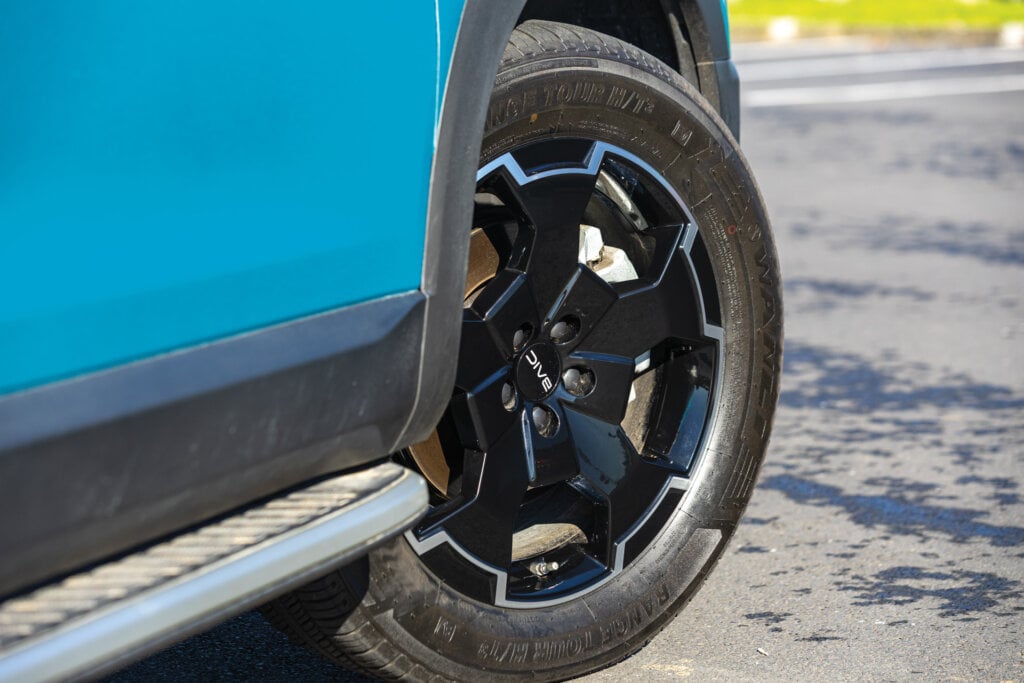
The running boards are a curious addition; they simply get in the way.
The X-Trail’s cabin is less dramatic, but it’s solidly assembled and refreshingly easy to use. Physical buttons remain for key functions, making tasks such as adjusting the climate control or activating the heated seats much simpler.
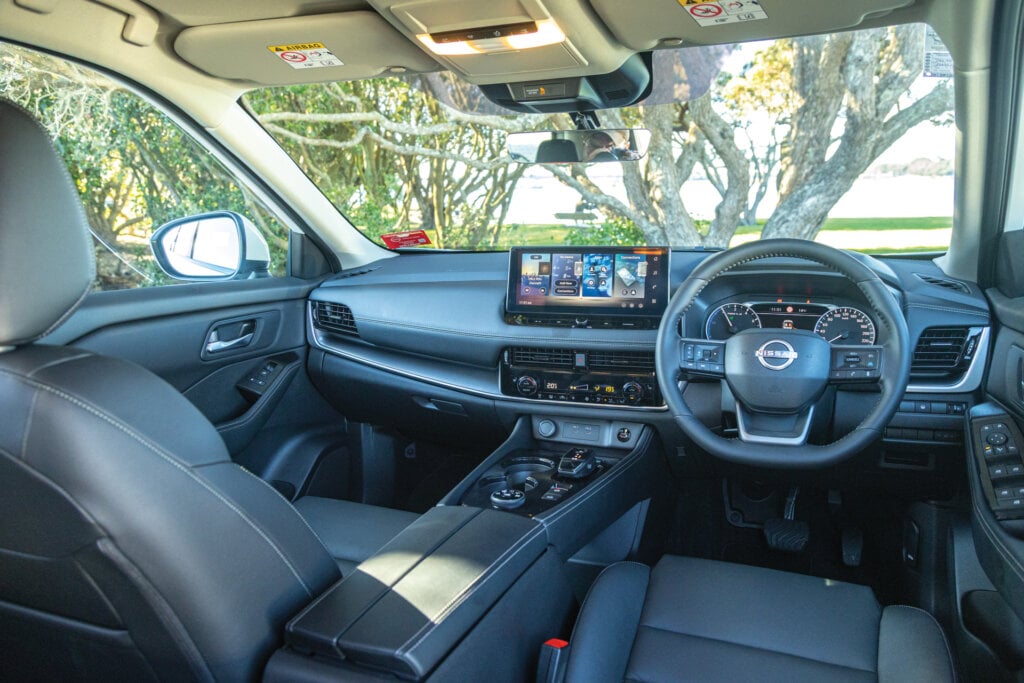
The touchscreen is smaller, but quicker and more intuitive. Wireless Apple CarPlay and Android Auto are included, though we did experience the occasional connectivity dropout.
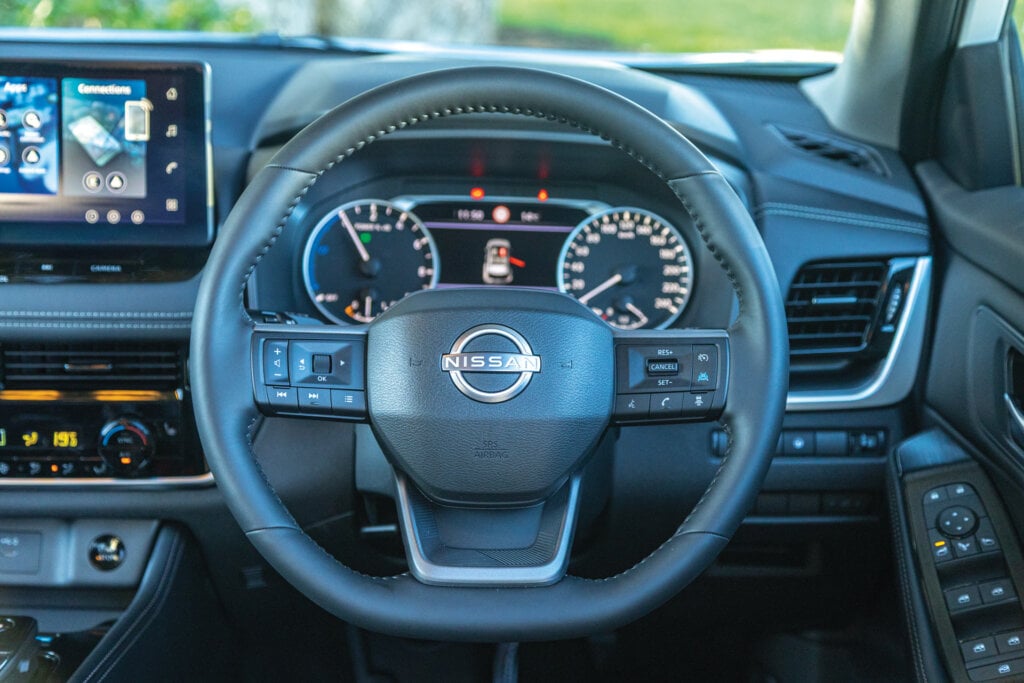
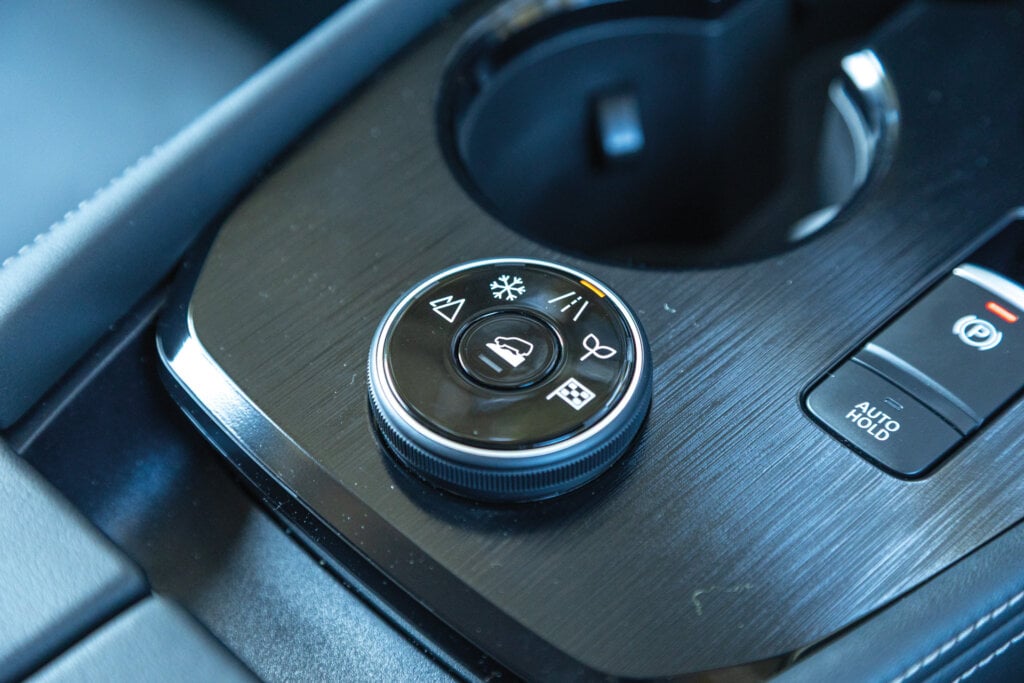
The Nissan’s front seats are also more supportive and comfortable over longer distances. Rear-seat space isn’t quite as generous as the BAIC’s, but few passengers are likely to complain. The doors open wide, access is excellent and the seats fold flat with minimal fuss. While the boot isn’t quite as tall, it’s wider. Neither offers a spare wheel.
Which one then?
The BAIC B30 makes a good impression. It’s spacious, generously equipped, well priced and looks up for it. Many buyers will look at the larger body, extra equipment and lower asking price and see value.
However, after spending time with both, we’d take the Nissan. There isn’t a huge amount in it, but the X-Trail simply feels more complete. The steering, suspension, safety systems, refinement and powertrain calibration all possess an additional layer of development and polish. Yes, you pay more for it. But in this case, you can feel exactly where that money has gone.
BAIC B30 Premium Adventure HEV AWD
$49,990 / 6.3L/100km / 146g/km
0-100 km/h 7.1s
Ambient cabin noise 72.0dB@100km/h
Engine 1498cc / IL4 / DI
Max power 116kW
Max torque 235Nm
Battery 1.67kWh
Hybrid System Output 301kW / 685Nm
Drivetrain 2-speed auto / e-AWD
Front suspension Mac strut / sway bar
Rear suspension Multilink / sway bar
Turning circle 11.0m (2.6 turns)
Front brakes Ventilated discs
Rear brakes Discs
Stability systems ABS, ESP, TV
Safety AEB, ACC, BSM, LDW, RCTA, ALK, AHB
Tyre size f/r-235/60R19
Wheelbase 2820mm
L/W/H 4730 / 1910 / 1790mm
Track f-1625mm r-1635mm
Fuel capacity 60L
Luggage capacity 450 / 1496L
Tow rating Not rated to tow
Service intervals 12 months / 10,000km
Warranty 7yrs / unlimited km
ANCAP rating Not rated
Weight (claimed) 1770kg
Nissan X-Trail ST-L e-Power
$58,990 / 6.1L/100km / 139g/km
0-100 km/h 7.1s
Ambient cabin noise 71.2dB@100km/h
Engine 1498cc / Il3 / DI
Max power 106kW
Max torque 250Nm
Battery 1.8kWh
Hybrid System Output 150kW / 330Nm
Drivetrain single-speed auto / e-AWD
Front suspension Mac strut / sway bar
Rear suspension Multilink / sway bar
Turning circle 11.1m (2.6 turns)
Front brakes Ventilated discs
Rear brakes Discs
Stability systems ABS, ESP, TV
Safety AEB, ACC, BSM, LDW, RCTA, ALK, AHB
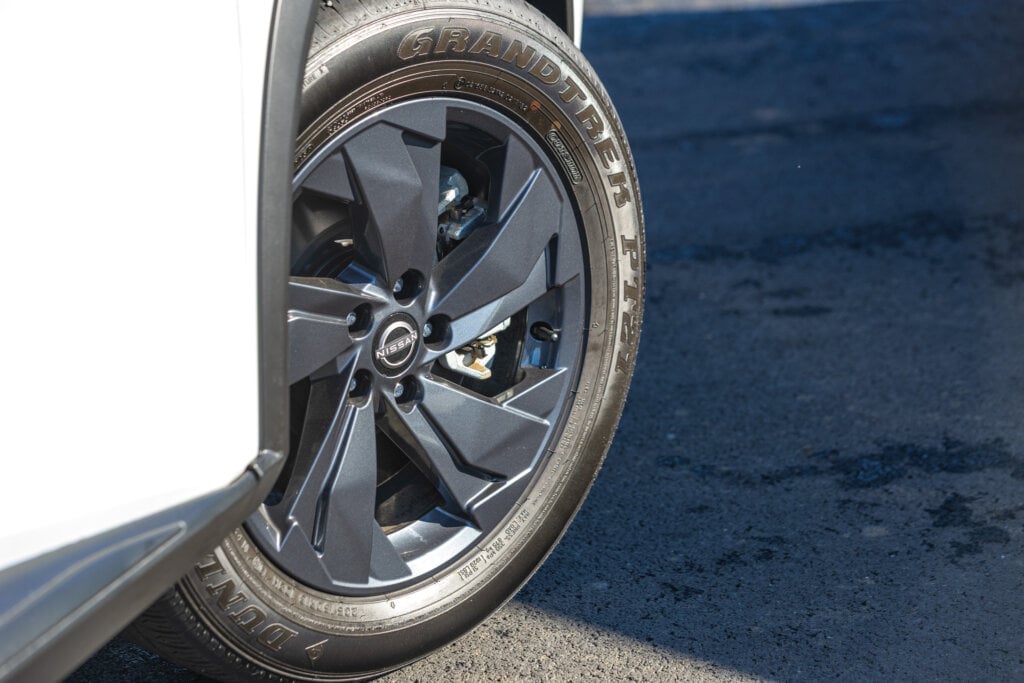
Tyre size f/r-235/60R18
Wheelbase 2705mm
L/W/H 4680 / 1840 / 1725mm
Track f-1575mm r-1580mm
Fuel capacity 55L
Luggage capacity 575 / 1298L
Tow rating 750kg (1650kg braked)
Service intervals 12 months / 15,000km
Warranty 10yrs / 300,000km
ANCAP rating ★★★★★ (2021)
Weight (claimed) 1855kg