View all
8 more images
2026 BAIC B30 Premium Adventure HEV Review
Words: Kyle Cassidy | Photos: Alex Schultz
BAIC, pronounced bike, is now here with a range of SUVs to sell. The B30 might look like something ready to go wild in, but it’s a softie really. That’s not a bad thing however.
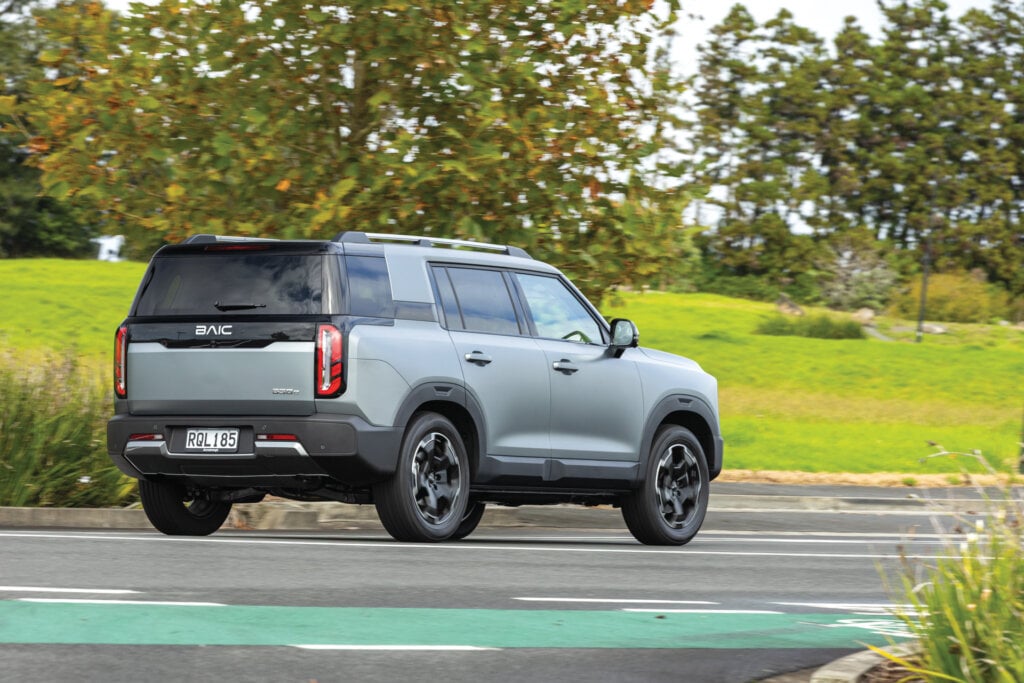
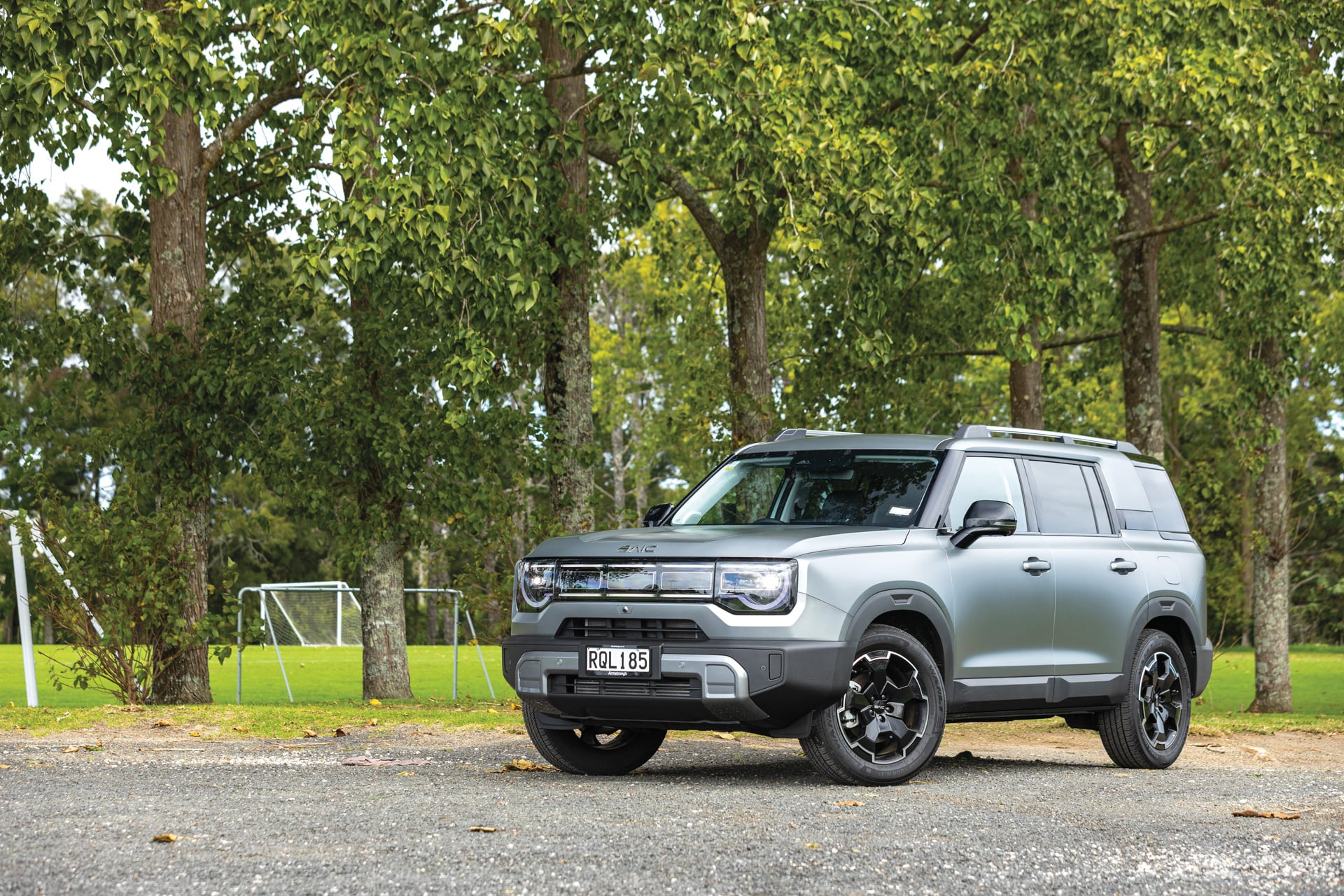
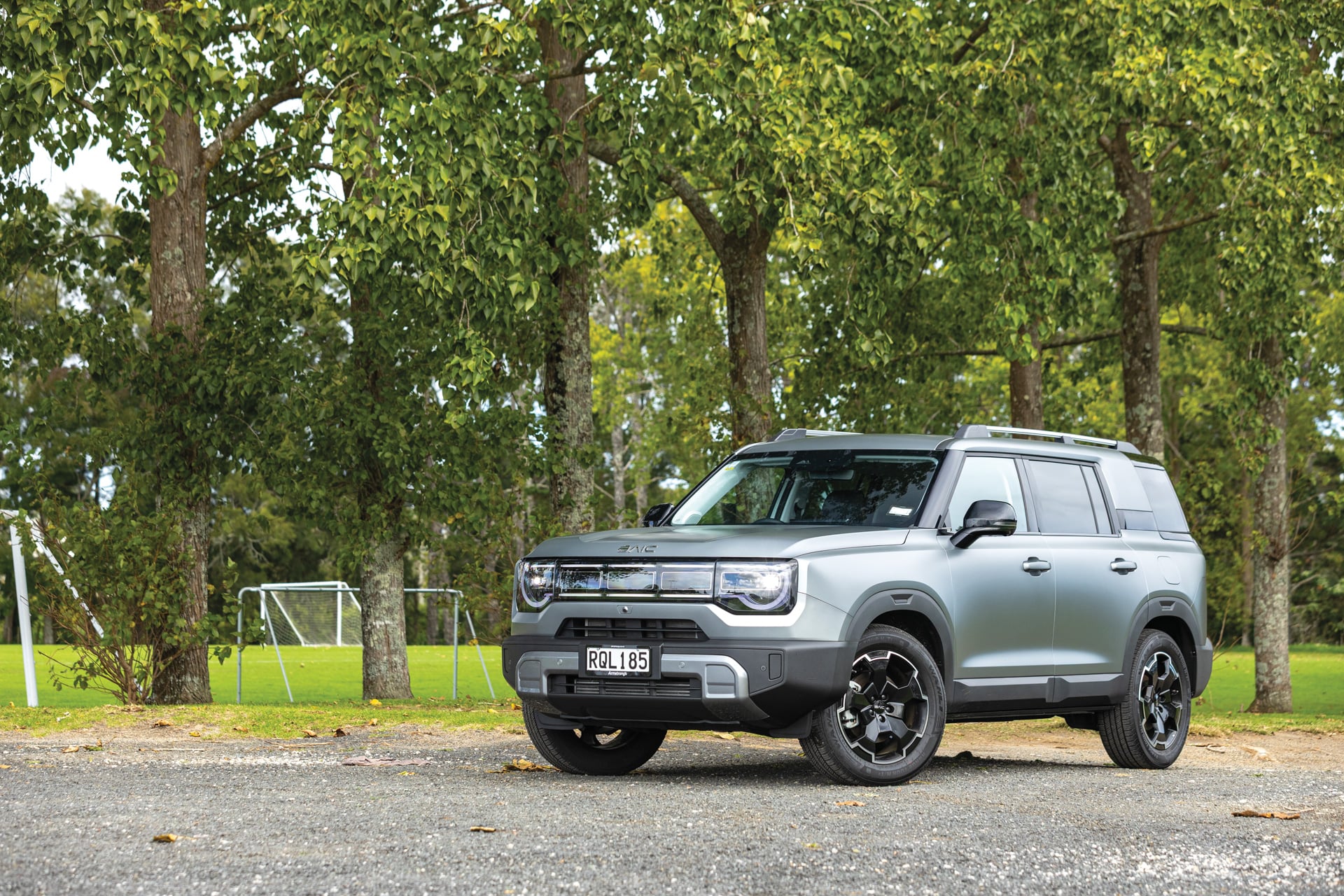
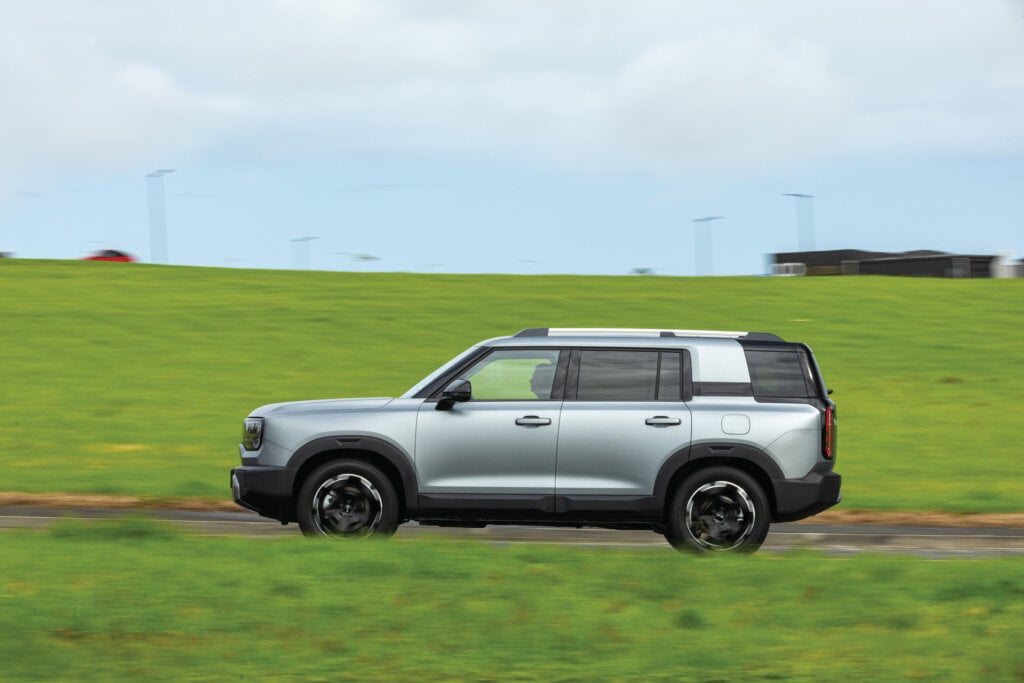
Another month, another new brand to review. This newbie is BAIC or ‘bike’ as it’s pronounced. No need to tell you where it originates from. First up we have the B30, a boxy SUV that looks rough-road ready but will be more at home in the city than the rural back blocks of New Zealand. It might channel off road vibes, but it’s a monocoque soft roader.
The line up starts with the Elite Adventure. But with a 138kW/305Nm 1.5T driving the front wheels, adventurous exploits will be confined to paved highways. It kicks things off at $42,990. Then there is the Premium Adventure HEV, featured, landing at $47,990. It runs a petrol electric hybrid system, said to deliver a combined 246kW and 550Nm (more on that later). And there is an AWD hybrid too at $52,990 with another motor on the rear axle, upping things to 301kW and 685Nm.
Bigger than you’d expect
The B30 is a sizeable bomber, larger than the likes of Forester and RAV4, and not too far off the dimensions of a Highlander or Sorento. So it’s large and family friendly, though only with seats for five.
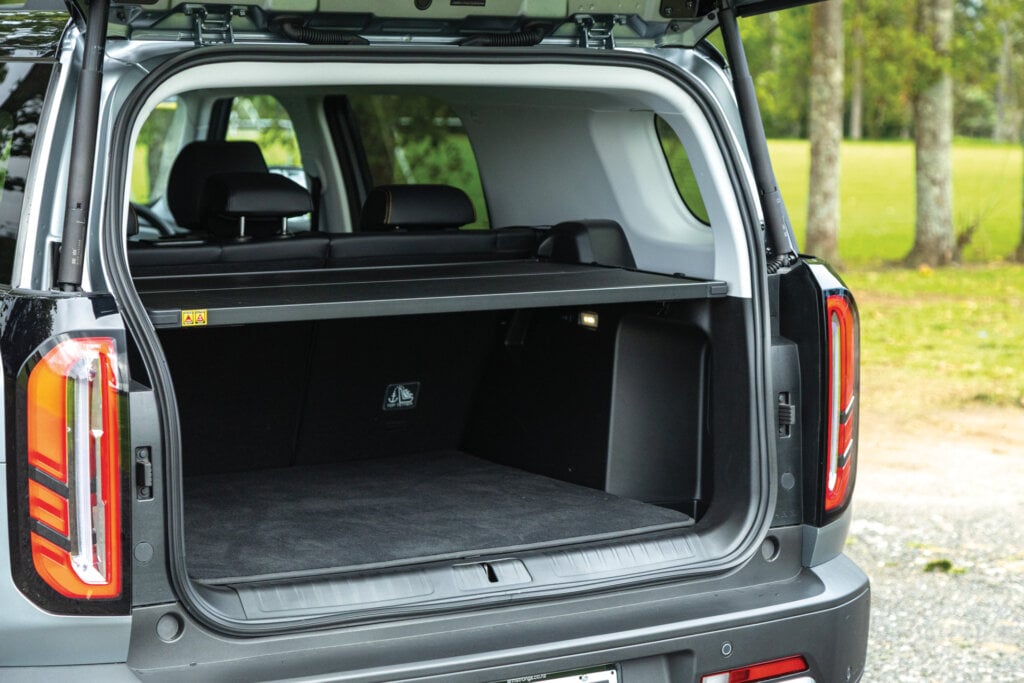
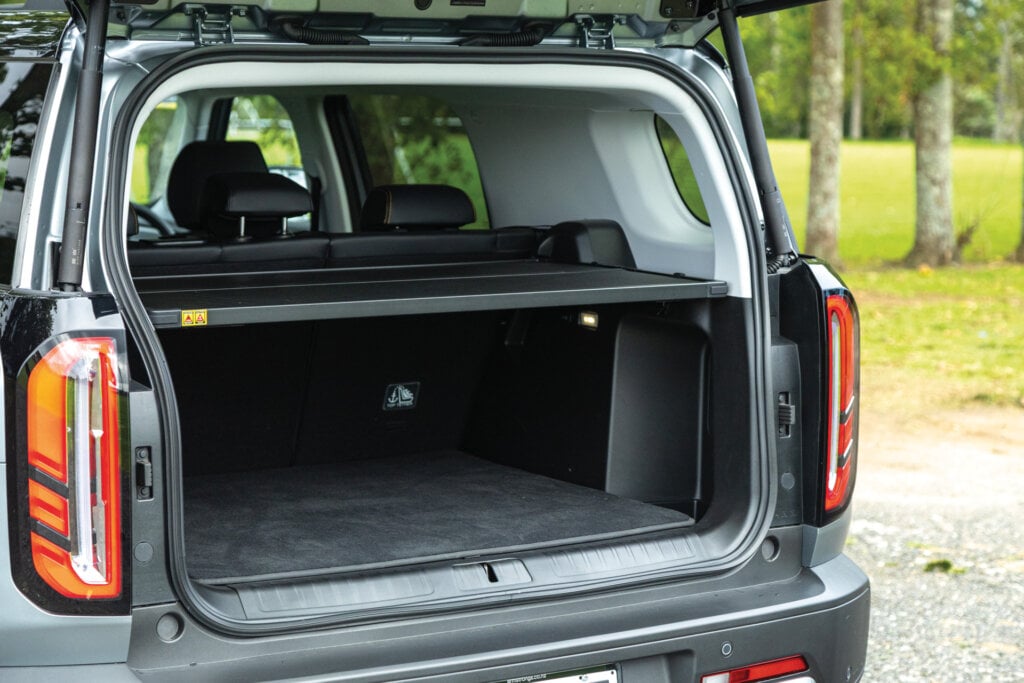
Starting in the boot, you’ll find a cavernous hold under a hard cargo cover. This can be removed and transformed into a picnic table (a little fiddly with short, screw-in legs, and it’s not too sturdy either) which is all part of BAIC’s lifestyle leanings. There are a range of accessories available too like roof platforms, running boards, side awnings, even uprated shockers!
Back to that hard tonneau cover, which seems like a good idea but it’s a bit of a nuisance. You could use it as a shelf though it’s only rated to 15kgs, and things will slide around on its slippery surface. It’s also that bit harder to get out of the way to access things in the boot. We’d probably just put it in the garage and forget about it.
There’s no spare wheel if you get a flat while adventuring. There is a 150W/220V power outlet though. There’s no mention of a tow rating. That said, you can fold the seats completely flat (thanks to squabs that flip up first) to liberate 1496L of cargo space.
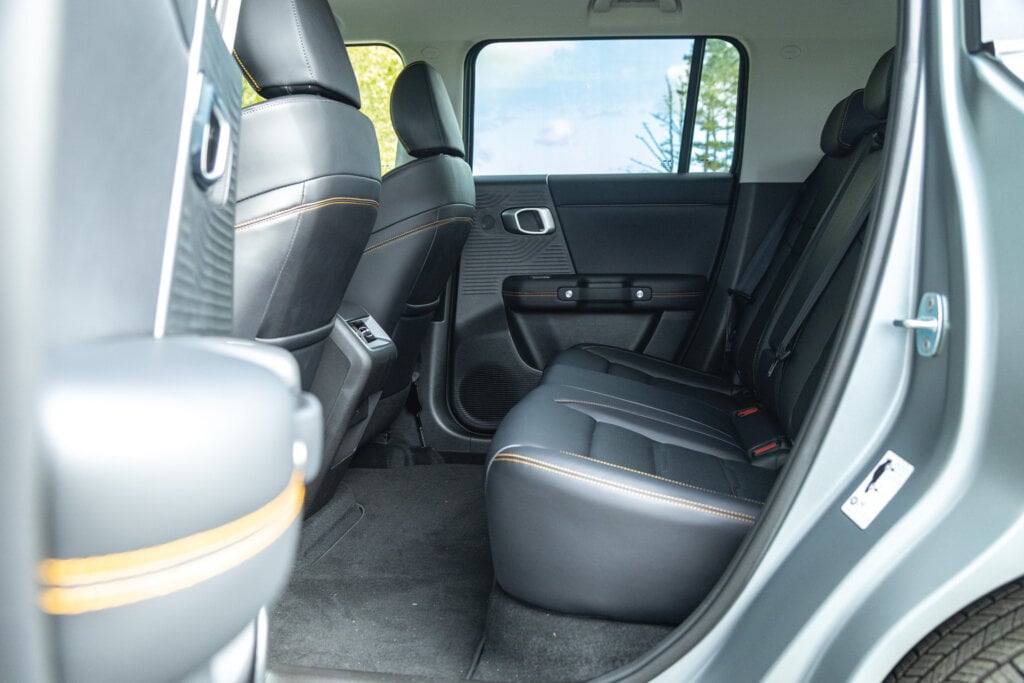
The kids liked riding in this, given the amount of space on offer. There’s lots of legroom, and the bench is comfy too. There’s oodles of headroom, easy entry via big doors and the usual Isofix points.
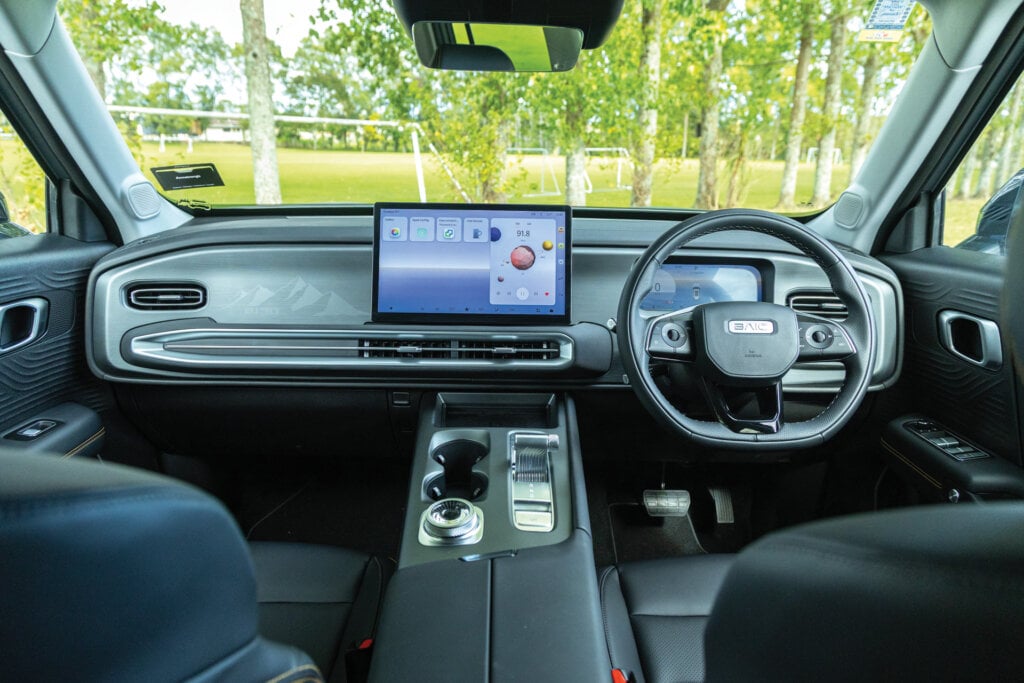
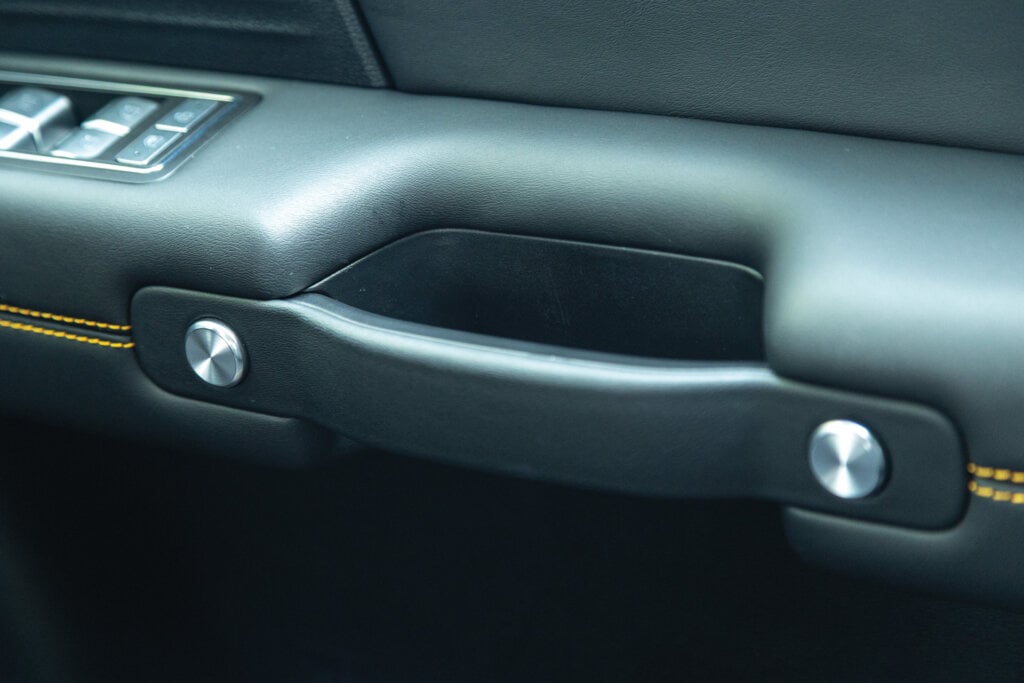
It’s spacious upfront too, with wide, accommodating seats. There’s an okay ambience inside, with a blend of soft surfaces and a bit of hard plastic here and there. You might notice the dash is inscribed with ‘BJ30’. That’s what it’s called in China, whereas it wears B30 badges here, at least on the outside.
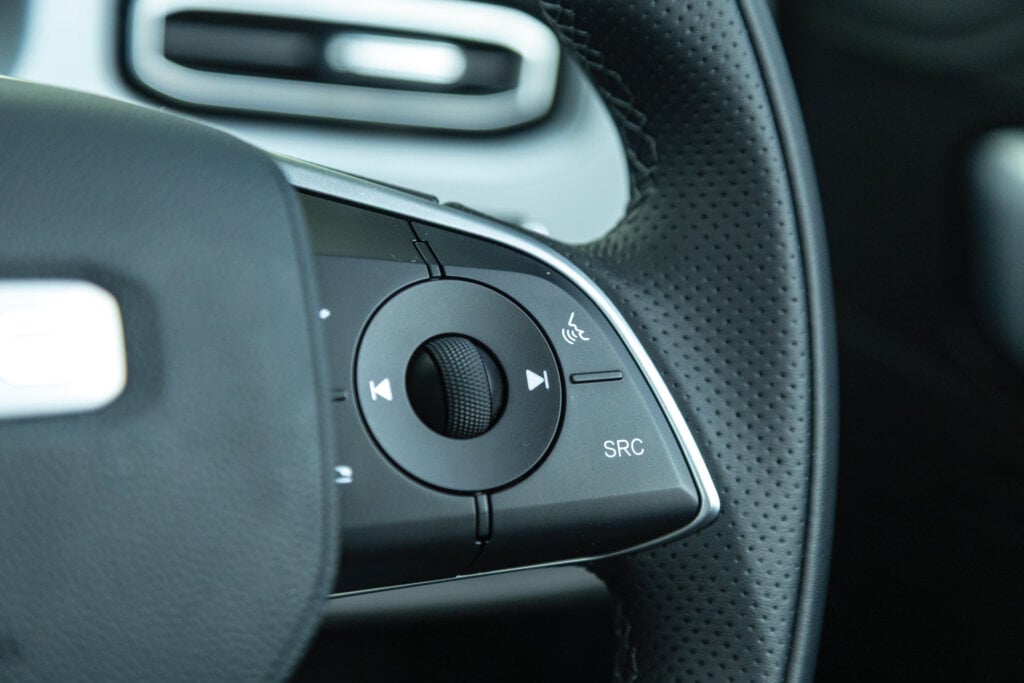
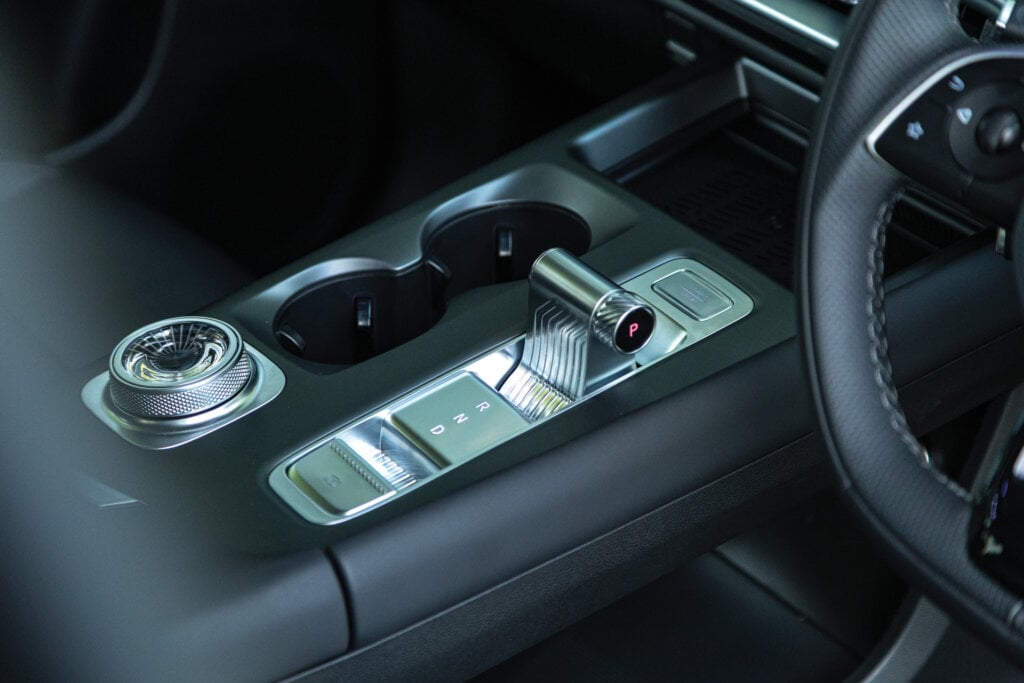
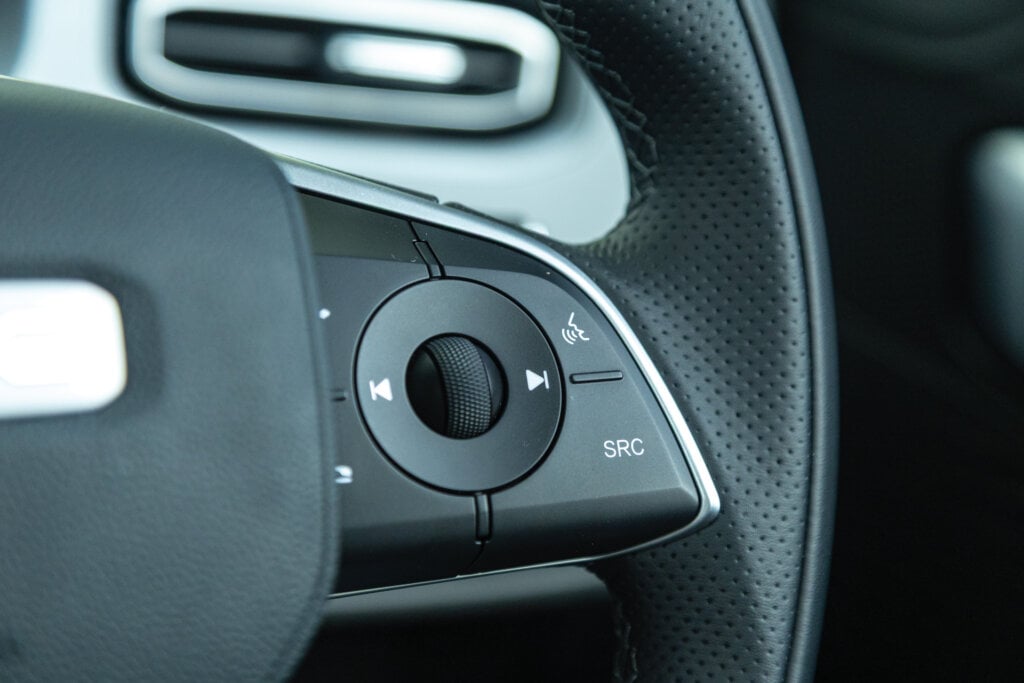
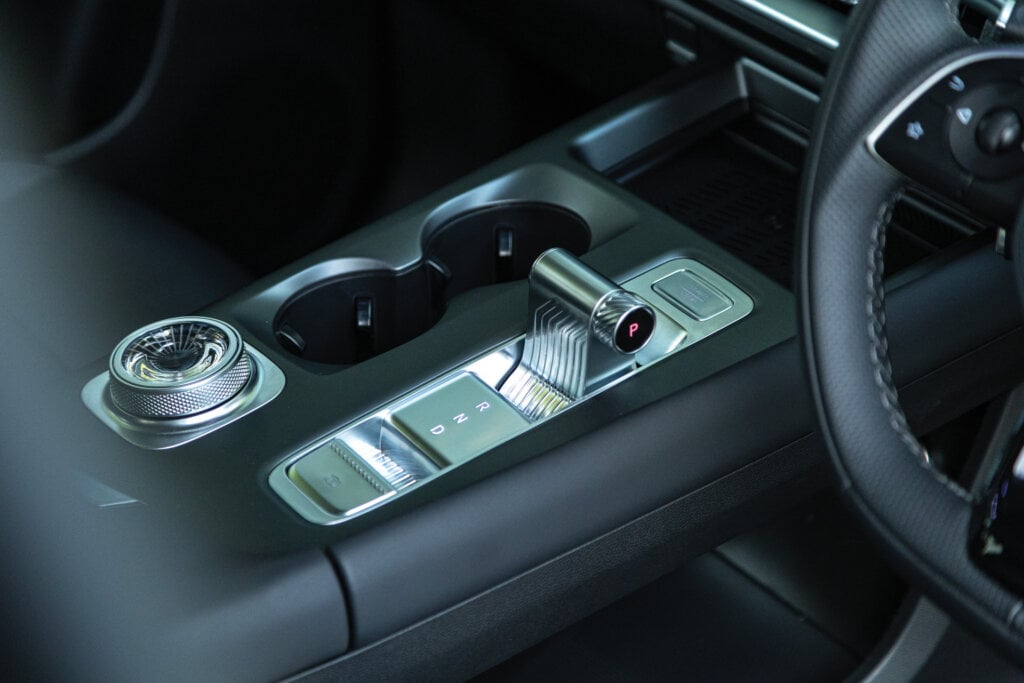
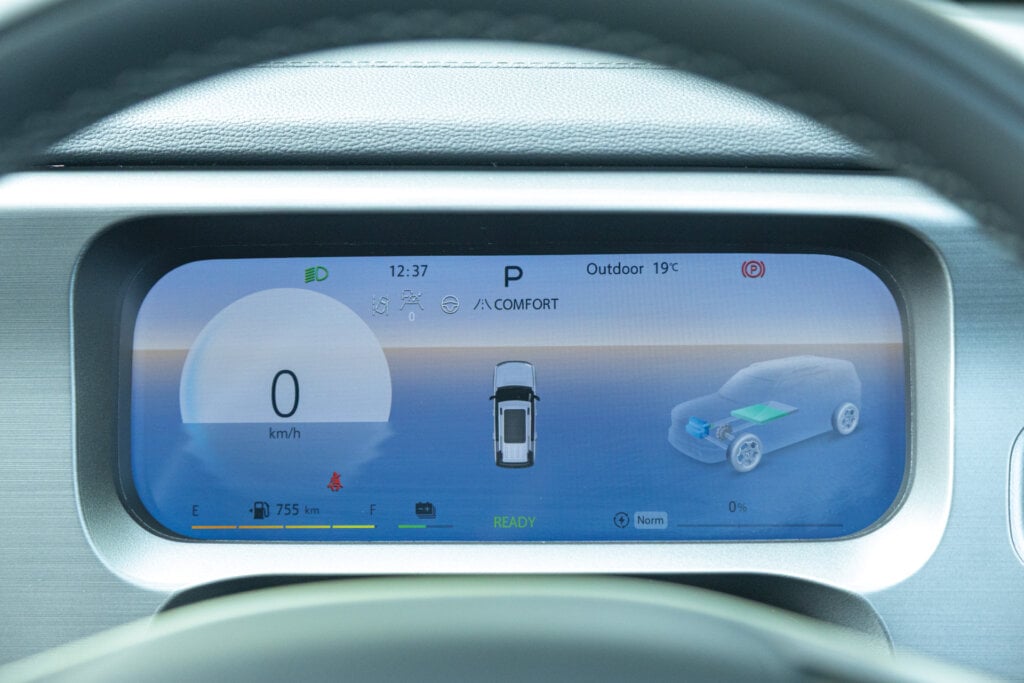
The design is ok, the ‘jet fighter’ inspired shifter a tad comical and while you get an oversize knob to change drive modes, there are otherwise no buttons, everything driven via the screen. This can be slow acting, sometimes requiring the odd double tap to trigger a response. You miss those real ventilation buttons, although a short cut button on the steering wheel brings the HVAC up on screen (eventually). It’s just not the best system you’ll come across, and one that goes without Android Auto, sat nav or voice control. You do get a charge pad, a 360 degree parking camera and a digital dash.
What kind of hybrid?
It’s a self charging jobbie of the high voltage variety. So it can mooch about quietly on motor power alone in grinding traffic, but expect most of your time to be spent in series mode, the electric motor doing the driving (plenty of low end shove and seamless progress via the stepless auto) while the engine churns away powering the generator to keep the battery charged. In this mode you have 130kW and 315Nm of torque, and that’s what it feels like.
Thanks to the two-speed hybrid transmission, the B30 can operate in parallel mode too, the engine adding its output to the mix to deliver the headline 246kW/540Nm. But it never feels like you have that at your disposal. Even in Sport mode, it never feels sporty, the throttle response inconsistent. So don’t expect to beat AMGs away from the lights. Given there’s a decent surge of torque channelled via the fronts alone, it can get a bit screechy when setting off, particularly when those tyres are turning too. There’s a mild brake regen effect, while the pedal itself has a soft feel to it.
As to fuel use, while there’s no figure in the brochure, the website mentions an estimated 5.85L/100km for the FWD hybrid. The rightcar site states 6.3L/100km, while we saw 6.9L/100km. Given the size of it, that’s okay.
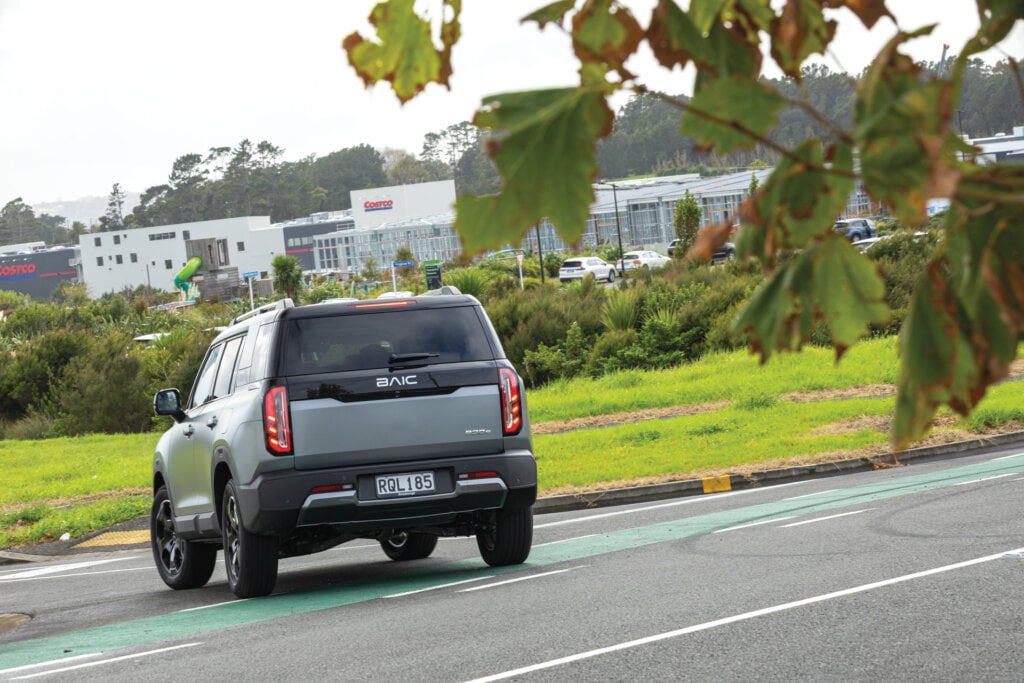
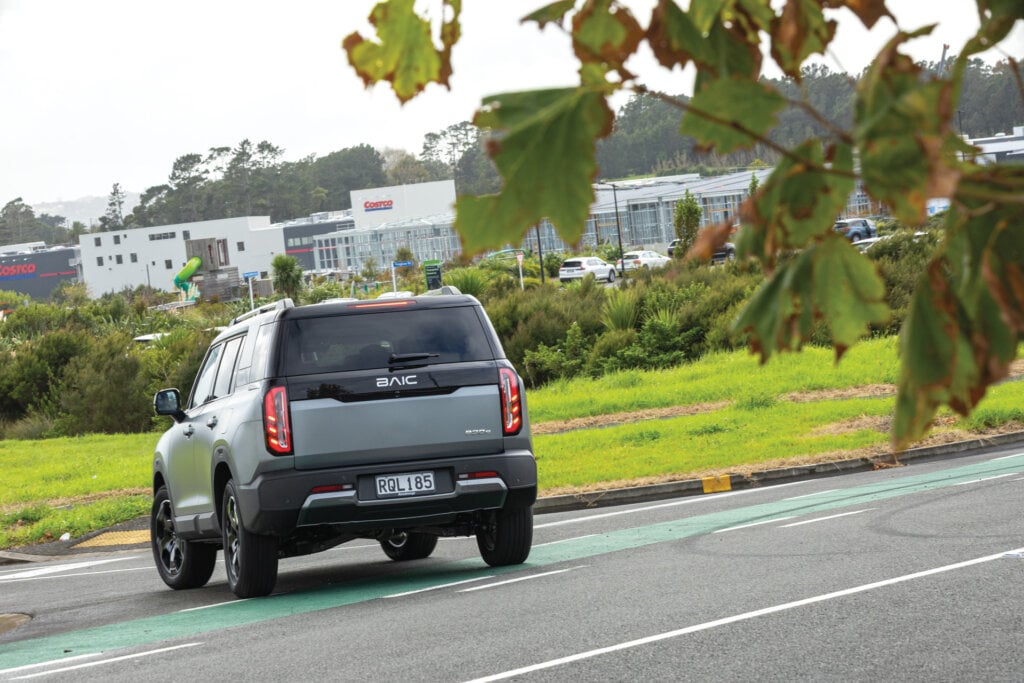
This is an easy town runner. Despite the size, the turning circle’s okay, the steering is always light and it has a decent 360 degree camera. It’s a necessity as the slabby C pillar fouls your vision when exiting angled parks.
The B30 can isolate some bumps well, yet others sneak through. It’s fairly settled though, it doesn’t crash into the big ones, so let’s give it a B+.
The steering is lightweight and while it’s not completely devoid of life, it’s still too remote to help plot a precise line through tricky bends. But this holds on better than expected. There’s some body roll, but not as much as we expected. Then it sets itself while still riding reasonably well. You can expect understeer when goaded, but otherwise it’s okay. Not class leading of course but not awful either. It’s not so great on gravel however, potholes tend to shake it up and it struggles for traction.
When activated, the active cruise leaves a sizeable gap, and could be smoother when it comes to slowing and accelerating. The beepers aren’t too annoying; there’s no driver monitor, nor speed zone recognition. The lane keeping can sound off, but limits its actual interventions. There’s no ANCAP rating.
Worthy then?
The lack of ANCAP stars might throttle its sales potential but it’ll probably go alright anyway. It has a big and bold look that most liked. It rides calmly and is easy to drive with a good mix of easy oomph and economy. It’s also practical and well priced against smaller medium SUVs.
BAIC B30 Premium Adventure HEV
$47,990 / 5.8L/100km
0-100 km/h 8.21s
80-120 km/h 6.27s (188m)
100-0 km/h 36.98m
Speedo error 97 at an indicated 100km/h
Ambient cabin noise 71.4dB@100km/h
Engine 1498cc / IL4 / DI
Max power 116kW
Max torque 235Nm
Motor output 130kW / 315Nm
Battery 1.67kWh
Hybrid System Output 246kW / 550Nm
Drivetrain 2-speed auto / FWD
Front suspension Mac strut / sway bar
Rear suspension Multilink / sway bar
Turning circle 11m (2.6 turns)
Front brakes Ventilated discs
Rear brakes Discs
Stability systems ABS, ESP, TV
Safety AEB, ACC, BSM, LDW, RCTA, ALK, AHB
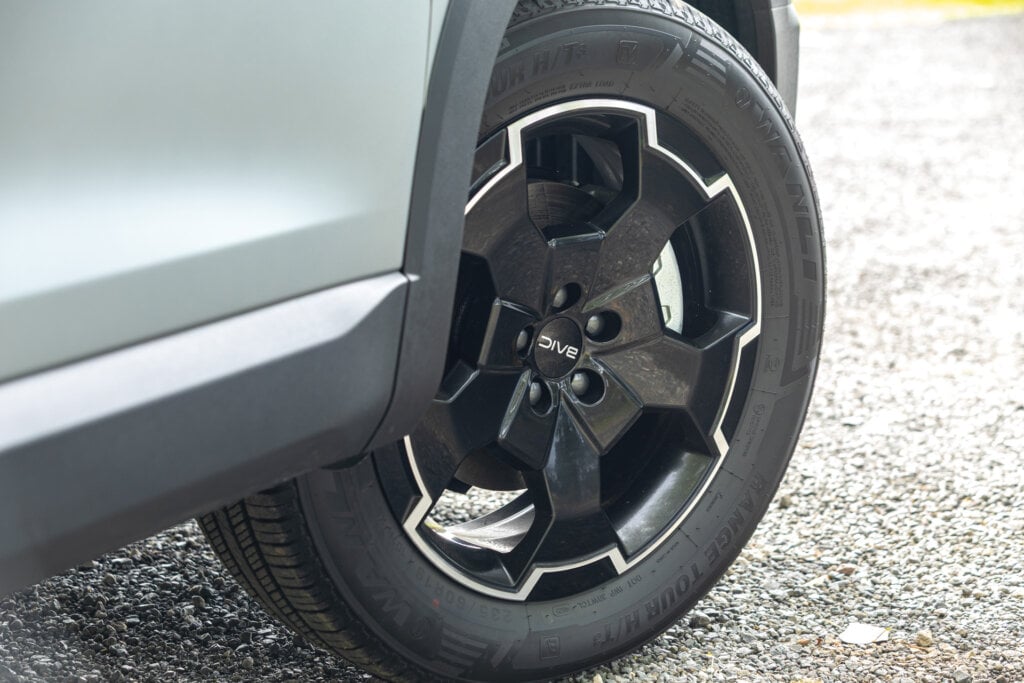
Tyre size f/r-235/60R19
Wheelbase 2820mm
L/W/H 4730 / 1910 / 1790mm
Track f-1625mm r-1635mm
Fuel capacity 60L
Luggage capacity 450 / 1496L
Tow rating Not rated to tow
Service intervals 12 months / 10,000km
Warranty 7yrs / unlimited km
ANCAP rating Not yet rated
Weight (claimed) 1690kg
This review first appeared in the June 2026 issue of NZ Autocar