View all
12 more images
2026 LDV Terron 9 Premium Review
Words: Andrew Sluys | Photos: Alex Schultz
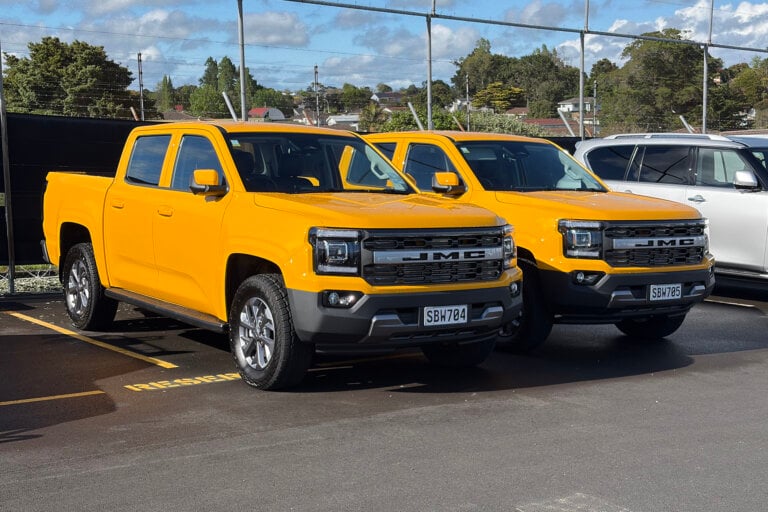
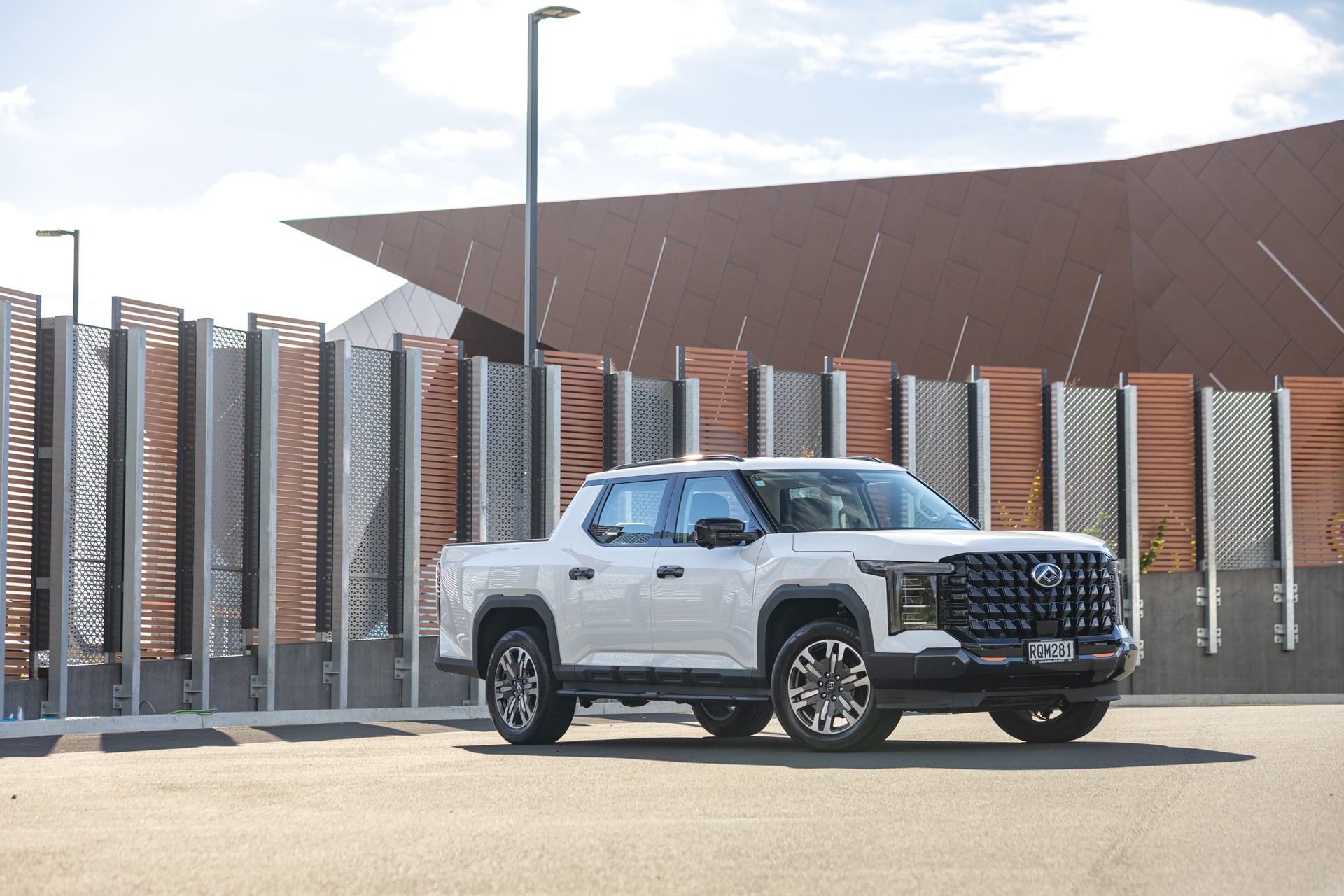
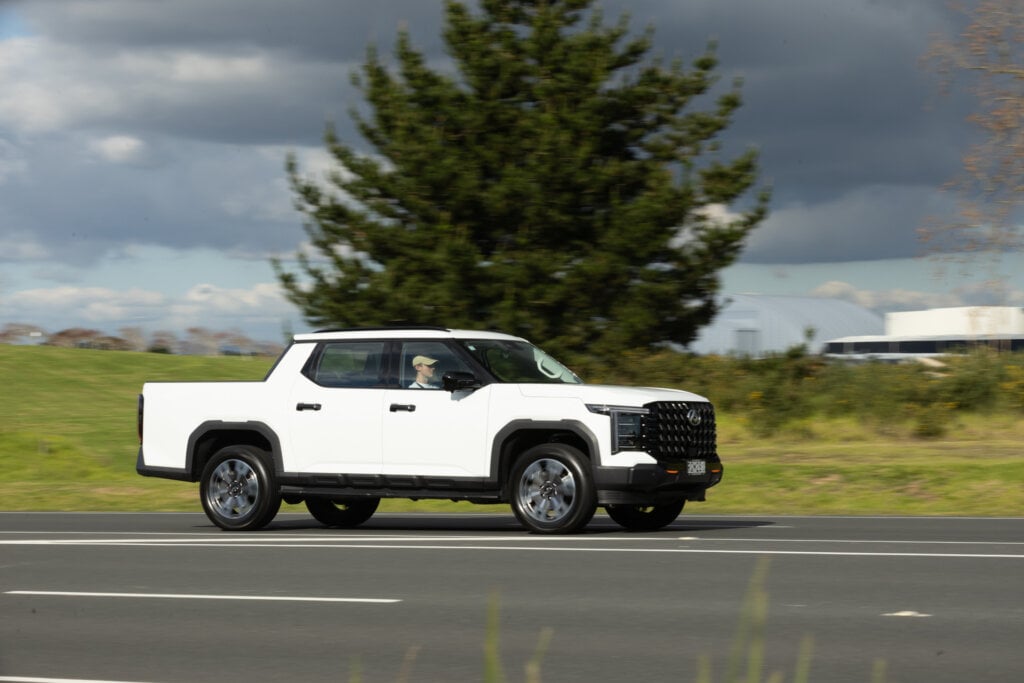
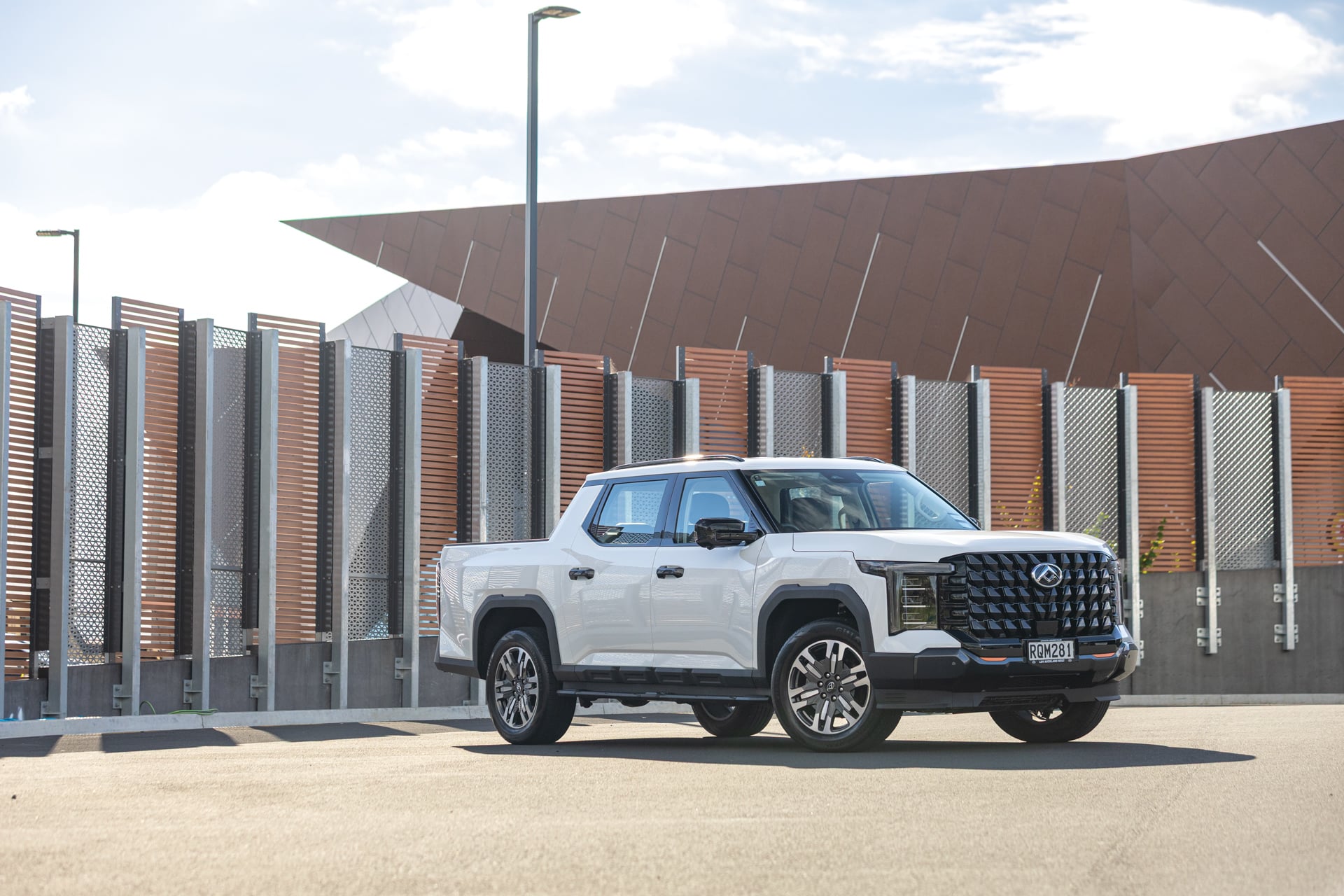
LDV’s main ute offering is now the Terron 9, sitting above the old T60. It’s a much improved option in the ute market, and a much bigger one too. But is it all a little too large?
Chinese vehicles have made a significant impact on New Zealand’s market in the past few years. Almost every segment has a handful of Chinese newcomers hoping to coax buyers from the grasp of more established brands. And considering it’s one of the biggest segments locally, it’s little surprise the ute segment has also undergone significant changes. In the not too distant past, Great Wall was the laughing stock of the ute market, but that changed with the improvement in quality the GWM re-brand brought with it.
In 2026, out of the 15 or so different utes that are currently offered locally, six of them are Chinese, making up 40 per cent of the segment. This is also reflected on the sales front, with the BYD Shark 6 claiming fifth position in overall sales last year.
In summary, the market has well-and-truly been disrupted by these newcomers, and now these brands are starting to expand their local line-ups, and LDV is a perfect example. For years, LDV’s local offering consisted of vans, and a lonesome ute – the T60. This T60 still represents LDV’s entry-level ute in New Zealand, but a familiar face was recently added to the line-up.
If you find yourself suffering from a bit of déjà vu when viewing this LDV Terron 9, it’s because it shares almost everything with the MGU9. But despite these similar looks, they differ in a few places.
Arguably the biggest distinction between the Terron 9 and MGU9 is the price; the LDV is cheaper. In its most basic form, the Terron 9 starts at $54,990, which is $6000 cheaper than the entry-level MGU9. Moving up to the Terron 9 Premium, which is the model we tested, you’ll be shelling out a reasonable $59,990. And you get a lot of ute for your money.
A Big Mover
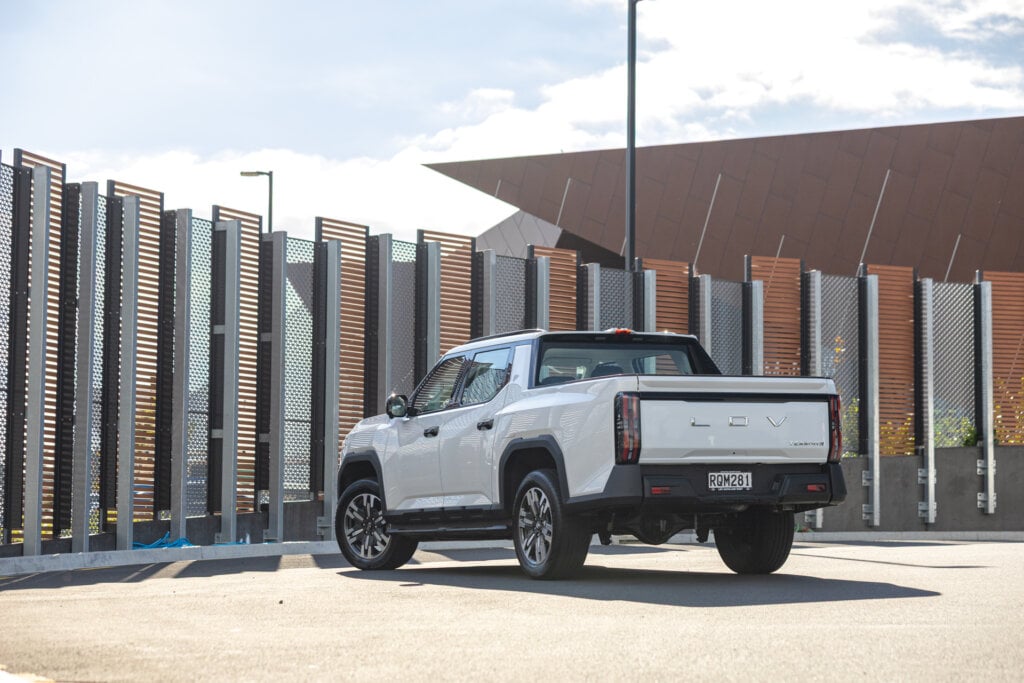
At 5.5 metres long, the Terron 9 is one of the bigger utes on sale in New Zealand. It occupies a space between the Ford Ranger at 5.3-metres long, and the Ram 1500 at 5.8-metres. At 2-metres wide, 1.8-metres high, with a 2.4-tonne kerb weight it’s also large in every other dimension.
Powering all this mass is a 2.5-litre turbo diesel four-cylinder engine that produces 163kW and 520Nm of torque. This is paired with an eight-speed automatic transmission and a four-wheel drive system. It gets a low-range transfer case and a rear locking differential as standard, with the Premium model adding a front locking differential.
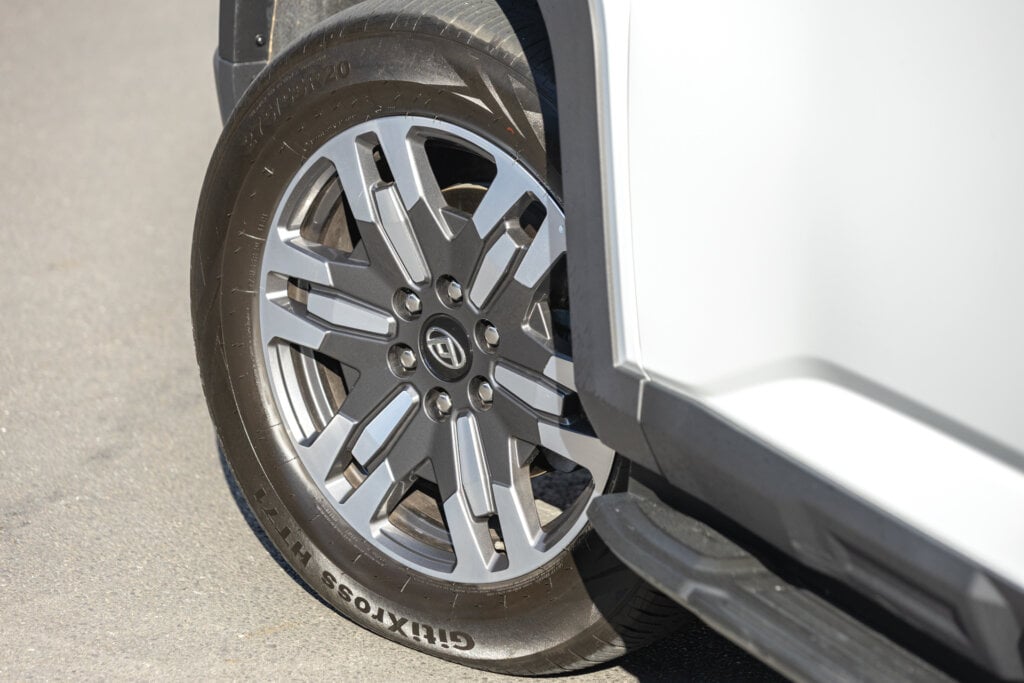
Standard exterior equipment includes running boards, a spray-on tub liner, an electric tailgate, and rain-sensing windscreen wipers. Moving to the Premium model adds 20-inch alloy wheels (with a full-size spare), cargo lighting in the tub, and auto folding side mirrors.
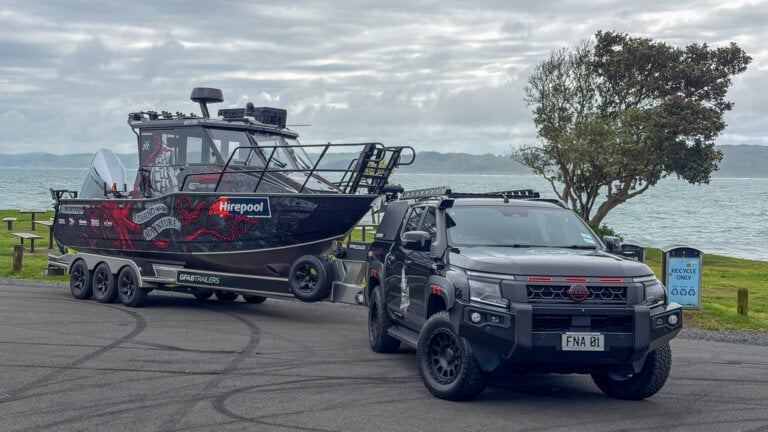
The Terron 9 is rated to tow up to 3.5-tonnes braked. It also gets a 1-tonne payload.
Room for Activities
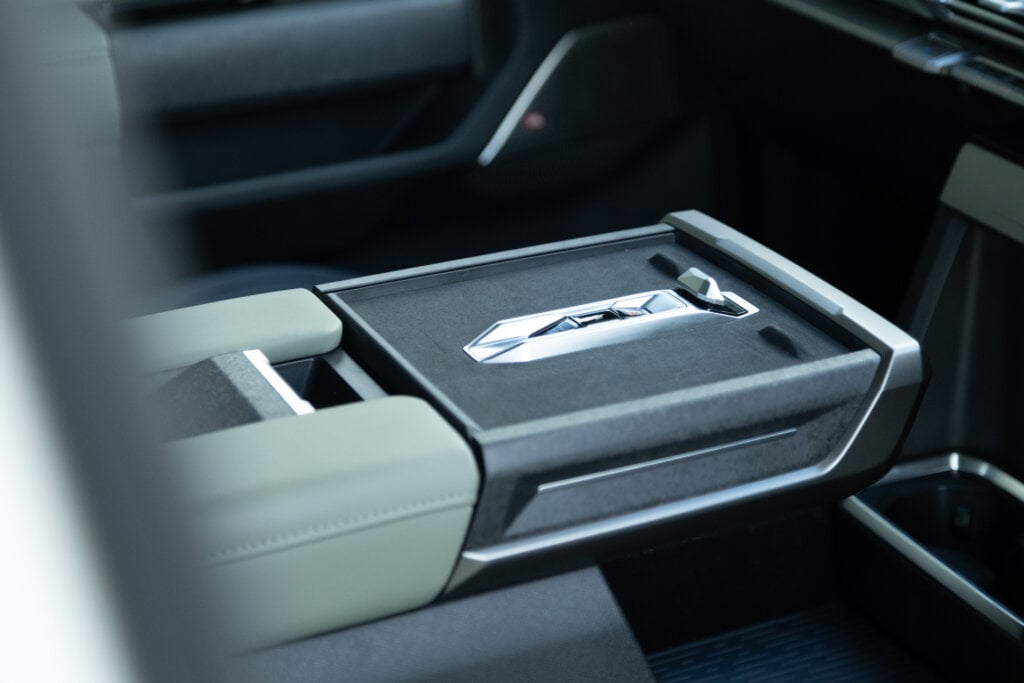
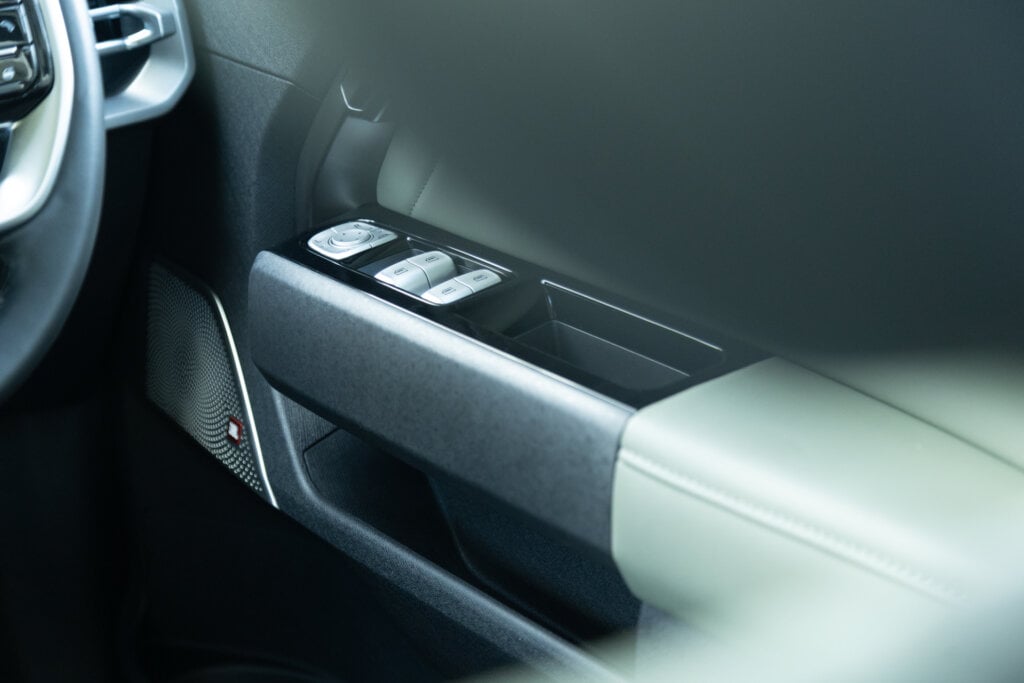
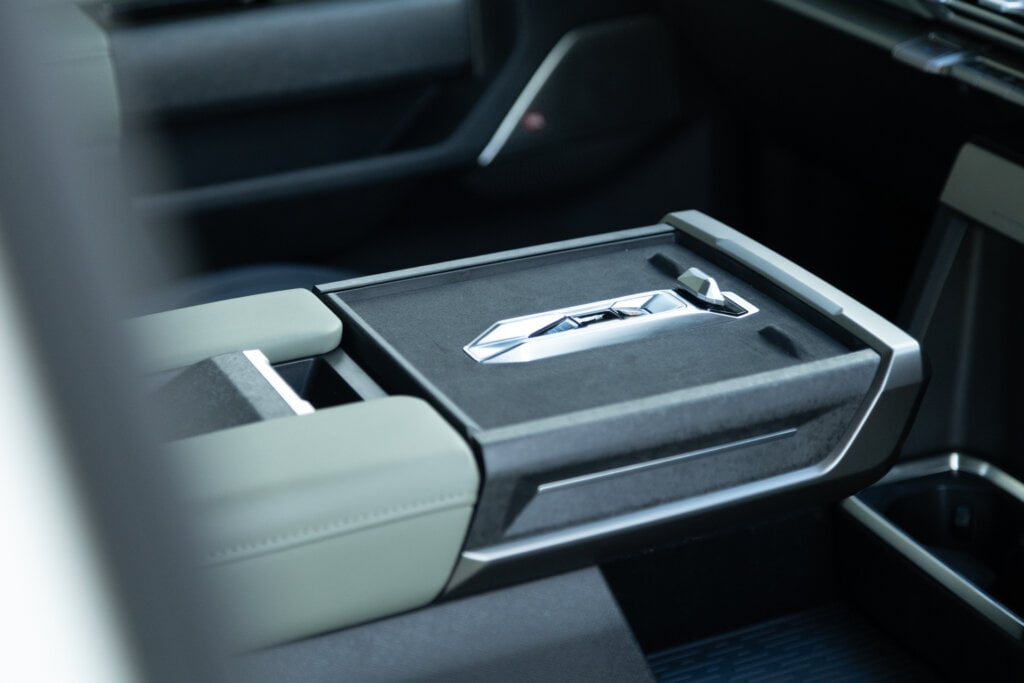
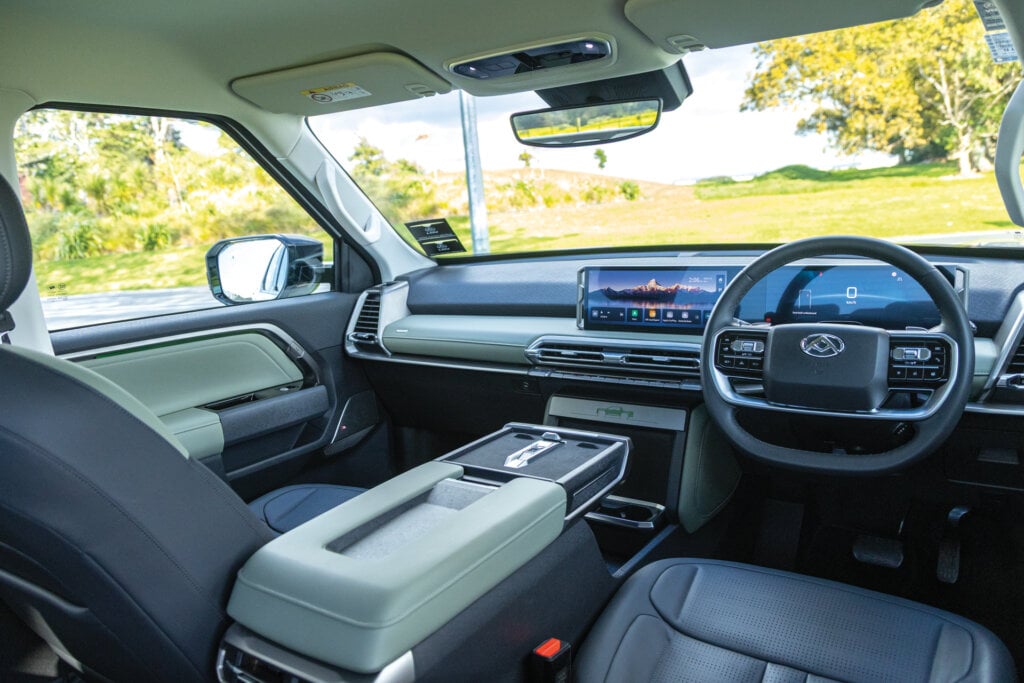
Inside, the large theme continues with almost enough room to swing a cat. The cabin feels far wider than a standard dual-cab ute, and it gets a centre console that’s wide enough to remind of the Silverado.
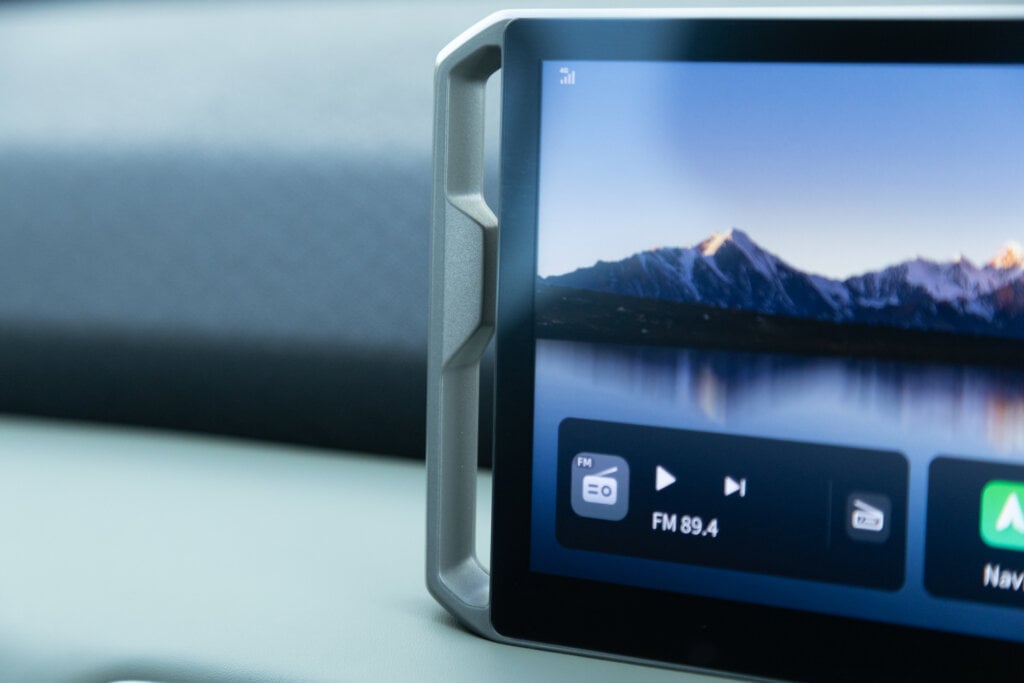
As well as this plethora of space, there’s an impressive tech offering in the form of a 12.3-inch digital cluster, and a 12.3-inch infotainment display. Wireless Apple CarPlay and Android Auto are included as standard here. It also gets an eight-speaker JBL sound system in the Premium model, which sounds good as standard, but I found the quality was marred by Apple CarPlay when listening through my phone.
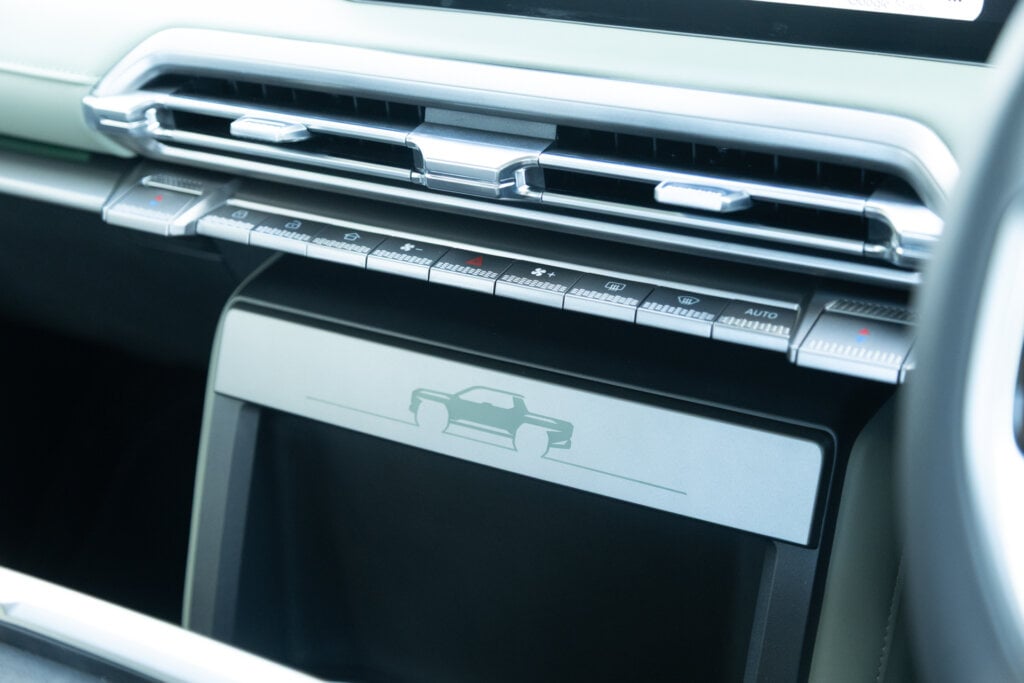
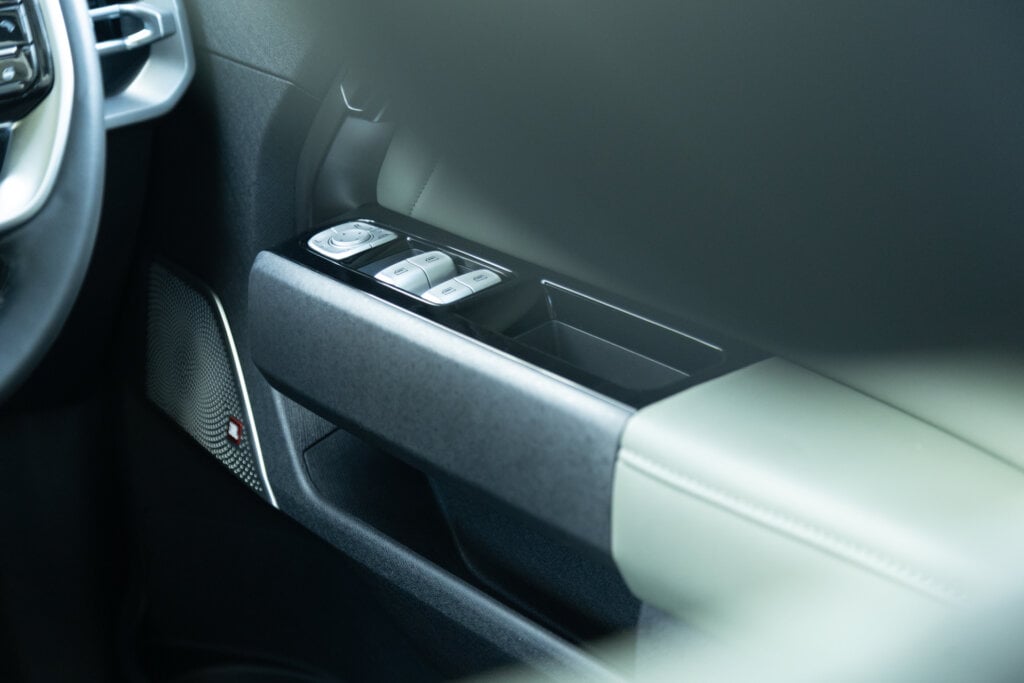
Other luxuries include auto climate control, rear seat vents, a heated steering wheel, and a strange ambient lighting system showing a Terron 9 in various colours on the dash. Opting for the premium model also nets you heated and ventilated front seats, and a massaging function for the driver.
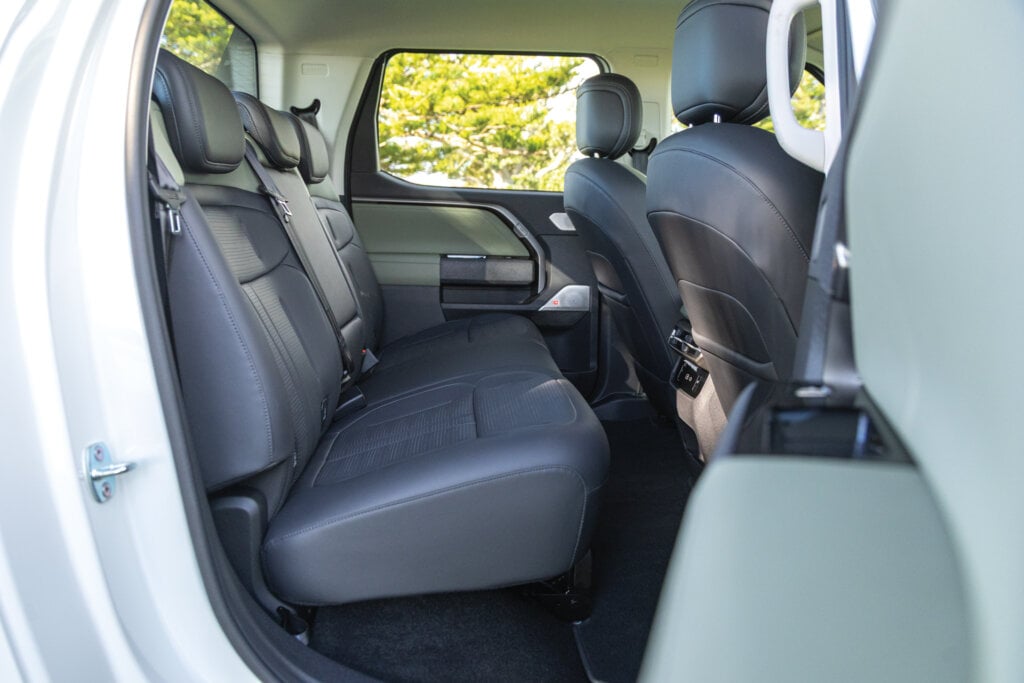
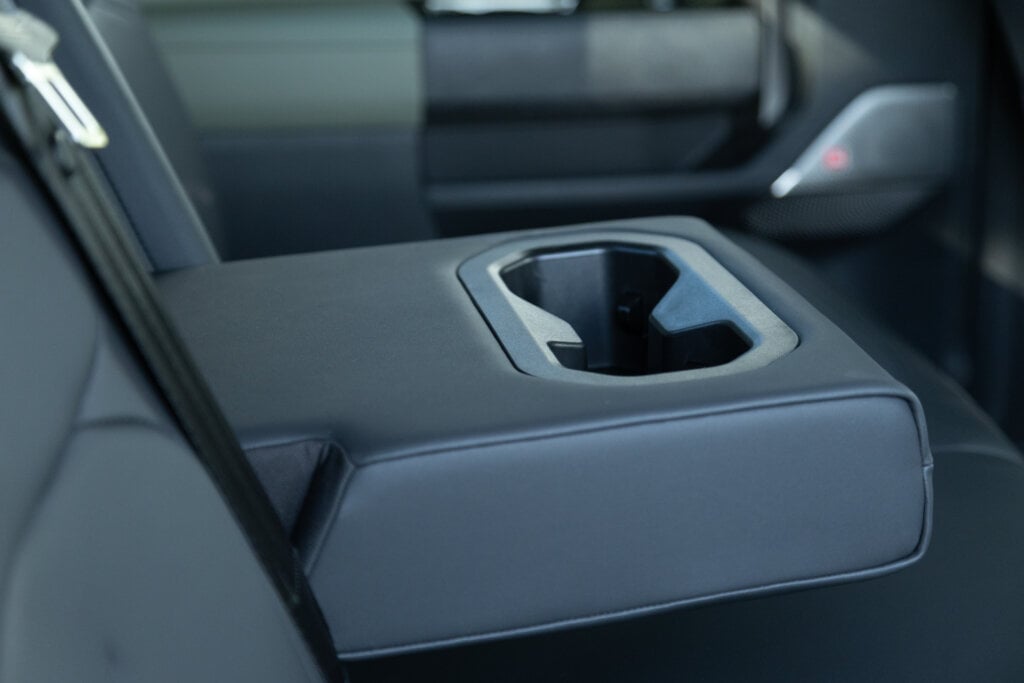
There’s plenty of room again for rear seat occupants, but the lack of any sort of folding arm rest in the centre is a strange oversight.
On the Road
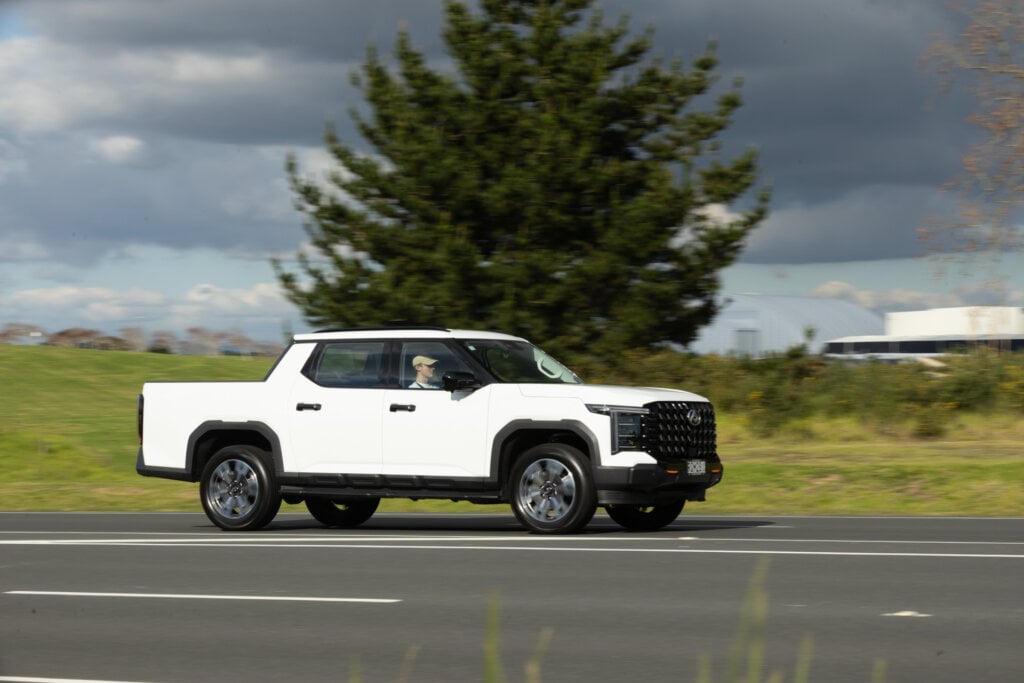
If the Terron 9’s size hasn’t already made an impression on you, it will once you get behind the wheel. For some reason, a lot of people associate Chinese vehicles with small cars, but this isn’t the case here, as the LDV drives more akin to an American ‘truck’ than your standard dual-cab ute.
Unlike those American trucks which lean into big displacement petrol engines, the 2.5-litre diesel of the LDV doesn’t need many revs to do its thing. Despite having a 4500rpm redline (which is quite high for a diesel), it lumbers around the 2500 – 3000 area while it does its thing. The eight-speed transmission also helps out here, as it makes its way through gears smoothly on the way to 100km/h.
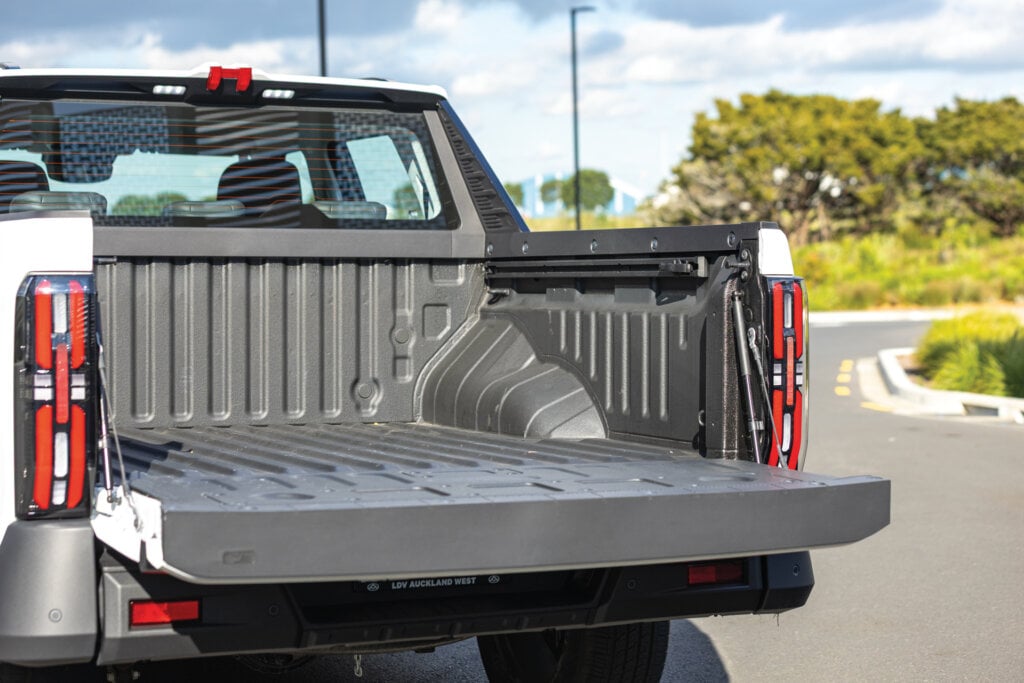
Speaking of the engine, the 520Nm offered is nothing to sneeze at, and I feel like it’s on par performance-wise with the other utes in its segment. Where it might fall short is on the fuel economy front, as mild hybrid technology isn’t something offered by LDV. A combined fuel economy of 7.9L/100km is claimed, but I found my Terron 9 more in the 8-8.5L/100km region.
During my time with the Terron 9, I can’t say I pushed it to its carrying capacities, but I did run a couple of loads of firewood back and forth, of which it handled well. These tub loads would have only weighed around 400kg or so, but the driveline didn’t seem worried. If anything, it helped weigh the leaf suspension system in the rear down, smoothing out the ride.
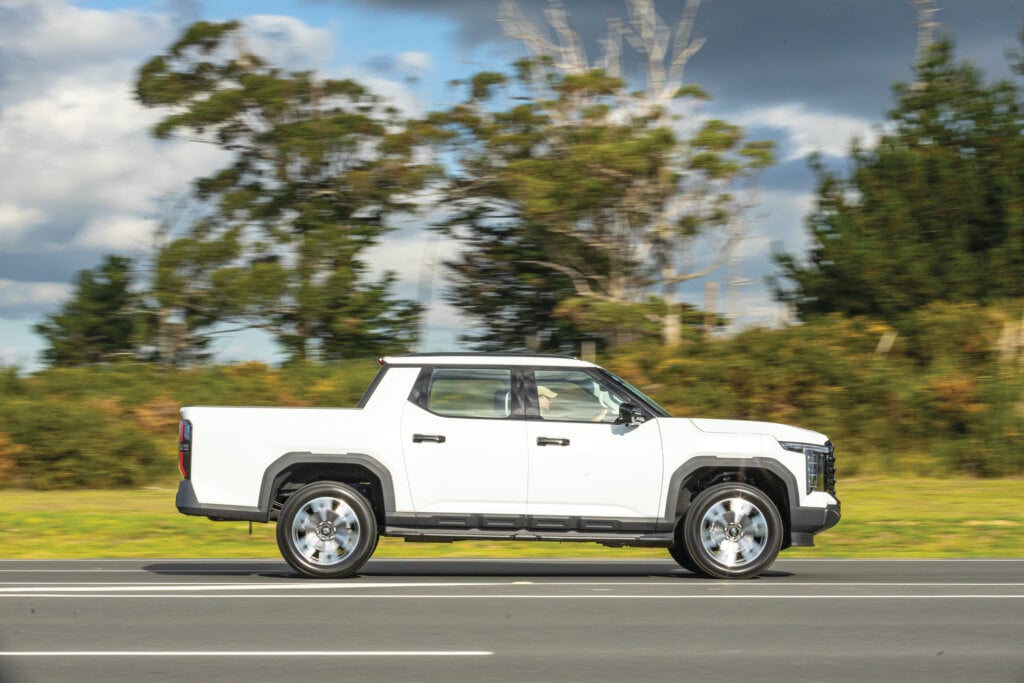
This brings me to another area where the LDV differs from the MG. At the launch of the U9 late last year, MG New Zealand were very excited by the fact that it had a multi-link rear suspension system, which is said to improve the ride. In the real world, these utes are designed to do so much, so compromise is rife, and this U9 suspension was alright, but certainly not the silver bullet it was made out to be. What does this mean for the LDV? It doesn’t differ too much on the ride front from the MG. Sure the MG might be a little bit more composed over rough surfaces such as gravel roads, but it isn’t a huge difference, and not one I’d be shelling out an extra $6000 on.
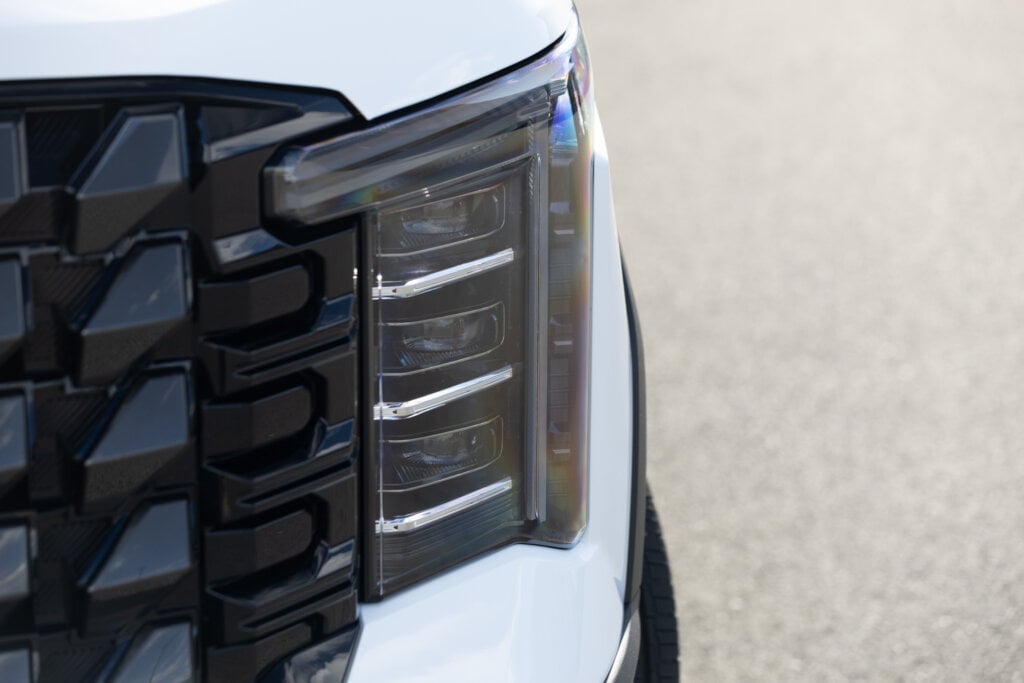
A Question of Value
At $59,990, there’s no question that you are getting a lot of ute for your money with the Terron 9 Premium, but it’s more down to whether or not you want to stray from the tried and true.
To help with this decision, LDV New Zealand offers a seven-year warranty, seven-year roadside assist and seven years’ worth of WOF checks to offer peace of mind. This isn’t quite at the level of Nissan’s ten-year warranty on the new Navara, but should be enough for most.
Opting for the Terron 9 over the MGU9 means you miss out on the fun folding step from the tray and the “smart hatch”, but these features are a novelty in my eyes.
So while it isn’t the cheapest, nor (despite its best efforts) the biggest, the LDV Terron 9 feels like a solid choice for those looking for a ute that doesn’t break the bank.
LDV Terron 9 premium
$59,990 / 7.9L/100km / 209g/km
0-100 km/h 10.9s
Engine 2498cc / IL4 / TDI
Max power 163.5kW@3800rpm
Max torque 520Nm@1500rpm
Drivetrain 8-speed auto / switchable 4×4
Front suspension Wishbones / sway bar
Rear suspension Solid axle / leaf springs
Turning circle 13.3m (3.5 turns)
Front brakes Ventilated discs
Rear brakes Ventilated discs
Stability systems ABS, ESP
Safety AEB, ACC, BSM, LDW, RCTA, ALK, AHB
Tyre size f/r-275/55R20
Wheelbase 3300mm
L/W/H 5500 / 1997 / 1860mm
Track f-1685mm r-1685mm
Fuel capacity 80L
Tow rating 750kg (3500 braked)
Service intervals 12 months / 15,000km
Warranty 7yrs / 200,000km
ANCAP rating ★★★★★ (2024)
Weight (claimed) 2495kg