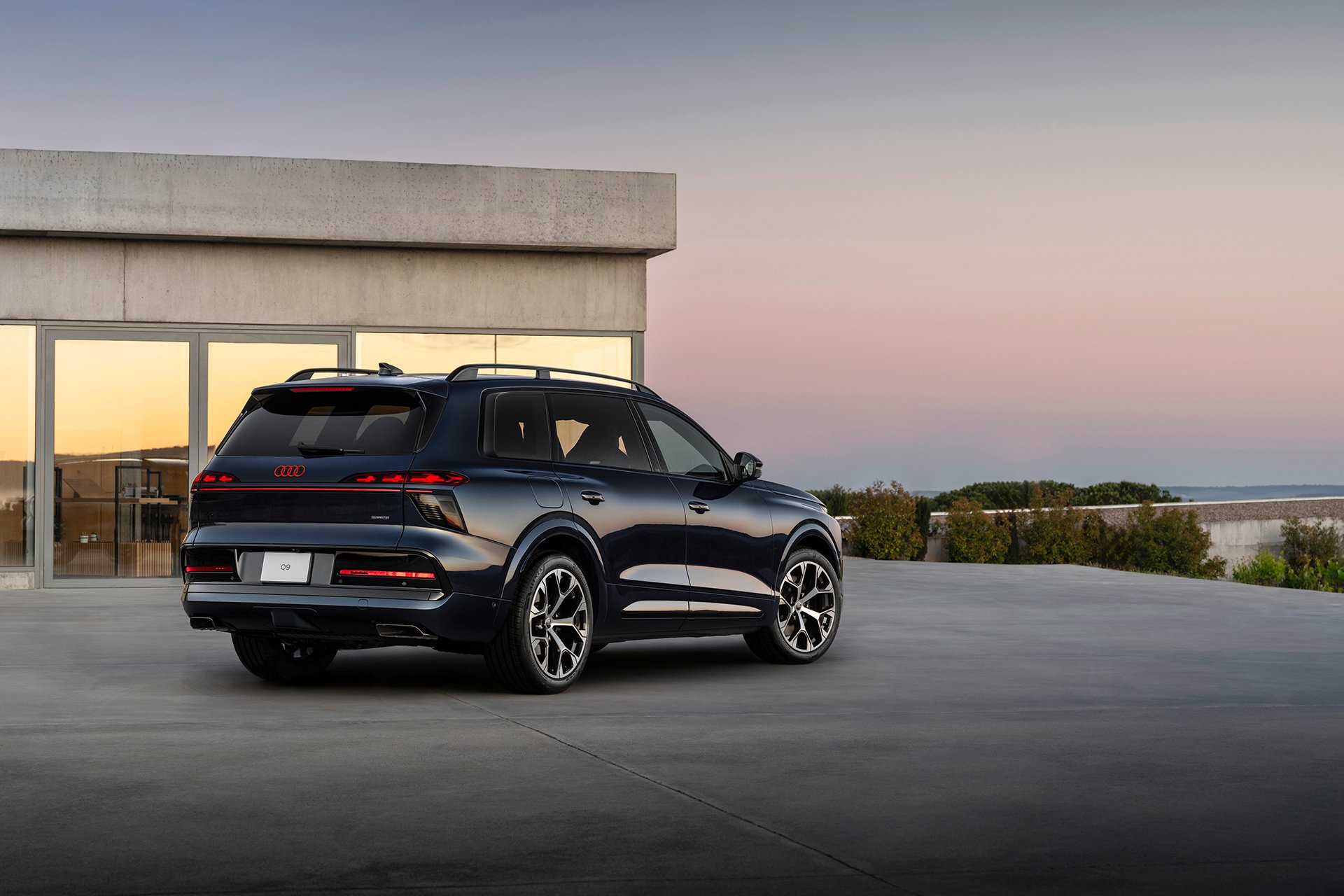
Audi Q9 confirmed for NZ in early 2027
Words: Kyle Cassidy
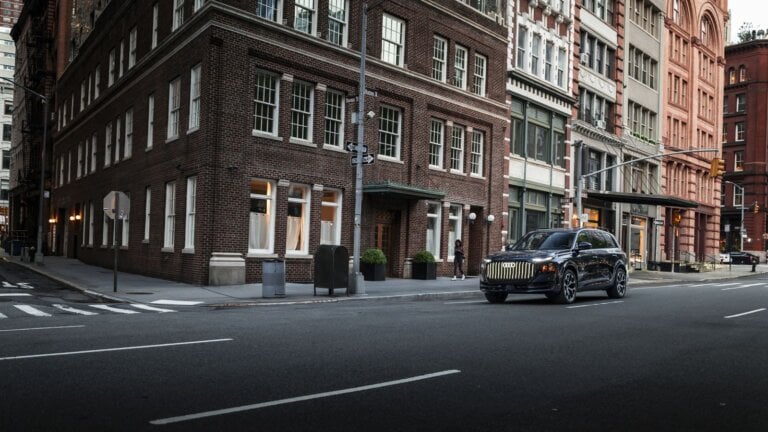
Audi has confirmed its new Q9 flagship SUV will arrive in New Zealand early next year, bringing seven seats, a 220kW diesel V6 and the largest body yet fitted with four rings.
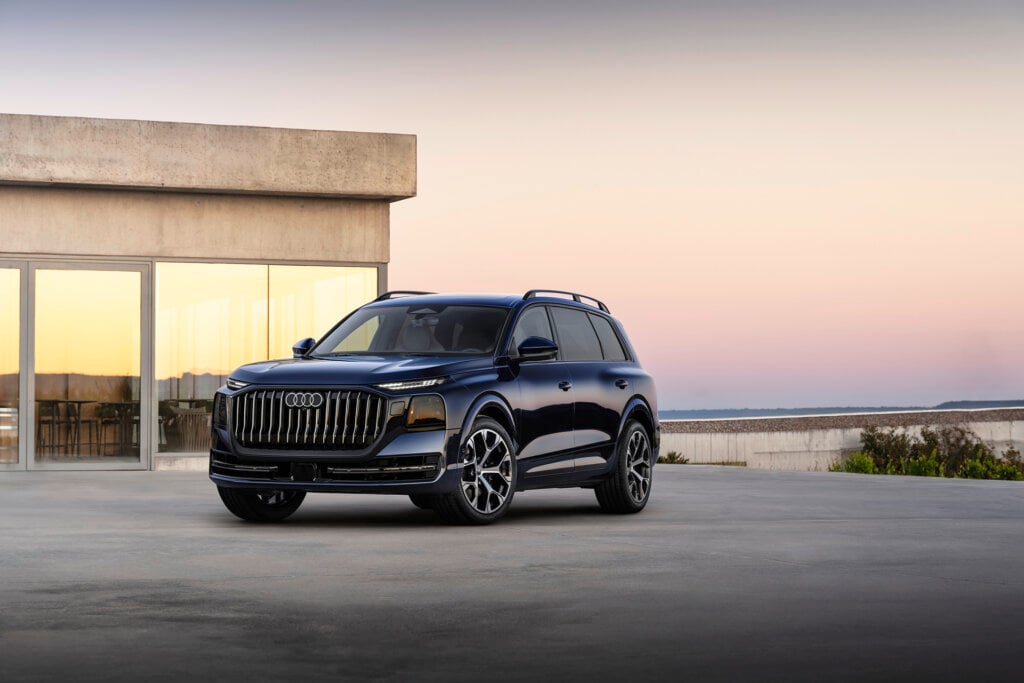
Kiwi customers will be able to order the Q9 from October, when local pricing will also be announced. The first vehicles are expected to reach New Zealand in early 2027, with the S line confirmed as the only launch grade.
Measuring 5310mm long, 2210mm wide and 1810mm tall, the Q9 is larger than the Q7 in every direction. Its 3140mm wheelbase helps create space for three seating rows and makes it the biggest production Audi to date.
“With the introduction of the Q9, Audi has created a flagship SUV that redefines what customers can expect from a premium large SUV. Its exceptional interior space, innovative technology and sophisticated design combine to deliver a truly first-class driving experience,” said Audi New Zealand general manager Greg Leet.
Diesel V6 confirmed for New Zealand
The New Zealand Q9 will initially be powered by a 3.0-litre turbo-diesel V6 producing 220kW and 630Nm.
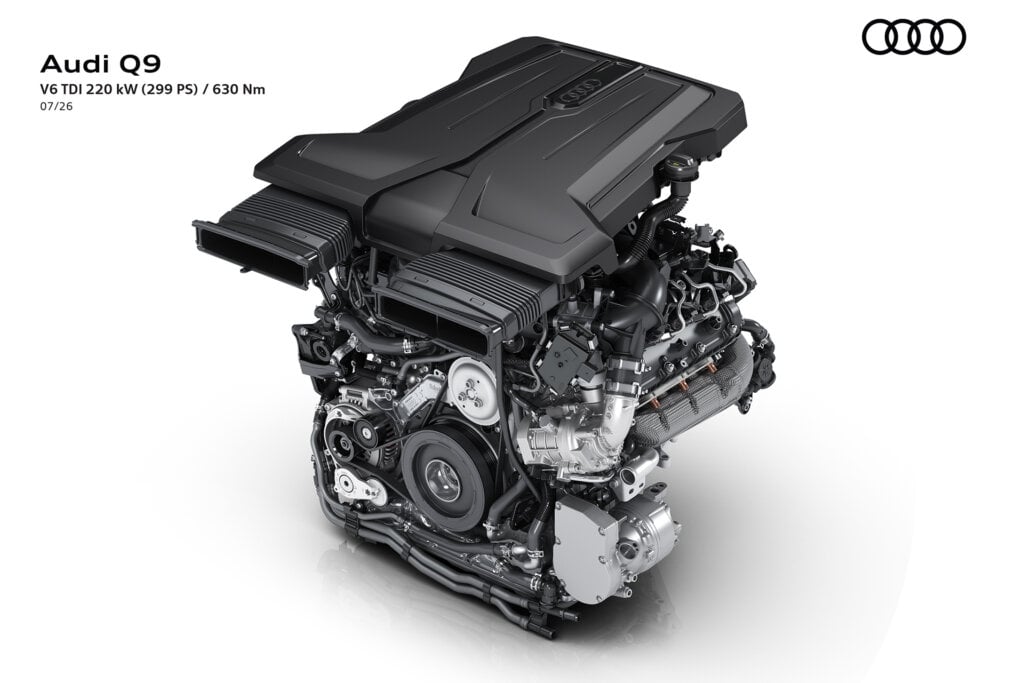
It uses Audi’s MHEV Plus mild-hybrid technology, including a new powertrain generator capable of contributing up to 18kW. The system can assist the combustion engine and recover energy during deceleration.
An electrically powered compressor works alongside the conventional two-stage turbocharging system to improve response at low engine speeds. Audi says it can generate up to 3.6 bar of absolute boost pressure in 1.2 seconds, helping reduce turbo lag when accelerating from a standstill.
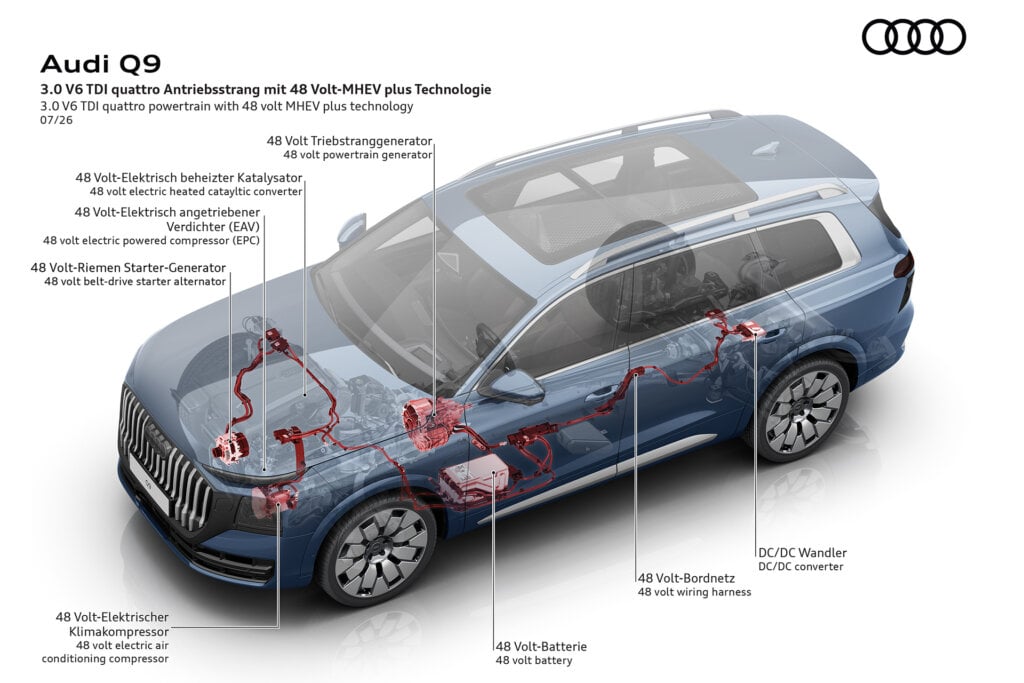
The 7.5kW compressor is designed to operate before sufficient exhaust flow is available to drive the turbochargers, filling the gap until they take over.
An eight-speed Tiptronic automatic transmission and permanent quattro all-wheel drive will be standard.
Audi hasn’t released fuel-consumption, towing or performance figures for the New Zealand model.
Air suspension and rear steering
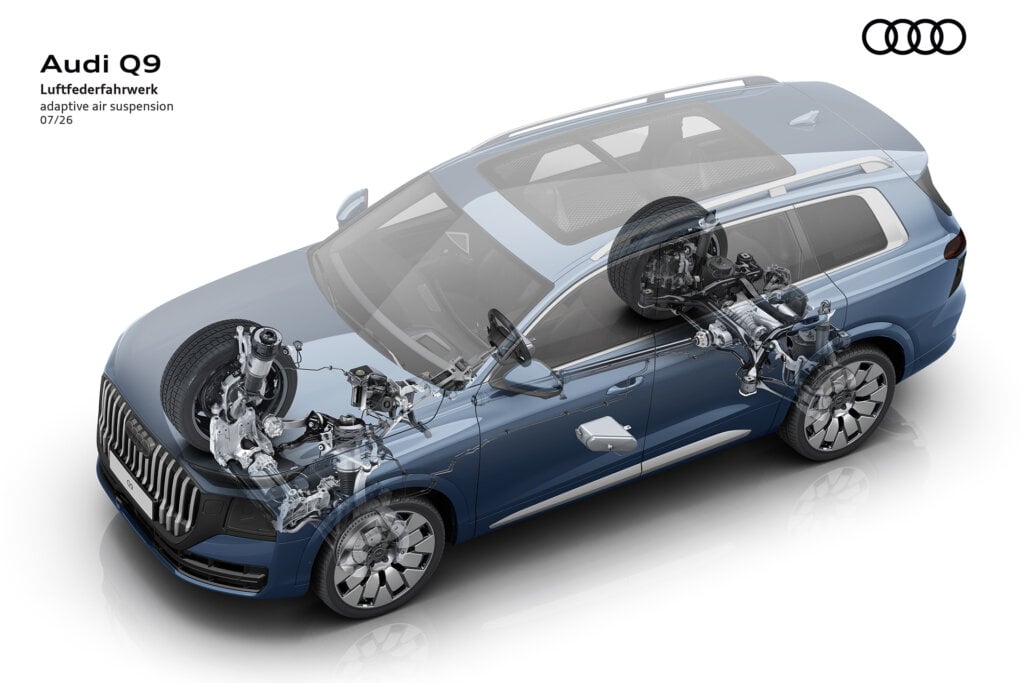
Adaptive air suspension will also be included as standard, combining continuously variable damping with an adjustable ride height.
The system can automatically alter the suspension according to speed, vehicle load and road conditions, while drivers can select different settings through Audi Drive Select.
There is 90mm of total height adjustment between the suspension’s lowest and highest positions. From its standard setting, the Q9 can lower itself by 62mm to make getting in and out easier.
All-wheel steering allows the rear wheels to turn by up to five degrees. At low speeds they move in the opposite direction to the front wheels, helping reduce the turning circle of what is a sizeable SUV. At higher speeds they turn in the same direction to improve stability during lane changes and sweeping bends.
Wheels measuring up to 23 inches will be available.
Six- or seven-seat layouts
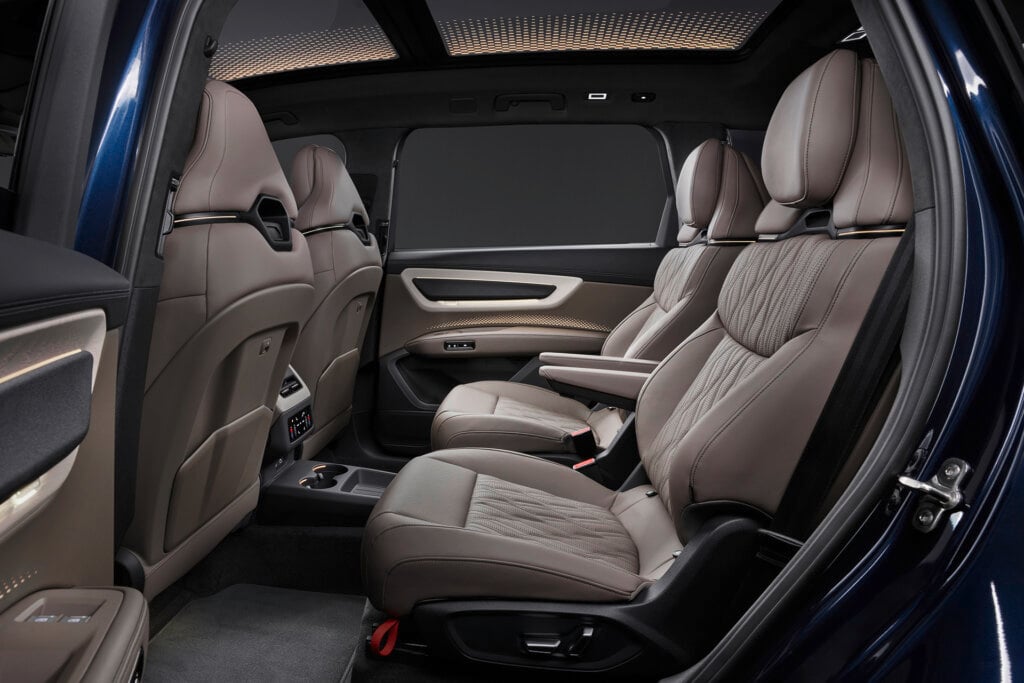
Seven seats will come as standard, with ISOFIX mounting points provided on all three second-row positions.
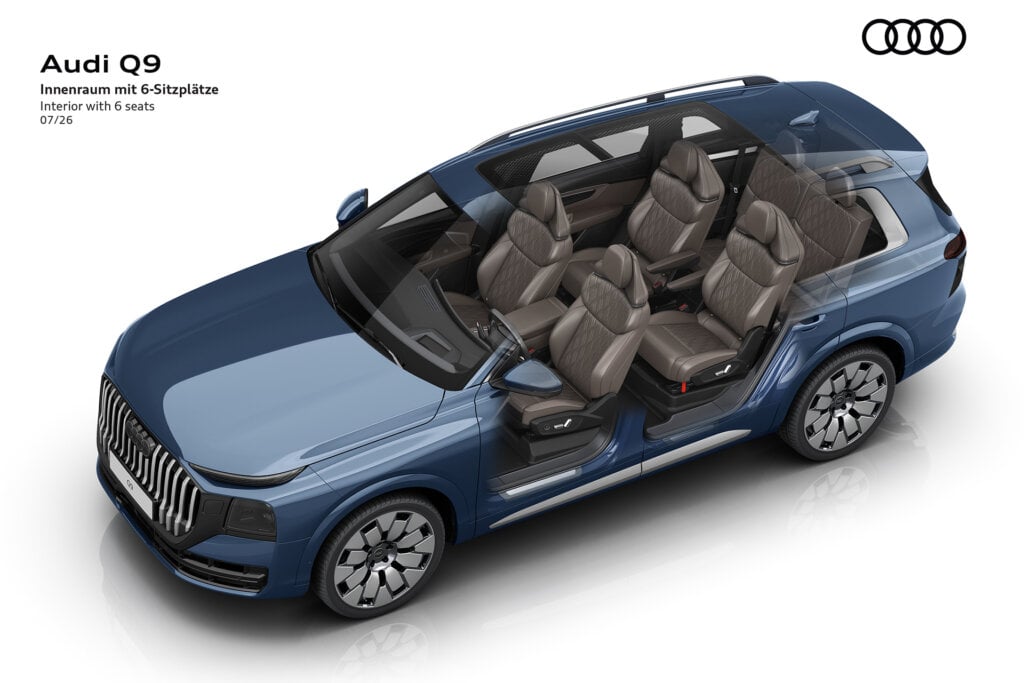
A six-seat arrangement will be optional, replacing the second-row bench with two individually adjustable electric seats. All six seats in this configuration will offer partial power adjustment, with heating also available.
Read more – New Audi Q7 sticks with winning formula
Each third-row backrest can be folded electrically, while the front seats can be specified with heating, ventilation and massage functions.
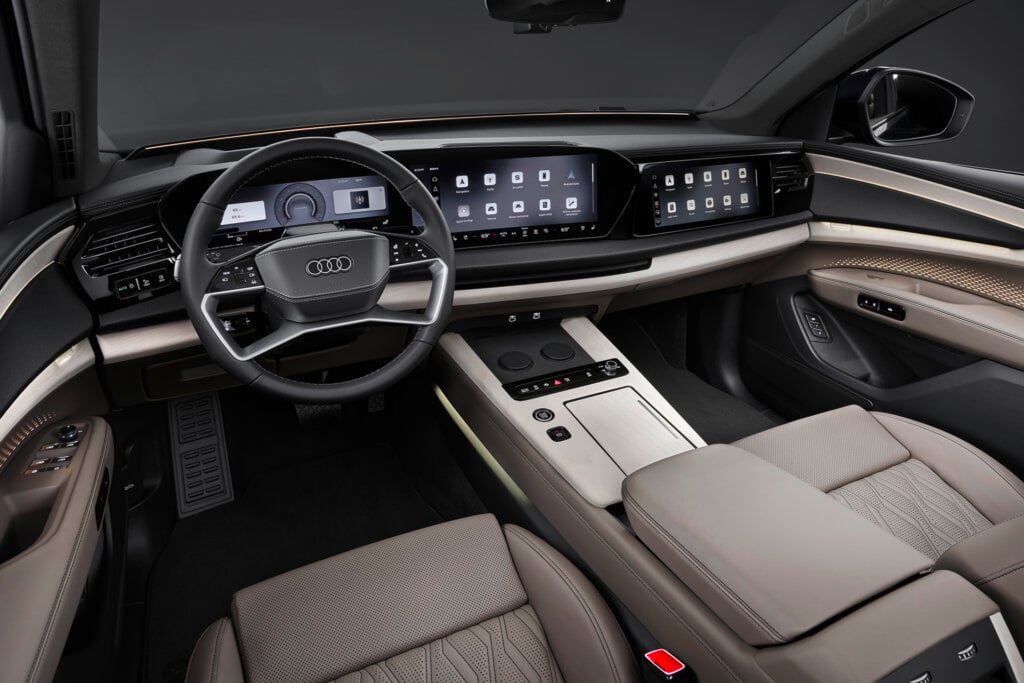
For the first time in an Audi, automatic doors will also be available. Surrounding sensors detect obstacles and prevent a door from opening fully when something is in the way, while electric soft-close hardware handles the final stage of closing.
The doors can be controlled from several points inside the vehicle or remotely through the myAudi app.
Overhead is the largest panoramic sunroof yet fitted to an Audi. The standard roof has more than 1.5 square metres of glass and can be opened or tilted. Options will include switchable transparency and integrated illumination matched to the cabin’s ambient-lighting settings.
Curved OLED lights make production debut
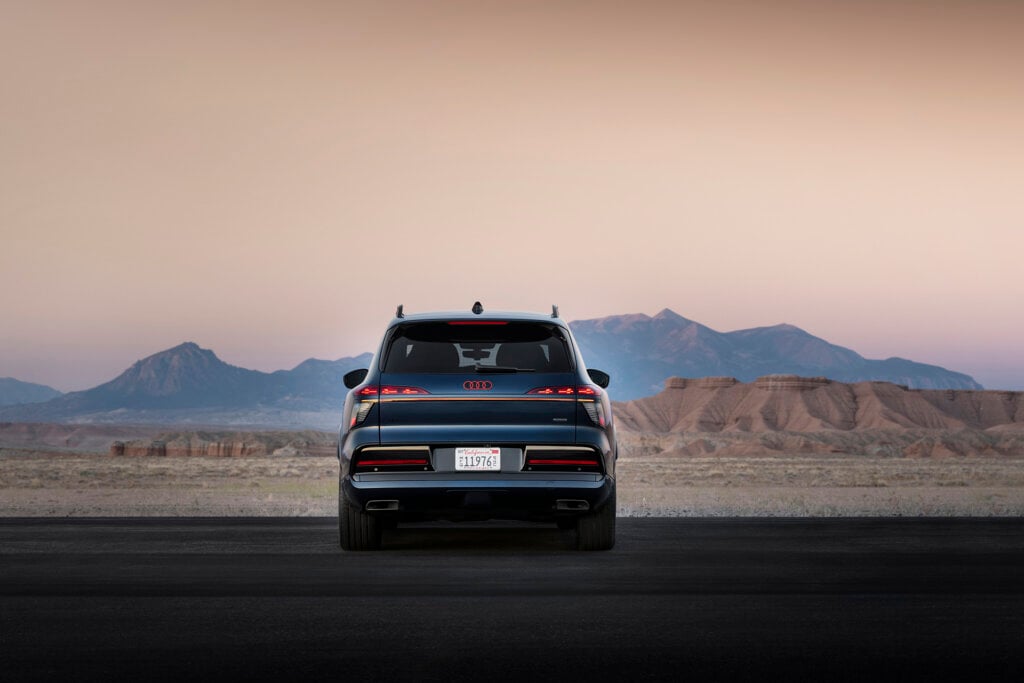
The Q9 introduces Audi’s third-generation digital OLED tail-light technology, with the outer panels curved to follow the shape of the body.
Audi says the ultra-thin glass construction gives designers greater freedom while making the lights visible from a wider angle. A continuous LED strip and illuminated Audi rings link the two rear light units.
The turn signals can also project a corresponding graphic onto the ground at night, working in time with the dynamic indicators at the front and rear.
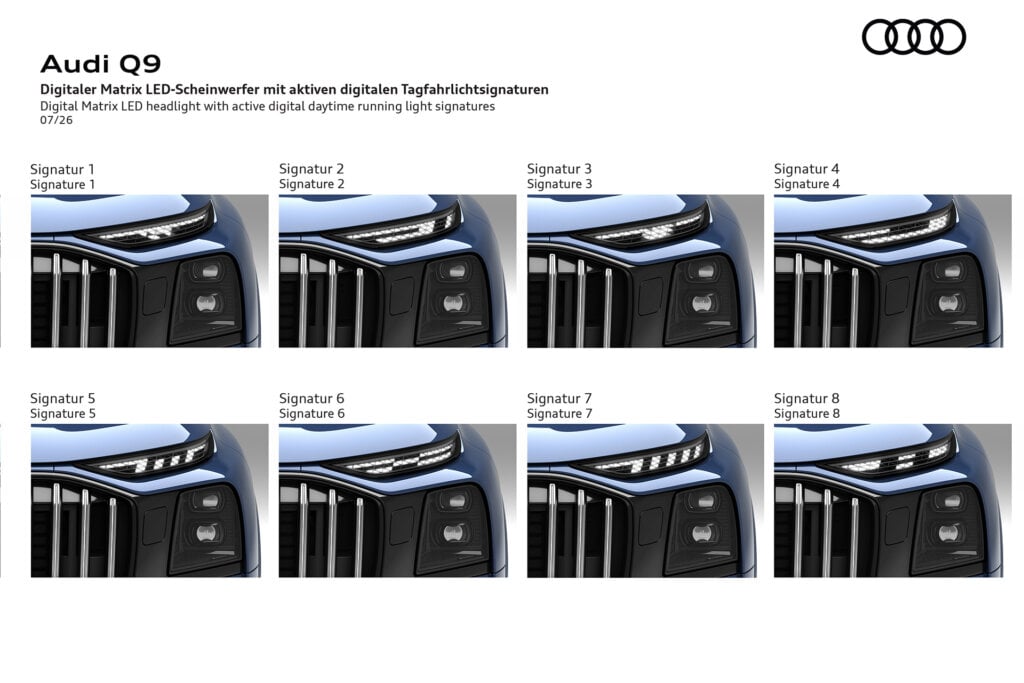
Digital Matrix LED headlights use a micro-LED module to provide more precisely controlled illumination and an expanded range of light-guidance functions.
Visually, the Q9 adopts an upright front end with its Singleframe grille and headlights incorporated into a dark panel. The New Zealand-spec S line adds sportier exterior details, while the long rear doors and extended rear overhang give away the amount of space inside.
Audi is positioning the newcomer above the Q7 as its answer to the largest European luxury SUVs. Its closest rivals are likely to include the BMW X7 and Mercedes-Benz GLS.
Pricing will determine exactly where the Q9 sits among that group. Expressions of interest are open through Audi New Zealand dealers ahead of order books opening in October.