Bishop admits election year role in fuel tax delay, Hipkins won’t say what freeze costs
Words: Autocar
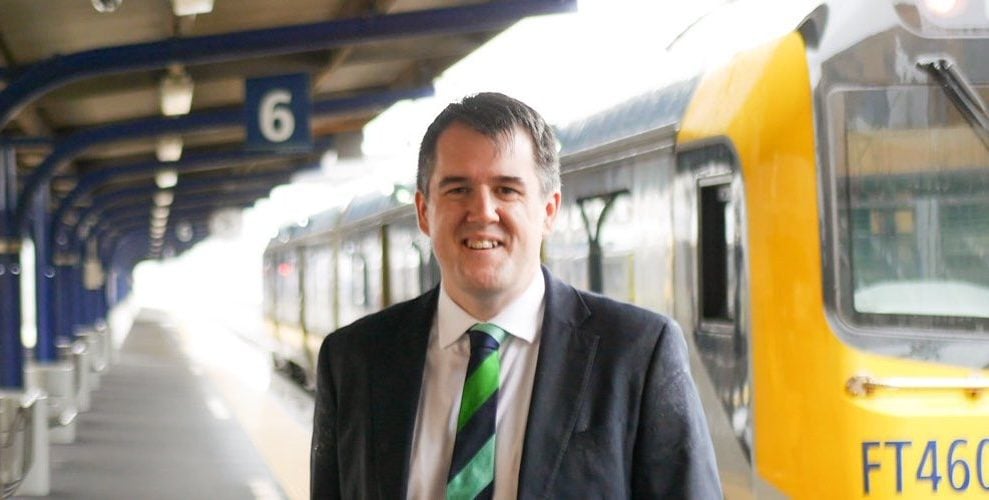
Transport Minister Chris Bishop says the government will take about $1 billion from its operating allowance to pay for delaying next year’s fuel tax increase, and has acknowledged the November election was a factor in the decision.
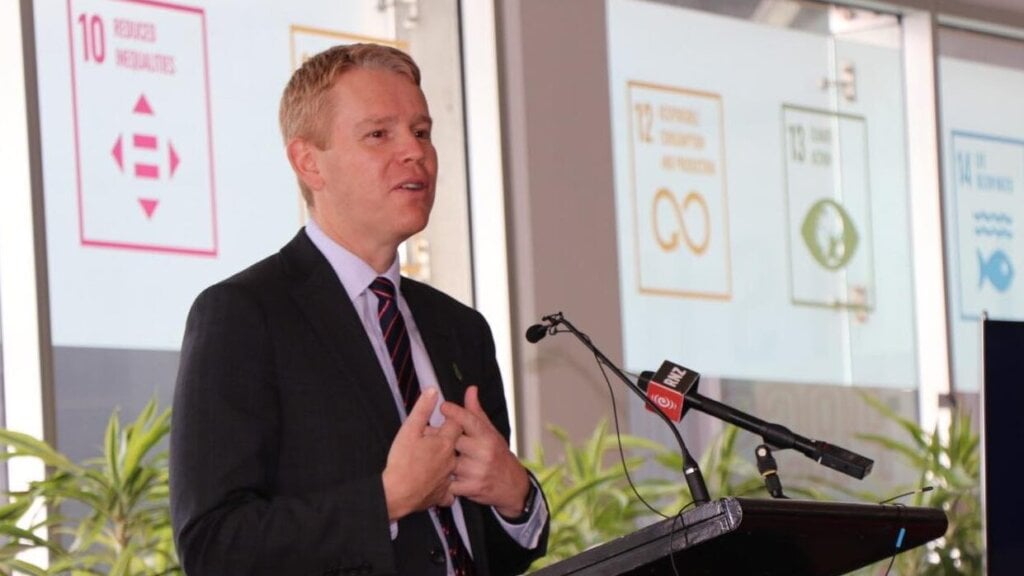
Bishop and Labour leader Chris Hipkins were both interviewed on Herald NOW on Tuesday morning, the day after the government cancelled the 12 cents a litre fuel excise increase due on 1 January 2027.
Asked by host Ryan Bridge where the money would come from, Bishop says it will come out of general operating expenditure and will appear in the Pre-election Economic and Fiscal Update due late September.
“So basically we have to take it from general operating expenditure, which is not an ideal situation, but we think on balance is the right thing to do,” he says.
He puts the cost at about $1 billion over the forecast period, or roughly $250 million a year.
Pressed on whether the election played a part, Bishop says going into a campaign with a 12 cent increase locked in for January was “a pretty unpalatable prospect, because petrol’s about three bucks a litre, give or take”.
He says the National Land Transport Fund is meant to be user pays, with fuel excise revenue going back out on roads, new state highways, public transport and rail, and that successive governments have moved away from that.
Bishop repeats the government’s line that Labour’s three-year freeze carries a $4.6 billion price tag.
“That comes at the expense of potholes, resilience projects around the country, public transport services, and jobs in the regions, people who are working on roading projects right now,” he says.
Hipkins disputes the figure, saying it does not account for Monday’s announcement and includes a period after the next election. Pressed repeatedly on what the correct number is, he declines to give one.
“We’re going to set out our own plans in that regard, including any changes that we would make, when we set out our fiscal plan. We’re waiting for the government to open the books when we’re doing that,” he says.
He also declines to commit to keeping the ring-fenced pothole fund, likening it to the government’s road cone hotline as a policy he says has not worked.
“I am committing to prioritising road maintenance, and that of course includes potholes,” he says.
Hipkins says National’s pledge of no new taxes “didn’t even last a week”, pointing to the 20 cents a litre of increases now scheduled from 2028.
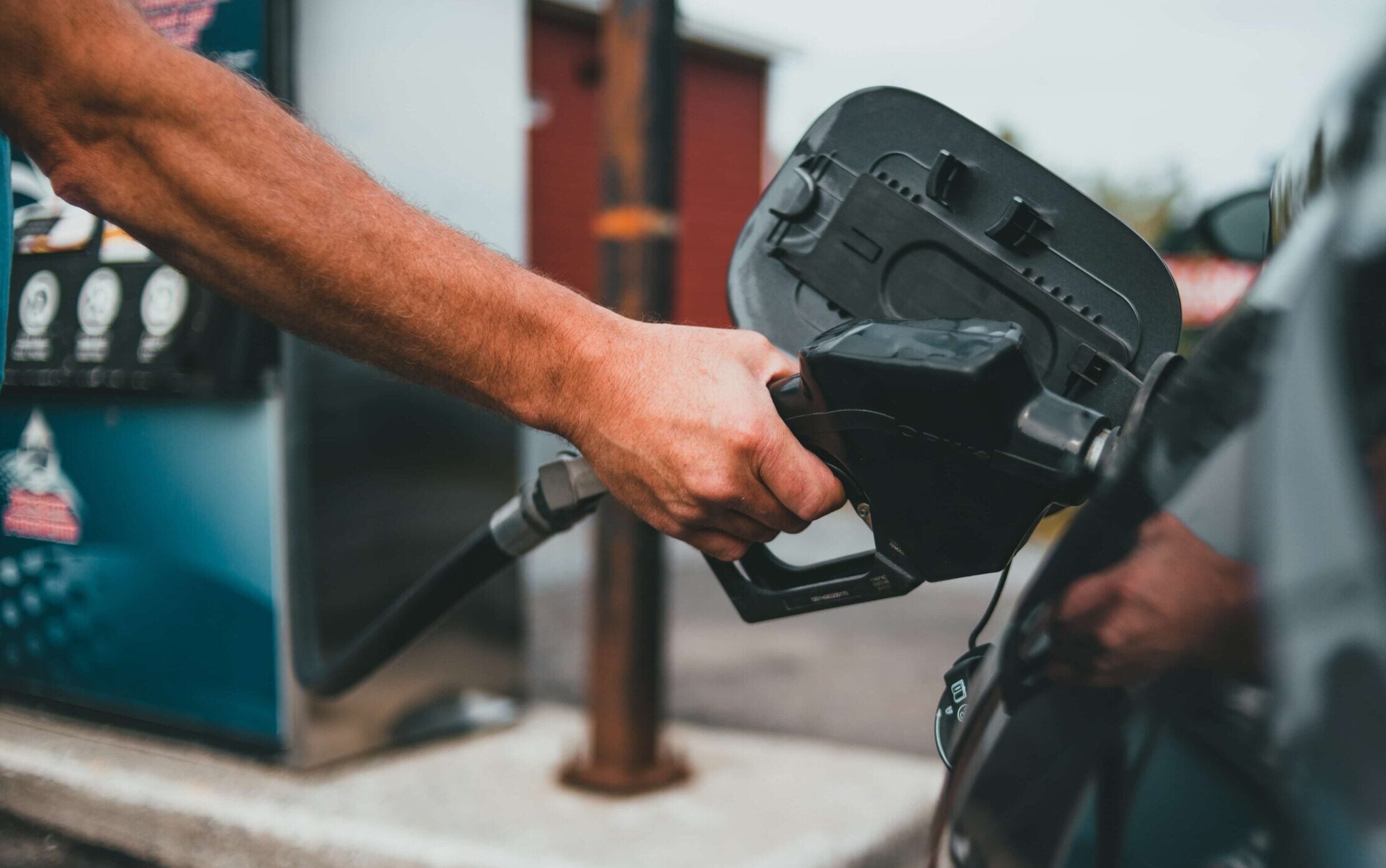
For drivers, nothing changes at the pump before then. Fuel excise rises 5 cents a litre on 1 January 2028, then by the same amount at three further six-monthly intervals, taking the total increase to 20 cents by the end of 2029. Road user charges rise by equivalent amounts.