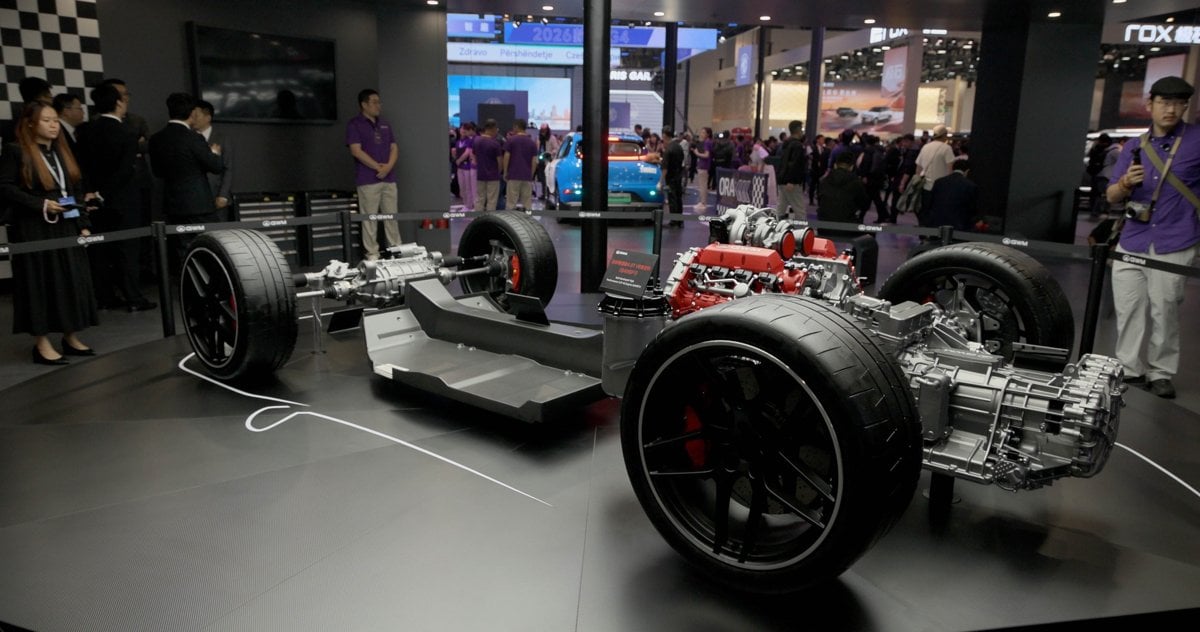
GWM confirms GF performance brand, Tank 700 V8 and GT3 racing
Words: Richard Edwards
GWM has confirmed it is establishing a new global performance sub-brand called GWM GF, with chairman Jack Wei outlining a multi-vehicle strategy that includes a Ferrari-benchmarked supercar, a V8-powered Tank 700, and a GT3 race car.
Speaking to overseas media including NZ Autocar in Beijing, Wei said the supercar would be the first vehicle revealed under the GWM GF banner, with a public unveiling targeted for around 2027.
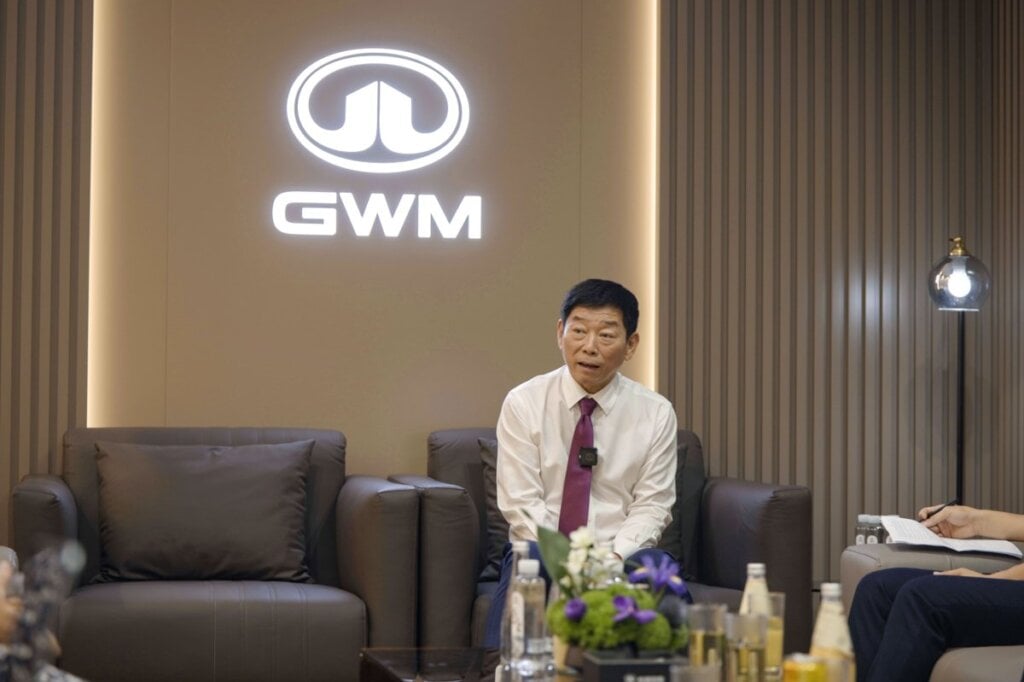
“The supercar project is benchmarking Ferrari,” Wei said via his translator. “This V8 strategy is not aligned with current trends in China, but is designed for global markets.”
A second, different V8 has been confirmed for the Tank 700 large SUV, aimed at off-road and luxury touring applications.
“The Tank 700 will also receive a V8, although it will be a different engine to the supercar,” Wei said. “Both high-performance and off-road V8s are being developed for global use.”
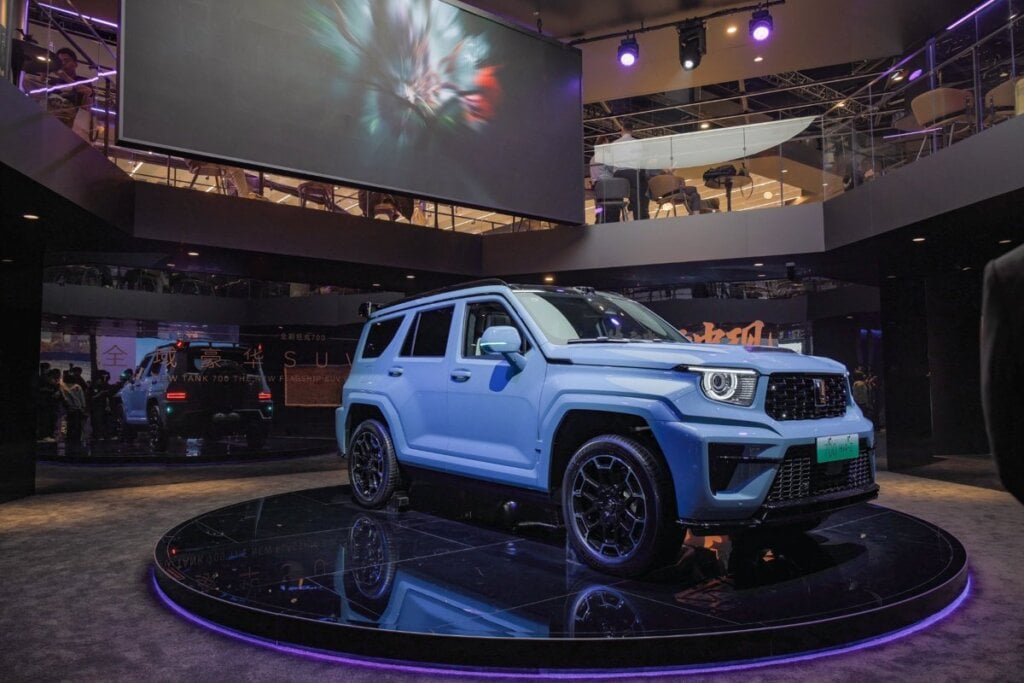
A GWM Australia and New Zealand spokesperson confirmed to NZ Autocar that the Tank 700 has long been under consideration for both markets, but has consistently been linked to a new or updated platform rather than the current China-market vehicle. That indicates the V8 is unlikely to land in the current Tank 700 form, and would more likely arrive in an updated version of the model.
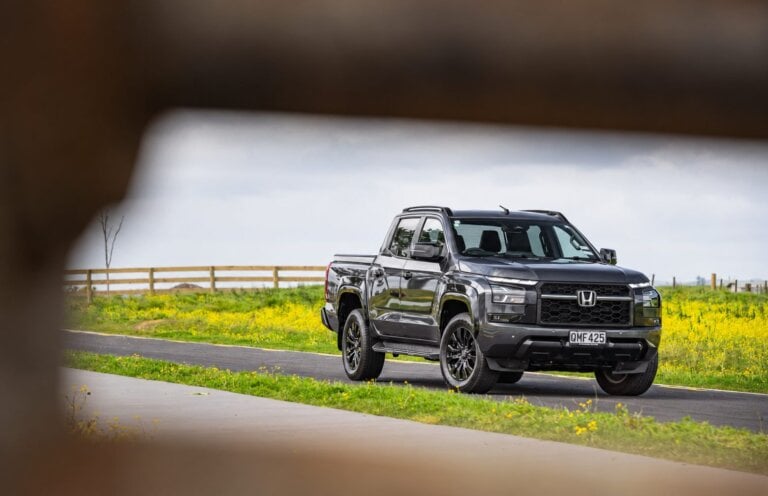
The Tank 700 is a wildly styled large SUV with a Mercedes-Benz G-Class vibe, without aping its boxy silhouette in the way some rivals have. It sits at the top of the Tank range, blending heavy-duty off-road hardware with luxury cabin tech.
GT3 racing planned
In a previously unreported detail, Wei also confirmed the supercar platform will evolve into a GT3 race car, with a road-going GT3 variant planned alongside it. That places GWM in direct competition with established GT3 manufacturers such as Porsche, BMW, Mercedes-AMG, Ferrari, Lamborghini, McLaren, and Aston Martin.
Wei said the road-going GT3 will be derived from the same platform as the supercar.
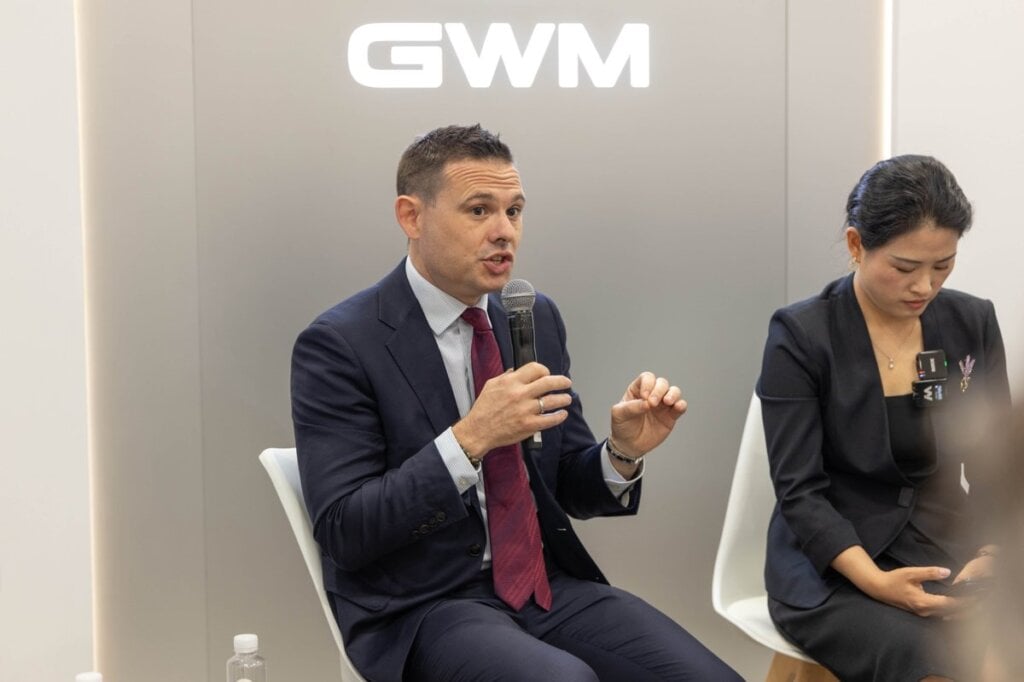
The platform and vehicle integration work is being overseen by former McLaren GT chief engineer Adam Thomson, who joined GWM after leading development on the McLaren GT product family.
Thomson made clear his role at GWM has expanded beyond the supercar he was originally brought in to develop, with responsibility now spanning the broader product range.
“My background is in performance vehicle development, and now I oversee platform and vehicle development across products,” Thomson said.
Motorsport entry
The GT3 programme is part of a broader motorsport push. Wei confirmed GWM has joined the FIA T2 category and is planning a Dakar Rally entry, having previously withdrawn from the event due to low domestic visibility in China.
The company has also competed in long-distance rally events in China, covering around 8000km in desert conditions with production vehicles.
“Motorsport is seen as a key tool for brand building and global exposure,” Wei said via his translator, with GWM also expressing interest in Australian motorsport categories.
Hybridisation likely
Wei said all GWM’s high-capacity engines, including the V8s, are likely to incorporate hybrid systems to meet international CO₂ emissions requirements.
Specifications for either V8, including outputs and the exact form of electrification, have not been confirmed.
The current Chinese-market Tank 700 already offers a 2.0-litre turbocharged four-cylinder Hi4-Z plug-in hybrid producing a combined 644kW (864hp) and a 56kWh battery delivering 190km of electric-only range, alongside a 3.0-litre V6 plug-in hybrid in another variant.
The introduction of a V8 variant alongside any future Tank 700 launch in New Zealand would give GWM a unique offering in a segment where most rivals have moved away from eight-cylinder engines.
The GWM GF supercar and GT3 programme, by contrast, are likely to remain limited-run global halo products.