McLaren F1 GTR sells for $NZ58 million, but a Ferrari Luce sold for more
Words: Kyle Cassidy
One is a 30-year-old racing McLaren with Pink Floyd history. The other is a brand-new electric Ferrari that hasn’t even been delivered. Together, they generated US$74.655 million at RM Sotheby’s Monterey auction. That equates to approximately NZ$126.4 million.
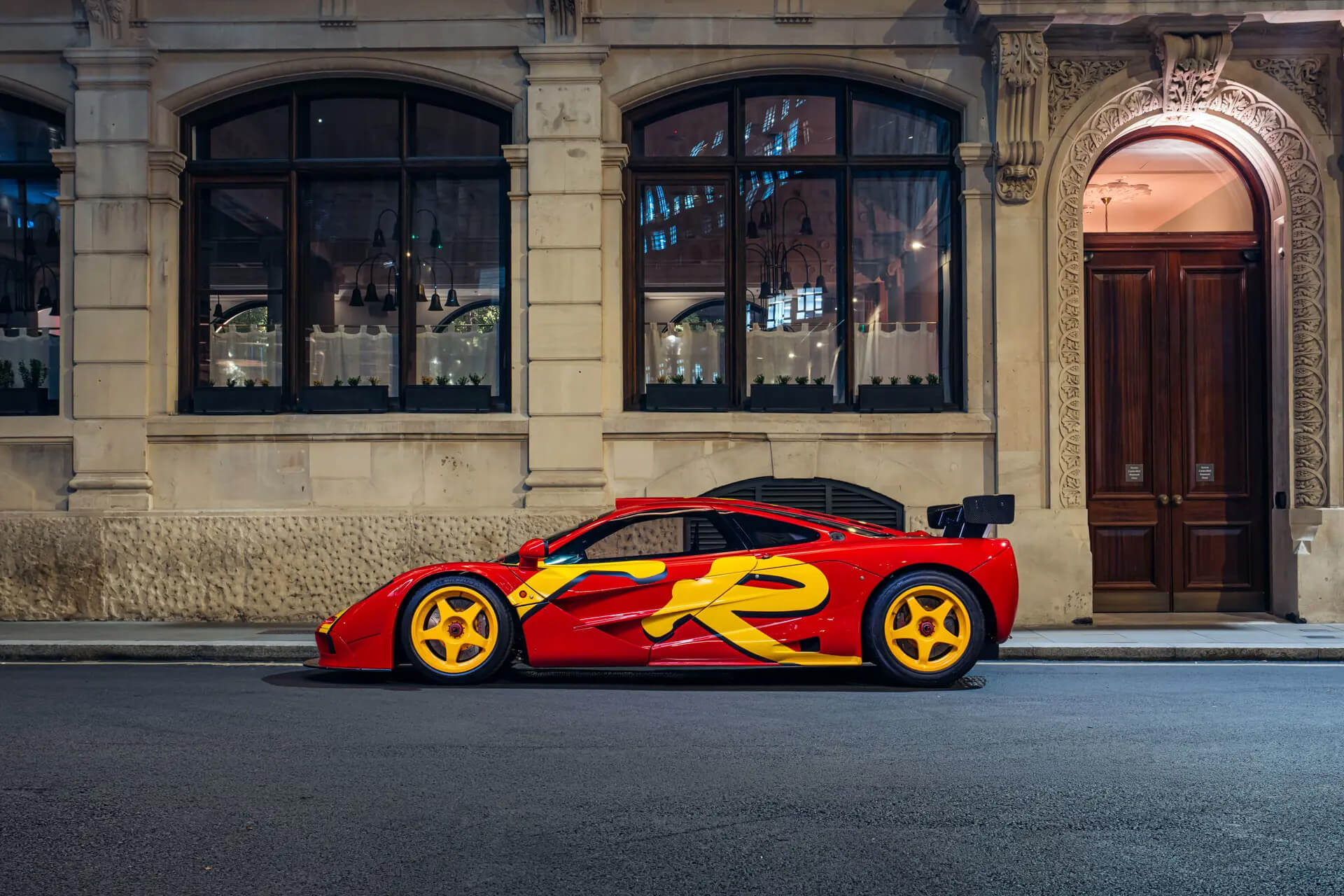
The first record fell when the 1996 McLaren F1 GTR known as the ‘Pop Art F1’ sold for US$34.655m, or around NZ$58.7m.
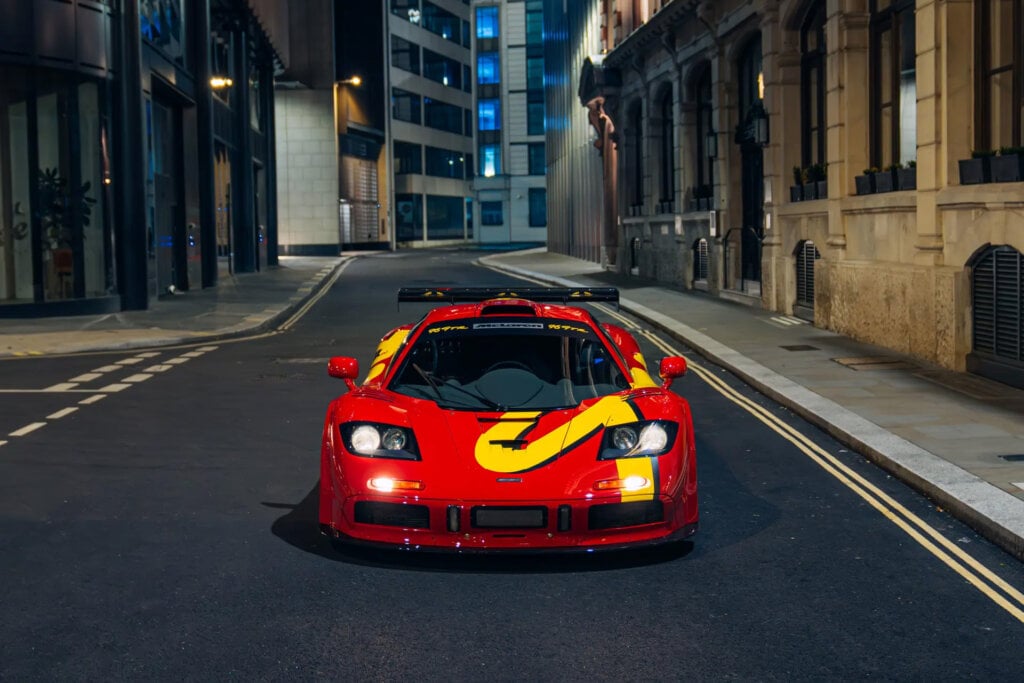
That made chassis 10R the most expensive McLaren and most expensive British-built car ever sold at public auction, according to RM Sotheby’s.
It didn’t remain the most expensive car of the auction for long, however. Ferrari’s first production Luce electric car later attracted an extraordinary US$40m bid, equivalent to approximately NZ$67.7m.
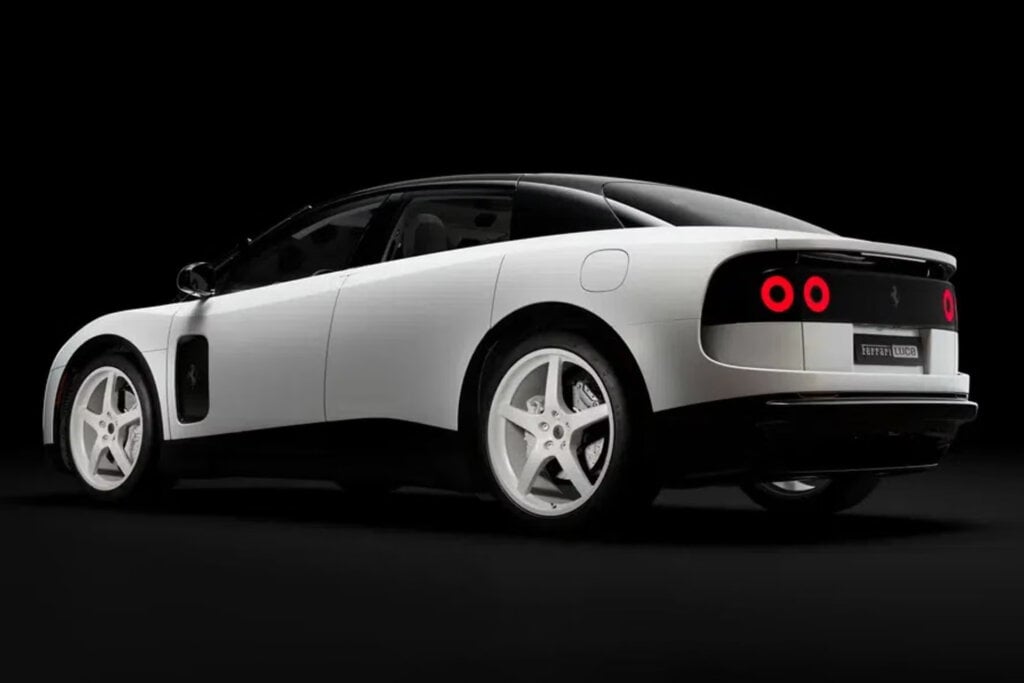
The result made the Luce the most expensive new car ever sold at auction.
McLaren combines racing and rock history
The McLaren’s price was extraordinary, but chassis 10R had the provenance required to tempt serious collectors.
It was the first of nine F1 GTRs built to the lighter and faster 1996 specification developed after McLaren’s outright victory at the 1995 24 Hours of Le Mans.
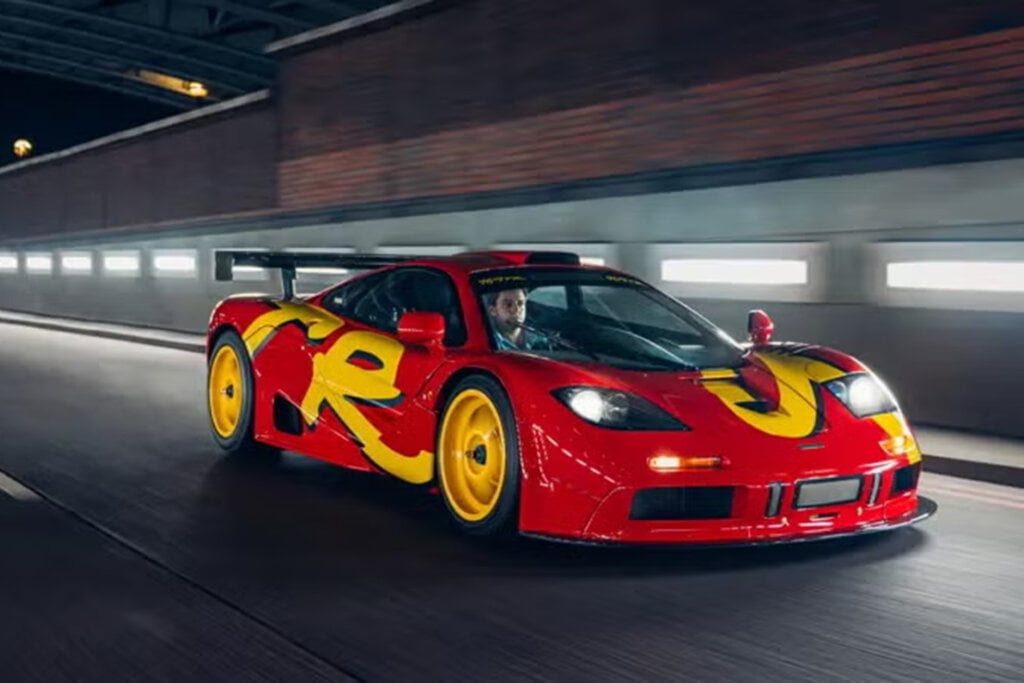
The car is also one of only two short-tail GTR prototypes, the other being Le Mans-winning chassis 01R. It was retained by McLaren for development and promotional duties, and took part in testing ahead of the 1996 Le Mans race.
Its scarlet and yellow factory-applied ‘Pop Art’ livery makes it instantly recognisable. RM Sotheby’s says 10R is the only F1 GTR to wear a factory-created design of this type.
McLaren subsequently converted the car for road use before selling it to Pink Floyd drummer and noted car collector Nick Mason in 1999.
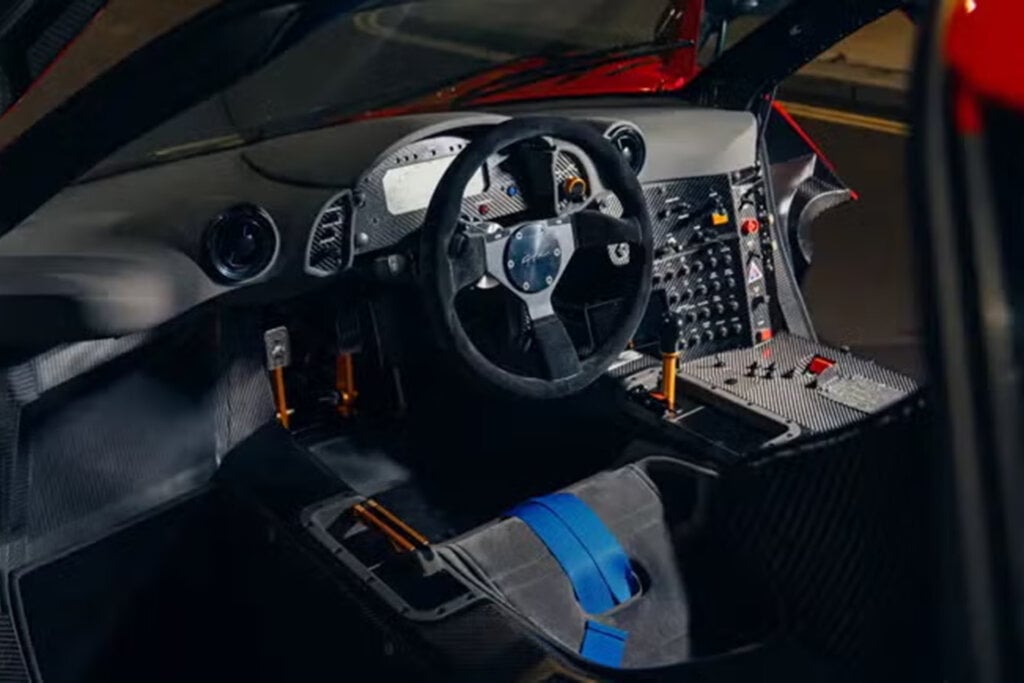
Mason kept the F1 for 25 years, using it at events including Goodwood and having it maintained by McLaren specialist Lanzante. It underwent extensive restoration work following incidents in 2009 and 2017.
The car changed hands privately in 2024 before appearing at Monterey. Its US$34.655m public-auction result now provides a new benchmark for McLaren values, regardless of what may have taken place through undisclosed private sales.
Ferrari’s first EV brings US$40m
The Ferrari result was even larger, but requires a little more context.
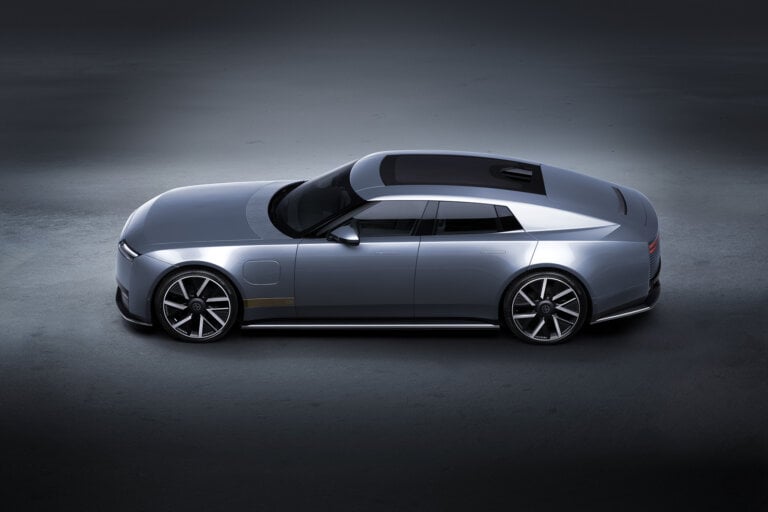
Known as ‘Chassis 0’, the car is the first production example of the Ferrari Luce programme. It was auctioned without a buyer’s premium, with all proceeds going to educational initiatives supported by the Ferrari Foundation.
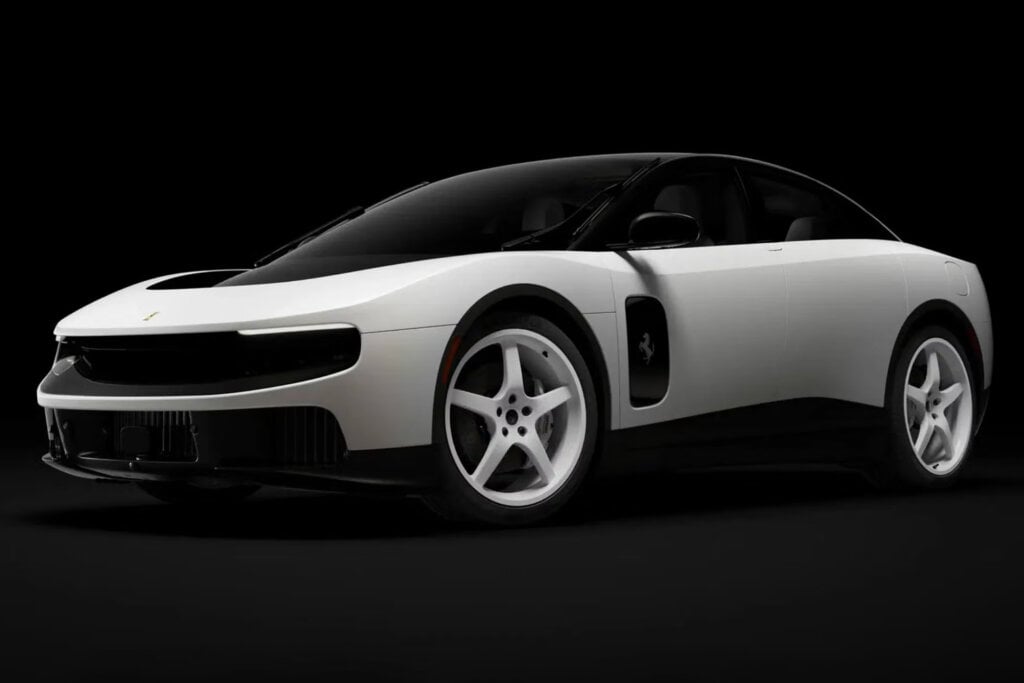
RM Sotheby’s says the US$40m result was more than 36 times the Luce’s stated US$1.1m regular price.
The auction car was configured through Ferrari’s Tailor Made personalisation programme rather than being a normal showroom example.
Its Madreperla Semi-Gloss paint was created specifically for the car and produces iridescent reflections that change from green to violet depending on the light.
The theme continues inside with Perla Le Mans metallic leather and Grigio Corvara secondary trim. Dedicated white wheels, bespoke brake calipers and a Ferrari badge set against an optical-white background complete the specification.
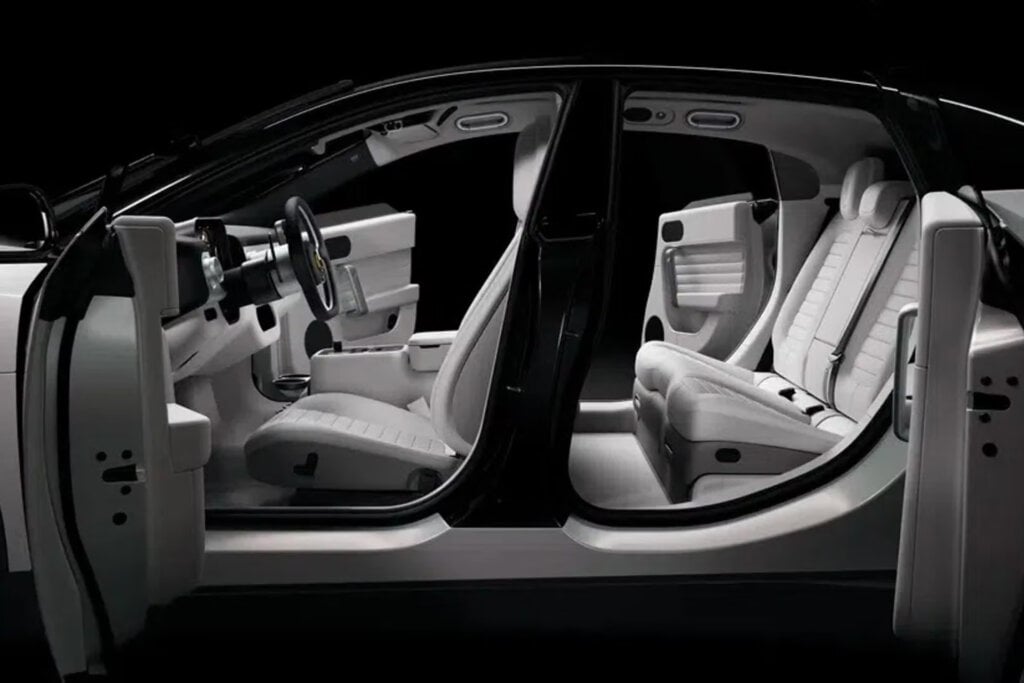
Beneath the one-off finish is Ferrari’s first series-production electric powertrain. Four electric motors produce a combined 1050 metric horsepower, equivalent to approximately 772kW.
The winning bidder won’t be taking the car home immediately. It will return to Ferrari’s Maranello factory following the auction, with final delivery scheduled for the first quarter of 2027. It has also been built to US specifications, leaving an overseas buyer responsible for export and compliance requirements.
While US$40m makes for a spectacular headline, it shouldn’t be treated as an indication of what regular Luce production cars will be worth. The combination of chassis number zero, bespoke specification and a high-profile charity sale created circumstances Ferrari is unlikely to repeat.
The McLaren result is a more useful collector-market reference. The Ferrari, meanwhile, demonstrates what can happen when exclusivity, charity and the opportunity to own a genuine first collide in the same auction room.