New Mitsubishi Pajero set for September reveal
Words: Kyle Cassidy
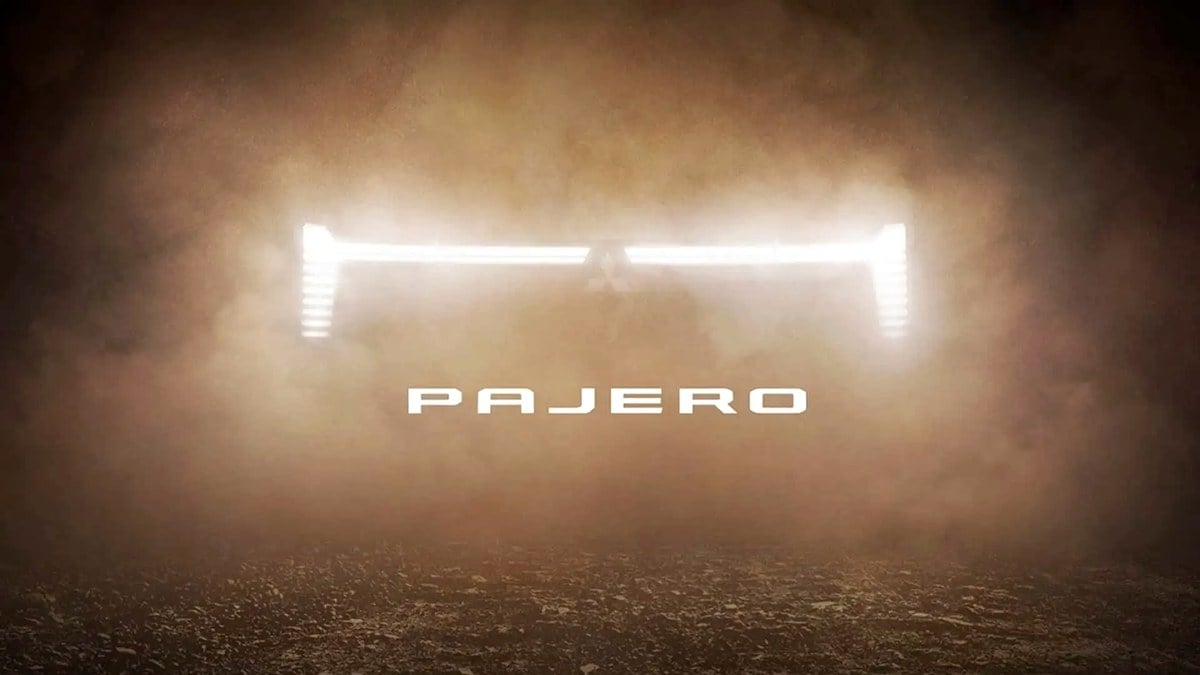
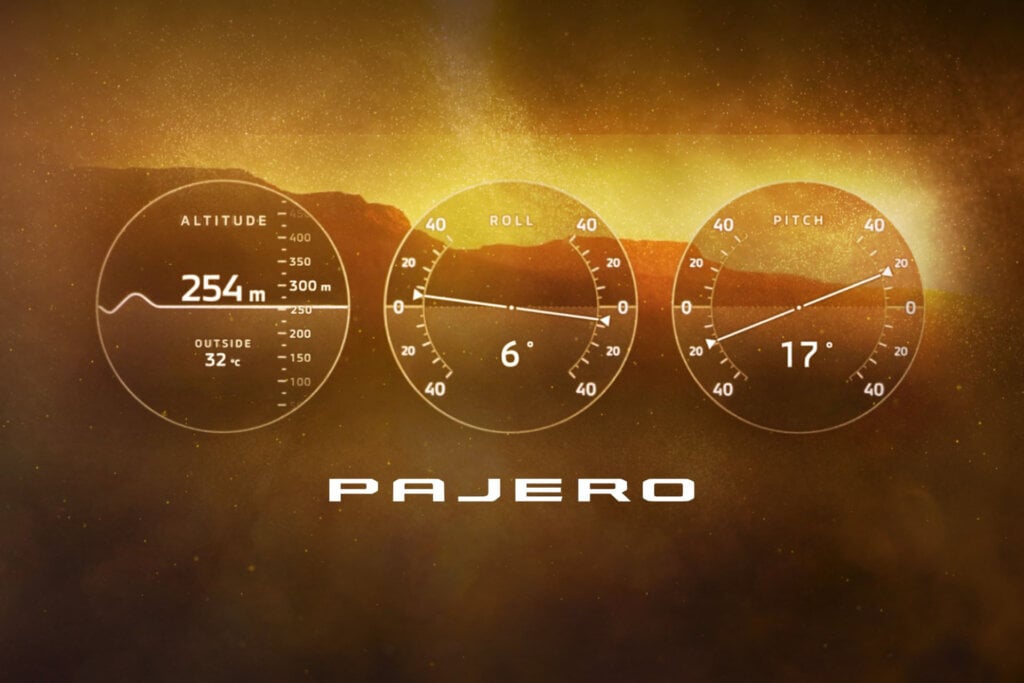
Mitsubishi will reveal its reborn Pajero on September 2, confirming the return of one of its best-known off-road nameplates.
The fifth-generation Pajero will adopt a ladder-frame chassis, marking a significant change from the construction used by its predecessor. It will also feature Mitsubishi’s Super All-Wheel Control system, giving the new model a more serious off-road focus.
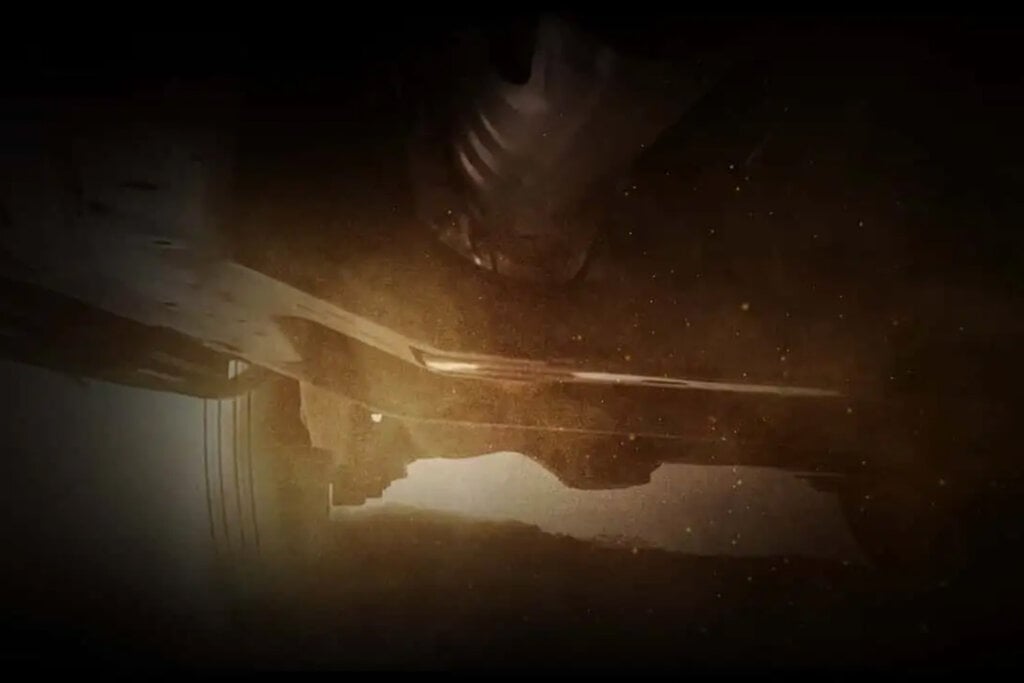
New Zealand availability, pricing and launch timing have yet to be announced. However, the Pajero has a strong following here, and a modern replacement would give Mitsubishi a rival for the Toyota Land Cruiser Prado and Ford Everest.
Mitsubishi has been teasing the new SUV for several months, but the September world premiere will provide the first proper look at its design, interior, equipment and powertrain range.
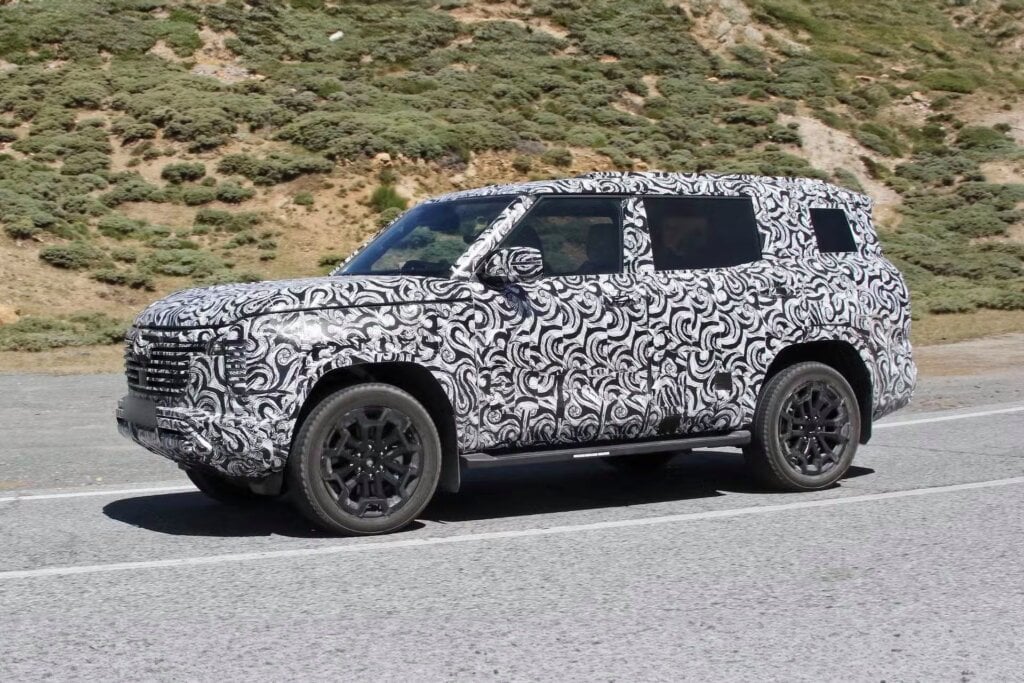
Images circulating ahead of the unveiling suggest the Pajero could be offered with different front-end treatments for individual markets. Mitsubishi has yet to reveal its dimensions or confirm which countries will receive the new model first.
Serious off-road hardware
The move to a ladder-frame platform indicates the Pajero is being developed as a genuine off-roader rather than another road-focused family SUV.
Its Super All-Wheel Control system will likely integrate torque distribution, braking and stability-control functions to improve traction on sealed and loose surfaces.
Reports suggest S-AWC could be paired with the Super Select 4WD-II system used by the Triton. This would give drivers a choice of two-wheel drive, full-time four-wheel drive and locked four-wheel-drive modes, along with low-range gearing for more demanding terrain.
Mitsubishi hasn’t confirmed that combination, but it would make sense given the Pajero’s intended role. A more aggressive Ralliart version is also rumoured, potentially bringing upgraded suspension, tyres and underbody protection.
Hybrid power expected
The powertrain remains the biggest unknown. Mitsubishi has hinted that electrification will be part of the new Pajero range, although it hasn’t revealed any details about engines, electric motors, batteries or driving range.
A diesel-based hybrid system appears more likely than the road-biased plug-in hybrid arrangement used by the Outlander, particularly if the Pajero is expected to retain strong towing and off-road credentials.
Separate reports suggest the company is considering turning Pajero into a broader family of SUVs. Smaller models, potentially including a kei-class version with hybrid technology, could follow between 2028 and 2030.