Nick Mason’s McLaren F1 GTR tipped to fetch US$35 million
Words: Kyle Cassidy
One of the rarest and most distinctive McLaren F1s is heading to auction, with RM Sotheby’s expecting the road-legal racing prototype to sell for more than US$35 million.
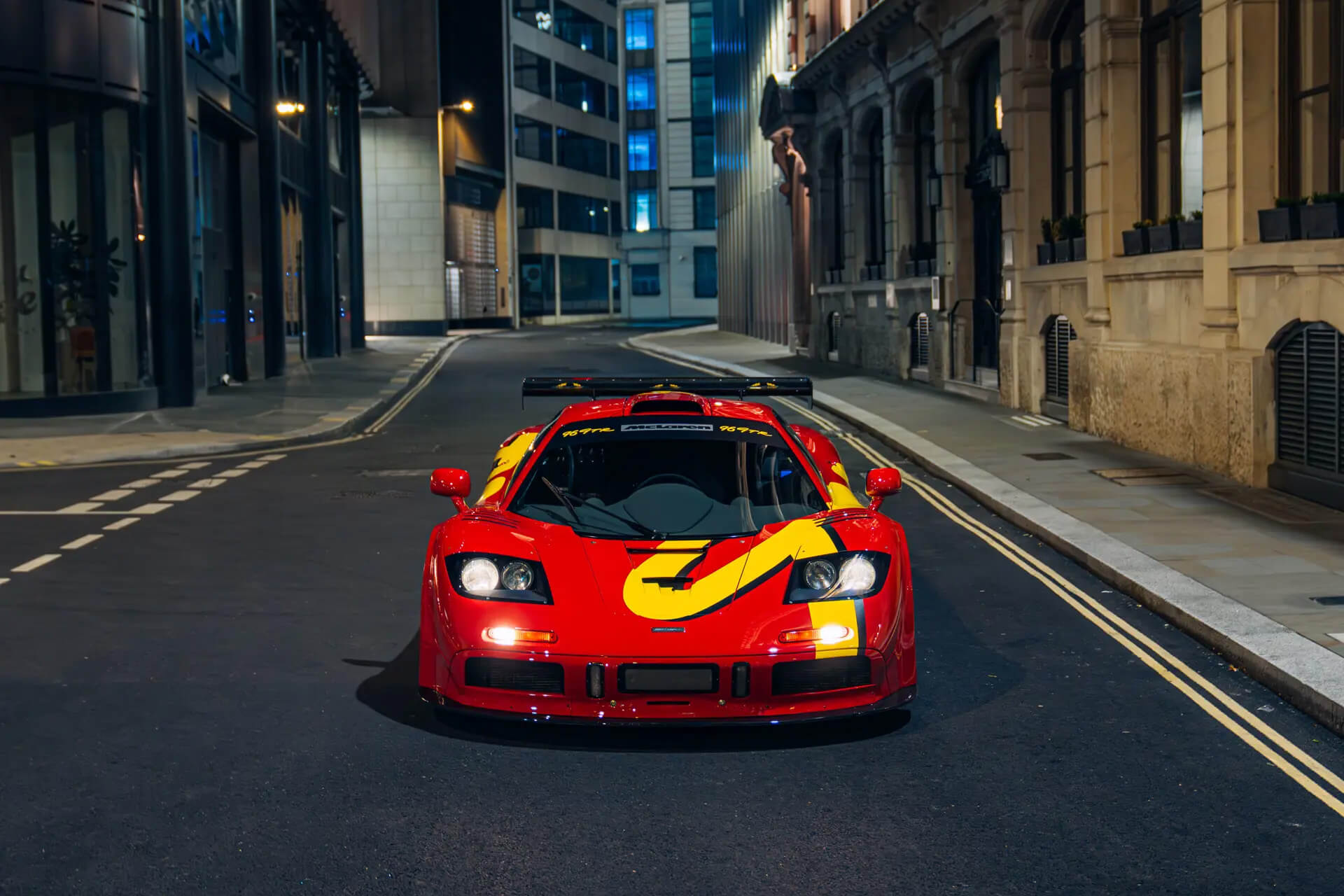
The 1996 McLaren F1 GTR, chassis 10R, will headline the auction house’s Monterey sale in California. It was the first F1 GTR built to McLaren’s improved 1996 specification and is one of only two short-tail factory prototypes.
That puts it in particularly exclusive company. The other prototype is chassis 01R, which scored an outright victory at the 1995 24 Hours of Le Mans.
Importantly, 10R didn’t compete in the Le Mans race itself. It was used for pre-qualifying and development ahead of the 1996 event, with David Brabham setting the eighth-fastest GT1-class time. The car was subsequently replaced by chassis 11R for the race.
Road car becomes unlikely racer
Gordon Murray didn’t originally intend the McLaren F1 to go racing. It had been conceived as the ultimate road car, combining a lightweight carbon-fibre structure, central driving position, six-speed manual transmission and naturally aspirated BMW V12.
Customer demand eventually convinced McLaren to develop the F1 GTR for the BPR Global GT Series. The result exceeded almost every expectation.
On its first attempt at Le Mans in 1995, the Lanzante-prepared F1 GTR entered by Kokusai Kaihatsu Racing won outright. Four other F1 GTRs also finished inside the top 13.
It was an extraordinary result for a racing car developed directly from a road-going supercar, particularly in an event traditionally dominated by purpose-built prototypes.
The victory also presented McLaren with a new problem. More specialised competition, including the Porsche 911 GT1, was arriving for 1996, forcing the company to develop a faster version of the GTR.
First of nine faster GTRs
Chassis 10R was the first of nine examples built to the revised 1996 specification.
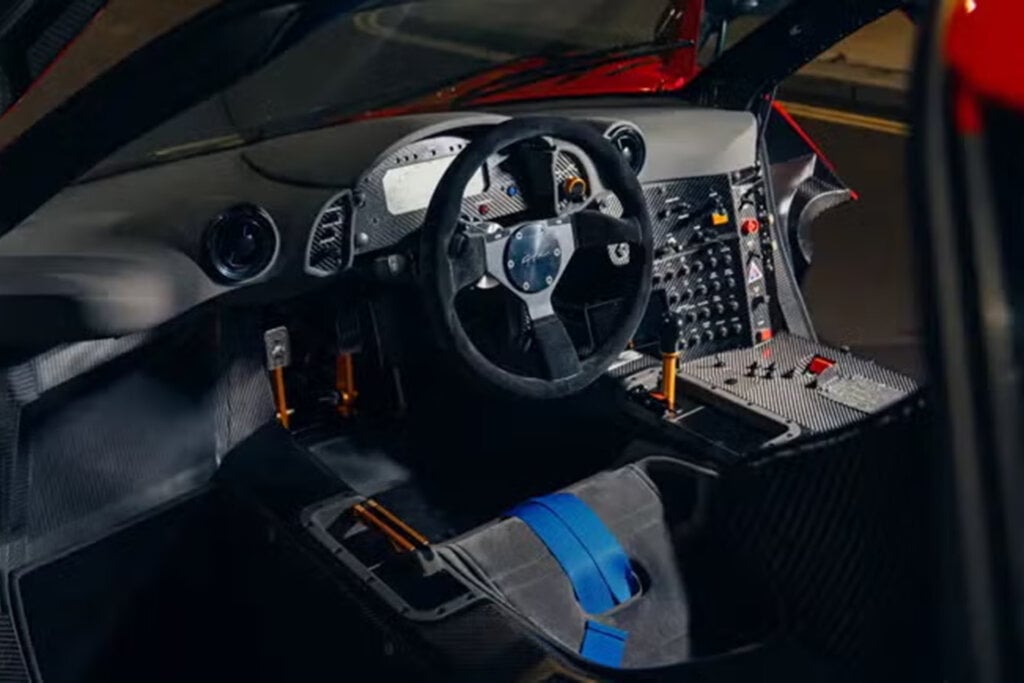
Changes included extended bodywork, improved aerodynamics and a more aggressive front splitter. A lightweight magnesium gearbox casing and other revisions removed 38kg compared with the 1995 car.
RM Sotheby’s describes the 1996 short-tail as the fastest F1 GTR variant, despite the more extreme-looking long-tail model that followed in 1997.
Power comes from the F1’s 6.1-litre BMW Motorsport V12, driving the rear wheels through a six-speed manual gearbox. The road-going F1 produced approximately 461kW, although racing regulations restricted the GTR’s output.
The standard F1 was hardly slow. In 1998, a prototype reached 386.4km/h, establishing a production-car speed record that stood for several years.
Only 106 F1s were produced in total, including road cars, prototypes and racing versions. That rarity, combined with the model’s performance and analogue driving experience, has pushed values into eight figures.
Only GTR with factory livery
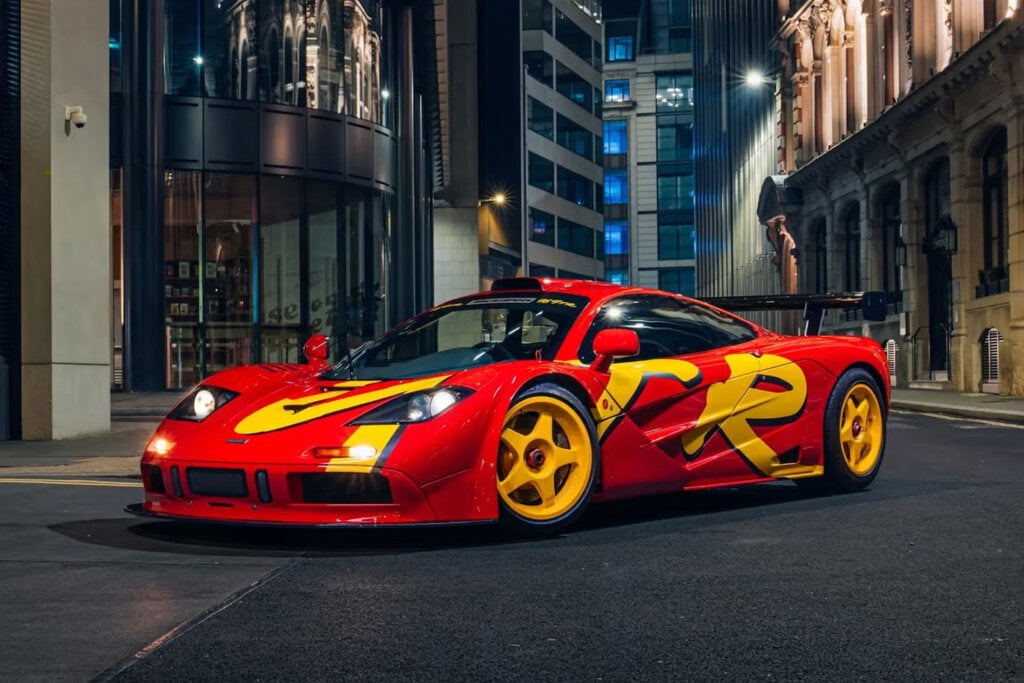
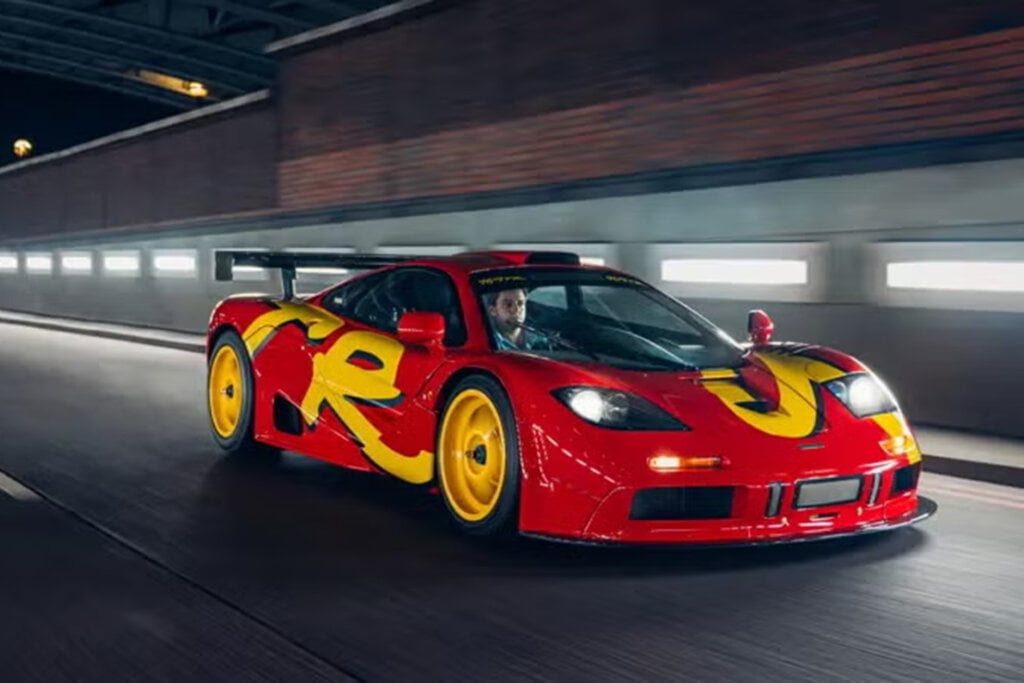
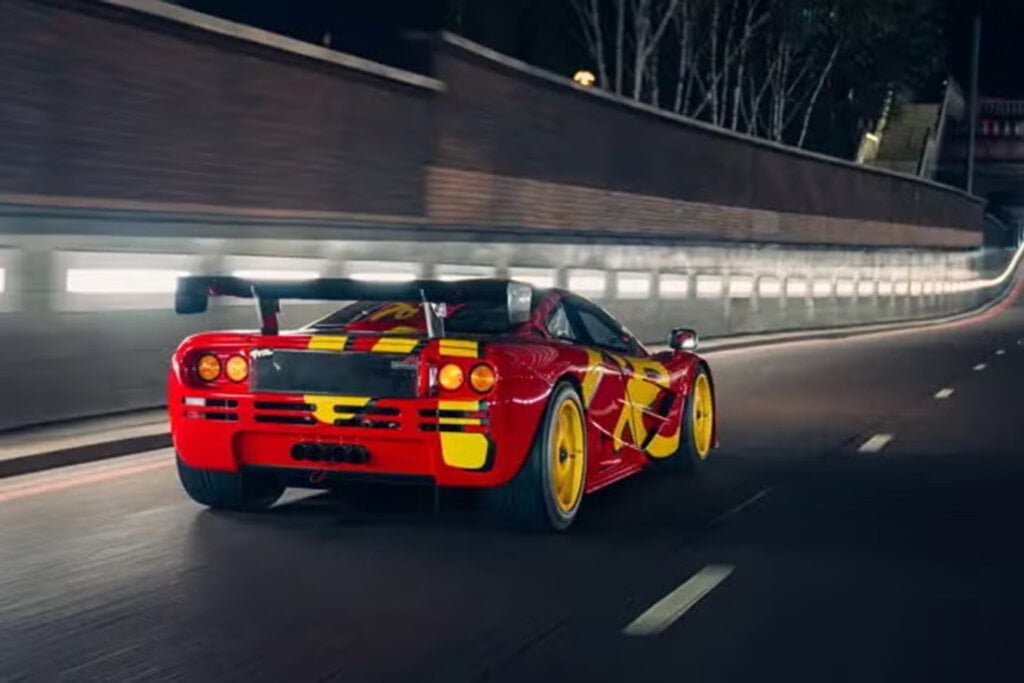
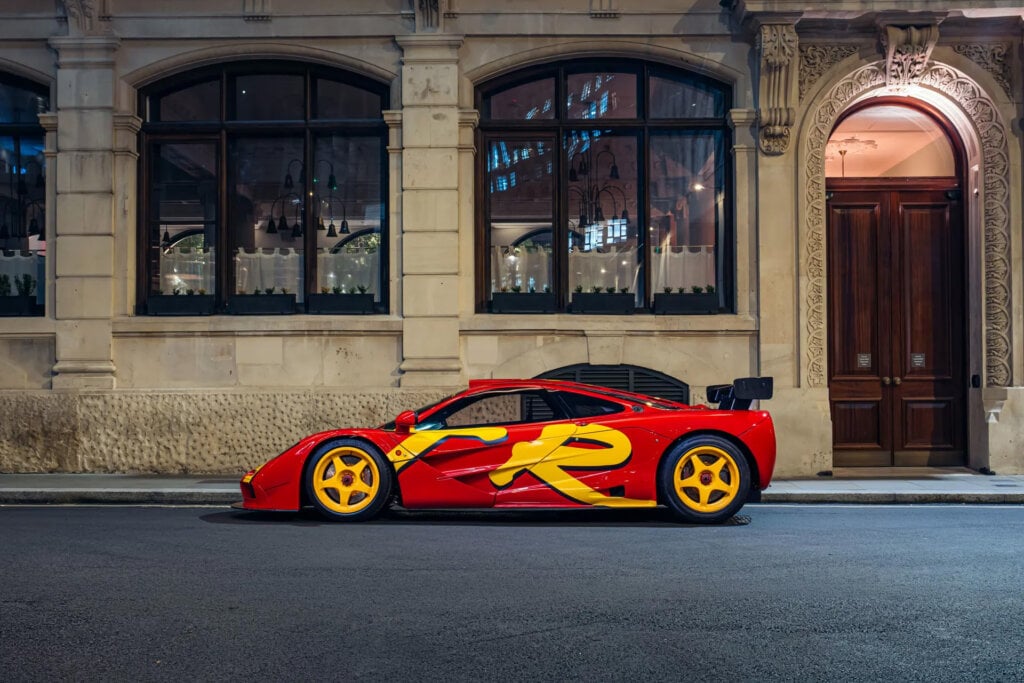
What really separates 10R from the other competition F1s is its red-and-yellow colour scheme.
Finished in Blood Red with oversized yellow “96 GTR” graphics, it is the only F1 GTR to wear a factory-created livery rather than one dictated by team sponsors.
The design has earned it the nickname “The Pop Art F1”, and it’s hardly subtle.
McLaren retained the car for testing and promotional work before converting it for road use. It was registered K40 MCL in 1999 and acquired directly from the factory by Pink Floyd drummer and noted car collector Nick Mason.
Mason kept 10R for more than 25 years. The car appeared at events including Rétromobile, the Goodwood Members’ Meeting and Festival of Speed, as well as a 750km owners’ tour through Tuscany.
That use wasn’t always incident-free. The car underwent restoration work in 2009 and was rebuilt again by British McLaren specialist Lanzante following an accident at Goodwood in 2017.
According to RM Sotheby’s, Mason maintained the car with an open-chequebook approach, returning it to Lanzante after significant outings.
McLaren auction record under threat
RM Sotheby’s has valued the car at more than US$35 million, putting it in contention to become the most expensive McLaren ever sold.
Its combination of rarity, factory development history, road registration and association with Mason gives it provenance few other F1s can match.
It may not be the McLaren that won Le Mans, nor did it start the 1996 race. But as the prototype that helped develop the fastest short-tail GTR, it occupies a significant place in the F1 story.
And unlike most historically important racing prototypes, its next owner could theoretically drive it home.