Return of the snail: Citroën brings the 2CV back as a budget EV
Words: Richard Edwards
It is official: the 2CV is back. Citroën has confirmed it will revive one of motoring’s most loved names for an all-electric city car, with the original’s job description intact, basic and cheap transport for the masses.
The confirmation came from Citroën boss Xavier Chardon at parent company Stellantis’s investor day in Michigan, and he did not undersell it. “Products alone do not create icons. Icons create emotion,” he says. “And today, one icon is about to return. Yes, the Deux Chevaux is back.”
Born again, built in Italy
The new 2CV arrives in 2028, built at Stellantis’s Pomigliano plant in Italy. It effectively replaces the old petrol C1 and sits below the ë-C3 as Citroën’s entry point. It also shares its underpinnings with a reborn Fiat Panda, which revives Fiat’s own 1980 people’s car name, so this is a two-pronged Stellantis play at the budget end rather than a one-off bit of nostalgia.
And nostalgia is doing plenty of heavy lifting. The original 2CV, built from 1948 to 1990, was an umbrella on four wheels that mobilised post-war France. Chardon is reaching straight for that legacy. “In 1948 the 2CV gave freedom of mobility to millions,” he says. “Eighty years later, the new 2CV will democratise electric mobility.” His pitch is that the next winners will not be the most complex cars but the simplest, with the brand chasing what he calls “buying power” for motorists in a stagnant European market.
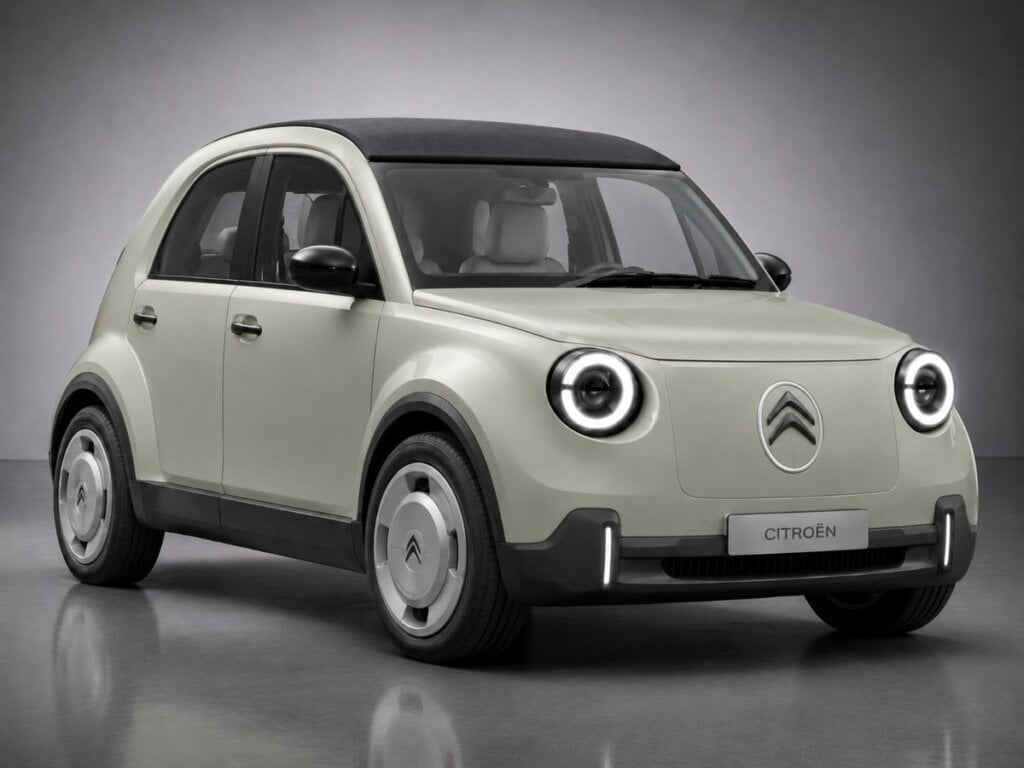
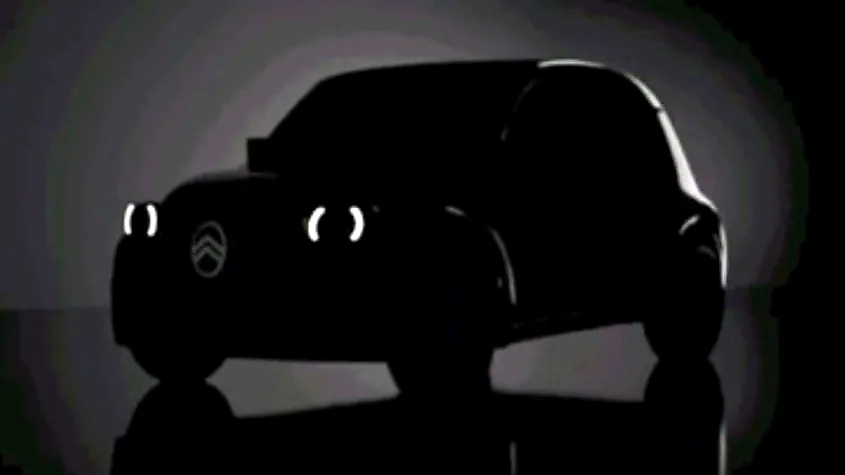
The good news for the faithful is that the name is not the only thing returning. The first teaser shows the new car wearing the same rounded, snail-shaped profile as its ancestor, reworked through Citroën’s recent ELO concept under design chief Pierre Leclercq. It is neo-retro done the way Renault has just proven it can work, the reborn 5 having pulled well over 100,000 orders and spent time as Europe’s best-selling retail EV.
The revival has been rumoured since early 2025, so this is a long-running plot finally going public. Citroën is still keeping the finished car under wraps, with only a darkened silhouette shown so far and a prototype due at the Paris motor show in October. “If you want to see it in full light, you are invited in person to the show,” Chardon says.
Sub-$30k?
Citroën is targeting a price under €15,000 in Europe. That is the headline number everyone will quote, but temper expectations locally: it converts to roughly NZ$28,000 before shipping, taxes and a right-hand-drive business case are even in the conversation, so the “people’s car” billing is a European story first. Citroën remains a niche player here, sold alongside Peugeot by Armstrong Motor Group, which holds the distributor rights for both brands, so whether a car like this makes commercial sense for New Zealand is a question for another day.
The 2CV is one of seven new Citroëns due by 2030, and one of two, alongside a larger electric supermini, meant to push the brand into fresh territory. After a decade of new cars getting bigger, heavier and dearer, the return of the snail is a bet that there is still room for something small, simple and genuinely cheap.