UK tax office made Ranger a car, so Ford made it a van
Words: Richard Edwards
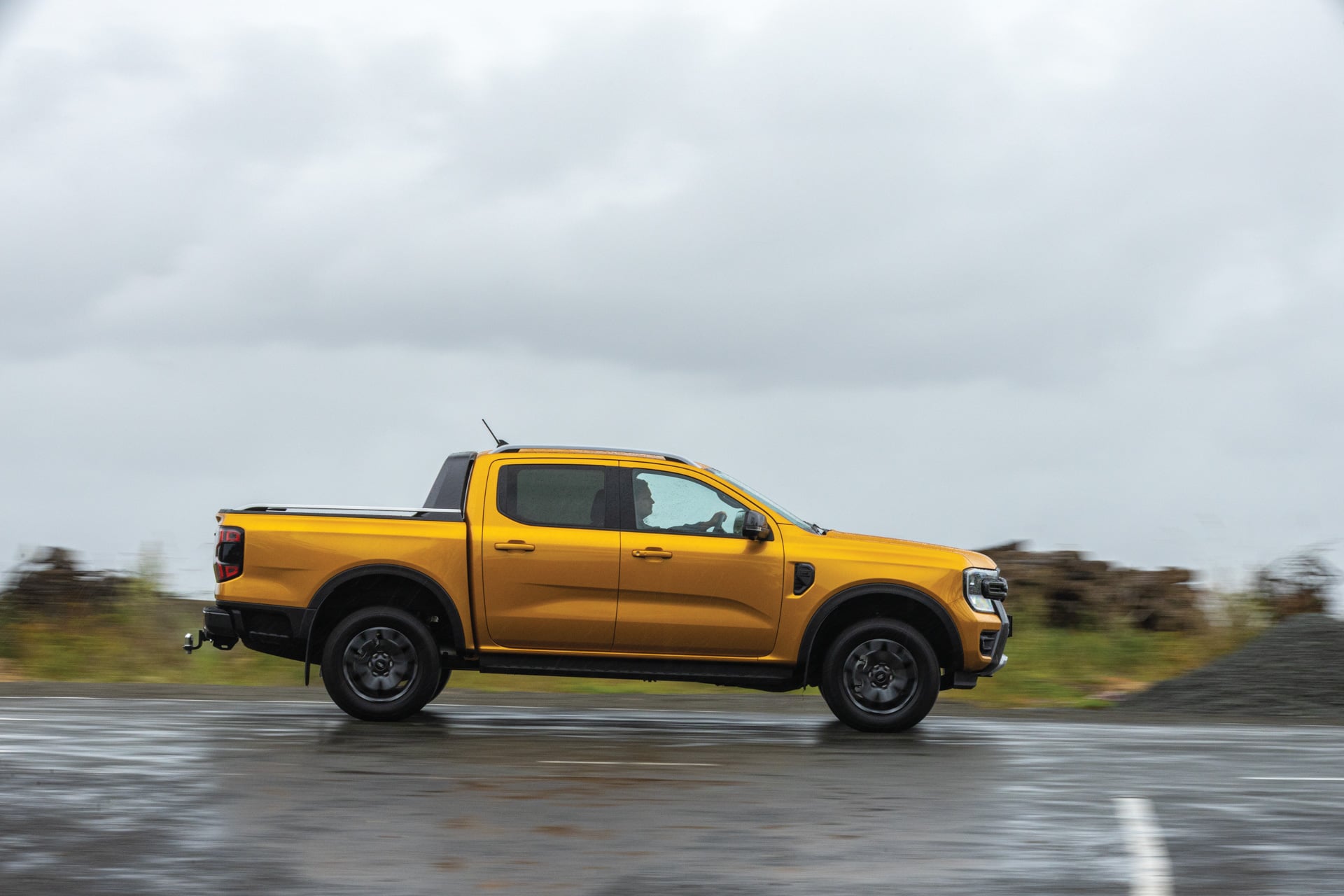
Ford has built a two-seat version of the Ranger Double Cab purely to sidestep a British tax change, and has confirmed it will stay a UK-only model.
The Ranger Double Cab 2-Seat keeps all four doors but deletes the rear bench, seatbelts and rear side windows. In their place sit a bulkhead behind the front seats, aluminium panels where the glass was, a new loadspace liner and a heavy-duty floor with anchor points. Ford says it is “engineered for the carrying of goods”, which is the whole point.
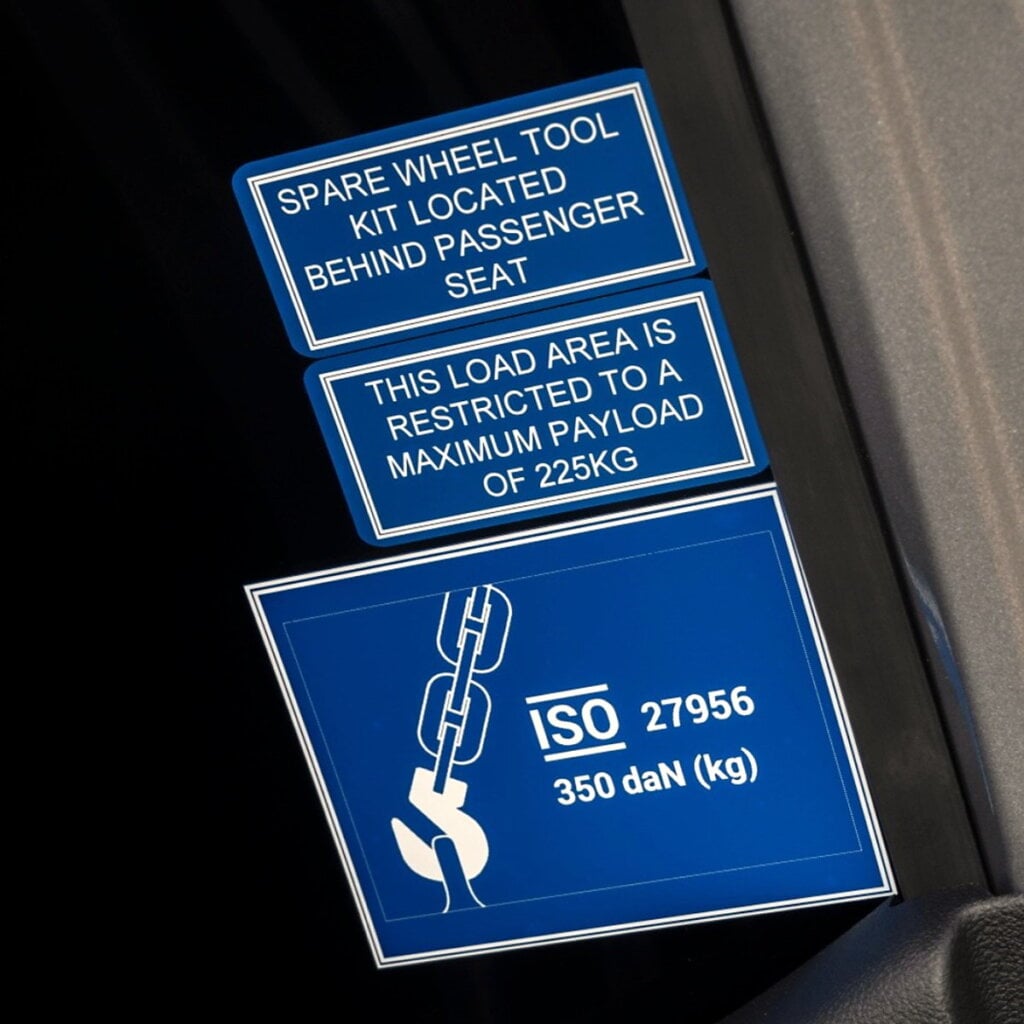
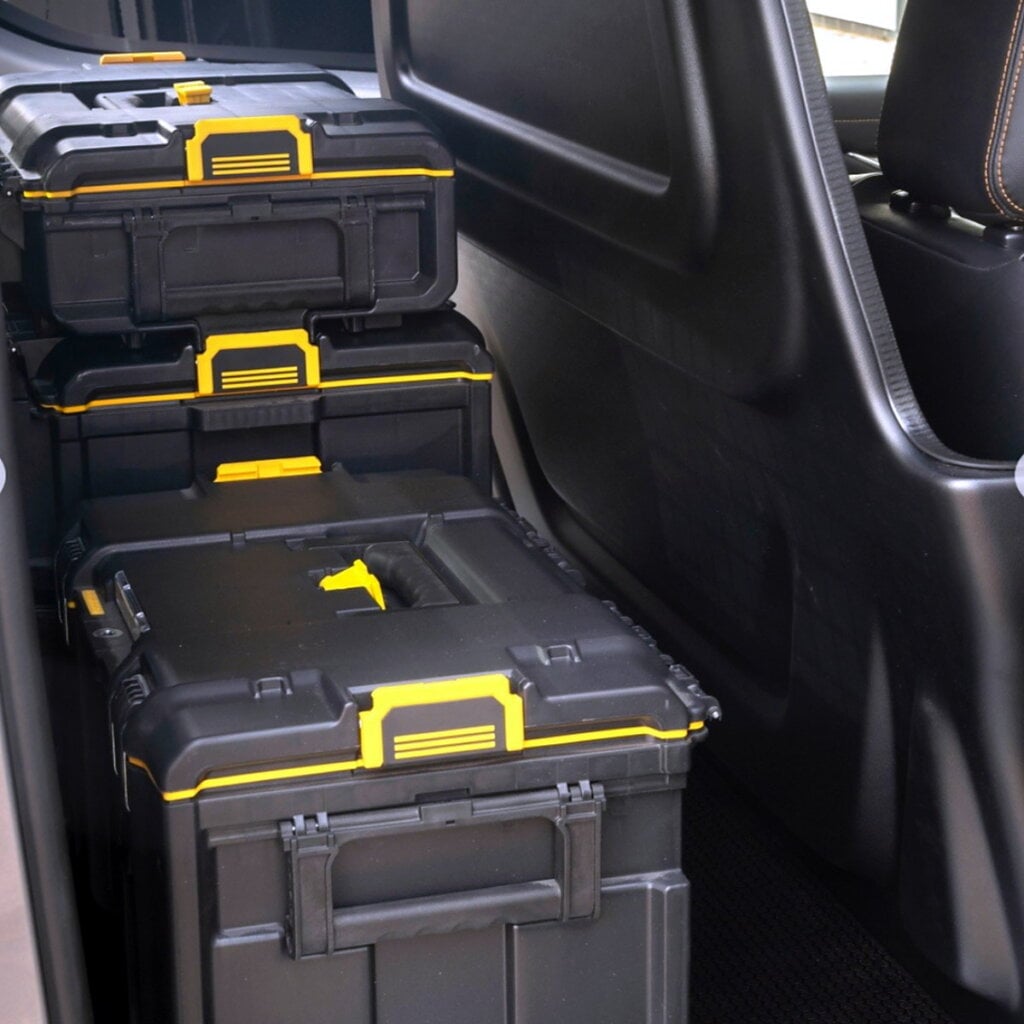
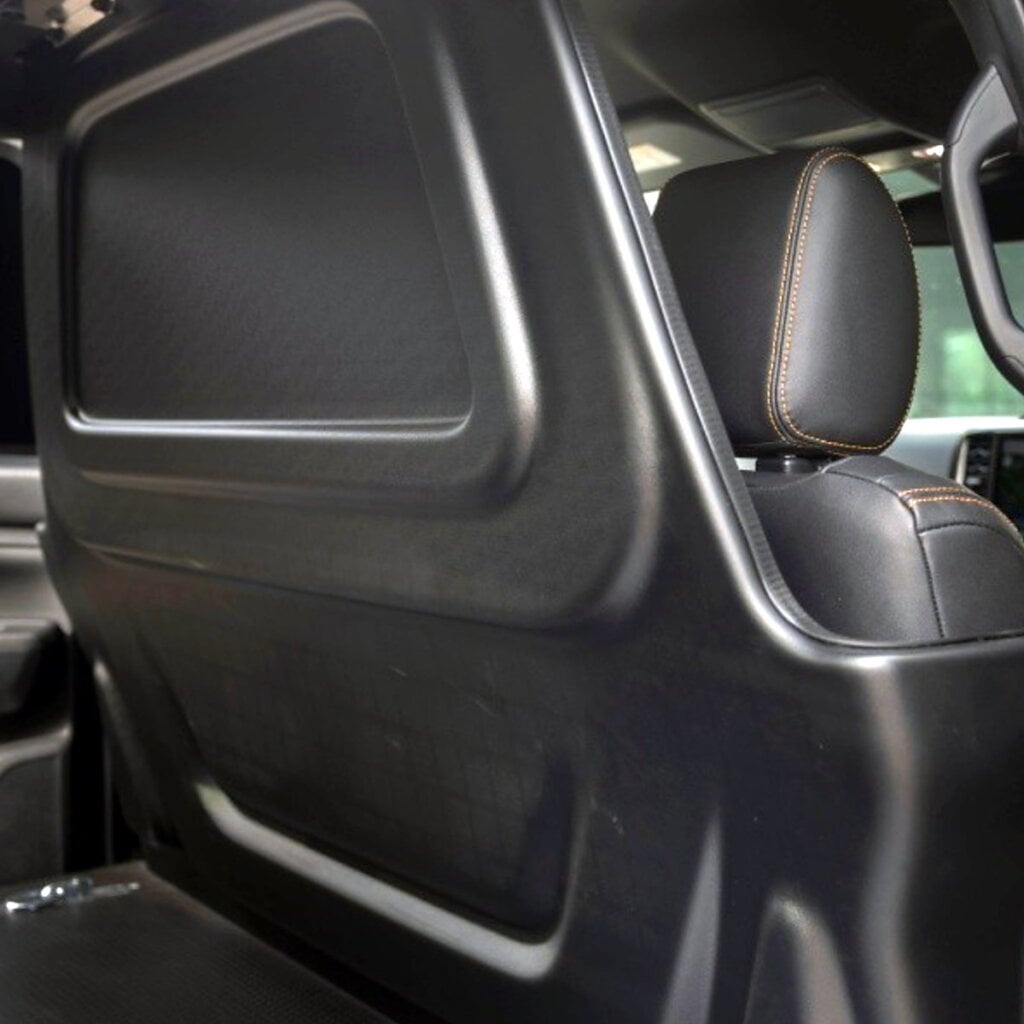
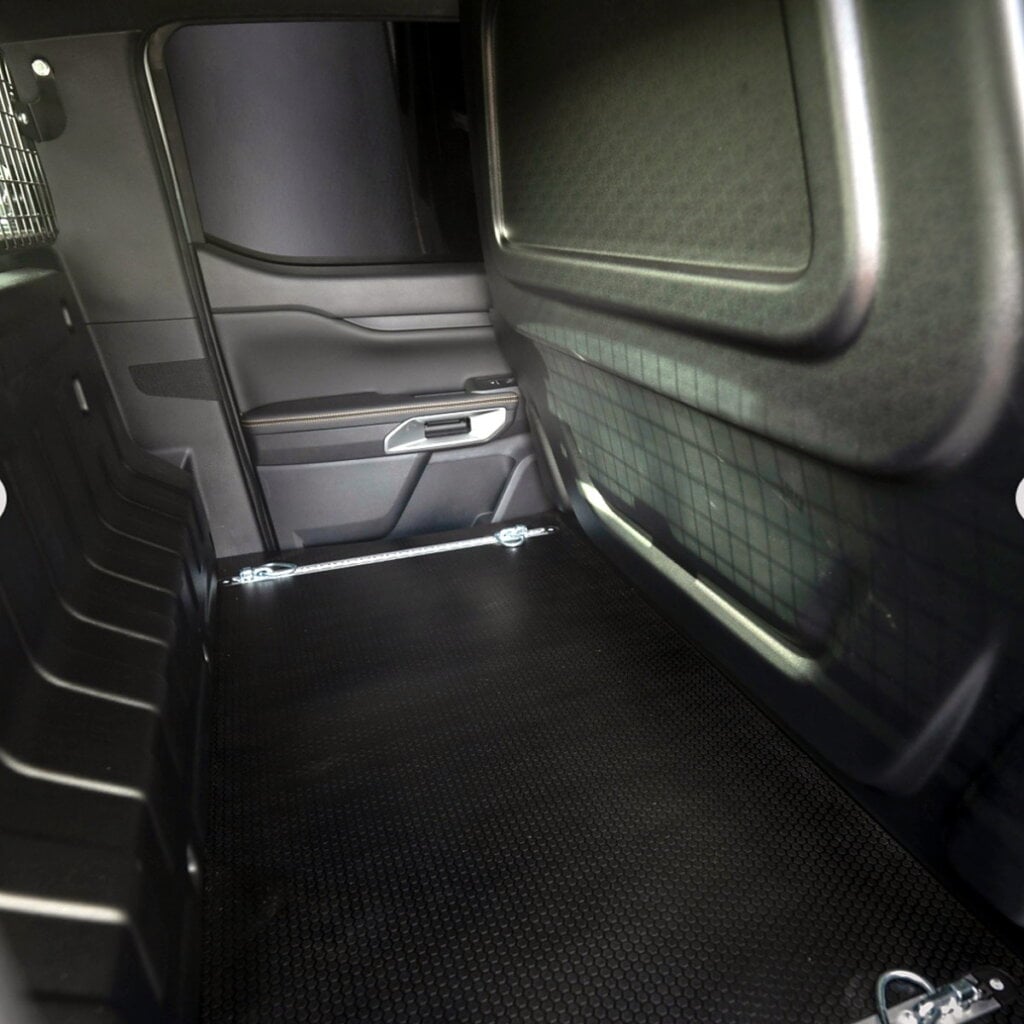
That point is tax. From April 2025, HMRC reclassified double-cab utes as cars rather than vans, stripping them of a benefit-in-kind concession that had made them popular as company vehicles. By stripping out the rear seats and walling off the load area, Ford turns the Ranger back into something the taxman counts as a van. Eligible buyers can claim a 100 percent plant and machinery allowance and pay the flat-rate company van BIK rather than the CO2-based rate applied to cars.
The conversion is carried out by EDC, the firm behind the MS-RT versions of the Ranger and Transit Custom, which Ford says ensures the finished product feels factory rather than aftermarket. An initial run of around 200 vehicles is planned, with the option to build more if demand holds.
It launches in Wildtrak trim only, in PHEV and diesel, with Ford UK noting Wildtrak is by far its most popular spec. The company says it plans to broaden the two-seat offering later this year, with reports pointing to XL, XLT and Limited versions to follow. UK pricing is yet to be confirmed but is expected to land around £42,500 excluding VAT for the diesel and £46,500 for the PHEV. It squares up against the two-seat Isuzu D-Max V-Cross introduced late last year.
The idea of a two-seat double cab is not entirely new, and not only a tax dodge. Closer to home, some New Zealand fleets already fit specialised tool storage to the rear of their double cab utes, walling off or building out the back seat area as secure, weatherproof storage for gear that would otherwise ride exposed in the tray.
Ford is not alone in engineering around the UK rules either. Two-seat and commercial-spec versions built around tax classifications are common across that market, from light vans to premium SUVs. Commercial “Hard Top” versions of the Land Rover Defender attract the discounted flat van rate, as does a version of the Dacia Duster LPG Bi-Fuel.
There is also a quieter side to it. A small aftermarket sub-industry exists to convert these commercial variants back into five-seaters once the tax box is ticked, refitting the rear bench and trim. Whether the vehicle remains compliant after that is, shall we say, between the owner and HMRC.