Xiaomi launches first petrol-assisted SUVs with seven-seat N90
Words: Richard Edwards
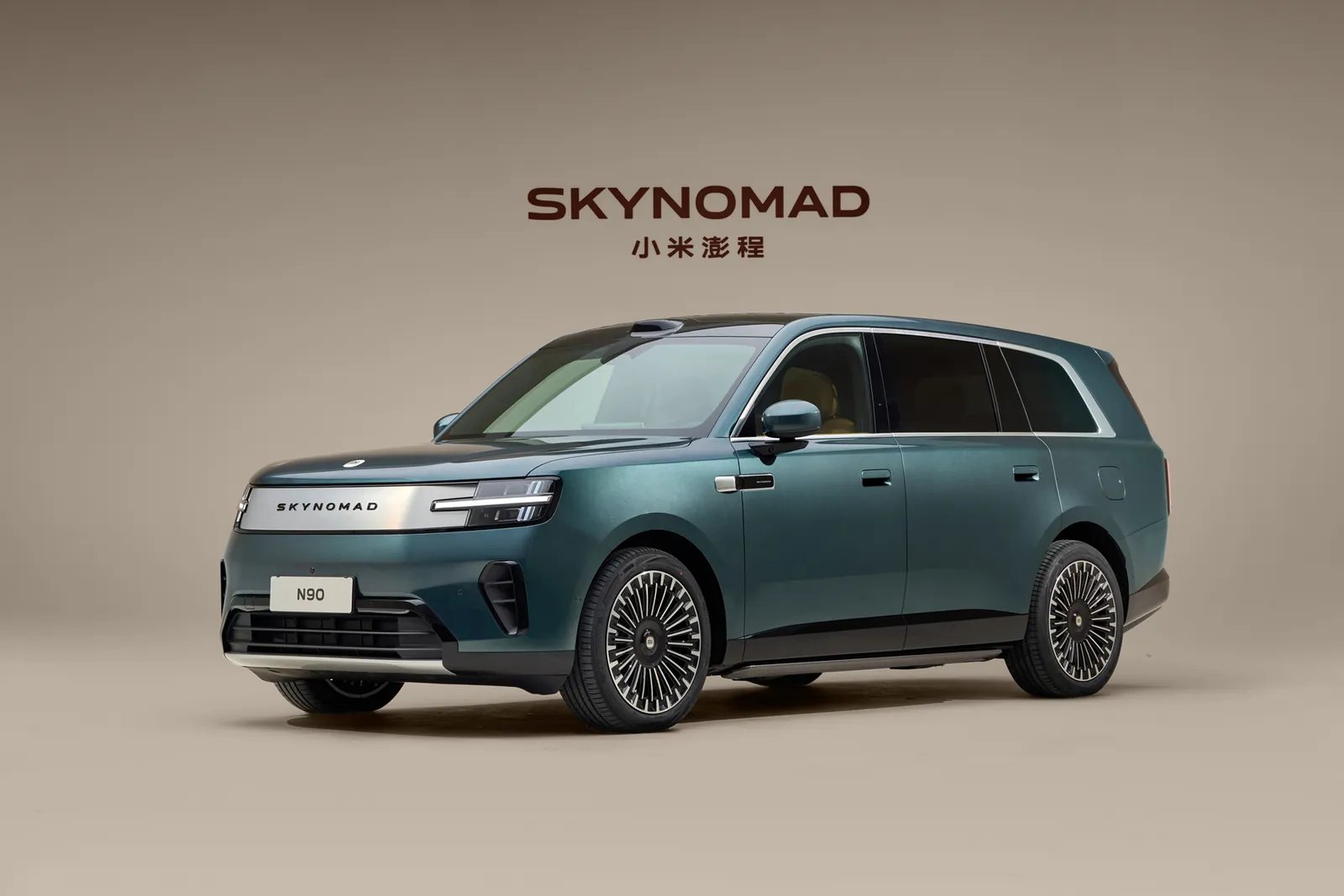
Xiaomi has launched its first extended-range electric vehicles, a pair of large SUVs badged Skynomad, with pre-sale pricing for the seven-seat N90 flagship set at RMB 299,900, around $77,000 in New Zealand dollars.
The smaller five-seat N70 opens at RMB 259,900, or roughly $67,000. Both undercut the AITO M9 and Li Auto L9, and Xiaomi says final launch prices are likely to be lower again. Refundable deposits of RMB 1,000 are being taken now.
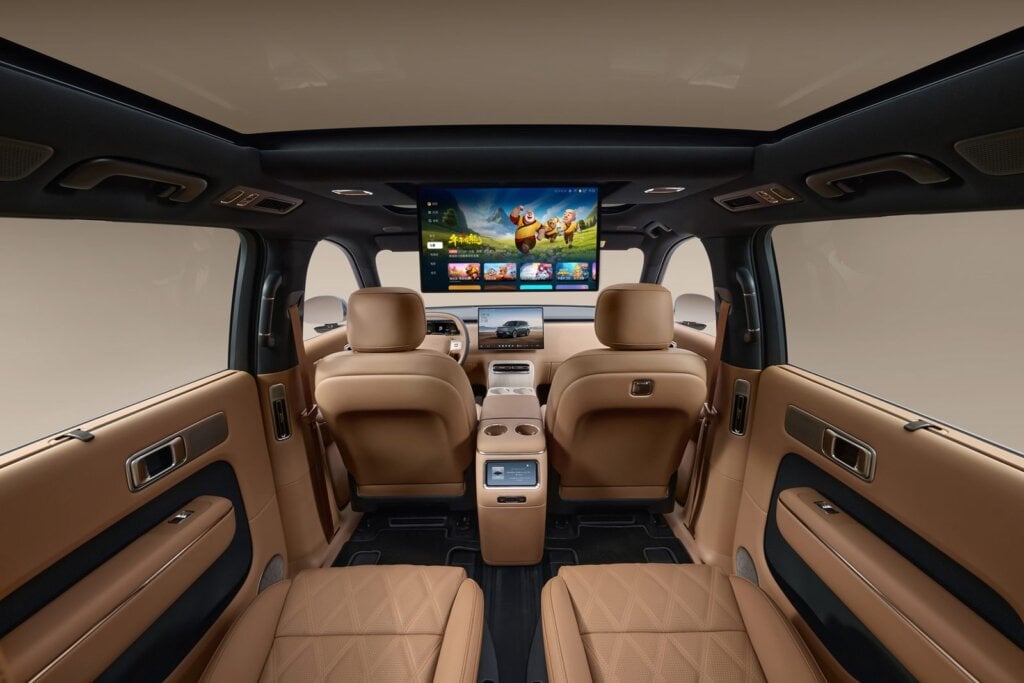
The range marks a shift for a brand that arrived in the car market with the SU7 sedan and YU7 SUV, both built around performance and design. The Skynomads target large families instead, with a flat cabin floor and seats that slide on rails.
Our sister publication Inside China Auto attended the launch in Beijing and has published a full walkaround of the N90, which is below.
Petrol generator, electric drive
Both models use an extended-range drivetrain, in which a 1.5-litre turbocharged petrol engine producing 112kW acts purely as a generator and never drives the wheels. Motive power comes from a 210kW front motor and a 100kW rear motor, for a combined 310kW and 540Nm. The N90 reaches 100kph in 5.9 seconds and the N70 in 5.5.
Batteries are a 52kWh LFP pack in the entry N70 Pro and a 76kWh NMC unit from CALB in the N70 Max and N90 Max. Xiaomi claims 505km of electric-only range for the N70 on the CLTC cycle and a combined 1,705km for the N90 Max with its 60-litre fuel tank. Fuel use with the battery depleted is quoted at 6.26L/100km for the N90. A 20 to 80 percent charge takes about 20 minutes.
Flat floor, sliding seats
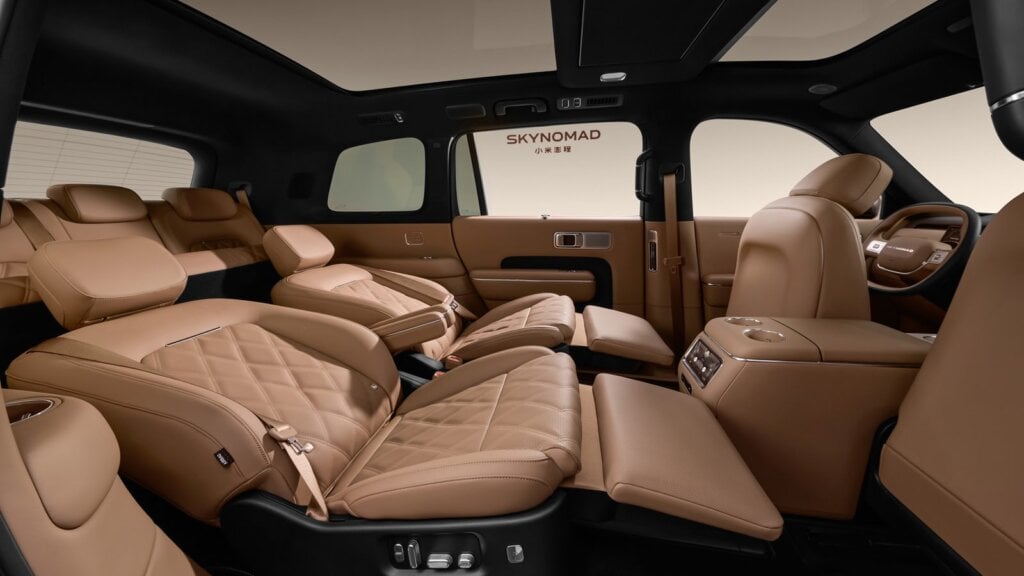
Underpinning both is Xiaomi’s Super Kunpeng platform, which separates the springs and dampers on the rear axle to reduce wheel arch intrusion. That allows a flat floor from the bulkhead to the tailgate and, in the N90, a claimed 4.4 square metres of flat cabin area, 0.2 square metres more than its closest rival despite a shorter wheelbase than the M9 and L9.
Six rails run the length of the floor, with the second and third row seats and the centre console sliding along them electrically. The front seats rotate 180 degrees without the doors being opened. The N90 can be specified with four zero-gravity seats or around 890mm of third-row legroom, and offers 577 litres of boot space, rising to 1,861 litres with the seats forward. The N70 manages 1,203 and 2,425 litres.
Air suspension is standard, with 50mm of height adjustment and a claimed 750mm wading depth on the N90.
Cabin technology includes a 16.1-inch centre screen running HyperOS on a Snapdragon 8 Gen 3 chip, an 8.8-inch driver display, a 13.3-inch head-up display, a 21.4-inch roof-mounted screen for rear passengers and a 6.6-inch panel behind the console. The N90 also gets 25 speakers, a nine-litre fridge drawer, massaging front seats, a retractable side step and 6.6kW vehicle-to-load output.
Xiaomi fits 12 airbags to the N90, along with a front LiDAR unit, a solid-state LiDAR at the rear and a driver assistance system running on an NVIDIA Thor-U chip.
Xiaomi does not sell vehicles outside China and has made no announcement about right-hand drive production, so the Skynomad is not a prospect for New Zealand for the foreseeable future.