View all
8 more images
Arcfox T1 first drive: NZ’s newest budget EV makes a ‘premium’ case
Words: Richard Edwards
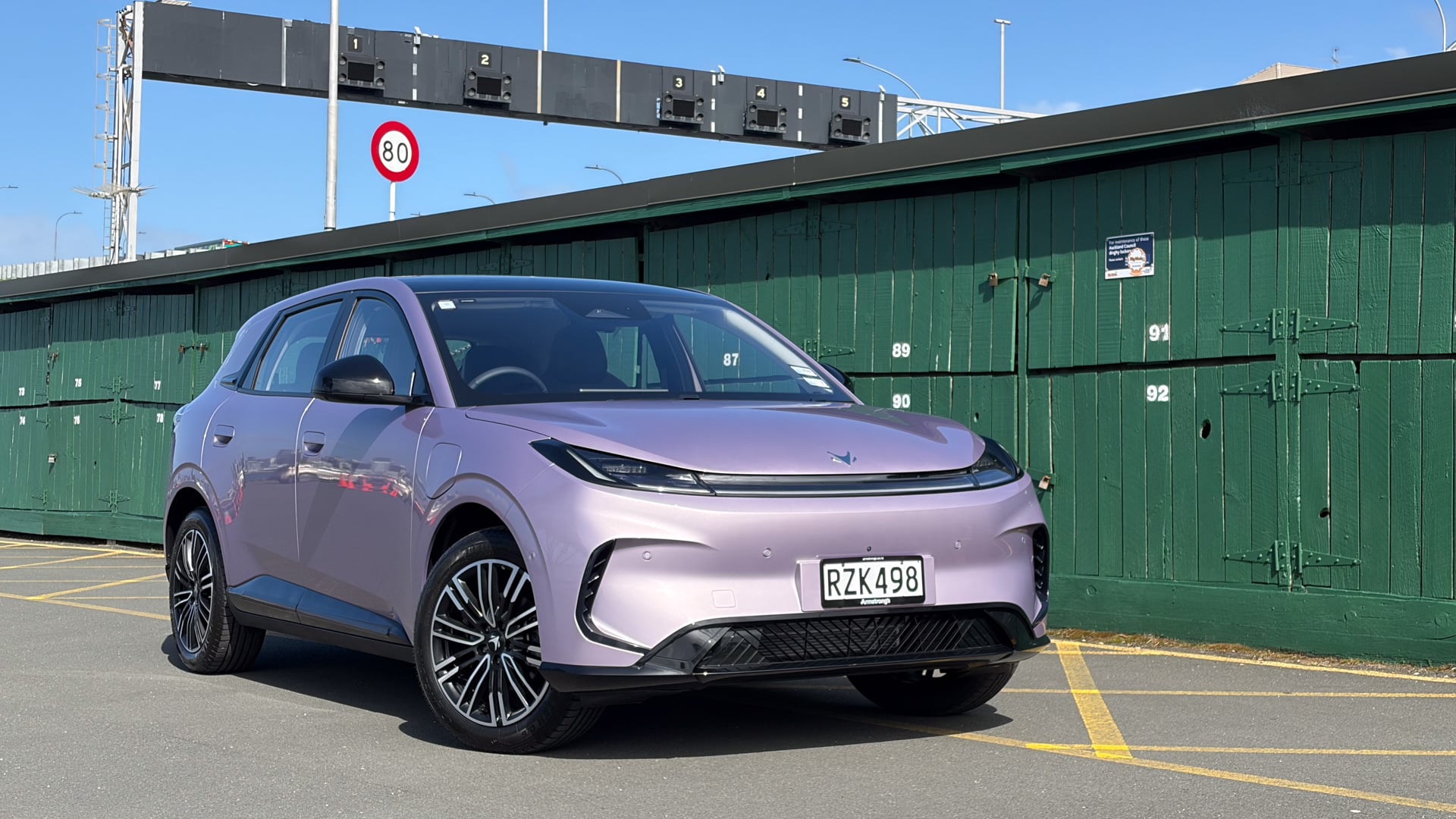
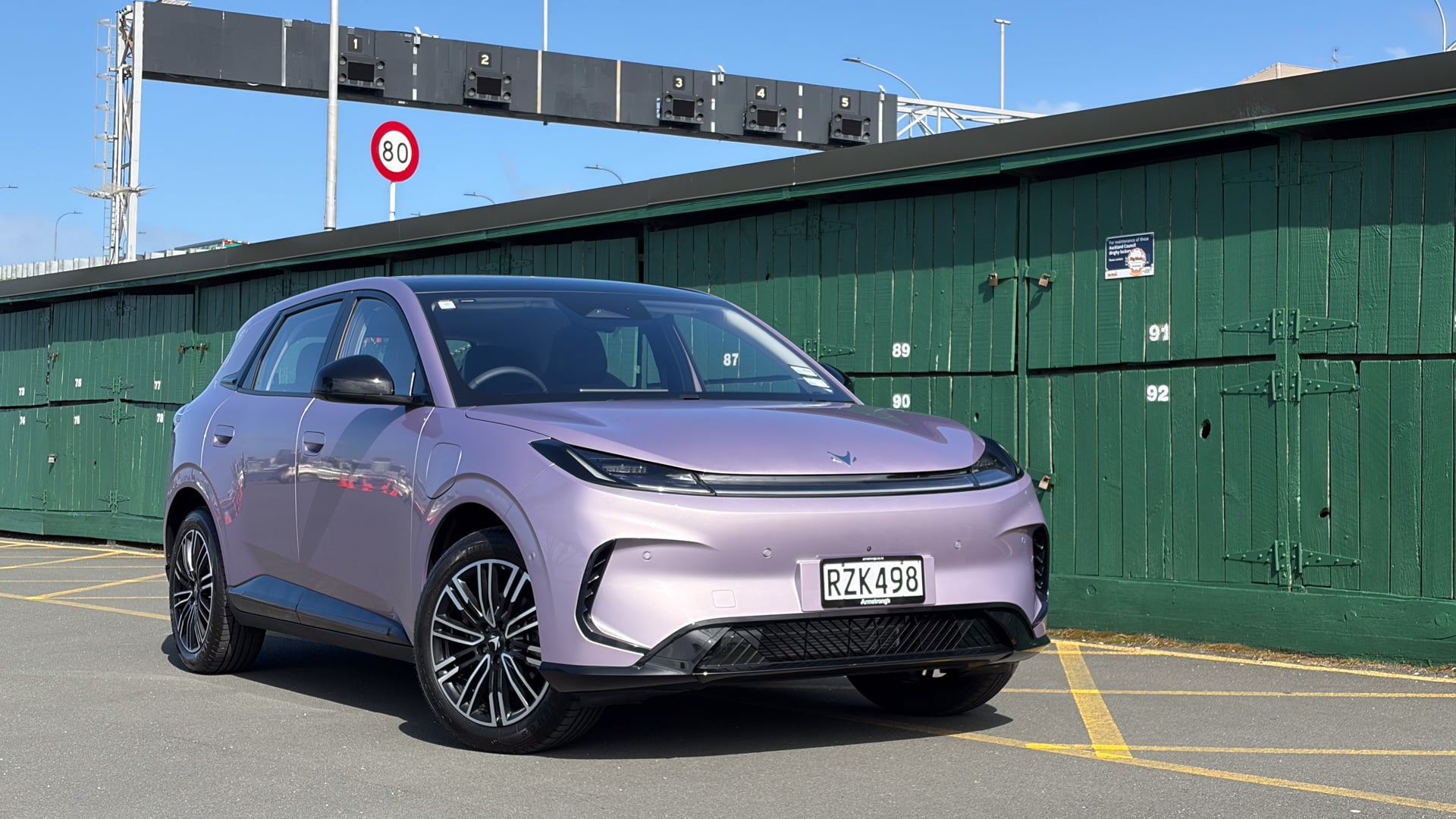
The word premium was doing some heavy lifting at the Auckland launch of Arcfox. The brand, the electric vehicle arm of Beijing giant BAIC, describes itself as premium electric mobility. The one car it has launched with, the T1, costs $34,990. And its chief executive concedes that a good deal of what the name is meant to stand for arrives with next year’s T5, not with this car.
Simon Rutherford, chief executive of importer Auto Distribution Holdings, describes the mission as bringing a premium product to the masses. Asked at the Auckland launch whether a $35,000 price tag risks undermining the premium message, he accepted it.
“I think that’s a fair point to raise,” Rutherford says. “When you introduce the brand, one of the things over time is you do have to build the equity in it. Until you get experience of it, you’re not in a position where you’re actually building that. Do I think it could stand it? Yes.”
The market left little choice, he says. “It’s hugely competitive. When you’re launching, you need to find where you think you’re going to win in the market. I think over time it will be easier as you bring in T5 and other products to lift the premiums.”
That leaves the T1 selling on value now, while the premium case waits for the T5.
Fox from the north
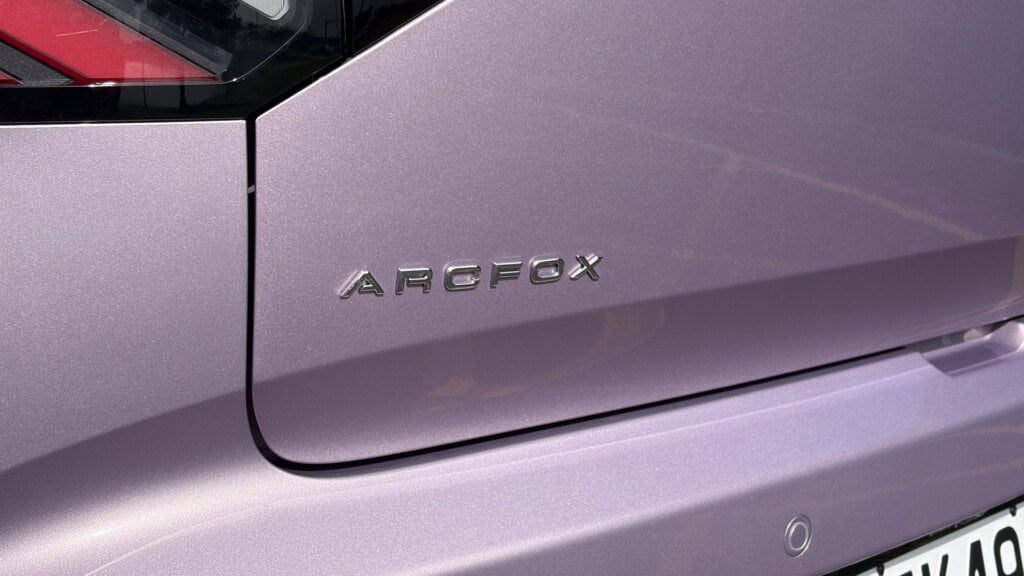
Arcfox was formed in 2017 as BAIC’s technology-focused EV brand, named for the arctic fox, its badge a stylised aurora. BAIC builds Mercedes-Benz and Hyundai models in China through joint ventures, sold 1.71 million vehicles across its brands last year, and sits 192nd on the Fortune Global 500. The Arcfox BE21 platform was co-developed with Magna, the contract manufacturer that builds cars for BMW, Mercedes-Benz and Jaguar. The T1 sold around 43,500 units in China last year.
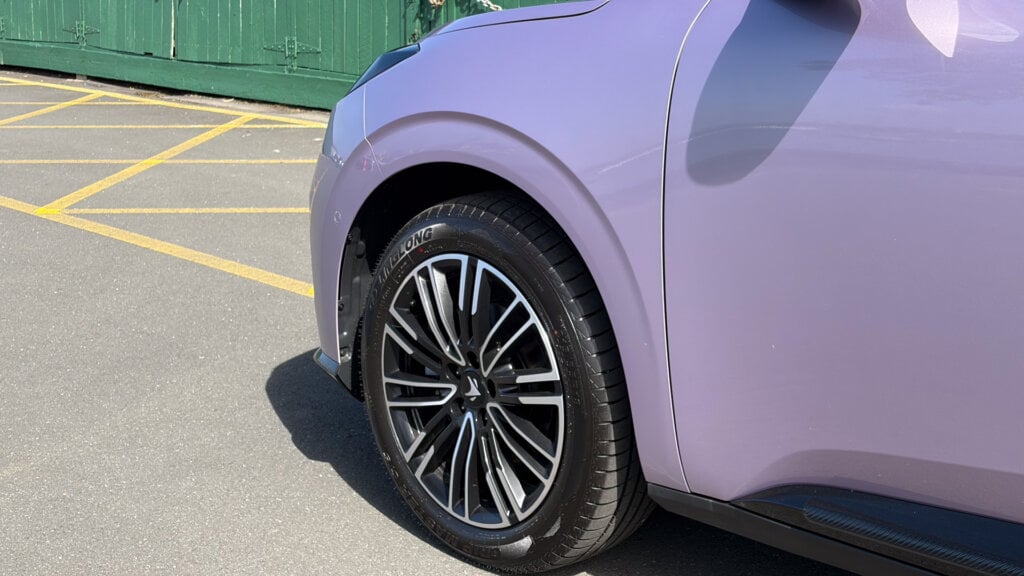
The importer is Auto Distribution Holdings, the Armstrong’s-linked operation that launched the BAIC brand in New Zealand in February. The two marques will share operations behind the scenes but get separate showroom spaces, including a standalone Arcfox site in Newmarket. Arcfox global general manager Chi Xiaohui flew in from Beijing for the launch, landing at midnight the night before.
One model, one spec
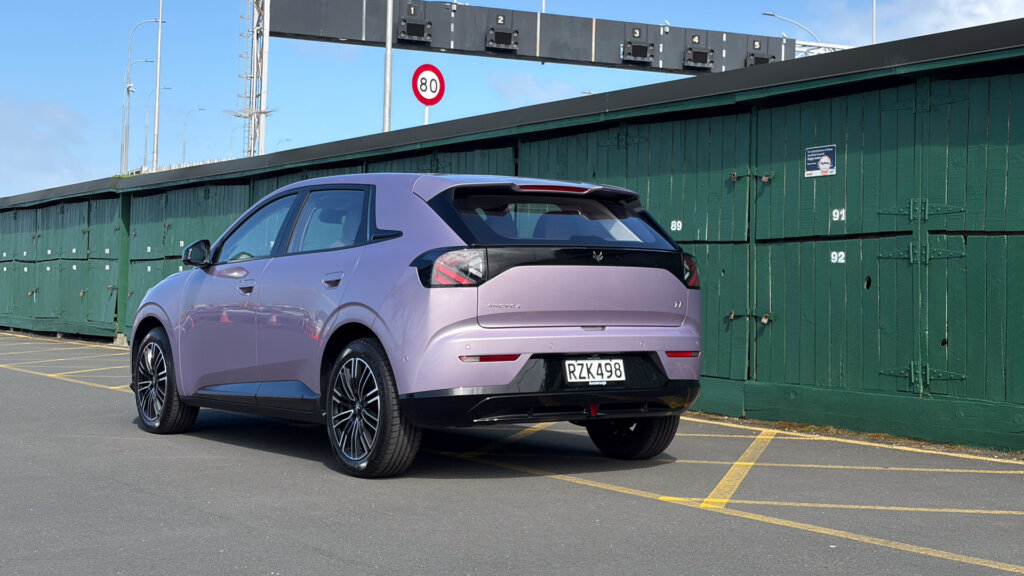
The T1 arrives in a single specification, badged Premium. The RRP is $36,990 plus on-road costs, with a launch offer bringing it to $34,990. Dawn White is the only no-cost colour, with Vana Blue, Flowing Silver, Twilight Purple and Midnight Grey adding $750. Soft White and Dark Grey interiors are both no-cost options.
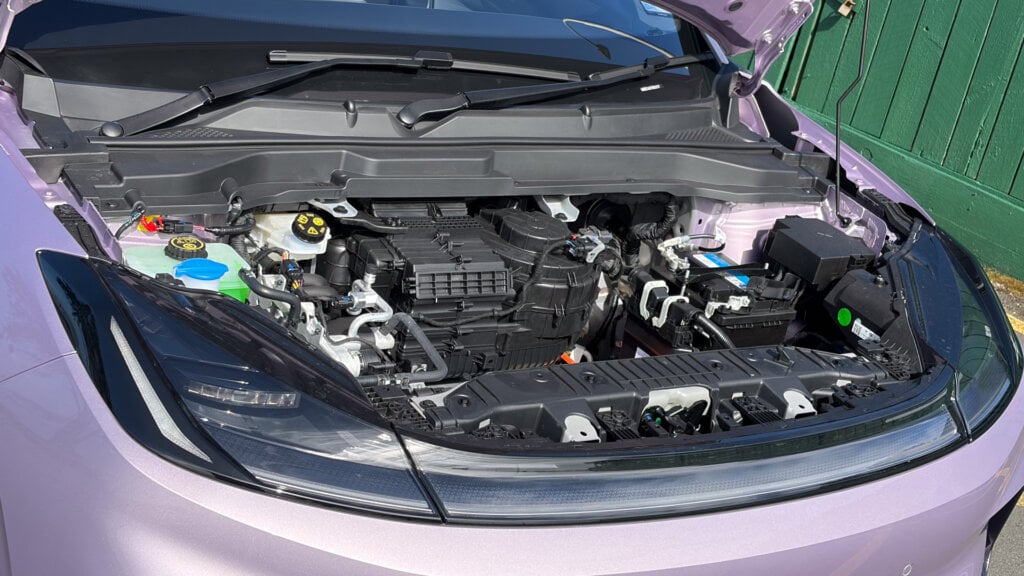
Fourteen dealers go live on 1 September, from Auckland’s North Shore to Dunedin, with Whangarei, Nelson and Invercargill targeted over the next two years. Around 100 cars are landing now, a second shipment follows around September, and the company says it will run lean stock rather than fill yards. Roughly 20 cars have already been sold sight unseen. Finance is through UDC, the same partner as BAIC, including guaranteed future value products alongside dealer floor plan support.
The numbers
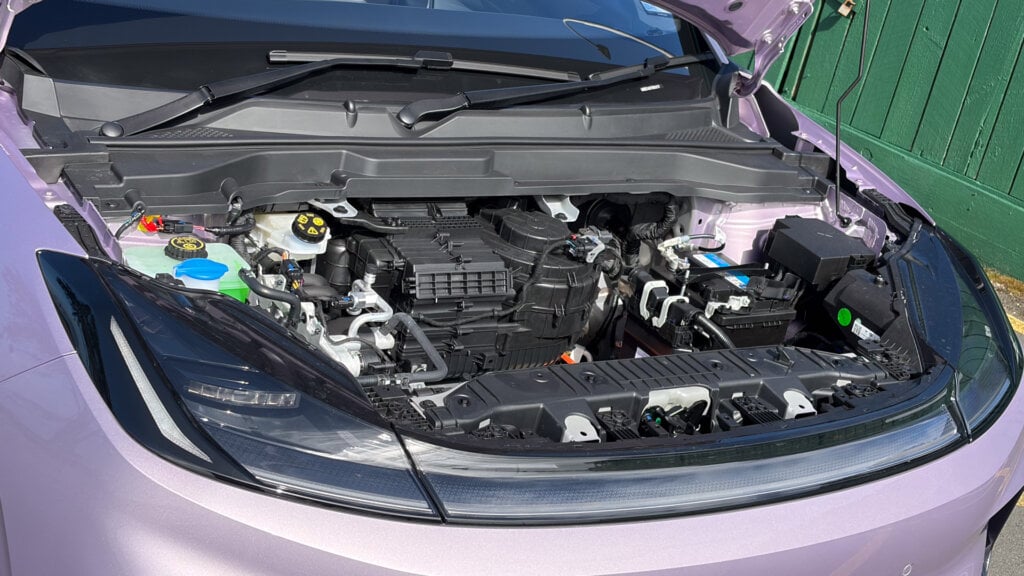
The T1 pairs a 42.3kWh lithium iron phosphate battery with a 70kW/176Nm motor on the front axle, for a WLTP-rated range of over 310km Arcfox New Zealand says no bigger battery is coming for this model.
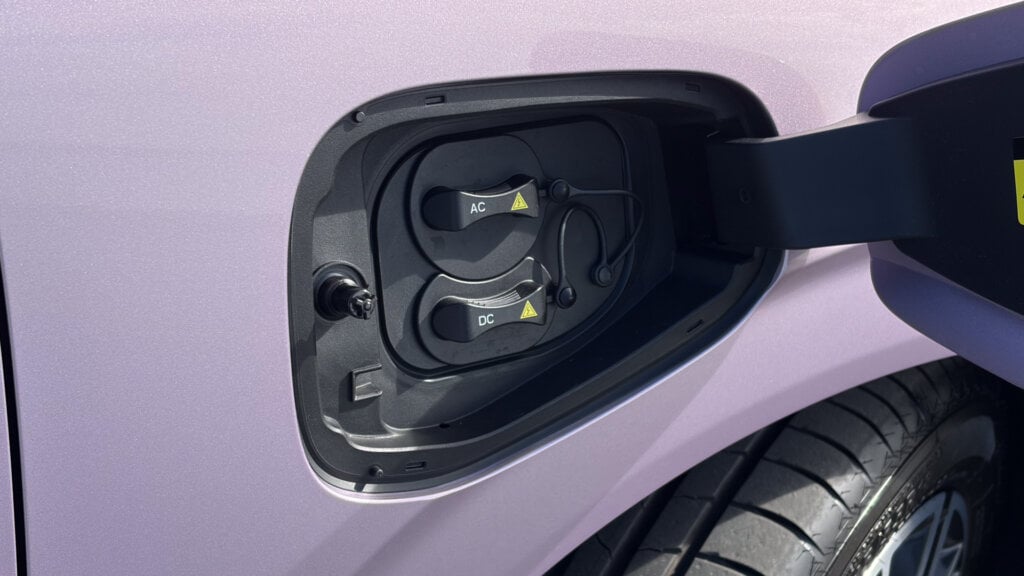
Maximum DC charging is 80kW, with 30 to 80 per cent quoted at 25 minutes. Arcfox claims 17 minutes for the same charge on the Chinese-market car, so the export version charges more slowly, and the local team says it has seen around 56kW charging from a 60 per cent state of charge. AC charging is single-phase at around 6.6kW. A heat pump is standard.
Vehicle-to-load capability runs at 3.3kW and vehicle-to-vehicle charging at 6kW, enough to rescue another EV. The adapters were not available at launch and are due within weeks. There is no smartphone app for the T1, and the car has no connectivity at all, though an app is expected with the T5.
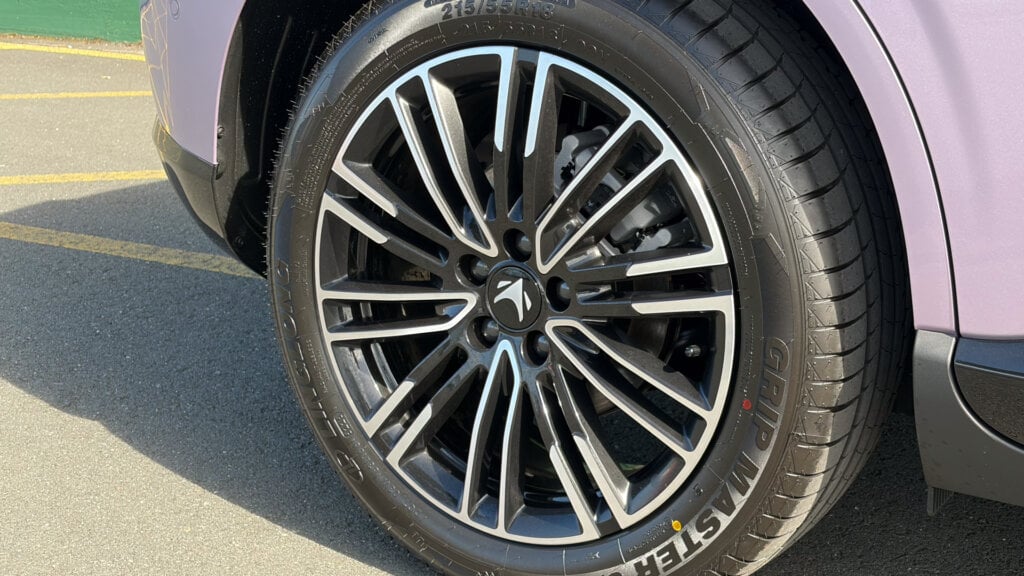
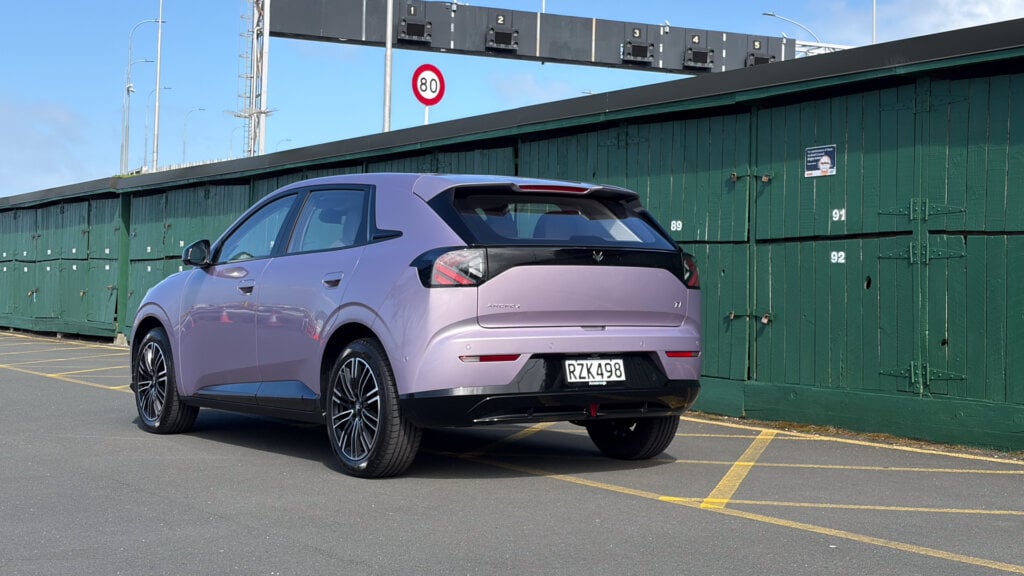
Underneath sit MacPherson struts up front and a torsion beam rear, and the T1 weighs around 1,400kg, light for its footprint. Drive modes run from Eco and Sport through Slippery and Individual to an Eco Plus setting that pares everything back for maximum range. There is no towing rating, although in a translation quirk the settings menu includes a trailer mode, which turns out to be for when the T1 itself is the one being towed.
Small car, big cabin
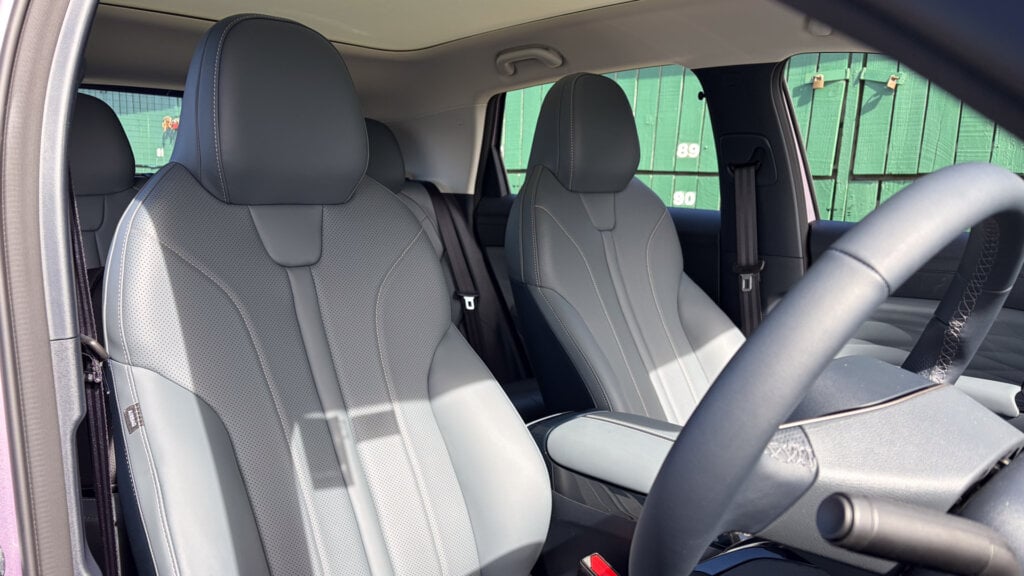
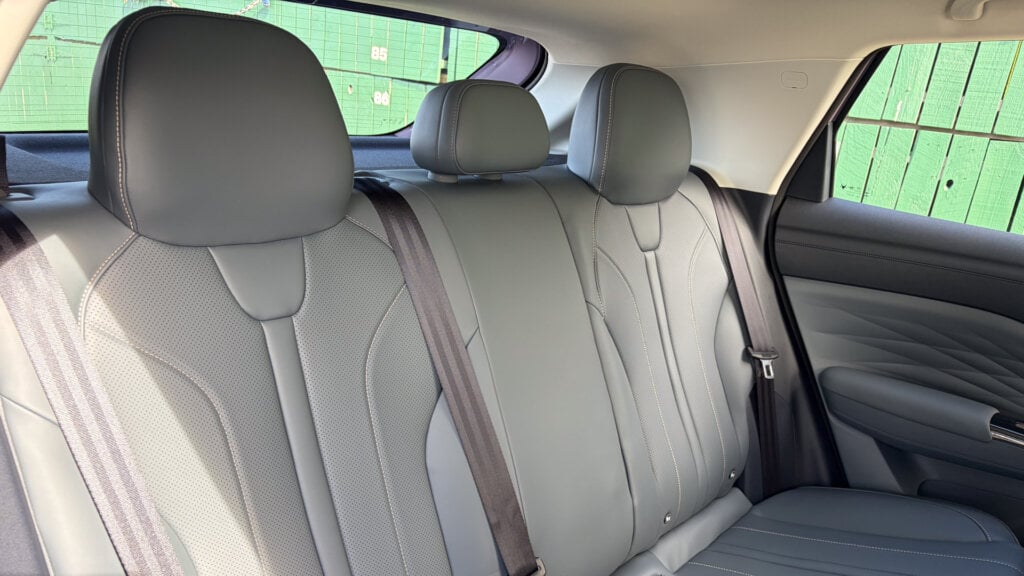
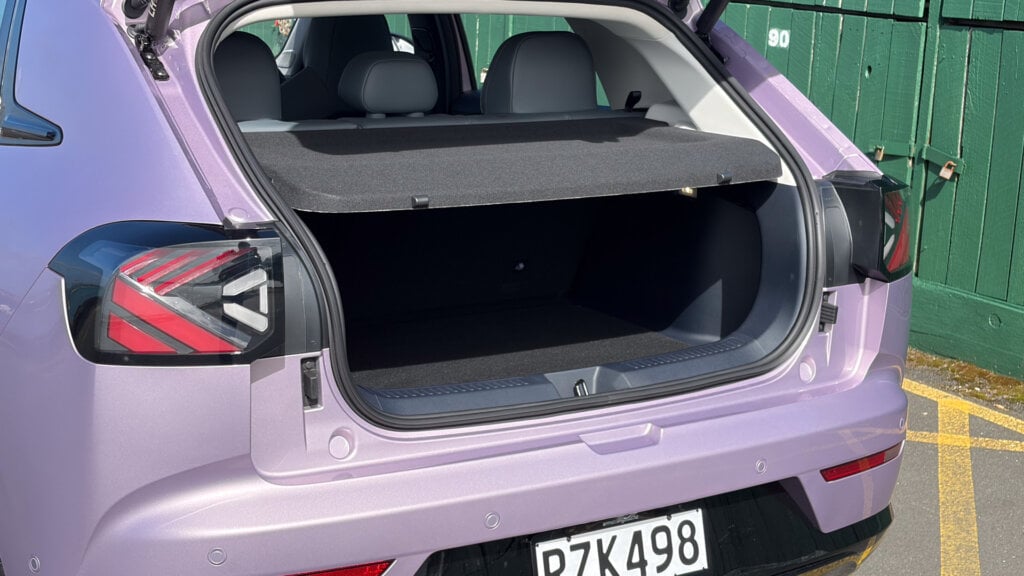
At 4,337mm long, the T1 sits alongside the BYD Atto 2 and Geely EX2 in size and price, and Rutherford names MG, BYD, Dongfeng and Leapmotor as the brands it will be cross-shopped against. Its 2,770mm wheelbase is longer than some midsize SUVs, and the rear legroom it opens up is the T1’s standout feature. Ground clearance is 181mm, pitched at steep driveways and gravel roads. Overseas specifications list the boot at 459 litres, expanding to 1,352 litres with the seats folded, though local figures are still to be confirmed.
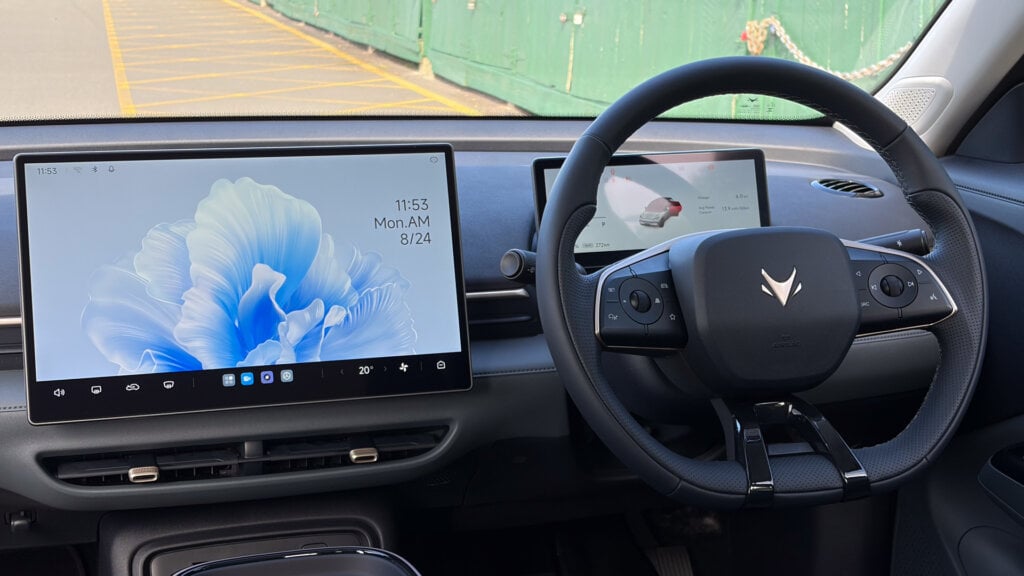
Standard equipment includes a 15.6-inch touchscreen backed by an 8.8-inch driver display, a panoramic glass roof, ventilated front seats and a 66W fast-charging USB port. Phone mirroring is Apple CarPlay only. There is no Android Auto, so Android users are left with the native system and Bluetooth. Voice control responds to “Hi Fox” and operates the climate control, windows and sunshade.
The steering wheel adjusts for reach and tilt, though the range is limited and taller drivers will sit high enough to have their view clipped slightly. The wheel itself is large, the mirrors are big, and outward vision is good. We do have some concerns over the quality of the driver’s seat electric adjustment.
On the road
The ride is on the firmer side but well compromised. On rough urban roads you can feel what is going on underneath without it becoming wearing, grip is good, and the brakes feel strong. Road noise is well controlled.
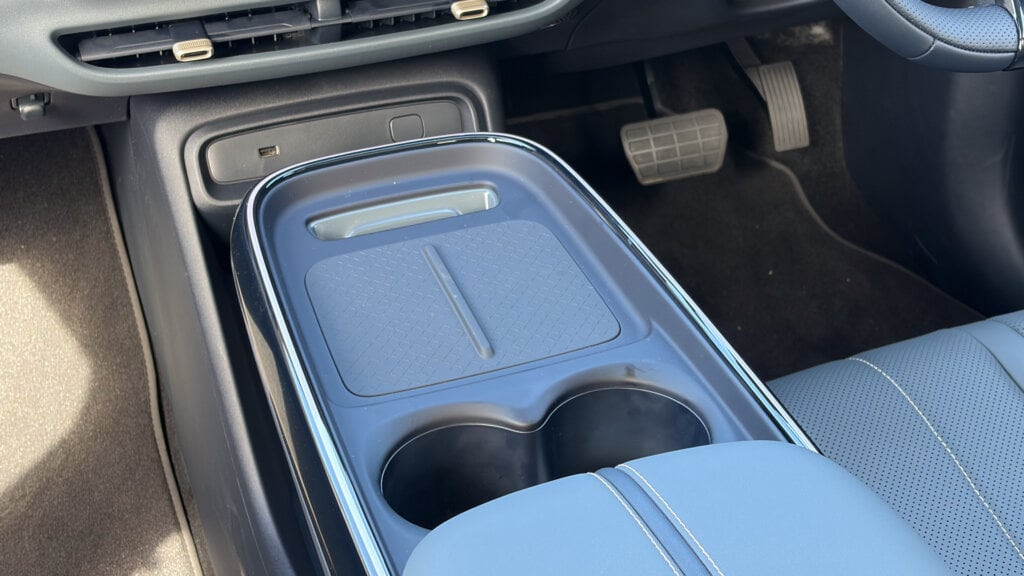
Performance is best described as moderate. The light kerb weight means the 70kW motor gets the T1 away cleanly, with no torque steer, and around town it is completely adequate. Foot flat in Sport mode on a motorway on-ramp confirms it is not a fast car, and overtaking with a full load will not be its strong point. The steering is incredibly light with little feel, and Sport mode adds weight that feels artificial rather than responsive. There is no separate setting to adjust the assistance, which would be welcome.
The driver assistance is the surprise. Arcfox is one of the few companies in China authorised to develop level 4 autonomous systems, and while nothing on this car claims that, some of that capability has clearly filtered down. Engage the adaptive cruise and lane keeping and the T1 sits dead centre in its lane, smooth and confident where systems in far more expensive cars still wander, and it is relaxed about hands-on reminders rather than nagging. There is no driver attention monitoring camera, so no chime every time you glance at the screen.
The safety question
The T1 has not been ANCAP tested, and it is unlikely to be while an Australian launch remains distant. “We haven’t been ANCAP tested, but we have the VSRR rating, five star, that’s on my car already,” Rutherford says. The Vehicle Safety Risk Rating is a statistical estimate of how a vehicle of this type and equipment would perform, not a crash test, and buyers should understand the difference. Asked whether six airbags is enough to support the safety pitch, Rutherford conceded the count “might be a little bit light”.
Two other absences would count against a top rating: there is no SOS button to call emergency services after a crash, a function most rivals now carry, and the car’s total lack of connectivity rules one out. The standard tally is six airbags, AEB, adaptive cruise control, traffic jam assist, lane departure warning and a 360-degree camera with a transparent underbody view. The T5 will be Euro NCAP tested before it arrives.
What comes next
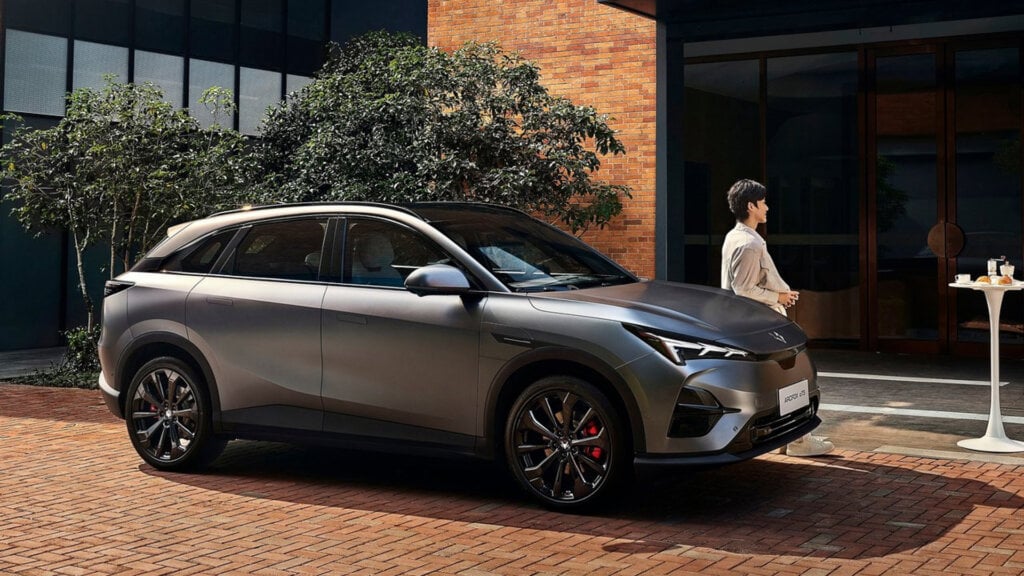
The T5, a larger SUV hoped for early next year, carries much of what the brand is promising: the Euro NCAP test, the smartphone app, and the positioning lift Rutherford talks about. A T5S variant is a possibility beyond that, while the Kaola, with its asymmetric door layout, is not currently built in right-hand drive.
Backing it up
The warranty runs six years or 200,000km on the vehicle and eight years or 200,000km on the battery, with six years of roadside assistance.
The T1 is a completely competent city crossover, but its small battery and execution struggle to justify the premium tag, and nobody at Arcfox is really arguing otherwise. The crash rating, the connectivity and the positioning the brand talks about are all tied to the T5. What is on sale today is a roomy, well-equipped small EV with unusually good driver assistance, at a price that undercuts nearly everything comparable. On that basis it works. The premium part, on management’s own telling, comes later.
ArcfoxArcfox T1BAICChinese EVs
Related stories
E-CARS
Arcfox confirms T5 electric SUV for NZ before its first car reaches customers
E-CARS
The EV that just drove upside down has NZ in its plans
E-CARS
Leapmotor prices B03X electric SUV from $37,990
August 19, 2026
Join the conversation
Be the first to comment
You must be logged in to post a comment.