Mercedes-Benz gears up for all-electric VLE unveiling
Words: Autocar
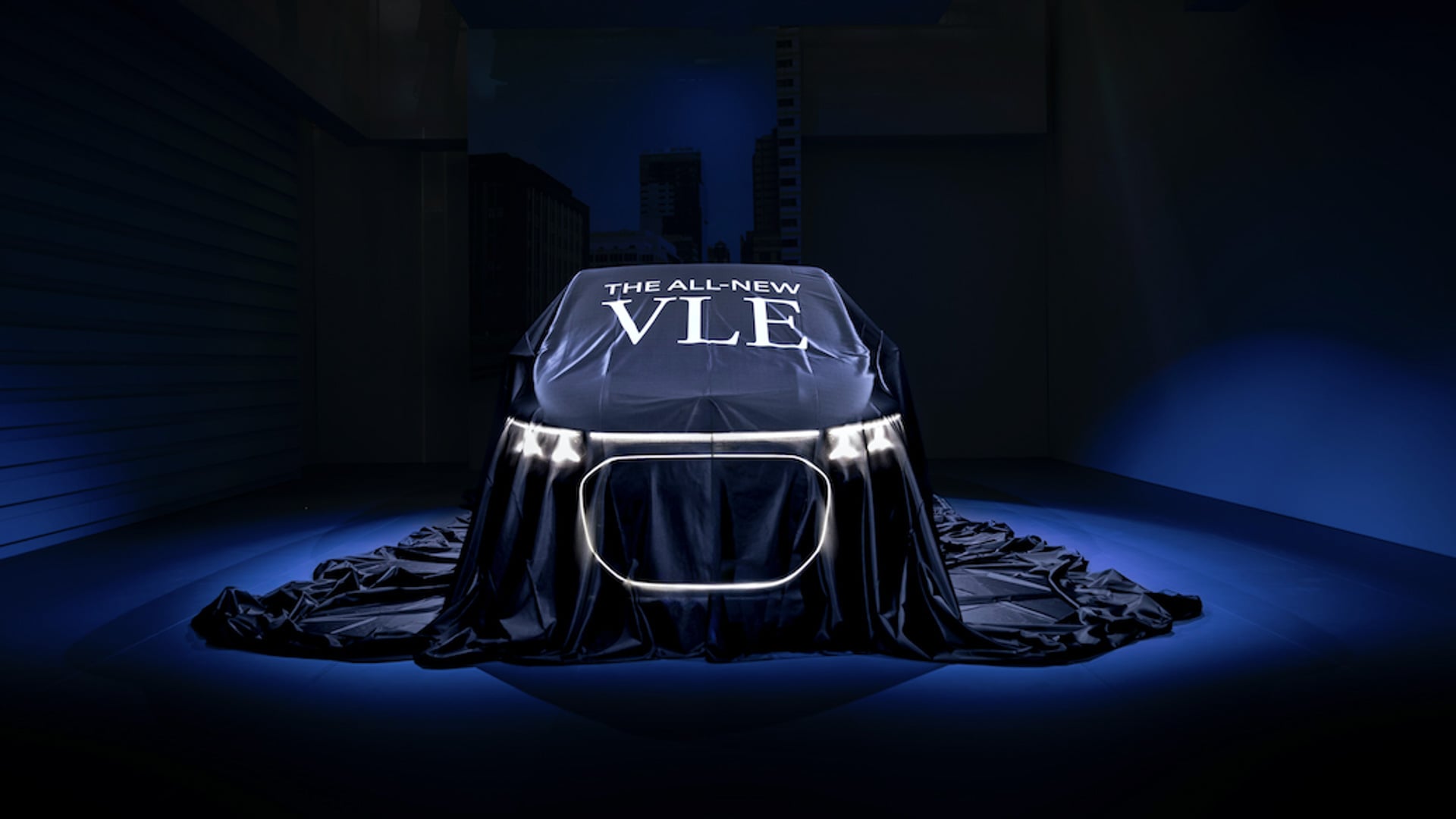
Mercedes-Benz will reveal its all-new electric VLE luxury van at a global livestream event next week as the brand prepares to introduce a new generation of premium electric people movers.
The new model will make its world premiere in Stuttgart on March 10 at 7pm CET, with the event streamed online for global audiences.
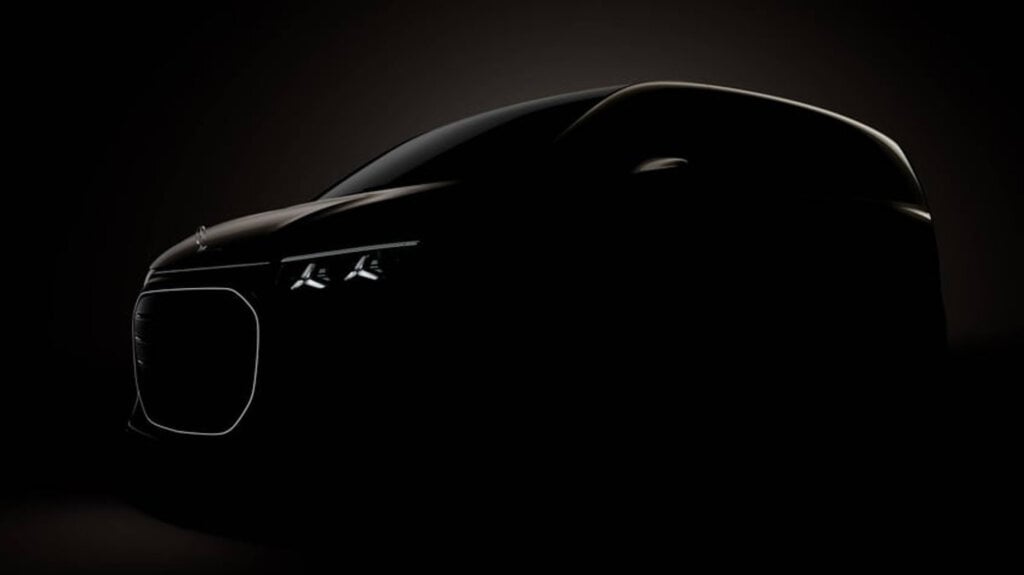
Mercedes-Benz says the VLE marks the beginning of a new era for its van range as the first model built on the company’s modular van architecture designed to support future electric vehicles.
The vehicle is positioned as a premium multi-purpose model combining limousine-like ride comfort with the versatility of a people mover. It will offer seating for up to eight occupants and is aimed at uses ranging from family transport to premium shuttle services.
Mercedes says the VLE has been designed to adapt to multiple lifestyles, functioning as a flexible family vehicle, a leisure vehicle or a high-end transport solution.
The VLE is expected to replace the outgoing electric EQV and will be built on Mercedes’ new VAN.EA platform for electric models. Internal combustion variants will be produced on a related VAN.CA architecture, with both versions manufactured on the same production line at the company’s Vitoria plant in Spain.
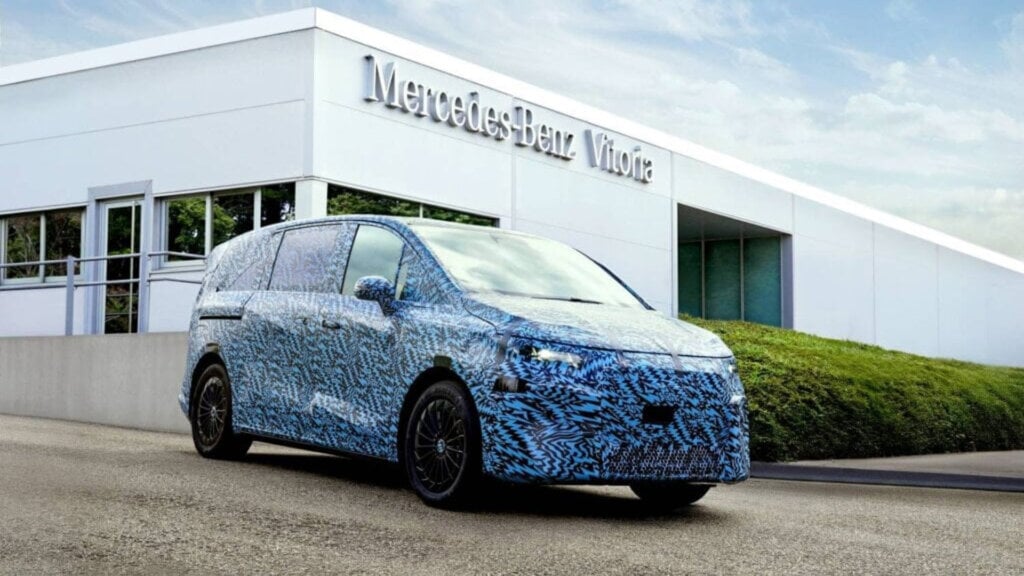
Testing of the new model has included wind tunnel development and high-speed trials, with earlier reports suggesting the electric version could deliver a driving range approaching 500km — a notable increase over the EQV’s 362km capability.
The VLE will feature an 800-volt electrical system enabling ultra-fast charging speeds of up to 320kW. Both single-motor and dual-motor powertrain options are expected, alongside rear-axle steering designed to improve manoeuvrability.
Mercedes positions the VLE as a mid-size luxury van comparable to the E-Class in its passenger car line-up. A larger VLS model is also planned to sit above it in the brand’s future luxury van range.
Electric versions will run Mercedes’ new MB.OS operating system with permanent internet connectivity and advanced driver assistance systems. Level 2 automated driving capability will be standard, with higher levels of automation planned later in the decade.
Local launch timing for markets such as Australia and New Zealand has not yet been confirmed.