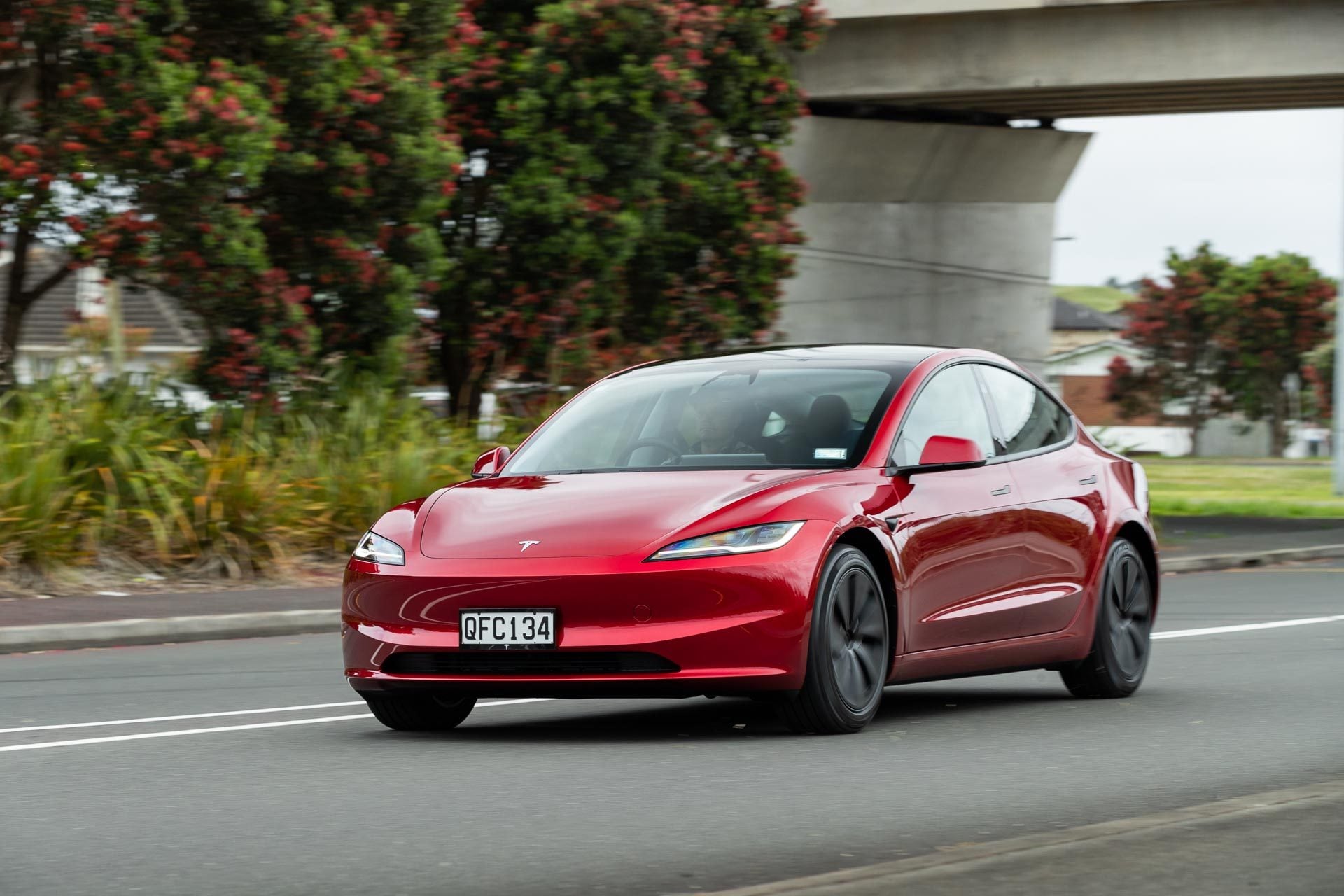
Tesla Model 3 fails WoF inspection, deemed safe to drive by manufacturer
Words: Andrew Sluys
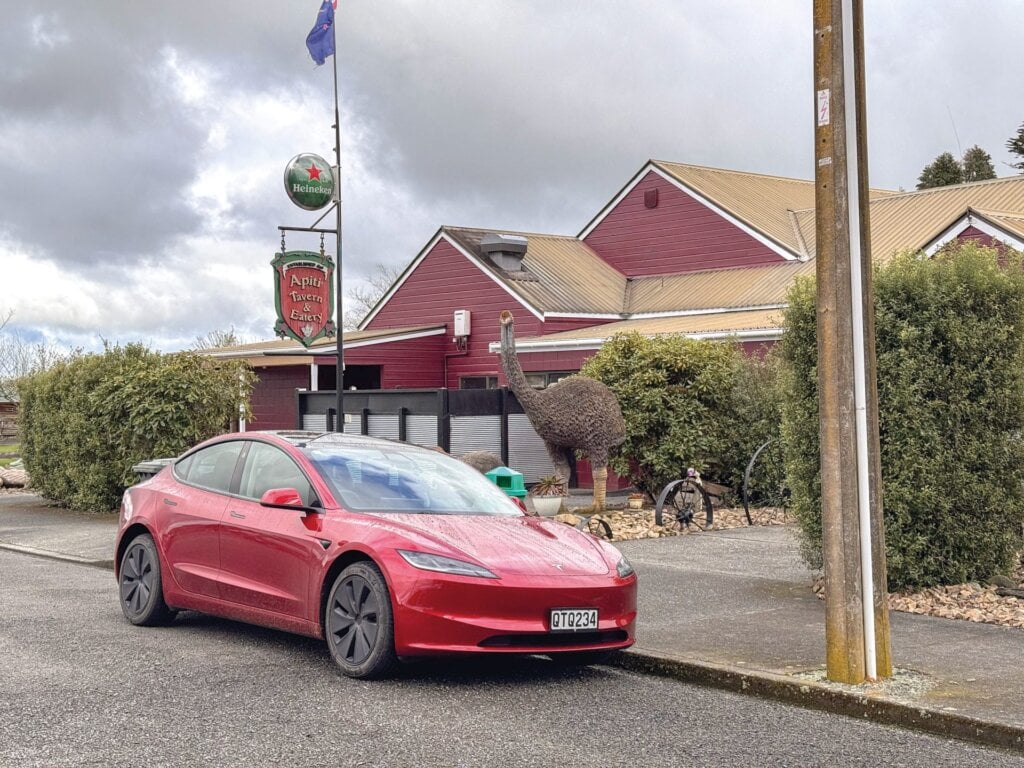
One Tesla owner in New Zealand has found themselves in a world of frustration after contradicting safety claims about her Model 3 left it off the road.
According to a story published by Stuff, the Model 3 owner (who remains anonymous) was told by the manufacturer that her Tesla was roadworthy, but two independent mechanics thought otherwise.
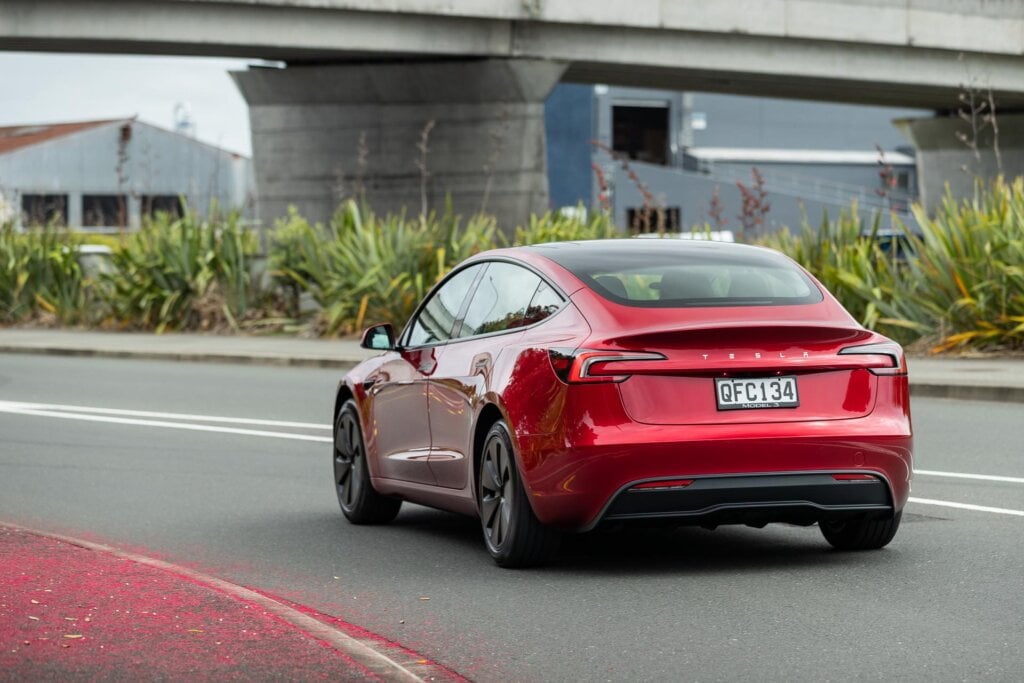
The Model 3 in question is a 2021 model that was purchased as a used car in 2023. It still had four years of its warranty left, qualifying it for annual service checks.
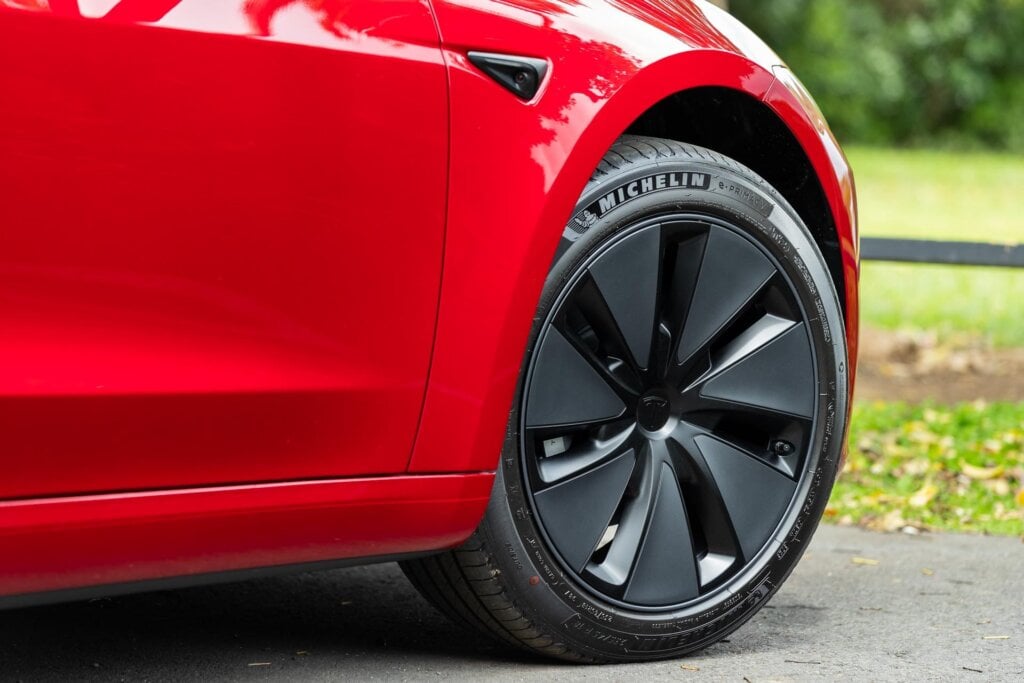
During one of these check ups in 2025, three of the knuckle ball joints were deemed to have play in them, and a repair was booked in for January this year.
The service centre deemed the play was sufficient enough to warrant a repair, but not enough to fail a warrant of fitness check.
In the following weeks after this check, the owner took the car to a local mechanic to get a WoF inspection, but it failed based on the excessive play in the ball joints.
In response, the owner called the Tesla service centre, explaining how the car had failed on the ball joint issue first identified in the initial check-up. During this call, Tesla reportedly told her to advise the mechanic the play was not excessive, according to the manufacturer.
Tesla also asked if the mechanic had read the Tesla handbook, which reportedly states an allowance for play in ball joints.
When this information was passed on, the mechanic stated that the car still fails under New Zealand regulations, no matter what the handbook says.
The owner then took the car to an AA centre, where she received the same response, and they would also fail the car based on the rear suspension play.
Adding to this, the AA mechanic told the owner that they “have never had this movement before” despite inspecting “many” Tesla vehicles.
Now frustrated with the situation, and left with an unsafe vehicle, the owner contacted the Tesla service centre, and was told she should drive up to the Mangere location for the repair. Considering the five-hour drive each way, the owner wasn’t happy with this response.
She reportedly asked if Tesla would collect the car on a truck to carry out the repairs, but her request was denied.
The back and forth reportedly continued with the brand, and Tesla sent an email quoting a section of the New Zealand Transport Authority/Waka Kotahi’s vehicle inspection requirements manual (VIRM).
This section states if a suspension component has play beyond the manufacturer’s specifications, it would fail a WoF inspection.
Since the car had only travelled 880km since the check-up at the Tesla service centre, where it was deemed to be within the limits, this would have likely not changed.
“Since the measured play is significantly below the manufacturer’s maximum allowable limit, this condition does not meet the threshold for rejection,” Tesla told the owner.
Tesla eventually agreed to collect the vehicle and complete the repairs as well as a WoF inspection. The Model 3 was returned to the owner earlier this month.
While the owner was happy with the outcome, it unveiled a concerning issue in the inspection system, where manufacturers’ idea of safe can fall outside legal regulations.