Guide to Self-Contained Camper conversion New Zealand
Words: AutoTrader NZ
Wanting to hit the NZ roads in your very own converted camper but don’t know where to start? We’ve put together a guide of everything you need to know to get self-contained certified in New Zealand.
By law in New Zealand, you will need a self-contained certification (NZS 5465:2001) for your camper conversion, this means that your camper does not require external facilities like a water source, rubbish disposal and toilet.
Who can issue a self-contained certification in NZ?
There are many self-contained certification providers in New Zealand, they are normally plumbers. Self Contained NZ has an online booking option and NZ Lifestyle Camping has a full list of providers for the North and South Island.
What will you need?
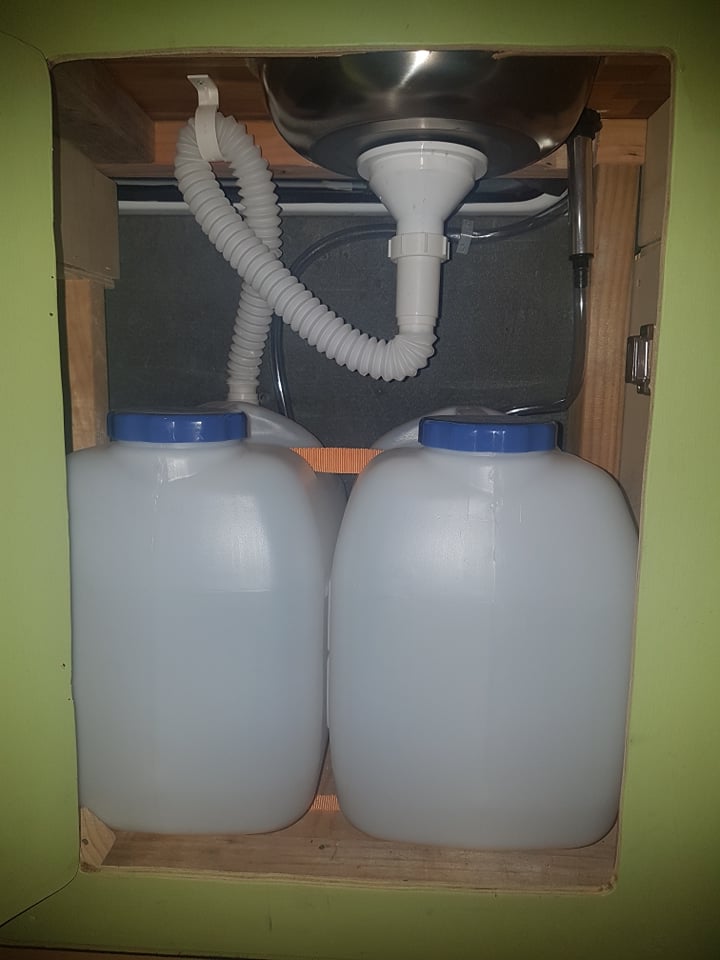
- A freshwater tank: 12L per person, which equals three days of water (for example, if your camper sleeps two people, you will need a 24L water container), a Jerry Can works well for this.
- A grey/black waste water tank: 12L per person, which equals three days of water (for example, if your camper is set up for two people, you will require a 24L tank).
- All water tanks must have vents, allowing water to flow easily.
- A rubbish bin with a lid, any size will do for this, however it does need to be fixed to the vehicle.
- A toilet (portable or fixed). Needs to have a minimum of 3L per person for three days and be able to be used inside the campervan with the bed made up.
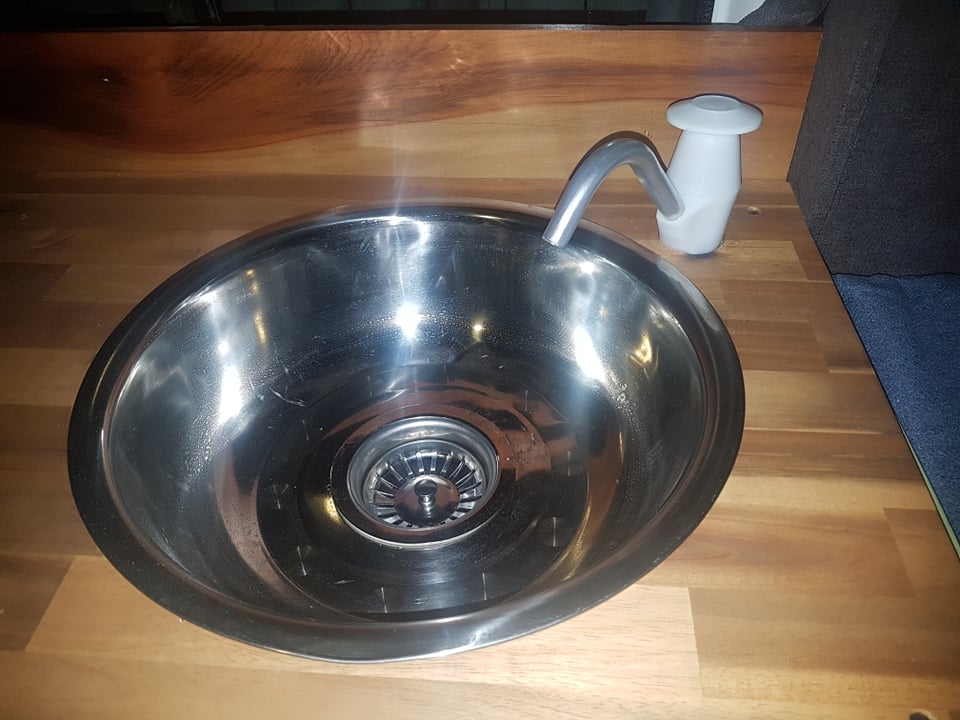
- A sink tap: a hand pumped tap for drinking water works well.
- Evacuation hose (3m for fitted tanks) or long enough to connect to a sealed portable tank. This is only if the tank is permanently fixed to your vehicle.
- A sink connected to a smell trap/water trap, and then a watertight, sealed waste water tank. Here is how they work:
Van Conversion Kits
If you’re not keen on sourcing all of the supplies for the conversion yourself, Van Lifer NZ offers flatpack kitsets. They have a great user friendly website with completely customisable options, including plumbing and electric upgrades. They even offer installation and a self containment certification right from their workshop.
Which van models make a great camper?
Medium Sized Vans:
Toyota Hiace
Average Price Range: $10,000 to $55,000 depending on year and kms
Fuel Type: Petrol and Diesel options available
Cargo Space: 6 cubic for the earlier models (up to 2018) and 6.2 cubic metres from 2019 onwards
View all available Toyota Hiaces on Auto Trader
Volkswagen Transporter 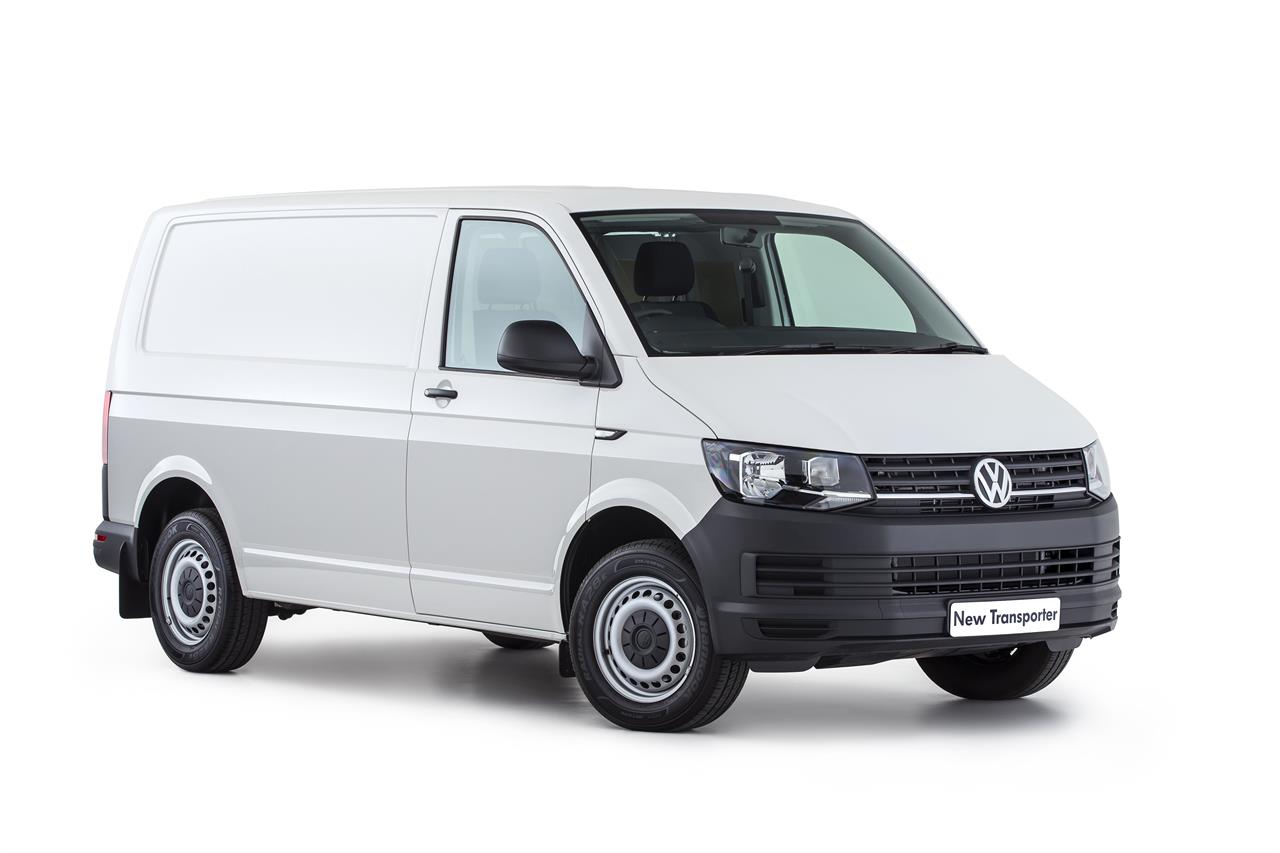
Average Price Range: $40,000 to $70,000 depending on year and kms
Fuel Type: Petrol and Diesel options available
Cargo Space: 5.8 cubic metres
View all available Volkswagen Transporters on Auto Trader
Nissan NV350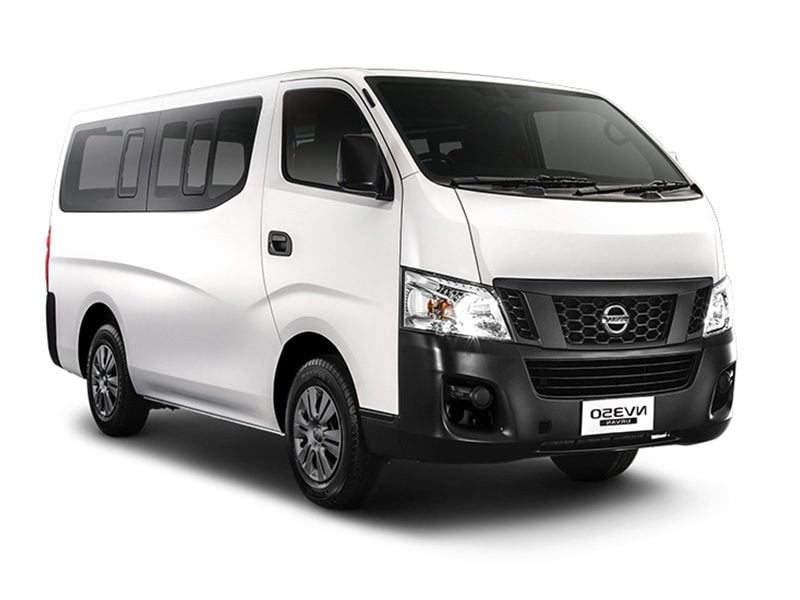
Average Price Range: $20,000 to $45,000 depending on year and kms
Fuel Type: Petrol and Diesel options available
Cargo Space: 6 cubic metres
View all available Nissan NV350s on Auto Trader
Large Vans:
Ford Transit 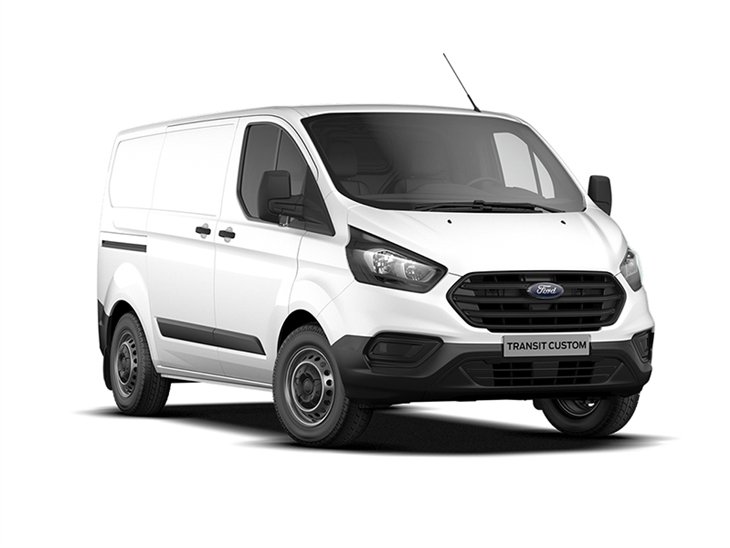
Average Price Range: $15,000 to $100,000 depending on year and kms
Fuel Type: Diesel
Cargo Space: 15.1 cubic metres
View all available Ford Transits on Auto Trader
Volkswagen Crafter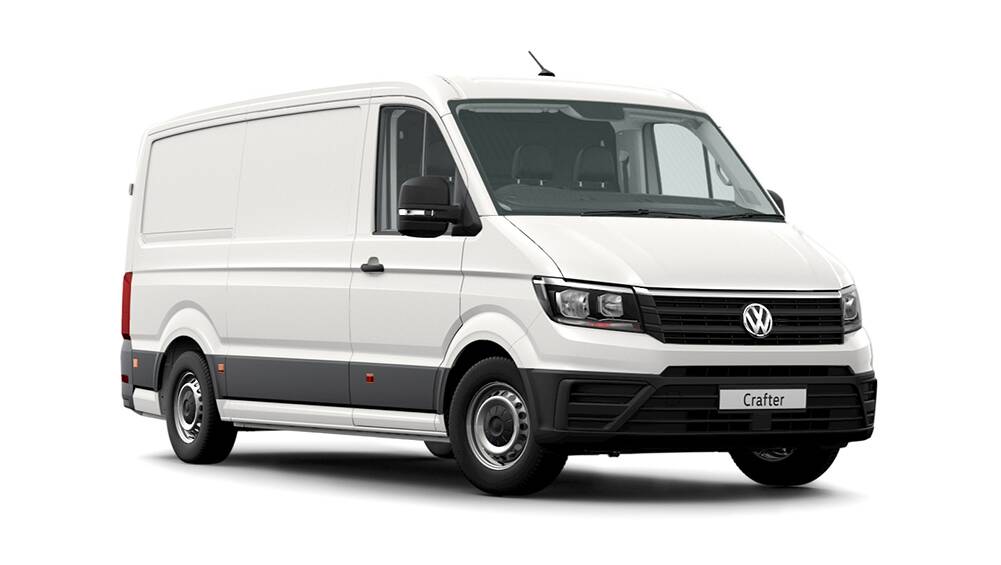
Average Price Range: $50,000 to $100,000 depending on year and kms
Fuel Type: Diesel
Cargo Space: 18.4 cubic metres
View all available Volkswagen Crafters on Auto Trader
Mercedes-Benz Sprinter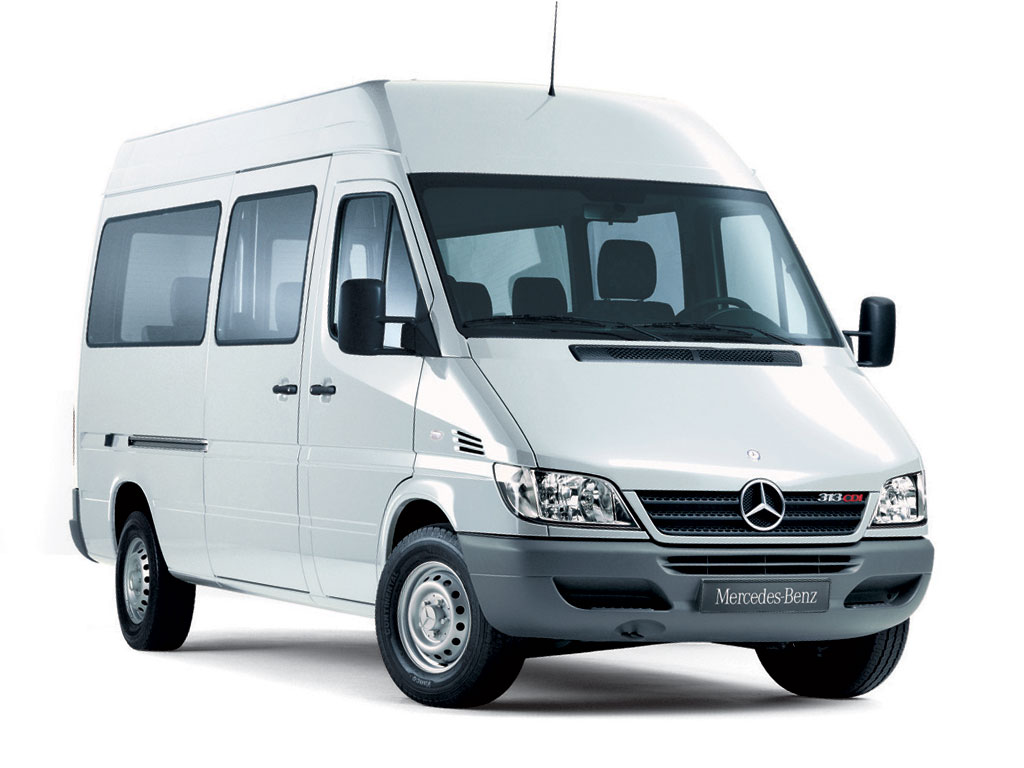
Average Price Range: $50,000 to $100,000 depending on year and kms
Fuel Type: Diesel
Cargo Space: 17 cubic metres