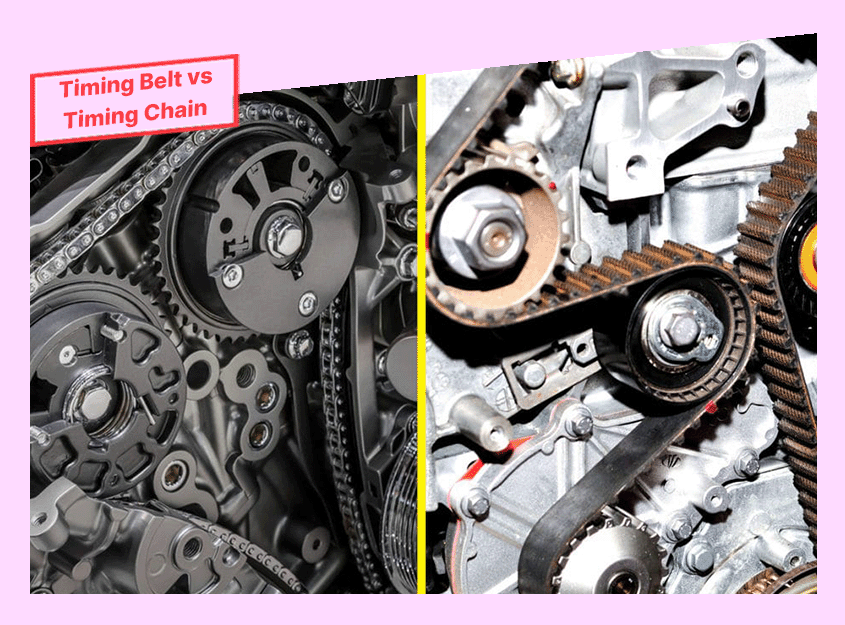
Timing Belt vs Timing Chain: What’s the Difference? ⛓️
Words: AutoTrader NZ
Timing belts and timing chains are critical engine components – and if they fail, the damage can be serious (and expensive).
But what’s the difference? And how do you know which one your car has?
What Do They Actually Do?
Both timing belts and timing chains control the timing of your engine’s internal components. They ensure valves and pistons move in perfect sync.
If that timing slips, engine damage can occur.
Timing Belt
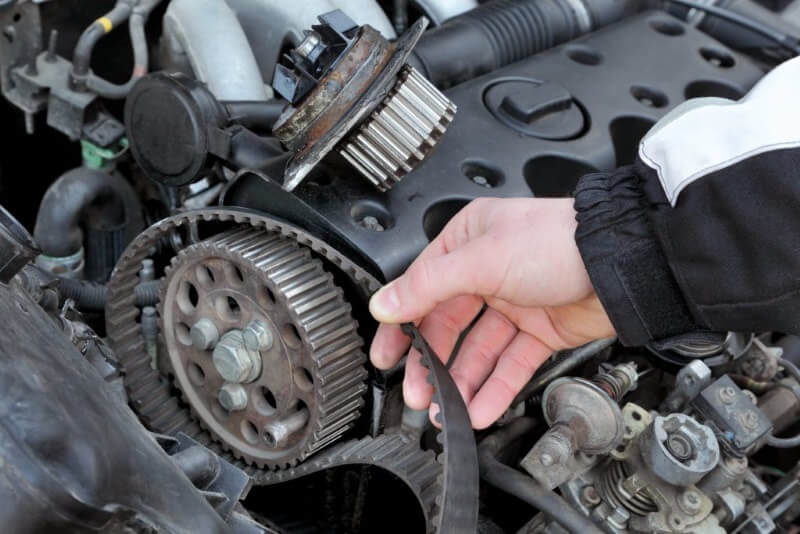
A timing belt is made from reinforced rubber.
Pros:
- Quieter operation
- Lightweight
- Lower initial cost
Cons:
- Must be replaced at set intervals
- Can fail suddenly if not maintained
Most timing belts need replacing between 60,000–100,000 km, depending on the vehicle.
Ignoring replacement intervals can lead to severe engine damage.
Timing Chain
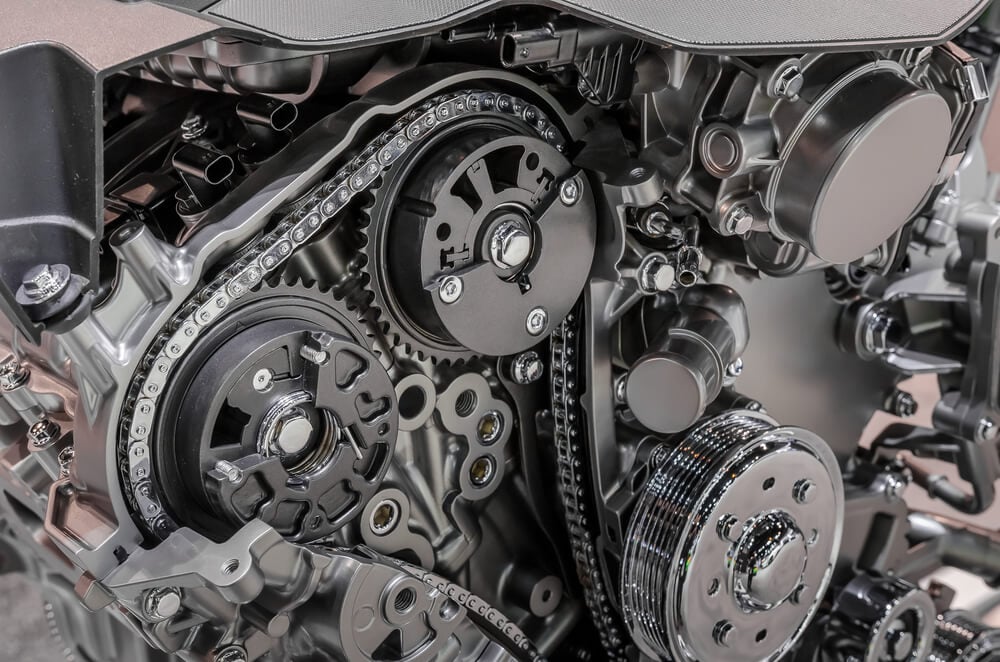
A timing chain is made of metal and lubricated by engine oil.
Pros:
- Designed to last longer
- Often lasts the life of the vehicle
Cons:
- More expensive if replacement is needed
- Can stretch over time
Timing chains typically don’t have fixed replacement intervals, but poor maintenance (like low oil levels) can cause wear.
How to Know Which One You Have
Check:
- Your owner’s manual
- Manufacturer service schedule
- Ask a mechanic
Some engines are interference engines, meaning a failed belt or chain can cause serious internal damage.
Why This Matters
Replacing a timing belt on schedule might cost hundreds.
Ignoring it could cost thousands.
Understanding what your car uses helps you plan maintenance properly.
Bottom Line
Timing belts require scheduled replacement.
Timing chains usually last longer but still need proper maintenance.
Knowing which your car has helps prevent costly surprises.
👉🏼 Prevention is always cheaper than repair.